
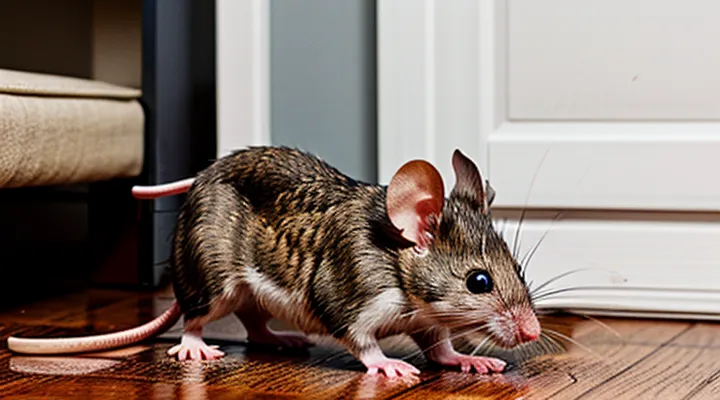
Understanding the Mouse Problem
Signs of a Mouse Infestation
Droppings and Urine Trails
Droppings and urine trails are primary evidence of rodent activity. Their presence confirms infestation, guides placement of traps or bait stations, and indicates areas where sanitation measures must focus.
Typical signs include dark, pellet‑shaped feces about 3‑5 mm long, often found along walls, behind appliances, or in cabinets. Urine appears as faint, wet stains that may darken when exposed to air; it leaves a distinct, musky odor detectable in confined spaces.
Handling these contaminants requires protective equipment. Wear disposable gloves, a mask rated for particulate matter, and eye protection to avoid inhalation of aerosolized pathogens and direct contact with potentially infectious material.
Cleaning protocol:
- Ventilate the room for at least 15 minutes before work begins.
- Sprinkle a fine layer of disinfectant powder (e.g., bleach‑based or enzymatic) over droppings and urine spots.
- Allow the powder to sit for the manufacturer’s recommended dwell time (typically 10‑15 minutes).
- Vacuum the area using a HEPA‑rated filter, discarding the bag or canister immediately.
- Wipe surfaces with a liquid disinfectant solution, ensuring full coverage for at least 5 minutes.
- Dispose of all cleaning materials in sealed bags and wash hands thoroughly after glove removal.
Accurate identification and thorough decontamination of droppings and urine trails reduce health risks, improve the effectiveness of humane control devices, and prevent secondary infestations in neighboring units.
Gnaw Marks and Damage
Gnaw marks provide the most reliable indication that a mouse is present in a dwelling. The teeth of a mouse leave characteristic V‑shaped bite patterns on wood, plastic, wiring, and insulation. These impressions appear quickly after the animal establishes a foraging route, allowing occupants to confirm infestation before it escalates.
- Chewed electrical cords expose live wires, creating fire hazards.
- Damaged baseboard or molding reveals entry points and nesting sites.
- Bored holes in furniture or food containers indicate direct loss of property and potential contamination.
- Stripped insulation on HVAC ducts reduces energy efficiency and may spread pathogens.
- Punctured packaging leads to spoiled food, attracting additional pests.
Identifying these specific damages guides the selection of humane removal strategies. When gnaw marks are found on wiring, immediate isolation of the circuit prevents electrical accidents, and a live‑trap placed near the damaged area captures the mouse without lethal force. For structural damage, sealing entry holes with steel wool and caulking eliminates access while preserving the animal’s life. In cases where food containers are compromised, airtight storage combined with baited traps reduces attraction and encourages voluntary exit. Each response addresses the underlying risk revealed by gnaw marks, ensuring that the resolution remains safe for residents and humane for the rodent.
Strange Noises and Odors
Strange sounds and unusual smells often signal a rodent presence in a living space. High‑pitched squeaks, scratching on walls, and intermittent thumps typically occur at night when mice are most active. These noises may be faint but repeatable; monitoring them with a simple recording device can confirm activity patterns and help locate nesting sites.
Odors arise from mouse urine, feces, and the scent glands they use to mark territory. A sharp, ammonia‑like smell suggests concentrated urine, while a musky, greasy odor indicates droppings or nesting material. Both cues point to areas that require immediate sanitation to prevent disease transmission.
Identifying the source of these indicators enables targeted humane control. Once a hotspot is established, place snap‑free traps or live‑capture cages directly over the activity zone. Ensure traps are baited with appropriate attractants—peanut butter, sunflower seeds, or crushed oats—and positioned perpendicular to the wall, where mice travel. After capture, release the animal at least 100 meters from the residence or dispose of it according to local regulations.
Sanitizing affected zones eliminates residual scent trails that could encourage re‑infestation. Use enzymatic cleaners on surfaces contaminated by urine or feces; avoid bleach, which can mask odors without breaking down the compounds. After cleaning, seal entry points identified during the noise and odor investigation to block future access.
By correlating auditory and olfactory evidence with precise trap placement and thorough decontamination, occupants can resolve rodent problems efficiently while adhering to humane standards.
Why Mice Are a Problem in Apartments
Health Risks and Diseases
Mice living in residential units carry pathogens that can affect occupants’ health. Direct contact with rodent urine, feces, or saliva can transmit bacteria such as Leptospira (which causes leptospirosis) and Salmonella (leading to gastrointestinal infection). Inhalation of dried droppings or urine particles may result in hantavirus pulmonary syndrome, a severe respiratory illness with a high mortality rate. Parasites, including mites and fleas, may hitchhike on rodents, spreading rickettsial diseases and causing allergic skin reactions.
Contamination of food supplies is another vector. Rodents frequently gnaw packaging, introducing microbial agents that spoil stored items and increase the risk of food‑borne outbreaks. Their presence also encourages the growth of mold in damp areas, aggravating asthma and other respiratory conditions.
Effective control measures must address these hazards while minimizing additional risks. Recommended practices include:
- Sealing entry points to prevent re‑infestation.
- Using snap traps or electronic devices that kill instantly, reducing exposure to toxins.
- Wearing disposable gloves and a mask when handling traps or cleaning contaminated areas.
- Disinfecting surfaces with a bleach solution (1 part bleach to 9 parts water) after rodent removal.
- Disposing of droppings in sealed bags, followed by thorough vacuuming with a HEPA‑rated filter.
By eliminating rodents promptly and following strict sanitation protocols, residents can lower the incidence of bacterial, viral, and parasitic infections associated with mouse infestations.
Property Damage and Contamination
Dealing with a mouse infestation in a rental or owned apartment inevitably raises concerns about damage to fixtures and the spread of contaminants. Understanding how various control tactics affect the living environment helps prevent costly repairs and health hazards.
Physical traps, whether snap or live‑catch, can damage flooring, baseboards, or wall coverings if placed improperly. Improperly positioned snap traps may snap against furniture legs, while live‑catch cages left unattended can chew through ventilation grilles, creating openings for dust and allergens. To mitigate damage, secure traps on stable surfaces, use protective pads beneath snap devices, and position cages away from high‑traffic areas.
Poison baits introduce chemical residues that persist after a mouse dies. Residual toxins may leach onto countertops, food preparation surfaces, and pet bowls, creating a contamination risk. If a poisoned mouse is found, thorough cleaning with a detergent‑based solution is required, followed by a rinse with a food‑safe sanitizer. Wearing disposable gloves during cleanup prevents direct skin exposure.
Rodenticides also pose secondary poisoning threats to non‑target species, such as cats, dogs, or birds that may ingest a dead mouse. This indirect contamination can lead to veterinary expenses and ethical concerns. Selecting bait stations that restrict access to rodents only reduces accidental ingestion.
Electronic or ultrasonic deterrents generate electromagnetic fields that do not leave physical traces, but faulty units can overheat, potentially scorching nearby wiring or wall paint. Regularly inspect devices for signs of wear, and follow manufacturer safety guidelines to avoid electrical hazards.
Key considerations for preserving property integrity and preventing contamination:
- Place mechanical traps on flat, non‑slippery surfaces; use protective liners.
- Locate bait stations out of reach of children, pets, and food preparation zones.
- After a mouse is removed, disinfect the area with an approved sanitizer.
- Choose humane live‑catch devices that feature reinforced cages to resist gnawing.
- Verify that electronic repellents meet safety certifications and are installed per instructions.
By selecting methods that minimize physical impact and chemical residue, residents can eliminate rodents while safeguarding the apartment’s structural condition and indoor hygiene.
Preparing for Mouse Control
Identifying Entry Points
Cracks and Holes in Walls
Cracks and holes in interior walls provide direct pathways for rodents to enter living spaces. Identifying these openings early prevents mice from establishing routes that bypass traps or deterrents, thereby supporting a controlled, humane removal strategy.
- Inspect baseboards, drywall seams, and utility penetrations for gaps larger than ¼ inch.
- Use steel wool or copper mesh to fill narrow openings before applying sealant.
- Apply a silicone‑based caulk or expanding foam to larger breaches, ensuring a smooth, airtight finish.
- Replace damaged drywall sections with new panels, securing edges with screws rather than nails to deter future gnawing.
Sealing structural gaps eliminates the primary means by which mice navigate an apartment, reducing the need for lethal measures and enhancing the effectiveness of any non‑lethal control devices placed elsewhere.
Gaps Around Pipes and Vents
Gaps surrounding plumbing and ventilation openings provide direct pathways for rodents to enter living spaces. Even small openings, measuring less than a quarter of an inch, allow a mouse to slip through and establish a nest. Identifying and sealing these gaps removes one of the most reliable routes used by pests, reducing the need for lethal traps and enhancing the overall effectiveness of humane control strategies.
- Inspect all visible pipe sleeves, vent covers, and utility penetrations. Use a flashlight to locate cracks, gaps, or loose fittings.
- Apply steel wool or copper mesh to fill gaps no larger than ¼ in. The material resists chewing and forces the animal to seek alternative entry points.
- Cover the filled area with a durable sealant such as silicone or expanding foam. Ensure the sealant remains flexible to accommodate building movement.
- Replace damaged vent grilles or pipe collars with new, tightly fitting models. Choose products with built‑in pest barriers when available.
- Conduct a follow‑up inspection after 48 hours to verify that no new openings have appeared.
Regular maintenance of these areas prevents re‑infestation. Schedule quarterly checks of all plumbing and ventilation junctions, especially after renovations or repairs. Promptly address any signs of wear, and keep the sealing materials stocked for immediate remediation. This systematic approach limits mouse access while preserving a humane environment for occupants.
Openings Under Doors
Openings under interior doors provide a direct pathway for rodents to move between rooms, making them a critical focus when aiming to remove a mouse from an apartment without causing unnecessary suffering. Even a gap as narrow as a quarter‑inch can accommodate a mouse’s body, allowing the animal to bypass traps or exclusion devices placed elsewhere. Identifying and sealing these gaps reduces the likelihood that a mouse will escape capture and re‑enter a treated area.
To eliminate under‑door gaps effectively, follow these steps:
- Inspect every door in the living space, noting any visible clearance between the floor and the door bottom.
- Measure the width of each gap with a ruler or a credit‑card‑thick piece of paper.
- Apply a durable sealant such as silicone caulk or a door sweep made of rubber or silicone, ensuring the material contacts both the floor and the door edge.
- For doors that swing frequently, install a flexible sweep that slides along the floor without impeding movement.
- Re‑check the seal after a few days of use to confirm that no new openings have formed.
A sealed perimeter forces a mouse to remain within the designated treatment zone, where humane traps or exclusion devices can operate efficiently. By removing the under‑door escape route, the overall effort to control the rodent population becomes more predictable and less stressful for both the occupant and the animal.
Eliminating Food Sources
Storing Food in Airtight Containers
Storing food in airtight containers eliminates odors and visual cues that draw rodents into living spaces. By sealing all openings, containers prevent mice from detecting crumbs, spills, or scent trails that would otherwise indicate a reliable food source.
Airtight containers must feature a lock‑tight lid, a silicone gasket, and a secure closure mechanism that resists chewing. Materials such as heavy‑wall plastic or stainless steel provide durability and are difficult for rodents to breach.
- Choose containers sized to hold the entire quantity of a given food item; avoid partial storage that leaves exposed portions.
- Label each container with the contents and date of purchase; discard items past their prime to avoid spoilage odors.
- Place containers on shelves away from floor level; rodents cannot climb smooth surfaces as easily as they can navigate gaps near the floor.
- Clean the exterior of containers regularly with a mild detergent; residue can attract mice even if the interior remains sealed.
Consistent use of airtight storage reduces the frequency of mouse sightings and the necessity for lethal control measures. When food is unavailable, mice are less likely to establish a foraging route, leading to a safer, more humane living environment.
Cleaning Up Spills and Crumbs Promptly
Prompt removal of food residues eliminates attractants that encourage rodents to enter living spaces. When crumbs, spilled liquids, or open containers are cleared immediately, the environment becomes less hospitable, reducing the likelihood of mouse activity and supporting humane control measures.
Effective practices include:
- Wipe countertops, tables, and floors after each meal.
- Store dry goods in sealed, airtight containers.
- Dispose of garbage daily in bags with tight-fitting lids.
- Clean pet feeding areas at the end of each feeding session.
- Sweep or vacuum high‑traffic zones to eliminate hidden particles.
Consistent application of these steps lowers the probability of mouse sightings, simplifies trapping or exclusion strategies, and minimizes the need for lethal interventions.
Disposing of Trash Properly
Proper trash management directly reduces rodent attraction in residential units. Secure containers prevent food residues from becoming accessible to mice, limiting their incentive to enter living spaces.
Key practices include:
- Use bins with tight‑fitting lids; replace damaged seals promptly.
- Empty waste daily or according to building policy; avoid accumulation.
- Separate organic waste from dry refuse; store compost in sealed containers.
- Clean the interior and exterior of bins regularly with disinfectant.
Implementing these measures eliminates a primary food source, supporting humane rodent control strategies while maintaining a sanitary environment.
Decluttering and Sanitizing
Reducing Hiding Spots
Eliminating places where a mouse can conceal itself increases the effectiveness of any control strategy while minimizing suffering.
Typical concealment locations include gaps around pipes, cracks in walls, open cabinets, cluttered storage areas, and unsecured food containers.
Practical actions to reduce these sites:
- Inspect walls, baseboards, and floor joists; apply steel wool and caulk to close openings larger than a quarter‑inch.
- Install door sweeps and weather stripping on exterior doors to block entry points.
- Keep countertops and shelving clear of debris; store items in sealed containers.
- Relocate pet food to metal or heavy‑plastic bins with tight lids; clean up spills immediately.
- Empty trash daily and use bins with secure lids to prevent rodents from foraging.
- Maintain a regular cleaning schedule to remove crumbs and droppings that attract mice.
By restricting concealment options, traps or humane capture devices can be positioned where the mouse must travel, resulting in quicker, more reliable outcomes with reduced risk of injury. This preventive approach aligns with safe, humane pest management practices.
Regular Cleaning Routines
Maintaining a rigorous cleaning schedule reduces the likelihood of mouse encounters in an apartment. Food residues, spilled crumbs, and clutter provide essential resources for rodents; eliminating these elements removes the attraction and sustains a hostile environment for the pest.
Key actions for an effective routine:
- Sweep and vacuum floors daily, focusing on kitchen edges and under appliances.
- Wipe countertops, tables, and shelves with a disinfectant after each meal.
- Store all food in sealed containers; discard expired items promptly.
- Empty trash bins nightly and use bags that close securely.
- Clean pet feeding areas after each use, washing bowls and removing leftovers.
- Inspect and mop behind refrigerators, stoves, and other appliances weekly.
Regularly laundering curtains, bedding, and upholstery prevents the accumulation of droppings and nesting material. Conduct a monthly visual inspection of hidden spaces—behind cabinets, inside closets, and beneath furniture—to detect early signs of activity. Promptly address any discovered droppings with a disinfectant solution to eliminate scent trails that guide mice back to the site.
By integrating these practices, occupants create a sanitary environment that discourages mouse presence without resorting to lethal measures, supporting humane and safe rodent management.
Humane Mouse Removal Methods
Live Traps
Types of Live Traps
Live traps provide a method for removing a mouse from a dwelling without lethal injury, allowing release outdoors or later euthanasia according to local regulations.
Common designs include:
- Wire cage traps – hinged door closes when the mouse steps on a trigger plate; the interior offers ventilation and a smooth interior to prevent injury.
- Plastic bucket traps – a ramp leads the rodent onto a platform that tips onto a concealed bucket; the mouse falls into a contained space, reducing stress.
- Multi‑catch traps – series of chambers triggered sequentially, permitting capture of several individuals before emptying.
Selection criteria focus on size, material durability, and ease of cleaning. A cage should accommodate an adult mouse with at least 2 inches of clearance on all sides. Trigger sensitivity must be adjustable to avoid premature closure or failure to activate.
Placement guidelines recommend positioning traps along known runways, near walls, and close to food sources. Bait choices such as peanut butter, oats, or dried fruit enhance capture rates; a small amount placed on the trigger platform suffices.
After capture, relocate the mouse at least 0.5 mile from the residence, releasing it in a vegetated area with shelter. If release is not feasible, humane euthanasia should follow accepted veterinary protocols.
Regular monitoring, trap sanitation, and sealing entry points complement the use of live traps, ensuring long‑term control while adhering to humane standards.
Baiting and Placement Strategies
Effective baiting and precise placement determine the speed and safety of mouse removal in an apartment. Selecting the appropriate attractant and positioning it correctly reduces exposure to non‑target occupants and maximizes capture rates.
-
Bait types
- High‑protein foods (peanut butter, cooked egg, canned tuna).
- Sweet items (fruit jam, chocolate).
- Commercial rodent lures formulated with strong olfactory cues.
-
Safety considerations
• Use non‑toxic baits when pets or children are present.
• Avoid baits that can cause allergic reactions or digestive upset. -
Placement principles
• Locate traps along walls, behind appliances, and near known gnaw marks.
• Position baited traps 1–2 inches from the wall to align with a mouse’s natural travel path.
• Space multiple traps 10–15 feet apart to cover the entire infestation zone.
• Keep traps out of reach of pets and children by using enclosed stations or elevated surfaces. -
Monitoring
• Inspect traps daily; replace depleted bait promptly.
• Relocate ineffective traps to new high‑activity zones after 48 hours without capture.
Applying these bait and placement tactics ensures rapid, humane elimination while maintaining the apartment’s safety standards.
Releasing Trapped Mice Safely
When a mouse is captured live, immediate handling prevents injury and stress. Wear thick gloves to protect against bites and to avoid contaminating the animal with human scent.
Prepare an outdoor release site at least 100 meters from the building. Choose a location with vegetation, shelter, and access to food sources. Ensure the area is free of predators that could immediately kill the released mouse.
Release procedure:
- Transport the trap to the selected site while keeping it upright.
- Open the trap door slowly; allow the mouse to exit voluntarily.
- Remain still for several seconds after the mouse leaves to reduce the chance of retreat.
- Return the empty trap to the apartment for future use.
After release, inspect the apartment for entry points. Seal gaps larger than 6 mm with steel wool, caulk, or hardware cloth. Install door sweeps and repair screens. Monitor for additional activity and repeat trapping if necessary.
Repellents
Natural Repellents «Peppermint Oil, Dryer Sheets»
Peppermint oil acts as a strong olfactory deterrent for rodents. Apply 10–15 drops to a cotton ball, place the ball in corners, behind appliances, and near entry points. Replace the cotton ball every 3–4 days to maintain potency. The oil’s volatile compounds irritate mouse sensory receptors without posing risk to humans or pets when used as directed.
Dryer sheets emit a lingering scent that mice avoid. Position one sheet in each suspected travel corridor, under sinks, and inside cabinets. Change sheets weekly to prevent scent degradation. The material does not affect indoor air quality and is safe for contact with surfaces.
Application checklist
- Prepare cotton balls saturated with peppermint oil.
- Distribute soaked balls at strategic locations.
- Insert dryer sheets in high‑traffic mouse zones.
- Monitor activity for a week, then refresh repellents as scheduled.
Ultrasonic Repellents «Effectiveness and Limitations»
Ultrasonic devices emit high‑frequency sound waves beyond human hearing, intended to create an uncomfortable environment for rodents. The sound is generated continuously or in cycles, targeting the auditory system of mice, which is highly sensitive to frequencies between 20 kHz and 80 kHz. Manufacturers claim that exposure leads to disorientation, stress, and eventual avoidance of the treated area.
Effectiveness varies with several factors:
- Species sensitivity: Laboratory studies show mice react to specific ultrasonic ranges, but field reports indicate many individuals quickly habituate.
- Space configuration: Sound waves diminish sharply when encountering walls, furniture, or insulation, leaving shadow zones where mice can reside undisturbed.
- Device placement: Optimal coverage requires positioning devices at the center of open rooms, away from solid obstacles, and at a height of 1–2 m to maximize propagation.
- Power settings: Higher output increases initial deterrence but accelerates habituation; most units operate at a fixed level, limiting user control.
Limitations include:
- Rapid acclimation: Repeated exposure often leads mice to ignore the noise after a few days, reducing long‑term efficacy.
- Limited range: Typical units cover 30–45 ft²; larger apartments need multiple devices, increasing cost and complexity.
- Non‑target effects: Ultrasonic waves may affect other pets, such as hamsters or reptiles, and can interfere with certain electronic equipment.
- Regulatory status: No universal standards govern emission levels, resulting in variable product quality and inconsistent performance.
Safety considerations are straightforward: ultrasonic frequencies do not pose a health risk to humans, as they are inaudible. However, prolonged operation can increase energy consumption and generate heat, requiring regular inspection of device integrity.
In practice, ultrasonic repellents can serve as a supplemental measure when combined with sealing entry points, maintaining cleanliness, and employing traps. Relying solely on sound emission rarely achieves complete eradication of a mouse infestation.
Professional Pest Control Services
When to Call an Exterminator
When a mouse infestation persists despite traps, baits, and sealing entry points, professional intervention becomes necessary. Continued sightings after two weeks of consistent control measures indicate that the problem exceeds DIY capabilities.
- Multiple active mice observed in separate rooms
- Damage to wiring, insulation, or food packaging
- Inability to locate and block all entry points
- Health concerns such as allergies or disease risk
- Legal or lease restrictions requiring certified pest control
A licensed exterminator provides access to regulated products, expertise in identifying hidden nests, and compliance with safety standards that protect occupants and pets. Their services include comprehensive inspection, targeted treatment, and follow‑up monitoring to ensure eradication.
If any of the listed conditions are present, schedule a certified pest‑management professional promptly. Documentation of previous attempts and a clear description of the infestation will facilitate an efficient response.
What to Expect from Professionals
Professional pest‑control technicians begin with a thorough inspection of the unit, identifying entry points, nesting sites, and the extent of the infestation. They document findings, photograph problem areas, and explain which species is present to determine the most appropriate humane approach.
The service includes the selection and deployment of approved methods that avoid toxic residues and protect occupants. Options may involve live traps, exclusion devices, or low‑impact rodenticides applied by certified personnel. Technicians wear protective gear, follow local regulations, and ensure that any lethal measures are quick and minimize suffering.
Clients receive a written work order that lists:
- Specific techniques to be used
- Estimated time for removal and disposal of captured rodents
- Safety precautions for residents and pets
- Guarantees regarding follow‑up visits and re‑inspection
After treatment, the professional provides instructions for preventing future incursions, such as sealing gaps and maintaining cleanliness. A final report confirms that the problem has been resolved and outlines any recommended maintenance schedule.
Effective and Safe Lethal Methods «If Necessary»
Snap Traps
Choosing the Right Snap Trap
When a snap trap is the preferred tool for eliminating a mouse in a dwelling, selecting the appropriate model determines both effectiveness and humane outcome. The following factors should guide the decision.
- Size and weight – Choose a trap large enough to accommodate adult mice but light enough to activate quickly. Oversized traps may miss smaller specimens; undersized traps can cause incomplete kills.
- Trigger mechanism – Opt for a spring with a low activation force, typically 1–2 ounces. A sensitive trigger ensures rapid closure upon contact, reducing suffering.
- Bait compartment design – A secure, recessed bait holder prevents the mouse from removing the lure before the trap snaps. Preferred baits include peanut butter, chocolate, or dried fruit.
- Safety features – Look for a trap with a covered spring or a locking lid that protects household members, especially children and pets, from accidental discharge.
- Durability – Stainless‑steel construction resists corrosion in humid apartments and maintains structural integrity after repeated use.
- Ease of disposal – Models with a hinged base allow the user to release the captured mouse without direct handling, facilitating humane disposal.
Placement strategy complements trap selection. Position traps along walls, behind appliances, and near known droppings. Align the trigger end toward the wall to match the mouse’s natural travel path. Replace baits daily to maintain attraction, and inspect traps every 12 hours to remove captured rodents promptly.
By evaluating these criteria, one can choose a snap trap that maximizes lethality, minimizes risk to non‑target occupants, and adheres to humane standards for rodent control in residential settings.
Proper Baiting Techniques
Proper baiting is essential for efficient rodent control while minimizing risk to occupants and non‑target animals. Select a bait that combines attractiveness with a rapid-acting, humane toxin. Commercial rodent baits containing anticoagulants such as bromadiolone or diphacinone are formulated for quick ingestion and low secondary poisoning. For immediate results, consider baits with neurotoxic ingredients like bromethalin, which cause swift incapacitation without prolonged suffering.
Placement determines success. Identify high‑traffic zones—near walls, behind appliances, and within concealed corners. Position baits 1–2 feet from these pathways, ensuring they are out of reach of children and pets. Secure bait stations with lockable covers; these devices prevent accidental exposure and concentrate mouse activity inside the device.
Prepare the environment before deployment. Remove alternative food sources by storing pantry items in sealed containers, cleaning crumbs, and disposing of garbage regularly. This increases bait appeal and reduces competition.
Maintain the baiting program through regular inspection. Replace depleted stations every 3–5 days, record locations, and rotate bait types to avoid habituation. After confirming mouse removal, dispose of used stations according to local hazardous‑waste regulations.
Key steps for effective baiting:
- Choose a fast‑acting, humane toxin approved for indoor use.
- Use lockable bait stations to protect non‑target species.
- Locate stations along walls and in concealed areas, 1–2 feet from known activity.
- Eliminate competing food sources to enhance bait attractiveness.
- Inspect and replenish stations every few days, documenting placement.
- Dispose of used stations following regulatory guidelines.
Adhering to these practices ensures targeted elimination of mice while safeguarding human health and the apartment’s ecosystem.
Safe Placement to Avoid Non-Target Animals
When setting lethal devices for rodents in a dwelling, the primary concern is preventing accidental injury to pets, birds, or other unintended wildlife. Position traps and bait stations according to the following principles.
- Install devices along walls, behind appliances, and in concealed corners where mouse activity is observed. These locations are inaccessible to larger animals that typically avoid narrow passages.
- Elevate bait stations on platforms or shelves at least 12 inches above the floor. Cats and dogs can reach lower surfaces, while birds are unlikely to perch at that height.
- Use sealed, tamper‑resistant containers for poison baits. Ensure the container’s opening is sized for mouse entry only; larger species cannot manipulate the latch.
- Avoid placement near food preparation areas, open windows, or vents. Such spots attract a broader range of fauna and increase the risk of non‑target exposure.
- Secure all devices with mounting brackets or adhesive strips that prevent displacement by curious animals. A stable installation reduces the chance of accidental contact.
Before deployment, inspect the area for signs of other wildlife. Remove nests, feeding stations, or debris that could draw non‑target species. After each use, verify that traps are intact and bait remains sealed. Consistent adherence to these placement guidelines minimizes collateral harm while maintaining effective rodent control.
Safe Disposal of Captured Mice
Proper disposal of a captured mouse prevents disease spread, eliminates odor, and complies with local regulations. Follow a controlled sequence to ensure safety and respect for the animal.
- Wear disposable gloves before handling the trap.
- Place the live or deceased mouse into a sealable plastic bag; expel excess air and tie securely.
- Submerge the bag in a container of hot, soapy water for at least five minutes to neutralize pathogens.
- Transfer the bag to a double‑layered trash bag, seal, and label as biohazard waste if required by municipal guidelines.
- Dispose of the sealed bag in an outdoor trash receptacle that is collected regularly; avoid storing inside the dwelling.
After disposal, clean the trap with a detergent solution, rinse thoroughly, and allow to dry before reuse. Disinfect surrounding surfaces with a solution containing at least 70 % isopropyl alcohol or a bleach mixture (1 part bleach to 9 parts water). Wash hands with soap for a minimum of 20 seconds after glove removal.
Consistent application of these steps eliminates health risks, maintains apartment hygiene, and aligns with humane pest‑control standards.
Electronic Traps
How Electronic Traps Work
Electronic mouse traps rely on a sensing circuit, a power source, and a high‑voltage discharge module. When a rodent steps on the metal plates, the circuit detects the change in resistance and instantly triggers a capacitor that releases a 3–5 kV shock, causing immediate cessation of activity. The device is sealed, preventing escape and eliminating the need for bait.
Key components and their functions:
- Sensing plates – metal contacts spaced to register the weight of a mouse; the circuit measures the short‑circuit condition created by the animal’s paws.
- Microcontroller – continuously monitors the plate voltage, filters false triggers, and initiates the discharge sequence.
- Capacitor bank – stores electrical energy from the mains or battery; delivers a rapid pulse sufficient to incapacitate the rodent.
- Safety interlock – disables the shock circuit while the trap is opened for cleaning, protecting the user from accidental exposure.
Operational sequence:
- Mouse steps onto the plates, bridging the circuit.
- Microcontroller registers the voltage drop and validates the event (e.g., by checking duration).
- Capacitors discharge through the plates, producing a lethal shock within milliseconds.
- The microcontroller logs the event and locks the trigger until the unit is emptied.
Because the trap kills instantly without chemicals, it aligns with humane removal strategies for indoor rodent control while minimizing health risks and cleanup requirements.
Advantages and Disadvantages
Effective rodent control in a residential unit requires weighing the benefits and drawbacks of each lethal technique.
Snap traps deliver immediate results, minimize chemical exposure, and are inexpensive. Their drawbacks include the risk of accidental injury to occupants, the need for careful placement to ensure a quick kill, and possible distress for observers.
Electronic traps provide rapid, humane death through a high‑voltage shock, are reusable, and reduce mess. They are more costly, require a power source, and may malfunction if the mouse is larger than the device’s capacity.
Poison baits achieve widespread impact, can be deployed discreetly, and require minimal user involvement after placement. They pose significant hazards to children, pets, and non‑target wildlife, and dead mice may decompose within walls, causing odor and health concerns.
Glue boards capture mice alive, allowing removal without lethal force. However, they cause prolonged suffering, are illegal in some jurisdictions, and often result in accidental capture of other small animals.
Professional extermination services guarantee expertise, compliance with local regulations, and follow‑up monitoring. The service incurs higher expense, may involve chemical treatments, and requires scheduling coordination.
Choosing a method depends on priorities such as cost, speed, safety for non‑target species, and the level of humaneness acceptable to the resident. Each option presents a distinct balance of advantages and disadvantages that must be considered before implementation.
Placement and Safety Considerations
When setting a lethal device for a rodent inside a dwelling, the location and safety measures determine both efficacy and risk mitigation. Choose sites where the mouse regularly travels, such as along walls, near food storage, behind appliances, and within concealed pathways. Ensure the area is out of reach for children and pets; install a barrier or place the trap on a platform that prevents accidental contact. Verify that the surface is stable, flat, and non‑slippery to avoid the device shifting or tipping. Avoid placement near heat sources, open flames, or electrical outlets that could cause malfunction.
Key safety steps include:
- Inspect the trap before deployment for damage or loose components.
- Wear disposable gloves when handling the device to prevent contamination.
- Label the area with a clear warning sign to alert household members.
- Keep the trap away from food preparation surfaces and store all bait in sealed containers.
- After capture, follow local regulations for disposal, using a sealed bag and double‑bagging if necessary.
Regularly monitor the trap’s status; remove it promptly once triggered to prevent secondary harm to non‑target organisms. Maintain a log of placement points and observations to refine future positioning.
Glue Traps «Use with Caution»
Ethical Concerns Regarding Glue Traps
Glue traps are often marketed as a quick solution for indoor rodent problems, yet they present significant ethical challenges. The adhesive surface immobilizes mice without causing immediate death, leading to prolonged distress, dehydration, and possible self‑inflicted injury. This method conflicts with humane standards that prioritize rapid, painless outcomes.
Key ethical concerns include:
- Suffering – Captured mice remain conscious while unable to move, experiencing pain and panic until death occurs naturally or through intervention.
- Non‑target capture – Insects, small reptiles, or other unintended species can become trapped, raising broader animal‑welfare issues.
- Irreversibility – Once a mouse is stuck, humane release is practically impossible; removal typically requires lethal methods that may be performed improperly.
- Legal restrictions – Several jurisdictions classify glue traps as inhumane and have banned or limited their use, reflecting regulatory recognition of the problem.
- Public perception – Use of adhesive devices can damage a resident’s reputation for responsible pest management and may provoke complaints from neighbors or building management.
Given these points, alternatives such as live‑catch traps with immediate release, snap traps designed for swift death, or exclusion techniques (sealing entry points) align more closely with humane principles while still achieving effective control. Selecting methods that minimize animal suffering and comply with local regulations upholds ethical responsibility in apartment pest management.
When and How to Use Them Responsibly
When a rodent intrusion occurs in a dwelling, decisive action must align with safety standards and humane considerations. Evaluate the severity of the problem, the location of activity, and the presence of non‑target occupants before selecting a control method.
- Snap traps: effective for isolated sightings; place along walls, behind appliances, and near entry points. Check daily to prevent prolonged suffering.
- Electronic kill devices: suitable for indoor use where rapid, painless termination is required; position in concealed areas, ensure power source is stable.
- Live‑catch traps: appropriate when relocation is preferred; set in high‑traffic zones, monitor every few hours, release at least 10 km from the residence to avoid re‑infestation.
- Rodenticides: permissible only when other options are impractical; apply in tamper‑resistant bait stations, label them clearly, and keep away from children and pets.
Safety measures include wearing gloves during handling, disposing of carcasses in sealed bags, and sanitizing surfaces with disinfectant after removal. Store all devices out of reach of vulnerable individuals and follow manufacturer instructions precisely.
Legal compliance varies by jurisdiction; some regions restrict the use of certain poisons or require reporting of lethal incidents. Verify local regulations before deployment to avoid penalties.
Responsibility extends to post‑control monitoring. Inspect for additional signs of activity, seal entry gaps, and maintain cleanliness to deter future incursions. Continuous vigilance reduces the need for repeated lethal interventions.
Humane Methods for Euthanizing Trapped Mice on Glue Boards
When a mouse is caught on a glue board, immediate euthanasia prevents prolonged distress. The most reliable humane approach is to remove the animal from the adhesive and apply a rapid, painless method approved for small rodents.
- Carbon dioxide (CO₂) chamber: Place the mouse in a sealed container, introduce CO₂ to reach a concentration of 70 %–80 % for 1–2 minutes. The animal loses consciousness quickly and dies without pain. Ensure proper ventilation after the procedure.
- Isoflurane inhalation: Transfer the mouse to a small, ventilated chamber, deliver isoflurane vapor at 5 %–6 % concentration until loss of reflexes, then maintain exposure for an additional 2 minutes to ensure death. Dispose of the animal according to local regulations.
- Intraperitoneal injection of a barbiturate: Use a veterinary‑approved dose of sodium pentobarbital (e.g., 150 mg/kg). Inject directly into the abdominal cavity; the mouse becomes unconscious within seconds and expires shortly after. Follow strict safety protocols for handling anesthetic agents.
- Decapitation with a sharp guillotine: Perform only if the animal is fully immobilized and the tool is sterilized. This method causes immediate brain death when executed correctly.
After euthanasia, place the carcass in a sealed bag and discard it according to municipal waste guidelines. Clean the glue board surface with a solvent or replace the board to eliminate residual adhesive and prevent future captures.
Preventing Future Infestations
Sealing Entry Points Permanently
Using Steel Wool and Caulk
Steel wool and caulk provide a reliable, non‑lethal solution for preventing mouse intrusion in a residential unit. The combination creates a physical barrier that rodents cannot gnaw through, eliminating the need for traps or poisons while protecting the integrity of the living space.
To apply the method effectively:
- Identify all potential entry points: gaps around pipes, vents, utility lines, and small openings in walls or flooring.
- Pack each opening tightly with coarse steel wool, ensuring the material fills the space completely and leaves no visible gaps.
- Apply a generous bead of silicone or acrylic caulk over the steel wool, smoothing it to create a seamless seal that adheres to surrounding surfaces.
- Inspect the sealed areas after the caulk cures, confirming that the barrier remains intact and that no loose fibers are exposed.
Steel wool resists chewing because its metallic fibers are too tough for a mouse’s incisors. Caulk secures the wool, prevents displacement, and adds an airtight layer that blocks odor and moisture, which could otherwise attract pests. Regular inspection of sealed points maintains the barrier’s effectiveness, reducing the likelihood of future infestations without harming the animal.
Installing Door Sweeps and Vapes
Door sweeps create a physical barrier that blocks mouse entry through gaps under interior doors. By sealing these openings, the apartment eliminates a common access point, reducing the likelihood of infestation without harming the animal.
- Measure the door width and height of the gap.
- Cut the sweep to match the door dimensions.
- Attach the sweep with screws or adhesive, ensuring a tight seal when the door is closed.
- Test the sweep by sliding a thin object under the door; no clearance should remain.
Vape devices disperse volatile compounds that mice find unpleasant, prompting them to avoid treated areas. When used correctly, vaporizers provide a non‑lethal deterrent that does not involve traps or poisons.
- Choose a vaporizer compatible with rodent‑repellent essential oils (e.g., peppermint, eucalyptus).
- Fill the reservoir with the recommended amount of oil, following manufacturer instructions.
- Place the unit near potential entry points, such as doorways and baseboard seams.
- Operate the device for short intervals (5–10 minutes) several times per day, maintaining ventilation to prevent buildup of strong odors.
Combining sealed door sweeps with regular vaporizer use establishes both a physical and chemical deterrent system. This approach minimizes mouse activity while preserving humane standards and tenant safety.
Maintaining Cleanliness and Tidiness
Regular Housekeeping Practices
Regular housekeeping eliminates the food, shelter, and entry points that attract rodents, making an apartment less hospitable to mice and reducing the need for lethal measures.
- Remove food crumbs and spills promptly; wipe countertops and floors after each meal.
- Store dry goods in airtight containers; keep pantry shelves free of open packages.
- Dispose of garbage daily in sealed bags; keep trash cans with tight‑fitting lids.
- Seal gaps around pipes, vents, and baseboards with steel wool or caulk; install door sweeps on exterior doors.
- Keep furniture away from walls; eliminate piles of clothing, paper, or cardboard that can serve as nesting material.
- Conduct weekly inspections of hidden areas such as behind appliances, under sinks, and in closets; record any signs of activity and address them immediately.
Consistent application of these practices reduces mouse populations by removing essential resources, supporting humane control strategies and minimizing reliance on lethal interventions.
Outdoor Area Maintenance
Maintaining the outdoor environment surrounding a residence reduces the likelihood that rodents will seek shelter inside. Regular inspection and upkeep of perimeter features create physical barriers and eliminate attractants, supporting humane control strategies for indoor mouse problems.
Clear vegetation that contacts the building. Trim shrubs, vines, and trees to a distance of at least two feet from walls and windows. Overgrown plants provide cover and easy access points for rodents.
Inspect and repair the building envelope. Seal cracks, gaps, and openings in foundations, siding, and utility penetrations with appropriate materials such as steel wool, caulk, or metal flashing. Ensure doors and windows close tightly; install door sweeps where needed.
Remove sources of food and shelter. Keep garbage containers sealed, store pet food in airtight containers, and clean up fallen fruit or seeds from lawns and garden beds. Eliminate piles of wood, compost, or debris that could serve as nesting sites.
Maintain drainage and moisture control. Fix leaking pipes, direct downspouts away from the foundation, and ensure soil grading slopes away from the building. Dry conditions discourage rodent habitation.
Implement a routine schedule. Conduct monthly checks of the perimeter, vegetation, and structural seals. Document findings and corrective actions to track progress and identify recurring issues.
By adhering to these maintenance practices, the external environment becomes less inviting to mice, decreasing the need for lethal interventions inside the apartment. This approach aligns with humane pest management principles while protecting property integrity.
Regular Inspections
Routine Checks for Signs of Mice
Routine inspections are essential for early detection of mouse activity in a residential unit. Conduct checks weekly, focusing on areas where food, water, and shelter converge.
Typical indicators include:
- Fresh droppings, 3‑5 mm long, dark and pellet‑shaped.
- Gnaw marks on wood, plastic, or wiring, evident by clean, sharp edges.
- Subtle grease or urine stains along baseboards and behind appliances.
- Small nests constructed from shredded paper, fabric, or insulation.
- Scratching sounds within walls or ceilings, especially at night.
Inspect concealed spaces such as behind refrigerators, under sinks, inside closets, and within crawl spaces. Use a flashlight to reveal hidden droppings and gnaw traces. Document findings with photographs to track infestation progress.
Prompt identification enables timely deployment of humane control measures, reducing the risk of damage and disease transmission. Regular monitoring also prevents the need for large‑scale extermination, aligning with safe and ethical pest management practices.
Early Detection and Intervention
Detecting a mouse presence early prevents population growth and reduces the need for lethal measures. Signs include fresh droppings (1–2 mm, dark, rod‑shaped), gnaw marks on wiring or furniture, faint musky odor, and visible tracks in dusty corners. Inspect kitchens, pantry shelves, and behind appliances weekly; use a flashlight to examine concealed spaces.
When evidence appears, intervene immediately with humane traps placed along walls, near suspected travel routes, and behind objects. Choose snap traps with quick‑acting mechanisms or live‑capture cages that meet humane standards. Bait with small portions of peanut butter, sunflower seeds, or bits of dried fruit; avoid excessive amounts that may attract additional rodents.
Seal entry points before deploying traps. Apply steel wool or copper mesh to gaps around pipes, vents, and baseboards, then cover with caulk. Replace worn weatherstripping on doors and windows. Regular maintenance eliminates future access and supports a short‑term, low‑impact solution.
Monitor trap activity daily. Remove captured mice promptly, following local regulations for disposal. Reset traps as needed until no further signs emerge, then conduct a final inspection to confirm the absence of activity. Early detection combined with swift, humane intervention maintains a rodent‑free residence while minimizing suffering.