
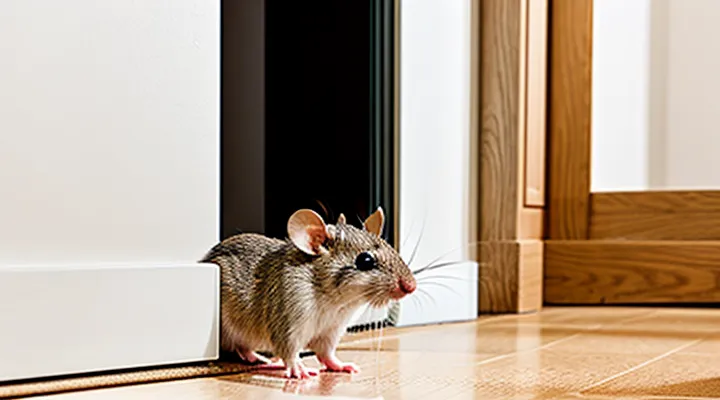
Understanding the Mice Problem
Signs of Mice Infestation
Droppings and Urine Trails
Droppings and urine trails provide the most reliable evidence of a mouse presence. Fresh droppings are dark, pellet‑shaped, and approximately one centimeter long; older specimens turn lighter and may crumble. Urine appears as a faint, oily sheen on surfaces, often visible under ultraviolet light. Both substances release strong odors that attract other rodents and can mask entry points.
Identifying these signs allows targeted intervention. Follow a systematic approach:
- Inspect hidden areas such as behind appliances, under sinks, in wall voids, and within stored boxes. Use a flashlight to reveal droppings on ceilings and upper cabinets.
- Record the locations where droppings cluster; this pattern reveals the most active pathways.
- Apply a UV flashlight to detect urine trails that are otherwise invisible. Mark the trails with a washable pen for later reference.
Cleaning eliminates the chemical cues that encourage mice to remain. Use the following protocol:
- Wear disposable gloves and a mask to prevent inhalation of pathogens.
- Sweep or vacuum dry droppings, disposing of the material in a sealed bag.
- Saturate the contaminated area with a solution of one part bleach to ten parts water; allow it to stand for ten minutes.
- Rinse with clean water and dry thoroughly. For porous surfaces, apply an enzymatic cleaner designed to break down urine residues.
After removal, seal identified entry points. Steel wool, caulk, or metal mesh effectively block the small gaps that mice exploit. Re‑inspect the apartment weekly for new droppings or urine, adjusting sealing measures as needed. Consistent elimination of these markers reduces attraction, discourages re‑infestation, and safeguards health.
Gnaw Marks
Gnaw marks are the most reliable indicator that mice are present in a living space. They appear on wood, plastic, wiring, and food packaging, revealing the species’ need to sharpen incisors and test material strength. Recognizing these signs allows swift intervention before damage spreads.
Typical characteristics of mouse gnawing include:
- Parallel tooth impressions spaced about 2 mm apart.
- Clean, shallow cuts without splintering.
- Preference for edges of baseboards, cabinets, and exposed wires.
When gnaw marks are discovered, take the following actions:
- Inspect the surrounding area – trace the marks to locate entry points, such as gaps around pipes, vent openings, or cracked foundation sections.
- Seal openings – use steel wool, copper mesh, or cement to block holes larger than ¼ inch; mice can squeeze through much smaller spaces.
- Remove damaged material – cut away compromised wiring, replace chewed insulation, and discard gnawed food containers to eliminate sources of attraction.
- Apply deterrents – place snap traps or electronic devices near the identified paths; bait with high‑protein foods for maximum effectiveness.
- Sanitize the site – clean marks with a disinfectant solution to reduce scent trails that encourage further activity.
Continuous monitoring of gnaw marks provides feedback on the success of exclusion measures. A decline in fresh impressions signals that the infestation is receding, while new marks indicate that additional sealing or trapping is required. Maintaining a sealed perimeter and promptly addressing any fresh gnawing evidence prevents long‑term structural damage and health risks associated with rodent activity.
Squeaking and Scratching Sounds
Mice reveal their presence through high‑pitched squeaks and rapid scratching on walls, ceilings, and stored items. These noises indicate active nesting, foraging, or movement through concealed pathways. Recognizing the pattern—continuous, intermittent, or localized sounds—helps pinpoint entry points and high‑traffic zones.
To eliminate the disturbance, follow these actions:
- Inspect walls, baseboards, and cabinets where the sounds originate; look for gnaw marks, droppings, or shredded material.
- Seal openings larger than ¼ inch with steel wool, caulk, or metal mesh; mice cannot squeeze through reinforced gaps.
- Place snap traps or electronic traps directly along the identified routes; position them perpendicular to the wall, with the trigger end facing the wall for maximum contact.
- Deploy ultrasonic repellers in rooms where squeaking is most frequent; set devices at the recommended height (4–6 inches from the floor) for optimal coverage.
- Remove food sources by storing perishables in airtight containers, cleaning crumbs, and discarding exposed waste nightly.
- Maintain low humidity and clear clutter to reduce shelter opportunities that encourage scratching activity.
Regular monitoring of sound levels after implementing these measures confirms effectiveness. A noticeable decline in squeaking and scratching indicates that the rodent population is being displaced and the apartment environment is returning to a quiet, pest‑free state.
Nests and Hiding Spots
Mice build nests in concealed areas that provide warmth, safety, and access to food. Typical locations include wall voids, ceiling joists, behind appliances, inside cabinets, and beneath furniture. Nest material consists of shredded paper, fabric fibers, insulation, or dried plant matter, often mixed with droppings and urine, which signals a thriving colony.
Identifying hiding spots requires systematic inspection. Remove objects that conceal floor space, lift cabinets, and examine the underside of sinks and countertops. Use a flashlight to reveal dark corners and look for gnaw marks, shredded material, and small pathways radiating from a central nest. Pay special attention to entry points such as gaps around pipes, vent openings, and cracks in the foundation, as these serve as routes to concealed areas.
Eliminate nests and prevent re‑establishment by following these actions:
- Clear all debris, shredded paper, and insulation from identified nests; dispose of material in sealed bags.
- Seal entry routes with steel wool, copper mesh, or caulk to block future access.
- Apply a rodent‑resistant barrier (e.g., metal flashing) around vulnerable openings.
- Install traps or bait stations near former nest sites, ensuring placement along established pathways.
- Maintain a clean environment: store food in airtight containers, promptly clean spills, and keep surfaces free of crumbs.
Consistent removal of existing nests and strict blockage of hiding places disrupts the mouse population’s ability to reproduce and survive, leading to effective eradication from the apartment.
Why Mice Are Attracted to Apartments
Food Sources
Mice remain in a residence primarily because they can locate and exploit food supplies. Eliminate every accessible source to reduce their incentive to stay.
- Store dry goods—cereal, pasta, rice, nuts—in sealed, airtight containers made of metal or heavy‑wall plastic.
- Keep pet food in locked bins; feed pets only at scheduled times and remove leftovers immediately.
- Dispose of garbage daily in bins with tight‑fitting lids; avoid leaving food scraps in the open.
- Clean countertops, tables, and floors after each meal; sweep crumbs and wipe spills promptly.
- Secure pantry shelves; use shelf liners that prevent crumbs from accumulating.
Additional measures reinforce food denial:
- Inspect cabinets for hidden crumbs or spilled items; wipe interiors with a damp cloth.
- Rotate pantry stock regularly; discard expired products that may emit stronger odors.
- Use a dishwasher or hot water to sanitize dishes rather than leaving them to air‑dry on counters.
- Place fruit, bread, and other perishables in the refrigerator rather than on open surfaces.
By removing these attractants, mice lose the primary motivation for habitation, making eviction efforts far more effective.
Shelter and Warmth
Mice seek shelter and warmth when an apartment provides hidden, insulated spaces. Eliminating these conditions removes the primary incentive for infestation.
Identify and seal potential shelters:
- Inspect wall cavities, behind appliances, and under cabinets for gaps larger than ¼ inch.
- Apply steel wool followed by caulk or use expanding foam to close openings.
- Install door sweeps on exterior doors to block entry points.
Reduce ambient heat sources:
- Relocate heat‑producing devices (e.g., space heaters, laundry dryers) away from walls and storage areas.
- Keep indoor temperatures stable; avoid excessive heating that creates comfortable microclimates.
- Store firewood, blankets, and other insulating materials in sealed containers rather than on the floor.
Maintain a clutter‑free environment:
- Remove piles of cardboard, paper, or fabric that can serve as temporary nests.
- Store items on shelves, not directly on the floor, and keep storage boxes sealed.
Implement regular monitoring:
- Place snap traps or live‑catch traps in previously identified shelter zones.
- Check traps daily, dispose of captured mice promptly, and reset traps as needed.
By eradicating concealed spaces, blocking heat sources, and maintaining order, the apartment no longer offers the shelter and warmth mice require, leading to a sustainable reduction in their presence.
Easy Access Points
Mice enter apartments through openings that require minimal effort. Identifying these easy access points is the first step in eliminating infestations.
Typical entry locations include:
- Gaps around pipes and cables, especially where they penetrate walls or floors.
- Cracks in foundation walls, especially near the basement or crawl space.
- Unsealed gaps beneath doors, including sliding‑door tracks.
- Openings around windows, especially where screens are damaged or frames are warped.
- Holes around utility penetrations such as dryer vents, exhaust fans, and chimney flues.
- Small openings around plumbing fixtures, especially where the base of a sink or bathtub meets the wall.
- Gaps around vent covers, especially in attics and basements.
Sealing methods:
- Apply steel wool or copper mesh to fill gaps no larger than a quarter‑inch, then cover with caulk or expanding foam.
- Install metal flashing or hardware cloth (1/4‑inch mesh) around larger openings, securing with screws.
- Use self‑adhesive foam tape on door sweeps and window seals.
- Replace damaged screens with fine‑mesh material and reseal frames with silicone sealant.
- Fit vent covers with louvered metal grates that prevent rodent entry while maintaining airflow.
Regular inspection of these points, especially after renovations or seasonal changes, maintains a barrier that discourages mice from reentering the living space.
Immediate Actions and Prevention
Sealing Entry Points
Inspecting Walls and Floors
Inspecting walls and floors is the first practical step in eliminating rodents from a residence. Look for gnaw marks on wooden surfaces, fresh droppings along baseboards, and small holes near seams or where utilities enter the building. Note any shredded insulation, shredded paper, or food residue that indicates nesting activity.
- Examine all baseboards for gaps larger than a quarter‑inch; rodents can squeeze through openings of this size.
- Check wall corners, especially where drywall meets plaster, for tiny perforations or signs of chewing.
- Inspect the space behind appliances, under sinks, and inside cabinets; these areas often conceal entry points and nests.
- Survey flooring joints, especially in laminate or tile installations, for loose sections that reveal hidden tunnels.
Record each observation, then seal identified openings with steel wool, copper mesh, or appropriate caulking. Apply the same material to any cracks discovered in floor seams or wall joints. After sealing, monitor the treated areas for new activity to confirm that the inspection and closure have disrupted rodent access.
Repairing Gaps Around Pipes
Sealing gaps around plumbing is a critical step in preventing rodent entry. Mice can squeeze through openings as small as a quarter inch, so any space surrounding pipes, vents, or drain lines must be closed securely.
Identify all pipe penetrations in walls, floors, and ceilings. Common locations include:
- Supply lines under sinks
- Drain pipes behind appliances
- Utility shafts that pass through exterior walls
- Bathroom exhaust ducts
Inspect each area for cracks, holes, or gaps. Use a flashlight to reveal hidden spaces and feel for drafts that indicate openings.
Choose a sealant appropriate for the material and exposure conditions:
- Expandable foam for larger cavities (trim excess after curing)
- Silicone caulk for small joints and flexible connections
- Mortar or cement for masonry gaps
- Steel wool combined with caulk for holes larger than ¼ inch, providing a barrier that rodents cannot gnaw through
Apply the sealant according to manufacturer instructions. Ensure the surface is clean and dry before application. Press the material into the gap, smooth the surface, and allow full cure time.
After sealing, verify that no gaps remain by re‑checking with a thin piece of paper or a smoke test. Any residual openings should be addressed immediately.
Regular maintenance includes:
- Inspecting sealed areas quarterly for cracks caused by settling or moisture.
- Reapplying sealant where deterioration is observed.
- Keeping the surrounding area clean to avoid attracting mice.
By eliminating pipe‑related entry points, the apartment becomes substantially less hospitable to rodents, supporting broader pest‑prevention efforts.
Securing Vents and Chimneys
Securing vents and chimneys blocks one of the most common routes mice use to infiltrate a dwelling. Open ducts, attic vents, and chimney flues provide direct access to warm interior spaces, especially during colder months when rodents seek shelter.
- Install metal mesh (½‑inch or smaller) over all exterior vents, ensuring a tight fit around the frame.
- Apply steel wool or copper mesh to gaps around vent covers before sealing with caulk.
- Fit a chimney cap equipped with a mouse‑proof screen; verify that the cap is firmly attached to the chimney pipe.
- Inspect attic and crawl‑space vents periodically for damage or displacement, repairing any breaches immediately.
- Seal cracks around vent ducts, pipe penetrations, and chimney base with expanding foam or concrete mortar, eliminating hidden entry points.
Regular maintenance of these barriers maintains their effectiveness. Replace worn mesh and tighten loose fittings at least twice a year, or after severe weather, to keep the residence free from rodent intrusion.
Eliminating Food Sources
Storing Food in Airtight Containers
Storing food in airtight containers deprives mice of accessible nourishment, directly reducing their attraction to the living space. When food is sealed, scent diffusion drops sharply, limiting the olfactory cues that guide rodents to potential feeding sites.
Key practices for effective sealing:
- Choose containers with lock‑tight lids made of glass, heavy‑wall plastic, or stainless steel.
- Verify that the seal is intact after each use; any cracks or worn gaskets must be replaced.
- Transfer all dry goods—cereals, grains, nuts, pet food—into the containers immediately after purchase.
- Label containers with purchase dates to encourage regular rotation and prevent spoilage, which can emit strong odors.
- Store containers on shelves rather than on the floor to avoid accidental knocks that could compromise the seal.
Consistently applying these measures eliminates a primary food source, making the apartment less hospitable to mice and supporting broader rodent‑exclusion strategies.
Cleaning Up Spills and Crumbs Promptly
Prompt removal of food residues eliminates a primary attractant for house mice. Even small crumbs or dried spills provide a reliable source of nutrition, encouraging rodents to explore, settle, and reproduce within a dwelling.
Effective practices include:
- Wipe countertops, tables, and floor surfaces after each meal.
- Sweep or vacuum daily, focusing on corners, under appliances, and along baseboards.
- Use a damp cloth to dissolve sticky residues before discarding waste.
- Store packaged foods in sealed containers; transfer bulk items to airtight bins.
- Empty trash cans regularly, ensuring lids close tightly.
Consistent execution of these actions reduces the availability of sustenance, discouraging mice from entering and remaining in the apartment.
Managing Trash Properly
Proper trash management eliminates a primary food source for rodents, reducing their presence in an apartment. Keep waste in containers with tight‑fitting lids; replace lids if they become warped. Empty bins before they reach capacity to prevent overflow and odor buildup. Store containers away from walls and corners where mice can gnaw or hide.
- Use sealed, metal or heavy‑plastic bins rather than open or flimsy containers.
- Clean the interior of trash cans weekly with a disinfectant solution.
- Transfer kitchen waste to a separate, sealed bag before placing it in the main bin.
- Position outdoor trash receptacles at least three meters from the building’s entry points.
- Ensure recycling items are rinsed and stored in a covered bin to avoid attracting pests.
By eliminating accessible food and minimizing scent trails, proper waste handling directly deters mice from entering living spaces.
Maintaining Apartment Cleanliness
Regular Vacuuming and Mopping
Regular cleaning removes the food traces and odors that attract rodents, making an apartment far less inviting for mice.
-
Use a high‑efficiency vacuum with a HEPA filter.
• Vacuum floors, baseboards, and corners daily.
• Attach the crevice tool to reach behind appliances and under furniture.
• Dispose of the vacuum bag or empty the container into a sealed trash bag immediately. -
Follow each vacuum session with a thorough mop.
• Choose a disinfecting solution that eliminates residue and eliminates scent cues.
• Mop all hard surfaces, paying special attention to kitchen areas, pantry shelves, and entryways.
• Allow the floor to dry completely before replacing rugs or mats.
Consistent removal of crumbs, spilled liquids, and droppings eliminates the primary food sources mice rely on. By maintaining a spotless environment, the likelihood of nesting material and shelter is reduced, discouraging mice from establishing a presence in the living space.
Decluttering and Organizing
A cluttered living space provides hiding places, nesting material, and easy access to food, all of which encourage mouse activity. Removing excess items reduces the number of potential shelters and limits the routes mice can travel through walls, attics, and crawl spaces. An organized environment also simplifies inspection and maintenance, making it easier to detect early signs of infestation.
When clearing a room, focus on items that accumulate dust, crumbs, or moisture. Store food in airtight containers, discard expired products, and keep countertops free of leftovers. Relocate boxes, bags, and piles of clothing away from walls; place them on shelves or in sealed bins. Regularly vacuum and wipe surfaces to eliminate residue that could attract rodents.
Practical steps for decluttering and organizing to deter mice:
- Sort belongings into three categories: keep, donate/sell, discard.
- Use clear, sealed storage containers for pantry items and pet food.
- Elevate storage units at least six inches from the floor to prevent easy entry.
- Install door sweeps and seal gaps around baseboards, cabinets, and utility openings.
- Schedule weekly inspections of storage areas for droppings, gnaw marks, or nesting material.
Methods for Mice Removal
Trapping Solutions
Snap Traps
Snap traps provide a quick, humane method for eliminating rodents in a residence. The mechanism consists of a spring‑loaded bar that releases with minimal force, delivering an instantaneous blow to the mouse’s neck, which results in immediate death and prevents prolonged suffering.
Effective use requires strategic placement. Position traps along walls, behind appliances, and near known entry points, because mice travel close to surfaces. Avoid open floor areas where pets or children might interfere. Secure each trap on a flat surface to maintain alignment and ensure the trigger is level with the mouse’s path.
Bait selection influences capture rates. Preferred attractants include:
- Small pieces of peanut butter
- Bits of cheese
- Sunflower seeds
- Thin slices of cooked meat
Apply a pea‑size amount to the trigger platform; excess bait can cause the mouse to avoid the trap or escape after contact.
Safety considerations:
- Wear gloves when handling traps to prevent scent transfer.
- Check traps daily; remove captured rodents promptly to avoid odor buildup.
- Dispose of carcasses in sealed bags and place them in an outdoor trash container.
Maintenance tips:
- Inspect the spring for wear; replace traps that show reduced tension.
- Reset the trigger after each capture to maintain continuous coverage.
- Rotate trap locations weekly to address shifting mouse activity.
Snap traps excel in speed, cost‑effectiveness, and lack of chemical residues. They also allow precise targeting, reducing the risk to non‑target species. When combined with exclusion measures—such as sealing gaps and maintaining cleanliness—snap traps become a central component of a comprehensive rodent‑removal strategy.
Live-Catch Traps
Live‑catch traps provide a humane solution for removing rodents from a residential unit. The device consists of a sealed compartment with a trigger mechanism that closes the door when a mouse enters to reach bait. Because the animal remains alive, it can be released far from the building, preventing future infestations inside the premises.
Effective deployment requires careful placement and maintenance. Choose locations along walls, behind appliances, and near known activity signs such as droppings or gnaw marks. Position the trap with the entrance facing the wall, as mice travel close to surfaces. Use attractive bait—peanut butter, dried fruit, or small pieces of cheese—applied directly to the trigger plate. Check traps at least twice daily; release captured mice at a minimum distance of three miles from the dwelling, adhering to local wildlife regulations.
Key considerations for optimal performance:
- Size: select a trap large enough to accommodate adult mice without causing injury.
- Reset mechanism: opt for models that automatically reopen after release to minimize handling.
- Material: stainless steel or sturdy plastic prevents chewing and prolongs service life.
- Safety: wear gloves when handling traps to avoid contaminating bait and to protect against disease.
Regular sanitation complements trap use. Seal entry points, store food in airtight containers, and keep clutter to reduce hiding spots. Combining live‑catch traps with these preventive measures yields a reliable, non‑lethal approach to eliminating mice from an apartment.
Electronic Traps
Electronic traps provide a rapid, humane solution for removing rodents from a residence. They operate by delivering a short electrical shock that instantly kills the mouse, eliminating the need for poison or manual handling.
Key advantages include:
- Immediate result; the mouse dies within seconds, preventing prolonged suffering.
- No bait required; traps attract rodents through built‑in sensors that detect movement and size.
- Easy maintenance; dead rodents fall into a sealed compartment that can be emptied without direct contact.
- Low risk of secondary poisoning; pets and children are protected by safety switches that deactivate the circuit when the lid is opened.
When selecting an electronic trap, consider the following criteria:
- Power source – battery‑operated models offer portability, while plug‑in units ensure continuous operation.
- Capacity – larger chambers accommodate multiple catches, reducing the frequency of emptying.
- Sensitivity settings – adjustable sensors allow targeting of mice while ignoring larger animals.
- Warranty and durability – reputable brands provide multi‑year coverage and robust housing.
Installation guidelines:
- Place traps along walls, behind appliances, and near known entry points, as mice travel close to surfaces.
- Keep the area free of clutter to maintain sensor accuracy.
- Verify that the trap is positioned on a stable, non‑conductive surface to prevent accidental discharge.
Regular monitoring is essential. Empty the collection chamber promptly, clean the interior with mild detergent, and reset the device. Combining electronic traps with exclusion measures—sealing cracks, storing food in airtight containers, and reducing clutter—maximizes the likelihood of a mouse‑free apartment.
Proper Placement of Traps
Proper trap placement determines the success of mouse control in a residence. Position traps where rodents travel most frequently, avoiding open spaces where they are less likely to encounter bait.
- Along walls and baseboards, because mice prefer to run close to surfaces.
- Directly behind appliances such as refrigerators, stoves, and dishwashers, where heat and food residues attract activity.
- Near identified entry points, including gaps around pipes, vents, and door frames.
- In dark, concealed corners of cabinets, closets, and pantry shelves, where mice hide during daylight.
- Adjacent to stored food containers, grain bins, or trash cans, providing immediate incentive for the pest.
Select trap types that suit each location. Snap traps work well on flat surfaces near walls; glue boards suit vertical surfaces or tight corners; electronic traps fit under counters where space is limited. Ensure bait is fresh and placed on the trigger mechanism, not on the trap’s exterior, to prevent premature removal by the mouse.
After deployment, inspect traps daily. If a trap remains untouched for several days, relocate it to a nearby high‑traffic area. Replace used or damaged traps promptly to maintain continuous pressure on the infestation. Adjustments based on observed mouse movement patterns increase capture rates and accelerate removal from the apartment.
Repellents and Deterrents
Natural Repellents («Peppermint Oil», «Clove Oil»)
Peppermint oil and clove oil are effective natural deterrents for rodent intrusion in residential units. Their strong aromatic compounds overwhelm the highly developed olfactory senses of mice, prompting avoidance of treated areas.
Application guidelines:
- Dilute essential oil with a carrier (e.g., water, alcohol, or unscented oil) at a ratio of 10‑15 drops per 100 ml.
- Soak cotton balls or cloth strips in the solution and place them in known entry points, along baseboards, and near food storage.
- Refresh the treatment every 3‑4 days, or when the scent diminishes.
- For larger spaces, use a spray bottle to mist corners, under appliances, and behind cabinets, ensuring surfaces are not damaged by the solvent.
Safety considerations:
- Test a small area for material compatibility before widespread application.
- Keep treated items out of reach of children and pets; both oils can cause irritation if ingested or applied to skin undiluted.
- Ventilate rooms after spraying to prevent excessive airborne concentration.
Consistent use of these aromatic repellents, combined with sealing gaps and removing food sources, creates an environment that discourages mouse habitation without resorting to chemical poisons.
Ultrasonic Devices
Ultrasonic emitters are a common non‑chemical option for discouraging rodents in residential units. They generate high‑frequency sound waves—typically 20–65 kHz—that are inaudible to humans but cause discomfort to mice, prompting them to avoid the treated area.
The devices operate by producing a continuous or intermittent signal that interferes with the auditory and nervous systems of small mammals. Effective models emit multiple frequencies within the specified range to prevent habituation, and they often include a timer or motion sensor to conserve energy and increase efficacy.
Key factors when selecting an ultrasonic unit include:
- Frequency spectrum covering at least 20–55 kHz
- Coverage radius matching the room’s square footage (approximately 30 m² per device)
- Battery life or plug‑in capability suitable for continuous use
- Safety certifications confirming no risk to humans or household pets
Installation guidelines:
- Position each unit at least 30 cm off the floor, facing open space rather than against walls.
- Distribute devices evenly throughout the apartment, ensuring overlapping coverage zones.
- Avoid placement near large metal objects, thick concrete, or appliances that may block sound propagation.
- Keep devices away from aquariums, bird cages, or other sensitive animals.
Limitations to consider:
- Mice may adapt to a single frequency; rotating or dual‑frequency models mitigate this risk.
- Sound does not penetrate solid barriers; gaps in walls or sealed rooms remain untreated.
- Ultrasonic emitters do not address food sources or entry points; sealing cracks, storing food, and maintaining cleanliness are essential complementary actions.
Maintenance requirements:
- Replace batteries or check power connections monthly.
- Clean the exterior with a dry cloth to remove dust that can dampen sound output.
- Verify operation by listening for a faint humming sound; replace units that fail to emit after six months of use.
When integrated with proper sanitation and exclusion measures, ultrasonic devices can substantially reduce mouse activity in an apartment environment.
Commercial Repellents
Commercial repellents provide a practical option for removing rodents from residential spaces. They are formulated to create an environment that mice avoid, reducing the need for traps or poison.
The most common categories include:
- Ultrasonic devices – emit high‑frequency sound waves beyond human hearing; effective only while powered and within line of sight.
- Electronic emitters – combine ultrasonic and electromagnetic pulses; claim broader coverage but require continuous electricity.
- Chemical deterrents – contain natural oils (peppermint, eucalyptus) or synthetic compounds; applied to surfaces, entry points, and storage areas.
- Rodent‑specific granules – spread in voids and crawl spaces; release volatile substances that discourage nesting.
When selecting a product, consider:
- Coverage area listed by the manufacturer; match it to the apartment’s square footage.
- Power source requirements; battery‑operated units offer portability, while plug‑in models ensure constant operation.
- Safety certifications; look for EPA‑registered or UL‑listed items to avoid harmful emissions.
- User feedback on durability; devices with adjustable frequencies tend to maintain effectiveness longer.
Installation guidelines are straightforward. Position ultrasonic or electronic units at least 12 inches above floor level, away from walls that block sound propagation. Apply chemical deterrents to cracks, door frames, and behind appliances, allowing the surface to dry before re‑occupying the area. For granules, distribute a thin layer in concealed spaces, then seal entry points to prevent re‑infestation.
Maintenance involves periodic replacement of batteries, cleaning of speaker grills, and reapplication of chemical agents every two to four weeks, depending on product instructions. Monitoring mouse activity after deployment helps determine whether additional units or alternative methods are necessary.
Overall, commercial repellents can reduce rodent presence when used correctly, complementing sanitation measures and physical barriers to achieve a mouse‑free apartment.
Professional Pest Control
When to Call an Exterminator
Mice infestations become a professional concern when self‑treatment fails to reduce activity, when damage escalates, or when health risks increase. Persistent droppings, gnaw marks on wiring or structural components, and audible nocturnal scurrying indicate a population that has surpassed a manageable threshold. If these signs appear despite traps, bait stations, and sanitation measures, a licensed exterminator should be engaged.
Additional factors that demand expert intervention include:
- Evidence of multiple entry points that cannot be sealed by the tenant.
- Presence of disease‑carrying pathogens confirmed by a medical professional.
- Damage to electrical systems or plumbing that poses fire or flood hazards.
- Legal obligations in rental agreements or building codes requiring certified pest control.
Hiring a certified exterminator ensures access to stronger control agents, comprehensive inspections, and compliance with safety regulations, thereby preventing further property damage and protecting occupants’ health.
What to Expect from Professional Services
Professional pest‑control operators begin with a thorough inspection of the premises. They locate entry points, identify nesting sites, and assess the scale of infestation. The inspection report details the species observed, the areas most affected, and the structural vulnerabilities that allow rodents to enter.
The service plan outlines the methods to be employed. Common techniques include:
- Placement of bait stations or traps calibrated for the identified species.
- Application of rodent‑resistant sealants or steel wool to block gaps.
- Use of environmentally safe rodenticides where required, with strict adherence to safety regulations.
Clients receive a written guarantee that specifies the duration of coverage, the conditions under which follow‑up visits are provided, and the criteria for a successful resolution. The guarantee typically covers a period of 30 – 90 days, during which any recurrence triggers additional treatment at no extra charge.
Cost estimates are presented before work begins, separating labor, materials, and any optional services such as ongoing monitoring. Payment terms, warranty details, and the expected timeline—from initial inspection to final verification—are included in the contract, ensuring transparency and accountability.