
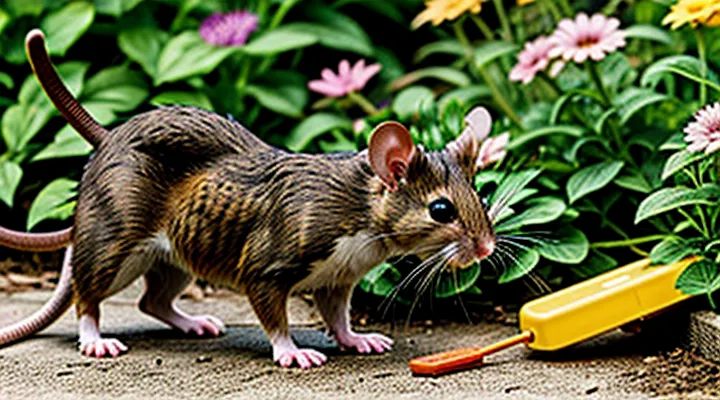
Understanding the Mouse Problem in Your Garden
Why Mice Are Attracted to Gardens
Food Sources
Mice locate gardens by detecting readily available nourishment. Seeds, fruits, and vegetable remnants generate the strongest attraction because they supply carbohydrates and protein with minimal effort to obtain.
- Sunflower and other oilseed heads left on the soil surface.
- Fallen apples, berries, or plums that remain uncollected.
- Overripe tomatoes, cucumbers, and squash discarded after harvest.
- Grain‑based bird feed spilled near feeders or in compost piles.
- Pet food left outdoors, especially dry kibble.
Eliminate these items promptly. Harvest ripe produce, rake fallen fruit, and store harvested vegetables in sealed containers. Cover compost with a tight‑fitting lid and place it away from mouse pathways. Secure bird feeders with trays that catch spillage, and clean the area regularly.
When bait is required, use a small quantity of high‑calorie material such as peanut butter, dried fruit, or processed grain. Position traps near identified food sources, but not directly on them, to encourage mice to investigate the trap while searching for nearby nourishment. Rotate bait types weekly to prevent habituation.
Shelter and Nesting Sites
Mice establish their presence in gardens by locating shelter and nesting sites that provide protection from predators and weather. Recognizing and managing these locations is essential for successful rodent control.
Typical garden shelters include:
- Dense groundcover such as tall grasses, clover, or weeds that conceal movement.
- Debris piles, compost heaps, and leaf litter that retain moisture and warmth.
- Structural gaps under garden sheds, fences, and raised beds where rodents can crawl unnoticed.
- Stacked firewood, stone walls, and rock piles that create dry, insulated cavities.
To reduce the attractiveness of these areas, implement the following actions:
- Trim vegetation to a height of no more than six inches, creating open ground that exposes mouse activity.
- Remove or regularly turn compost material, keeping it dry and aerated to discourage nesting.
- Seal cracks and gaps in garden structures with metal flashing, caulk, or hardware cloth.
- Relocate firewood and stone stacks away from the garden perimeter, storing them on a raised platform with a barrier underneath.
- Distribute mulch sparingly and choose coarse, inorganic options that do not retain moisture.
Regular inspection of the garden perimeter and interior will reveal new shelter formations. Prompt removal or modification of emerging sites prevents mice from establishing long‑term colonies, enhancing the effectiveness of traps and bait stations. Monitoring should be conducted weekly during the active season and after any major weather event that could create fresh hiding places.
Water Availability
Adequate water sources attract rodents, making moisture management a critical element of garden mouse control. Stagnant water, birdbaths, and over‑irrigated beds provide drinking and nesting sites that encourage mouse activity. Reducing these resources limits the appeal of the garden to pests and supports the effectiveness of traps and deterrents.
Practical steps to manage water availability:
- Install drip‑irrigation or soaker hoses to deliver moisture directly to plant roots, preventing excess surface water.
- Empty and clean birdbaths, feeders, and pet water dishes nightly; refill only as needed.
- Repair leaks in hoses, taps, and irrigation timers to eliminate unintended puddles.
- Mulch with coarse, well‑draining materials rather than dense, moisture‑retaining layers.
- Position traps away from any remaining water sources to increase capture rates.
By controlling the presence of free water, gardeners create an environment less favorable to mice, enhancing the overall success of pest‑reduction strategies.
Signs of Mouse Activity
Droppings and Urine Trails
Droppings and urine trails provide the most reliable indicators of mouse activity in a garden. Fresh droppings are dark, pellet‑shaped, and measure about one‑quarter of an inch; they appear in clusters near food sources, along walls, and under plant debris. Urine leaves a faint, ammonia‑smelling residue that darkens fabrics or surfaces when exposed to light. Both signs concentrate along established runways, which are narrow, cleared paths through mulch, soil, or leaf litter.
Use these signs to locate and target mice effectively:
- Follow the freshest droppings or strongest urine odor to pinpoint the main nest or foraging area.
- Place snap traps or bait stations perpendicular to the runway, with the trigger end facing the direction of travel.
- Position traps a few inches away from droppings to avoid alerting mice with the scent of disturbed waste.
- Replace traps daily; discard any captured rodents and reset with fresh bait.
- After confirming activity, clear debris and seal entry points to prevent re‑infestation.
Accurate interpretation of droppings and urine trails reduces trial‑and‑error, concentrates control measures where mice are most active, and accelerates the elimination process.
Gnaw Marks on Plants and Structures
Gnaw marks on foliage, stems, and garden structures signal active mouse presence. The damage appears as clean, crescent‑shaped bites roughly 2–5 mm wide, often leaving smooth edges. Mice prefer tender parts, so leaves near the ground, young shoots, and the undersides of plant leaves show the highest incidence.
Typical characteristics include:
- Uniform bite size matching a mouse’s incisors.
- Repeated bites along a single line or clustered around a feeding site.
- Presence on wooden garden furniture, trellises, or irrigation tubing, where the material is soft enough to be chewed.
- Fresh marks that darken to a brownish hue within 24 hours.
Distinguishing mouse gnawing from other pests is straightforward. Insect larvae leave irregular, ragged holes; slugs produce ragged edges with slime trails; rabbits create larger, jagged bites up to 1 cm. Mouse marks remain consistent in shape and size, and they often appear near shelter entries such as burrows or gaps under sheds.
Use gnaw marks to position traps effectively. Locate the most recent damage, place snap or live‑capture traps perpendicular to the feeding line, and set bait (e.g., peanut butter or oat) directly behind the bite site. Check traps daily; replace bait and reposition traps if marks shift, indicating mouse movement.
Prevent further gnawing by reinforcing vulnerable structures. Apply metal mesh or hardware cloth to the base of plant supports, seal gaps in garden sheds with steel wool, and elevate pots on stone slabs. Regular inspection of plants for fresh gnaw marks allows early intervention, reducing population growth and protecting crops.
Burrow Holes and Tunnels
Burrow holes and tunnels are the primary pathways mice use to enter a garden. Locating these openings early prevents further infestation and guides the placement of control measures.
Inspect the garden perimeter and planting beds for small openings, usually ¼‑½ inch in diameter. Look for fresh soil mounds, gnaw marks, and droppings near the base of plants or around garden structures. Follow any visible tunnel to its source; a single entry may lead to an extensive network.
Use the following steps to manage burrow systems effectively:
- Mark all entrances – Place a small flag or tape at each hole to avoid missing any during treatment.
- Set traps – Position snap or live traps directly inside or immediately adjacent to the marked holes. Align traps with the tunnel direction to increase capture rates.
- Apply deterrents – Sprinkle a thin layer of diatomaceous earth or a commercial rodent repellent into each opening after trapping. Reapply after rain.
- Seal permanent openings – When activity declines, fill holes with a mixture of soil, sand, and coarse gravel, then compact firmly. For larger tunnels, insert metal mesh or hardware cloth before backfilling.
- Monitor regularly – Conduct weekly checks for new burrows, resetting traps and reapplying deterrents as needed.
Maintain garden hygiene to reduce attraction: remove fallen fruit, store compost in sealed containers, and keep grass trimmed. Consistent attention to burrow holes and tunnels limits mouse access and supports long‑term garden health.
Non-Lethal Mouse Control Strategies
Garden Hygiene and Prevention
Removing Food Attractants
Eliminating edible remnants reduces the likelihood that mice will inhabit garden beds and compost areas. Food residues provide a reliable energy source, encouraging rodent activity and undermining other control measures.
- Collect fallen fruit, nuts, and seeds daily; store them in sealed containers.
- Rinse vegetable scraps before composting; use a closed‑lid compost bin.
- Keep bird feeders clean, place feeders on poles with predator guards, and remove spilled seed promptly.
- Store pet food in airtight containers and feed outdoors only at scheduled times, removing leftovers after each meal.
- Cover garden soil with mulch or landscape fabric to prevent seeds from becoming accessible.
Regular inspection of storage areas, prompt disposal of waste, and consistent cleaning of feeding stations sustain a low‑attractant environment, making the garden less appealing to mice. Continuous vigilance prevents re‑accumulation of food sources and supports long‑term rodent management.
Clearing Debris and Clutter
Removing excess plant material, fallen leaves, and untidy garden structures reduces hiding places for rodents and improves the effectiveness of traps and deterrents. Begin by sweeping walkways, pruning overgrown shrubs, and discarding piles of compost that are not actively managed. Keep storage sheds, toolboxes, and outdoor furniture elevated off the ground; use sealed containers for feed and seed. Create a routine of weekly inspection to spot new debris accumulation and address it promptly.
Key actions:
- Gather and compost only fresh, well‑aerated material; discard old, damp piles.
- Trim vegetation to maintain a clear perimeter of at least two feet around trap locations.
- Store garden equipment in metal or sturdy plastic bins with tight‑fitting lids.
- Eliminate standing water sources that attract insects, which in turn draw mice.
A tidy garden environment limits shelter options for mice, forces them into open areas where baited devices function reliably, and simplifies monitoring of activity levels. Consistent maintenance of a clutter‑free space is therefore a fundamental component of successful rodent management.
Securing Compost Bins
Securing compost bins is a critical step in preventing mice from entering garden areas. Mice are attracted to the moisture and food residues in compost, so eliminating easy access reduces the likelihood of infestation. A well‑sealed bin also protects the compost’s microbial activity from disturbance.
- Use a lid that fits tightly and locks shut; metal or heavy‑duty plastic models resist chewing.
- Install a fine‑mesh (¼‑inch) screen over any ventilation openings to block entry while allowing airflow.
- Place the bin on a raised platform or concrete slab to keep it off soil where mice can burrow.
- Surround the bin with a perimeter of smooth, metal flashing or plastic sheeting that extends at least six inches outward, creating a barrier that rodents cannot climb.
- Apply a non‑toxic deterrent, such as powdered cayenne pepper or a commercial rodent repellent, to the exterior surface; reapply after rain.
Regular maintenance reinforces security. Remove exposed food scraps before adding material, and stir the compost weekly to disrupt nesting sites. By combining a sealed container with physical barriers and routine upkeep, gardeners can keep compost attractive to microbes while denying mice a food source.
Natural Deterrents
Plant-Based Repellents
Plant-based repellents offer a low‑toxicity option for reducing mouse activity in garden beds and borders. Certain aromatic herbs release volatile compounds that mice find unpleasant, creating a chemical barrier without harming beneficial insects.
Commonly used species include:
- Mint (Mentha spp.) – strong scent deters rodents; plant in pots to prevent spread.
- Lavender (Lavandula angustifolia) – essential oil interferes with mouse olfactory receptors.
- Rosemary (Rosmarinus officinalis) – woody aroma reduces foraging interest.
- Sage (Salvia officinalis) – leaf litter emits compounds that discourage nesting.
- Alliums (Allium spp., such as garlic and chives) – sulfur‑based volatiles act as repellents.
Effective deployment requires strategic placement. Position plants along perimeter fences, near compost heaps, and adjacent to vegetable rows where mice are likely to travel. Maintain healthy foliage by pruning regularly; stressed plants emit weaker odors, diminishing repellent effect. For higher potency, crush leaves or sprinkle dried herb material around entry points, refreshing every two weeks to sustain volatile release.
Integrating plant repellents with physical controls—such as snap traps or bait stations—enhances overall success. While herbs alone may not eliminate an established population, they lower attraction levels, making other methods more efficient and reducing reliance on chemical poisons.
Scent-Based Deterrents
Scent-based deterrents exploit rodents’ acute sense of smell to discourage entry into garden beds and compost areas. Peppermint oil, when diluted to a 10 % solution with water and sprayed around plant stems, creates an environment rodents find unpleasant. Castor oil mixed with water at a 5 % ratio, applied to the soil surface, reduces the likelihood of mouse activity by coating the ground with an odor that interferes with their scent trails. Predator urine, such as fox or coyote, placed on cotton pads near suspected pathways, mimics the presence of a natural threat and prompts avoidance behavior.
Effective use requires regular maintenance:
- Apply peppermint spray weekly, reapplying after rain.
- Refresh castor‑oil coating every two weeks or after heavy watering.
- Replace predator‑urine pads every 3–5 days to maintain potency.
Combine multiple scents to increase coverage and prevent habituation. Position deterrents at entry points, near vegetable rows, and around compost bins to create a continuous olfactory barrier.
Ultrasonic Devices
Ultrasonic devices emit high‑frequency sound waves that rodents cannot tolerate. When placed strategically among garden beds, the waves create an uncomfortable environment that deters mice from entering the area.
Effective deployment requires:
- Positioning units at ground level, where mice travel.
- Spacing devices no more than 20 feet apart to ensure overlapping coverage.
- Using weather‑proof models to withstand rain and temperature fluctuations.
- Regularly checking battery levels or power connections to maintain consistent output.
Limitations include:
- Diminished efficacy in dense vegetation that absorbs sound.
- Potential habituation if the same frequency is used continuously; rotating devices with adjustable frequencies can mitigate this.
- Interference with other ultrasonic equipment, such as pest‑repelling sensors for insects.
For optimal results, combine ultrasonic emitters with physical barriers (e.g., fine mesh fencing) and habitat modification (removing food sources, trimming low foliage). This integrated approach maximizes the likelihood of keeping mice away from cultivated plants without relying on chemical controls.
Live Trapping and Release
Choosing the Right Traps
Choosing the right traps determines the success of mouse control in a garden. Different trap designs address specific conditions, such as soil moisture, vegetation density, and the presence of children or pets.
- Snap traps – metal or plastic devices that kill instantly. Ideal for open ground, low humidity, and when rapid reduction of the population is required.
- Live‑catch traps – cage‑style enclosures with a trigger plate. Suitable for areas where humane removal is preferred; require frequent checking and secure release locations.
- Electronic traps – battery‑powered units delivering a high‑voltage shock. Effective in shaded spots, resistant to rain, and provide quick disposal of carcasses.
- Glue boards – adhesive sheets that immobilize rodents. Use only in isolated zones away from non‑target wildlife; difficult to clean and may cause suffering.
Key factors for selection:
- Target size – ensure the trap’s trigger mechanism activates with the weight of a typical garden mouse (15–30 g).
- Bait compatibility – choose bait that remains attractive in outdoor conditions (peanut butter, dried fruit, or grain).
- Weather resistance – opt for rust‑proof materials and sealed electronics to maintain functionality after rain.
- Safety – prioritize traps with enclosed triggers or child‑proof designs to prevent accidental injury.
- Regulatory compliance – verify local wildlife regulations concerning lethal versus humane methods.
Placement guidelines:
- Position traps along walls, under shrubs, and near known runways.
- Set traps perpendicular to the mouse’s travel path, with the trigger end facing the entry point.
- Maintain a spacing of 1–2 m between traps to cover overlapping foraging zones.
Maintenance routine:
- Inspect traps daily; remove captured mice promptly to avoid scent buildup that deters further activity.
- Clean reusable traps with mild detergent and disinfectant before redeployment.
- Replace bait every 24 hours in hot weather to preserve potency.
By matching trap type to garden conditions, adhering to safety standards, and following a disciplined inspection schedule, gardeners achieve reliable mouse reduction while minimizing collateral impact.
Proper Baiting Techniques
Effective baiting is essential for attracting garden mice while minimizing non‑target captures. Choose attractants that match the rodents’ natural diet and remain stable in outdoor conditions. Peanut butter, dried fruit, and small pieces of cheese provide strong olfactory cues; for a low‑maintenance option, commercial rodent lures formulated with grain and protein work reliably.
Placement determines success. Position bait stations along established runways, near shelter, and close to food sources such as compost piles. Secure the bait on a flat surface or within a trap’s bait cup to prevent spillage and reduce scent drift. Ensure stations are at ground level, where mice naturally forage, and avoid elevated spots that discourage entry.
Timing influences effectiveness. Replenish bait every 24–48 hours during active periods (dawn and dusk). In cooler weather, increase frequency to counter reduced scent volatility. Monitor stations daily; discard stale or moldy bait promptly to maintain attractiveness and hygiene.
Safety considerations protect pets and wildlife. Use tamper‑resistant containers that allow mice entry but restrict larger animals. Label stations clearly and locate them away from pathways used by children. Store unused bait in sealed containers to prevent accidental consumption.
A concise checklist for proper baiting:
- Select odor‑rich, weather‑resistant bait (peanut butter, dried fruit, commercial lure).
- Locate stations on mouse runways, near shelter, at ground level.
- Secure bait to prevent spillage; use trap‑specific bait cups if applicable.
- Refresh bait every 1–2 days; increase frequency in cold conditions.
- Employ tamper‑resistant containers; keep stations away from pets and children.
Applying these techniques consistently improves capture rates while preserving garden safety and ecological balance.
Safe Release Protocols
When a mouse is captured in a garden, releasing it safely protects both the animal and the person handling it. Follow these steps to ensure a humane and secure release.
- Wear disposable gloves to prevent disease transmission and avoid direct contact with the rodent.
- Keep the trap covered with a breathable cloth or lid to reduce stress on the mouse during transport.
- Choose a release site at least 150 meters away from the garden, preferably in a wooded or grassy area with natural cover and food sources.
- Place the trap on the ground, open it gently, and allow the mouse to exit on its own. Do not force the animal out of the trap.
- Observe the mouse for a few minutes after release to confirm it has left the trap and is moving away from the release point.
- Dispose of gloves and any contaminated materials in a sealed bag before discarding them in a regular waste container.
Additional precautions:
- Verify local wildlife regulations; some regions require permits or prohibit releasing captured rodents.
- Clean the trap with a mild disinfectant after each use to prevent disease spread and maintain trap effectiveness.
- Store traps in a dry, secure location when not in use to preserve their condition and prevent accidental activation.
By adhering to these protocols, garden caretakers can manage mouse populations responsibly while minimizing health risks and environmental impact.
Lethal Mouse Control Strategies
Snap Traps
Types of Snap Traps
Snap traps provide immediate, lethal control of garden rodents. Their design determines placement, safety, and effectiveness.
- Classic wooden spring trap: simple wooden base, metal bar, and trigger plate; inexpensive, easy to bait, suitable for shallow burrows and open ground.
- Plastic-coated snap trap: polymer housing reduces weather damage; lighter weight allows placement among delicate plants without breaking stems.
- Heavy‑duty metal trap: reinforced steel spring and robust frame; handles larger mice and repeated use, ideal for areas with dense vegetation or heavy foot traffic.
- Multi‑capture snap system: linked series of traps that fire sequentially when a mouse triggers the first; maximizes catch rate along runways or hedgerows.
- Disposable cardboard snap trap: pre‑assembled, biodegradable; convenient for short‑term use or when frequent trap turnover is required.
Select a trap matching the garden’s micro‑environment, target species size, and desired maintenance frequency. Proper baiting—peanut butter, seeds, or soft cheese—enhances trigger response. Check traps daily, dispose of captured rodents promptly, and reset mechanisms to maintain continuous control.
Baiting and Placement Strategies
Effective rodent control in a garden relies on selecting appropriate bait and positioning traps where mice are most active. Peanut butter, oat flakes, and dried fruit provide strong olfactory cues; mixing a small amount of powdered cheese with these ingredients enhances attraction for both house and field mice. Fresh bait should be applied daily to maintain potency, while older bait can be stored in airtight containers to prevent spoilage.
Placement of baited devices must correspond to mouse travel routes. Identify runways by observing shallow grooves in soil, droppings, or gnawed plant stems. Position traps perpendicular to these pathways, with the entry side facing the direction of travel. In dense vegetation, conceal traps beneath leaf litter or low‑lying herbs, ensuring the bait remains visible. Near garden edges, place devices at the base of fence posts or trellis supports, where mice often seek shelter.
When using multiple traps, space them 10–15 feet apart to cover a broader area without creating competition for bait. In raised beds, insert traps into the soil at a depth of 2–3 inches, aligning the bait with the ground surface. For container gardens, attach traps to the underside of pots or use small, portable stations that can be moved as needed.
Regular inspection is essential. Check each trap after 24 hours, remove captured mice, replenish bait, and relocate any trap that shows no activity after several days. Maintaining a clean garden, eliminating excess food waste, and trimming overgrown foliage reduce alternative food sources, increasing the likelihood that mice will encounter the baited devices.
Safety Precautions
When attempting to control rodents in a garden, safety must precede effectiveness. Personal protection, environmental impact, and legal compliance form the core of responsible practice.
- Wear sturdy gloves and long sleeves to prevent bites and contact with urine‑borne pathogens.
- Use eye protection if deploying snap traps or spring‑loaded devices.
- Keep traps out of reach of children and non‑target wildlife; place them at least 18 inches above ground level on a stable platform.
- Avoid toxic baits in areas frequented by pets or pollinators; opt for mechanical traps or natural deterrents.
- Store all trapping equipment in a locked container when not in use.
Inspect each trap before deployment to ensure proper functioning and to eliminate risk of accidental discharge. Dispose of captured rodents promptly, sealing them in a disposable bag and discarding according to local wildlife regulations.
Maintain clear records of trap locations, dates of placement, and any incidents involving non‑target species. This documentation supports compliance with municipal pest‑control ordinances and facilitates adjustments to the trapping strategy.
Regularly sanitize hands and tools with soap and water or an appropriate disinfectant after handling traps or rodents. This practice reduces the likelihood of disease transmission to humans and to beneficial garden organisms.
Electronic Traps
How Electronic Traps Work
Electronic mouse traps operate on a simple principle: a sensor detects the presence of a rodent, then a high‑voltage pulse disables it instantly. The core components are a power source, a detection circuit, and a discharge unit.
The power source is typically a sealed‑lead‑acid battery or a plug‑in transformer delivering 120 V (or 230 V) AC, which the trap’s internal converter steps up to several thousand volts. The conversion circuit stores the charge in a capacitor; when the sensor is triggered, the capacitor releases the stored energy through a pair of metal plates that form the lethal circuit.
Detection mechanisms vary:
- Infrared beam: an invisible light beam spans the entry tunnel; interruption by a mouse closes the circuit.
- Pressure plate: a spring‑loaded platform collapses under the animal’s weight, completing the trigger circuit.
- Motion sensor: a passive infrared (PIR) detector senses body heat and movement within a short range.
Once triggered, the discharge unit delivers a shock lasting 2–4 ms, sufficient to cause immediate cardiac arrest in the mouse. The design ensures that the voltage is high but the current is limited, making the device safe for humans and pets when handled according to the manufacturer’s instructions.
Effective garden placement follows these guidelines:
- Position traps along established mouse pathways, near shelter, food sources, or burrow entrances.
- Keep traps level with the ground to prevent accidental activation by debris.
- Maintain a clear line of sight between sensor and entry point; avoid vegetation that could block infrared beams.
- Replace batteries or check power connections weekly to guarantee reliable operation.
Maintenance requires:
- Removing the dead mouse after each activation, using gloves to avoid contamination.
- Cleaning the entry tunnel with a mild detergent to eliminate scent traces that might deter other rodents.
- Inspecting the sensor and discharge plates for wear; replace components as recommended by the manufacturer.
By integrating reliable power, precise detection, and rapid discharge, electronic traps provide a humane, efficient solution for controlling mouse populations in outdoor garden settings.
Advantages and Disadvantages
Effective mouse control in a garden involves evaluating both benefits and drawbacks of each capture technique.
Advantages
- Live traps preserve the animal for relocation, preventing disruption of the local food chain.
- Snap traps deliver instant mortality, reducing the risk of prolonged suffering and secondary infestations.
- Poison baits require minimal placement effort and can eliminate hidden individuals that avoid physical traps.
- Ultrasonic devices operate silently, avoiding disturbance to humans and non‑target wildlife while deterring activity.
Disadvantages
- Live traps demand regular monitoring; unattended devices allow captured mice to die of stress or dehydration, creating sanitation issues.
- Snap traps pose a hazard to pets, children, and beneficial mammals if not positioned carefully.
- Chemical baits risk secondary poisoning of predators, birds, and domesticated animals, and may contaminate soil and edible plants.
- Ultrasonic emitters lose effectiveness in open spaces, as sound waves dissipate quickly and many rodent species develop tolerance.
Choosing a method requires weighing these factors against garden layout, presence of non‑target species, and the desired speed of population reduction. A combined approach—using live traps for initial capture and snap traps for residual individuals—often balances humane considerations with rapid control.
Poison Baits
Risks and Dangers of Poison
Poison bait presents several hazards that can undermine garden pest‑control efforts. Toxicants may kill or harm animals other than mice, including beneficial insects, birds, reptiles, and domestic pets that encounter the product unintentionally. Human exposure can occur through accidental ingestion, skin contact, or inhalation of dust, especially among children playing in the garden. Residual chemicals persist in soil, leach into groundwater, and disrupt microbial communities essential for plant health. Repeated use of rodenticides can induce tolerance in mouse populations, reducing long‑term effectiveness and prompting the need for higher doses. Legal regulations often restrict certain poison types, imposing fines or liability for improper application.
Key risks include:
- Non‑target mortality: unintended deaths of wildlife and pets.
- Human safety: accidental poisoning of residents or visitors.
- Environmental contamination: soil and water pollution, disruption of beneficial organisms.
- Resistance development: mice become less susceptible, leading to escalating use.
- Regulatory non‑compliance: penalties for misuse or prohibited substances.
To minimize danger, employ sealed bait stations that limit access to target rodents, place them away from pathways and water sources, and use the lowest effective dose. Regularly inspect stations for tampering or spillage, and replace baits according to manufacturer guidelines. Dispose of expired or unused poison in accordance with local hazardous‑waste procedures. Consider integrated pest‑management alternatives such as snap traps, live‑capture devices, habitat modification, and natural predators to reduce reliance on toxic chemicals.
Safe Handling and Placement
When dealing with rodents in a garden, protect both yourself and the environment by following strict safety protocols. Wear gloves, long sleeves, and eye protection to prevent bites, scratches, and exposure to disease‑carrying saliva. Keep traps out of reach of children and pets by storing them in sealed containers when not in use.
- Wash hands thoroughly after handling any trap or bait.
- Disinfect gloves and tools with a solution of one part bleach to nine parts water.
- Inspect traps for damage before each deployment; discard cracked or rusted devices.
- Use bait that does not attract non‑target wildlife, such as peanut butter mixed with dry cat food.
Placement of devices determines effectiveness and minimizes risk. Position traps along established rodent pathways, near burrow entrances, and close to food sources like vegetable rows. Avoid areas with heavy foot traffic, water features, or locations where beneficial insects congregate.
- Place traps 1–2 feet from the ground, secured to prevent tipping.
- Align trigger mechanisms perpendicular to the rodent’s travel direction.
- Space multiple traps 10–15 feet apart to cover larger zones without overlap.
- Mark each trap with a biodegradable label to track usage and replacement dates.
Adhering to these handling and placement measures maximizes capture rates while safeguarding garden occupants and preserving ecological balance.
Environmental Impact Considerations
When selecting a method to remove mice from a garden, the effect on surrounding ecosystems must be evaluated. Every technique influences soil organisms, beneficial insects, and wildlife that may share the same habitat.
Live traps reduce mortality and limit disruption to predator‑prey dynamics. However, releasing captured mice far from the garden can introduce disease vectors to neighboring areas. Snap traps provide immediate removal but pose a risk to small birds, reptiles, and amphibians that may inadvertently encounter the device. Chemical rodenticides eradicate rodents quickly but contaminate soil, water runoff, and pollinators, and can accumulate in the food chain.
Practical steps to minimize environmental impact:
- Choose snap or live traps with narrow entry gaps to exclude non‑target species.
- Position traps away from nesting sites of birds and amphibians.
- Use bait that attracts only rodents, such as grain mixtures, and avoid highly toxic substances.
- Inspect traps daily; release live captures promptly, preferably in a location where they cannot re‑enter the garden.
- Limit rodenticide use to isolated spots, apply only certified low‑toxicity products, and follow label instructions precisely.
- Maintain garden hygiene by removing fallen fruit, excess compost, and dense ground cover that provide shelter for mice and other pests.
By integrating these considerations, mouse control can be effective while preserving soil health, protecting beneficial organisms, and preventing chemical contamination of the broader garden environment.
Long-Term Garden Protection
Integrated Pest Management Principles
Combining Prevention and Control Methods
Effective mouse management in a garden requires simultaneous use of deterrence strategies and direct removal techniques. Preventing entry reduces the need for repeated interventions, while targeted control eliminates established populations.
- Seal gaps around foundations, raised beds, and irrigation lines with metal mesh or silicone caulk.
- Keep vegetation trimmed at least 12 inches from structures to eliminate cover.
- Store compost, feed, and seed in airtight containers; avoid leaving grain or fruit on the ground.
- Remove debris, woodpiles, and excess mulch that provide nesting sites.
When prevention alone is insufficient, apply control measures that complement the barriers:
- Deploy snap traps or electronic traps along established runways; position devices perpendicular to walls for optimal contact.
- Use bait stations with anticoagulant pellets, ensuring they are placed in tamper‑proof containers to protect non‑target wildlife.
- Introduce natural predators, such as barn owls or predatory insects, by installing nesting boxes and maintaining habitat diversity.
- Apply rodent‑specific repellents containing capsaicin or predator urine on perimeter fences; reapply after rain.
Coordination of these actions maximizes efficacy. Begin with habitat modification, then install traps before mice become accustomed to the environment. Monitor trap captures weekly; adjust placement based on activity patterns. Replace bait and refresh repellents regularly to sustain deterrence. A disciplined schedule that alternates between preventive upkeep and active control maintains low mouse numbers while preserving garden health.
Regular Garden Monitoring
Consistent observation of garden conditions is essential for early detection of mouse activity. Walk the perimeter and interior rows at least twice a week, noting any fresh droppings, gnaw marks, or disturbed soil. Record findings in a simple log: date, location, type of evidence, and any actions taken. This record reveals patterns, such as preferred pathways or seasonal spikes, enabling timely adjustments to control measures.
Key elements of an effective monitoring routine include:
- Visual sweep of planting beds, mulch, and compost piles for signs of intrusion.
- Inspection of trap placements each morning and evening to verify capture status and bait freshness.
- Examination of garden structures (sheds, fences, raised beds) for gaps larger than 2 cm, which allow entry.
- Soil surface check for shallow burrows or tunnels, especially after rain when activity increases.
- Review of nearby wildlife activity, as predators may influence mouse movements and leave additional evidence.
By maintaining a disciplined schedule and detailed log, gardeners can identify infestations before they spread, reduce reliance on reactive measures, and protect crops with minimal disruption.
Encouraging Natural Predators
Attracting Owls and Kestrels
Using predatory birds creates a natural pressure on mouse populations. Owls and kestrels hunt rodents opportunistically; establishing a habitat that encourages their presence reduces the need for traps or poisons.
To draw owls, provide perching sites, nesting opportunities, and a reliable food supply.
- Install sturdy wooden or metal posts with platforms at a height of 10–15 feet.
- Install nest boxes with an entrance hole of 4–5 inches, positioned on a tree or pole away from bright lights.
- Preserve edge vegetation and small brush piles that supply cover for hunting.
- Keep a steady supply of small mammals by avoiding excessive rodent control that would eliminate the owls’ prey base.
To attract kestrels, focus on open hunting grounds and visible perches.
- Maintain short grass or bare soil patches that expose insects and small rodents.
- Place low wooden poles or fence posts at intervals of 5–10 feet to serve as lookout points.
- Install simple perch platforms near sunny areas, as kestrels prefer warm, exposed spots.
- Provide a water source such as a shallow birdbath; regular replenishment encourages regular visitation.
Regular monitoring ensures the habitat remains suitable. Remove debris that could harbor predators of owls and kestrels, and inspect perches for stability. Avoid using bright artificial lighting at night, which deters nocturnal hunters. By sustaining these conditions, gardeners create a self‑reinforcing system where owls and kestrels naturally suppress mouse activity.
Supporting Feline Patrols
Cats can be effective natural hunters in a garden setting when their environment is optimized for predation. Providing secure shelter, such as a weather‑proof cat house placed near likely mouse pathways, encourages regular patrols. Ensure the shelter is clean, insulated, and includes a low‑profile entrance that allows quick escape if a larger predator appears.
Maintain a balanced diet that supports stamina without diminishing hunting instinct. Offer high‑protein meals twice daily and supplement with occasional raw meat treats to reinforce the cat’s predatory drive. Avoid excessive feeding that leads to obesity, which reduces agility and willingness to chase.
Regular health checks are essential. Vaccinations, parasite control, and dental care prevent illness that could impair hunting performance. Schedule veterinary examinations at least twice a year and monitor for signs of injury after encounters with prey.
Environmental enrichment amplifies hunting behavior. Install low brush piles, stone walls, and raised beds that create hiding spots for both mice and cats. Use narrow pathways lined with sand or fine gravel to highlight footprints, allowing the cat to track movement more easily.
A brief checklist for supporting feline patrols:
- Install a sturdy, insulated cat house near mouse activity zones.
- Provide high‑quality protein meals and occasional raw treats.
- Conduct biannual veterinary examinations and maintain parasite prevention.
- Create brush piles, stone walls, and raised beds for cover and tracking.
- Keep the garden free of toxic chemicals that could harm the cat.
By integrating these measures, a garden owner leverages the cat’s natural predatory skills, enhancing overall mouse control while ensuring the animal’s welfare.
Structural Exclusion Methods
Fencing and Barriers
Effective mouse control in a garden often relies on physical separation. A well‑designed fence creates a boundary that rodents cannot easily breach, reducing the likelihood of entry and making bait placement more predictable.
- Choose a mesh size of 6 mm or smaller; this blocks adult mice while allowing water and air flow.
- Use stainless steel or galvanized wire to resist corrosion and chewing.
- Install the fence at least 30 cm underground, folding the lower edge outward to form an L‑shaped skirt that prevents burrowing.
- Secure the top of the barrier with a tight, horizontal overhang extending 10 cm beyond the garden edge; mice cannot climb smooth, overhanging surfaces.
Ground barriers complement vertical fencing. Lay a strip of fine hardware cloth beneath the soil surface, extending 20 cm outward from the fence line. Backfill with compacted soil to eliminate gaps. When planting, avoid dense ground cover directly against the fence, as it can provide climbing assistance.
Maintenance is essential. Inspect the perimeter weekly for holes, rust, or displaced sections. Repair damage immediately with wire clamps or replace compromised panels. Integrate the barrier with trapping stations by positioning snap traps or live‑catch cages just inside the fence, where mice must pass through a confined space.
By combining appropriately sized mesh, buried skirts, overhangs, and regular inspections, a garden can maintain a durable obstacle that limits mouse movement and enhances the effectiveness of other control methods.
Sealing Entry Points to Structures
Sealing gaps and cracks in garden structures prevents mice from entering and establishes a primary barrier against infestation. Inspect foundations, raised beds, tool sheds, and greenhouse frames for openings larger than a quarter‑inch. Use steel wool, caulk, or hardware cloth to fill gaps; steel wool should be coated with expanding foam for durability. Replace damaged siding, weather‑stripping, and door sweeps to eliminate hidden routes.
Key actions for effective sealing:
- Identify all potential entry points by feeling for drafts or using a flashlight along interior walls.
- Apply metal mesh (1/4‑inch or smaller) over openings before sealing with caulk to resist gnawing.
- Reinforce door and window frames with silicone sealant and install tight‑closing latches.
- Check ventilation ducts and utility penetrations; cover with fine‑mesh screening and secure with screws.
- Re‑evaluate the perimeter after heavy rain or seasonal changes, repairing any new cracks promptly.
Consistent maintenance of sealed structures reduces mouse activity, limits damage to plants, and supports broader garden pest‑control strategies.