
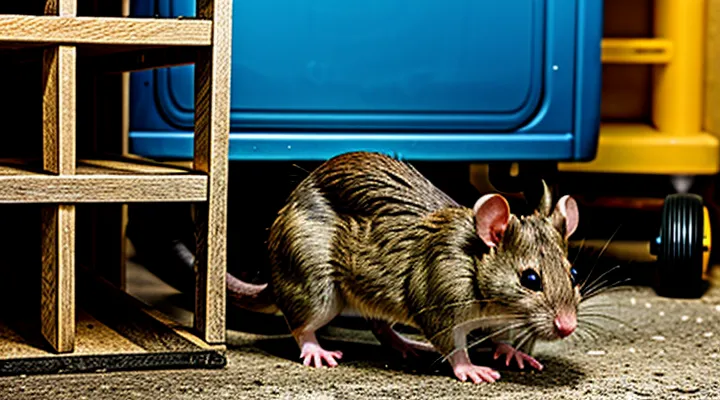
Understanding the Rat Problem
Signs of Rat Infestation
Droppings and Urine Stains
Droppings and urine stains are primary indicators of rodent activity in a garage. Fresh droppings appear as dark, cylindrical pellets about half an inch long; older deposits become lighter and may crumble. Urine stains manifest as amber or yellow discolorations on floorboards, insulation, or stored items. Both substances contain pathogens that can contaminate tools, vehicles, and stored goods, making early detection essential for effective control.
Identifying these signs enables precise placement of traps and bait. Locate clusters of droppings near walls, corners, and entry points; rats often travel along the same routes. Urine streaks trace movement paths, especially in concealed areas such as under shelving or behind stacked boxes. Mapping these patterns reveals high‑traffic zones where traps will have the greatest chance of contact.
Cleaning the contaminated zones reduces attractants and prevents secondary infestations. Follow these steps:
- Wear disposable gloves and a mask to avoid inhaling aerosolized particles.
- Sweep loose droppings into a sealed bag; discard in a hard‑plastic container.
- Apply an enzymatic cleaner to urine stains; allow sufficient dwell time to break down odor compounds.
- Rinse with hot water and dry the surface completely before setting traps.
After sanitation, position snap traps, electronic traps, or live‑capture cages along the identified pathways. Check traps daily; replace bait and reposition devices if no capture occurs after 48 hours. Continuous monitoring of droppings and urine patterns confirms whether the rat population is declining or requires additional intervention.
Gnaw Marks and Damage
Rats leave distinctive gnaw marks that reveal the extent of their presence in a garage. Recognizing these signs allows you to focus trapping efforts where activity is highest.
Typical gnaw marks appear on wood, plastic, and metal. Wood shows crescent‑shaped bite holes with rough edges; plastic exhibits clean, circular cuts; metal displays shallow, parallel scratches. The size of the bite correlates with the animal’s age—larger holes suggest mature individuals.
Common damage caused by rodent gnawing includes:
- Compromised structural supports (e.g., joists, studs)
- Damaged insulation and wiring, increasing fire risk
- Corroded or punctured fuel lines and hoses
- Chewed sealants and weatherstripping, allowing drafts and moisture intrusion
Identify the most recent gnaw sites, then place traps directly adjacent to or within the bite marks. Position bait so that the rat must gnaw through the opening to reach it, ensuring immediate contact with the trigger mechanism. Regularly inspect marked areas for new activity and relocate traps as needed to maintain pressure on the infestation.
Unusual Noises
Unusual noises serve as reliable evidence of rodent activity inside a garage. Detecting these sounds allows precise placement of control measures and reduces the time required to eliminate the problem.
Typical auditory indicators include:
- Sharp scratching against wood, insulation, or metal panels.
- High‑pitched squeaks emitted when the animal moves through confined spaces.
- Repetitive gnawing noises on wiring, plastic tubing, or stored items.
- Rapid, soft footfalls heard on concrete or floorboards, especially during quiet periods.
Timing and location provide additional clues. Scratching that intensifies after sunset suggests nocturnal foraging near food sources. Persistent squeaking near wall cavities points to nesting sites. Listening from a stationary position, preferably with a handheld recorder, helps isolate the origin and map activity corridors.
Place traps or bait stations adjacent to the identified sound sources. Align snap traps with the direction of footfall tracks, and position live‑catch cages where gnawing on structural elements occurs. Use scent‑free baits that emit minimal odor to avoid masking the noises already detected.
Finally, maintain a log of each observed sound, noting time, duration, and exact spot. Review the log weekly to adjust trap locations, ensuring the control effort remains focused on the most active areas until all auditory evidence ceases.
Why Rats Choose Garages
Shelter and Warmth
Rats seek out garages because the structure provides shelter from predators and weather. The insulated walls, stored materials, and occasional heat sources create a comfortable micro‑environment. Understanding this attraction allows you to disrupt the habitat and increase trap success.
Identify areas where warmth accumulates. Engines, water heaters, and insulated corners retain heat after use. Remove or relocate items that emit residual warmth, such as old appliances or piles of insulation. Replace them with sealed containers that do not retain temperature.
Eliminate shelter opportunities. Stack boxes, lumber, and recycling materials away from walls, leaving a clear perimeter of at least one foot. Seal gaps larger than a quarter‑inch with steel wool and expanding foam to prevent entry and nesting. Keep the garage floor dry; standing water attracts rodents and encourages burrowing.
Deploy traps in zones where rats are most likely to rest. Place snap traps or live‑catch cages:
- Directly behind insulation panels or near heat‑producing equipment.
- Along walls, low to the ground, where rodents travel.
- In corners that have been cleared of clutter but still show signs of activity.
Bait with high‑fat food items (peanut butter, bacon grease) to exploit the rat’s need for energy while seeking warmth. Check traps daily, dispose of captured rats promptly, and reset traps until activity ceases.
By removing heat sources, reducing concealment, and positioning traps strategically, the garage becomes inhospitable, forcing rats to leave or become vulnerable to capture.
Food Sources
Rats enter garages primarily to exploit readily available food. Identifying and removing these attractants is essential for any effective trapping strategy.
Pet food left in bowls, spilled kibble, or open containers provide high‑calorie meals that sustain rodent activity. Store all animal feed in sealed, metal containers with tight‑fitting lids. Clean up any crumbs or droppings immediately after feeding.
Garbage bags that are not tightly closed emit odors that draw rats from nearby areas. Use heavy‑duty, odor‑proof bags and keep the dumpster door sealed. Empty the trash daily, especially during warm months when decomposition accelerates.
Birdseed, squirrel feed, and garden produce left on the garage floor become easy meals. Place feeders outside the garage structure and sweep the floor after each delivery. Dispose of wilted vegetables in a sealed bin rather than discarding them on the ground.
Rodents also scavenge on automotive residues such as oil, grease, and spilled fuel. Wipe down workbenches and engine bays regularly, and store chemicals in locked cabinets.
By eliminating these food sources, rat activity declines, increasing the likelihood that traps placed in the garage will capture the remaining individuals.
Easy Access Points
Rats exploit gaps that require minimal effort to reach a garage. Typical entryways include:
- Unsealed gaps around utility pipes and wiring conduits.
- Openings beneath doors, especially if a weather‑strip is missing or damaged.
- Cracks in foundation walls or floor joists.
- Uncovered vents, attic hatches, and roof eaves.
- Loose siding, soffit panels, or damaged trim.
Each opening provides a route that a rodent can navigate without obstruction. Identifying these points begins with a systematic inspection:
- Walk the perimeter, shining a flashlight along walls, floor edges, and ceiling joints.
- Measure gaps; any opening larger than ¼ inch permits entry.
- Check for signs of gnawing, droppings, or nesting material near suspected areas.
- Test door sweeps for flexibility; replace if they compress excessively.
After detection, seal the access points with appropriate materials:
- Use steel wool or copper mesh for small holes, then cover with expanding foam or concrete.
- Install heavy‑duty door sweeps and weather‑stripping to block under‑door gaps.
- Apply cement mortar or epoxy sealant to cracks in concrete or masonry.
- Fit metal flashing over vent openings and secure with stainless‑steel screws.
- Replace damaged siding or trim with pressure‑treated lumber or metal flashing.
Securing these easy access points reduces the likelihood of future infestations and enhances the effectiveness of any trapping or removal strategy implemented in the garage environment.
Preparing for Rat Trapping
Cleaning and Decluttering the Garage
Removing Food Sources
Eliminating edible attractants is the first practical step in managing a rat problem within a garage. Rats locate shelter by following scent trails to readily available food; removing those cues forces them to search elsewhere and increases the likelihood of encountering traps.
- Store all human food in airtight, metal or heavy‑plastic containers.
- Sweep and mop floors daily; wipe down workbenches, toolboxes, and shelves to erase crumbs.
- Keep pet feeding stations outside the garage or use sealed feeders; clean spillages immediately.
- Position garbage cans with tight‑fitting lids, empty them regularly, and line them with rat‑proof bags.
- Remove birdseed, corn, or any agricultural product stored in the garage; relocate to a secure indoor pantry.
Depriving rats of nutrition reduces their activity level, shortens the time they spend inside the structure, and makes baited traps more appealing because the only available food source becomes the trap itself. Consistent sanitation prevents re‑establishment of food trails and sustains the effectiveness of any capture devices.
Maintain the clean environment by scheduling weekly inspections, promptly addressing new sources of waste, and reinforcing storage practices after each maintenance cycle. Continuous denial of food eliminates the primary incentive for rats to remain in the garage, thereby supporting a long‑term solution.
Eliminating Hiding Spots
Eliminating hiding spots is essential for reducing rat activity in a garage. Rats exploit any cluttered or undisturbed area as a refuge; removing these shelters forces them into open spaces where traps and baits become effective.
Start by clearing the floor. Sweep away debris, sawdust, and spilled oil. Store boxes, bags, and tools on shelves rather than on the ground. Seal gaps under workbenches with metal flashing or concrete filler to prevent rats from nesting beneath them.
Next, address vertical surfaces. Install metal or solid‑wood shelving that leaves no crevices. Trim back insulation or foam that creates cavities in walls and ceilings. Use steel wool or copper mesh to block holes larger than a quarter‑inch.
Finally, manage storage items. Stack firewood, lumber, and other materials at least six inches off the floor and away from walls. Wrap food containers in airtight metal bins, and dispose of waste in sealed containers that are removed regularly.
By systematically removing these potential shelters, rats lose the cover they need to avoid detection, increasing the likelihood of successful capture.
Identifying Entry Points
Sealing Cracks and Holes
Sealing cracks and holes eliminates the entry points that rats use to access a garage. By closing these openings, you reduce the likelihood that rodents will find shelter, food, or nesting material inside the structure.
Identify all potential gaps. Common locations include:
- Gaps around utility pipes and wires
- Openings at the foundation and floor joists
- Spaces beneath doors and windows
- Holes in wall sheathing or siding
Use appropriate materials for each type of opening. Expanding polyurethane foam works well for irregular gaps, while steel wool combined with caulk provides a durable barrier for larger holes. For cracks in concrete, apply a high‑strength epoxy filler followed by a sealant coat.
After sealing, inspect the garage regularly. Look for new damage caused by weather, settling, or rodent activity. Promptly repair any fresh openings to maintain an impenetrable barrier.
Repairing Damaged Doors and Windows
Repairing compromised doors and windows eliminates the primary pathways rats use to enter a garage. Sealed openings prevent rodents from exploiting gaps, reducing the need for traps and hazardous chemicals.
Typical entry points include:
- Cracked or broken frames
- Warped hinges allowing gaps
- Missing or broken weatherstripping
- Damaged screens or glass panes
To secure these openings:
- Inspect all door and window perimeters for visible cracks, gaps, or misaligned hardware.
- Replace broken glass with tempered or laminated panels; install pest‑proof mesh where ventilation is required.
- Re‑align hinges and install heavy‑duty hinges with self‑closing mechanisms to eliminate gaps larger than ¼ inch.
- Apply steel‑reinforced weatherstripping to all movable edges; compress the material to achieve a tight seal.
- Use expanding polyurethane foam to fill irregular voids around frames, then trim excess after curing.
- Secure any external vents with stainless‑steel mesh of ¼‑inch or smaller openings.
After repairs, schedule a quarterly inspection to verify seal integrity and address new damage promptly. Consistent maintenance removes entry routes, making rat capture methods more effective and safer.
Choosing the Right Trapping Method
Snap Traps
Baiting Techniques
Effective baiting begins with selecting attractants that stimulate a rat’s natural foraging behavior. High‑protein foods such as peanut butter, canned fish, or dried meat are preferred because they provide the strong scent and caloric value rats seek. Sweet options like dried fruit, honey‑glazed cereal, or molasses‑based mixes can complement protein baits, especially when rats have become accustomed to a single scent. When using commercial rodenticides, combine the poison with a small amount of these foods to ensure rapid consumption.
Placement of bait determines success. Position traps or bait stations along established travel routes: near the garage door threshold, along walls, and adjacent to stored boxes or shelving. Secure bait on a sturdy platform to prevent spillage and to keep it out of reach of non‑target animals. If the garage is cluttered, clear a narrow corridor of at least 12 inches wide to channel rat movement toward the baited trap.
Maintain bait effectiveness through regular inspection. Replace spoiled or dried‑out bait every 24–48 hours, and rotate scent profiles weekly to avoid habituation. Record capture dates and locations to identify high‑activity zones, then concentrate additional bait in those areas. Consistent monitoring and timely replenishment sustain the lure’s potency, increasing the likelihood of removing rats from the garage environment.
Placement Strategies
Effective placement of rodent control devices determines success in a garage environment. Identify active pathways by observing droppings, gnaw marks, and fresh burrows. Position traps directly in these corridors, ensuring the entry side faces the direction of travel.
Select locations that limit escape routes. Place devices against walls, under shelving, or behind stored items where rats naturally seek shelter. Avoid open floor areas that provide ample alternative paths.
Maintain a clear line of sight to each trap. Remove obstacles that obstruct access, such as boxes or automotive parts, within a 12‑inch radius. This reduces hesitation and encourages prompt engagement.
Consider environmental factors that influence placement:
- Temperature gradients: rats favor warmer zones near engines or insulated walls.
- Moisture sources: locate traps near leaky pipes or condensation points.
- Food residues: position devices close to oil stains, pet food, or discarded packaging.
Secure traps to prevent displacement. Use zip ties, clamps, or heavy objects to anchor them, especially on sloped concrete or vibrating surfaces. Anchor points should resist movement caused by vehicle activity.
Regularly inspect and adjust placements. Rotate traps weekly to disrupt habituation, and relocate any device that shows reduced capture rates. Document each location and outcome to refine the strategy over time.
Live Traps
Humane Considerations
When a rodent enters a garage, humane treatment should guide every step of the capture process. Live‑catch traps made of sturdy metal or durable plastic provide a safe enclosure without harming the animal. Place traps along walls, near known activity trails, and close to food sources; rats tend to travel along edges and avoid open spaces.
Select bait that attracts without causing distress. Peanut butter, dried fruit, or small pieces of cheese work effectively. Avoid toxic substances; they compromise the ethical objective and may poison non‑target wildlife.
After capture, release the rat at least one mile from the property, preferably in a wooded or agricultural area where shelter and food are available. Wear gloves to prevent disease transmission and to reduce stress on the animal. Clean the trap with mild detergent and hot water before reuse.
Key humane practices:
- Use live‑catch devices specifically designed for rodents.
- Employ non‑lethal bait that does not contain poisons.
- Relocate the animal to a suitable habitat far from human dwellings.
- Maintain sanitation in the garage to deter future infestations.
Adhering to these steps ensures the rat is removed efficiently while respecting animal welfare.
Release Locations
When a rat is captured in a garage, the point of release determines the likelihood of recurrence and the impact on surrounding properties. Choose sites that meet legal requirements, minimize re‑entry risk, and avoid harm to non‑target wildlife.
Key criteria for selecting a release location:
- Minimum distance of 2 miles (3 km) from the captured property, complying with most municipal ordinances.
- Presence of natural cover such as dense brush, wooded areas, or abandoned structures that provide shelter.
- Absence of food sources directly adjacent to residential zones, reducing attraction to nearby homes.
- Permission from landowner or authority, ensuring the release does not constitute trespassing or illegal dumping.
Recommended release sites:
- Publicly managed wildlife preserve that allows humane rodent release; verify with preserve staff before proceeding.
- Rural farmland with active crop rotation, where predators naturally control rodent populations.
- Uninhabited lot or vacant lot with overgrown vegetation, provided it is not slated for development.
- Municipal landfill perimeter, where waste management personnel can supervise the release and ensure containment.
After release, document the exact location, date, and time. Retain this record for potential follow‑up with pest‑control professionals or local authorities.
Glue Traps
Efficacy and Ethics
Effective control of a garage‑dwelling rodent requires methods that reliably reduce the population while respecting animal welfare standards. Traps that deliver immediate, lethal force—such as snap traps—provide high kill rates within minutes, minimizing prolonged suffering. However, the rapid death may cause distress to observers and raise concerns about humane treatment.
Live‑capture devices, including multi‑catch cages, allow removal without killing. Success depends on bait selection and trap placement; well‑baited cages capture 60‑80 % of active individuals over a week. After capture, relocation must consider legal restrictions and ecological impact, as releasing a rat into an unsuitable environment can cause further harm.
Chemical agents, such as anticoagulant rodenticides, produce delayed mortality and pose secondary poisoning risks to non‑target species, including pets and wildlife. Their efficacy varies with resistance development, and ethical scrutiny highlights unnecessary suffering and environmental contamination.
A practical approach balances efficacy with ethical responsibility:
- Deploy snap traps in high‑traffic zones; check and remove carcasses promptly.
- Supplement with live‑capture cages for non‑lethal removal; relocate according to local regulations.
- Reserve rodenticides for severe infestations, applying bait stations with strict containment measures.
Continuous monitoring and sanitation—sealing entry points, eliminating food sources, and maintaining dry conditions—enhance method effectiveness and reduce reliance on lethal options.
Proper Disposal
Capturing a rat in a garage creates a responsibility to handle the carcass safely and legally. Improper disposal can attract predators, spread disease, and violate local wildlife regulations.
First, wear disposable gloves and a mask to prevent direct contact with bodily fluids. Place the dead animal in a sealed, puncture‑resistant bag. If the rat was live‑caught, euthanize it humanely before disposal, following humane‑kill guidelines.
Next, consult municipal waste policies. Many jurisdictions require rodents to be disposed of through special trash services or designated animal‑carcass collection points. If such a service is unavailable, the sealed bag may be placed in a regular trash bin, provided the local authority permits it. Do not compost or bury the carcass in a residential yard, as this can contaminate soil and groundwater.
Finally, clean the area thoroughly. Use a disinfectant containing at least 1 % bleach solution or a commercial rodent‑specific sanitizer. Apply the solution to surfaces, floors, and any tools used during capture. After cleaning, wash hands with soap and water, even if gloves were worn.
Key steps for proper disposal:
- Wear protective gloves and mask.
- Seal the carcass in a puncture‑proof bag.
- Follow local waste regulations for animal carcasses.
- Disinfect the capture site and equipment.
- Perform hand hygiene after the process.
Adhering to these procedures eliminates health hazards, reduces the likelihood of re‑infestation, and ensures compliance with public health standards.
Post-Trapping Measures
Preventing Future Infestations
Regular Inspection and Maintenance
Regular inspection of a garage creates early detection of rat activity, allowing swift intervention before populations expand. Inspect every corner, focusing on:
- Gaps around doors, windows, and utility openings larger than ¼ inch.
- Damaged ventilation ducts, pipe sleeves, and cable conduits.
- Accumulated debris, stored boxes, and clutter that conceal nests.
- Signs of gnaw marks, droppings, urine stains, and gnawed insulation.
Maintenance eliminates the conditions that attract rodents. Seal identified openings with steel wool, metal flashing, or concrete caulk; replace weather‑stripping that has worn. Install door sweeps and ensure garage doors close fully. Trim vegetation and remove standing water near the structure to reduce shelter and food sources.
A schedule of monthly checks keeps the environment inhospitable to rats. Document findings, prioritize repairs, and address them within 48 hours. Consistent upkeep reduces the need for emergency trapping and chemical control, supporting a long‑term solution to rat problems in the garage.
Storing Food and Trash Securely
Secure food and waste handling eliminates the primary attraction for rodents in a garage.
Store all edible items in containers that lock airtight. Choose metal or heavy‑wall plastic boxes with gasket seals; avoid cardboard or loosely lidded jars. Place containers on shelves rather than the floor, keeping them at least six inches from walls or openings.
Manage garbage with sealed, rigid bins equipped with tight‑fit lids. Empty bins daily, especially in warm weather, and keep them away from doors, windows, and ventilation shafts. Position bins on a pallet or platform to prevent rats from reaching the floor beneath.
Maintain a clean environment. Sweep floors after each use, wipe down surfaces, and remove spilled crumbs immediately. Inspect containers for cracks or damaged seals; replace compromised units promptly.
Key actions:
- Use airtight metal or thick‑plastic containers for all food.
- Keep containers off the ground and distant from potential entry points.
- Employ rigid trash cans with secure lids; empty them daily.
- Locate trash containers on raised platforms, not against walls.
- Clean surfaces regularly; eliminate food residues.
Dealing with Carcasses
Safe Handling and Disposal
Capture of a rodent in a garage demands strict safety measures to protect human health and prevent contamination. Use personal protective equipment (PPE) before any contact with the animal.
- Thick gloves (leather or nitrile) that cover the wrists.
- Disposable coveralls or old clothing that can be discarded after use.
- Eye protection such as safety goggles or a face shield.
- Respirator with a P100 filter if dust, droppings, or urine are present.
- Closed-toe shoes that can be cleaned or disposed of.
After securing the rat in a live‑catch trap, transfer it to a sturdy, sealable container. Place the container inside a secondary bag, expel excess air, and seal tightly. Handle the sealed bag only while wearing gloves and a mask.
Disposal options include:
- Euthanasia – Apply a CO₂ chamber or a commercial rodent‑kill product according to label instructions; then place the carcass in a double‑sealed bag for trash collection.
- Professional removal – Contact a licensed pest‑control service that can perform humane euthanasia and waste disposal.
- Legal release – If local regulations permit, release the animal at a designated wildlife sanctuary, wearing full PPE and minimizing stress.
Following disposal, clean the trap, container, and surrounding area with a disinfectant solution (e.g., 1 % bleach). Rinse with water, allow to dry, and store equipment in a sealed bag until the next use. Dispose of all disposable PPE and waste bags in a sealed garbage bin. Maintain ventilation in the garage for several hours to eliminate lingering odors and airborne particles.
Disinfection Procedures
After a rodent has been removed from a garage, thorough disinfection prevents disease transmission and deters future infestations. Pathogens such as leptospira, salmonella, and hantavirus can survive on surfaces for days, making immediate sanitation essential.
- Remove all visible debris, droppings, and urine with disposable gloves and a sealed bag.
- Apply a rodent‑specific disinfectant (e.g., a 1 % bleach solution or an EPA‑registered sanitizer) to contaminated areas. Ensure the solution contacts the surface for the manufacturer‑specified dwell time, typically 10 minutes.
- Scrub hard surfaces—concrete floors, metal shelves, and walls—using a stiff brush to dislodge biofilm. Rinse with clean water and allow to air‑dry.
- Treat porous materials (insulation, wood) by discarding them if heavily soiled; otherwise, spray with the same disinfectant and let dry completely.
- Seal all cleaned zones with a rodent‑proof barrier (metal mesh, sealed gaps) before re‑stocking the garage.
Final verification includes visual inspection for residual stains, odor, or moisture. Document the procedure, noting disinfectant type, concentration, and exposure time, to maintain compliance with health‑safety standards and to inform future pest‑control actions.