
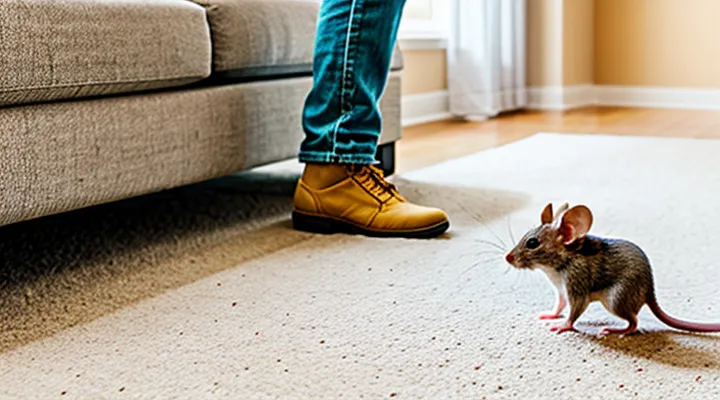
Understanding the Mouse Problem
Signs of an Infestation
Droppings and Urine Stains
Rodent droppings and urine stains pose health hazards in residential units. They can contain pathogens such as hantavirus, salmonella, and leptospira, which may be transmitted through inhalation of dried particles or direct contact with contaminated surfaces. Prompt identification and proper sanitation are essential components of any humane rodent control strategy in an apartment.
Visible signs include dark, pellet‑shaped feces about one centimeter long, often found along walls, behind appliances, and near food storage. Urine appears as yellowish stains or a faint, ammonia‑like odor, especially in concealed corners, cabinets, or under furniture. Both indicators suggest active infestation and require immediate attention.
Effective decontamination follows a three‑step protocol:
- Preparation: Wear disposable gloves, a N‑95 respirator, and eye protection. Seal off the area by closing doors and covering ventilation openings to prevent aerosol spread.
- Disinfection: Mix a solution of one part bleach to ten parts water (5 % sodium hypochlorite). Apply generously to droppings, urine spots, and surrounding surfaces. Allow a minimum of ten minutes contact time before wiping.
- Removal: Use disposable paper towels or a wet‑vacuum equipped with a HEPA filter to collect the saturated material. Dispose of all waste in a sealed plastic bag and discard according to local hazardous‑waste guidelines.
After cleaning, inspect for residual odor or stains. If any remain, repeat the disinfection step. Finally, eliminate attractants by storing food in airtight containers, sealing entry points, and maintaining low humidity, thereby reducing the likelihood of future contamination.
Gnaw Marks and Damage
Mice leave distinctive gnaw marks that signal structural compromise and health risk. Incisor teeth continuously grow, causing rodents to chew on wood, plastic, wiring, and insulation. The resulting holes are typically ¼‑inch wide, with clean, jagged edges. Repeated gnawing can expose live wires, increasing fire hazard, and degrade insulation, reducing energy efficiency.
Identifying gnaw damage early prevents escalation. Look for:
- Small, round openings in baseboards, cabinets, and furniture.
- Shredded or chewed paper, packaging, and fabric.
- Exposed copper or aluminum wiring with bite marks.
- Frayed electrical cords near walls or appliances.
- Chewed-through drywall or plaster, especially near concealed spaces.
Each sign warrants immediate action. Secure exposed wires with insulated tape or replace damaged sections to eliminate electrical threats. Repair or replace gnawed wood and plastic components to restore barriers that mice exploit for entry and nesting.
Integrating damage remediation with humane rodent control enhances safety. After sealing entry points, deploy non‑lethal traps or live‑catch devices in affected zones. Monitor repaired areas regularly; persistent gnaw marks indicate ongoing infestation and require reassessment of sealing measures. Prompt repair and vigilant observation reduce the likelihood of property damage and protect occupants from disease vectors associated with rodent activity.
Strange Noises
Mice generate distinctive sounds that often alert residents to an infestation before visual evidence appears. Recognizing these noises helps target safe control measures and prevents escalation.
Typical mouse noises include:
- High‑pitched squeaks heard during nighttime when rodents communicate or distress.
- Light scratching on walls, ceilings, or floorboards, especially near concealed entry points.
- Soft pattering resembling tiny footsteps, often heard in kitchens or pantry areas where food is stored.
- Rattling of droppings or nesting material within walls, audible when the structure vibrates.
Each sound suggests a specific activity zone. Squeaks and pattering usually indicate active foraging, while scratching points to movement through concealed routes. Rattling often signals established nesting sites within wall cavities.
When strange noises are detected, follow these steps to maintain a humane, non‑chemical approach:
- Locate the source – trace the sound to the nearest wall, ceiling, or floor area; use a flashlight to inspect gaps and openings.
- Seal entry points – apply steel wool or silicone caulk to cracks, vents, and utility openings to block further ingress.
- Deploy physical traps – place snap or live‑catch traps along identified pathways, positioning them perpendicular to walls to align with mouse travel routes.
- Monitor and record – keep a log of noise frequency and trap activity; adjust trap placement if noises persist in new locations.
- Maintain cleanliness – store food in airtight containers, remove crumbs, and empty trash daily to reduce attractants.
Understanding and responding to strange noises enables prompt, safe rodent management in an apartment setting while minimizing reliance on toxic substances.
Why Mice are a Problem
Health Risks
Mice in a residential unit carry a range of health hazards that persist until the infestation is fully resolved. Their droppings, urine, and saliva contain pathogens such as hantavirus, salmonella, leptospira, and various strains of E. coli. Direct contact or inhalation of aerosolized particles from dried droppings can trigger respiratory illnesses, kidney failure, and severe gastrointestinal distress. Bite wounds introduce bacterial infections that may progress to sepsis if untreated.
Secondary risks stem from the control measures themselves. Chemical rodenticides, even when labeled “low‑toxicity,” can cause accidental poisoning of occupants, especially children and pets, through ingestion of bait or contaminated surfaces. Residual residues may persist on countertops and floors, leading to chronic exposure. Mechanical traps pose a physical injury threat if mishandled, and improperly disposed carcasses become sources of bacterial growth and odor, attracting additional pests.
Key health considerations include:
- Pathogen transmission: Hantavirus pulmonary syndrome, leptospirosis, salmonellosis.
- Allergic reactions: IgE‑mediated responses to mouse dander and urine proteins.
- Secondary contamination: Bacterial proliferation on surfaces after trap deployment.
- Chemical exposure: Acute toxicity from anticoagulant baits; chronic low‑dose effects.
- Psychological impact: Elevated stress levels associated with visible infestation and cleanup.
Mitigation strategies focus on eliminating the rodents while minimizing exposure. Use sealed bait stations to restrict access, place snap traps in concealed locations, and disinfect all areas where droppings are found with a solution of one part bleach to ten parts water. Dispose of dead mice in sealed bags and remove them promptly to prevent bacterial growth. Regularly inspect and replace traps, and maintain strict sanitation to deter re‑infestation.
Property Damage
Mice can compromise the structural integrity and aesthetic condition of a rental unit. Their gnawing habit damages electrical wiring, which raises fire risk and may require costly repairs. Insulation, drywall, and wooden framing are vulnerable to perforation, leading to gaps that reduce energy efficiency and invite additional pests. Food containers and kitchen surfaces suffer contamination, necessitating thorough sanitation and replacement of compromised items.
Preventing property damage while eradicating rodents involves methods that avoid harsh chemicals and traps that might harm the building fabric. Recommended practices include:
- Sealing entry points with steel wool or silicone caulk to block access without drilling large holes.
- Deploying snap‑type devices made of plastic or lightweight metal that do not leave residue on surfaces.
- Using live‑catch cages positioned away from fragile furnishings, then releasing captured mice outdoors.
- Applying ultrasonic emitters in concealed locations to deter activity without altering walls or ceilings.
Each approach minimizes the likelihood of collateral damage. Proper placement of devices prevents accidental contact with wiring or plumbing, and regular inspection of sealed gaps ensures the structure remains intact throughout the control process.
Prevention Strategies
Sealing Entry Points
Inspecting Walls and Foundations
Inspecting walls and foundations is a critical early step in any humane rodent‑control plan for an apartment. Begin by examining interior walls for gnaw marks, small holes, or displaced insulation. Use a flashlight to trace any visible pathways from the interior to the exterior, noting the size and location of openings. Record each entry point on a simple sketch of the floor plan; this documentation guides targeted sealing efforts and prevents unnecessary pesticide use.
Next, assess the building’s structural elements that abut the living space. Check the basement, crawl space, and any utility shafts for cracks, gaps around pipes, and deteriorated sealant. Pay particular attention to windows, door frames, and vent grilles, as mice often exploit these weak spots. When a defect is identified, recommend a material‑appropriate repair—steel wool combined with caulk for small gaps, cement mortar for larger cracks, and weather‑stripping for door and window seams.
Finally, verify that repairs have eliminated all access routes. Conduct a follow‑up inspection after sealing, looking for fresh gnaw marks or new droppings that would indicate remaining entry. A systematic, evidence‑based inspection reduces reliance on chemical interventions and supports a safe, long‑term solution for rodent prevention in residential units.
Covering Vents and Openings
Covering vents and openings prevents mice from entering living spaces, reducing the need for harmful traps or poisons.
Mice exploit gaps around HVAC vents, dryer exhausts, utility openings, and wall penetrations. These passages are often overlooked because they appear too small to accommodate a rodent, yet a mouse can squeeze through openings as narrow as ¼ inch.
To secure these points:
- Inspect each vent, duct, and utility access for gaps larger than ¼ inch.
- Install fine‑mesh metal screens (½ mm stainless steel) over vent openings; secure with screws or zip ties.
- Apply steel wool or copper mesh to irregular cracks before sealing.
- Use silicone caulk or expanding polyurethane foam to fill remaining voids around the mesh.
- For larger ducts, fit hinged, lockable vent covers that close when not in use.
Materials must resist chewing and corrosion. Stainless‑steel mesh and hardware cloth remain intact under repeated gnawing, while silicone retains flexibility in temperature‑fluctuating environments. Regularly inspect seals for wear, especially after renovations or appliance maintenance, and replace compromised sections promptly.
By eliminating entry routes, residents create a physical barrier that protects the apartment without exposing occupants to toxic chemicals or inhumane traps.
Sealing Gaps Around Pipes
Sealing gaps around pipes is a critical component of rodent prevention in an apartment. Openings at the junction of plumbing and walls provide direct entry points for mice, which can navigate through spaces as small as a quarter of an inch. By eliminating these pathways, residents reduce the likelihood of infestation without resorting to traps or poison.
Identify all pipe penetrations in kitchens, bathrooms, and utility rooms. Use a flashlight to reveal hidden cracks behind cabinets and under sinks. Inspect both supply lines and drainage pipes, paying particular attention to flexible hoses and vent stacks.
Apply appropriate sealing materials based on the size and location of each gap:
- Expandable foam sealant for gaps up to ½ in; trim excess after curing.
- Stainless‑steel mesh or metal flashing for larger openings; secure with corrosion‑resistant screws.
- Silicone caulk for joints that may experience movement; ensure a smooth, continuous bead.
- Cement‑based mortar for gaps in masonry surrounding pipe sleeves; smooth with a trowel.
After sealing, verify the integrity of the barrier by running a thin piece of paper or a cotton swab through the sealed area; any resistance indicates a successful seal. Re‑inspect annually or after any plumbing work, as vibrations and thermal expansion can create new fissures.
Maintaining a sealed pipe network complements other non‑lethal strategies, such as proper food storage and regular cleaning, to create an environment that discourages mouse activity throughout the dwelling.
Maintaining Cleanliness
Proper Food Storage
Proper food storage prevents mice from accessing nutrition, thereby reducing attraction and supporting humane control strategies.
Store all dry goods—cereals, grains, nuts, pet food—in airtight containers made of metal or thick plastic with sealed lids. Containers should be placed on shelves, not on the floor, to avoid accidental spills.
Keep perishable items refrigerated or frozen. Clean any crumbs or spills immediately; use a damp cloth rather than a dry sweep, which can disperse food particles.
Dispose of waste promptly. Seal garbage in bags with twist ties and transfer to an external bin with a tight‑fitting lid at least once daily.
Maintain a regular inventory. Rotate stock so older items are used first, reducing the chance of spoilage that can attract rodents.
Implement these practices consistently to eliminate food sources that encourage mouse activity while preserving a safe living environment.
Regular Waste Disposal
Regular waste disposal prevents food sources that attract rodents, thereby supporting non‑toxic pest control in an apartment. Unsealed trash, overflowing bins, and food residue create a predictable supply for mice, encouraging infestation and undermining other safety measures.
Effective waste management includes:
- Emptying kitchen trash daily; use containers with tight‑fitting lids.
- Keeping recycling bins clean and sealed; rinse cans and bottles before disposal.
- Storing bulk waste (e.g., cardboard, paper) in a separate, sealed area until removal.
- Disposing of pet food leftovers promptly; store dry feed in airtight containers.
- Scheduling municipal collection or using a reliable private service to avoid prolonged on‑site storage.
Consistent application of these practices eliminates accessible nutrition, reduces mouse activity, and complements other humane control methods such as sealing entry points and using traps. The result is a safer living environment with minimal reliance on chemical interventions.
Decluttering Spaces
Keeping living areas free of clutter reduces hiding places for rodents and simplifies the application of humane control measures. Items stacked on the floor, open boxes, and unused furniture create pathways and nests that mice exploit. Removing unnecessary objects restores clear sight lines, allowing traps and deterrents to be positioned accurately and inspected regularly.
Key actions for effective decluttering:
- Collect all clothing, papers, and accessories from the floor and store them in closed containers or closets.
- Discard broken or rarely used items that occupy floor space.
- Arrange furniture so that the space beneath it is visible; avoid using sofas or beds as storage zones.
- Keep pantry shelves orderly; use sealed bins for dry goods and eliminate spills promptly.
- Maintain a routine of weekly inspection to ensure no new clutter accumulates.
A tidy environment also facilitates safe sanitation practices. With fewer obstacles, cleaning agents can reach corners where droppings may gather, limiting disease risk. Moreover, a well‑organized apartment makes it easier to monitor for signs of activity, such as gnaw marks or droppings, and to respond quickly with non‑chemical deterrents. Implementing these steps supports a humane, low‑risk strategy for rodent management in residential settings.
Natural Deterrents
Peppermint Oil
Peppermint oil serves as a natural deterrent against mice in residential settings. The volatile compounds in the oil overwhelm the rodents’ olfactory receptors, creating an environment they avoid.
Effectiveness relies on proper preparation and strategic placement. Recommended practice:
- Dilute 10 ml of pure peppermint oil in 250 ml of water.
- Soak cotton balls or small cloth pieces in the solution.
- Position the saturated material near entry points, behind appliances, and in concealed corners.
- Replace the cotton balls every 3–4 days to maintain potency.
The oil poses no acute toxicity to adults or most pets when used as described. Avoid direct skin contact with undiluted oil; wear gloves during preparation. Keep containers out of reach of children and store them in a cool, dark place to prevent degradation.
Peppermint oil does not kill mice; it merely discourages their presence. For persistent infestations, combine the scent barrier with mechanical traps or exclusion techniques. Monitoring is essential: observe activity signs and refresh the oil source promptly if rodents reappear.
Regular maintenance sustains deterrence. Rotate placement sites weekly to prevent habituation, and verify that the scent remains strong before each replacement cycle.
Essential Oil Blends
Essential oil blends provide a non‑toxic deterrent for rodent activity in a residential setting. Their strong aromatic compounds interfere with mice’s scent trails, discouraging entry and nesting without chemical residues.
- Peppermint + Eucalyptus (3 drops peppermint, 2 drops eucalyptus per 100 ml water). Apply to cotton balls placed near suspected entry points, under appliances, and in pantry corners. Replace every 48 hours.
- Lavender + Cedarwood (4 drops lavender, 3 drops cedarwood per 100 ml water). Spray lightly on baseboards, behind cabinets, and on the exterior of food containers. Reapply weekly.
- Citronella + Clove (5 drops citronella, 2 drops clove per 100 ml water). Soak cloth strips and hang in closets, utility rooms, and near waste bins. Refresh every 72 hours.
- Tea Tree + Lemon (3 drops tea tree, 4 drops lemon per 100 ml water). Mist floor edges and window sills where mice may travel. Reapply after cleaning.
When using blends, keep containers sealed and store away from children and pets. Test a small area for surface compatibility before widespread application. Avoid direct contact with skin; wear gloves if handling undiluted oils. Monitor effectiveness and adjust placement based on observed activity. Regular cleaning and sealing of cracks complement the aromatic barrier, enhancing overall control.
Ultrasonic Devices
Ultrasonic devices emit high‑frequency sound waves that are inaudible to humans but disturb the auditory system of mice, prompting them to vacate the treated area. The technology relies on continuous or intermittent emissions that create an uncomfortable environment for rodents without harming them.
Key characteristics of effective ultrasonic repellents include:
- Frequency range of 20–65 kHz, covering the hearing spectrum of common house mice.
- Adjustable timer or automatic shut‑off to conserve energy during periods of inactivity.
- Coverage radius appropriate for the size of a typical apartment room (approximately 30–45 ft² per unit).
- Integrated safety features that prevent interference with pets, such as separate frequency bands for cats and dogs.
Selection criteria focus on device placement, power source, and verification of performance. Position units at mouse entry points—behind appliances, under cabinets, and near wall voids—ensuring an unobstructed line of sound propagation. Plug‑in models simplify installation, while battery‑operated units offer flexibility for temporary use. Verify manufacturer claims with independent laboratory testing or consumer reviews that reference measurable reductions in rodent activity.
Proper operation requires continuous activation for several days to establish an aversive zone; mice typically abandon a space after 48–72 hours of exposure. Complement ultrasonic treatment with sealing of cracks, removal of food sources, and regular cleaning to prevent re‑infestation.
Limitations include reduced efficacy in rooms with heavy insulation, open doors, or excessive background noise that masks ultrasonic signals. Additionally, some mouse populations may habituate over time, diminishing the device’s deterrent effect. Periodic rotation of frequencies or supplemental physical barriers can mitigate habituation.
When integrated with comprehensive sanitation and exclusion measures, ultrasonic devices provide a humane, chemical‑free approach to controlling mouse presence in residential settings.
Safe Elimination Methods
Live Traps
Choosing the Right Trap
Choosing an effective trap is the cornerstone of a safe rodent‑control plan for a rental unit. The trap must capture mice without exposing occupants to poisons, allergens, or hazardous materials, and it should be easy to set, monitor, and clean.
- Snap traps: metal bar delivers a quick, lethal strike; requires placement on flat surfaces and regular inspection.
- Live‑catch traps: enclosed chamber holds the mouse alive; allows relocation, but demands prompt release to prevent stress.
- Electronic traps: voltage pulse kills instantly; eliminates mess, but requires access to a power outlet and periodic battery replacement.
- Glue boards: adhesive surface immobilizes; not recommended for residential settings due to animal welfare concerns and potential contact with children or pets.
Key criteria for selecting a trap:
- No chemical agents: eliminates risk of accidental ingestion or inhalation.
- Compact design: fits under furniture, behind appliances, or in wall voids without obstructing traffic.
- Quiet operation: reduces disturbance for occupants.
- Easy disposal: removable cartridge or sealed container simplifies cleaning and prevents secondary contamination.
- Compliance with local housing regulations: ensures legality and tenant safety.
Safety practices when deploying traps:
- Position traps away from food preparation areas, child‑accessible zones, and pet pathways.
- Wear disposable gloves during setup and removal to avoid direct contact with rodent fluids.
- Seal captured mice in a disposable bag before disposal in a sealed trash container.
- Reset or replace traps promptly after a catch to maintain continuous control.
- Store unused traps out of reach of non‑target species.
A well‑chosen trap, paired with proper placement and diligent maintenance, delivers effective mouse control while preserving a healthy indoor environment.
Baiting Techniques
Effective baiting requires selecting products that target rodents while minimizing risk to humans and pets. Choose low‑toxicity, enclosed bait stations that prevent accidental exposure. Place stations along walls, behind appliances, and near known activity zones; mice rarely cross open spaces, preferring concealed routes. Replace bait regularly to maintain potency, and monitor stations for captured rodents to assess placement effectiveness.
Key considerations for safe bait deployment:
- Enclosed, tamper‑resistant stations – prevent children and pets from accessing poison.
- Non‑rodent toxicants – use anticoagulant baits in minimal concentrations, or opt for natural attractants combined with mechanical traps.
- Strategic positioning – locate stations within 1–2 feet of walls, avoiding high‑traffic areas.
- Rotation of bait types – alternate attractants (e.g., grain, peanut butter, dried fruit) to counter bait aversion.
- Compliance with local regulations – verify that selected products meet residential safety standards.
After successful capture, dispose of rodents in sealed bags and clean stations with mild detergent. Maintain a clean environment by sealing entry points, storing food in airtight containers, and eliminating clutter, which reinforces the efficacy of baiting while preserving a safe living space.
Releasing Mice Safely
Capturing a mouse without harming it begins with a live‑catch trap that closes securely when the rodent enters. Choose a model with a smooth interior and a trigger mechanism sensitive enough for small mammals. Place the trap along walls, behind appliances, or near known activity, and bait it with high‑protein items such as peanut butter or bits of cooked meat. Check the trap every few hours to prevent prolonged confinement.
When a mouse is caught, wear disposable nitrile gloves to avoid direct contact and potential disease transmission. Transfer the animal to a sturdy holding container with ventilation holes; do not squeeze or injure the creature. Keep the container upright during transport to reduce stress.
Select a release site at least 500 meters from the dwelling, preferably in a wooded or field area where natural predators and food sources exist. Verify that local regulations permit the release of captured wildlife; some municipalities require specific permits or prohibit releasing non‑native species. Once at the site, open the container on the ground, step back, and allow the mouse to exit on its own. Do not chase or handle the animal during release.
After releasing the mouse, clean the trap and any surfaces it contacted with a solution of diluted bleach (1 part bleach to 9 parts water) or an EPA‑approved disinfectant. Dispose of the gloves in a sealed bag and wash hands thoroughly. Inspect the apartment for additional entry points—gaps around pipes, vents, or baseboards—and seal them with steel wool, caulk, or metal flashing to prevent re‑infestation.
Key steps for safe release
- Use a live‑catch trap with smooth interior and reliable trigger.
- Bait with protein‑rich food; position traps along walls.
- Wear disposable gloves; transfer to ventilated container.
- Release at least 500 m away in a suitable natural habitat.
- Follow local wildlife release regulations.
- Disinfect equipment and seal entry points after release.
Snap Traps (Humane Options)
Proper Placement
Proper placement of control devices determines the effectiveness of non‑toxic mouse management in an apartment. Devices must be positioned where mice travel, but away from human activity and food preparation areas to avoid accidental contact.
- Identify walls, baseboards, and corners where droppings, gnaw marks, or grease trails appear; these are primary travel routes.
- Place snap traps or electronic devices perpendicular to the wall, with the trigger side facing the wall, so the mouse approaches from the side rather than head‑on.
- Position bait stations at least 12 inches from countertops, sinks, and trash bins; keep them out of reach of children and pets by using secured, tamper‑proof containers.
- Avoid locations with high foot traffic, such as entryways or living‑room pathways, to reduce the chance of premature trigger activation.
- For glue boards, set them on flat surfaces behind appliances or under furniture where mice hide, ensuring the adhesive side faces upward and the board is secured to prevent displacement.
Consistent inspection of placed devices reinforces success. Replace or relocate any device that remains untouched after 48 hours, as this indicates an inaccurate assessment of mouse pathways. Regularly rotate positions within the identified routes to cover the entire network of possible entries while maintaining safety standards.
Safety Precautions
Effective mouse removal in a residence requires strict safety measures to protect occupants and prevent secondary hazards.
Wear disposable gloves and, when using snap traps or live‑catch devices, handle them with firm, steady motions to avoid accidental activation. Store traps out of reach of children and pets; place them along walls, behind appliances, and in concealed corners where rodents travel.
If employing bait, choose products certified for indoor use and follow label dosage precisely. Keep bait stations sealed, label them clearly, and locate them away from food preparation surfaces.
Maintain adequate ventilation when using any odor‑based repellents or low‑toxicity powders. Open windows or run exhaust fans to disperse airborne particles and reduce inhalation risk.
Implement rigorous sanitation: seal food containers, clean crumbs, and eliminate water sources that attract mice. Regularly inspect and repair gaps in walls, flooring, and pipe entries to block re‑entry.
Dispose of captured rodents promptly. Place them in sealed plastic bags, then discard in an outdoor trash receptacle. Clean and disinfect trap surfaces with a diluted bleach solution (1 part bleach to 9 parts water) after each use.
Document each safety step in a log to verify compliance and facilitate future pest‑management planning.
Professional Pest Control (Non-Toxic Approaches)
Identifying Reputable Services
When selecting a pest‑control provider for rodent removal in a residential setting, prioritize verification of legitimacy and adherence to safety standards.
First, confirm that the company holds all required licenses and certifications for its jurisdiction. Regulatory bodies often issue credentials that demonstrate compliance with health‑code regulations and proper handling of chemicals.
Second, examine the firm’s track record. Request references from recent residential clients, and check online reviews on independent platforms. Consistent positive feedback regarding humane practices and minimal disruption indicates reliability.
Third, assess the methods employed. Reputable services should disclose the specific techniques they use—such as sealed bait stations, exclusion measures, and non‑toxic traps—and provide documentation that these approaches meet environmental and health guidelines.
Fourth, ensure transparent pricing. A detailed estimate should list all fees, including inspection, treatment, and follow‑up visits, without hidden charges. Companies that offer written service agreements demonstrate professional accountability.
Fifth, verify insurance coverage. Liability insurance protects tenants in the event of accidental damage or injury during the intervention.
A concise checklist for evaluating providers:
- Valid licenses and certifications.
- Positive client references and verified online reviews.
- Clear description of safe, humane control methods.
- Detailed, upfront pricing with written agreement.
- Active liability insurance.
By systematically applying these criteria, tenants can confidently engage a qualified service that eliminates mice efficiently while maintaining a safe living environment.
Discussing Non-Chemical Options
Non‑chemical strategies focus on preventing entry, reducing attractants, and physically removing rodents. Effective implementation requires a combination of exclusion, sanitation, and mechanical capture.
- Seal gaps around pipes, vents, and baseboards with steel wool or caulk; mice cannot gnaw through metal.
- Install door sweeps and weatherstripping to block gaps beneath entry doors.
- Store food in airtight containers; eliminate crumbs and spills promptly.
- Maintain regular waste removal; use sealed trash cans with tight lids.
- Deploy snap traps or humane live‑catch traps in areas of activity; position traps perpendicular to walls, with bait such as peanut butter or dried fruit.
- Employ ultrasonic emitters only after confirming coverage of all rooms; effectiveness varies, so monitor results.
- Apply natural repellents like peppermint oil on cotton balls placed near suspected pathways; replace every few days to sustain scent intensity.
Consistent application of these measures reduces mouse populations without chemicals, safeguards indoor air quality, and aligns with residential health standards.
Post-Treatment Prevention
After a successful rodent removal, preventing re‑infestation requires systematic actions.
Identify and seal every possible entry. Inspect walls, floors, cabinets, and utility openings. Apply steel‑wool, copper mesh, or silicone caulk to gaps larger than ¼ inch.
Maintain a clean environment. Store food in airtight containers, promptly clean crumbs, and dispose of waste in sealed bins. Eliminate standing water and excess moisture that attract rodents.
Implement ongoing monitoring. Place snap‑traps or electronic sensors in concealed locations to detect early activity. Check traps weekly and record findings.
Adopt a regular maintenance schedule:
- Quarterly inspection of structural seals and repairs.
- Monthly deep cleaning of kitchen surfaces and storage areas.
- Bi‑monthly review of waste management practices.
Educate all occupants about proper food handling and waste disposal. Consistent adherence to these measures sustains the effectiveness of the initial non‑chemical removal and safeguards the apartment from future mouse problems.