
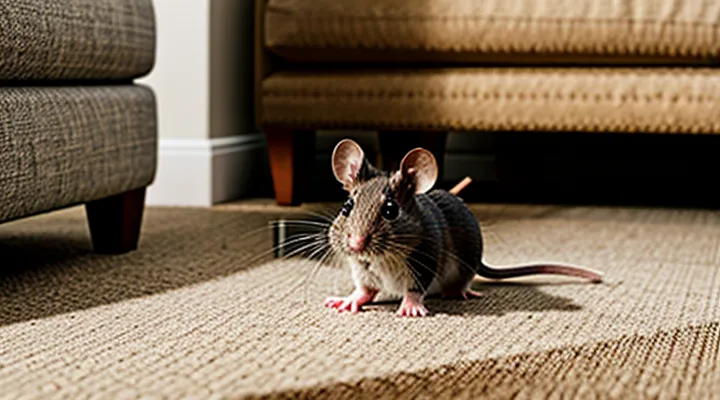
«Understanding the Intruder»
«Signs of a Mouse Infestation»
«Droppings and Urine Trails»
Droppings and urine trails provide the most reliable evidence of an indoor rodent presence. Fresh fecal pellets are dark, about the size of a grain of rice, and appear in clusters near food sources, nesting sites, or along concealed pathways. Urine leaves invisible wet spots that become visible under black‑light or after a brief exposure to a damp cloth, revealing a distinct, musky odor. Both signs indicate the animal’s movement patterns and help pinpoint high‑traffic zones.
Identifying these markers enables precise placement of capture devices and informs sanitation measures. Accurate detection reduces unnecessary trap deployment and focuses effort where the mouse is most active.
- Inspect hidden areas (behind appliances, under cabinets, inside wall voids) for droppings.
- Use a UV flashlight to locate urine stains on floors, baseboards, and fabric surfaces.
- Record each sighting’s location; map findings to determine the most frequented routes.
- Clean all contaminated spots with a disinfectant containing enzymatic agents to eliminate scent cues that could deter traps.
- Position snap traps or live‑catch cages perpendicular to the identified pathways, aligning bait with the direction of the droppings or urine streaks.
«Gnaw Marks and Damage»
Gnaw marks provide the first reliable indication of mouse activity inside a residence. Mice leave parallel, shallow incisions on soft materials such as wires, plastic tubing, and wooden framing. The edges of these cuts are clean, with no splintering, distinguishing them from damage caused by larger rodents. When the bite depth exceeds two millimeters, the material is likely compromised and may require replacement to prevent electrical shorts or structural weakening.
Typical locations for gnaw damage include:
- Electrical cords near baseboards and behind appliances
- PVC pipes in kitchens and bathrooms
- Wooden joists and baseboard trim
- Furniture legs and upholstered frames
- Insulation material within wall cavities
Identifying gnaw marks early allows homeowners to assess the extent of potential hazards. Damaged wiring can create fire risk, while breached insulation reduces energy efficiency. Document each affected item, noting the size of the bite and its proximity to known entry points. This information guides the placement of traps and bait stations, ensuring they cover the most active pathways.
After recording damage, replace or repair compromised components before deploying capture methods. Securing vulnerable surfaces eliminates alternative food sources and reduces the mouse’s incentive to remain. Combining thorough damage assessment with strategic trap placement produces a systematic approach to indoor mouse control.
«Scratching Noises»
Scratching sounds provide the most reliable clue that a mouse is present inside a building. The noise typically originates from walls, ceilings, or floor joists where the animal moves along concealed pathways.
Listen for a consistent, rapid series of light taps that repeats at regular intervals. A single, irregular scrape often indicates a passing insect, while a steady rhythm suggests rodent activity. Identify the location by standing still, placing a hand against the surface, and noting any vibration that corresponds with the sound.
Use the detected noise to position traps effectively:
- Pinpoint the exact spot where the scratching is loudest; mark the area with tape.
- Place snap or live‑capture traps perpendicular to the wall, with the trigger end facing the source of the sound.
- Add a small amount of attractive bait (peanut butter, cheese, or grain) directly beneath the trap to draw the mouse toward the vibration.
- Check traps every 12 hours; replace or relocate any that remain untouched after two days.
- If the mouse shifts its activity, repeat the listening process to locate the new pathway and adjust trap placement accordingly.
Prompt response to scratching noises reduces the risk of infestation spreading and increases the likelihood of a successful capture.
«Why Mice Enter Homes»
«Food Sources»
Mice are drawn to specific food items that provide high calories, moisture, and easy access. Identifying and eliminating these sources reduces the likelihood of rodent activity and improves the effectiveness of any trapping strategy.
- Grains and cereals: rice, oats, cornmeal, and flour remain soft and edible for extended periods. Store them in airtight containers.
- Protein-rich products: pet food, canned soups, and dried meats contain amino acids that sustain mouse metabolism. Keep pet dishes empty at night and seal leftovers.
- Sugary substances: chocolate, candy, and syrups attract mice with rapid energy release. Clean spills immediately and keep sweet items in sealed packaging.
- Fruit and vegetables: apples, bananas, carrots, and leafy greens offer moisture and sugars. Refrigerate cut produce and discard overripe items promptly.
- Fats and oils: butter, cooking oil, and grease residues coat surfaces and provide dense energy. Wipe down countertops and clean stovetop splatters after each use.
In addition to removing consumables, maintain a tidy environment. Dispose of garbage in containers with tight-fitting lids, and sweep crumbs from floors and counters daily. By systematically denying mice access to these food sources, the probability of successful indoor capture increases markedly.
«Shelter and Warmth»
Mice spend most of their time in concealed, temperature‑stable spots; positioning a trap within such an environment dramatically raises capture probability.
Suitable shelter locations share common traits:
- Proximity to walls or baseboards, where mice travel along edges.
- Low visibility, behind furniture, inside cabinets, or beneath appliances.
- Minimal human traffic, reducing disturbance that could drive the rodent away.
- Access to existing insulation or material that retains heat.
If natural shelters are scarce, create artificial ones that mimic the mouse’s preferences:
- Place a small wooden or cardboard box with a snug opening near a trap.
- Line the interior with shredded paper or fabric to provide texture and insulation.
- Add a low‑power heating pad set to a safe temperature (below 30 °C) to generate gentle warmth.
- Ensure the box is anchored to prevent movement that could alert the mouse.
Maintaining warmth around the trap requires attention to ambient conditions:
- Keep indoor temperature above 18 °C; mice become less active in colder rooms.
- Seal drafts around doors and windows to prevent rapid temperature fluctuations.
- Avoid placing traps near cold surfaces such as uninsulated walls or tiled floors.
- If using a heating element, monitor it regularly to prevent overheating or fire hazards.
Effective indoor mouse control relies on exploiting the animal’s need for shelter and consistent warmth. Locate or construct secure, heated hideaways, position traps within those zones, and manage the surrounding environment to sustain a stable temperature. This approach maximizes the likelihood of a successful capture.
«Entry Points»
Effective indoor mouse control starts with identifying how rodents gain access to the interior. Mice exploit any opening larger than a quarter‑inch, using gaps, cracks, and openings that appear harmless.
- Gaps around doors and windows
- Spaces under or behind baseboards
- Holes in exterior walls, especially near utility lines
- Openings around plumbing, vents, and electrical outlets
- Unsealed openings in the foundation or crawl‑space
- Cracks in the roof or attic access points
- Damage to screens, weather‑stripping, or door sweeps
Inspection should focus on the perimeter of each room. Run a flashlight along baseboards, examine the undersides of cabinets, and probe for movement with a thin piece of wire or a piece of paper. Pay particular attention to areas where pipes, cables, or ducts penetrate walls, as these are frequent routes for intrusion.
Seal identified openings with appropriate materials. Use steel wool or copper mesh for small gaps, then cover with caulk or expanding foam for added durability. Apply cement‑based mortar or metal flashing to larger holes in walls and foundations. Replace worn weather‑stripping and install door sweeps that contact the floor. For vent openings, install fine‑mesh screens that resist chewing.
Maintain a sealed environment by conducting periodic checks, especially after seasonal temperature changes or renovations. Replace deteriorated sealing materials promptly to prevent re‑entry. Consistent monitoring reduces the likelihood of new infestations and supports long‑term mouse management.
«Preparation for Mouse Control»
«Identification of Mouse Type»
«House Mouse»
The house mouse (Mus musculus) is the most common rodent encountered in residential buildings. Adults measure 6–9 cm in body length, weigh 15–30 g, and reproduce rapidly, with a gestation period of 19–21 days and litters of up to eight offspring. Their nocturnal activity, preference for concealed pathways, and ability to squeeze through openings as small as 6 mm make them difficult to detect until damage or contamination occurs.
Typical indicators of infestation include gnaw marks on wiring, food packaging, and structural elements; droppings 3–5 mm long, dark, and concentrated near food sources; and faint, musky odor. Identifying these signs early allows prompt intervention before population growth reaches a critical level.
Effective indoor mouse control relies on three coordinated actions: exclusion, sanitation, and trapping.
- Exclusion: seal gaps larger than 6 mm with steel wool, caulk, or metal mesh; install door sweeps; repair damaged screens.
- Sanitation: store food in airtight containers; remove crumbs and spills; keep garbage in sealed bins; eliminate standing water.
- Trapping: choose devices based on location and safety considerations:
- Snap traps – steel bar mechanism, positioned perpendicular to wall, baited with peanut butter or oats.
- Live‑capture traps – wire cage with a trigger plate, baited similarly; release captured mice at least 5 km from the residence.
- Electronic traps – high‑voltage discharge, battery‑powered, placed in concealed areas to minimize accidental contact.
Placement guidelines: set traps along walls, behind appliances, and within 30 cm of identified droppings; use multiple traps per room; check and reset traps daily. Dispose of dead rodents in sealed bags, then disinfect the trap surface with a 10 % bleach solution to prevent disease transmission.
Regular monitoring after initial control measures confirms success. Re‑inspect for new signs weekly for one month, then monthly thereafter. Maintaining exclusion and sanitation practices prevents re‑infestation and supports long‑term indoor rodent management.
«Deer Mouse»
The deer mouse (Peromyscus maniculatus) frequently enters homes seeking shelter and food, especially during colder months. Its small size—typically 2.5–4 inches in body length—and agile movements enable it to exploit tiny entry points that larger rodents cannot. Recognizing its distinctive gray‑brown dorsal fur, white underbelly, and large, dark eyes helps differentiate it from house mice and rats.
Key aspects for indoor control:
- Entry‑point sealing – Inspect foundations, windows, and utility penetrations; install steel wool or silicone caulk in gaps no larger than ¼ inch.
- Sanitation – Eliminate accessible food sources by storing dry goods in airtight containers, cleaning crumbs promptly, and securing garbage in sealed bins.
- Habitat reduction – Remove clutter such as piles of newspapers, cardboard, or fabric that provide nesting material.
Effective trapping strategies:
- Snap traps – Place baited devices (peanut butter, sunflower seeds) along walls where deer mice travel; set traps perpendicular to the wall with the trigger end facing the wall.
- Live‑capture traps – Use multi‑catch cages with the same bait; check traps frequently to prevent stress and disease transmission.
- Electronic traps – Deploy devices delivering a rapid, humane kill; ensure placement follows manufacturer safety guidelines.
When handling captured deer mice, wear disposable gloves, disinfect surfaces with a 10 % bleach solution, and dispose of carcasses according to local regulations to minimize disease risk. Monitoring after initial control measures—weekly inspections for new activity—ensures long‑term success.
«Safety Precautions»
«Protecting Children and Pets»
When a mouse is present inside a residence, the safety of children and pets must be the primary consideration. Choose traps that eliminate the need for toxic chemicals. Snap traps, live‑capture cages, and electronic devices can be positioned out of reach of curious hands and paws. Secure each trap on a stable surface, then cover it with a cardboard shield that leaves only a narrow entry slot for the rodent. This reduces accidental activation.
Avoid bait that is attractive to pets, such as peanut butter or cheese. Opt for non‑food lures like cotton balls infused with peppermint oil, which mice detect but most animals ignore. Place baited traps near walls, behind appliances, or in concealed corners, and keep them at least three feet above floor level where children cannot climb.
If poison is deemed necessary, use only rodent‑specific formulations that are enclosed in tamper‑proof containers. Store these products in locked cabinets, and never place them where a child or pet could access them. Follow label instructions precisely, monitoring for any signs of secondary poisoning.
Maintain a clean environment to discourage rodent activity and protect vulnerable occupants. Seal cracks, gaps, and openings larger than a quarter‑inch with steel wool or caulk. Install door sweeps and window screens that prevent entry without creating hazards. Regularly inspect utility lines and vents, repairing any damage promptly.
Key safety actions
- Install traps out of reach of children and pets.
- Use non‑food baits that do not attract domestic animals.
- Store any rodenticides in locked, tamper‑proof containers.
- Seal entry points with durable, non‑toxic materials.
- Keep living areas free of food debris and clutter.
By applying these measures, mouse control can be achieved without compromising the well‑being of the household’s youngest members and animal companions.
«Handling Contaminated Areas»
When a mouse is trapped inside a residence, the surrounding area often contains urine, droppings, and bodily fluids that can harbor pathogens. Proper management of these contaminated zones prevents disease transmission and protects occupants.
First, isolate the affected space. Close doors and seal vents to limit airborne particles. Wear disposable gloves, a mask, and an eye shield before entering.
Next, remove visible waste. Use a damp paper towel or disposable cloth to collect droppings and urine‑stained material. Place all items in a sealed plastic bag and discard them according to local hazardous‑waste guidelines.
Proceed with disinfection. Apply an EPA‑approved rodent‑borne pathogen sanitizer to surfaces, including floors, countertops, and walls. Allow the solution to remain wet for the manufacturer‑specified contact time before wiping it away with a clean, disposable rag.
Finally, decontaminate tools and protective gear. Soak reusable equipment in a bleach solution (1 part bleach to 10 parts water) for at least 10 minutes, then rinse thoroughly. Dispose of gloves, masks, and disposable cloths in sealed bags.
Key steps summarized:
- Isolate the area and wear protective equipment.
- Collect and bag all visible contaminants.
- Apply a registered disinfectant; respect contact time.
- Clean tools with a bleach solution; discard single‑use items.
Adhering to this protocol eliminates health hazards and prepares the environment for subsequent mouse‑capture measures.
«Humane Trapping Methods»
«Live Traps»
«Baiting Strategies»
Effective baiting determines success when attempting to capture mice inside a residence. Selecting attractants that align with rodent feeding habits maximizes trap response.
- High‑protein foods: peanut butter, canned fish, cooked meat scraps.
- Sweet options: chocolate chips, dried fruit, honey‑infused cereal.
- Grain‑based items: oatmeal, wheat kernels, cracked corn.
- Combination baits: blend of protein and carbohydrate to appeal to varied preferences.
Place baited traps along established mouse pathways. Position devices within 1–2 inches of walls, behind appliances, and near concealed openings. Ensure the bait remains visible and unblocked by debris.
Refresh bait daily to preserve scent potency. Inspect traps every 12 hours; remove captured rodents promptly to prevent scent saturation that deters further activity.
Use non‑toxic attractants when children or pets share the environment. Store bait in sealed containers to avoid accidental ingestion. Maintain clean surfaces around traps to prevent alternative food sources from diverting attention.
«Placement Locations»
Effective indoor mouse control depends on positioning traps where rodents travel most frequently. Place devices along walls, because mice avoid open spaces and use edges for navigation. Target concealed pathways such as behind appliances, beneath cabinets, and within wall voids. Position bait stations near food storage areas, including pantry shelves, refrigerator corners, and garbage receptacles. Install traps close to entry points like gaps around doors, utility openings, and foundation cracks. Locate devices in dimly lit zones, such as under furniture, inside closets, and beneath shelving units, where mice feel safe. Ensure each placement allows unobstructed access to the trigger mechanism and maintains a clear line of sight for monitoring.
«Release Protocol»
When a mouse is captured inside a residence, the release protocol determines the humane outcome and prevents re‑entry. The protocol begins with immediate preparation of a suitable release site, ideally a field or wooded area at least 100 meters from the building. A sturdy container with ventilation holes should be ready; the mouse must remain inside until transport is complete to avoid stress and escape.
- Transport the container carefully, keeping it upright and minimizing sudden movements.
- Upon arrival at the release site, place the container on level ground, open the lid, and allow the mouse to exit voluntarily.
- Observe the mouse for a brief period to confirm it has left the container and is moving away from the release point.
- Return the container to the home, clean it with mild detergent, and store it for future use.
After release, seal all potential entry points in the home—gaps around pipes, vents, and doors—to reduce the likelihood of another capture. Regular inspection of interior walls and storage areas helps maintain a mouse‑free environment.
«DIY Humane Options»
A humane indoor mouse trap can be assembled with common household items, providing a reusable solution that avoids lethal outcomes. The design relies on a simple trigger mechanism, a containment chamber, and a release method that minimizes stress for the animal.
- Materials: sturdy cardboard box (approx. 12 × 8 × 8 in), plastic bottle with a narrow neck, wooden spoon, rubber band, small piece of fabric or paper towel, bait (peanut butter, cheese, or fruit).
- Construction steps:
- Cut an opening on one side of the box large enough for the mouse to enter but small enough to prevent escape.
- Attach the plastic bottle upside down inside the box so that its neck points toward the opening; secure with a rubber band.
- Place a thin strip of fabric across the bottle’s neck, creating a temporary barrier.
- Position the wooden spoon as a lever that, when pressed by the mouse, will lift the fabric strip, allowing the animal to slip into the bottle.
- Apply a pea-sized amount of bait on the fabric strip to attract the mouse.
- Operation: Place the trap along known rodent pathways, preferably near walls or behind appliances. Once the mouse steps onto the baited strip, its weight depresses the spoon, releasing the fabric and sealing the bottle. The mouse remains inside the bottle, unable to reach the exit.
- Release procedure: Transport the sealed bottle to an outdoor area away from the residence. Remove the rubber band, lift the fabric, and allow the mouse to exit freely.
This approach eliminates the need for commercial traps, reduces cost, and aligns with ethical standards for pest management. Regular inspection ensures timely release and maintains trap effectiveness.
«Lethal Trapping Methods»
«Snap Traps»
«Proper Baiting»
Effective bait selection determines the success of indoor rodent control. Choose attractants that align with a mouse’s natural diet and sensory preferences. Peanut butter, dried fruit, and small pieces of cooked meat provide strong olfactory cues; commercial rodent blocks combine these elements with a slow‑acting anticoagulant for reliable results. Avoid sugary snacks that degrade quickly, reducing bait longevity.
Placement strategy influences capture rates. Position bait stations along walls, behind appliances, and within concealed pathways where mice travel. Secure each station to prevent accidental contact with children or pets. Maintain a minimum distance of 12 inches between stations to cover a broader area without overlapping scent trails. Replace bait every 48 hours to preserve potency, especially in high‑traffic zones.
Monitoring and adjustment complete the baiting process. Inspect stations daily for signs of activity—nibbled bait, droppings, or gnaw marks. If a station shows no engagement after three days, relocate it to an adjacent wall or increase the amount of attractant. Consistent observation ensures that the bait remains effective and that the mouse population declines steadily.
«Strategic Placement»
Effective mouse control indoors depends on positioning devices where rodents are most likely to travel. Identify high‑traffic routes by observing droppings, gnaw marks, and feeding sites. Place traps perpendicular to these pathways, with the trigger end facing the wall, because mice prefer to run along edges.
Select locations that combine proximity to food sources with limited human disturbance. Underneath shelves, behind appliances, and within wall voids offer concealed access points while remaining reachable for the pest. Ensure each trap is anchored to prevent displacement by the animal’s strength.
Maintain a systematic layout to cover the entire infestation zone. A simple grid approach reduces blind spots:
- Divide the affected area into equal sections.
- Assign at least one trap to each section that contains evidence of activity.
- Rotate trap positions weekly to disrupt established routes.
Replace or reset devices promptly after each capture. Regular inspection confirms that placement remains optimal and that new pathways have not emerged.
«Electronic Traps»
«Battery Management»
Effective battery management is critical when employing electronic traps for indoor rodent capture. Reliable power ensures consistent activation, reduces false‑trigger incidents, and extends the service life of devices placed in concealed locations.
- Choose batteries with sufficient capacity to outlast the expected deployment period; alkaline cells provide 1,500 mAh, while lithium‑ion packs deliver 2,500 mAh or more.
- Match voltage specifications to the trap’s requirements; most models operate at 3 V or 6 V, and exceeding this limit can damage circuitry.
- Store spare batteries in a cool, dry environment to prevent self‑discharge and capacity loss.
Regular inspection prevents performance degradation. Replace batteries at the first sign of reduced click frequency or diminished voltage reading on a multimeter. Document replacement dates to maintain a clear maintenance log.
Safety considerations include securing battery compartments to avoid accidental exposure, disposing of depleted cells according to local regulations, and avoiding mixing chemistries within the same trap. Properly managed power sources keep electronic traps ready for immediate deployment, increasing the likelihood of successful indoor rodent capture.
«Cleaning Procedures»
Effective cleaning reduces rodent activity and improves trap performance. Food particles, grease, and spilled liquids provide scent trails that guide mice to shelter and feeding sites. Removing these cues creates an environment where baited devices remain the most attractive option.
- Sweep and vacuum floors daily, focusing on corners, behind appliances, and under furniture.
- Wipe countertops, tables, and shelves with a detergent solution, then rinse with water.
- Store dry goods in sealed containers; discard exposed packaging.
- Empty trash cans at least once daily, using bags with tight‑closing lids.
- Organize cluttered areas, eliminating piles of paper, cardboard, or fabric that can serve as nesting material.
Cleaning traps and bait stations must follow a strict protocol. Disassemble devices after each use, soak components in hot, soapy water, and rinse thoroughly. Apply a food‑grade sanitizer, allow to air dry, and reassemble only when completely dry. This prevents cross‑contamination and preserves bait potency.
Maintain a schedule: inspect all cleaning tasks each evening, perform deep cleaning weekly, and document any signs of mouse activity. Consistent execution ensures that residual odors fade rapidly, forcing mice to rely on placed bait, thereby increasing capture rates.
«Exclusion and Prevention»
«Sealing Entry Points»
«Inspecting Foundations and Walls»
Inspecting foundations and walls is a prerequisite for effective indoor mouse control. Mice exploit any gap in structural components to enter living spaces, so a systematic survey of these areas reveals the routes they use.
- Examine the exterior perimeter for cracks larger than ¼ inch.
- Check vent openings, utility penetrations, and pipe sleeves for missing or damaged covers.
- Inspect the sill plate and basement walls for signs of gnaw marks, droppings, or nesting material.
- Verify that foundation vents and crawl‑space access points are fitted with tight, weather‑resistant screens.
After locating deficiencies, seal each opening with appropriate materials: steel wool combined with caulk for small gaps, cement or expanding foam for larger cracks, and metal flashing for structural seams. Replace damaged vent covers with hardware‑grade mesh that resists chewing.
Schedule a follow‑up inspection quarterly. Reassess the same points, noting any new damage caused by settlement, weather, or rodent activity. Prompt remediation of fresh breaches maintains a barrier that prevents further intrusion.
«Securing Doors and Windows»
Securing doors and windows prevents rodents from re‑entering a home after they have been captured. Proper sealing eliminates the primary pathways that mice use to infiltrate interior spaces, thereby supporting any indoor rodent‑removal effort.
Key actions for effective barrier reinforcement:
- Inspect all entry points; look for gaps larger than ¼ inch around frames, hinges, and locks.
- Apply steel wool or copper mesh to fill holes, then cover with caulk or expanding foam for durability.
- Install door sweeps that contact the floor when the door is closed; replace worn sweeps promptly.
- Fit window screens made of fine mesh; repair tears with fiberglass tape or replace damaged screens entirely.
- Use weatherstripping on movable panels to eliminate gaps when windows or doors are shut.
- Seal utility penetrations (pipes, cables) with metal flashing or rigid foam, ensuring no residual openings remain.
Regularly verify that seals remain intact after cleaning or renovations. Maintaining these barriers reduces the likelihood of new mouse activity and sustains the results of any indoor capture strategy.
«Blocking Utility Openings»
Blocking utility openings is a critical step in preventing mice from entering a residence. Small gaps around plumbing, electrical conduits, and ventilation ducts provide easy access points for rodents. Seal these openings with materials that resist gnawing, such as steel wool, copper mesh, or silicone‑based sealants, and reinforce with metal flashing where possible.
Effective sealing involves the following actions:
- Identify all utility penetrations in walls, floors, and ceilings.
- Insert steel wool or copper mesh into each gap, ensuring a tight fit.
- Apply a silicone or expanding foam sealant over the filler to create a smooth, impenetrable surface.
- Cover the sealed area with metal flashing or rigid hardware cloth for added durability.
- Inspect the sealed points regularly and reapply material if wear is observed.
By systematically securing utility passages, the likelihood of indoor mouse activity declines sharply, supporting broader pest‑control measures.
«Sanitation Practices»
«Food Storage Guidelines»
Secure food storage reduces mouse activity and improves trap effectiveness. Seal all containers with airtight lids, store dry goods in metal or heavy‑plastic bins, and keep pantry shelves clear of crumbs. Position food away from walls and trap locations to force rodents into open areas.
- Use containers rated “rodent‑proof.”
- Inspect packaging for tears before placing items inside.
- Rotate stock; discard expired products promptly.
- Clean spills immediately; wipe surfaces with a damp cloth.
- Store pet food in sealed containers and remove leftovers after each feeding.
Maintain a strict cleaning schedule. Sweep floors daily, vacuum corners, and empty trash cans into sealed bags before disposal. Eliminate hidden food sources such as behind appliances or under furniture. Regularly check storage areas for signs of gnawing or contamination; replace compromised containers without delay.
When food is inaccessible, mice must travel farther, increasing the likelihood of encountering traps or bait stations. Consistent adherence to these storage practices creates an environment where monitoring devices yield reliable data and control measures achieve measurable results.
«Waste Management»
Effective waste management directly influences the success of indoor rodent control. Food residues, spilled grain, and improperly sealed containers provide a reliable food source that encourages mice to remain in a dwelling. Reducing these attractants limits the need for active trapping.
Implement the following practices:
- Store all food in airtight containers; discard packaging immediately after use.
- Empty trash bins daily; use bins with tight‑closing lids and line them with disposable bags.
- Clean kitchen surfaces after each meal; sweep crumbs and mop spills promptly.
- Compost organic waste only in sealed outdoor containers; avoid indoor compost bins.
- Inspect and seal gaps around pipes, vents, and utility lines to prevent waste odors from escaping.
Consistent adherence to these measures deprives mice of sustenance, forcing them to seek alternative habitats. When waste is managed rigorously, traps placed in strategic locations become more effective, and the overall likelihood of a mouse infestation diminishes.
«Decluttering Efforts»
Effective mouse control begins with eliminating the environments that invite rodents. Reducing clutter removes hiding places, limits food access, and simplifies trap placement.
- Remove piles of paper, cardboard, and fabric from corners and under furniture.
- Store food in sealed containers; discard crumbs and spills promptly.
- Clear out unused items from basements, closets, and attics; dispose of debris that could serve as nesting material.
- Organize storage areas so that boxes are stacked tightly, leaving no gaps for mouse movement.
- Vacuum regularly to extract droppings, fur, and residual scent trails.
A streamlined interior forces mice into open pathways where traps and bait stations operate efficiently. Maintaining a clutter‑free environment sustains long‑term prevention, reduces the need for repeated interventions, and supports overall pest‑management strategies.
«Natural Deterrents»
«Peppermint Oil»
Peppermint oil is a natural repellent that interferes with a mouse’s olfactory receptors, causing discomfort and prompting the animal to vacate treated areas. The oil’s high concentration of menthol and menthone creates a scent mice find intolerable, while remaining harmless to humans and pets when used correctly.
Application guidelines:
- Dilute 10‑15 drops of peppermint essential oil in 250 ml of water; add a few teaspoons of mild dish soap to emulsify.
- Soak cotton balls in the solution and place them behind appliances, under cabinets, and along known mouse pathways.
- Refresh the cotton balls every 3‑4 days, or when the scent fades, to maintain effectiveness.
- For larger spaces, use a spray bottle to mist door frames, baseboards, and entry points, ensuring even coverage without oversaturation.
When combined with mechanical traps, peppermint oil can increase capture rates by discouraging mice from approaching the trap from alternate routes. Position traps near treated zones but avoid direct contact with the oil, which may reduce the trap’s sensitivity.
Safety considerations include keeping concentrated oil out of reach of children and avoiding direct skin contact; wear gloves when handling undiluted oil. Ventilate the area after application to prevent lingering aroma from affecting indoor air quality.
«Cedar Shavings»
Cedar shavings serve as a practical element in indoor mouse control because their natural oils emit a scent that rodents find unpleasant. The aromatic compounds interfere with a mouse’s sensory receptors, reducing its willingness to explore treated areas.
When integrating shavings into a trap, place a thin layer at the entrance to create an olfactory barrier. The material’s texture also adds friction, making it harder for the mouse to slip past the trigger mechanism.
Effective placement follows these guidelines:
- Distribute shavings along baseboards, behind appliances, and near known entry points.
- Refresh the layer every two weeks to maintain potency.
- Combine shavings with conventional snap or live‑capture traps for increased success rates.
Safety considerations include keeping shavings away from open flames and ensuring pets cannot ingest large quantities. Regular cleaning prevents dust accumulation, which could affect air quality.
By exploiting cedar’s repellent properties and positioning the shavings strategically, homeowners can improve the likelihood of capturing mice without relying solely on chemical poisons.
«Post-Extermination Cleanup»
«Disinfecting Contaminated Areas»
«Recommended Cleaning Agents»
Effective sanitation after a mouse intrusion reduces health risks and discourages re‑entry. Select agents that eliminate urine, feces, and scent trails while remaining safe for occupants and pets.
- Enzymatic cleaners – break down organic residues, neutralize odor, and prevent bacterial growth. Apply to surfaces where droppings were found; allow full contact time before wiping.
- Bleach solution (1 part sodium hypochlorite to 10 parts water) – disinfects hard, non‑porous areas such as countertops, floors, and walls. Rinse after 5 minutes to avoid surface damage.
- Quaternary ammonium disinfectants – effective on plastics, metal, and sealed wood. Use according to manufacturer’s dilution instructions; do not mix with bleach.
- Vinegar‑based cleaners – suitable for light cleaning of cabinets and tiles; degrade scent markers but lack strong antimicrobial action. Combine with a brief rinse of water.
- Commercial rodent‑specific sanitizers – formulated to target rodent pheromones and bio‑film; follow product guidelines for optimal coverage.
When applying any agent, wear gloves and eye protection, ensure adequate ventilation, and keep children and pets out of the treated zone until surfaces are dry. Dispose of used cleaning cloths in sealed bags to prevent cross‑contamination. Regular use of the listed agents after each capture maintains a hygienic environment and lowers the probability of future infestations.
«Ventilation Requirements»
Effective mouse control indoors depends on proper airflow management. Poor ventilation creates humid, warm zones where rodents thrive, while adequate exchange of air discourages nesting and reduces scent trails.
Key ventilation criteria include:
- Minimum air changes per hour (ACH) of 5–6 in residential rooms, 10–12 in kitchens and storage areas.
- Uniform distribution of fresh air to eliminate stagnant pockets; supply and exhaust grills should be positioned opposite each other.
- Filtration of incoming air through a minimum MERV 13 filter to block dust and allergens that attract mice.
- Sealability of ductwork; all joints must be taped and insulated to prevent gaps that rodents could exploit.
- Regular maintenance schedule: inspect grills, replace filters, and verify fan performance at least quarterly.
Implementing these measures lowers indoor humidity to 40–60 % relative, maintains temperature stability, and removes odor cues that mice use for navigation. The result is a less inviting environment for infestation, supporting any trapping or exclusion strategy deployed within the building.
«Disposal of Trapped Mice»
When a mouse trap has secured a rodent, immediate and proper disposal prevents disease spread, odor, and secondary infestations. Follow these steps:
- Wear disposable gloves to protect skin from pathogens.
- Seal the trapped mouse in a sturdy plastic bag; compress air to remove excess space.
- Place the sealed bag inside a second bag for double containment.
- Dispose of the double‑bagged package in an outdoor trash container with a tight‑fitting lid.
- Wash hands thoroughly with soap and hot water after handling gloves and equipment.
If local regulations require it, contact municipal waste services for guidance on dead‑animal disposal. For humane practices, consider a live‑catch trap; release captured mice at least one mile from the residence, then euthanize according to state‑approved methods before disposal.
Sanitize the trap and surrounding area with a disinfectant solution after each use. Replace trap bait regularly to maintain effectiveness and reduce the likelihood of multiple captures.