
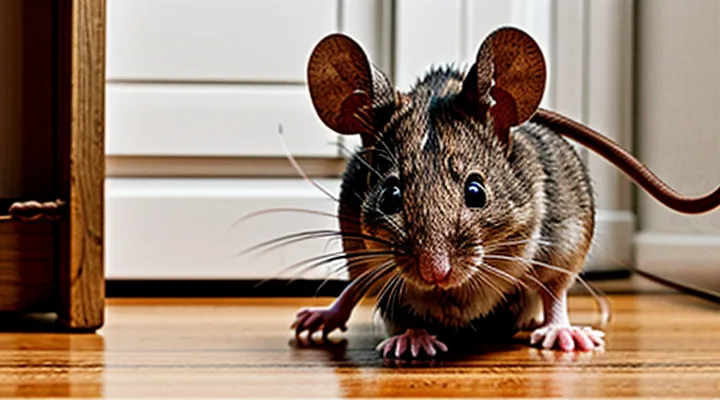
Understanding Your Opponent: The Mouse
Identifying Mouse Infestation Signs
Droppings and Urine Puddles
Mouse droppings and urine puddles provide the most reliable evidence of an active infestation and guide the placement of traps. Fresh droppings appear as small, dark, rice‑shaped pellets; older deposits turn lighter and may crumble. Urine often collects in corners, behind appliances, or along baseboards, leaving a damp, shiny patch and a distinct odor.
Identifying these signs enables targeted action:
- Locate all droppings and urine spots; mark each with chalk or tape.
- Observe patterns to determine travel routes and nesting areas.
- Prioritize high‑traffic zones for trap deployment.
Cleaning must eliminate health hazards and prevent scent cues that discourage mice from approaching traps. Follow these steps:
- Wear disposable gloves and a mask to avoid exposure to pathogens.
- Ventilate the area by opening windows and running an exhaust fan.
- Disinfect surfaces with a solution of 1 part bleach to 10 parts water; allow a five‑minute contact time.
- Rinse with clean water and dry thoroughly before setting traps.
- Dispose of contaminated materials in sealed bags and discard them in an outdoor trash container.
Accurate detection of droppings and urine, combined with proper sanitation, increases trap success rates and reduces the risk of disease transmission.
Gnaw Marks and Damage
Mice leave distinctive gnaw marks that reveal the extent of their presence. Fresh incisor cuts appear as clean, V‑shaped bites on wood, plastic, or wiring, while older damage shows splintered edges and frayed material. Identifying these signs helps locate activity zones and prioritize trap placement.
Typical indicators of rodent damage include:
- Shallow bite holes on furniture legs, baseboards, and cabinets.
- Chewed electrical cords exposing conductive strands.
- Crushed or shredded insulation in walls and ceilings.
- Rounded edges on pantry containers or food packaging.
- Accumulated droppings near gnawed openings.
Assessing the damage before deploying capture methods prevents accidental contact with hazardous wiring and protects valuable items. Document each affected area, note the size of the bite, and map the findings to create an efficient capture plan. This systematic approach reduces the risk of further destruction while increasing the likelihood of a successful removal.
Unusual Noises
Unusual noises often signal mouse activity before visual evidence appears. High‑pitched squeaks, soft rustling in insulation, and intermittent thumping behind walls indicate movement, nesting, or feeding. Identifying these sounds helps locate entry points and prioritize treatment zones.
- Squeaking: Occurs when mice communicate or are startled; usually heard near concealed pathways.
- Scratching: Produced by claws on wood, drywall, or stored items; points to travel routes or nesting sites.
- Thumping: Result of mice dropping from ceilings or moving through overhead spaces; reveals vertical access routes.
When a noise pattern is confirmed, seal openings within the affected area, set snap traps or live‑catch devices along the identified path, and monitor for continued sounds. Persistent noise after trap placement suggests additional individuals or alternative routes, requiring expanded sealing and additional devices.
Sightings
Understanding mouse sightings is essential for effective control. Identify the earliest evidence of activity to locate the animal’s pathways and nesting sites. Look for droppings, gnaw marks, and grease streaks along walls, baseboards, and cabinets. Examine food containers for torn seals and small holes that allow entry. Check behind appliances, under sinks, and inside closets where rodents seek shelter.
Typical signs include:
- Dark, pellet‑shaped droppings near feeding areas
- Fresh gnaw holes on wood, plastic, or wiring
- Silky trails of urine that darken when exposed to light
- Scratching sounds in ceilings or attics during night hours
- Small nests built from shredded paper, fabric, or insulation
Document each observation with date, location, and severity. Accurate records guide trap placement, bait selection, and the timing of interventions, increasing the likelihood of capture.
Common Mouse Habitats in Homes
Kitchens and Pantries
Kitchens and pantries provide the most attractive environment for rodents because they contain food residues, open containers, and easy access points. Eliminate these incentives by sealing all food in airtight containers, cleaning crumbs daily, and storing dry goods on shelves that close securely. Inspect walls, baseboards, and cabinets for gaps larger than a quarter inch; plug openings with steel wool, caulk, or metal mesh to prevent entry.
Implement a trapping system that focuses on the areas where mouse activity is most evident. Follow these steps:
- Identify high‑traffic zones by looking for droppings, gnaw marks, or shredded packaging.
- Place snap traps or humane catch‑and‑release traps directly behind appliances, under the sink, and along pantry aisles.
- Bait traps with a small amount of peanut butter, cheese, or dried fruit; avoid excessive quantities that might attract additional rodents.
- Check traps at least twice daily; dispose of captured mice promptly and reset traps with fresh bait.
- Rotate trap locations weekly to cover new pathways and prevent mice from learning trap positions.
Maintain a regular cleaning schedule that includes wiping countertops, sweeping floors, and vacuuming pantry shelves. Dispose of trash in containers with tight‑fitting lids and remove waste from the kitchen area nightly. Periodic inspection of seals around doors, windows, and utility lines ensures that new entry points are addressed before they become active routes. Consistent application of these measures reduces mouse presence and protects food supplies.
Attics and Basements
Mice frequently inhabit attics and basements because these areas offer shelter, darkness, and proximity to structural openings. Their presence increases the risk of damage to insulation, wiring, and stored items, and creates pathways into living spaces.
Inspection actions
- Examine insulation, beams, and joists for gnaw marks, droppings, or nesting material.
- Check the perimeter of the foundation and roof for gaps larger than ¼ inch.
- Identify utility penetrations (pipes, vents, electrical conduits) that lack metal or steel wool barriers.
- Use a flashlight to trace mouse trails along walls and under floorboards.
After locating potential entry points, seal them with appropriate materials. Steel wool combined with expanding foam works well for irregular cracks; cement or metal flashing suits larger openings around pipes and ducts. Reinforce door sweeps and install weatherstripping on basement entry doors.
Trapping in confined spaces requires placement that limits escape routes. Snap traps or electronic devices should be positioned perpendicular to walls, with the trigger end facing the mouse’s travel direction. Bait with high‑protein items such as peanut butter or dried meat. In attics, attach traps to joists using zip ties to keep them out of reach of occupants. In basements, set traps on the floor near known runways, ensuring they are stable on uneven surfaces.
Maintain effectiveness by conducting weekly checks. Replace used or inactive traps, refresh bait, and re‑inspect sealed gaps for new activity. Record locations of captures to identify patterns and adjust trap placement accordingly. Continuous monitoring prevents re‑infestation and limits structural damage.
Walls and Ceilings
Inspect walls and ceilings for evidence of mouse activity. Look for gnaw marks, droppings, greasy streaks, and fresh nests tucked in corners or behind insulation. These indicators reveal the routes rodents use to travel between floors and rooms.
Identify potential entry points by examining all seams, joint compound cracks, utility penetrations, and gaps around pipes, vents, and wiring. Measure each opening; any space larger than ¼ inch permits mouse ingress. Record locations for subsequent sealing.
Seal identified openings using appropriate materials:
- Apply steel wool or copper mesh to fill gaps larger than a pinhole.
- Cover the filler with expanding polyurethane foam or high‑quality caulk.
- For larger holes, install metal flashing or sheet metal secured with screws and sealant.
- Reinforce vulnerable areas with plaster or drywall patching compound, smoothing the surface to match surrounding finishes.
Place traps strategically within wall and ceiling voids. Insert snap or electronic traps through small drilled holes positioned behind baseboards or in attic joist spaces. Position bait at the far end of the cavity to draw the mouse deeper into the trap. Ensure traps are set flush with the wall surface to avoid detection.
Monitor trap activity daily. Replace bait and reset traps as needed until no further captures occur. After confirming elimination, re‑inspect walls and ceilings for fresh signs before concluding the operation. Regular maintenance—sealing new cracks and keeping openings closed—prevents re‑infestation.
Mouse Behavior and Habits
Nocturnal Activity
Mice emerge after sunset, exploring kitchens, pantries, and hidden cavities while lighting is low. Their activity peaks between 9 p.m. and 3 a.m., when human movement decreases and food odors accumulate. Understanding this pattern allows placement of traps and bait at times when mice are most likely to investigate.
- Set snap or live traps shortly before dusk; rodents will encounter them during their first foraging trips.
- Apply bait that releases scent gradually, such as peanut butter or rolled oats, to maintain attraction throughout the night.
- Position traps along walls, behind appliances, and near known entry points, because mice travel close to surfaces to avoid open spaces.
- Check traps early in the morning; captured mice are often removed before daylight, reducing the chance of escape.
Consistent monitoring during nocturnal periods confirms trap effectiveness. Adjust bait type or trap location if captures decline, ensuring alignment with mice’s night‑time routes.
Reproduction Rate
Mice reproduce rapidly; a single female can produce up to five litters per year, each containing 5‑8 offspring. Gestation lasts about 19‑21 days, and young reach sexual maturity at 5‑6 weeks. This exponential growth means that a small infestation can double in size within a month if left unchecked.
Understanding these biological parameters informs effective control:
- Deploy traps before the first litter appears, typically within two weeks of detecting activity.
- Position baited devices near nesting sites, as mothers frequently visit the same locations to feed pups.
- Replace or reset traps every 2‑3 days to prevent escaped juveniles from establishing new colonies.
- Combine mechanical capture with sanitation; removing food sources reduces reproductive success by limiting nourishment for nursing females.
Failure to account for the mouse’s reproduction rate results in persistent populations and increased trap failure. Prompt, systematic trapping aligned with the species’ breeding timeline maximizes the likelihood of eliminating the infestation before exponential growth overwhelms control efforts.
Diet Preferences
Mice exhibit specific dietary tendencies that directly influence trap effectiveness. Recognizing these preferences enables precise bait selection and increases capture rates.
Mice favor high‑energy foods rich in carbohydrates and fats. Ideal options include:
- Peanut butter
- Sunflower seeds
- Cheese fragments
- Chocolate chips
Protein sources are also attractive, particularly when presented alongside carbohydrates. Suitable choices are:
- Cooked egg yolk
- Small pieces of cooked meat
- Canned fish
Aversive foods should be avoided, as they deter activity. Items such as citrus peels, strong spices, and vinegar diminish interest and reduce trap success.
When preparing bait, combine a primary attractant with a secondary enhancer to create a strong olfactory signal. A common mixture pairs a teaspoon of peanut butter with a pinch of powdered cheese, applied to the trigger mechanism. Ensure the bait adheres firmly to prevent removal by the animal before activation.
Seasonal variations affect preferences. In colder months, mice increase consumption of high‑fat foods to conserve energy, making nut butters and animal fats more effective. During warmer periods, they shift toward lighter, sweeter options like dried fruit.
Regularly rotate bait types to prevent habituation. A weekly schedule alternating between carbohydrate‑dominant and protein‑dominant mixtures maintains curiosity and sustains capture efficiency.
Preparing for the Catch
Essential Tools and Materials
Traps (Different Types)
Snap traps use a spring‑loaded bar that closes instantly when the mouse triggers a pressure plate. They provide rapid kill, are inexpensive, and allow easy disposal of the carcass. Place them perpendicular to walls, with the trigger side facing the rodent’s travel route, and use bait such as peanut butter or chocolate.
Live‑capture traps consist of a cage with a one‑way door that shuts when the mouse enters. They enable humane removal and reuse of the device. Position cages near known activity zones, check them several times daily, and release captured mice at least 100 meters from the residence to prevent return.
Glue boards feature a sticky surface that immobilizes the mouse upon contact. They are silent and compact, suitable for tight spaces. Apply boards along baseboards or behind appliances, and replace them promptly once a capture occurs to avoid prolonged suffering.
Electronic traps deliver a high‑voltage shock that kills instantly. The built‑in sensor detects mouse entry and activates the circuit. These units are reusable, require minimal cleaning, and often include a disposable collection compartment. Install them where the mouse travels, and ensure a reliable power source.
Bucket traps use a tall container filled with a small amount of water and a ramp that leads the mouse into the bucket, where it drowns. Add a few drops of oil to the water surface to reduce surface tension, increasing effectiveness. Position the ramp against a wall and secure the bucket to prevent tipping.
Homemade options, such as a bottle trap with bait and a tilted lid, rely on the mouse’s curiosity to enter and become trapped. While inexpensive, they lack the reliability of commercial devices and often require frequent monitoring.
Select a trap type based on the desired outcome—lethal or non‑lethal—availability, and the layout of the infested area. Rotate placements if initial attempts fail, and maintain cleanliness to reduce attractants.
Bait Options
Choosing the right bait dramatically increases the likelihood of trapping a mouse inside a residence. Effective baits share two characteristics: strong olfactory appeal to rodents and durability long enough to remain attractive after placement.
- Peanut butter – dense, aromatic, adheres to trap surfaces, resists drying.
- Cheese (hard varieties such as cheddar) – familiar rodent food, maintains scent when chilled.
- Sunflower seeds – high fat content, easy to attach with a small amount of adhesive.
- Chocolate – sweet, oily, especially appealing to nocturnal foragers.
- Oats mixed with a dab of honey – sweet and grain‑based, suitable for traps placed in pantry areas.
- Commercial rodent attractants – synthetic pheromone blends formulated for consistent release.
When selecting bait, match the type to the trap’s design. Snap traps benefit from compact, sticky baits (peanut butter, chocolate) that stay in place under pressure. Live‑catch traps require larger pieces (cheese wedges, seed clusters) that the mouse can grasp without triggering premature release. For glue boards, spread a thin layer of peanut butter or honey to ensure contact without excessive slippage.
Placement considerations further refine bait effectiveness. Position baited traps along walls, near known runways, and close to entry points. Rotate bait types every 48‑72 hours to prevent habituation; rodents quickly lose interest in a single scent if it remains unchanged.
In summary, optimal bait selection combines strong scent, adherence, and appropriate size for the chosen trap, while periodic rotation and strategic placement sustain attraction throughout the control effort.
Protective Gear
Protective gear safeguards the handler while attempting to capture a mouse inside a residence.
- Thick, puncture‑resistant gloves prevent bites and contact with droppings.
- Disposable N95 or higher respirator masks block inhalation of allergens and pathogens.
- Safety goggles or face shields shield eyes from debris and urine splatter.
- Long‑sleeved shirts and durable trousers reduce exposed skin.
Select items made from latex‑free, high‑tensile materials that fit snugly without restricting movement. Ensure gloves have a textured surface for grip, and that masks seal tightly around the nose and mouth.
Before entry, inspect each piece for tears, cracks, or compromised seals. Don gloves first, then the mask, followed by goggles, and finally the protective clothing. After the capture, remove gear in reverse order, avoiding contact with contaminated surfaces. Dispose of single‑use items in sealed bags; wash reusable equipment with hot, soapy water and a disinfectant solution.
Consistent use of appropriate protective equipment minimizes health risks and maintains a controlled environment throughout the mouse‑removal operation.
Mouse-Proofing Your Home
Sealing Entry Points
Sealing entry points prevents mice from re‑entering the home after traps or baits have been deployed. Begin by locating all potential openings: gaps around pipes, vents, doors, windows, and the foundation. Use a flashlight to inspect the interior and exterior walls, paying special attention to areas where utilities penetrate the structure.
- Measure each opening with a ruler or tape measure.
- Apply steel wool or copper mesh to holes larger than a quarter inch; these materials resist chewing.
- Cover larger gaps with hardware cloth (minimum ¼‑inch mesh) and secure with screws or nails.
- For cracks in plaster or drywall, fill with expanding polyurethane foam or caulk designed for pest control.
- Seal gaps around doors and windows with weatherstripping, ensuring a tight fit when closed.
After repairs, conduct a second inspection to verify that no gaps remain. Repeat the assessment quarterly, especially after seasonal temperature changes, to maintain a barrier against future rodent intrusion.
Food Storage Best Practices
Proper food storage reduces the likelihood of mouse activity and supports successful trapping efforts. Secure containers made of metal or heavy‑wall plastic prevent rodents from accessing crumbs and odors that attract them. Seal all packages tightly; any opening should be reinforced with a clip or zip tie. Store dry goods on shelves away from floor level, preferably in cabinets that close completely.
Maintain a clean environment to complement storage measures. Sweep floors daily, vacuum corners, and wipe countertops after each meal. Dispose of waste in bins equipped with tight‑fitting lids and empty them regularly. Avoid leaving pet food out overnight; place it in sealed containers and remove leftovers promptly.
Implement the following practices:
- Use airtight containers for grains, cereals, nuts, and pet food.
- Keep pantry doors closed; install a magnetic latch if gaps are present.
- Rotate stock, placing newer items behind older ones to prevent prolonged exposure.
- Inspect containers weekly for signs of damage or rodent gnaw marks.
- Position traps near storage areas where food particles may accumulate, ensuring bait is fresh and sealed until use.
Consistent adherence to these storage protocols limits food sources that draw mice, thereby increasing the effectiveness of any trapping strategy employed at home.
Maintaining Cleanliness
Clean environments deter rodent activity. Food residues, spilled liquids, and clutter provide attractive foraging sites; eliminating these elements reduces the likelihood of mouse intrusion.
Effective sanitation includes:
- Store all food in airtight containers; label and rotate supplies to prevent spoilage.
- Clean countertops, table surfaces, and appliance exteriors after each use with a disinfectant solution.
- Sweep floors daily; vacuum carpets and rugs weekly to remove crumbs and droppings.
- Empty trash bins nightly, seal lids tightly, and place bins away from entry points.
- Inspect and seal gaps around pipes, vents, and cabinetry where debris may accumulate.
Regular inspections reinforce hygiene standards. Scan pantry shelves, under appliances, and behind furniture for hidden crumbs or droppings; address findings immediately. Consistent cleaning routines sustain an unattractive habitat for mice, supporting any trapping or exclusion measures deployed in the home.
Catching the Mouse: Step-by-Step
Choosing the Right Trap
Snap Traps
Snap traps provide a rapid, humane solution for indoor mouse control. Constructed from steel or plastic, they rely on a spring‑loaded bar that releases instantly when the trigger is activated, delivering a lethal blow. The design eliminates prolonged suffering and reduces the risk of disease transmission compared to live‑catch methods.
When selecting a snap trap, consider the following criteria:
- Size: Choose a model that accommodates adult house mice (approximately 3–4 inches long). Oversized traps may reduce sensitivity.
- Trigger sensitivity: Opt for traps with a low‑force trigger to ensure activation by light bites.
- Safety features: Look for shields that protect fingers during set‑up and disposal.
- Bait compatibility: Ensure the bait cup or platform can hold soft or hard attractants without obstructing the trigger.
Effective placement maximizes capture rates:
- Identify high‑traffic zones such as along walls, behind appliances, and near known droppings.
- Position the trap with the trigger facing the wall; mice typically run parallel to surfaces.
- Place traps perpendicular to the wall, with the bait side facing outward, allowing the mouse to approach from either direction.
- Install at least two traps per suspected pathway, spaced 12–18 inches apart.
Bait selection influences success. Preferred attractants include:
- Peanut butter, applied in a pea‑sized amount on the trigger platform.
- Small pieces of dried fruit or cheese, secured to prevent removal.
- Commercial rodent lures formulated for snap traps.
Safety precautions are mandatory:
- Wear disposable gloves when handling traps to avoid contaminating bait with human scent.
- Keep traps out of reach of children and pets; use tamper‑proof covers if necessary.
- After a capture, wait several minutes before disposal to ensure the mouse is deceased.
Disposal protocol:
- Place the dead mouse in a sealed plastic bag, then double‑bag and discard in an outdoor trash container.
- Clean the trap with a mild detergent and hot water, then sanitize with a 10 % bleach solution before reuse or storage.
By adhering to these specifications, snap traps become a reliable component of a systematic mouse‑removal strategy, delivering swift results while maintaining household safety.
Live Traps
Live traps provide a humane method for removing mice from residential spaces. They capture the animal without inflicting injury, allowing owners to relocate the pest away from the home.
Choose a trap that matches the size of the target rodent. Typical options include:
- Wire-mesh cages with a spring‑loaded door
- Plastic box traps with a weighted trigger
- Multi‑catch models that hold several mice at once
The trap must be sturdy enough to prevent escape once the door closes. Transparent sides facilitate observation without disturbing the device.
Position the trap along established mouse pathways. Common routes run close to walls, behind appliances, and near food sources. Place the bait at the far end of the chamber to ensure the mouse fully enters before triggering the mechanism. Effective baits are:
- Small pieces of peanut butter
- Bits of cheese or cooked ham
- Seeds or nuts
Check the trap at least twice daily. When a mouse is caught, wear disposable gloves, cover the cage with a cloth, and transport it directly to a release site at least two kilometers from the residence, preferably in a wooded or field area. Open the door gently, allow the mouse to exit, and then reseal the trap.
After each use, clean the interior with mild detergent and disinfectant. Inspect hinges and springs for wear, replace damaged components, and store the trap in a dry location to prevent rust.
Following these steps ensures effective, humane control of indoor mouse populations while minimizing risk to occupants and the captured animal.
Glue Traps
Glue traps consist of a flat sheet coated with a strong, non‑drying adhesive. When a mouse steps onto the surface, it becomes immobilized within seconds. The traps require no electricity, no bait, and can be positioned in narrow pathways where rodents travel.
Effective placement
- Behind appliances, under sinks, and along baseboards where droppings are visible.
- Near entry points such as gaps around doors or vents.
- In corners of cabinets or pantry shelves where food residues attract mice.
Installation steps
- Wear disposable gloves to prevent skin contact with the adhesive.
- Peel the protective backing from the trap, exposing the sticky side.
- Press the trap firmly onto a flat surface, ensuring the edges are sealed to avoid escape routes.
- Check the trap daily; replace or dispose of it as soon as a mouse is captured.
Safety considerations
- Keep traps out of reach of children and pets; accidental contact can cause injury.
- Use a sealed container or a thick plastic bag for disposal to contain the dead animal and prevent the adhesive from sticking to other surfaces.
- Wash hands thoroughly after handling traps, even when gloves are used.
Advantages
- Immediate capture without the need for poison.
- Low cost and easy storage; a single box contains multiple units.
Limitations
- Captured rodents remain visible, which may be unsettling.
- Adhesive can lose effectiveness in humid environments.
- Improper placement may result in non‑target captures, such as insects or small reptiles.
When integrating glue traps into a broader rodent‑control plan, combine them with exclusion measures (sealing cracks, removing food sources) and, if necessary, follow up with snap traps or live‑capture devices to address any surviving mice. This approach maximizes reduction of the infestation while minimizing reliance on chemical exterminants.
Strategic Trap Placement
Along Walls and Corners
Mice instinctively follow the edges of rooms, using walls and corners as protective pathways that reduce exposure to predators and open space. This habit creates predictable travel routes that can be exploited for capture.
Begin by mapping every wall and corner where mouse activity is evident. Look for fresh droppings, gnaw marks, or oily trails. Measure the distance from the identified point to the nearest wall or corner and note any gaps in baseboards, vent openings, or furniture that could serve as entryways.
- Position snap‑traps or live‑capture cages directly against the wall, with the trigger end facing the anticipated direction of travel.
- Place a small amount of attractive bait (peanut butter, cheese, or dried fruit) at the far edge of the trap, ensuring it does not extend beyond the wall line.
- Secure traps with adhesive tape or a thin piece of cardboard to prevent displacement by the mouse’s forward push.
- If using glue boards, attach them to the wall surface, leaving a narrow strip of adhesive that aligns with the mouse’s path.
- For electronic traps, mount the unit flush against the wall, aligning the detection sensor with the corner’s interior angle.
After deployment, inspect traps at 12‑hour intervals. Remove captured mice promptly, reset or replace traps, and seal any discovered entry points with steel wool, caulk, or metal flashing. Continue monitoring for several days; persistent placement along walls and corners typically eliminates the rodent presence without the need for broader coverage.
Near Food Sources
Locate all areas where food is accessible to rodents. Examine countertops, pantry shelves, and floor spaces for crumbs, spills, or uncovered containers. Remove debris immediately; wipe surfaces with a disinfectant solution after each meal preparation. Store dry goods in sealed, airtight containers; transfer pet food to metal bins with lockable lids.
Reduce attraction by eliminating secondary food sources. Dispose of garbage daily in bins equipped with tight‑fitting lids. Clean pet feeding stations after each use, and consider feeding pets at set times rather than leaving bowls unattended. Inspect cabinets for hidden items such as cereal boxes or snack packets; seal any gaps with foil or plastic wrap.
Position traps directly adjacent to identified food hotspots. Use bait that mimics the discovered attractants—peanut butter, cheese, or small pieces of fruit—placed on the trap’s trigger mechanism. Check traps every few hours, replace bait if it becomes stale, and reset or relocate traps if mice avoid the current site. Maintain a strict sanitation routine to prevent re‑establishment of food sources, thereby increasing the likelihood of successful capture.
In Known Mouse Runways
Mice travel along predictable routes that connect food sources, water, shelter and exit points. Recognizing these pathways is essential for effective capture.
First, locate active runways by looking for fresh droppings, gnaw marks, or smudged grease trails along baseboards, behind appliances, and near wall junctions. Follow the trail to its origin and terminus; the most frequented segment usually lies between a food cache and a hiding spot.
Second, position traps directly on the identified segment. Place snap or live traps perpendicular to the runway, with the trigger end facing the direction of mouse traffic. Use a small amount of attractive bait—peanut butter, cheese, or dried fruit—secured to the trigger mechanism to encourage entry.
Third, secure the surrounding area to prevent diversion. Block alternate passages with steel wool or caulk, and remove clutter that could serve as secondary routes. This forces the rodent to use the monitored runway.
Fourth, monitor traps at regular intervals, preferably every few hours during active periods (dusk to early morning). Replace uneaten bait promptly to maintain lure potency.
Finally, after capture, seal the entry point that the runway leads to. Install a permanent barrier—hardware cloth or metal flashing—around gaps, vents, or cracks. Reinforce the surrounding surfaces to eliminate future runway formation.
- Identify runway via droppings, gnaw marks, grease trails
- Align traps perpendicular to the runway, bait appropriately
- Block alternative paths, clear clutter
- Check traps frequently, refresh bait as needed
- Seal and reinforce the runway’s origin and exit points
Effective Baiting Techniques
Using Small Amounts
Using only the necessary quantity of materials yields a clean, efficient capture process. Excess bait or overly large traps increase mess and risk of secondary infestations.
- Select a high‑potency lure such as peanut butter, cheese, or dried fruit. Apply a pea‑sized dollop to the trigger mechanism. The limited amount prevents spillage and encourages the mouse to bite the trigger rather than avoid the scent.
- Choose a compact trap that fits the target area. A standard snap trap or a small live‑catch cage requires no more than one bait spot. Position the trap against a wall where rodents travel, ensuring the bait faces inward.
- For chemical deterrents, use a few drops of peppermint oil on cotton balls placed near entry points. The minimal dose disrupts scent trails without saturating the environment.
- If employing a glue board, cut the board to the smallest practical size. Place a single drop of bait on the center; the mouse will become immobilized quickly, and cleanup remains manageable.
Deploy each trap individually, inspecting after 12‑hour intervals. Replace bait only when the previous portion is fully consumed. Maintaining these small‑quantity practices reduces waste, limits exposure to non‑target species, and improves overall success in domestic rodent control.
Experimenting with Baits
Selecting the right bait determines whether a mouse will approach a trap. Different foods trigger varying levels of interest, and environmental factors influence effectiveness. Testing multiple options prevents reliance on a single, potentially ineffective lure.
Key variables to control during experimentation include:
- Food type – high‑protein (peanut butter, cheese), sweet (fruit jam), grain (cereal).
- Scent strength – fresh versus aged bait; stronger aromas attract from greater distances.
- Placement – near walls, behind appliances, or along known runways; ensure the bait is accessible from the trap’s entry point.
- Safety – avoid toxic substances that could harm pets or children; use food‑grade materials only.
Procedure:
- Choose three bait categories representing protein, carbohydrate, and fat.
- Prepare equal portions (approximately 0.5 g) for each trap.
- Position traps in separate, comparable locations along the mouse’s expected path.
- Record captures nightly for five days, noting which bait yields the most activity.
- Replace the most successful bait with fresh portions and discontinue ineffective options.
After the trial period, analyze capture rates to identify the optimal lure. Apply the winning bait consistently, monitoring for changes in mouse behavior that may require further adjustment.
Securing the Bait
Select bait that matches the mouse’s dietary preferences. Peanut butter, chocolate, dried fruit, or small pieces of cheese work reliably. Ensure the bait is fresh; stale food loses scent and reduces attraction.
Prepare the bait in portions that fit the trap’s capacity. Use a small amount—no more than a pea‑sized dollop for snap traps or a thin strip for live‑catch cages. Excess bait can spill, creating mess and encouraging secondary pests.
Secure the bait to the trap mechanism. For snap traps, press the bait onto the trigger plate so it adheres without covering the spring. For glue boards, spread a thin layer of bait on the adhesive surface, allowing the mouse to contact the glue when it reaches for food. For humane cages, attach the bait to the interior wall using a piece of cloth or a small clip, keeping it out of the mouse’s immediate grasp to prevent escape.
Position the baited trap along mouse pathways. Place traps near walls, behind appliances, or in dark corners where droppings are present. Align the trap so the mouse approaches from the side that encourages natural movement toward the bait.
Seal the trap area to prevent accidental contact. Cover traps with a thin cardboard shield that can be lifted when checking, or place them inside a low‑profile box with a single entry slot. This protects children, pets, and non‑target wildlife while preserving bait integrity.
Monitor traps daily. Replace any compromised bait promptly, and relocate traps if no activity is observed after 48 hours. Consistent bait maintenance maximizes capture efficiency and reduces the likelihood of false negatives.
Setting the Trap Safely
Following Manufacturer Instructions
When a mouse trap is purchased, the accompanying documentation contains the only reliable source of information about safe and effective use. The manufacturer’s guidelines detail the trap’s design limits, required bait, and optimal placement, all of which influence capture success and prevent accidental injury.
Follow these actions precisely:
- Open the package and verify that the trap model matches the description on the label.
- Inspect the trap for visible damage; replace any defective unit before use.
- Read the instruction sheet in full, noting required safety precautions such as wearing gloves or keeping children away.
- Apply the recommended bait quantity; excess bait can deter the mouse or cause premature triggering.
- Position the trap according to the manufacturer’s suggested locations—typically along walls, behind appliances, or near known activity trails.
- Secure the trap as instructed, ensuring that the trigger mechanism is engaged correctly.
- Monitor the trap daily; remove captured rodents promptly to avoid odor buildup and comply with disposal instructions.
- After capture, disassemble the trap following the provided steps, then clean or dispose of it according to the manufacturer’s recommendations.
Adhering to these instructions eliminates guesswork, maximizes the trap’s performance, and safeguards household occupants. Deviations increase the risk of malfunction, reduced capture rates, and potential hazards.
Protecting Pets and Children
When trapping a mouse inside a residence, the safety of pets and children must be integrated into every step of the process. Traps, baits, and disposal methods can pose ingestion, choking, or injury hazards if they are accessible to non‑target occupants. Therefore, the following precautions are mandatory:
- Choose snap‑type or live‑catch traps with enclosed chambers that prevent accidental opening.
- Position traps at least three feet above floor level, behind appliances, or inside closets where children and animals cannot reach them.
- Secure bait (e.g., peanut butter or cheese) inside the trap’s inner compartment; avoid loose bait that can be scattered.
- Inspect the area before and after each trapping session to confirm that no trap is left unattended.
- Use pet‑safe deterrents such as citrus sprays or ultrasonic devices around the trap zone; these substances repel rodents without harming mammals.
- Store all trapping equipment in locked cabinets when not in use.
If a live‑catch trap is employed, handle the captured mouse with thick gloves and release it at a minimum distance of 100 meters from the home, away from pathways used by children and pets. Dispose of dead rodents in sealed bags, followed by thorough sanitation of the surrounding surface with a disinfectant approved for household use.
By adhering to these measures, homeowners eliminate the risk of accidental exposure while maintaining an effective rodent‑control strategy.
Checking and Resetting Traps
Frequency of Checks
Regular monitoring of traps determines success in eliminating a household mouse. Checks must occur often enough to prevent prolonged suffering of the animal, avoid trap saturation, and minimize mess from dead rodents.
Key variables that affect inspection intervals include trap type, bait potency, mouse activity level, and household traffic. Mechanical snap traps lose effectiveness after a single capture, while live‑catch traps may require release or disposal within a few hours. Stronger bait attracts more frequent visits, shortening the time between captures.
A practical inspection timetable:
- First 24 hours: Examine traps every 2‑3 hours. Early activity indicates bait appeal and trap placement.
- Day 2‑3: Reduce checks to every 4‑6 hours. Capture rate typically stabilizes during this period.
- Day 4 onward: Conduct a single inspection each morning and evening. If no new captures appear for 48 hours, consider relocating traps or refreshing bait.
Adjust the schedule if observations deviate from expectations. Frequent empty traps signal over‑checking; many untouched traps suggest insufficient bait or poor positioning and warrant more frequent visits. Consistent, data‑driven checks maintain trap efficiency and ensure swift resolution of the infestation.
Handling a Captured Mouse
After a mouse is secured in a trap, handle it promptly to prevent injury to the animal and reduce health risks for occupants.
- Wear disposable gloves; discard them after use to avoid direct contact with saliva, urine, or blood.
- Keep the trap upright and steady; avoid shaking, which can cause the mouse to break free or sustain damage.
- Transfer the mouse to a sturdy container with a secure lid, such as a plastic box or bucket, before moving it to the release or disposal site.
- If releasing, choose an outdoor area at least 100 meters from the residence, preferably near natural cover, and open the container gently to allow the mouse to exit on its own.
- If opting for euthanasia, follow local regulations and use a humane method, such as a CO₂ chamber or approved cervical dislocation performed by a qualified professional.
- Immediately seal the trap after removal to prevent accidental captures of non‑target animals.
Sanitize the trap and surrounding area with a disinfectant solution (e.g., diluted bleach 1:10) after each use. Dispose of waste, including gloves and any bedding material, in a sealed bag placed in an outdoor trash container. Inspect the home for additional entry points; seal gaps larger than ¼ inch with steel wool and caulk, and maintain a clean environment to deter future intrusions.
After the Catch
Releasing Live-Caught Mice
Safe Release Distance
When releasing a captured mouse, maintain a distance that prevents the animal from returning to the residence and reduces the risk of injury. A minimum separation of 150 feet (approximately 45 meters) from the home is recommended; greater distances further diminish the likelihood of re‑entry.
Key factors influencing the chosen release point:
- Open area free of immediate predators and traffic.
- Proximity to natural cover such as shrubs, grass, or woodland.
- Absence of structures that could funnel the mouse back toward human dwellings.
- Soil or ground that allows the mouse to dig and hide quickly.
Select a location that meets these criteria, release the mouse gently, and observe from a short distance to confirm it moves away. This approach maximizes the animal’s survival chances while protecting the household from future incursions.
Ethical Considerations
When attempting to remove a mouse from a residence, ethical judgment must precede the choice of method. First, assess the animal’s welfare; humane traps that allow release without injury are preferable to lethal devices. Second, verify compliance with local regulations, as some jurisdictions restrict or forbid certain control tools. Third, consider the risk to non‑target species; placement of baited traps in areas inaccessible to pets or children reduces accidental harm. Fourth, evaluate environmental impact; avoid poisons that can contaminate food stores or water sources and create secondary poisoning for predators. Fifth, document the process, noting capture dates, locations, and outcomes, to ensure accountability and enable future improvements. By integrating these considerations, the removal effort aligns with responsible pest management while respecting the mouse’s intrinsic value.
Disposing of Deceased Mice
Hygienic Handling
Handle any captured rodent with strict hygiene to prevent disease transmission and household contamination. Wear disposable nitrile gloves before touching the animal or its trap. Seal the mouse in a plastic bag, expel air, and tie securely before disposal in an outdoor trash container. Immediately discard gloves, then wash hands with soap and hot water for at least 20 seconds.
After removal, clean the trap and surrounding area. Use a disinfectant solution containing at least 1 % bleach or an EPA‑approved sanitizer. Apply the solution, let it remain for the contact time indicated on the label, then rinse with clean water and dry. Vacuum any debris, then wipe surfaces with the same disinfectant.
Maintain ongoing hygiene by:
- Storing gloves and cleaning supplies in a dedicated, sealed cabinet.
- Rotating disposable gloves each time a trap is checked.
- Recording dates of trap cleaning to track sanitation intervals.
These practices minimize health risks and keep the home environment safe after rodent control actions.
Proper Disposal Methods
Proper disposal of captured rodents prevents disease transmission, eliminates odor, and complies with local regulations. After a mouse is caught, handle it with gloves to avoid direct contact. Place the animal in a sealed, puncture‑resistant bag, then transfer the bag to a sturdy trash container with a tight‑fitting lid. Dispose of the sealed bag according to municipal waste guidelines; many jurisdictions require placement in the regular trash, while others mandate a special biohazard collection. If local rules demand it, deliver the bag to a licensed animal control facility.
For dead mice found in traps, follow the same procedure: wear gloves, seal the carcass in a double‑layered bag, and label the outer bag if required by local ordinances. Clean the trap with a disinfectant solution (e.g., a 1:10 dilution of bleach and water) after removal, then rinse and dry before reuse.
Key steps for safe disposal:
- Wear disposable gloves.
- Transfer mouse to a puncture‑proof bag.
- Seal the bag securely; double‑bag if recommended.
- Place sealed bag in a locked trash container.
- Follow municipal or regional disposal instructions.
- Disinfect the trap and surrounding area.
Adhering to these practices ensures hygienic conditions, reduces the risk of infestation recurrence, and meets public health standards.
Preventing Future Infestations
Ongoing Mouse-Proofing
Effective mouse control does not end with a single capture; it requires continuous proofing to prevent re‑entry. The process begins with identifying all potential access points. Inspect walls, floors, cabinets, and utility openings for gaps as small as ¼ inch. Seal each opening with steel wool, copper mesh, or silicone caulk, then reinforce with hardware cloth where structural stress is expected.
Maintain a clean environment that eliminates attractants. Store food in airtight containers, dispose of waste in sealed bins, and clean crumbs from surfaces daily. Reduce clutter in storage areas, as piles of cardboard or fabric provide shelter and concealment for rodents.
Regularly service trapping devices. For snap traps, replace the spring mechanism after each use; for live‑catch traps, empty and disinfect promptly, then reset with fresh bait. Check bait stations weekly and replenish with airtight, non‑perishable attractants such as peanut butter or dried fruit.
Implement a monitoring schedule:
- Weekly visual sweep of known pathways and hiding spots.
- Monthly inspection of sealed gaps; re‑apply sealant if deterioration is observed.
- Quarterly review of sanitation practices; adjust storage methods if new food sources appear.
Document findings in a simple log, noting dates, locations of activity, and actions taken. Consistent record‑keeping reveals patterns, enabling targeted reinforcement of vulnerable areas before infestations recur. Continuous mouse‑proofing, combined with immediate capture tactics, creates a durable barrier that keeps the home rodent‑free.
Regular Inspections
Regular inspections form the backbone of any effective home rodent control strategy. Detecting activity early prevents population growth and limits damage to structures, food supplies, and electrical wiring.
Conduct inspections at least once a week, focusing on areas where mice are likely to travel or hide. Follow a systematic approach:
- Examine walls, baseboards, and corners for gnaw marks, droppings, or shredded material.
- Check behind appliances, under sinks, and inside cabinets for signs of nesting.
- Inspect entry points such as gaps around pipes, vents, and door frames; measure openings and note any damage.
- Use a flashlight to scan dark storage spaces, attics, and crawl spaces for fresh droppings, urine stains, or mouse scent trails.
Record observations in a log, noting location, type of evidence, and date. This documentation helps prioritize sealing efforts and guides placement of traps or bait stations.
After each inspection, repair identified breaches with steel wool, caulk, or hardware cloth. Re‑evaluate the sealed areas after a few days to confirm that mice cannot re‑enter. Consistent, thorough inspections combined with prompt remediation dramatically increase the likelihood of successful capture and long‑term prevention.
Professional Pest Control Consultation
Professional pest‑control consultation adds precision to any home mouse‑capture effort. Specialists assess infestation level, identify entry points, and recommend tools that match the specific environment, preventing wasted resources and repeated failures.
During the initial assessment, the consultant:
- Inspects rooms, basements, and attics for signs of activity.
- Maps potential ingress routes such as gaps around pipes, vents, and doors.
- Evaluates existing traps or baits for effectiveness and safety.
Based on the findings, the expert provides a tailored action plan. The plan typically includes:
- Placement of snap, live‑catch, or electronic traps at optimal locations.
- Selection of bait types that attract the resident mouse species while minimizing risk to pets.
- Recommendations for sealing openings with steel wool, caulk, or hardware cloth.
- Schedule for monitoring and trap maintenance, with clear criteria for success.
Engaging a professional ensures compliance with local regulations, reduces health hazards, and accelerates removal. Follow‑up visits confirm that the mouse population is eliminated and that preventative measures remain effective.