
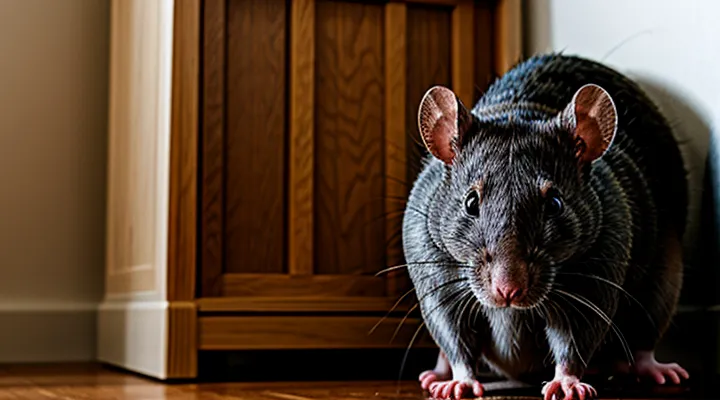
Understanding the Rat Problem
Signs of Rat Infestation
Droppings and Urine Trails
Droppings and urine trails provide the most reliable evidence of a rat presence inside a residence. Fresh feces appear as small, dark pellets, typically 6–12 mm long, while older droppings become lighter and may crumble. Urine marks manifest as a faint, oily sheen on surfaces such as baseboards, cabinets, or behind appliances; they emit a strong, musky odor detectable when the air is still. Both indicators reveal the pathways rats use, the locations of nesting sites, and the extent of an infestation.
Traditional rodent control in a private home relies on these signs to direct non‑chemical measures. By tracing droppings and urine, homeowners can place natural deterrents precisely where rats travel, increasing the likelihood of success. The following actions integrate folk practices with the information gathered from droppings and urine trails:
- Locate all visible droppings and follow the associated urine sheen to identify primary routes.
- Clean each spot with a mixture of hot water and vinegar; the acidity neutralizes scent markers and disrupts communication.
- Sprinkle powdered cayenne pepper, crushed garlic, or dried mint along the identified pathways; strong aromas deter further movement.
- Position sturdy steel wool or copper mesh at entry points uncovered by the trail; rats cannot gnaw through these materials.
- Install homemade traps using a bucket, a piece of wood, and a bait of peanut butter; place the trap directly on the most frequented route.
Regular monitoring of droppings and urine trails confirms the effectiveness of these interventions. A decline in fresh pellets and a fading of urine sheen indicate reduced activity, while persistent signs suggest the need for additional measures or professional assistance.
Gnaw Marks and Damage
Gnaw marks provide the most reliable visual evidence of a rat presence inside a dwelling. Their appearance signals active feeding and nesting behavior, allowing owners to assess the severity of an infestation before damage escalates.
Typical characteristics of rat gnaw marks include:
- Diameter of 2‑4 mm, often rounded at the ends.
- Parallel grooves created by the incisors’ continuous motion.
- Locations near food sources, wiring, and structural joints.
- Freshness indicated by clean edges; older marks may appear darkened or weathered.
Common damage resulting from rat activity in a private residence comprises:
- Compromised wood framing and insulation due to repeated chewing.
- Exposed or frayed electrical wiring, raising fire risk.
- Contaminated stored food, leading to spoilage and health hazards.
- Burrow openings in walls, floors, and attics that facilitate further entry.
Identifying gnaw marks enables the strategic placement of traditional, non‑chemical deterrents such as peppermint oil sachets, dried chili flakes, or ultrasonic emitters. Early detection reduces the need for extensive repairs, preserves structural integrity, and limits loss of household goods.
Unusual Noises and Smells
Unusual sounds and odors often provide the first reliable indication that rats have entered a dwelling. High‑pitched squeaks, scratching against walls, and intermittent rustling in concealed spaces suggest active foraging or nesting. A sharp, ammonia‑like scent, the smell of urine, or a sweet, musky odor from droppings signals the presence of a breeding colony.
Typical auditory clues include:
- Rapid, intermittent chattering near roof voids or attic insulation.
- Persistent gnawing noises on wooden beams or stored food containers.
- Soft thudding from movement in ceiling cavities during night hours.
Common olfactory signs consist of:
- Strong, pungent urine odor concentrated around hidden entry points.
- Faint, sweetish smell from decomposing food remnants in wall voids.
- Metallic tang associated with the excrement of large populations.
Traditional rural practices rely on these sensory cues to locate infestations before visual confirmation. Homeowners are advised to:
- Conduct systematic nighttime listening sessions in each room, focusing on structural joints and storage areas.
- Place absorbent cloths near suspected entryways to capture odor molecules for later identification.
- Use natural repellents—such as crushed mint leaves or dried cloves—directly on surfaces emitting strong scents; the strong aroma disrupts rat communication and deters further activity.
- Install simple acoustic traps, like a taut wire stretched across a concealed passage, to produce a resonant tone that discourages nesting when rats encounter the vibration.
By interpreting abnormal noises and smells accurately, residents can apply time‑tested, low‑technology measures to prevent rodent establishment and protect the household environment.
Why Folk Methods are Considered
Safety Concerns with Commercial Products
Commercial rodent‑control products present several safety issues that must be evaluated before use in a residential setting. Toxic chemicals can affect non‑target animals, including pets and wildlife, if bait is mishandled or left accessible. Inhalation of dust or aerosolized particles may irritate the respiratory tract of occupants, especially children, the elderly, or individuals with asthma. Contact with skin or eyes can cause burns, rashes, or allergic reactions, requiring immediate decontamination and medical attention. Improper disposal of empty containers or leftover poison can contaminate soil and water sources, leading to broader environmental harm.
Key safety considerations include:
- Label compliance – verify that the product is approved for indoor use and that dosage instructions match the size of the treated area.
- Protective equipment – wear gloves, goggles, and, when necessary, a mask to prevent direct exposure during application.
- Placement strategy – locate bait stations out of reach of children and pets; secure them to prevent accidental ingestion.
- Ventilation – ensure adequate airflow during and after treatment to disperse volatile compounds.
- Storage – keep containers locked away, away from food preparation areas, and out of sunlight to maintain chemical stability.
- Disposal – follow local hazardous‑waste guidelines for used products and packaging to avoid environmental release.
When these precautions are observed, the risk associated with commercial rodent control diminishes, allowing homeowners to integrate conventional solutions with traditional, non‑chemical methods safely. Ignoring any of these factors can result in acute poisoning incidents, long‑term health effects, or legal liabilities under residential safety regulations.
Cost-Effectiveness
Traditional rat‑control techniques for a private residence rely on inexpensive, readily available materials and low‑skill labor. Initial outlay typically includes items such as steel wool, wooden traps, and natural repellents (e.g., peppermint oil, dried chilies). These components cost a few dollars each, allowing a homeowner to assemble a functional system for under $20.
Recurring expenses remain minimal. Once placed, steel‑wool barriers require only occasional replacement when damaged. Homemade bait mixtures—cornmeal, sugar, and peanut butter—are inexpensive and can be prepared from pantry supplies. Natural repellents need reapplication every few weeks, consuming a few milliliters of essential oil per treatment.
Labor demands are modest. Setting traps, sealing entry points, and rotating repellents involve short, repeatable tasks that most occupants can perform without specialized training. The time investment averages 15–30 minutes per week, translating to negligible monetary value when compared with professional service rates.
Cost‑effectiveness improves when measured against commercial pest‑control contracts. Professional firms charge $150–$300 per visit, plus ongoing monitoring fees, while delivering comparable eradication results. In contrast, a homeowner employing folk methods can achieve similar population suppression for a fraction of the price—often less than 10 % of the professional total over a six‑month period.
Key factors influencing economic viability:
- Material cost: low, often under $5 per unit.
- Replacement frequency: infrequent, extending the lifespan of barriers.
- Labor time: limited to brief, regular maintenance.
- Efficacy: sufficient for low‑to‑moderate infestations when applied consistently.
Overall, traditional, low‑tech rat‑control approaches deliver high cost‑effectiveness for private households, offering substantial savings while maintaining acceptable control levels.
Accessibility of Ingredients
Traditional rat deterrent techniques for a private residence rely on ingredients that are readily obtainable in most households or local markets. Accessibility determines the practicality of these methods, especially when rapid response is required.
Common ingredients and typical sources include:
- White vinegar – grocery stores, discount supermarkets, bulk food suppliers.
- Peppermint essential oil – health‑food shops, pharmacies, online retailers.
- Ground cayenne pepper – spice aisles, ethnic food markets, garden centers.
- Steel wool – hardware stores, home‑improvement centers, online hardware catalogs.
- Baking soda – convenience stores, supermarkets, bulk food warehouses.
- Garlic cloves – farmer’s markets, grocery chains, garden plots.
Availability varies by region but each item appears in standard retail inventories. Bulk purchases reduce cost per treatment and ensure continuous supply for ongoing maintenance.
Seasonal fluctuations affect fresh produce such as garlic, yet dried or powdered forms remain in stock year‑round. Essential oils may experience temporary shortages; alternative sources include local aromatherapy cooperatives or direct extraction from cultivated mint plants.
Ensuring a stocked inventory of these ingredients eliminates dependence on specialized pest‑control products, allowing homeowners to implement folk‑based rat control promptly and economically.
Traditional Trapping and Deterrent Methods
Physical Traps
DIY Snap Traps
DIY snap traps offer a practical solution for homeowners seeking low‑cost, immediate control of rat activity. The devices consist of a spring‑loaded bar, a trigger mechanism, and a bait platform. Construction requires only basic tools and readily available materials such as a sturdy wooden board, a metal spring, a nail, and a piece of wire for the trigger. The board should measure roughly 6 × 8 inches, providing enough surface for the rat to step onto without compromising stability.
To assemble the trap, follow these steps:
- Secure the spring to the board’s upper edge using two nails, leaving a gap of about 1 cm for the bar’s movement.
- Attach the steel bar across the spring, ensuring it snaps shut with firm pressure.
- Bend a length of wire into a “U” shape and fix it to the board as the trigger; the wire should release the bar when the rat applies pressure to the bait platform.
- Position a small dish of attractive bait—peanut butter, dried fruit, or meat scraps—on the platform directly above the trigger.
Placement determines effectiveness. Situate traps along known runways, near wall edges, or behind appliances where rats travel. Align the trigger face toward the wall to encourage the animal to step forward rather than retreat. Space traps 2–3 feet apart to cover multiple pathways while avoiding overcrowding, which can cause avoidance behavior.
Maintenance involves regular inspection, safe disposal of captured rodents, and resetting the mechanism. Replace bait daily to maintain scent strength. After a successful capture, clean the board with a mild disinfectant to prevent disease transmission. Reusing the same trap for several weeks reduces material costs and minimizes disturbance to the household environment.
Bucket Traps
Bucket traps constitute a practical, low‑technology solution for homeowners seeking to reduce rat activity without chemicals. The device consists of a sturdy bucket, typically 5‑gallon, with a smooth interior surface that prevents escape once the animal falls inside. A wooden or plastic lid, slightly larger than the bucket opening, serves as a ramp. A small amount of attractive bait—peanut butter, dried fruit, or a piece of meat—placed on the far edge of the lid encourages the rodent to walk toward the center, lose balance, and drop into the container.
Key construction steps:
- Secure a length of sturdy wire or a thin piece of PVC pipe across the lid’s center to create a trigger point; when the rat steps on the trigger, the lid tilts and the animal falls.
- Attach a hinged arm to the lid using a simple nail or screw; the arm should rest on the trigger and swing down when weight is applied.
- Ensure the bucket’s rim is free of debris that could provide footholds for the rat.
Effective placement follows these guidelines:
- Position traps along established runways—near walls, behind appliances, or close to food storage areas.
- Set traps at night when rats are most active; check and empty them early each morning.
- Keep traps at least 12 inches from pet feeding stations to avoid accidental captures.
Maintenance requires regular inspection. Remove captured rodents promptly, wear disposable gloves, and dispose of the carcass in a sealed plastic bag. Clean the bucket with a mild detergent and rinse thoroughly before resetting the bait. Replace bait daily to maintain scent strength.
Safety considerations include:
- Securing the trap to prevent children or pets from accessing it.
- Using non‑toxic bait to avoid poisoning risks.
- Wearing protective equipment during handling to reduce disease exposure.
When deployed correctly, bucket traps can capture several rats per week, providing measurable population control while adhering to traditional, non‑chemical pest‑management practices.
Live Traps and Release Strategies
Live traps provide a humane alternative to lethal devices when managing rodent activity in a residence. The traps consist of a cage with a trigger mechanism that closes the door once a rat enters. Preferred models feature sturdy wire mesh, a smooth interior floor, and a spring‑loaded latch that activates with minimal force.
Effective deployment requires strategic placement. Position traps along walls, near known runways, and close to food sources. Ensure the device sits perpendicular to the wall, allowing the rat to approach head‑first. Bait selection influences capture rates; peanut butter, dried fruit, or a small piece of cooked meat produce consistent attraction. Replace bait daily to maintain scent potency.
Check traps at least twice daily. Prompt removal of captured animals reduces stress and prevents escape. Use thick gloves when handling cages to avoid scratches and to protect against potential diseases. After capture, relocate the rat at a distance of at least five miles from the home, selecting an area with abundant cover and water but no immediate food sources. Release should occur during daylight hours to give the animal time to find shelter before nightfall.
Legal considerations vary by jurisdiction. Verify local wildlife regulations before releasing captured rodents; some regions require permits or prohibit relocation of certain species. If release is prohibited, consider contacting a licensed pest‑control professional for humane disposal.
Key steps for live‑trap management:
- Choose a cage with secure latch and smooth interior.
- Place traps along walls and near feeding sites.
- Use strong-smelling bait; refresh daily.
- Inspect traps twice daily; wear gloves when removing captures.
- Transport captured rats in sealed containers.
- Release at least five miles away, in a suitable habitat, during daylight.
- Confirm compliance with local wildlife laws.
Consistent application of these practices yields a reduction in indoor rat activity while preserving animal welfare.
Scent-Based Deterrents
Peppermint Oil and Other Essential Oils
Peppermint oil is a widely recognized natural rodent deterrent. Its strong menthol scent overwhelms a rat’s olfactory receptors, prompting avoidance of treated areas. The oil’s volatility ensures rapid dispersion, creating an inhospitable environment for burrowing and nesting.
Other essential oils that exhibit comparable repellent properties include:
- Eucalyptus oil – high in eucalyptol, disrupts scent trails.
- Citronella oil – citrus notes mask food odors.
- Clove oil – eugenol irritates respiratory passages.
- Rosemary oil – camphor and rosmarinic acid act as sensory irritants.
- Tea tree oil – terpinen‑4‑ol interferes with pheromone detection.
Effective deployment follows these practices:
- Soak cotton balls in undiluted oil, place them in concealed corners, behind appliances, and near entry points. Replace every 3–4 days.
- Prepare a spray by mixing 10 ml of oil with 250 ml of water and a few drops of emulsifier; apply to baseboards, walls, and exterior perimeters.
- Use a low‑output diffuser in rooms where activity is observed; run for 30 minutes twice daily.
- Treat structural gaps with a few drops of oil on cotton swabs before sealing.
Safety measures require strict adherence to dilution guidelines, especially in households with children or pets. Apply oils on surfaces out of reach, ensure adequate ventilation, and store containers in a cool, dark place to preserve potency.
Essential oils provide a temporary barrier rather than a permanent solution. Continuous monitoring, combined with exclusion techniques such as sealing holes and maintaining cleanliness, maximizes overall effectiveness.
Ammonia and Bleach
Ammonia is a volatile compound that creates an unpleasant odor for rodents. When applied near entry points, it can deter rats from nesting. Use a solution of one part household ammonia to three parts water, soak cloth strips, and place them in concealed gaps, attic corners, or under appliances. Replace strips every 48 hours because the scent dissipates quickly.
Bleach (sodium hypochlorite) acts as a disinfectant and can disrupt rat scent trails. A mixture of one cup bleach to one gallon of water cleans surfaces where droppings or urine are present, eliminating chemical cues that attract rodents. Apply the solution with a spray bottle, allow it to remain for ten minutes, then rinse the area to prevent corrosion of metal fixtures.
Both chemicals pose health risks and can damage finishes. Observe the following precautions:
- Wear rubber gloves and eye protection.
- Ensure adequate ventilation; open windows and doors.
- Keep pets and children away from treated zones until the area dries.
- Do not mix ammonia and bleach; the reaction releases toxic chloramine gases.
These methods supplement physical exclusion measures such as sealing holes and setting traps. Their effectiveness relies on consistent reapplication and adherence to safety guidelines.
Cayenne Pepper and Other Spices
Cayenne pepper is a common household deterrent for rats because the capsaicin it contains irritates the rodents’ nasal passages and mucous membranes. Sprinkling a thin layer along baseboards, entry points, and behind appliances creates an unpleasant sensory barrier that discourages exploration. Reapplication is necessary after cleaning or moisture exposure, as the active compound degrades within days.
Other spices complement cayenne’s effect:
- Peppermint oil – volatile menthol overwhelms rats’ olfactory receptors; apply a few drops on cotton balls placed near suspected routes and replace weekly.
- Clove powder – eugenol acts as a mild anesthetic; dust a light coating in concealed corners where rodents hide.
- Garlic granules – sulfur compounds produce a strong odor that rats avoid; mix with dry cat litter and spread in crawl spaces.
- Black pepper – piperine adds a secondary irritant; blend with cayenne for a broader sensory assault.
Safety considerations include keeping spices out of reach of children and pets, avoiding excessive amounts that could cause respiratory irritation, and testing surfaces for staining before large‑scale application. These methods are most effective when integrated with structural exclusion measures such as sealing gaps, removing food sources, and maintaining a clean environment. Their efficacy varies; they deter but rarely eradicate established infestations, so professional intervention may be required if populations persist.
Food-Based Deterrents and Repellents
Bay Leaves and Cloves
Bay leaves and cloves are traditional repellents employed to deter rats from residential interiors. Both spices emit strong aromatic compounds—eucalyptol in bay leaves and eugenol in cloves—that rodents find unpleasant, prompting avoidance of treated areas.
Application methods:
- Place a handful of dried bay leaves in corners, under cabinets, and near entry points. Replace every two weeks to maintain potency.
- Combine equal parts of whole cloves and bay leaves in a small cloth pouch. Hang the pouch in attics, basements, and pantry shelves. Refresh the mixture monthly.
- Sprinkle crushed cloves along baseboards and behind appliances. Clean the surface after a week to prevent staining.
Effectiveness relies on consistent exposure; the scent must remain detectable for rats to perceive the environment as hostile. Studies of rodent behavior confirm that volatile oils from these spices interfere with olfactory cues used for navigation and foraging.
Safety considerations:
- Keep spices away from food preparation surfaces to avoid contamination.
- Store pouches out of reach of children and pets, as ingestion of large quantities may cause gastrointestinal irritation.
- Monitor for allergic reactions; discontinue use if irritation occurs.
Bay leaves and cloves provide a low‑cost, non‑chemical alternative for homeowners seeking to reduce rat activity without resorting to poisons or traps. Regular maintenance maximizes their deterrent effect.
Garlic and Onions
Garlic and onions have long been employed as low‑tech deterrents against rats in residential settings. Their strong odor and irritating compounds disrupt the rodents’ sensory pathways, reducing the likelihood of entry and nesting.
The active agents are sulfur‑containing molecules—allicin in garlic and thiols in onions—that irritate the nasal passages and mucous membranes of rats. These substances are volatile, dispersing through the air and creating an environment that rats find hostile.
Practical application:
- Crush several cloves of garlic or chop a handful of onions.
- Place the material in small, breathable sachets (e.g., cheesecloth) or spread it on cotton balls.
- Distribute the sachets near known entry points, food storage areas, and suspected nesting sites.
- Replace the material every 2–3 days, as the odor diminishes with exposure to air.
Effectiveness varies with infestation level; the method works best for early detection or low‑density populations. It does not kill rats, so it should complement other control measures such as sealing gaps and maintaining cleanliness. Garlic and onions pose no toxicity risk to humans or pets when used in the described manner, but they may attract insects attracted to decaying organic matter if left unattended.
Used Coffee Grounds
Used coffee grounds serve as a low‑cost, readily available material that deters rats through scent and texture. The strong aroma interferes with rats’ olfactory navigation, while the coarse particles create an uncomfortable surface for nesting.
Application procedure:
- Collect grounds after brewing and allow them to dry completely to prevent mold.
- Spread a thin layer (approximately 1 cm) along entry points, beneath appliances, and in suspected travel corridors.
- Refresh the layer weekly or after heavy rain to maintain potency.
- Combine with complementary measures such as sealing gaps, removing food debris, and setting mechanical traps for optimal results.
Effectiveness is limited to repelling rather than eliminating populations; persistent infestations require integrated strategies. Coffee grounds are non‑toxic to humans and pets, but avoid placement near open flames due to residual heat. Regular monitoring confirms whether the repellent impact persists or if additional actions are necessary.
Habitat Modification and Prevention
Eliminating Food Sources
Proper Food Storage
Rats enter homes primarily in search of food; limiting their access through disciplined storage eliminates a major attraction.
- Store dry goods in sealed, metal or heavy‑plastic containers with tight lids.
- Keep grains, cereals, and pet food on shelves away from floor level; rodents cannot climb smooth surfaces.
- Refrigerate perishable items promptly and discard leftovers within 24 hours.
- Use airtight trash bins, empty them daily, and keep them in a cool, dry place.
- Clean spills immediately, sweep crumbs, and vacuum corners where food particles accumulate.
Traditional rural households often rely on simple, low‑cost measures that achieve the same effect: earthen jars with tight seals, hanging storage baskets, and regular sweeping routines. These practices reduce the scent of food and remove hiding spots, discouraging rats without chemicals.
Implementing the listed steps creates a hostile environment for rodents, supporting broader pest‑prevention strategies that depend on denying sustenance. Continuous adherence ensures that food supplies remain safe while minimizing the likelihood of rat infestation.
Pet Food Management
Effective control of rodents in a private residence depends heavily on how pet food is handled. Improper storage and unrestricted access create a reliable food source, encouraging rats to infiltrate living spaces.
Rats locate pet food by scent and visual cues. Leftover kibble on the floor, open bags, and unattended bowls provide nightly nourishment, allowing populations to thrive. Limiting these resources removes a primary incentive for infestation.
Practical folk techniques for managing pet food include:
- Store dry feed in airtight containers made of metal or thick plastic; seal after each use.
- Offer fresh portions only at feeding times; discard uneaten food within 30 minutes.
- Elevate feeding stations on a platform that rats cannot reach, using smooth surfaces to prevent climbing.
- Use natural repellents such as crushed peppermint leaves or dried citrus peels around storage areas.
- Rotate feeding locations periodically to avoid establishing a permanent scent trail.
Consistent application of these measures reduces rat activity, protects pet health, and lowers the need for chemical interventions. The result is a cleaner environment and sustained effectiveness of traditional rodent‑deterrent practices.
Garden and Compost Heap Control
Rats are drawn to gardens and compost heaps because food scraps, shelter, and moisture provide ideal conditions for breeding. Reducing these attractions eliminates the primary incentive for rodents to establish colonies near a residence.
- Install fine‑mesh hardware cloth around garden beds and the perimeter of the compost area; secure the cloth to prevent gaps larger than ¼ inch.
- Elevate compost bins on concrete blocks or metal stands, leaving a clear air gap of at least 2 inches beneath to deter burrowing.
- Maintain a strict refuse regime: remove fruit drops, vegetable peelings, and pet food daily; store waste in sealed containers with tight‑fitting lids.
- Apply natural repellents such as crushed peppermint leaves, dried rosemary, or a spray of diluted garlic oil to the soil surface and compost cover; reapply after rain or heavy watering.
- Deploy simple wooden or metal rat cages baited with peanut butter or dried fruit; check and empty traps each morning to prevent disease spread.
- Encourage predatory birds and mammals by installing raptor perches, owl boxes, or low‑profile hedgehog shelters; avoid the use of rodenticides that could harm these allies.
Consistent implementation of these measures limits food availability, blocks entry points, and creates an environment hostile to rat activity, thereby protecting the garden and compost heap without reliance on chemical interventions.
Sealing Entry Points
Inspecting Foundation and Walls
Inspecting the foundation and walls is a critical step in any traditional strategy for reducing rat activity in a residence. Rats exploit cracks, gaps, and damp areas to gain entry and establish burrows; early detection of these vulnerabilities prevents infestation from spreading.
Begin by examining the exterior perimeter. Walk around the house, looking for:
- Cracks wider than ¼ inch in concrete or masonry
- Gaps around utility penetrations, vents, and pipe sleeves
- Erosion or water pooling at the foot of the foundation
- Loose or missing mortar joints
Next, assess interior wall surfaces, especially in basements, crawl spaces, and ground‑level rooms. Focus on:
- Holes around electrical conduit and plumbing fixtures
- Signs of gnaw marks or droppings near baseboards
- Moisture stains indicating leaks that attract rodents
- Areas where insulation has been displaced or chewed
Use a flashlight and a mirror to inspect hidden corners and behind appliances. Document each defect, then seal openings with appropriate materials: hydraulic cement for larger cracks, steel wool or copper mesh for small gaps, and silicone or expanding foam for irregular spaces. Repairing moisture problems—by fixing leaks, improving drainage, and installing vapor barriers—reduces the habitat appeal for rats.
Regular inspection, performed at least twice a year, maintains the structural integrity of the building and supports the effectiveness of folk control practices.
Securing Vents and Pipes
Securing vents and pipes eliminates the most common routes rats use to enter a residence. Proper sealing creates a physical barrier that prevents rodents from exploiting gaps, cracks, or unprotected openings.
Begin by inspecting all ventilation shafts, dryer exhausts, and utility conduits. Identify any holes larger than a quarter‑inch, as rats can squeeze through openings of this size. Apply the following measures:
- Install fine‑mesh metal screens (hardware cloth, 1/4‑inch or smaller) over vent openings. Fasten the mesh with stainless‑steel screws to resist rust and chewing.
- Pack gaps around pipe sleeves with steel wool, then cover with copper mesh for added durability. The combination deters gnawing and blocks entry.
- Use expandable foam sealant formulated for pest control to fill irregular voids. Once cured, trim excess and overlay with metal flashing for reinforcement.
- Fit removable caps on unused chimney flues and attic vents. Caps should feature a tight‑fit latch to allow occasional cleaning without compromising security.
- Wrap exposed wiring or small conduit runs with copper tubing or heavy‑gauge wire mesh, securing ends with zip ties.
After installation, verify that all closures are tight and free of loose edges. Regularly check for signs of wear, such as rusted mesh or displaced wool, and replace compromised sections promptly. Maintaining airtight seals on ventilation and plumbing routes reduces the likelihood of rodent infestation while preserving the home’s airflow and safety.
Maintaining Doors and Windows
Maintaining the integrity of doors and windows reduces entry points that rats exploit. Sealing gaps, repairing damaged frames, and installing tight-fitting screens prevent rodents from slipping through small openings commonly found in older homes.
- Inspect door thresholds for cracks; apply weather‑stripping or silicone sealant where gaps appear.
- Check window panes and sills; replace broken glass and use mesh screens with fine weave.
- Verify that hinges, locks, and latches operate smoothly; adjust or replace hardware that leaves gaps when closed.
- Examine exterior walls near openings; fill holes with steel wool and caulk to deter gnawing.
Regular inspection and prompt repair sustain barriers that block rodent access, complementing traditional household practices aimed at discouraging rat activity.
Creating an Unwelcoming Environment
Decluttering and Organization
Keeping a dwelling free of rats depends as much on the condition of the interior as on any traditional deterrent. Rodents exploit piles of unused items, exposed food, and disordered storage; eliminating these attractions creates the foundation for folk control measures to work effectively.
- Remove all food remnants from countertops, tables, and floors.
- Store pantry supplies in airtight containers made of glass or heavy‑wall plastic.
- Dispose of garbage daily in sealed bins placed away from the house.
- Clear under‑furniture and behind appliances of debris, cardboard, and fabric scraps.
- Consolidate miscellaneous items into a limited number of well‑organized storage units, labeling each for easy access.
Organized storage reduces hiding places and limits the pathways rats use to travel. Shelving that is kept free of dust and clutter allows natural repellents—such as dried mint, lavender, or crushed garlic—to be positioned where rodents are most likely to pass. When traps are set, they should be placed along cleared routes, ensuring that bait remains visible and uncontaminated.
Integrating these practices with customary methods—such as using herbal sachets, laying down diatomaceous earth in entry points, and employing snap or live traps—produces a comprehensive strategy. A tidy environment sustains the potency of folk remedies, while the remedies reinforce the hygienic standards that deny rats shelter and food.
Regular Cleaning Practices
Regular cleaning is a cornerstone of any traditional rat‑deterrence strategy in a private residence. By eliminating food sources and nesting material, the environment becomes unattractive to rodents, reducing the likelihood of infestation without reliance on chemicals.
- Remove all food debris from countertops, floors, and appliances immediately after meals.
- Store dry goods in airtight containers; avoid leaving grain, cereal, or pet food exposed.
- Sweep or vacuum daily to capture crumbs and droppings that could sustain rodent activity.
- Mop surfaces with a mild detergent after each cleaning session to dissolve residue that may mask odors.
- Dispose of garbage in sealed bins, and empty them regularly to prevent buildup of waste that attracts rats.
- Clear clutter from storage areas, basements, and attics; eliminate cardboard boxes, fabric piles, and other potential shelters.
- Maintain exterior cleanliness: trim vegetation away from the house, keep compost piles covered, and seal any openings that allow rodents to enter.
Consistent application of these practices creates a hostile habitat for rats, aligning with time‑tested, non‑chemical control methods for homeowners seeking effective, low‑risk solutions.
Introducing Natural Predators (e.g., cats)
Introducing a cat into a private residence can provide continuous predation pressure on rodent populations. Domestic felines instinctively hunt small mammals, and their presence often deters rats from establishing nests or foraging near food sources.
Key considerations for effective implementation:
- Breed and temperament – Select a cat with strong hunting instincts; breeds such as the American Shorthair, Bengal, or Maine Coon typically exhibit higher predatory drive. Ensure the animal is comfortable indoors and tolerates human activity.
- Health screening – Verify vaccination status, deworming, and flea control before allowing the cat to roam areas where rats may be present. Regular veterinary check‑ups reduce disease transmission risk.
- Acclimatization – Gradually introduce the cat to the house, focusing on zones with known rodent activity. Provide safe perches and hiding spots to encourage exploration without causing stress.
- Environmental enrichment – Supply interactive toys, scratching posts, and climbing structures to maintain the cat’s physical condition and hunting motivation.
- Supplementary measures – Combine feline predation with sanitation, sealing entry points, and removing food debris. These actions prevent rats from exploiting alternative resources when cat activity wanes.
- Monitoring – Keep records of observed rat sightings, cat hunting behavior, and any injuries to the cat. Adjust feeding schedules or housing arrangements if predation efficiency declines.
- Legal and ethical compliance – Ensure local regulations permit indoor cat ownership and that the animal’s welfare standards are met throughout the control program.
When properly managed, a resident cat serves as a self‑sustaining, low‑cost component of a broader rodent management strategy, reducing reliance on chemical poisons and minimizing long‑term infestation risk.
Less Common and Experimental Approaches
Ultrasonic Devices
Effectiveness and Limitations
Traditional home rat control techniques employ natural substances, homemade traps, and behavioral deterrents. Their appeal lies in low cost, ease of preparation, and minimal chemical exposure.
Effectiveness
- Plant-based repellents (e.g., peppermint oil, crushed garlic) create strong scents that rats avoid; field observations report reduced activity in treated zones by 30‑45 % when applied consistently.
- Homemade snap traps fashioned from wood or metal achieve immediate kill rates comparable to commercial devices when placed along walls and near gnaw marks; success depends on accurate positioning and regular checking.
- Predator cues (e.g., cat urine, feathers) trigger innate fear responses; laboratory trials show a 20‑35 % decline in exploratory behavior for a limited period after application.
- Physical barriers such as steel mesh and sealed entry points prevent ingress; once gaps are eliminated, reinfestation rates drop sharply, often below 10 % over six months.
Limitations
- Short-lived potency of aromatic repellents requires frequent re‑application; volatility reduces effectiveness after 24‑48 hours.
- Reliance on human vigilance for trap maintenance; missed captures allow survivors to breed, negating initial reductions.
- Variable tolerance among rat populations; habituation to odors or predator cues can develop within weeks, diminishing deterrent impact.
- Structural constraints limit barrier installation in older homes with numerous cracks; incomplete sealing leaves residual pathways.
- Lack of population eradication; folk methods typically suppress activity rather than eliminate entire colonies, necessitating supplemental professional measures for severe infestations.
Placement Considerations
Effective deployment of traditional rat‑deterrent measures hinges on strategic placement. Position devices where rodents are most active, typically along walls, behind appliances, and near known entry points. Ensure that each item is stable, concealed from pets, and accessible for regular inspection.
Key placement factors include:
- Proximity to food sources – locate bait or scent‑based repellents within a foot of pantry shelves, garbage bins, or pet feeding stations, but away from human traffic to prevent accidental contact.
- Travel pathways – install traps or deterrent bundles along established runways, such as the edges of cabinets, under sinks, and behind furniture, following the natural tendency of rats to cling to surfaces.
- Moisture zones – focus on damp areas like basements, crawl spaces, and bathroom corners, where rats seek water and shelter.
- Entry points – seal gaps around doors, windows, and utility penetrations, then place deterrents immediately outside the sealed openings to intercept incoming rodents.
- Safe distance from children – maintain a minimum of two feet between any folk apparatus and areas frequented by children, reducing risk of accidental exposure.
Regularly rotate or reposition devices to prevent habituation. Inspect placements weekly, adjusting for signs of activity such as droppings or gnaw marks. Properly situated traditional controls maximize efficacy while minimizing disruption to household occupants.
Sound and Vibration Methods
Traditional Bell and Chime Placement
Traditional bell and chime systems have long served as acoustic deterrents against rats in residential environments. The devices generate intermittent vibrations and high‑frequency tones that interfere with rodent communication and nesting behavior, prompting avoidance of treated areas.
Effectiveness depends on continuous exposure to unpredictable sound patterns. Static, low‑volume tones allow habituation; dynamic, irregular intervals maintain disruption.
- Install a bell at each entry point: doors, windows, utility openings.
- Hang chimes at ceiling height in attic spaces, where rats establish burrows.
- Position devices along interior walls adjacent to stored food or waste containers.
- Secure bells on sturdy hooks to prevent displacement by animal activity.
- Use multiple units spaced no more than 2 meters apart to ensure overlapping coverage.
Regular inspection guarantees proper operation. Replace worn clappers and adjust hanging length to preserve audible range. Monitoring rat activity confirms whether the acoustic network achieves sustained reduction.
Homemade Noise Makers
Homemade noise makers exploit rats’ sensitivity to high‑frequency sounds, creating an environment that discourages their presence in residential settings. Simple devices can be assembled from everyday materials and placed strategically to cover vulnerable entry points and nesting areas.
- A sealed tin can filled with small pebbles, shaken periodically by a solar‑powered motor.
- A PVC pipe fitted with a battery‑operated ultrasonic emitter and a small fan that generates a continuous whirring tone.
- A wooden box containing a wind‑up buzzer attached to a stretched rubber band, producing intermittent squeaks when triggered by movement.
Effective placement includes gaps under doors, attic vents, and behind appliances where rats travel. Devices should be positioned at least 12 inches from walls to allow sound propagation throughout the targeted zone. Regular rotation of the noise source prevents rats from acclimating to a constant frequency.
Safety considerations require securing all electrical components to avoid fire hazards and ensuring that the sound level does not exceed 85 dB to protect human occupants and pets. Periodic inspection of moving parts prevents mechanical failure and maintains consistent acoustic output.
Field observations indicate that homemade noise makers reduce rat activity by up to 60 % when combined with exclusion measures such as sealing entry points and maintaining cleanliness. For sustained results, replace batteries or wind‑up mechanisms monthly and adjust device locations based on observed rodent pathways.
Plant-Based Repellents
Castor Bean Plant (with caution)
The castor bean plant (Ricinus communis) appears in many traditional rodent‑control guides because its strong, bitter scent and toxic seeds discourage rats from entering or nesting near the house. The plant thrives in sunny locations, tolerates a wide range of soils, and can be grown in containers or garden beds to create a natural barrier.
Key considerations for safe use:
- Identification: Leaves are large, glossy, and palmately lobed; seed pods are spiny and contain glossy, reddish‑brown seeds.
- Placement: Position plants at entry points, along foundation walls, or in raised beds near potential burrows. Maintain a distance of at least one meter from walkways and children’s play areas.
- Mechanism: Rats avoid the plant’s odor and are unlikely to consume the seeds due to their extreme bitterness. Accidental ingestion of seeds can cause severe poisoning, making the plant a deterrent rather than a bait.
- Safety precautions:
- Wear gloves when handling seeds or pruning.
- Store harvested seeds in sealed containers, out of reach of pets and children.
- Label the plant clearly to warn occupants of its toxicity.
- Legal and environmental notes: Some jurisdictions restrict cultivation of castor bean because of its poisonous properties. Verify local regulations before planting.
When integrated with other non‑chemical measures—such as sealing entry gaps, removing food sources, and maintaining cleanliness—the castor bean plant contributes to a low‑tech strategy for reducing rat activity in private residences. Proper handling and compliance with safety guidelines are essential to prevent accidental poisoning while leveraging the plant’s deterrent effect.
Mint and Marigolds Around the Perimeter
Mint and marigolds planted along a house’s outer edge create a natural barrier that deters rodents. The strong scent of Mentha spp. overwhelms rats’ olfactory receptors, while Tagetes spp. emit compounds that irritate their respiratory system.
- Scent repulsion: Mint releases menthol and other volatile oils that rats find unpleasant; continuous emission reduces the likelihood of entry.
- Sensory irritation: Marigold flowers and foliage contain thiophenes, which cause mild irritation to rodent nasal passages, discouraging movement through treated zones.
- Habitat disruption: Dense planting limits ground cover where rats could hide, forcing them to seek alternative routes.
Implementing the barrier requires:
- Selecting a hardy mint variety (e.g., spearmint) and a marigold cultivar tolerant of local climate.
- Preparing a shallow trench 10 cm deep around the property’s perimeter, spacing plants 30–45 cm apart.
- Planting mint at the inner edge, marigolds on the outer edge to maximize exposure to approaching rodents.
- Watering lightly after planting, then maintaining moisture for mint and allowing marigolds to dry between watering cycles.
- Pruning mint regularly to prevent invasive spread; deadheading marigolds weekly preserves flower production and repellent potency.
Periodic inspection confirms plant vigor and identifies gaps where rodents might infiltrate. Re‑planting sections after two to three years maintains the barrier’s effectiveness without chemical intervention.