
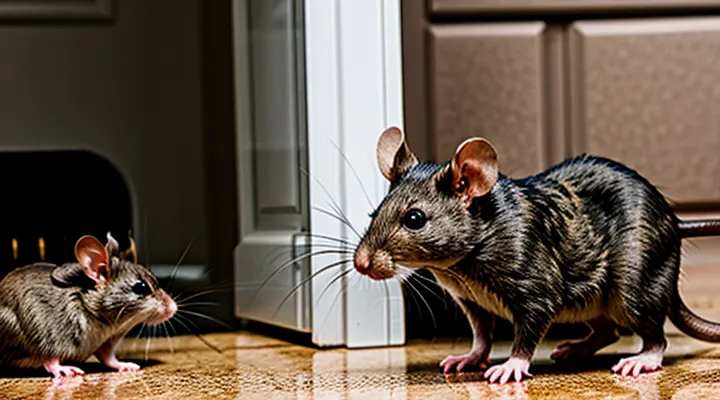
Understanding the Threat: Rats and Mice in Your Home
Identifying a Rodent Infestation
Signs of Rodent Presence
Rodent activity leaves unmistakable evidence throughout a residence. Identifying these indicators early prevents infestations from expanding and simplifies control measures.
- Gnaw marks on wood, plastic, wiring, or packaging; teeth create clean, crescent‑shaped cuts.
- Droppings resembling small black or brown pellets; size varies between species, but all are roughly ¼ to ½ inch long.
- Grease or smudge trails along walls, countertops, or appliances; rodents rub their bodies against surfaces, leaving oily residues.
- Nests constructed from shredded paper, fabric, insulation, or dried plant material; often hidden in wall voids, attics, or under appliances.
- Unexplained sounds such as scratching, scurrying, or squeaking, especially at night; activity may be heard within walls, ceilings, or crawl spaces.
- Unusual odors, described as musky or ammonia‑like, resulting from urine, feces, and secretions.
- Damage to stored food items, including gnawed packaging and chewed contents; presence of gnawed holes in pantry goods confirms foraging.
Each sign warrants immediate inspection of the surrounding area. Confirmed evidence should trigger targeted remediation and preventive actions to eliminate current occupants and deter future incursions.
Common Entry Points
Rodents infiltrate homes through small openings that provide shelter, food, and a clear path to the interior. Identifying and sealing these gaps prevents infestations before they become established.
- Gaps around utility pipes and cables, especially where they penetrate the foundation or exterior walls.
- Cracks in the foundation, slab, or crawl‑space walls.
- Openings around vent pipes, dryer exhausts, and chimney flues.
- Unsealed gaps in eaves, soffits, and roof vents.
- Spaces beneath doors and around door frames; missing or damaged door sweeps.
- Unscreened windows, especially those with damaged or absent weather stripping.
- Holes in exterior siding, brickwork, or stucco where mortar has deteriorated.
- Gaps around garage doors, especially at the bottom or where the door meets the wall.
- Openings in attic access panels, floor joists, and insulation seams.
- Uncovered openings for electrical conduit, plumbing stacks, and other service entries.
Effective sealing methods include applying silicone or acrylic caulk to narrow cracks, using expanding foam for larger voids, installing steel wool or copper mesh behind caulk in areas prone to chewing, and fastening hardware cloth (¼‑inch mesh) over larger openings. Door sweeps and weather stripping should be fitted tightly to eliminate space beneath entry doors. Regular inspection of the building envelope, particularly after seasonal weather changes, ensures that newly formed gaps are addressed promptly, reducing the likelihood of rodent ingress.
Health Risks and Property Damage
Rats and mice introduce pathogens that jeopardize human health. Direct contact with saliva, urine, or feces can transmit leptospirosis, hantavirus, salmonellosis, and Listeria infections. Inhalation of aerosolized particles from dried droppings may cause respiratory irritation and allergic reactions. Bites and scratches create wound‑infection risks, especially for individuals with compromised immune systems. Contamination of food preparation surfaces leads to cross‑contamination, increasing the likelihood of food‑borne illness.
Rodent activity also inflicts extensive property damage. Their gnawing behavior compromises structural integrity by severing wooden beams, drywall, and insulation. Access to electrical wiring results in short circuits, fire hazards, and costly repairs. Burrowing in foundations creates moisture ingress, fostering mold growth and weakening support walls. Stored goods, textiles, and upholstery suffer from nesting material, urine stains, and chew damage, reducing their usable lifespan and market value.
Key health threats:
- Bacterial infections (e.g., salmonella, leptospirosis)
- Viral diseases (e.g., hantavirus, lymphocytic choriomeningitis)
- Allergic sensitization to rodent dander and droppings
- Gastrointestinal disturbances from contaminated food
Principal forms of property damage:
- Structural weakening via gnawed wood and plaster
- Electrical system impairment and fire risk
- Moisture intrusion and mold development
- Degradation of stored items and furnishings
Effective control measures must address both vectors simultaneously to protect occupants and preserve the home’s integrity.
Effective Eradication Methods
Trapping Strategies
Snap Traps
Snap traps provide an immediate, mechanical solution for controlling rodents in a residential setting. The device consists of a spring‑loaded bar that delivers a rapid, lethal force when the baited trigger is activated. This method eliminates the need for chemicals and reduces the risk of secondary poisoning.
Effective deployment requires strategic placement and proper bait selection. Key considerations include:
- Position traps along walls, behind appliances, and near known gnawing sites; rodents travel close to vertical surfaces.
- Use a small amount of attractive food such as peanut butter, dried fruit, or nuts; ensure the bait does not obstruct the trigger mechanism.
- Set traps with the trigger end facing the wall; this aligns with the natural movement pattern of rats and mice.
- Deploy a minimum of three to five traps per active area; increase density in heavily infested zones.
- Check traps daily, remove captured rodents promptly, and reset with fresh bait.
Safety measures protect occupants and pets. Keep traps out of reach of children, use protective gloves when handling captured animals, and dispose of carcasses in sealed bags. For households with pets, consider traps with covered trigger plates or use bait stations that restrict access.
Integrating snap traps with preventive actions enhances long‑term control. Seal entry points, eliminate food sources, and maintain cleanliness to reduce attractants. Regular monitoring of trap activity provides early detection of re‑infestation, allowing swift adjustments to placement or quantity. This combined approach maximizes rodent eradication while minimizing reliance on toxic alternatives.
Live Traps
Live traps provide a humane alternative to lethal devices for managing rats and mice inside a residence. The traps consist of a cage or box with a trigger mechanism that closes the door when the animal enters to reach bait. Because the rodent remains alive, owners can relocate it far from the home, reducing the risk of re‑infestation.
Key characteristics of effective live traps include:
- Durable metal or heavy‑plastic construction to prevent escape.
- Sensitive trigger plates that activate with minimal pressure.
- Secure latch that locks the door quickly after activation.
- Ventilation openings to ensure adequate airflow during capture.
Proper placement maximizes capture rates. Position traps along walls, behind appliances, or near known gnawing sites, as rodents travel close to surfaces. Keep traps at ground level for mice and slightly elevated for rats, matching the typical travel routes of each species.
Effective bait selection enhances attractivity. Recommended options are:
- Peanut butter or nut butter – strong odor, high fat content.
- Small pieces of fruit or dried berries – appealing to omnivorous rodents.
- Bits of cheese or meat – suitable for larger rats.
Place a small amount of bait on the trigger plate, avoiding excess that could allow the animal to feed without activating the mechanism. Check traps at least twice daily; prolonged confinement can cause stress or injury to the captured rodent.
When a trap is sprung, follow these steps:
- Transport the cage to a remote location, at least five miles from the residence.
- Release the animal on open ground away from structures and vegetation.
- Clean the trap with hot, soapy water and disinfect to remove scent trails.
- Reset the trap with fresh bait for continued use.
Maintenance includes regular inspection of hinges and latch components, replacement of worn parts, and periodic testing of trigger sensitivity. By integrating live traps with sanitation measures—such as sealing entry points, eliminating food sources, and reducing clutter—homeowners can achieve sustained control of rat and mouse populations without resorting to poison or snap devices.
Glue Traps: Ethical Considerations
Glue traps are widely marketed for residential rodent control because they require no electricity and are inexpensive. Their operation relies on a sticky surface that immobilizes the animal, leading to death by dehydration, suffocation, or predation. The method raises several ethical concerns that must be evaluated before adoption.
- Animal suffering: Immobilization causes prolonged distress. Rats and mice experience pain while struggling, and death may take several hours. This outcome conflicts with humane‑treatment standards that prioritize rapid, painless removal.
- Non‑target capture: Sticky surfaces do not discriminate between species. Pets, beneficial insects, and wildlife can become victims, resulting in unintended cruelty and ecological disruption.
- Disposal issues: Once trapped, the animal remains attached to the adhesive. Proper disposal requires handling of a live or dying creature, which may expose the user to health hazards and moral discomfort.
- Legal restrictions: Certain jurisdictions classify glue traps as inhumane devices and restrict or prohibit their sale. Compliance with local regulations is mandatory to avoid penalties.
- Alternatives: Snap traps, electronic devices, and exclusion techniques achieve control without prolonged suffering. Evaluating these options can reduce ethical dilemmas while maintaining efficacy.
Choosing a control method demands alignment with humane practices, legal obligations, and the homeowner’s responsibility to minimize unnecessary animal pain. Glue traps, given their documented welfare drawbacks, are generally considered ethically inferior to rapid‑kill or preventive strategies.
Baits and Rodenticides
Types of Baits
Effective rodent control in a residence relies heavily on selecting the appropriate bait. Baits differ in composition, mode of action, and suitability for various infestation levels, making informed choice essential for rapid elimination.
- Anticoagulant baits – contain compounds such as warfarin, bromadiolone, or difenacoum. They interfere with blood clotting, causing death after a single or multiple feedings. Preferred for established populations because delayed mortality allows secondary poisoning of other rodents.
- Non‑anticoagulant baits – include zinc phosphide, cholecalciferol (vitamin D3), and bromethalin. They act through rapid physiological disruption, providing faster results but often requiring precise placement to avoid non‑target exposure.
- Protein‑based baits – formulated with meat, fish, or poultry meal, attract omnivorous rats and mice that prefer high‑protein diets. Useful in kitchens or pantry areas where carbohydrate baits may be ignored.
- Grain‑based baits – composed of wheat, corn, or rice, target rodents that favor plant material. Effective in storage rooms, garages, or outdoor sheds.
- Hybrid baits – combine protein and grain attractants with either anticoagulant or non‑anticoagulant active ingredients, broadening appeal across species and feeding habits.
Selection criteria include target species, infestation size, presence of children or pets, and local regulatory restrictions. Anticoagulant formulations are generally restricted in households with vulnerable occupants, whereas non‑anticoagulant options suit environments demanding immediate action. Proper placement—near walls, behind appliances, and along established runways—maximizes contact while minimizing risk to non‑target organisms. Continuous monitoring and replacement of depleted stations ensure sustained efficacy until activity ceases.
Safe Use and Placement
Effective rodent control in a residence demands careful handling of traps, baits, and repellents to protect occupants and pets while maximizing efficacy.
- Place snap traps along walls, behind appliances, and near suspected runways; leave a clear escape route of at least 12 inches to prevent accidental contact with children or pets.
- Position bait stations on elevated surfaces, at least 18 inches above floor level, and away from food preparation areas; secure stations with tamper‑resistant locks.
- Deploy ultrasonic emitters in open rooms, not inside cabinets or closets, ensuring unobstructed line of sight to target zones; keep devices at least 6 feet apart to avoid signal overlap.
- Use glue boards only in sealed, low‑traffic zones such as crawl spaces; cover with rigid barriers to prevent accidental adhesion of non‑target species.
Regularly inspect devices for damage, replace expired baits, and document placement changes. Maintain a log of trap captures and adjust locations based on observed activity patterns. Store all chemicals and toxic baits in locked cabinets, clearly labeled, and follow manufacturer safety data sheets for disposal.
Dangers to Pets and Children
Rodent infestations pose direct health threats to both children and pets. Rodents carry pathogens such as hantavirus, leptospirosis, and salmonella, which can be transmitted through urine, feces, or contaminated food. Bites from aggressive rats or mice may cause puncture wounds and secondary infections. Young children, who frequently explore low‑lying areas, are especially vulnerable to accidental contact with these animals.
Control techniques introduce additional hazards. Anticoagulant baits, when accessed by a dog, cat, or child, can cause internal bleeding and may be fatal without prompt treatment. Snap traps and electronic devices can inflict severe injuries if mishandled or triggered unintentionally. Rodent‑derived allergens accumulate in dust and upholstery, exacerbating asthma and allergic reactions in sensitive individuals and animals.
- Ingestion of poison baits leads to hemorrhagic symptoms within 24‑48 hours.
- Non‑target capture results in trauma, loss of limb function, or death.
- Residual rodent droppings create aerosolized particles that irritate respiratory tracts.
- Secondary poisoning occurs when a pet consumes an already poisoned rodent.
Mitigation strategies focus on exclusion, safe bait placement, and supervision. Seal cracks, gaps, and utility openings to prevent entry. Store all toxic products in locked containers out of reach of children and animals. Use bait stations that restrict access to target rodents while protecting non‑target species. Monitor trap locations regularly and dispose of captured rodents according to local regulations. Educate household members about the risks and enforce strict rules regarding unsupervised play in areas where rodent control measures are active.
- Install door sweeps and mesh screens on vents.
- Keep food in sealed containers; promptly clean spills.
- Position bait stations at least 2 feet above floor level, away from pet pathways.
- Conduct routine inspections for gnaw marks and droppings, addressing findings immediately.
By combining rigorous exclusion with carefully managed control methods, the exposure of children and pets to rodent‑related dangers can be minimized while maintaining an effective eradication program.
Professional Pest Control
When to Call an Expert
Professional assessment becomes necessary when infestation exceeds a few sightings. Indicators that merit expert intervention include:
- Damage to structural elements such as insulation, wiring, or drywall that compromises safety.
- Evidence of gnaw marks on food containers, electrical cords, or plumbing, indicating active foraging.
- Presence of droppings, urine stains, or nests in concealed areas that cannot be accessed with standard traps.
- Persistent odors of rodent urine or feces despite thorough cleaning.
- Signs of disease transmission risk, such as rodent‑borne pathogens detected in the household environment.
- Repeated failure of DIY control measures after multiple attempts over a two‑week period.
When any of these conditions appear, a licensed pest‑control professional should be engaged promptly. Experts possess the tools to conduct comprehensive inspections, identify entry points, and apply certified rodenticides or integrated pest‑management strategies safely. They also provide remediation plans that include sealing gaps, installing monitoring devices, and advising on sanitation practices to prevent recurrence. Delaying professional assistance can lead to escalating damage, increased health hazards, and higher remediation costs.
What to Expect from a Professional Service
A professional rodent‑control service begins with a detailed inspection. Technicians identify entry points, assess infestation level, and document conditions that favor rats or mice. The inspection report outlines required interventions and estimates costs.
The treatment phase follows a predefined protocol:
- Seal all discovered openings with durable materials such as steel wool, metal flashing, or concrete.
- Deploy bait stations or traps strategically, selecting devices that match the species and infestation size.
- Apply rodent‑specific rodenticides in compliance with safety regulations, ensuring no risk to occupants or pets.
- Install monitoring devices to track activity after initial treatment.
After implementation, the provider schedules follow‑up visits. During these visits, technicians verify that traps and bait stations remain functional, re‑inspect previously sealed points, and adjust the plan if new activity appears. A final report confirms eradication status and lists preventive measures for long‑term protection.
Clients receive written guidelines on sanitation, waste management, and structural maintenance that reduce attraction. The service contract typically includes a warranty period during which any resurgence is addressed at no extra charge.
Prevention: Keeping Rodents Out
Sealing Entry Points
Inspecting Your Home’s Exterior
Inspecting the exterior of a private residence is the first step in preventing rodent incursions. Begin by walking around the building and noting any openings larger than a quarter‑inch. Seal gaps around utility lines, vents, and foundation cracks with steel wool, caulk, or metal flashing. Trim vegetation that contacts the house; vines, shrubs, and tree branches create bridges for rats and mice. Remove debris, such as leaf piles, wood stacks, and compost heaps, from the perimeter, keeping them at least three feet from the foundation. Examine the roof and eaves for damaged soffits, loose tiles, or missing flashing, and repair them promptly. Check drainage systems to ensure water does not pool near the foundation, as moisture attracts rodents.
Key inspection points:
- Door thresholds and weatherstripping
- Window frames and screens
- Basement and crawl‑space vents
- Garage door seals
- Siding seams and brick mortar joints
Document all findings, prioritize repairs based on the size of openings and proximity to food sources, and schedule remediation within a week. Regular seasonal walkthroughs maintain the barrier and reduce the likelihood of infestations.
Repairing Cracks and Gaps
Repairing cracks and gaps eliminates the primary routes through which rodents enter a residence. Sealing these openings removes shelter and food access, directly reducing the likelihood of infestation.
Identify all potential entry points by inspecting walls, foundations, windows, doors, and utility penetrations. Common locations include:
- Gaps around pipe sleeves and conduit entries
- Cracks in foundation mortar or brickwork
- Openings beneath doors and windows
- Spaces around vent covers and exhaust fans
Apply appropriate sealants based on material and exposure. For masonry, use a high‑strength polyurethane or acrylic mortar; for wood frames, employ expanding foam or silicone caulk. Follow these steps:
- Clean the area to remove debris, dust, and loose material.
- Fill the void with a backer rod if the gap exceeds ¼ inch, then apply sealant.
- Smooth the sealant to create a flush surface, ensuring full contact with surrounding substrate.
- Allow the product to cure according to manufacturer specifications before re‑installing fixtures or applying paint.
Regularly inspect repaired sections, especially after seasonal temperature changes, to confirm integrity and re‑seal any new fissures promptly. This maintenance routine sustains a barrier that deters rats and mice from re‑entering the home.
Securing Vents and Drains
Securing vents and drains prevents rodents from entering a residence through hidden pathways. Install fine metal mesh or stainless‑steel screens with openings no larger than ¼ inch over all exterior vent openings, including attic, dryer, and bathroom exhausts. Use weather‑resistant, rust‑proof material to maintain integrity over time.
Seal gaps around vent flues and pipe penetrations with silicone‑based rodent‑proof caulk. Apply expanding foam that contains steel wool reinforcement to fill irregular spaces, then cover the foam with a metal plate to deter chewing.
Implement a maintenance routine:
- Inspect vent covers monthly for damage or displacement.
- Replace compromised screens immediately.
- Clean drain traps regularly; pour boiling water followed by a vinegar‑baking‑soda mixture to eliminate debris that could attract rodents.
- Fit drain covers with solid metal grates that lock in place, ensuring no gaps remain.
Where possible, route vent ducts away from walls that abut the foundation, reducing the likelihood of rodents traveling along structural seams. Combine these measures with proper landscaping—trim vegetation away from vent locations and keep mulch at least six inches from the house—to remove shelter near entry points.
Sanitation and Food Storage
Proper Waste Management
Proper waste management eliminates food sources that attract rats and mice, directly reducing infestation risk. Store trash in sealed containers with tight-fitting lids; replace liners promptly to prevent leakage. Position bins away from walls and doors, and keep them on a stable surface to avoid tipping.
Maintain a routine schedule for waste removal. Collect garbage at least once daily in high‑traffic areas and twice weekly for larger containers. Clean the interior of bins with a disinfectant solution after each emptying, allowing them to dry completely before reuse.
Avoid composting food scraps inside the home. If outdoor composting is necessary, use a metal or heavy‑duty plastic bin with a secure cover, and locate it at least three meters from the house. Turn the compost regularly to accelerate decomposition and discourage rodent nesting.
Eliminate clutter that can serve as shelter for rodents. Dispose of shredded paper, cardboard, and packaging in the recycling stream rather than storing them in the garage or basement. Seal all recycling bags before placing them in the bin.
Implement the following checklist for waste control:
- Use airtight trash cans with rubber gaskets.
- Empty and clean containers weekly.
- Keep bins on elevated platforms or pallets.
- Store recycling in sealed bags.
- Remove fallen fruit or food debris from garden beds promptly.
- Secure compost bins with a lockable lid.
Consistent application of these practices removes attractants, limits breeding sites, and supports broader rodent‑prevention strategies within a private residence.
Storing Food Securely
Storing food in a manner that denies access to rodents is a fundamental element of a comprehensive rodent‑control program for residential dwellings. Food that is easily reachable encourages foraging, breeding, and sheltering, thereby undermining other eradication measures.
- Use containers with gasket‑sealed lids made of rigid plastic, glass, or metal for dry goods such as grains, cereals, nuts, and pet food.
- Keep perishable items refrigerated or frozen; ensure refrigerator doors seal tightly and that temperature settings remain within safe limits.
- Organize pantry shelves so that items are not left on the floor; place containers on elevated surfaces away from walls.
- Remove packaging that is torn, punctured, or otherwise compromised; replace with fresh, intact containers.
- Dispose of waste promptly in sealed, rat‑proof bins; clean bins regularly to eliminate residue.
- Inspect storage areas weekly for signs of gnaw marks, droppings, or odors; address breaches immediately.
Regular maintenance reinforces the barrier created by secure storage. Clean spills, crumbs, and food residues from countertops, floors, and appliances each day. Rotate stock to prevent spoilage, discarding any product that shows signs of damage. By eliminating accessible nourishment, the environment becomes inhospitable to rats and mice, supporting the overall goal of rodent eradication in the home.
Maintaining a Clean Environment
A clean home deprives rodents of food, shelter, and nesting material, directly limiting their ability to establish colonies. Regular removal of food residues, proper storage, and prompt disposal of waste create an environment that is inhospitable to rats and mice.
All food items should be kept in sealed containers made of glass, metal, or heavy‑duty plastic. Crumbs and spills must be wiped immediately, and countertops cleaned after each meal preparation. Pet food should be placed in airtight containers and uneaten portions removed nightly.
Waste management is crucial. Garbage bins require tight‑fitting lids and should be emptied at least once a week. Compost piles must be located away from the house and covered to prevent access by rodents.
Floor and surface hygiene reduces hiding places. Vacuum carpets and rugs weekly, focusing on edges and under furniture. Sweep and mop hard floors regularly, paying special attention to corners and baseboards where debris accumulates.
A concise checklist for maintaining a rodent‑unfriendly environment:
- Store all consumables in sealed, rodent‑proof containers.
- Clean kitchen surfaces after each use; remove crumbs and spills promptly.
- Dispose of trash in sealed bins; empty regularly.
- Keep pet feeding areas tidy; remove leftovers nightly.
- Vacuum carpets and rugs weekly; mop hard floors frequently.
- Inspect and seal cracks, gaps, and openings in walls, floors, and around utilities.
By adhering to these practices, a homeowner eliminates the primary attractions for rats and mice, thereby supporting broader control measures and preventing future infestations.
Yard Maintenance
Trimming Vegetation
Trimming vegetation around a house reduces shelter and travel routes for rats and mice, limiting their ability to enter the structure. Overgrown shrubs, vines, and ground cover create dense habitats where rodents can hide, nest, and move undetected. Regular maintenance removes these advantages and forces pests to seek less hospitable environments.
Key actions for effective vegetation control:
- Cut back shrubs to a height of no more than 12 inches from the ground.
- Remove vines that climb walls or attach to eaves, preventing rodents from using them as bridges.
- Thin out groundcover to expose soil; keep grass at a length of 2–3 inches.
- Dispose of leaf litter, compost piles, and fallen branches promptly, as they provide food and nesting material.
- Maintain a clear perimeter of at least three feet between plantings and the foundation, creating a barren zone that discourages rodent movement.
Implementing these steps in conjunction with interior sanitation and exclusion measures creates a comprehensive barrier against rodent intrusion. Consistent seasonal pruning sustains the barrier, reducing the likelihood of re‑infestation.
Removing Debris
Removing debris eliminates shelter and food sources that attract rodents, thereby reducing the likelihood of infestation. Clear all accumulated garbage, scrap wood, cardboard boxes, and unused items from closets, basements, and attics. Store necessary materials in sealed, airtight containers made of plastic or metal; avoid cardboard or paper packaging that can be chewed.
- Sweep floors, vacuum corners, and vacuum upholstery to capture crumbs and droppings.
- Dispose of waste in outdoor bins with tight‑fitting lids; empty these containers regularly.
- Trim vegetation and prune tree branches that touch the house, preventing debris from building up against the exterior walls.
- Seal gaps around utility lines, vents, and pipe penetrations before placing stored items, ensuring no hidden pathways remain.
Maintaining a clutter‑free environment removes hiding places and limits food availability, creating conditions unfavorable to rats and mice and supporting long‑term control measures.
Storing Firewood Away from the House
Storing firewood at a distance from the house reduces the likelihood that rodents will find shelter and food sources near living spaces. Wood piles left against the foundation create warm, dry habitats that attract rats and mice, especially during colder months. By relocating the stack, the indoor environment remains less inviting for infestations.
Practical steps for safe firewood storage:
- Place the pile at least 20 feet (6 m) from the building’s exterior walls.
- Elevate the wood on a concrete or metal platform to keep it off the ground and away from soil moisture.
- Stack wood in a single layer or with limited height, allowing air circulation and preventing hidden cavities.
- Cover the top with a waterproof tarp; leave the sides open for ventilation.
- Keep the area around the stack clear of debris, vegetation, and other shelter‑providing materials.
Regularly inspect the wood for signs of gnawing or nesting, and rotate the stack to expose fresh sections. Maintaining a clean, dry, and remote firewood storage area supports overall rodent control efforts in residential properties.
Long-Term Monitoring
Regular Inspections
Regular inspections form the backbone of any effective rodent control plan in a residence. Systematic checks identify entry points, nesting sites, and early signs of activity before populations become established, allowing swift corrective measures.
Key components of a thorough inspection include:
- Exterior assessment of foundations, vents, and utility openings; seal gaps larger than ¼ inch with steel wool, cement, or metal flashing.
- Interior survey of kitchens, pantries, and storage areas; look for gnaw marks, droppings, urine stains, and shredded materials.
- Evaluation of hidden spaces such as attics, crawl spaces, and under‑sinks; use flashlights and mirrors to reveal concealed damage.
- Review of waste management practices; ensure trash containers have tight‑fitting lids and are emptied regularly.
Conduct inspections monthly in high‑risk periods (spring and autumn) and quarterly during milder seasons. Record findings, repair actions, and any bait or trap placements in a logbook to track trends and verify compliance with preventive protocols.
Early Detection Measures
Early detection of rodents prevents a small intrusion from becoming a full‑scale infestation. Homeowners should conduct visual inspections weekly, focusing on areas where food, water, or shelter are available. Look for droppings, gnaw marks, greasy streaks along walls, and shredded insulation. Pay particular attention to attics, basements, crawl spaces, and behind appliances.
Effective monitoring tools complement visual checks. Install passive snap traps or live‑capture traps along known travel routes; check them daily. Use non‑toxic tracking powders or chalk lines to reveal footprints. Electronic motion sensors or infrared detectors can alert occupants to nocturnal activity without manual observation.
A systematic record‑keeping practice enhances response speed. Log the date, location, and type of evidence found. Note any patterns, such as increased activity after rain or during seasonal changes. This data guides targeted treatment and reduces unnecessary pesticide use.
Preventive measures rely on eliminating the conditions that attract rodents. Seal gaps larger than ¼ inch with steel wool and caulk. Store food in airtight containers and remove pet feed after each meal. Maintain dry, clutter‑free storage areas to reduce hiding places. Regularly clean under appliances and behind furniture to remove food residues.
By integrating routine visual surveys, strategic trap placement, electronic monitoring, and meticulous documentation, a homeowner can identify rodent presence at the earliest stage and intervene before damage escalates.