
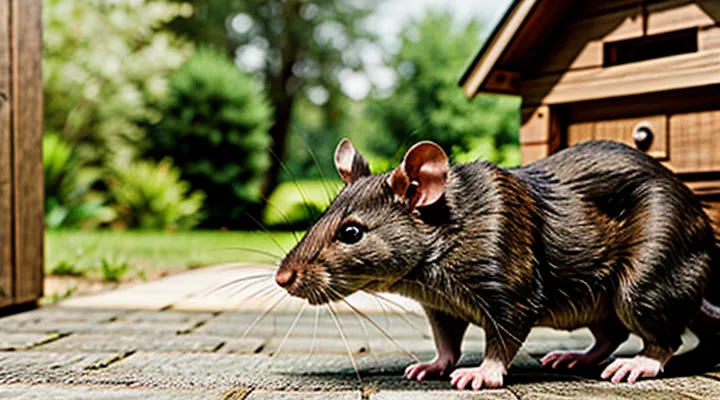
Understanding the Rat Problem at Your Summer House
Identifying Signs of Rat Infestation
Common Visual Cues
Rats leave unmistakable evidence that points directly to their presence on a seasonal retreat. Identifying these signs early prevents widespread damage and health risks.
- Dark, pellet‑shaped droppings, ¼‑inch long, commonly found near food storage, along baseboards, and under outdoor furniture. Fresh deposits appear glossy; older ones turn matte and crumble.
- Gnaw marks on wood, plastic, or metal surfaces, typically ¼‑inch wide and V‑shaped. Look for fresh cuts on beams, shutters, and garden tools.
- Grease or urine stains along walls, especially in corners, under cabinets, and around sewer lines. Stains darken with time and emit a faint ammonia odor.
- Chewed or shredded insulation, wiring, and cable bundles. Exposed wires may show bite marks and frayed ends.
- Runway pathways traced by flattened grasses, disturbed mulch, or compacted soil. These narrow tracks connect food sources to nesting sites.
- Burrow entrances at the base of trees, under decking, or in stored firewood piles. Openings are 2‑3 inches wide and may be lined with shredded material.
- Damaged food containers, torn packaging, and scattered crumbs near pantries, grills, and outdoor trash bins.
Spotting any combination of these visual cues confirms rat activity and signals the need for immediate remediation measures.
Sounds and Odors Indicating Presence
Detecting rodent activity early prevents extensive damage to a vacation cottage. Auditory and olfactory signals provide the quickest confirmation of a rat presence.
Typical sounds include:
- High‑pitched squeaks, especially at night.
- Rapid footfalls on insulation, wood, or stored feed.
- Continuous gnawing on wires, plastic, or timber.
- Scratching against walls or ceilings when rats explore new routes.
Common odors that indicate infestation are:
- Strong, musky scent from concentrated urine, often noticeable near entry points or food storage.
- Sharp ammonia‑like smell produced by accumulated droppings.
- Faint, oily odor from rat gland secretions, detectable in hidden corners or behind appliances.
- Foul, decaying odor when carcasses or large waste piles develop.
Recognition of these cues directs immediate implementation of control measures, such as sealing entry gaps, setting traps, and deploying bait stations, thereby reducing the risk of structural damage and disease transmission.
Damage to Property and Food Sources
Rats compromise the integrity of a summer house by gnawing through wood, insulation, wiring, and plumbing. Their incisors can create entry points for additional pests, weaken structural components, and increase the risk of fire caused by damaged electrical circuits. In addition, rodents contaminate surfaces and stored provisions with urine, droppings, and saliva, which introduce pathogens and render food unsafe for consumption.
Typical damage includes:
- Chewed wooden beams and joists that reduce load‑bearing capacity.
- Punctured insulation and vapor barriers, leading to heat loss and moisture intrusion.
- Frayed or exposed electrical wiring, creating short‑circuit hazards.
- Corroded plumbing fixtures and clogged drains from nesting material.
- Contaminated pantry items, grain, and pet food, resulting in spoilage and health risks.
Preventive actions focus on protecting both the building envelope and food supplies:
- Seal all gaps larger than ¼ inch with steel wool, metal flashing, or concrete caulk.
- Install rodent‑proof screens on vents, chimneys, and eaves.
- Store dry goods in airtight, metal containers; keep pet food in sealed bins.
- Remove outdoor debris, fallen fruit, and compost piles that attract foraging.
- Maintain a clean interior: sweep crumbs, wipe countertops, and dispose of waste in sealed bags.
- Deploy snap traps or electronic devices near identified runways, checking and resetting them daily.
- Consider professional bait stations placed in inaccessible locations, following local regulations.
By eliminating entry routes, securing nourishment, and employing targeted trapping, property owners can substantially reduce the likelihood of rat‑induced damage throughout the summer season.
Assessing the Extent of the Infestation
Factors Influencing Rat Population Size
Rats thrive where resources and shelter intersect. Understanding the variables that shape population size is essential for any control strategy at a seasonal residence.
Abundant food sources drive rapid growth. Unsecured garbage, birdseed, pet feed, and fallen fruit provide continuous nourishment. Regular removal of waste and proper storage of outdoor provisions reduce this incentive.
Accessible shelter supports breeding and protection from predators. Gaps in foundations, broken siding, and cluttered vegetation create nesting sites. Sealing openings, trimming overgrown bushes, and maintaining a tidy yard limit safe harbor.
Climate influences reproductive cycles. Warm temperatures in summer accelerate breeding, while milder winters extend survival periods. Enhancing insulation in structures and eliminating indoor heat sources discourage indoor colonization during cooler months.
Water availability sustains activity levels. Stagnant pools, leaky pipes, and damp debris supply hydration. Repairing leaks and draining standing water remove this essential resource.
Predator presence affects population dynamics. Natural predators such as owls and snakes can suppress numbers, but their impact diminishes when human activity reduces habitat suitability. Encouraging predator-friendly environments, like installing perches for raptors, adds biological pressure.
Human behavior directly shapes conditions. Frequent visits, careless disposal of food, and neglect of maintenance create temporary spikes in rat numbers. Implementing consistent housekeeping routines and educating occupants about best practices stabilize the environment.
Key factors can be summarized:
- Food accessibility
- Shelter availability
- Seasonal temperature patterns
- Water sources
- Predator activity
- Human maintenance habits
Addressing each element systematically creates an environment where rat populations cannot sustain themselves, forming the foundation for effective eradication measures at a summer house property.
Locating Entry Points and Nests
Rats gain access to a summer house through cracks, gaps, and openings that connect indoor spaces with the exterior environment. Detecting these pathways prevents further intrusion and limits the area that must be treated.
- Inspect the foundation for fissures larger than ¼ inch.
- Examine roof eaves, soffits, and vent covers for missing or damaged screens.
- Check windows, doors, and sliding panels; ensure weather‑stripping is intact.
- Survey utility penetrations (pipes, cables, ducts) for gaps; seal with steel wool and caulk.
- Look under decks and porches for concealed openings near ground level.
Rats establish nests in concealed, dry locations where food and shelter are abundant. Identifying nest sites allows targeted removal and reduces the likelihood of re‑infestation.
- Search attic insulation, ceiling joists, and wall cavities for shredded material, urine stains, or gnaw marks.
- Probe crawl spaces and underfloor voids for compacted debris and droppings.
- Examine stored firewood piles, garden sheds, and compost bins for burrows and nesting material.
- Use a flashlight to locate fresh droppings, which indicate active nesting activity.
Seal confirmed entry points, eliminate nest sites, and maintain a clean perimeter to sustain a rat‑free summer house.
Strategic Approaches to Rat Elimination
Preventive Measures and Exclusion Techniques
Sealing Entry Points and Cracks
Sealing entry points and cracks blocks the most common pathways rats use to reach a summer house. Begin with a systematic inspection of the building envelope. Look for gaps around windows, doors, utility penetrations, vents, and foundation walls. Pay special attention to:
- Gaps larger than ¼ inch in siding, soffits, and eaves.
- Openings around plumbing, electrical conduits, and HVAC ducts.
- Cracks in concrete slabs, mortar joints, and chimney bases.
- Unsealed spaces beneath decks, porches, and crawl‑space vents.
After identifying vulnerabilities, apply appropriate sealants. Use stainless‑steel mesh or hardware cloth for openings that require ventilation, then cover with expanding polyurethane foam or silicone caulk. For structural cracks, inject epoxy or hydraulic cement to restore integrity. Replace damaged weatherstripping on doors and windows with durable rubber or silicone profiles. Install metal flashing around roof penetrations and secure it with corrosion‑resistant screws.
Maintain the seal over time. Conduct quarterly checks, especially after severe weather, to detect new gaps caused by settling or insect damage. Reapply sealant promptly to any compromised area. By eliminating access routes, the property becomes inhospitable to rats, reducing the need for traps or chemicals and supporting long‑term rodent management.
Proper Storage of Food and Waste
Proper storage of food and waste eliminates the primary attractant for rodents at a seasonal cottage. Seal all consumables in airtight, rodent‑proof containers made of metal or heavy‑wall plastic. Keep containers off the ground and away from walls to prevent gnawing access. Store pet food in the same manner and discard any uneaten portions daily.
Maintain waste management systems that deny rats entry. Use bins with tight‑fitting lids and reinforce seams with metal tape. Position trash containers at least three meters from the building and elevate them on a platform that prevents climbing. Empty bins regularly; a full‑capacity rule (no more than 75 % fill) reduces odor and moisture that draw pests.
Key practices for effective food and waste control:
- Separate indoor and outdoor storage; keep outdoor supplies in locked sheds.
- Label containers with inspection dates and rotate stock to avoid spoilage.
- Clean spills immediately; wipe surfaces with a mild disinfectant.
- Compost only in sealed, vermin‑proof units placed far from the house.
- Inspect delivery pallets for holes before moving items indoors.
Landscaping Modifications to Deter Rats
Landscaping changes can significantly reduce rat activity around a summer house. Proper site preparation removes shelter and food sources that attract rodents.
- Eliminate dense ground cover. Mow grass to a height of 4‑6 inches and keep shrubbery trimmed well away from the building foundation. Thin plantings create an open environment that discourages nesting.
- Remove debris. Discard piles of leaf litter, firewood, compost, and garden waste. Store firewood on a raised platform at least 18 inches off the ground and away from walls.
- Install hardscape barriers. Use metal flashing or concrete edging where soil meets the foundation to block burrow entrances. Gravel or crushed stone placed around the perimeter creates an abrasive surface that rats avoid.
- Grade the terrain. Ensure the ground slopes at a minimum of 2 percent away from the house to prevent water pooling and soil accumulation, both of which provide a conducive habitat.
- Choose rat‑resistant plant species. Avoid fruit‑bearing trees and vines that produce edible fruit close to the structure. Opt for low‑maintenance, non‑fruiting ornamental grasses and shrubs that require minimal watering.
- Seal entry points. After landscaping work, inspect the exterior for gaps around doors, windows, and utility penetrations. Fill openings with steel wool and caulk to prevent rodents from exploiting the modified landscape.
Combined, these landscaping measures remove attractants, limit access, and create an environment where rats are unlikely to establish a presence. Regular maintenance of the described modifications sustains the deterrent effect throughout the summer season.
Trapping Methods and Best Practices
Types of Traps: Pros and Cons
Effective rat control at a summer cottage requires selecting traps that match the property’s layout, target species, and safety constraints. Each trap type presents distinct advantages and drawbacks; understanding them prevents wasted effort and unintended hazards.
-
Snap traps
Pros: Immediate kill, low cost, reusable, no chemicals.
Cons: Requires careful placement to avoid accidental injury, can be unsettling to observe, limited to single captures before reset. -
Live‑catch cages
Pros: Allows humane removal, reusable, no poison exposure.
Cons: Necessitates frequent checking, risk of escape if not sealed properly, may attract predators, disposal of captured rodents adds labor. -
Electronic traps
Pros: Quick, humane‑rated kill, indicator of successful capture, low odor.
Cons: Higher upfront price, dependent on power source or batteries, limited capacity before emptying. -
Glue boards
Pros: Inexpensive, easy to conceal, effective for monitoring activity.
Cons: Causes prolonged suffering, difficult disposal, can trap non‑target species, surface must remain dry for adhesion. -
Multi‑catch plastic traps (e.g., multi‑catch live‑catch or kill traps)
Pros: Captures several rodents before needing service, compact design, reusable.
Cons: Requires regular emptying, potential for stress‑induced mortality if overcrowded, may need bait to maintain effectiveness.
Choosing a trap hinges on the cottage’s occupancy schedule, local wildlife regulations, and the owner’s ethical stance. Combining two complementary systems—such as snap traps for rapid reduction and live‑catch cages for residual individuals—often yields the most reliable outcome.
Optimal Trap Placement Strategies
Rats travel along established routes that connect food sources, shelter, and exit points; identifying these pathways is essential for effective trap deployment.
- Position traps perpendicular to walls where rodents run, typically within 2–3 feet of baseboards or cabinetry.
- Install baited devices at the junction of interior and exterior walls, especially near utility entryways, vents, and foundation cracks.
- Place snap or electronic traps inside attics, crawl spaces, and under eaves where darkness and concealment attract activity.
- Deploy live‑catch traps near garbage containers, compost piles, and outdoor feed stations, ensuring they are anchored to prevent escape.
- Use multiple traps along a single corridor, spacing them 12–18 inches apart to cover the full width of the passage.
After placement, monitor each trap daily, record captures, and relocate any unused devices to adjacent high‑traffic zones. Replace bait regularly to maintain potency, and remove dead rodents promptly to prevent secondary contamination. Consistent inspection and adjustment of trap locations sustain pressure on the population and accelerate eradication on a seasonal residence.
Safe Handling and Disposal of Trapped Rats
Handling and disposing of trapped rats requires strict adherence to safety protocols to prevent disease transmission and environmental contamination. Wear disposable gloves, a face mask, and eye protection before contacting any carcass. Secure the animal in a sealed, puncture‑resistant bag; double‑bagging provides an extra barrier against leakage.
When a live rat is captured, release it only after confirming it is not injured and that the property is free of additional infestations. Transfer the animal into a sturdy container, cover it securely, and transport it to a licensed wildlife rehabilitation facility or an approved release site far from residential areas. Avoid direct hand contact; use tongs or a trap‑release tool.
Disposal of dead rats follows these steps:
- Place the carcass in a heavy‑duty plastic bag.
- Seal the bag tightly, then place it inside a second bag and seal again.
- Label the outer bag with “Dead Animal – Biohazard.”
- Contact local authorities to arrange collection by a certified waste‑management service, or, where permitted, bury the double‑bagged carcass at least 12 inches deep, away from water sources and food storage areas.
After disposal, clean all equipment with a disinfectant effective against rodent‑borne pathogens, such as a 10 % bleach solution. Rinse with water, allow to air‑dry, and store in a clean, dry location. Dispose of gloves and other disposable PPE in a sealed waste container before discarding. Regularly inspect traps for damage and replace any compromised components to maintain a safe handling environment.
Chemical Control Options (When Necessary)
Understanding Rodenticides and Their Risks
Rodenticides are chemical agents formulated to kill rodents by interfering with vital physiological processes. They are classified primarily into anticoagulants, bromethalin, zinc phosphide, and cholecalciferol, each targeting a different biological pathway.
Common active ingredients include:
- Warfarin‑type anticoagulants (e.g., bromadiolone, difenacoum)
- Bromethalin, a neurotoxin that disrupts mitochondrial function
- Zinc phosphide, which releases phosphine gas upon ingestion
- Cholecalciferol (vitamin D₃), causing hypercalcemia and organ failure
Risks associated with these substances extend beyond the target species. Acute poisoning can occur in children, domestic pets, and non‑target wildlife that ingest bait or contaminated food sources. Chronic exposure may lead to bioaccumulation in the food chain, affecting birds of prey and scavengers. Environmental concerns include soil and water contamination, particularly with anticoagulants that persist for months.
Safe use requires strict adherence to label instructions and regulatory guidelines:
- Store products in locked containers, out of reach of children and animals.
- Place bait stations at least 2 m from human activity zones and 1 m from non‑target animal pathways.
- Use the minimum effective dose; avoid over‑application.
- Monitor bait stations regularly, removing uneaten bait promptly.
- Dispose of dead rodents and residual bait according to local hazardous waste regulations.
When rodenticides present unacceptable hazards, consider mechanical traps, habitat modification, and exclusion techniques as complementary or alternative control measures.
Safe Application and Storage of Baits
When using rodent baits at a vacation residence, strict safety measures protect residents, pets, and wildlife while maintaining effectiveness.
Select baits formulated for outdoor use and approved by relevant regulatory agencies. Place them in tamper‑resistant stations that lock the poison inside, exposing only a small entry slot sized for rats. Position stations along walls, near known runways, and away from food preparation areas, children’s play zones, and animal shelters. Ensure stations are anchored to prevent displacement by wind or rain.
Key practices for application:
- Wear disposable gloves before handling any bait product.
- Remove excess packaging and discard it in a sealed container.
- Do not place stations where non‑target species can reach them; install elevated mounts or protective covers if necessary.
- Monitor stations daily; replace depleted units promptly, and record locations for future reference.
Storage guidelines:
- Keep unopened bait containers in a locked cabinet, separate from food, feed, and cleaning supplies.
- Maintain a temperature range specified on the label, typically 40‑85 °F (4‑29 °C), to preserve potency.
- Store containers upright, sealed, and away from direct sunlight or moisture.
- Retain safety data sheets and label information within the storage area for quick reference.
Emergency preparedness:
- Keep a first‑aid kit and the contact information of a local poison control center readily available.
- In case of accidental exposure, wash the affected area with soap and water, then seek medical advice.
By adhering to these protocols, bait deployment remains a controlled, low‑risk component of a comprehensive rodent management program for seasonal properties.
Considerations for Pets and Wildlife
Rats attracted to a vacation cottage can threaten the health of dogs, cats, and nearby wildlife; any control plan must prioritize non‑lethal, pet‑safe methods.
- Use snap traps or electronic devices positioned away from pet pathways; these eliminate rodents without exposing animals to poison.
- If bait is necessary, select tamper‑proof stations that lock the lure inside, preventing accidental ingestion by curious pets or birds.
- Avoid rodenticides that contain anticoagulants or bromethalin; these compounds persist in the environment and can cause secondary poisoning of predators and scavengers.
- Seal entry points—gaps, vents, and utility openings—with steel wool or metal flashing; this denies rodents shelter while maintaining access for larger fauna.
- Reduce outdoor food sources by storing birdseed, pet food, and compost in sealed containers; less attractant lessens the need for aggressive control.
- Conduct regular inspections of trap placements and bait stations; early detection limits population growth and reduces the intensity of interventions required.
Implementing these measures protects household animals and preserves the surrounding ecosystem while effectively reducing rat activity at a seasonal residence.
Natural Deterrents and Alternative Solutions
Repellent Plants and Scents
Plant-based repellents provide a non‑chemical option for reducing rat activity around a summer cottage. Species such as mint, lavender, rosemary, and citronella release volatile oils that rodents find unpleasant. Plant these herbs in containers near entry points, along the foundation, and around outdoor food storage areas. The strong scent deters rats without harming beneficial wildlife.
Essential oils derived from the same herbs can be applied directly to surfaces where rats travel. A few drops diluted in water and sprayed on door frames, gutters, and wooden beams creates a persistent barrier. Reapply every two weeks or after heavy rain to maintain effectiveness.
- Mint (Mentha spp.) – cultivates a fresh aroma; crush leaves before placement for increased potency.
- Lavender (Lavandula angustifolia) – dries well; hang sachets in attic and crawl spaces.
- Rosemary (Rosmarinus officinalis) – thrives in sunny spots; plant in borders near garbage bins.
- Citronella (Cymbopogon nardus) – effective in liquid form; mix with carrier oil for spray applications.
- Eucalyptus (Eucalyptus globulus) – extract oil for use in diffusers placed in interior rooms.
When using plant repellents, ensure dense foliage does not create shelter for rodents. Combine the botanical approach with structural measures—seal cracks, install door sweeps, and keep vegetation trimmed—to achieve reliable rat control on a vacation property.
Ultrasonic Devices: Effectiveness and Limitations
Ultrasonic repellents emit high‑frequency sound waves that rodents cannot hear. Devices are typically powered by batteries or mains electricity and are marketed for placement inside cabins, sheds, or attics where rat activity is observed.
Effectiveness depends on several variables. Laboratory tests show that frequencies between 20 kHz and 65 kHz can cause temporary discomfort in rats, leading to reduced foraging in the immediate vicinity. Field studies, however, report mixed results: some users notice a decline in sightings, while others detect no change after several weeks of continuous operation. The most reliable outcomes occur when devices are combined with physical exclusion methods such as sealing entry points and removing food sources.
Limitations are notable:
- Range: Effective radius rarely exceeds 10 m; walls, furniture, and insulation diminish signal strength.
- Habituation: Rats may become desensitized after a few days, rendering the device inactive.
- Species specificity: Some rodent species, particularly larger rats, exhibit lower sensitivity to ultrasonic frequencies.
- Environmental interference: Ambient noise, wind, and temperature fluctuations can alter sound propagation.
- Power reliability: Battery‑operated units require regular replacement; mains‑connected models may fail during power outages.
- Regulatory compliance: Certain jurisdictions restrict the sale of ultrasonic emitters for pest control due to insufficient efficacy data.
In practice, ultrasonic devices serve best as supplementary tools. When integrated with structural repairs, proper sanitation, and, if necessary, humane trapping, they contribute to a comprehensive strategy for reducing rat presence on a seasonal property.
Introducing Natural Predators (With Caution)
Introducing natural predators can supplement a rat‑control program at a summer house, but implementation requires careful planning. Predatory species reduce rodent populations by hunting, yet they may also affect non‑target wildlife, create sanitation issues, or become a nuisance themselves.
- Barn owls (Tyto alba): effective nocturnal hunters; install nesting boxes 10–15 ft above ground, ensure box dimensions of 12 × 12 × 24 in, and protect against predators such as raccoons.
- Red‑tailed hawks (Buteo jamaicensis): attack during daylight; provide perches and open sightlines, avoid feeding practices that attract large numbers.
- Domestic cats (Felis catus): moderate hunting ability; select individuals with strong prey drive, keep them indoors or confined to the property to prevent roaming and disease transmission.
- Ferrets (Mustela putorius furo): agile hunters for tight spaces; use only under supervision, limit exposure to prevent escape and potential predation on small pets.
Cautionary measures include:
- Verify local regulations; many jurisdictions require permits for wildlife housing or restrict certain species.
- Conduct a habitat assessment to confirm that the property can support the predator without compromising safety or ecological balance.
- Monitor predator activity regularly; adjust feeding stations, shelter locations, or predator numbers if unintended damage occurs.
- Combine predators with other control methods—such as sealing entry points and sanitation—because reliance on a single tactic rarely yields complete eradication.
By integrating natural hunters responsibly, property owners can achieve a measurable decline in rat activity while maintaining environmental stewardship.
Maintaining a Rat-Free Summer House
Regular Inspection and Monitoring
Seasonal Checks and Preventative Maintenance
Seasonal inspections and routine upkeep form the backbone of any program aimed at keeping rats away from a summer‑house property. Regular checks identify structural weaknesses before rodents can exploit them, while preventive tasks deny rats the shelter and food they need to establish colonies.
In spring, focus on eliminating the conditions that attract rats after winter dormancy.
- Remove dense vegetation and debris within three meters of the foundation.
- Inspect the perimeter for cracks, gaps around utility lines, and damaged siding; seal all openings with steel‑wool and caulk.
- Repair damaged screens on vents and chimneys.
- Clear gutters and downspouts to prevent water accumulation that encourages burrowing.
During the warm months, maintain a hostile environment for rodents.
- Store outdoor food, pet feed, and compost in rodent‑proof containers with tight lids.
- Keep garbage bins away from the building and use lids that close securely.
- Trim trees and shrubs to prevent branches from providing roof access.
- Conduct weekly visual surveys of attics, crawl spaces, and storage sheds for gnaw marks or droppings.
Autumn preparation reduces the likelihood of rats seeking shelter as temperatures fall.
- Relocate firewood at least two meters from the house and elevate it on a platform.
- Inspect roof eaves, soffits, and soffit vents for new entry points; reinforce with metal flashing where needed.
- Clean out leaf piles and yard waste that can conceal nests.
- Check door sweeps and garage doors for wear and replace as necessary.
Winter vigilance focuses on monitoring and immediate response.
- Conduct monthly walkthroughs of interior crawl spaces and basements, looking for fresh gnaw evidence.
- Reinforce insulation around pipes and ducts to eliminate gaps.
- Deploy snap traps or electronic devices in identified activity zones, checking and resetting them weekly.
- Maintain a log of inspected areas, observed signs, and corrective actions to track trends over successive seasons.
A disciplined schedule that aligns each task with the appropriate season creates a continuous barrier against rat intrusion. Documentation of inspections and repairs ensures accountability and enables rapid adjustment if new patterns emerge.
Recognizing Early Warning Signs
Early detection prevents a small population from expanding into a full‑scale infestation, reducing the need for extensive chemical or mechanical interventions at a seasonal residence.
Typical indicators of rodent activity include:
- Fresh droppings, ¼‑inch long, dark brown to black, found near food storage, under decks, or along walls.
- Gnaw marks on wood, wiring, or plastic, often visible at the corners of structures or on furniture legs.
- Scratching noises, especially at night, emanating from attic spaces, crawl‑outs, or wall voids.
- Presence of greasy smears along baseboards or on the underside of cabinets, caused by the animal’s oily fur.
- Sightings of live rats, fresh carcasses, or tracks in dusty corners, identified by a distinctive four‑toed pattern.
When any of these signs appear, immediate action should involve sealing entry points, removing food sources, and deploying snap traps or bait stations in the identified zones. Continuous monitoring of the same indicators confirms the effectiveness of the control measures and alerts to any resurgence before it escalates.
Implementing Long-Term Prevention Strategies
Consistent Sanitation Practices
Consistent sanitation practices form the backbone of any successful rat‑control program for a summer residence. Regular removal of food residues eliminates the primary attraction for rodents, while proper waste handling prevents accidental provisioning.
Maintain a strict schedule for cleaning kitchen surfaces, outdoor grills, and dining areas. Use a dedicated container with a tight‑fitting lid for trash, and empty it daily. Store pet food in sealed containers and feed animals only at designated times, removing leftovers promptly.
Inspect the property weekly for signs of contamination. Sweep away fallen leaves, grass clippings, and debris that can conceal droppings or nests. Keep storage sheds, garages, and toolboxes organized; avoid piling cardboard, fabric, or other materials that provide shelter.
Implement the following sanitation checklist:
- Remove all visible food sources before nightfall.
- Secure trash bins with lockable lids; relocate them away from the building.
- Clean countertops, countertops, and outdoor surfaces with a mild detergent after each use.
- Sweep and mop floors daily; vacuum corners and under furniture weekly.
- Dispose of animal bedding, droppings, and soiled linens in sealed bags.
- Conduct a perimeter sweep each weekend, clearing vegetation and debris within two meters of the structure.
Document each activity in a simple log to verify compliance and identify gaps. Consistent record‑keeping enables rapid adjustment of procedures, ensuring that sanitation remains effective throughout the summer season.
Addressing Potential Attractants
Rats are drawn to readily available food, water, and shelter. Eliminate these incentives by securing all food sources, limiting moisture, and removing hiding places.
- Store pantry items in metal containers with tight-fitting lids.
- Keep pet feed in sealed bins and remove leftovers after each meal.
- Install drip‑free faucets, fix leaks, and empty water dishes nightly.
- Dispose of garbage in rat‑proof bins; clean lids and surrounding areas regularly.
- Clear debris, woodpiles, and overgrown vegetation that provide cover.
Compost piles should be insulated with wire mesh and positioned away from the building. Avoid leaving ripe fruit or vegetables on decks; transfer them indoors promptly. Inspect outdoor furniture and equipment for gaps, sealing any openings that could serve as entry points.
Regularly audit the property for new attractants after weather events or seasonal changes. Promptly address any breach in the preventive measures to maintain a hostile environment for rodents.
When to Seek Professional Help
Signs of Persistent or Severe Infestation
Identifying a persistent or severe rat problem is essential before implementing any control measures at a summer cottage. Early recognition prevents damage to structures, contamination of food supplies, and health risks to occupants.
- Continuous gnaw marks on wood, plastic, or wiring.
- Large droppings, dark and pellet‑shaped, clustered near food sources, nests, or entry points.
- Strong, musky odor emanating from hidden nesting areas.
- Visible tracks in dust, sand, or soft soil, especially along walls and under furniture.
- Presence of nests built from shredded insulation, fabric, or shredded vegetation.
- Frequent sightings of live rats or carcasses, especially during daylight hours.
- Chewed electrical cords, plumbing, or insulation indicating structural compromise.
These indicators signal that a colony has established a stable habitat and likely requires comprehensive eradication tactics rather than isolated traps or baits. Immediate assessment and coordinated intervention are necessary to protect the property and prevent further infestation.
Benefits of Professional Pest Control Services
Professional pest‑control firms bring specialized knowledge of rodent behavior, enabling targeted interventions that reduce the likelihood of re‑infestation. Trained technicians identify entry points, assess nesting sites, and apply control measures that align with local regulations, ensuring both effectiveness and legal compliance.
- Precise identification of species and activity patterns eliminates guesswork and directs resources where they are needed most.
- Use of regulated, high‑efficacy baits and traps minimizes non‑target exposure and accelerates population decline.
- Integrated pest‑management plans combine sanitation, exclusion, and monitoring, providing lasting protection rather than temporary relief.
- Service contracts often include routine inspections, guaranteeing early detection of new activity and reducing emergency response costs.
- Documentation of treatments supports insurance claims and satisfies health‑safety audits for vacation‑rental properties.
By leveraging professional expertise, property owners achieve faster, safer, and more reliable rat control, preserving structural integrity and maintaining a comfortable environment for seasonal guests.