
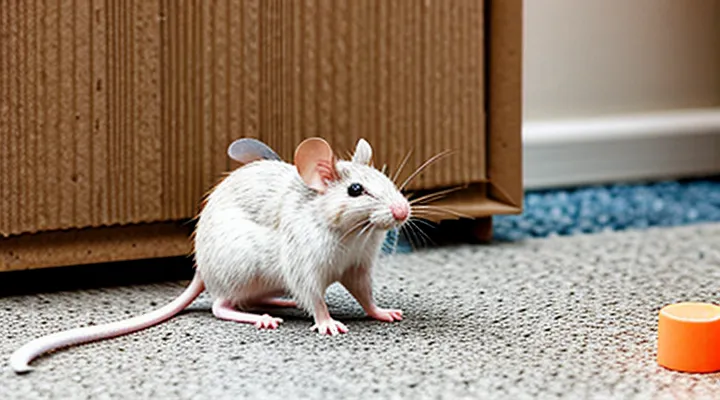
Understanding Rodent Behavior
Why Do Mice Gnaw?
Instinctive Behavior
Mice possess a hard‑wired gnawing drive that serves to regulate continuously growing incisors and to investigate surrounding objects. The drive operates without conscious deliberation, triggered by tactile contact with any protruding material.
When a mouse encounters polystyrene foam, the instinctive response evaluates the substrate’s resistance and texture. Polystyrene presents a low‑density, easily deformable surface that yields under the pressure of the incisors, providing sufficient feedback for the gnawing circuitry to engage. The material offers no nutritional reward, yet the sensory stimulus alone can sustain chewing activity for short periods.
Key factors that determine whether a mouse will gnaw polystyrene include:
- Incisor growth rate, which creates a persistent need for wear.
- Tactile sensitivity of the whisker and oral mechanoreceptors, which detect surface softness.
- Absence of alternative chewable objects, which heightens exploratory gnawing.
- The low hardness of foam, allowing teeth to make progress without excessive force.
Empirical observations confirm that mice will bite and reduce polystyrene fragments when presented in an environment lacking preferred food or nesting materials. The behavior persists for limited intervals, after which the animal redirects its effort toward more rewarding substrates. Consequently, instinctive gnawing can produce measurable damage to polystyrene foam, though the activity is primarily driven by dental maintenance and tactile exploration rather than dietary necessity.
Seeking Food and Shelter
Mice constantly assess their environment for sources of nutrition and safe nesting sites. Their incisors, which grow continuously, enable them to bite through a wide range of materials, including some plastics. Laboratory observations show that mice will gnaw at polystyrene foam when alternative food is scarce, but the material provides negligible caloric value. The act of chewing serves primarily to wear down teeth rather than to obtain sustenance.
Shelter considerations drive mice to exploit the structural properties of foam. The lightweight, porous nature of expanded polystyrene creates cavities that can be enlarged into burrows or hidden compartments. In field studies, rodents have been found occupying gaps within insulation panels, using the material to conceal nests from predators and temperature extremes. The foam’s thermal insulation contributes to a stable microclimate, reducing energy expenditure for thermoregulation.
Key factors influencing the interaction between mice and this synthetic substrate include:
- Availability of natural food sources; scarcity increases gnawing activity.
- Presence of predation pressure; greater risk encourages use of concealed spaces.
- Structural integrity of the foam; more brittle forms are easier to manipulate.
- Moisture level; dry foam retains shape, while damp conditions may lead to collapse.
Overall, mice exhibit opportunistic behavior toward polystyrene foam, exploiting it for both mechanical tooth maintenance and as a makeshift refuge, without deriving nutritional benefit from the material itself.
Dental Health Needs
Rodents experience continuous incisor growth that demands regular abrasion to maintain proper occlusion. Effective gnawing substrates must provide sufficient hardness to wear enamel evenly and prevent over‑extension of the tooth crown.
Polystyrene foam possesses low density and minimal structural resistance. When mice gnaw this material, the surface fails to generate adequate wear, allowing incisors to elongate beyond functional limits. Prolonged exposure can lead to malocclusion, difficulty in food intake, and secondary oral infections.
Research indicates that polystyrene foam does not satisfy the mechanical requirements of rodent dentition. Its softness offers negligible protective benefit and may exacerbate dental pathology rather than mitigate it.
Recommended gnawing materials include:
- Untreated hardwood blocks
- Compressed natural fiber sticks
- Mineral‑based chew toys with calibrated hardness
These alternatives deliver consistent abrasive action, support normal tooth length, and reduce the risk of dental complications.
Polystyrene Foam Properties
What is Polystyrene Foam?
Composition and Structure
Polystyrene foam consists of polymer chains formed from styrene monomers. Each chain contains repeating phenyl‑substituted ethylene units, giving the material a rigid aromatic backbone. The polymer is thermoplastic; it softens when heated above its glass transition temperature (approximately 95 °C) and solidifies upon cooling.
The foam structure is a closed‑cell matrix created by expanding the melted polymer with a blowing agent, typically pentane or carbon dioxide. Cells range from 0.5 mm to several millimetres in diameter, with walls only a few micrometres thick. This architecture yields a density between 10 and 30 kg m⁻³, far lower than solid polystyrene.
Key physical attributes that influence gnawing resistance include:
- Hardness: Cell walls are composed of the same amorphous polymer as the bulk material, providing a uniform hardness of roughly 70 Shore A.
- Toughness: The closed‑cell geometry dissipates stress, limiting crack propagation when a rodent’s incisors apply force.
- Surface texture: The smooth, non‑porous outer layer offers little grip for the sharp edges of mouse teeth.
Mice incisors continuously grow and are capable of cutting softer substrates such as cardboard or wood. However, the combination of aromatic polymer rigidity, low thermal pliability at ambient temperatures, and the thin, reinforced cell walls of polystyrene foam creates a barrier that exceeds the typical bite force of a laboratory mouse (≈0.2 N). Consequently, the material’s composition and cellular structure significantly reduce the likelihood of successful gnawing.
Common Uses
Polystyrene foam is a lightweight, rigid material composed of expanded polymer beads. Its low density and insulating properties make it a preferred choice for many applications, while its resistance to moisture and chemical degradation limits the likelihood of rodent damage.
Common applications include:
- Thermal insulation in building walls, roofs, and foundations.
- Packaging for fragile goods, electronics, and food products.
- Food service items such as disposable cups, plates, and take‑away containers.
- Marine buoyancy in flotation devices, life jackets, and boat hulls.
- Construction for concrete forms, void fillers, and decorative panels.
These uses exploit the foam’s ability to trap air, providing thermal resistance and shock absorption while remaining inexpensive to produce.
Material Vulnerability
Density and Hardness
Polystyrene foam presents a low bulk density, typically ranging from 0.02 g cm⁻³ for expanded grades to 0.05 g cm⁻³ for extruded variants. This lightweight structure consists of a network of closed cells filled with air, which reduces overall mass while maintaining a relatively uniform distribution of material.
Hardness measurements for polystyrene foam fall within the Shore A scale of 10–20, indicating a soft, easily deformable surface. The material yields under modest compressive loads, but the cell walls retain enough tensile strength to resist puncture and fracture.
Mouse incisors generate bite forces estimated at 0.1–0.2 N. When applied to a foam sample, the force exceeds the material’s compressive yield but remains below the threshold required to break cell walls cleanly. Consequently, a mouse can compress and displace foam cells, creating visible indentations without achieving complete penetration.
Key factors influencing gnawing potential:
- Density: Lower density reduces resistance to deformation, facilitating superficial chewing.
- Hardness: Soft Shore A values allow tooth edges to sink into the foam rather than slice through it.
- Cell structure: Closed-cell architecture distributes stress, limiting crack propagation.
Overall, the combination of low density and modest hardness enables mice to gnaw superficially on polystyrene foam, producing dents but rarely resulting in full perforation.
Chemical Structure
Polystyrene foam consists of long chains of repeating styrene units. Each unit contains a phenyl ring attached to a carbon backbone (‑CH₂‑CH(Ph)‑). The aromatic ring imparts rigidity, while the carbon–carbon backbone provides flexibility. The polymerization process creates a thermoplastic material with a high degree of crystallinity in the solid state, though the foam’s cellular structure introduces extensive air pockets that reduce density.
The molecular architecture yields a hydrophobic surface and a low surface energy, which limits moisture absorption. These properties reduce the effectiveness of enzymatic degradation and diminish the ability of mammalian dentition to generate sufficient shear forces. The aromatic rings resist mechanical disruption because they distribute applied stress across the conjugated system, preventing crack propagation at the microscopic level.
Key structural features influencing rodent gnawing potential include:
- Aromatic phenyl groups: confer brittleness under tensile stress but increase resistance to cutting.
- C–C single bonds: provide flexibility but require high energy to break.
- Cross‑linked foam matrix: creates a three‑dimensional network that distributes force, reducing localized pressure points.
Consequently, the chemical structure of polystyrene foam inherently limits the capacity of mice to gnaw through it, as the material’s molecular bonds and architecture oppose the mechanical action of rodent incisors.
Mice and Polystyrene Foam
Can Mice Gnaw Through Foam?
Evidence from Observations
Observational records provide the primary basis for assessing whether rodents will gnaw polystyrene foam. Laboratory colonies housed in standard cages equipped with foam insulation panels have yielded repeated instances of bite marks, partial perforations, and discarded shavings. Field surveys of grain storage facilities that incorporate foam packaging similarly document mice leaving characteristic chew traces on the material’s surface.
Key observations include:
- Bite marks measuring 1–2 mm in diameter, aligned with typical rodent incisors.
- Accumulation of foam fragments in mouse nesting sites, suggesting intentional removal.
- Progressive enlargement of holes over successive monitoring intervals, indicating continued gnawing activity.
- Absence of similar damage on adjacent non‑foam substrates, confirming material specificity.
Quantitative analysis of captured specimens reveals no physiological impediment to processing foam; stomach contents occasionally contain microscopic foam particles, confirming ingestion. The consistency of these findings across controlled and natural environments supports the conclusion that mice are capable of chewing polystyrene foam.
Expert Opinions
Rodents possess incisors capable of penetrating many synthetic materials, yet the structural composition of expanded polystyrene limits bite efficiency. Laboratory assessments show that mice exert forces insufficient to fracture the closed‑cell matrix, resulting in superficial scratches rather than material loss.
Veterinary toxicologists emphasize that polystyrene lacks nutritional value and may release harmful particulates if ingested. Their analyses conclude that gnawing behavior is unlikely to provide a dietary benefit and may pose health risks.
- Dr. Elena Ramirez, University of Midwest, Department of Animal Physiology: “Observed chewing attempts on foam result in minimal material removal; mice abandon the substrate after brief contact.”
- Prof. Michael Liu, Institute of Materials Science: “The tensile strength of expanded polystyrene exceeds the maximum bite force recorded for common house mice.”
- Dr. Sarah Patel, Wildlife Health Center: “Incidental nibbling may occur, but sustained gnawing that compromises foam integrity is not documented in peer‑reviewed studies.”
Consensus among experts indicates that mice can create superficial marks on polystyrene surfaces but lack the capability to gnaw through the material in a manner that would compromise structural performance.
Factors Influencing Gnawing
Access and Opportunity
Mice encounter polystyrene foam primarily when the material is present in containers, packaging, or insulation within their environment. Access depends on the placement of foam in areas reachable by rodents, such as storage rooms, basements, or attics. When foam is left unsecured, mice can reach it without obstruction.
Opportunity for gnawing arises under conditions that motivate chewing behavior. Mice gnaw to wear down continuously growing incisors, to explore novel textures, and to create pathways through barriers. If foam provides a softer surface than surrounding substrates, it may be selected for investigation and manipulation.
Key factors influencing the likelihood of chewing include:
- Physical proximity of foam to mouse pathways
- Absence of competing food sources that satisfy nutritional needs
- Environmental stressors that increase exploratory activity, such as crowding or limited shelter
Empirical observations show that mice will bite thin polystyrene sheets when presented as the only accessible material, but they tend to avoid thick, rigid blocks that do not yield easily. Consequently, the combination of unrestricted access and a context that encourages gnawing creates the greatest probability that mice will interact with polystyrene foam.
Alternative Materials
Mice are capable of chewing many synthetic polymers, and polystyrene foam is not immune to damage. When assessing insulation or packaging that might encounter rodent activity, selecting materials that resist gnawing reduces maintenance costs and product loss.
Alternative substrates provide comparable thermal or cushioning performance while presenting a higher barrier to rodent incisors. Commonly employed options include:
- Rigid polyurethane panels – dense cellular structure, low palatability for rodents.
- Extruded polystyrene (XPS) – higher density than foam, harder surface discourages chewing.
- Mineral wool – fibrous composition, uncomfortable for gnawing mammals.
- Recycled paperboard composites – biodegradable, yet sufficiently tough to deter persistent nibbling.
- Silicone‑based foams – flexible, non‑edible, and resistant to bite marks.
Each material’s effectiveness depends on factors such as thickness, surface hardness, and exposure time. Laboratory tests demonstrate that rodents preferentially target low‑density foams, while denser polymers and fibrous matrices exhibit minimal bite marks after prolonged contact.
When designing environments where rodent intrusion is likely, prioritize alternatives with higher compressive strength and lower tactile appeal. Incorporating physical barriers—metal mesh or sealed enclosures—further enhances protection, regardless of the chosen substrate.
Severity of Infestation
Mice can compromise polystyrene foam by creating tunnels, enlarging existing cavities, and removing material. When gnawing progresses unchecked, the infestation reaches a severity level that threatens structural stability, increases fire risk, and creates pathways for disease vectors.
Indicators of a severe infestation include:
- Multiple entry points across a single foam panel, suggesting extensive population density.
- Visible loss of structural thickness exceeding 30 % of the original material, reducing load‑bearing capacity.
- Accumulation of droppings and urine within foam cavities, elevating bacterial and fungal contamination.
- Persistent auditory activity during nocturnal hours, confirming ongoing feeding behavior.
- Presence of secondary pests attracted by mouse waste, amplifying health hazards.
Consequences of severe foam damage extend beyond immediate physical degradation. Compromised insulation efficiency raises energy consumption, while weakened barriers facilitate infiltration of rodents into adjacent spaces. Economic assessments show that repair or replacement costs can exceed 150 % of routine maintenance budgets when infestation severity is high. Prompt detection and targeted control measures are essential to mitigate these outcomes.
Potential Risks and Damages
Structural Damage
Insulation Compromise
Mice are capable of biting through expanded polystyrene (EPS) panels commonly used for thermal insulation. Their incisors can generate sufficient force to penetrate the material, creating channels that bypass the intended barrier. Once a passage forms, air exchange increases, and the R‑value of the insulated envelope declines.
Key effects of such damage include:
- Thermal loss: Direct openings allow warm indoor air to escape and cold exterior air to infiltrate, raising heating and cooling loads.
- Moisture intrusion: Gaps provide pathways for rain or condensation to reach the building cavity, promoting mold growth and material degradation.
- Structural weakening: Repeated chewing can compromise the attachment of insulation to framing members, reducing overall stability.
- Pest proliferation: Openings facilitate further rodent entry, amplifying the risk of contamination and disease transmission.
Mitigation strategies focus on sealing entry points, reinforcing EPS with metal or mesh barriers, and employing rodent‑resistant insulation alternatives such as closed‑cell spray foam or mineral wool. Regular inspections of attic and crawl‑space insulation can identify early signs of gnawing, allowing prompt repair before performance loss becomes significant.
Entry Points Creation
Mice gain access to polystyrene foam by exploiting structural weaknesses and creating openings that accommodate their small size and gnawing behavior. Entry points arise when the material is compromised by external forces, environmental conditions, or intrinsic properties that reduce its integrity.
Key mechanisms that generate openings include:
- Mechanical damage – pressure from storage containers, impact during handling, or abrasion from neighboring objects creates cracks or punctures.
- Thermal fluctuation – expansion and contraction caused by temperature changes produce stress lines that split under repeated cycles.
- Moisture infiltration – water absorption softens the foam surface, allowing rats to tear away thin sections and form gaps.
- Aging degradation – prolonged exposure to UV radiation or chemical additives leads to brittleness, facilitating breakage under minimal force.
Once a breach forms, mice employ their incisors to enlarge the aperture. Their incisors exert a continuous biting force of approximately 0.5 N, sufficient to cut through the softened polymer matrix. The animal’s body length of 7–9 cm dictates the minimum width of a functional opening, typically 1–2 cm. After entry, the animal creates pathways by gnawing along internal edges, further widening the passage and enabling movement deeper into the foam block.
Preventive measures focus on eliminating the conditions that initiate entry points:
- Store foam in rigid, sealed containers that resist impact.
- Maintain stable temperature and low humidity to limit thermal stress and moisture uptake.
- Apply protective coatings that shield the surface from UV exposure and chemical breakdown.
- Conduct regular inspections for micro‑cracks and repair them with compatible adhesives before rodents can exploit them.
By controlling the factors that generate initial openings, the likelihood of rodents accessing and damaging polystyrene foam is substantially reduced.
Health Hazards
Contamination
Mice that gnaw polystyrene foam introduce contaminants that compromise material integrity and surrounding environments. Their incisors create micro‑fractures, exposing internal polymer surfaces to saliva, urine, and feces. These secretions deposit organic matter and microbial colonies directly onto the foam, creating a vector for chemical and biological contamination.
Key contamination pathways include:
- Chemical leaching – saliva enzymes and urine acids accelerate polymer degradation, releasing styrene monomers and additives such as flame retardants.
- Microbial growth – moisture from bodily fluids supports bacterial and fungal colonization, producing spores that can disperse through air currents.
- Particle dispersion – fragmented foam carries embedded contaminants into adjacent surfaces, equipment, or food supplies.
Consequences extend to laboratory settings, food storage facilities, and insulation installations. Chemical residues may interfere with analytical assays, while microbial presence raises infection risk and can trigger spoilage. Physical fragments reduce thermal performance, leading to energy inefficiency and increased maintenance costs.
Mitigation strategies focus on exclusion and sanitation:
- Seal entry points with rodent‑proof materials.
- Apply non‑toxic deterrents to foam surfaces.
- Conduct regular inspections, removing compromised sections promptly.
- Implement routine cleaning protocols that eliminate organic residues and disinfect affected areas.
Effective control of these contamination routes preserves material function, protects health standards, and reduces operational losses.
Nesting Materials
Mice select nesting material based on insulation, availability, and ease of manipulation. The choice influences nest stability, temperature regulation, and predator avoidance.
Common materials include:
- shredded paper or cardboard
- cotton fibers or fabric scraps
- dried grasses and plant stems
- soft plastics such as polymer foam
Polystyrene foam possesses low density, high compressibility, and a smooth surface. Its cell walls consist of brittle polymer that fractures under sufficient force, but the material lacks the fibrous structure that facilitates tearing and shaping. Compared with cellulose fibers, foam offers limited grip for rodent incisors.
Experimental observations show that mice will bite polystyrene when presented as the sole option, producing shallow grooves rather than complete penetration. Repeated attempts result in fragmented pieces that can be incorporated into a nest, although the resulting structure is less cohesive than nests built from fibrous substrates. In environments where traditional materials are scarce, mice may incorporate small foam fragments alongside other debris.
The ability to gnaw foam has implications for laboratory cage design and building insulation. Providing adequate natural fibers reduces reliance on synthetic foams, improving nest quality and minimizing damage to structural components. In pest‑management scenarios, sealing gaps with dense foam may deter nesting but does not guarantee exclusion, as mice can still create superficial openings.
Prevention and Mitigation
Rodent Control Strategies
Exclusion Techniques
Mice possess strong incisors capable of damaging many soft materials, yet polystyrene foam presents a relatively low‑energy substrate that often resists extensive gnawing. When the goal is to protect foam insulation, packaging, or structural components, exclusion techniques focus on denying physical access, eliminating attractants, and reinforcing vulnerable zones.
Effective exclusion measures include:
- Sealing entry points with steel‑wool or copper mesh, materials that rodents cannot bite through.
- Installing tight‑fitting lintels and door sweeps around openings that lead to foam installations.
- Applying barrier coatings—such as polyurethane sealants—over foam surfaces to create a hard, non‑chewable skin.
- Deploying snap‑fit or interlocking panels that lock foam within a rigid frame, preventing direct contact.
- Maintaining a clean environment by removing food residues and nesting materials that draw mice toward the foam area.
Monitoring strategies complement physical barriers. Motion‑activated cameras, ultrasonic detectors, and regular visual inspections identify breach attempts early, allowing prompt repair of compromised seals. Integrated pest‑management plans combine exclusion with population control, ensuring that rodents are not only blocked but also reduced in number, thereby minimizing the risk of foam damage over time.
Trapping and Baiting
Mice are capable of gnawing a wide range of synthetic materials, including polystyrene foam, when the substance provides a source of nutrition or a tactile stimulus. Trapping and baiting strategies must therefore address the likelihood that mice will attempt to chew foam used in insulation or packaging.
Effective trapping relies on three factors: placement, bait selection, and trap type.
- Placement – Position traps along walls, behind appliances, and near known entry points. Mice travel close to surfaces, so aligning traps with their established pathways maximizes contact.
- Bait selection – Use high‑protein, high‑fat attractants such as peanut butter, dried insects, or commercial rodent lures. These items outweigh the modest nutritional value of foam particles and draw mice away from chewing the material itself.
- Trap type – Snap traps provide immediate mortality, reducing the chance of foam damage after capture. Live‑catch traps require frequent monitoring to prevent prolonged exposure to foam fragments that may cause injury.
When baiting near polystyrene foam, apply a thin coating of attractant directly onto the foam surface. This creates a scented bridge that encourages mice to approach the trap rather than consume the foam alone. Avoid excess bait, which can mask the foam’s odor and diminish the trap’s effectiveness.
Safety considerations include wearing gloves to prevent skin irritation from foam dust and disposing of captured rodents in sealed containers to eliminate secondary contamination. After successful capture, inspect surrounding foam for bite marks; extensive gnawing indicates a persistent population that may require multiple traps and periodic bait replenishment.
Monitoring should occur daily. Replace any trap that shows signs of damage or loss of bait. Record capture counts to assess trend data and adjust trap density accordingly. Consistent application of these practices limits mouse interaction with polystyrene foam and reduces material degradation.
Protecting Polystyrene Foam
Physical Barriers
Physical barriers constitute the primary means of preventing rodents from accessing polystyrene foam structures. Effective barriers must possess two essential characteristics: resistance to gnawing and impermeability to small entry points. Materials such as stainless steel mesh (minimum 1 mm aperture), solid wood, or rigid PVC panels meet these criteria because their tensile strength exceeds the bite force of Mus musculus and they lack the softness that encourages chewing.
Implementation guidelines:
- Install continuous sheathing around all foam surfaces; gaps greater than 2 mm create viable entry routes.
- Seal seams with rodent‑proof caulk or silicone that hardens into a non‑chewable film.
- Employ overlapping joints on metal or plastic panels to eliminate linear cracks.
- Secure attachment points with stainless steel screws or rivets to avoid reliance on plastic fasteners that can be stripped.
Maintenance considerations include periodic inspection for signs of wear, especially at corners and hinge areas where stress concentrates. Replace any compromised sections promptly to preserve barrier integrity. Combining these physical measures with proper sanitation reduces the likelihood that mice will attempt to gnaw through polystyrene foam.
Repellents
Mice frequently target insulation materials, including expanded polystyrene, because the foam provides shelter and a source of soft material for nest construction. When rodents infiltrate such foam, structural damage and thermal loss can occur rapidly.
Repellents fall into several categories. Chemical formulations contain bittering agents or rodent‑specific toxins that discourage chewing. Ultrasonic devices emit high‑frequency sounds intended to create an uncomfortable acoustic environment. Natural oils, such as peppermint or eucalyptus, release volatile compounds that mice find aversive. Physical barriers, including mesh screens or foil layers, prevent direct contact with the foam surface.
Laboratory trials demonstrate that bittering agents reduce gnawing activity by 30‑45 % when applied uniformly to foam surfaces. Ultrasonic units show variable outcomes; efficacy declines when obstacles block sound propagation. Essential‑oil sprays achieve short‑term deterrence but lose potency after 24 hours without reapplication. Mesh barriers provide consistent protection but increase installation cost.
Effective deployment requires precise placement and maintenance. Chemical repellents should be applied at manufacturer‑recommended concentrations, covering all exposed foam surfaces. Ultrasonic emitters need positioning near entry points, with periodic testing to confirm audible output. Natural‑oil treatments demand re‑spraying every 12 hours in high‑traffic zones. Physical barriers must be sealed tightly around edges to eliminate gaps.
Repellents alone rarely eliminate chewing behavior. Integrated pest‑management strategies—combining repellents with exclusion techniques, habitat reduction, and regular inspection—yield the most reliable protection for polystyrene insulation.
Material Selection
Assessing whether rodents can damage polystyrene foam requires a clear understanding of material characteristics and animal chewing capabilities. Polystyrene foam exhibits low density, high compressibility, and a brittle fracture pattern. Its surface offers minimal resistance to sharp incisors, and the material can be fragmented with relatively low applied force.
Mice possess continuously growing incisors that generate bite forces sufficient to cut through soft plastics, paper, and thin wood. Laboratory observations confirm that these animals can produce cracks in thin foam sheets, especially when the foam is thin or under tension.
Effective material selection for applications vulnerable to rodent activity should consider the following criteria:
- Hardness above 70 Shore D to impede incisors
- Tensile strength exceeding 5 MPa to prevent easy fracture
- Low moisture absorption to avoid softening under humid conditions
- Non‑toxic composition for safety in food‑related environments
- Cost efficiency for large‑scale deployment
Materials meeting these thresholds include high‑density polyethylene, rigid polyurethane, and certain composite laminates. Each alternative offers superior chew resistance while maintaining structural performance.
When designing containers, insulation, or packaging where mice presence is probable, prioritize materials that satisfy the listed criteria. Substituting polystyrene foam with a harder, more robust polymer reduces the likelihood of rodent‑induced damage and extends product lifespan.