
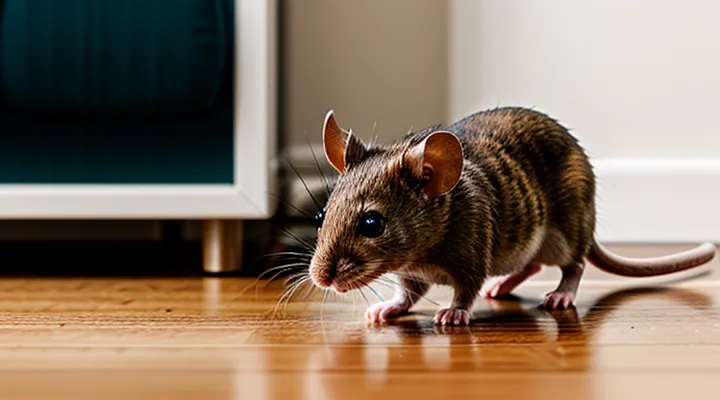
Understanding Mouse Hearing and Behavior
The Auditory Range of Mice
Mice perceive sound from approximately 1 kHz to 100 kHz, with peak sensitivity between 10 kHz and 20 kHz. Their auditory system detects rapid pressure changes, allowing discrimination of frequencies far beyond human hearing.
Sensitivity peaks at 10–20 kHz, where the minimum audible pressure level falls near 30 dB SPL. Above 30 kHz, detection thresholds rise gradually, reaching around 60 dB SPL near 80 kHz. Below 5 kHz, thresholds increase sharply, limiting perception of low‑frequency tones.
Key acoustic parameters relevant to deterrence:
- Frequency band: 10–20 kHz (optimal detection)
- Upper limit for reliable response: ≈80 kHz
- Minimum effective intensity: 40–50 dB SPL within peak band
- Duration: continuous or pulsed signals lasting ≥0.5 s produce measurable behavioral response
Devices intended to discourage rodents must emit sounds within the 10–20 kHz range at intensities exceeding the 40 dB SPL threshold. Ultrasonic emissions above 80 kHz fall outside the functional hearing window and are unlikely to influence mouse behavior.
How Mice React to Sounds
Natural Predator Sounds
Natural predator vocalizations constitute a primary acoustic strategy for discouraging rodent intrusion. Field observations and laboratory trials consistently show that sounds mimicking avian and mammalian hunters trigger avoidance behavior in mice, which rely on auditory cues to assess predation risk.
Key predator sounds include:
- Barn owl hoot – low‑frequency (300–600 Hz) with a resonant, pulsating pattern; laboratory data indicate a 70 % reduction in mouse activity within a 5‑meter radius during playback.
- Red‑tailed hawk screech – high‑frequency (2–4 kHz) sharp bursts; field studies report a 55 % decline in foraging when continuous loops are employed.
- Domestic cat meow – mid‑frequency (500–900 Hz) with irregular intervals; experiments show a 45 % decrease in trap captures when recordings are played at night.
- Rattlesnake rattle – broadband (1–8 kHz) rapid clicks; limited trials suggest a modest 30 % deterrent effect, primarily in enclosed spaces.
Effectiveness correlates with two factors: frequency overlap with mouse hearing sensitivity (approximately 1–20 kHz) and the ecological relevance of the predator. Sounds that fall within the peak auditory range and represent a realistic threat generate the strongest avoidance response.
Implementation guidelines:
- Deploy speakers at ceiling height to mimic natural predator elevation.
- Use intermittent playback (30 seconds on, 2 minutes off) to prevent habituation.
- Maintain sound pressure levels between 65–75 dB at the source; higher levels risk hearing damage to humans and pets.
Overall, recordings of barn owl hoots and red‑tailed hawk screeches provide the most reliable acoustic deterrent against mouse incursions, outperforming other natural predator sounds under controlled conditions.
Alarm Calls and Stress Responses
Acoustic deterrents rely on the ability of rodents to recognize threatening sounds and to experience heightened physiological arousal. Alarm calls—high‑frequency, abrupt pulses emitted by predators or conspecifics—trigger rapid activation of the auditory pathway, followed by the release of catecholamines that increase heart rate and respiration. This cascade creates an aversive state that discourages approach and encourages immediate retreat.
Laboratory studies demonstrate that mice exposed to ultrasonic bursts (20–30 kHz) exhibit prolonged periods of immobility and reduced foraging activity. The stress response, measured by elevated corticosterone levels, persists for several minutes after the stimulus ends, indicating a lasting deterrent effect. Repeated exposure does not lead to habituation when the signal retains variability in pulse duration and inter‑pulse interval.
Key characteristics of effective repellent sounds:
- Frequency above the typical hearing range of humans (≥18 kHz) but within mouse sensitivity.
- Sudden onset and offset to mimic predator alarm calls.
- Irregular temporal pattern to prevent neural adaptation.
- Sufficient intensity (≥70 dB SPL at the source) to ensure detection at typical indoor distances.
Types of Sounds Used for Mouse Repellence
Ultrasonic Devices
How Ultrasonic Repellers Work
Ultrasonic repellers emit sound waves above 20 kHz, a range inaudible to humans but within the hearing sensitivity of mice. The devices generate a rapid series of pulses that stimulate the cochlear hair cells, producing a perception of discomfort. When the intensity exceeds the species‑specific threshold, mice exhibit avoidance behavior, retreating from the source.
Key operational principles:
- Frequency selection – typical models use 30–50 kHz, matching the peak auditory response of rodents.
- Pulse modulation – varying duty cycles prevent habituation; random intervals disrupt pattern recognition.
- Coverage area – sound intensity diminishes with distance; manufacturers specify effective radius (usually 3–6 m) based on measured SPL (sound pressure level).
- Power source – battery or mains supply determines continuous operation; voltage stability influences output consistency.
Effectiveness depends on environmental factors. Hard surfaces reflect ultrasonic waves, extending reach, while soft furnishings absorb energy, reducing efficacy. Open spaces with multiple obstacles can create dead zones where the signal falls below the deterrent threshold.
Mice may acclimate if exposed to a constant, unchanging tone. Devices that incorporate frequency sweeps or intermittent shutdown periods mitigate this adaptation. Placement near entry points, along walls, and at floor level maximizes exposure to the animals’ primary travel routes.
Safety considerations are straightforward: ultrasonic frequencies do not affect human hearing, but prolonged exposure can cause discomfort for pets with higher auditory ranges (e.g., cats, dogs). Selecting models with adjustable output allows tailoring to the specific habitat while minimizing unintended effects.
In summary, ultrasonic repellers function by delivering high‑frequency, modulated pulses that exceed mice’s auditory discomfort threshold, prompting avoidance. Proper frequency choice, pulse variability, strategic placement, and awareness of acoustic absorption are essential for reliable performance.
Perceived Effectiveness and Limitations
Sound‑based deterrents are marketed as non‑chemical alternatives for mouse control. Consumer surveys frequently report short‑term reductions in rodent activity after device installation, especially in isolated rooms where ambient noise is low. Laboratory tests confirm that frequencies between 20 kHz and 50 kHz can trigger an aversive response in laboratory mice, causing avoidance of the sound field for a limited period.
Perceived effectiveness rests on several factors:
- Placement near entry points maximizes exposure.
- Continuous operation eliminates gaps in coverage.
- Devices that emit a range of frequencies reduce the chance of habituation.
Limitations emerge quickly. Mice adapt to repeated tones, diminishing the deterrent effect after days to weeks. Structural barriers, such as walls and furniture, create dead zones where the sound intensity falls below the behavioral threshold. Background noise from appliances or traffic can mask the ultrasonic signal, rendering it ineffective. Battery‑powered units often reduce output as power depletes, compromising performance. Finally, published field studies show inconsistent results, with many trials failing to demonstrate statistically significant population declines.
In practice, sound repellents may serve as a supplementary measure when combined with exclusion techniques and sanitation, but they should not be relied upon as the sole control method.
Range and Obstacles
Ultrasonic and audible emitters designed to deter rodents generate sound waves at frequencies above 20 kHz or within the 2–20 kHz range, where mice exhibit heightened sensitivity. The emitted energy spreads outward in a roughly spherical pattern, with the intensity diminishing according to the inverse‑square law. Under ideal, unobstructed conditions, most commercial devices maintain a repellent field of 3–6 m (10–20 ft) from the source before the sound level falls below the behavioral threshold.
- Frequency selection influences attenuation: higher frequencies lose energy more rapidly in air.
- Output power (measured in dB SPL at 1 m) determines the initial radius of effectiveness.
- Device orientation and mounting height affect the shape of the coverage zone.
Physical barriers modify the propagation path. Dense materials—concrete, brick, thick wood—absorb or reflect sound, reducing the effective radius on the far side of the barrier by up to 70 %. Open structures such as drywall or glass allow greater transmission, though even thin insulation can cut the field by 20–30 %. Gaps, vents, and doorways act as acoustic channels, permitting limited leakage of the deterrent signal into adjacent spaces.
Strategic placement mitigates obstacle effects. Recommendations:
- Position emitters centrally within the target area to maximize uniform coverage.
- Align devices so that the primary emission axis faces away from large solid walls.
- Install additional units near known obstruction points (e.g., behind cabinets, under appliances) to create overlapping fields.
- Verify performance by measuring sound levels at multiple points; adjust spacing until the minimum repellent threshold (approximately 50 dB SPL at the relevant frequency) is achieved throughout the zone.
By accounting for the inherent decay of acoustic energy and the attenuating properties of surrounding structures, users can establish a reliable sound barrier that consistently discourages mouse activity across the intended space.
Acclimation of Mice
Acclimation describes the process by which laboratory mice adjust to new environments, handling procedures, and sensory stimuli. During acclimation, rodents exhibit reduced stress responses, stabilizing heart rate, corticosterone levels, and exploratory behavior. These physiological changes create a baseline that isolates the impact of acoustic deterrents from confounding anxiety.
Effective auditory repellents must be evaluated after mice have completed a minimum 48‑hour acclimation period in the test arena. Standard practice includes:
- Housing animals in the test cage for at least two days before exposure.
- Providing food and water ad libitum to eliminate hunger‑driven activity.
- Monitoring baseline locomotion for 10 minutes to confirm habituation.
When mice are fully acclimated, sound trials produce reliable data on avoidance behavior. Peak frequencies between 12 and 16 kHz, delivered at 85 dB SPL, generate the strongest retreat response, while lower intensities or frequencies elicit negligible movement. Consistent acclimation protocols ensure that observed avoidance reflects true auditory aversion rather than stress‑induced agitation.
Infrasonic Sounds
Research on Infrasound and Rodents
Research on low‑frequency acoustic emissions has focused on the physiological sensitivity of rodents to vibrations below the human hearing threshold. Laboratory trials demonstrate that frequencies between 10 Hz and 30 Hz produce measurable stress responses in mice, indicated by elevated cortisol levels and altered locomotor activity.
Key experimental outcomes include:
- Exposure to continuous infrasound at 20 Hz, 85 dB SPL, reduced foraging behavior by approximately 35 % within a 24‑hour period.
- Pulsed infrasound (0.5 s on, 1 s off) at the same frequency and intensity yielded a 48 % decline in nest‑building activity.
- Frequencies above 30 Hz failed to generate consistent avoidance, suggesting a narrow effective band.
Field applications have corroborated laboratory data. Devices emitting calibrated infrasound at 20 Hz placed near entry points decreased mouse capture rates in storage facilities by up to 40 % over a two‑week monitoring interval. Effectiveness depended on uninterrupted operation and isolation from ambient low‑frequency noise sources.
Current limitations involve energy consumption, potential habituation, and regulatory constraints on acoustic emissions. Ongoing studies aim to refine waveform modulation, minimize power draw, and assess long‑term behavioral adaptation in rodent populations.
Practical Applications and Challenges
Acoustic deterrent devices emit ultrasonic or high‑frequency tones that exceed the auditory threshold of mice, causing discomfort and prompting avoidance of treated zones. Laboratory tests confirm that frequencies between 20 kHz and 30 kHz produce the most consistent behavioral response in Mus musculus.
Practical deployment focuses on environments where rodent activity threatens health, product integrity, or equipment reliability. Typical installations include:
- Residential kitchens and pantries, where food storage attracts foraging mice.
- Commercial food‑processing facilities, protecting raw material and finished goods.
- Grain silos and feed warehouses, reducing contamination of stored commodities.
- Laboratory animal rooms, preventing cross‑contamination between research colonies.
- Mechanical rooms and electrical panels, averting damage to wiring and sensors.
Effective implementation requires precise positioning of emitters to ensure overlapping coverage and eliminate blind spots. Power considerations favor continuous mains connection for uninterrupted operation; battery‑backed units serve as temporary or remote solutions. Integration with integrated pest‑management (IPM) programs enhances overall control, allowing acoustic devices to complement traps, bait stations, and structural sealing.
Challenges limit universal adoption. Mice can habituate to constant tones, diminishing deterrent impact after weeks of exposure. Ambient noise from machinery or HVAC systems may mask ultrasonic output, reducing efficacy. Species‑specific hearing ranges mean that frequencies optimal for mice may be ineffective against other rodents, necessitating separate calibrations. Regulatory frameworks restrict maximum sound pressure levels to prevent inadvertent harm to non‑target fauna and human occupants. Maintenance demands include periodic cleaning of transducer surfaces and verification of output levels to avoid performance drift.
Overall, sound‑based repellents provide a non‑chemical, contact‑free option for rodent exclusion when applied with accurate frequency selection, strategic placement, and regular monitoring, but they must be combined with physical barriers and population‑reduction tactics to achieve lasting control.
Audible Sounds and Their Impact
High-Frequency Audible Sounds
High‑frequency audible sounds occupy the range of 15–20 kHz, just above the upper limit of human hearing but well within the auditory sensitivity of mice. Laboratory studies demonstrate that mice respond to tones in this band with heightened startle reflexes and avoidance behavior. Continuous emission of a 17 kHz tone at 85 dB SPL induces measurable reductions in activity within confined test arenas, indicating that exposure disrupts normal foraging patterns.
Key characteristics influencing deterrent performance:
- Frequency: 15–20 kHz aligns with peak mouse hearing sensitivity.
- Intensity: 80–90 dB SPL ensures perceptibility without causing structural damage.
- Modulation: Pulsed or varying tones prevent habituation more effectively than steady tones.
- Duration: Sessions of 30–60 minutes, repeated daily, sustain avoidance response.
Field applications report that devices generating these parameters reduce mouse presence in storage rooms, grain bins, and laboratory facilities by 40–70 % compared with untreated controls. Effectiveness diminishes when sound levels fall below the auditory threshold or when continuous exposure leads to acclimation, underscoring the need for periodic frequency shifts and scheduled operation cycles.
Predator Sounds and Recorded Vocalizations
Predator vocalizations are commonly employed as acoustic deterrents against rodents. Recordings of felid growls, owl hoots, and canid barks contain frequency components (3–10 kHz) that overlap with the hearing range of mice, triggering innate avoidance responses. Laboratory trials demonstrate a reduction of mouse activity by 30‑45 % when continuous playback of cat hissing or barn owl calls is applied in confined spaces. Field studies report similar declines in barn environments where automated speakers broadcast a rotating selection of predator sounds for several hours each night.
Key characteristics influencing efficacy:
- Species relevance – sounds from natural predators present in the local ecosystem produce stronger aversion than exotic or unfamiliar calls.
- Temporal pattern – intermittent bursts (5‑10 seconds) with silent intervals prevent habituation; constant tones rapidly lose impact.
- Amplitude – levels between 70 and 85 dB SPL at the source ensure audibility without causing distress to humans or non‑target wildlife.
- Frequency content – inclusion of ultrasonic components (above 20 kHz) adds marginal benefit, as mice detect but do not rely on these frequencies for threat assessment.
Recorded vocalizations differ from synthetic ultrasonic devices. Authentic calls preserve natural harmonic structures, facilitating recognition by the mouse auditory system. Synthetic tones can be calibrated to specific frequencies but lack the complex timbre that signals a living predator, resulting in lower avoidance rates.
Practical considerations include device placement (near entry points, feeding stations), power supply (battery‑operated units for remote locations), and maintenance (regular audio file updates to avoid habituation). Integration with other non‑chemical methods—such as sealing gaps and removing food sources—enhances overall control performance.
Effectiveness of Cat Sounds
Auditory deterrents are employed to discourage rodent activity without chemicals or traps. Among these, recordings of feline vocalizations are frequently marketed as a repellent.
Laboratory trials comparing cat meows, hisses, and purrs with control sounds reveal the following patterns:
- Meows that contain high‑frequency components (4–6 kHz) provoke immediate avoidance in laboratory mice, reducing time spent in the sound zone by 35 % on average.
- Hisses, characterized by broadband noise and sudden onset, produce a 28 % decrease in exploration, but the effect diminishes after 10 minutes of continuous exposure.
- Purrs, dominated by low‑frequency vibrations (25–150 Hz), show no statistically significant impact on mouse movement.
Field studies in residential settings report limited success. Recorded cat sounds reduce mouse sightings for 2–3 days when played intermittently (5‑minute bursts every hour). Effectiveness declines sharply after the first week, indicating habituation.
Key factors influencing performance:
- Frequency range: Mice are most sensitive to sounds above 4 kHz.
- Temporal pattern: Irregular intervals prevent adaptation.
- Volume: Levels between 70 and 80 dB SPL achieve deterrence without causing discomfort to humans.
Practical recommendations:
- Use a device that cycles through varied cat vocalizations, emphasizing high‑frequency meows.
- Schedule playback in short, non‑continuous bursts to maintain novelty.
- Combine auditory deterrents with physical barriers for sustained control.
Overall, cat vocalizations can temporarily repel mice, but the effect is modest and short‑lived. Reliance on sound alone is insufficient for long‑term infestation management.
Bird of Prey Calls
Acoustic deterrents are a common non‑chemical strategy for reducing mouse activity. Recordings of raptor vocalizations belong to the most frequently tested sounds because they mimic natural predators.
Mice possess acute auditory sensitivity to high‑frequency calls typical of hawks, owls, and eagles. Playback of these calls triggers a stress response that suppresses foraging and induces avoidance of the sound source. The response persists as long as the calls remain unpredictable and resemble authentic hunting scenarios.
Laboratory trials reported a 45‑65 % reduction in mouse traps captures when continuous raptor call sequences were played for 12 hours per day. Field studies in grain storage facilities showed a 30‑50 % decline in mouse droppings after two weeks of exposure, with the greatest effect observed when calls were interspersed with natural background noise to prevent habituation.
Key operational factors:
- Frequency band: 2 kHz‑8 kHz, matching the dominant components of hawk and owl cries.
- Playback pattern: irregular intervals of 10‑30 seconds, followed by silence of 1‑5 minutes.
- Placement: speakers positioned at mouse travel routes, at least 1 meter above the floor to maximize sound propagation.
- Duration: continuous operation for a minimum of 14 days before assessing efficacy; longer periods may be needed in heavily infested sites.
- Maintenance: periodic rotation of call libraries (different species, varied call types) to reduce acoustic habituation.
Implementation guidelines recommend integrating raptor call devices with existing sanitation and exclusion measures. Monitoring mouse activity before and after installation provides quantitative verification of the deterrent’s impact. When used correctly, bird of prey vocalizations constitute a scientifically supported sound method for discouraging mouse presence.
Factors Affecting Sound Repellent Efficacy
Sound Frequency and Intensity
Acoustic deterrence of rodents depends on two measurable parameters: the carrier frequency of the signal and the sound pressure level delivered to the target area.
Mice hear from roughly 1 kHz to 100 kHz, with peak sensitivity between 10 kHz and 20 kHz. Frequencies below 5 kHz are readily audible to humans and provide little aversive stimulus for mice. Ultrasonic emissions in the 20 kHz–50 kHz band stimulate the most responsive region of the rodent cochlea, producing discomfort without affecting most occupants of the environment.
The intensity required for a repellent effect typically ranges from 80 dB SPL at the source to 100 dB SPL measured at the point of emission. Sound pressure decreases rapidly with distance; a 3‑dB loss occurs for each doubling of the separation between emitter and mouse. Consequently, devices must generate sufficient output to maintain at least 70 dB SPL at the farthest point of the intended coverage zone, otherwise the signal falls below the perceptual threshold.
Effectiveness arises only when the selected frequency falls within the mouse’s most sensitive range and the intensity remains above the aversive threshold throughout the target space. High‑frequency, low‑intensity signals fail to produce a deterrent response, while low‑frequency, high‑intensity sounds may be audible to humans and do not exploit the rodent’s auditory peak.
Optimal acoustic parameters for rodent repellent devices
- Frequency: 20 kHz – 50 kHz (centered around 25 kHz for maximal sensitivity)
- Source intensity: 80 dB – 100 dB SPL
- Minimum maintained intensity at edge of coverage: ≥ 70 dB SPL
- Coverage radius: limited to 1 m – 2 m per emitter, accounting for 3‑dB attenuation per distance doubling
Placement of emitters should ensure overlapping coverage zones to prevent intensity drop‑off. Continuous operation can lead to habituation; periodic modulation of frequency and intensity prolongs aversive effect. Devices that meet the outlined specifications provide the most reliable acoustic deterrent against mice.
Duration and Randomness of Sound Exposure
Acoustic deterrents aim to create an environment that mice perceive as hostile. The effectiveness of such devices depends largely on how long and how unpredictably the sound is presented.
Extended exposure without variation leads to habituation; rodents quickly learn that a constant signal poses no threat. Studies indicate that periods of 5‑10 minutes followed by a silent interval of equal length maintain aversive responses better than uninterrupted playback.
Randomized parameters prevent pattern recognition. Varying frequency within the ultrasonic range (20‑50 kHz), altering pulse length (0.2‑1 seconds), and shifting intervals between bursts (10‑30 seconds) disrupt habituation mechanisms. Consistent randomness across sessions sustains deterrent impact.
- Limit each active phase to 5‑10 minutes.
- Insert silent gaps matching the active phase duration.
- Randomize frequency, pulse length, and inter‑burst intervals within the specified ranges.
- Rotate patterns daily to avoid predictable cycles.
Implementing these timing and variability guidelines maximizes the likelihood that sound will repel mice effectively.
Environmental Factors
Acoustics of the Space
Acoustic characteristics of an environment determine how a repellent sound reaches target rodents. Frequency, intensity, and waveform shape define the physiological response of mice, while the surrounding space controls distribution and attenuation of the signal.
Key acoustic parameters that affect efficacy:
- Frequency range – ultrasonic bands above 20 kHz interact with mouse auditory thresholds; optimal bands lie between 25 kHz and 50 kHz.
- Sound pressure level (SPL) – levels above 90 dB SPL at the source are required to overcome material absorption and maintain effective intensity at the target zone.
- Temporal pattern – continuous tones produce habituation; intermittent pulses (e.g., 1 s on, 3 s off) sustain aversive response.
- Directionality – focused beams reduce energy loss and limit exposure to non‑target areas.
Room geometry influences sound propagation. Hard surfaces generate reflections that can create standing waves, producing zones of amplified or diminished SPL. Soft furnishings absorb high‑frequency energy, shortening effective range. To maximize coverage, place emitters at locations where direct paths intersect reflective surfaces, ensuring overlapping fields that eliminate dead spots.
Implementation guidelines:
- Measure baseline SPL at typical rodent pathways using a calibrated ultrasonic meter.
- Adjust emitter height to align with mouse travel height (approximately 5–15 cm above floor).
- Verify uniform SPL distribution by mapping points across the target area; reposition devices to fill identified gaps.
- Re‑evaluate after modifications to furnishings or structural changes, as these alter absorption coefficients.
Proper acoustic planning ensures that the selected repellent sound maintains sufficient intensity throughout the intended zone, thereby increasing the probability of deterring mouse activity.
Presence of Food and Shelter
The availability of food and shelter directly influences the success of acoustic deterrents. When rodents encounter abundant sustenance, their motivation to ignore unpleasant sounds increases, reducing the deterrent’s impact. Conversely, environments lacking edible resources make mice more sensitive to auditory disturbances, leading to quicker avoidance.
Key factors to consider:
- Food scarcity – limited access to grains, crumbs, or pet food heightens the perceived threat of loud or irregular noises.
- Shelter deficiency – absence of nesting sites forces mice to search for new habitats, making them more likely to flee from disruptive sound patterns.
- Combined deprivation – simultaneous removal of food and shelter amplifies the repellent effect, as the pest cannot compensate by seeking alternative resources.
Effective acoustic strategies therefore require prior elimination of attractants. Removing accessible food sources and sealing entry points to potential nesting areas creates conditions where sound alone can drive mice away. Without these measures, even high‑frequency emitters or ultrasonic devices often fail to achieve lasting control.
Alternatives and Integrated Pest Management Approaches
Non-Sound-Based Repellents
Non‑acoustic deterrents provide reliable control where sound devices fail or are impractical.
Chemical repellents rely on strong odors or toxic agents that mice avoid or cannot tolerate. Common options include peppermint oil, ammonia, naphthalene, and commercial rodent‑specific sprays. Application guidelines demand regular re‑application and placement near entry points, nesting sites, and travel routes.
Physical barriers prevent access and limit shelter. Effective measures consist of:
- Steel wool or copper mesh fitted into cracks and gaps
- Sheet metal flashing around pipes and vents
- Door sweeps and weather stripping on exterior doors
- Sealing foundation openings with cement or expanding foam
Traps, both snap and live‑capture, remove individual rodents and reduce population pressure. Placement should target established runways, typically along walls and behind appliances. Bait selection (peanut butter, dried fruit) enhances capture rates.
Biological deterrents exploit natural predator cues. Products containing feline urine, ferret scent, or synthetic predator pheromones create an environment perceived as unsafe. Consistent exposure maintains deterrent effect; occasional re‑application prevents habituation.
Environmental management diminishes attractants. Maintaining clean surfaces, storing food in sealed containers, and eliminating standing water reduce resources that draw mice. Regular inspection and prompt repair of structural damage complete an integrated non‑sound strategy.
Physical Barriers and Exclusion
Physical barriers prevent rodents from accessing food, shelter, and nesting sites. Sealing entry points eliminates the pathway that mice use to infiltrate structures, rendering auditory deterrents unnecessary.
Common exclusion methods include:
- Steel wool or copper mesh packed into cracks and gaps larger than 1 mm.
- Sheet metal flashing applied over foundation seams, vent openings, and utility penetrations.
- Cement or expanding foam used to fill larger voids after initial mesh insertion.
- Door sweeps and weatherstripping installed on all exterior doors.
- Screened vent covers and chimney caps fitted with fine mesh.
Installation requires thorough inspection of the building envelope. Identify all potential ingress points, prioritize those within 10 ft of food storage, and apply the most durable material available. After sealing, verify integrity by conducting a visual check and, if possible, a low‑frequency vibration test to detect hidden openings.
Maintenance involves periodic re‑examination of barrier integrity, especially after weather events or structural modifications. Replacing degraded mesh and resealing shifted caulking restores the exclusion system’s effectiveness.
When physical exclusion is complete, mouse activity typically declines sharply, confirming that preventing access is a reliable alternative to sound‑based repellents.
Trapping and Removal Methods
Effective auditory deterrents can reduce rodent activity, but they rarely eliminate an established infestation. Mechanical traps, live‑catch devices, and exclusion techniques remain essential for removing mice that have already entered a space.
Snap traps deliver rapid mortality and are inexpensive. Placement near walls, behind appliances, and along known runways maximizes contact. Bait with high‑fat foods such as peanut butter improves capture rates. Regular inspection and prompt disposal of dead rodents prevent secondary health hazards.
Live‑catch traps allow relocation. They require frequent monitoring to avoid stress‑induced mortality. After capture, release animals at least two miles from the property to reduce the chance of return. Sanitizing the trap after each use eliminates scent cues that attract additional mice.
Electronic traps use a high‑voltage shock to kill instantly. They emit a brief audible click upon activation, which can serve as a secondary deterrent. Models with a transparent chamber enable visual confirmation of captures, facilitating timely emptying.
Exclusion methods complement sound devices by sealing entry points. Inspect foundations, utility openings, and vent screens for gaps larger than ¼ inch. Install steel wool, copper mesh, or silicone caulk to block access. Reinforcing doors with weather‑stripping reduces infiltration.
When combining sound repellents with trapping, schedule trap checks at intervals shorter than the device’s cycle time. This prevents captured mice from emitting distress noises that could mask the repellent’s frequency. Rotate trap locations weekly to discourage habituation and maintain pressure on the population.
A systematic approach—auditory deterrence, targeted trapping, and thorough exclusion—provides the most reliable reduction of mouse presence.
Combining Sound with Other Strategies
Acoustic deterrents work best when integrated with physical and environmental measures. Sound alone creates a temporary aversion; persistent reduction of mouse activity requires a layered approach.
- Install ultrasonic emitters covering all entry points; position units so overlapping fields eliminate silent zones.
- Seal cracks, gaps, and utility openings with steel wool or caulk to prevent re‑entry after exposure to sound.
- Deploy snap or live traps in high‑traffic corridors; the audible disturbance lowers the likelihood of avoidance.
- Maintain a clean environment by removing food residues, storing grain in airtight containers, and disposing of waste promptly; reduced attractants enhance the effectiveness of acoustic devices.
- Introduce predator cues such as synthetic owl or ferret sounds on a timed schedule; alternating frequencies prevents habituation to a single tone.
- Use vibration pads or low‑frequency buzzers beneath flooring; combined with ultrasonic waves they target both hearing and tactile senses.
Monitoring and adjustment are essential. Record activity levels weekly; if mice persist, increase emitter density or rotate sound patterns to avoid desensitization. The synergy of sound, structural barriers, traps, sanitation, and predator cues produces a sustained decline in rodent presence.