
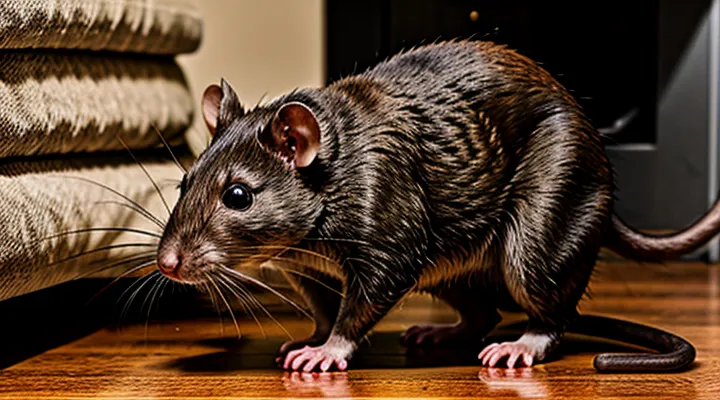
«Recognizing the Signs of a Rat Infestation»
«Visual Sightings and Sounds»
Rats reveal their presence through distinct visual cues and audible activity. Recognizing these indicators enables swift intervention before infestations expand.
- Fresh droppings, typically ½‑inch black pellets, found near food sources, along walls, or in hidden corners.
- Gnaw marks on wood, plastic, or wiring, characterized by clean, parallel cuts.
- Grease or oil trails left by the animal’s oily fur, often visible along baseboards or cabinets.
- Small footprints or tail‑drag marks in dusty areas, identifiable by their five‑toed pattern.
Auditory signals accompany the visual signs. Common sounds include:
- Persistent scratching or scurrying within walls, attics, or ceilings, especially at night.
- High‑pitched squeaks emitted when rats are startled or communicating.
- Rattling of nests constructed from shredded material, detectable when disturbed.
When any of these signs appear, take immediate action: conduct a thorough inspection to locate activity hotspots, seal cracks and openings larger than ¼ inch, set appropriate traps or bait stations, and consider professional pest‑control services for comprehensive eradication. Prompt response curtails damage to structures, wiring, and stored food.
«Droppings and Urine Smells»
Rats leave dark, irregular droppings that are typically 0.5–1 cm long, black, and may contain undigested food. Spotting these pellets on countertops, pantry shelves, or near entry points confirms rodent activity. Direct contact with droppings can transmit diseases such as leptospirosis, hantavirus, and salmonellosis; therefore, handling requires gloves and a disposable mask.
Urine produces a sharp, ammonia‑like odor that intensifies in confined spaces. The smell persists because rat urine contains proteins that bind to porous materials, releasing vapors long after the animals have left. Detecting the odor helps locate hidden nests and travel routes.
To eliminate droppings and urine odors safely:
- Wear thick nitrile gloves, a fitted respirator (N95 or higher), and eye protection.
- Ventilate the area by opening windows and using fans to direct airflow outward.
- Sweep loose droppings into a disposable container; avoid shaking to prevent aerosolization.
- Apply a solution of 1 part bleach to 9 parts water, saturate the contaminated surface, and let it sit for at least 10 minutes before wiping.
- For porous surfaces (carpet, insulation), remove and discard the material; chemical treatment alone will not eradicate embedded urine proteins.
- After cleaning, place a layer of activated charcoal or baking soda in the space to absorb residual odors.
- Seal all waste in double‑layered bags, label them as biohazard, and dispose of them according to local regulations.
Regular inspection of potential nesting sites—attics, crawl spaces, and behind appliances—prevents accumulation of waste and the associated health hazards. Prompt removal of droppings and thorough decontamination curb disease risk and eliminate the persistent smell that attracts further infestation.
«Gnaw Marks and Damage»
Rats leave distinct bite marks on wood, plastic, wiring and insulation. The incisions are usually clean, V‑shaped cuts about ¼‑½ inch wide, often found near food sources, nesting sites or potential entry points. Repeated gnawing can weaken structural members, expose live wires, and create fire hazards.
Rodents chew to keep teeth from overgrowing and to enlarge passages. Soft‑wood framing, drywall corners, PVC piping and cable sheathing are especially vulnerable. Damage to electrical cables may cause short circuits, while compromised insulation reduces energy efficiency and invites moisture problems.
To assess the situation:
- Examine baseboards, cabinets and exposed beams for fresh gnaw marks.
- Trace any cut wires to verify continuity and look for exposed conductors.
- Check insulation for shredded fibers or holes.
- Record location, size and depth of each mark for later reference.
Repair actions include:
- Replace or reinforce weakened wood with appropriate fasteners.
- Trim damaged wiring, cap exposed ends with wire nuts, and reinstall conduit where needed.
- Patch insulation gaps using fire‑rated material.
- Seal all identified entry routes with steel wool, metal flashing or cement‑based caulk.
- Deploy snap traps or electronic deterrents in proximity to the marks.
- Contact a licensed pest‑control professional if activity persists or damage is extensive.
Prompt identification and remediation of gnaw marks prevent structural failure, reduce fire risk and limit further contamination.
«Nests and Burrows»
Rats establish nests and burrows within walls, attics, basements, and concealed spaces. These structures protect the colony, store food, and provide a breeding site. Identifying their location is essential for effective control.
Typical signs of a nest or burrow include shredded material, gnaw marks, urine stains, and a distinct musky odor. Look for piles of soft debris such as insulation, paper, or fabric near suspected entry points. In floor cavities, examine gaps around pipes, vents, and electrical conduits for fresh droppings and nesting material.
To address nests and burrows:
- Seal all openings larger than ¼ inch with steel wool, metal mesh, or cement.
- Remove accessible nesting material using gloves and a disposable bag; dispose of it in a sealed container.
- Apply a rodent‑approved bait or trap directly within the identified burrow, ensuring placement avoids contact with children or pets.
- Install a one‑time use, tamper‑resistant bait station if the nest is in a wall cavity; monitor daily and replace as needed.
- After elimination, treat the area with an appropriate rodenticide dust or spray to prevent re‑colonization, following label instructions.
Following eradication, conduct a thorough inspection of the entire structure to confirm no additional burrows remain. Maintain a regular maintenance schedule to keep potential entry points closed and reduce attractants such as food residue and clutter. This systematic approach minimizes the risk of future infestations.
«Immediate Actions to Take»
«Securing Food Sources»
Rats are attracted to readily available food, so eliminating accessible nourishment is the most effective barrier against infestation. Secure storage eliminates the primary incentive for rodents to enter living spaces.
- Transfer dry goods—cereals, grains, pet food—into airtight containers made of metal or heavy‑wall plastic. Ensure lids seal completely and inspect for damage before each use.
- Keep pantry shelves clear of crumbs and spills; wipe surfaces with a detergent solution after handling food.
- Store fresh produce in the refrigerator or in sealed bins; discard overripe items promptly.
- Place garbage cans with tight‑fitting lids inside the home; empty them daily and keep exterior bins away from walls.
- Feed pets in a designated area, remove uneaten portions within 15 minutes, and clean the feeding zone thoroughly.
Additional measures reinforce these practices. Seal gaps around pipes, cabinets, and vents where food odors might travel. Use stainless‑steel or glass containers for canned goods to prevent gnawing. Regularly inspect pantry doors and drawer slides for misalignment that could allow entry.
By systematically denying rats any food source, homeowners remove the incentive for rodents to remain, reducing the likelihood of damage and disease transmission.
«Sealing Entry Points»
«Inspecting Exterior Walls»
When rodents are detected inside, the first line of defense lies in the building envelope. Exterior walls serve as the primary barrier; any breach can provide entry points for rats. A systematic inspection identifies gaps that allow access and prevents future infestations.
Inspect the wall surface from ground level to the roofline. Look for the following signs:
- Cracked or missing siding, brick, or stucco.
- Gaps around utility penetrations, such as pipes, cables, and vents.
- Loose or damaged flashing, especially near windows and doors.
- Evidence of gnaw marks, droppings, or nesting material on the outer wall.
- Deteriorated sealant or caulking around window frames and door jambs.
After locating defects, seal each opening with appropriate materials: steel wool, hardware cloth, or expanding foam for small gaps; cement mortar or weather‑resistant caulk for larger cracks. Replace damaged siding or flashing, and verify that all exterior seals remain intact after repairs. Regularly repeat the inspection, especially after severe weather, to maintain a rat‑proof perimeter.
«Checking Pipes and Vents»
When rats enter a residence, they often travel through concealed pathways such as plumbing and ventilation systems. Inspecting these structures reveals entry points, nesting sites, and droppings that confirm activity.
Begin by turning off water supply and removing access panels on all visible pipe runs. Look for gnaw marks, grease stains, and fresh droppings along the exterior of pipes, especially where they penetrate walls or floors. Examine vent caps on the roof; ensure they are intact, securely fastened, and equipped with metal mesh screens. Replace broken or missing screens immediately.
Inspection checklist
- Verify that all pipe joints are sealed; apply steel wool or copper mesh to gaps before re‑caulking.
- Clean vent openings; remove debris, nests, and chew damage.
- Install snap‑on vent covers with reinforced mesh where gaps exist.
- Use a flashlight to trace pipe routes into crawl spaces; watch for shredded insulation or shredded wiring.
- Set snap traps or ultrasonic devices near identified breach points after sealing.
After repairs, monitor for new signs of activity for at least two weeks. If evidence reappears, repeat the inspection and consider professional sealing of larger conduit sections. This systematic approach limits rodent movement through hidden conduits and reduces the likelihood of re‑infestation.
«Repairing Gaps in Foundations»
Rats gain entry through cracks and openings in a building’s foundation. Sealing these gaps eliminates the most common route for infestation and protects structural integrity.
- Conduct a thorough inspection: walk the perimeter, use a flashlight to reveal cracks larger than ¼ inch, and note any signs of moisture or gnaw marks.
- Clean the area: remove debris, loose soil, and vegetation that could conceal gaps or provide cover for rodents.
- Choose appropriate sealing material: hydraulic cement for active water leaks, polyurethane foam for irregular voids, and metal flashing for larger openings.
- Apply sealant correctly: wet the crack, press the material firmly to fill the space completely, and smooth the surface to create a uniform barrier.
- Verify the repair: after curing, inspect for any remaining openings or signs of rodent activity; repeat the process if necessary.
- Schedule regular maintenance: re‑examine the foundation annually, especially after heavy rain or ground settlement, to detect new fissures early.
Promptly addressing foundation gaps reduces the likelihood of rat intrusion and contributes to long‑term building health.
«Cleaning and Sanitation»
Cleaning and sanitation form the backbone of any effective response to a rat intrusion. Removing food sources, eliminating nesting material, and maintaining a hygienic environment deprive rodents of the conditions they need to survive and reproduce.
When rats are first discovered, act without delay:
- Clear countertops, tables, and floor surfaces of crumbs, spills, and food debris. Use a disinfectant that kills bacteria and eliminates odors that attract rodents.
- Empty trash cans, replace liners, and store waste in containers with tight‑fitting lids.
- Sweep and vacuum all rooms, paying special attention to corners, behind appliances, and under furniture where droppings may accumulate.
- Wash dishes, utensils, and pet bowls immediately after use; do not leave standing water.
- Inspect and clean pantry shelves. Discard any opened or damaged packaging, and store dry goods in sealed, rodent‑proof containers.
Sustained sanitation prevents re‑infestation:
- Schedule daily removal of food waste and weekly deep cleaning of kitchens and dining areas.
- Keep pet food sealed and feed only what is consumed during each meal.
- Maintain a regular schedule for washing floors, walls, and baseboards to remove residual scent trails.
- Conduct monthly inspections of storage rooms, closets, and crawl spaces for signs of droppings, gnaw marks, or urine stains; clean any findings promptly with an enzyme‑based cleaner.
- Ensure exterior areas are free of litter, compost, and standing water that could draw rodents toward the house.
By rigorously eliminating nourishment and hiding places, cleaning and sanitation dramatically reduce the likelihood that rats will persist or return.
«Methods for Rat Removal»
«Trapping Strategies»
«Snap Traps»
Snap traps provide a rapid, low‑cost method for eliminating rats that have entered a residence. They consist of a hinged metal bar that releases a sudden force, killing the animal instantly when triggered by a baited trigger plate.
Choosing an effective snap trap requires attention to size, strength, and trigger sensitivity. Larger models accommodate adult rats, while a sensitive trigger reduces the chance of missed catches. Stainless‑steel construction resists rust in damp areas such as basements or kitchens.
Placement determines success. Position traps along walls, behind appliances, and in concealed routes where rats travel. Align the trigger plate perpendicular to the wall, with the bait facing outward. Common baits include peanut butter, dried fruit, or small pieces of meat; apply a pea‑sized amount to avoid spillage that may deter the rodent.
Safety considerations are essential:
- Wear thick gloves when handling traps to prevent accidental discharge.
- Keep traps out of reach of children and pets; use tamper‑proof covers if necessary.
- Inspect traps daily; remove dead rodents promptly to prevent odor buildup and secondary infestations.
Disposal of captured rats should follow local health regulations. Seal the carcass in a plastic bag, place it in a rigid container, and discard it with regular waste or deliver it to a licensed disposal service.
Maintenance includes checking the spring tension before each use and replacing worn trigger plates. A malfunctioning trap can cause missed catches and prolonged infestation.
When snap traps are insufficient, supplement them with additional control measures such as sealing entry points, removing food sources, and employing professional pest‑control services. Combining mechanical trapping with preventive actions maximizes the likelihood of eradicating the problem quickly and safely.
«Live Traps»
When rats are discovered in a residence, live traps provide a humane method for removal without chemical exposure. Choose traps constructed of sturdy metal or heavy‑duty plastic, equipped with a spring‑loaded door that closes securely once the animal enters. Models featuring a transparent front allow visual confirmation of capture, facilitating timely inspection.
Effective deployment follows a systematic approach:
- Identify high‑traffic zones such as along walls, near food storage, and in concealed corners.
- Position traps perpendicular to the wall, with the entry side facing the baseboard.
- Bait each trap with attractive foods—peanut butter, dried fruit, or small pieces of meat—placed centrally to encourage full entry.
- Set traps in the evening; rats are nocturnal and more likely to investigate after dark.
- Inspect traps at regular intervals, preferably every 12 hours, to minimize stress on captured rodents.
After capture, relocate the animal at least two miles from the property, preferably in a wooded area with adequate shelter. Release the rat gently, ensuring it can exit the trap without injury. Clean and disinfect the trap before reuse, following manufacturer guidelines to maintain effectiveness and prevent disease transmission.
«Placement and Baiting Tips»
Effective rat control begins with strategic placement of bait stations and traps. Position devices along walls, behind appliances, and near known gnawing sites. Rats travel close to surfaces; placing bait within 2‑3 feet of a wall maximizes contact. Avoid open floor areas where non‑target animals may encounter the bait.
Key placement considerations:
- Locate stations at least 12 inches off the ground to deter insects and small pets.
- Secure bait in weather‑resistant containers if outdoors.
- Install multiple stations, spaced 5‑10 feet apart, to cover the entire infestation zone.
- Rotate locations weekly to prevent rats from learning avoidance patterns.
Bait selection influences success. Choose high‑protein, high‑fat foods such as peanut butter, bacon, or canned fish. Blend bait with a small amount of liquid attractant to improve adherence to trap surfaces. For poison baits, use tamper‑proof stations and label them clearly.
Baiting tips:
- Apply a thin layer of attractant to the trap trigger; excess material can allow rats to remove bait without contacting the mechanism.
- Refresh bait every 3‑4 days to maintain potency and prevent spoilage.
- Use a single bait type per station to avoid confusing the target.
- Record the date of placement and any observed activity to track effectiveness.
Consistent monitoring and adjustment of placement and bait composition are essential for rapid reduction of rat activity.
«Rodenticides and Poisons»
«Understanding Risks to Pets and Children»
When rats infiltrate a residence, the immediate concern extends beyond property damage; they pose distinct hazards to both pets and children. Rodents carry pathogens such as Leptospira, hantavirus, and salmonella, which can be transmitted through urine, feces, or contaminated surfaces. Direct contact or ingestion of contaminated material can lead to serious illness in vulnerable family members.
Pets are especially susceptible to bite wounds, allergic reactions, and disease transmission. Rats may also trigger aggressive behavior in cats and dogs, increasing the risk of injury. Children, whose immune systems are still developing, face heightened danger from respiratory irritation caused by rodent droppings and the potential for accidental ingestion of contaminated objects.
Preventive and corrective actions include:
- Securing all food sources in airtight containers.
- Removing clutter and nesting sites such as piles of cardboard or fabric.
- Inspecting and sealing entry points, focusing on gaps around pipes, vents, and doors.
- Setting traps or employing professional extermination services, ensuring devices are placed out of reach of non‑target occupants.
- Conducting thorough cleaning with disinfectants after removal, wearing gloves and masks to avoid exposure.
Following these steps reduces the probability of disease transmission, protects household members, and eliminates the underlying conditions that attract rodents. Continuous vigilance and routine maintenance are essential to maintain a safe environment for both humans and animals.
«Safe Application Guidelines»
When rats are detected in a residence, any control measures must be applied with strict attention to safety for occupants, pets, and the environment.
- Wear disposable gloves and, if chemicals are used, a mask rated for respiratory protection. Change gloves after each task to prevent cross‑contamination.
- Choose products specifically labeled for indoor rodent control. Verify expiration dates and confirm that the active ingredient is approved for residential use.
- Follow manufacturer‑provided dosage precisely. Do not exceed recommended amounts, and avoid mixing different products unless the label explicitly permits it.
- Place traps or bait stations out of reach of children and non‑target animals. Secure bait stations to walls or under cabinets, and use tamper‑proof containers where available.
- Ensure adequate ventilation during and after application of sprays or powders. Open windows and use fans to circulate air for at least 30 minutes, then allow the area to air out before re‑entry.
- Store all remaining chemicals in their original containers, locked away from unauthorized access. Keep a Material Safety Data Sheet (MSDS) on hand for reference.
- Dispose of used traps, dead rodents, and contaminated materials in sealed bags. Follow local regulations for hazardous waste disposal; never flush chemicals down drains.
- Document the date, location, and type of product applied. Record any incidents of exposure or adverse reactions for future reference and compliance audits.
Adhering to these guidelines minimizes health risks, ensures effective rodent management, and protects the broader household environment.
«Natural Deterrents»
Rats entering a residence require immediate, non‑chemical measures to discourage further activity. Natural deterrents work by altering the environment in ways that rats find unpleasant, reducing the likelihood of nesting and foraging.
- Peppermint oil: Apply a few drops on cotton balls and place them in corners, behind appliances, and near entry points. The strong menthol scent overwhelms rat olfactory receptors.
- Ammonia solution: Mix equal parts water and ammonia, then spray the mixture around baseboards and crawl spaces. The sharp fumes act as a temporary repellent.
- Vinegar: Soak rags in white vinegar and position them in areas where droppings are observed. The acidic odor interferes with rat scent trails.
- Cayenne pepper or hot sauce: Sprinkle the powder or dilute the sauce with water, then spray onto surfaces near suspected pathways. Capsaicin irritates the rodents’ nasal passages.
- Steel wool: Pack tightly into gaps around pipes, vents, and utility openings. The coarse texture prevents rats from squeezing through while remaining a natural material.
In addition to these applications, maintain a clean environment: store food in sealed containers, eliminate standing water, and remove clutter that could serve as shelter. Regular inspection of the exterior for gaps, cracks, or holes enables prompt sealing with steel wool, caulk, or mesh, further limiting access. Combining scent‑based repellents with physical barriers creates a comprehensive, eco‑friendly strategy that deters rats without resorting to toxic chemicals.
«Preventative Measures for the Future»
«Regular Home Maintenance»
Regular home maintenance creates conditions that deter rodent activity and simplifies response when rats are detected inside a residence. Sealing entry points, controlling moisture, and maintaining cleanliness reduce the attractiveness of a property to these pests.
Key maintenance actions include:
- Inspect exterior walls, foundation, and roof for gaps; fill cracks with steel wool and caulk.
- Install door sweeps and weather stripping on all exterior doors.
- Keep vegetation trimmed at least 12 inches from the building; remove dense ground cover that offers shelter.
- Repair leaky pipes, faucets, and roof leaks; eliminate standing water sources.
- Store food in sealed containers; clean crumbs and spills promptly from countertops and floors.
- Dispose of garbage in tightly sealed bins; remove compost piles from the immediate perimeter.
- Regularly clean gutters and downspouts to prevent water accumulation and debris buildup.
Routine inspections, performed quarterly, verify that barriers remain intact and that no new entry points have formed. Document findings and corrective actions to maintain a consistent record, enabling swift identification of emerging issues before they develop into full‑scale infestations.
«Landscaping and Yard Care»
Rats typically enter homes from the surrounding yard, so proper landscaping and yard care are essential for controlling an indoor infestation.
Maintain a clear perimeter around the house. Trim grass and shrubs regularly to eliminate hiding places. Remove leaf piles, wood chips, and other debris that provide shelter. Store firewood at least two feet away from the foundation and elevate it off the ground.
Control food sources outside the home. Keep compost bins sealed, and clear fallen fruit or birdseed from the ground. Secure trash cans with tight‑fitting lids and place them away from the house.
Manage water and drainage. Repair leaking hoses, irrigation systems, and downspouts to prevent standing water, which attracts rodents. Ensure the ground slopes away from the foundation to discourage moisture accumulation near the base of the home.
Create physical barriers. Install metal flashing or concrete around the base of trees and shrubs that touch the house. Seal cracks in the foundation, siding, and utility openings with steel wool and caulk.
Implement these practices consistently to reduce the likelihood that rats will find a pathway from the yard into the interior.
- Trim vegetation within two feet of the exterior walls.
- Remove all clutter that could serve as nesting material.
- Store outdoor food and waste in sealed containers.
- Eliminate standing water and improve site drainage.
- Seal all potential entry points with durable materials.
Effective yard maintenance directly limits the opportunities for rodents to migrate indoors, supporting long‑term prevention of household rat problems.
«Proper Waste Management»
Effective waste management removes food sources that draw rodents into residential spaces. Secure containers with tight-fitting lids, eliminate exposed garbage, and transport waste to collection points promptly.
Maintain a routine that includes:
- Emptying kitchen trash bins daily, especially after meals.
- Using metal or heavy‑duty plastic bins resistant to gnawing.
- Positioning outdoor receptacles away from building foundations and elevating them on platforms or pallets.
- Ensuring lids close fully and sealing any cracks or gaps in the bin structure.
Separate compostable material from regular waste. Store compost in sealed, rodent‑proof containers and keep it at a distance from the house. Avoid piling organic debris near entry points, as it provides shelter and nourishment.
Schedule regular collection services to prevent accumulation. If municipal pickup is infrequent, arrange private removal or temporary storage in a secure area until collection.
Inspect and repair any damaged waste disposal equipment. Replace broken seals, reinforce damaged lids, and seal openings in walls or floors that could allow rodents to access stored refuse.
By consistently applying these practices, households reduce the likelihood of rodent intrusion and support a hygienic environment.
«Monitoring for Re-infestation»
After eliminating a rat problem, continuous observation prevents a new outbreak. Begin by mapping all potential entry points—cracks, vents, utility openings—and record their condition. Repair or seal each gap using metal flashing or cement, then label the work for future reference.
Inspect the property weekly for the first month, then monthly for the next six months. Look for droppings, gnaw marks, gnawed food containers, and fresh burrows. Place motion-activated cameras in dark corners, attics, and crawl spaces to capture nocturnal activity without disturbance.
Deploy a limited number of snap traps or electronic devices in high‑risk zones. Check traps daily; replace bait and reposition devices based on capture data. Maintain a log of trap locations, capture dates, and species identified to identify patterns.
Engage a professional pest‑monitoring service for quarterly inspections. Their expertise includes infrared scanning, rodent‑specific scent detection, and detailed reporting. Retain copies of all reports as evidence of diligent monitoring.
Finally, educate household members on sanitation practices: store food in sealed containers, dispose of waste promptly, and keep clutter to a minimum. Consistent housekeeping reduces attractants, reinforcing the physical barriers already installed.
«When to Call Professional Pest Control»
«Signs of a Severe Infestation»
Rats leave unmistakable evidence when a population has multiplied beyond a few stray individuals. The presence of numerous dark brown or black droppings, each about the size of a grain of rice, scattered along walls, cabinets, and behind appliances, signals extensive activity. Fresh droppings are moist and glossy, while older ones become dry and crumbly; a mixture of both indicates ongoing infestation.
Chewed surfaces reveal the extent of damage. Gnaw marks on wood, plastic, or electrical wiring appear as clean, shallow incisions, often at regular intervals. When wiring is compromised, the risk of short circuits and fire rises sharply. Visible nesting material—shredded paper, fabric, insulation, or dried food—found in concealed spaces such as attics, crawl spaces, or wall voids confirms that rats have established breeding sites.
Audible cues provide additional confirmation. Persistent scratching, scurrying, or squeaking sounds, especially during nighttime, suggest a large number of rodents moving through concealed channels. Strong, musky urine odor, detectable in enclosed areas, intensifies as the colony grows, because rats excrete frequently to mark territory.
Key indicators can be summarized:
- Abundant droppings in multiple rooms
- Extensive gnaw damage to structural or electrical components
- Visible nests or accumulated debris in hidden locations
- Continuous nocturnal noises from various parts of the building
- Pronounced urine smell in confined spaces
When these signs appear together, the infestation has reached a severe level and requires immediate professional intervention to prevent health hazards, structural failure, and further property loss.
«Persistent Rat Problems»
Persistent rat infestations demand a systematic approach that addresses the root causes rather than temporary fixes. Rats exploit any breach in a building’s envelope, locate food sources, and establish nesting sites. Ignoring these factors allows the population to expand, leading to repeated sightings and damage.
Identify entry points by inspecting walls, foundations, vents, and utility openings. Seal gaps larger than a quarter‑inch with steel wool, copper mesh, or cement‑based sealants. Repair damaged screens, weather stripping, and pipe sleeves to eliminate pathways.
Eliminate food attractants. Store dry goods in airtight containers, clean countertops and floors immediately after meals, and secure garbage in sealed bins. Remove pet food after each feeding and keep compost piles away from the structure.
Reduce shelter opportunities. Clear clutter from attics, basements, and storage areas. Trim vegetation that contacts the building, and relocate woodpiles or debris at least two meters from the foundation. Maintain a dry environment by fixing leaks and improving ventilation.
Implement a monitoring and control program. Place snap traps or electronic devices along walls, behind appliances, and near suspected runways. Use bait that matches the local rat diet, and check traps daily. Replace or relocate traps as activity shifts.
If infestation persists despite these measures, enlist a licensed pest‑management professional. Experts can conduct a comprehensive inspection, apply targeted baits, and advise on structural upgrades that prevent re‑infestation.
Regularly review the preventive actions outlined above. Consistent maintenance and vigilant monitoring are the only reliable methods to break the cycle of recurring rat problems.
«Health Concerns and Risks»
Rats inside a residence pose direct health threats. Their urine, droppings, and saliva contain pathogens that can contaminate food, surfaces, and air. Exposure may lead to diseases such as leptospirosis, hantavirus pulmonary syndrome, salmonellosis, and plague. Allergic reactions to rodent allergens can trigger asthma attacks and respiratory irritation, especially in children and individuals with pre‑existing conditions.
Key hazards include:
- Contamination of consumables – food and water become carriers for bacteria and viruses when rats gnaw packaging or leave waste.
- Airborne particles – dried droppings and urine dust become inhalable, delivering pathogens to the lungs.
- Bite injuries – scratches or bites transmit bacteria like Staphylococcus and Streptococcus, risking skin infections.
- Parasite transmission – fleas, mites, and ticks hitch rides on rats, spreading additional illnesses such as typhus and murine typhus.
Immediate measures focus on eliminating the infestation, sealing entry points, and thoroughly sanitizing affected areas. Professional pest control and medical consultation are advisable when signs of disease appear.