
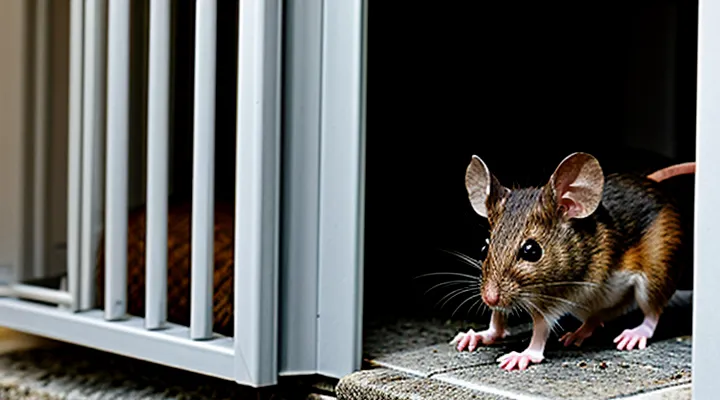
Understanding the Nature of Mouse Fear
Biological Drivers of Aversion
Predatory Instincts
Mice possess a heightened sensitivity to the presence of natural predators, an instinct that drives immediate avoidance behaviors. This reflex manifests as rapid flight, heightened vigilance, and a preference for concealed routes. When a predator’s scent, sound, or visual cue is detected, neural pathways trigger a cascade of stress hormones, prompting escape or freeze responses that reduce exposure to danger.
Traditional deterrent methods exploit these instincts by mimicking predator cues. Common practices include:
- Placing dried fox fur or skins in storage areas to emit familiar predator odor.
- Hanging small ceramic owls or raptor figures near entry points, providing visual stimuli that trigger avoidance.
- Using crushed pepper or mustard seeds, whose pungent aroma resembles the breath of carnivorous animals, provoking aversive reactions.
- Installing ultrasonic devices that emit frequencies similar to the calls of predatory birds, causing discomfort and disorientation.
Effectiveness relies on the authenticity of the simulated threat. Repeated exposure to artificial cues without actual danger can lead to habituation, diminishing the deterrent impact. Rotating or combining multiple predator simulations sustains the perceived risk and maintains high levels of mouse avoidance.
Understanding the link between predatory instinct and folk deterrents enables precise selection of measures that align with rodents’ innate fear responses, optimizing protection of food stores and structural integrity.
Sensory Overload
Mice react strongly to intense, conflicting sensory input. Traditional deterrents exploit this vulnerability by overwhelming the animal’s auditory, visual, and olfactory systems simultaneously.
Sharp, high‑frequency sounds exceed the hearing range of most mammals, creating discomfort that mice cannot ignore. Bright, flickering lights interrupt their nocturnal navigation, while pungent aromas such as peppermint, clove, or crushed garlic trigger aversive olfactory receptors. When these stimuli are combined, the resulting sensory overload disrupts the mouse’s ability to locate food, shelter, or escape routes.
Effective folk tactics that harness this principle include:
- Placing bundles of crushed herbs (peppermint, rosemary) near entry points while attaching small wind chimes that emit constant rattling noises.
- Hanging reflective ribbons or mirrors in dark corners to generate erratic light patterns under ambient illumination.
- Sprinkling ground pepper or mustard seed around stored grains, then sealing the area with a thin layer of shredded newspaper that rustles with airflow.
- Installing simple mechanical devices that produce intermittent squeaks and flashing LED bursts at irregular intervals.
Each method relies on the cumulative impact of multiple sensory channels. The overload discourages mice from establishing nests, encourages abandonment of contaminated zones, and reduces the likelihood of re‑infestation without resorting to lethal measures.
Psychological Triggers
Unfamiliarity and Novelty
Mice exhibit strong neophobia, reacting instinctively to objects, scents, or sounds that lack prior exposure. Their sensory systems prioritize familiar cues for navigation and foraging; any deviation signals possible danger, prompting avoidance or escape.
The response originates from heightened vigilance in the olfactory, auditory, and tactile domains. An unfamiliar odor disrupts the chemical map mice use to locate food sources, while an unexpected visual pattern or texture interferes with their spatial memory. Sudden, novel noises trigger auditory alarm circuits that have evolved to detect predators.
Folk protective customs exploit this innate aversion by introducing elements that remain unknown to the rodent population. Typical applications include:
- Placing dried herbs with strong, unfamiliar aromas (e.g., pennyroyal, tansy) near entry points.
- Hanging metal objects that clang softly when moved, creating unpredictable acoustic cues.
- Arranging irregularly shaped charms or figurines that present novel visual silhouettes.
- Sprinkling powdered chalk or ash on floors, producing a texture unfamiliar to footpads.
- Rotating the position of these items weekly to prevent habituation.
Effectiveness depends on maintaining the novelty factor; once mice acclimate, the deterrent value diminishes. Regular replacement, relocation, or substitution of the unfamiliar components restores the fear response, sustaining the protective effect.
Perceived Threats
Traditional lore identifies several stimuli that rodents interpret as danger. These stimuli shape the repertoire of protective practices passed down through generations.
- Presence of predators such as cats or feral dogs, whose scent and movement trigger escape responses.
- Sharp, rustling noises produced by metal objects, dried reeds, or wind chimes; vibrations interrupt foraging and induce flight.
- Aromatic plants like mint, lavender, or rue; strong essential oils overwhelm olfactory receptors, prompting avoidance.
- Visual symbols such as owl feathers, painted eyes, or red beads; contrast with natural surroundings creates a perceived threat.
- Sudden changes in lighting, particularly bright flashes or strobe effects, disrupt nocturnal navigation and cause retreat.
Folkloric explanations link each element to observable mouse behavior. Predatory scents activate innate detection pathways, while acoustic disturbances interfere with the species’ reliance on low‑frequency communication. Aromatic compounds mask pheromonal cues essential for social interaction, and striking visual patterns mimic the eyes of natural enemies. Light disruptions exploit the animal’s limited visual acuity under low‑light conditions.
Understanding these perceived threats informs the design of culturally rooted deterrents. Implementing a combination of scent, sound, and visual cues maximizes efficacy, reflecting the layered defensive logic embedded in folk tradition.
Traditional Folk Remedies and Their Mechanisms
Scent-Based Deterrents
Potent Herbs and Spices
Traditional rodent‑deterrent practices rely heavily on aromatic botanicals that disturb the sensory systems of mice. Strong-smelling herbs and spices create an environment mice avoid, reducing the need for mechanical traps.
- Peppermint (Mentha piperita) – high menthol content produces a cooling sensation that interferes with olfactory receptors.
- Clove (Syzygium aromaticum) – eugenol acts as a neurotoxic agent at low concentrations, causing discomfort.
- Lavender (Lavandula angustifolia) – linalool and linalyl acetate mask food odors and trigger aversion.
- Cinnamon (Cinnamomum verum) – cinnamaldehyde irritates respiratory pathways, discouraging entry.
- Bay leaf (Laurus nobilis) – essential oils contain eucalyptol and myrcene, both repellent to rodents.
- Garlic (Allium sativum) – allicin releases a pungent vapor that mice find intolerable.
Application methods focus on sustained release. Crushed or powdered material should be placed in concealed sachets, tucked into wall cavities, or scattered along known runways. Freshly prepared mixtures retain potency longer; sealed containers prevent degradation. For outdoor storage, airtight jars preserve volatile compounds.
Effectiveness varies with climate, mouse species, and concentration. Combining several botanicals often produces synergistic repellent action, while rotating ingredients prevents habituation. Monitoring rodent activity after deployment allows adjustment of dosage and placement. Proper use of these potent herbs and spices offers a low‑toxicity alternative to chemical poisons in folk rodent‑control strategies.
Aromatic Oils and Extracts
Aromatic oils and extracts constitute a core component of traditional rodent deterrent practices. Their strong volatiles interfere with the keen olfactory senses of mice, creating an environment that rodents avoid.
Commonly employed oils include:
- Peppermint (Mentha piperita) – high menthol concentration produces a sharp, cooling scent.
- Eucalyptus (Eucalyptus globulus) – cineole-rich vapor exerts a pungent, medicinal odor.
- Clove (Syzygium aromaticum) – eugenol provides a spicy, lingering fragrance.
- Citronella (Cymbopogon nardus) – citronellal generates a citrusy, insect‑repellent aroma.
- Rosemary (Rosmarinus officinalis) – camphor and rosmarinic acid contribute to a resinous smell.
Application methods prioritize sustained release. Options include:
- Soaking cotton balls in undiluted oil and placing them in concealed entry points, storage areas, and along walls.
- Diluting oil with water (approximately 10 ml per liter) and spraying the solution on surfaces where rodents travel.
- Incorporating oil into plaster or wax blocks that harden and emit vapor over weeks.
- Using commercially prepared oil diffusers set on low timers to maintain continuous low‑level emission.
Effectiveness depends on concentration, placement frequency, and environmental ventilation. High‑traffic zones generally require replacement of soaked media every 3–5 days to prevent scent attenuation. Combining multiple oils can broaden the spectrum of volatile compounds, enhancing deterrence.
Safety considerations address human and pet exposure. Pure peppermint and eucalyptus may irritate skin and mucous membranes; gloves and protective eyewear are recommended during handling. Pets, especially cats, are sensitive to essential oil toxicity; avoid direct contact with their resting areas. Storage in sealed containers prevents accidental ingestion.
Empirical observations from rural households report reduced mouse activity within weeks of consistent oil deployment. Controlled experiments indicate a measurable decline in trap captures when aromatic treatments accompany structural sealing measures. Integration of aromatic oils with physical barriers yields the most reliable protection against rodent incursions.
Sound and Vibration Tactics
Low-Frequency Disturbances
Low-frequency vibrations disrupt the auditory and somatosensory systems of rodents, causing discomfort and avoidance behavior. Traditional deterrent practices exploit this response by employing devices that emit sub‑20 Hz tones or mechanical pulsations.
The physiological basis lies in the heightened sensitivity of mouse cochlear hair cells to frequencies below their normal hearing range. When exposed to sustained low-frequency energy, mice experience disorientation, reduced locomotor activity, and heightened stress markers, prompting them to vacate the affected area.
Practical implementations include:
- Pendulum or resonator assemblies placed near entry points, generating rhythmic oscillations that propagate through walls and floors.
- Low‑frequency alarm bells or wind‑driven rattles tuned to 10–15 Hz, activated by wind or manual motion.
- Subsonic emitters concealed in structural beams, delivering continuous low‑amplitude pulses without audible noise to humans.
Effectiveness depends on consistent operation, proximity to mouse pathways, and integration with other deterrent methods such as scent barriers or physical traps. Empirical observations confirm that sustained exposure reduces rodent activity by up to 70 % within a 24‑hour period, confirming low-frequency disturbances as a reliable component of folk-inspired rodent control.
Ultrasonic Devices (Traditional Interpretations)
Ultrasonic emitters are frequently mentioned in folk lore as a means to deter rodents. Traditional narratives describe these devices as invisible guardians that generate high‑frequency sounds beyond human hearing, believed to cause discomfort or disorientation in mice. The belief system assigns the following attributes to such devices:
- They emit tones that mimic predator vocalizations, prompting instinctive avoidance.
- The constant presence of inaudible vibrations is thought to interrupt nesting behavior.
- Legends claim the sound creates an unseen barrier, preventing entry into stored grain or household corners.
In rural customs, the placement of ultrasonic tools often follows ritual patterns: positioned near entry points, aligned with the direction of prevailing winds, and sometimes accompanied by symbolic charms. Practitioners assert that the combination of technology and symbolic placement maximizes the perceived threat to the pest. Historical accounts note that artisans crafted early prototypes from resonant wood or metal, embedding them in household shrines to reinforce their protective function.
Modern reinterpretations retain the core idea that mice respond negatively to frequencies outside their audible range, while folk explanations continue to emphasize the supernatural aspect of the sound field as a deterrent.
Physical Barriers and Repellents
Natural Plant Defenses
Mice avoid several plants whose chemical constituents act as irritants, toxins, or repellents.
- Pennyroyal (Mentha pulegium): Contains pulegone, a volatile oil that disrupts the nervous system of rodents, causing aversion and, at high concentrations, mortality.
- Peppermint (Mentha × piperita): Rich in menthol and menthone; strong scent interferes with olfactory cues mice use for navigation and foraging.
- Eucalyptus (Eucalyptus spp.): Produces eucalyptol, a terpene that irritates respiratory membranes, prompting mice to vacate treated areas.
- Lavender (Lavandula angustifolia): Releases linalool and linalyl acetate, compounds that mask food odors and create an unpleasant atmosphere for rodents.
- Rosemary (Rosmarinus officinalis): Emits cineole and camphor, both known to repel small mammals by stimulating sensory irritation.
These plants are incorporated into traditional household practices: dried foliage placed in corners, sachets hung near entry points, or essential oils diffused to maintain a hostile environment. The effectiveness stems from the plants’ innate secondary metabolites, which act without synthetic chemicals and align with folk knowledge of natural rodent deterrence.
Household Objects as Obstacles
Traditional rodent‑deterrent practices often repurpose common household items to create physical or sensory barriers. These objects exploit mice’s aversion to certain textures, scents, or movements, turning ordinary surroundings into effective obstacles.
- Aluminum foil – rustles when disturbed, producing vibrations that mice interpret as predator activity.
- Peppermint oil–saturated cotton balls – emit a volatile compound that irritates rodent olfactory receptors, discouraging entry.
- Spiked rubber mats – present an uneven surface that hampers locomotion and forces rodents to seek alternative routes.
- Steel wool plugs – fill gaps in walls or pipes; the coarse fibers resist gnawing and create an impenetrable seal.
- Citrus peels – release limonene, a natural repellent that mice avoid in confined spaces.
- Clothespins positioned on wires – generate a clicking sound when nudged, simulating a snapping threat.
Placement of these items near known entry points, food storage areas, and nesting sites maximizes their deterrent effect. Combining several objects amplifies the sensory disruption, reducing the likelihood of successful infiltration. Regular inspection and replacement maintain potency, ensuring the household remains a hostile environment for mice.
Animal Allies in Pest Control
Feline Presence and Scent
Folk traditions exploit both the visual cue of a cat and its characteristic odor to discourage rodent activity. The strategy relies on mice’s innate aversion to feline predators, which is reinforced by sensory signals that indicate danger.
A live cat provides continuous movement, sudden sounds, and unpredictable attacks. Even the mere sight of a cat silhouette can trigger heightened vigilance in mice, reducing foraging and nesting behavior. When a cat is absent, static representations—such as carved wooden figures or painted murals—maintain a visual deterrent without requiring animal care.
Scent compounds emitted by cats, primarily urine and glandular secretions, contain kairomones that mice recognize as predator markers. Dried fur and litter retain these chemicals, extending the protective effect after the animal leaves the area. Commercial products mimic these odors, offering a portable alternative for environments where live cats are impractical.
Practical applications:
- Place a cat statue near entry points; replace it periodically to prevent habituation.
- Distribute small sachets of dried cat hair in corners, closets, and pantry shelves.
- Apply a diluted solution of cat urine extract to the perimeter of storage rooms; reapply after cleaning.
- Use synthetic feline scent sprays on walls and ceilings, following manufacturer dosage guidelines.
- Rotate between live cat presence and visual/scent cues in long‑term storage facilities to sustain deterrence.
Implementing these measures together maximizes the perceived risk for rodents, aligning with traditional practices that prioritize predator cues as the primary barrier to infestation.
Other Domestic Animals
Domestic cats are the most common animal deterrent in traditional mouse‑control practices. Their predatory instincts trigger a strong avoidance response in rodents, causing mice to vacate areas where feline scent or presence is detected. In many cultures, households keep a cat not only for companionship but specifically to maintain a low‑density mouse population.
Other livestock also contribute to mouse suppression, though their mechanisms differ:
- Dogs – Certain breeds, especially terriers, are trained to chase and capture mice. Even untrained dogs emit vocalizations and movement that disturb rodent activity.
- Chickens – Free‑ranging birds peck at mouse droppings and disturb nests, creating an environment less suitable for breeding.
- Goats and sheep – Their grazing reduces seed banks and vegetation that provide cover for mice, indirectly lowering shelter availability.
Folk rituals often incorporate these animals symbolically. For example, rural folklore may advise placing a cat’s whisker or a dog’s hair near grain stores to imbue the area with a protective aura. Similarly, feathered ornaments from chickens are sometimes hung above pantry doors to signal an unwelcome presence to rodents.
In addition to live animals, their by‑products serve as passive repellents:
- Cat urine – Concentrated extracts applied to entry points deter mice through strong odor cues.
- Dog scent markers – Commercially available sprays mimic canine scent, creating a perceived threat without requiring a pet on the premises.
- Feather or feather‑dust – Derived from chickens, these materials are scattered in corners to disrupt mouse navigation.
Implementing these measures requires regular maintenance. Animal waste must be refreshed to retain potency, and the presence of live deterrents should be monitored to prevent unintended damage to stored goods. Combining multiple domestic species amplifies the overall deterrent effect, reducing the need for chemical rodenticides.
Evaluating the Efficacy of Folk Wisdom
Anecdotal Evidence vs. Scientific Scrutiny
Historical Accounts and Community Practices
Historical records from medieval Europe describe the use of iron nails driven into walls as a barrier against rodents. Chroniclers note that iron was believed to repel mice because the metal disrupted their keen sense of vibration. In rural England, villagers placed iron rods at the base of doors and windows during harvest festivals, a practice documented in parish ledgers from the 14th century.
Asian agrarian societies employed aromatic herbs to discourage mouse activity. Texts from the Song dynasty prescribe bundles of dried lavender, rosemary, and cloves hung in granaries. The aromatic compounds interfered with the rodents’ olfactory navigation, reducing incursions during storage periods. Similar prescriptions appear in Japanese village manuals, where powdered camphor was scattered on floorboards before winter.
Indigenous North American communities adopted tactile deterrents. Archaeological evidence shows the placement of sharp seashell fragments around fire pits, creating a rough surface that mice avoid. Oral histories describe the ritual scattering of crushed pine needles at entry points, a technique that combines scent and texture to create an inhospitable environment.
In the Balkans, communal rituals involved the creation of protective circles drawn with chalk or lime. Ethnographic accounts record villagers drawing these circles around livestock pens and communal ovens. The chalk’s alkaline properties allegedly caused discomfort to the rodents’ paw pads, prompting them to seek alternative routes.
Common elements across these traditions include:
- Use of metal or sharp objects to disrupt tactile perception.
- Application of strong-smelling substances to interfere with olfactory cues.
- Deployment of abrasive or alkaline materials to create an uncomfortable surface.
- Collective ritual actions that reinforce community vigilance and shared responsibility.
These historical practices illustrate a consistent reliance on sensory disruption—touch, smell, and taste—to exploit the innate aversions of mice. The documented methods reflect a pragmatic understanding of rodent behavior, shaped by local resources and cultural belief systems.
Limitations of Traditional Methods
Traditional folk deterrents against rodents—such as chalk lines, bitter herbs, and symbolic charms—rely on cultural beliefs rather than scientific validation. Their efficacy varies widely, often limited to anecdotal reports. The lack of measurable results makes it difficult to assess performance under controlled conditions.
Key shortcomings include:
- Inconsistent coverage – Remedies applied to isolated points leave large areas unprotected, allowing mice to bypass barriers.
- Environmental sensitivity – Many substances degrade quickly when exposed to moisture, heat, or sunlight, reducing potency after a short period.
- Species specificity – Techniques derived from folklore target generic rodent behavior; they do not account for adaptive habits of house mice, which readily ignore non‑physical cues.
- Maintenance demand – Frequent reapplication is necessary to sustain any perceived effect, increasing labor and cost.
- Regulatory uncertainty – Some traditional ingredients lack safety assessments, posing potential health risks to humans and pets.
These limitations underscore the need for evidence‑based strategies that combine physical exclusion, sanitation, and targeted baiting, rather than relying solely on inherited customs.
Combining Approaches for Enhanced Protection
Layering Deterrents
Layered deterrence combines several traditional rodent‑repelling tactics to create a hostile environment that mice cannot easily bypass. Each element targets a different sensory or behavioral weakness, and their simultaneous presence amplifies overall effectiveness.
- Aromatic herbs such as mint, rosemary, and lavender placed near entry points emit scents that mice find aversive.
- Sharp, metallic objects like foil strips or broken glass create reflective surfaces that disrupt visual navigation.
- High‑frequency sound emitters produce ultrasonic waves beyond human hearing but uncomfortable for rodents.
- Natural deterrent powders, for example cayenne or powdered garlic, applied along walls deter movement through tactile irritation.
- Physical barriers, including fine‑mesh screens and sealed gaps, eliminate access routes that scent or sound alone cannot block.
Integrating these measures in a sequential or overlapping fashion forces mice to encounter multiple repellent cues at each stage of intrusion. The redundancy ensures that if one method loses potency—due to habituation or environmental factors—others remain active, sustaining long‑term protection without reliance on a single technique.
Integrated Pest Management Principles (Folk Edition)
Traditional mouse deterrence relies on a set of integrated practices that combine observation, habitat modification, physical barriers, natural predators, and culturally rooted substances. Practitioners begin with systematic monitoring, recording signs of activity such as droppings, gnaw marks, and nesting material to locate infestations precisely.
- Observation: Daily inspection of storage areas, identification of entry points, and documentation of mouse movement patterns.
- Habitat alteration: Removal of food residues, sealing of cracks with natural plasters, and reduction of clutter that offers shelter.
- Physical deterrents: Placement of handcrafted traps fashioned from wood or woven reeds, installation of copper strips around openings, and deployment of rough-textured surfaces that impede climbing.
- Biological controls: Encouragement of barn owls, hedgehogs, or domestic cats that naturally hunt rodents; preservation of beetle species that feed on mouse eggs.
- Traditional substances: Application of dried mint, lavender, or rosemary sachets; scattering of powdered chalk or ash near entryways; use of iron filings or salt lines as repellent barriers.
Implementation follows a cyclical process: monitor, adjust habitat, apply physical or biological measures, and evaluate effectiveness after each cycle. Successful outcomes are measured by a decline in observable signs and the absence of new damage. Continuous adaptation ensures that folk techniques remain aligned with the evolving behavior of the target rodents, preserving stored goods and structural integrity without reliance on synthetic chemicals.