
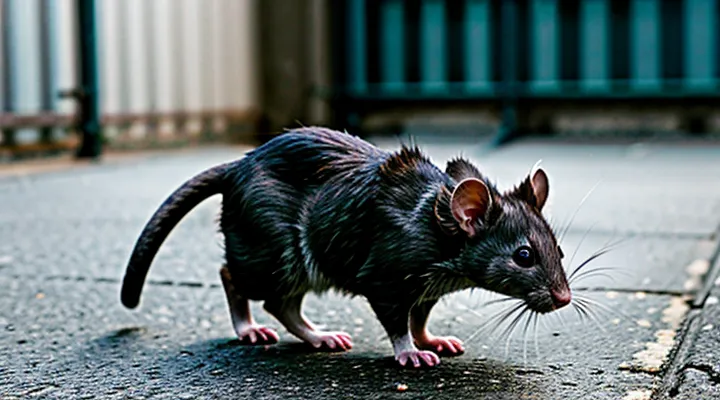
The Ubiquity of Urban Rats
Historical Context and Adaptation
Rats have accompanied human settlements for millennia, first appearing in agricultural societies of the Nile valley where grain stores attracted the species. Egyptian tomb reliefs depict rodent traps, indicating early recognition of their threat to food security. During the Roman era, the spread of trade routes facilitated the movement of Rattus rattus into port cities, where cramped living conditions and inadequate sanitation amplified infestations. Medieval European towns recorded plagues linked to rodent-borne pathogens, prompting the development of rudimentary control measures such as cat colonies and poison baits.
The industrial revolution intensified urban rat problems. Rapid population growth, the construction of extensive sewer networks, and the accumulation of waste created ideal habitats. Rattus norvegicus—the brown rat—expanded its range from shipyards to inland districts, displacing the black rat and demonstrating superior adaptability to cold climates and subterranean environments. By the early 20th century, municipal authorities instituted systematic extermination programs, integrating rodent-proof waste containers, routine building inspections, and coordinated poisoning campaigns.
Adaptation mechanisms underpin the species’ success in dense human environments:
- High reproductive rate: females produce up to 12 litters per year, each containing 5–10 offspring.
- Omnivorous diet: consumption of organic waste, carrion, and stored goods ensures food availability.
- Behavioral plasticity: nocturnal foraging reduces exposure to human activity; avoidance learning minimizes trap effectiveness.
- Physiological tolerance: resistance to toxins and pathogens enables survival amidst chemical control efforts.
Historical control strategies evolved from manual trapping to chemical rodenticides, and more recently to integrated pest management (IPM) programs that combine habitat modification, biological control agents, and targeted baiting. Understanding the long‑term interaction between urban rodents and human development informs current risk mitigation and guides the design of sustainable, evidence‑based interventions.
Current Global Distribution
Urban rats, primarily the Norway rat (Rattus norvegicus) and the black rat (Rattus rattus), inhabit virtually every continent where permanent human settlements exist. Their distribution reflects the expansion of cities, trade routes, and waste generation, allowing populations to thrive in temperate, subtropical, and tropical zones alike.
- North America: High densities in New York, Chicago, Los Angeles, and Vancouver; both species coexist, with R. norvegicus dominant in sewer systems and R. rattus more common in older residential districts.
- Europe: Widespread presence from London and Paris to Moscow and Istanbul; R. norvegicus predominates in northern and central regions, while R. rattus persists in Mediterranean ports.
- Asia: Massive colonies in Shanghai, Delhi, Tokyo, and Bangkok; R. norvegicus thrives in industrial districts, whereas R. rattus occupies densely populated slums and historic market areas.
- South America: Significant infestations in São Paulo, Buenos Aires, and Bogotá; both species are reported, with R. rattus more prevalent in coastal cities.
- Africa: Established populations in Lagos, Nairobi, and Cape Town; R. norvegicus dominates in modern urban centers, while R. rattus remains common in older settlements.
- Australia and Oceania: Concentrated in Sydney, Melbourne, and Auckland; R. norvegicus is the primary urban rat, with occasional R. rattus sightings in historic districts.
The global spread is facilitated by maritime cargo, rail freight, and vehicular transport, which move rodents and their progeny across borders. Dense housing, inadequate waste management, and aging infrastructure create habitats that support high reproductive rates, enabling rapid colonization of new urban environments. Continuous monitoring of distribution patterns is essential for effective risk assessment and targeted control strategies.
Health Risks Posed by Urban Rats
Direct Disease Transmission
Bacterial Infections «Leptospirosis, Salmonellosis, Plague»
Urban rats serve as reservoirs for several bacterial diseases that directly affect human populations. Their close association with waste, water systems, and domestic environments creates pathways for pathogen transmission.
- Leptospirosis – caused by Leptospira spp.; infection occurs through contact with urine‑contaminated water or soil; symptoms range from mild flu‑like illness to severe kidney or liver failure.
- Salmonellosis – Salmonella enterica strains are carried in the gastrointestinal tracts of rats; contamination of food, surfaces, or water leads to gastroenteritis, occasionally progressing to bloodstream infection.
- Plague – Yersinia pestis persists in rat populations; fleas that feed on infected rodents can bite humans, producing bubonic, septicemic, or pneumonic forms with high mortality if untreated.
Transmission mechanisms include direct handling of rodents, inhalation of aerosolized droppings, and bite exposure from ectoparasites. Environmental factors such as inadequate sanitation, standing water, and overcrowded housing increase exposure risk.
Effective mitigation combines habitat management and rodent population control. Measures encompass:
- Regular waste removal and secure storage to eliminate food sources.
- Maintenance of drainage systems to prevent water accumulation.
- Integrated pest‑management programs employing traps, bait stations, and, when justified, rodenticides under professional supervision.
- Monitoring of rodent activity and pathogen prevalence through systematic trapping and laboratory testing.
Implementation of these strategies reduces bacterial load in urban settings, thereby lowering the incidence of leptospirosis, salmonellosis, and plague among residents.
Viral Infections «Hantavirus»
Hantavirus constitutes a rodent‑borne viral disease capable of severe respiratory illness in humans. The virus resides in the kidneys and salivary glands of rats, persisting in urine, droppings, and saliva. Human infection occurs when aerosolized particles from contaminated materials are inhaled, or through direct contact with rodent secretions. Clinical presentation typically begins with fever, myalgia, and headache, progressing to pulmonary edema and, in some cases, fatal hemorrhagic fever with renal syndrome.
Urban environments provide abundant food sources and shelter, facilitating high rat densities and increasing exposure risk. Outbreaks correlate with poor waste management, overcrowded housing, and seasonal peaks in rodent activity. Populations most affected include individuals handling garbage, maintenance workers, and residents of infested apartments.
Diagnosis relies on serologic testing for specific antibodies or polymerase‑chain‑reaction detection of viral RNA. Early recognition permits supportive care; no approved antiviral therapy exists, and mortality rates rise sharply without intensive respiratory support.
Effective mitigation requires an integrated approach:
- Eliminate food and water sources: secure trash containers, repair leaks, and store food in sealed containers.
- Reduce shelter: seal entry points, remove clutter, and maintain clean grounds.
- Implement systematic rodent control: employ bait stations, traps, and, when necessary, licensed rodenticides under professional supervision.
- Educate at‑risk groups about safe handling of waste and proper protective equipment, including masks and gloves.
- Conduct routine surveillance: monitor rodent populations, test for viral presence, and record human cases to guide response measures.
Combining environmental management with targeted rodent control lowers hantavirus transmission potential and protects public health in densely populated areas.
Parasitic Infections «Trichinosis»
Trichinosis is a zoonotic parasitic disease caused by nematodes of the genus Trichinella. Urban rodents serve as natural reservoirs, maintaining the parasite’s life cycle and creating a pathway for human infection in city environments.
Transmission to humans occurs primarily through ingestion of raw or insufficiently cooked meat from infected rats or other wildlife that have consumed rat tissue. Secondary routes include cross‑contamination of kitchen surfaces, utensils, and ready‑to‑eat foods when rat carcasses are handled without protective measures.
The disease manifests after an incubation period of 1–2 weeks. Early symptoms comprise abdominal pain, diarrhea, and nausea as larvae migrate into the intestinal wall. Subsequent muscular invasion triggers fever, facial edema, and myalgia. Severe cases may involve cardiac or neurological complications, reflecting systemic dissemination of the parasite.
Laboratory confirmation relies on detection of Trichinella larvae in muscle biopsy or serological testing for specific antibodies. Treatment consists of antiparasitic agents such as albendazole or mebendazole, administered together with corticosteroids to mitigate inflammatory responses in severe infections.
Effective mitigation integrates rodent management with food safety practices:
- Reduce rat populations through baiting, trapping, and habitat modification (elimination of food sources, shelter, and water access).
- Maintain strict sanitation in residential and commercial kitchens; clean surfaces with hot, soapy water after any contact with potential rodent material.
- Enforce cooking standards that reach internal temperatures of at least 71 °C (160 °F) for meat derived from any source.
- Educate the public on risks associated with consuming wild-caught or improperly prepared animal products.
These actions limit the prevalence of Trichinella within urban rodent communities and lower the probability of human exposure.
Indirect Disease Transmission
Contamination of Food and Water Sources
Urban rats frequently infiltrate residential and commercial food supplies, introducing pathogens directly onto consumables and indirectly through compromised storage environments. Their nocturnal foraging habits bring them into contact with waste, discarded perishables, and unsecured containers, creating multiple avenues for contamination.
Common routes of contamination include:
- Direct contact with uncovered food items, leading to deposition of saliva, urine, and feces.
- Chewed packaging that breaches protective barriers, allowing bacterial ingress.
- Contaminated surfaces in kitchens and food‑service areas where rats leave droppings and urine.
- Access to water tanks, wells, and municipal supplies, resulting in microbial contamination of drinking water.
- Transfer of pathogens from infested storage facilities to distribution channels via contaminated pallets or crates.
The presence of rat‑borne microorganisms such as Salmonella, Leptospira, and Hantavirus in food and water can cause gastrointestinal illness, renal failure, and respiratory complications. Outbreaks often trace back to points where rodent control lapses coincide with inadequate sanitation practices.
Effective mitigation focuses on eliminating access and reducing population density. Strategies encompass:
- Securing all food containers with rodent‑proof lids and storing supplies off the floor.
- Installing physical barriers (metal screens, sealed door sweeps) around entry points.
- Deploying bait stations and traps in accordance with integrated pest‑management guidelines.
- Conducting routine inspections of water storage systems, cleaning tanks, and applying residual disinfectants.
- Maintaining rigorous cleaning schedules that remove droppings and sanitize surfaces after any suspected intrusion.
Implementing these measures curtails the transfer of harmful agents from urban rats to human food and water sources, thereby protecting public health.
Role as Vectors for Other Pests «Fleas, Ticks, Mites»
Urban rats frequently host ectoparasites that can detach and infest humans or domestic animals. Fleas, ticks, and mites exploit the rat’s body as a feeding platform, a shelter, and a means of dispersal across densely populated neighborhoods.
- Fleas acquire blood meals from rats, then migrate to humans, transmitting bacterial agents such as Yersinia pestis and Rickettsia spp.
- Ticks attach to rats during the immature stages, hitchhike on the rodent’s movements, and later seek larger hosts, facilitating the spread of Borrelia and Anaplasma pathogens.
- Mites, especially Ornithonyssus bacoti and Laelaps species, reproduce on rat fur and can bite humans, causing dermatitis and allergic reactions; some mite species also serve as intermediate hosts for tapeworms.
The presence of these ectoparasites amplifies health risks beyond direct rat–human contact. Control programs that target only rat populations may leave ectoparasite reservoirs untouched, allowing continued transmission cycles. Integrated management therefore requires:
- Reducing rat density through habitat modification, waste management, and trapping.
- Applying acaricides or insecticide treatments in infested structures to eliminate resident fleas, ticks, and mites.
- Monitoring ectoparasite indices in rodent colonies to assess intervention effectiveness.
By addressing both the primary rodent hosts and their associated ectoparasites, public‑health initiatives can curtail the spread of vector‑borne diseases in urban environments.
Allergic Reactions and Asthma Exacerbation
Urban rats generate allergens that can trigger immediate hypersensitivity reactions and aggravate chronic respiratory conditions. Rat urine, saliva, dander, and fecal particles become airborne, especially in poorly ventilated dwellings, warehouses, and subway stations. Sensitive individuals may experience sneezing, nasal congestion, itchy eyes, skin rash, or wheezing after brief exposure. In asthmatic patients, inhalation of rodent‑derived proteins can increase airway inflammation, reduce lung function, and precipitate severe attacks that require emergency treatment.
Key clinical points:
- Allergen sources – dried urine stains, dust contaminated with feces, and shed hair.
- Exposure pathways – inhalation of aerosolized particles, direct skin contact, and indirect contact via contaminated surfaces.
- High‑risk groups – children, people with pre‑existing asthma, and workers in waste‑handling or subway maintenance.
- Diagnostic markers – elevated serum IgE specific to rodent proteins, positive skin‑prick tests, and correlation of symptoms with known rat activity.
Control strategies focus on reducing allergen load and preventing new infestations:
- Sanitation – regular removal of waste, sealing food storage, and thorough cleaning of areas with visible rodent signs.
- Exclusion – sealing gaps larger than ¼ inch, installing door sweeps, and maintaining intact building envelopes.
- Population reduction – targeted baiting, trapping, and professional pest‑management programs that comply with local regulations.
- Environmental monitoring – periodic inspection for droppings, urine stains, and gnaw marks; use of allergen‑sampling kits in high‑risk facilities.
- Medical management – prescribing inhaled corticosteroids, bronchodilators, and antihistamines for affected patients; educating patients on avoidance techniques.
Effective mitigation requires coordinated effort between public‑health authorities, property managers, and healthcare providers. Reducing rodent presence directly lowers allergen concentrations, thereby decreasing the incidence of allergic reactions and the frequency of asthma exacerbations linked to urban rat infestations.
Economic and Structural Damages
Infrastructure Damage «Wiring, Plumbing, Foundations»
Urban rats frequently gnaw on electrical wiring, compromising insulation and exposing live conductors. This activity creates short circuits, increases fire risk, and can cause power outages that affect households and commercial facilities. The damage often goes unnoticed until a malfunction occurs, leading to costly repairs and potential safety hazards for occupants.
Plumbing systems suffer from persistent rodent intrusion. Rats chew through flexible tubing, PVC pipes, and rubber seals, resulting in leaks, loss of water pressure, and contamination of potable water supplies. Their burrowing behavior can also introduce debris into drainage lines, causing blockages and overflow incidents that require extensive pipe replacement.
Foundations are vulnerable to structural weakening due to rat burrows. Subterranean tunnels erode soil support around footings, create voids that settle unevenly, and may lead to cracks in walls and floors. In severe cases, the compromised load-bearing capacity can precipitate foundation settlement, necessitating underpinning or complete reconstruction.
Control measures that directly address infrastructure damage include:
- Regular inspection of wiring, especially in concealed spaces, with immediate replacement of compromised sections.
- Installation of rodent-resistant pipe sleeves and metal conduit for water lines.
- Sealing entry points around utility penetrations using steel mesh or cementitious materials.
- Deployment of bait stations and snap traps in known activity zones, coupled with professional monitoring.
- Maintenance of a clean perimeter, removing debris and vegetation that provide cover for nesting.
Implementing these actions reduces the probability of infrastructure failure, limits repair costs, and mitigates secondary health risks associated with electrical fires, waterborne pathogens, and structural collapse.
Agricultural Losses and Food Spoilage
Urban rodents infiltrate storage facilities, market stalls, and field warehouses, directly reducing crop yields and contaminating produce. Their gnawing and nesting activities damage harvested grains, fruits, and vegetables, leading to measurable weight loss and diminished market value. Contamination introduces pathogens such as Salmonella and Leptospira, rendering food unsafe for consumption and prompting costly recalls.
Key economic impacts include:
- Decrease in usable product weight, often 5‑15 % per infestation episode.
- Increased expenses for cleaning, disinfection, and pest‑proofing infrastructure.
- Losses from rejected shipments and contractual penalties.
- Elevated insurance premiums linked to heightened liability risk.
Effective mitigation relies on integrated measures:
- Structural sealing of entry points, reinforced doors, and rat‑proof containers.
- Regular monitoring with bait stations and motion‑activated cameras to detect activity early.
- Strategic placement of rodenticides following strict safety protocols to protect non‑target species.
- Routine sanitation schedules that remove food residues and eliminate nesting material.
Implementing these controls reduces spoilage rates, preserves agricultural output, and protects public health from rodent‑borne hazards.
Reputation and Business Impact
Rats in city environments damage corporate reputation by associating businesses with unsanitary conditions. Customers who encounter evidence of rodent activity—droppings, gnaw marks, or sightings—often question the hygiene standards of the establishment, leading to negative reviews and reduced patronage. Media coverage of infestations amplifies the perception of neglect, which can spread quickly through social platforms and deter potential clients.
Financial performance suffers when rodent problems trigger operational disruptions. Restaurants may face temporary closures for deep cleaning, while retail outlets risk inventory loss due to contamination. Insurance premiums rise for companies with documented pest issues, and legal liabilities increase when health regulations are breached. The cumulative effect lowers profit margins and can diminish investor confidence.
Key business impacts of rat infestations include:
- Decline in customer footfall and sales volume
- Escalation of regulatory fines and compliance costs
- Increased expenditure on pest‑control services and facility upgrades
- Damage to brand equity and stakeholder trust
- Higher employee turnover when workplace conditions are perceived as unsafe
Proactive containment strategies—regular inspections, sealed waste containers, and prompt remediation—protect reputation and stabilize revenue streams. Continuous monitoring and documentation demonstrate commitment to health standards, reinforcing confidence among consumers, partners, and regulators.
Integrated Pest Management «IPM» Approaches
Non-Lethal Control Methods
Habitat Modification and Sanitation
Effective control of urban rats depends on reducing the resources that attract and sustain them. Eliminating access to food, water, and shelter forces populations to relocate or decline. Structural changes that block entry points, such as sealing cracks, installing door sweeps, and repairing roof vents, directly limit the animals’ ability to establish nests within buildings.
Sanitation practices remove the environmental conditions that support rat colonies. Key actions include:
- Storing waste in sealed containers and removing it from the premises at least daily.
- Cleaning food preparation areas promptly, wiping spills, and storing dry goods off the floor.
- Maintaining drainage systems to prevent standing water and ensuring gutters are clear of debris.
- Disposing of discarded materials, such as cardboard and packaging, in a manner that prevents accumulation near structures.
Implementation requires regular inspection schedules, documentation of identified vulnerabilities, and prompt remediation. Monitoring the effectiveness of modifications through trap counts or visual surveys provides data to adjust strategies and sustain long‑term reduction of rat‑related health risks.
Exclusion Techniques «Sealing Entry Points»
Sealing entry points prevents rats from accessing buildings, reducing the likelihood of disease transmission and property damage. The method involves identifying all potential openings and applying durable barriers that rats cannot penetrate or gnaw through.
Typical urban entry points include:
- Gaps around utility pipes and cables
- Openings beneath doors and windows
- Cracks in foundation walls or concrete slabs
- Unsealed vents, chimneys, and exhaust fans
- Holes around drainage systems and sewer lines
Effective sealing requires materials such as stainless‑steel mesh, cement‑based caulk, metal flashing, and heavy‑duty wire mesh. Application steps are:
- Inspect the structure systematically, marking each gap larger than ¼ inch.
- Clean surfaces to remove debris, dust, and grease that could impair adhesion.
- Fit the chosen barrier tightly, overlapping seams by at least two inches.
- Secure the barrier with corrosion‑resistant fasteners or sealant, ensuring a continuous, airtight closure.
Regular maintenance checks verify the integrity of sealed openings. Inspect for new cracks after construction activity, settlement, or water intrusion, and repair promptly. Documentation of inspection dates and remedial actions supports long‑term control and compliance with public‑health standards.
Trapping and Relocation «Where Applicable and Humane»
Effective management of city‑dwelling rodents often incorporates live‑capture devices followed by relocation when regulations and ecological conditions permit. The practice relies on precise trap selection, strategic placement, and rigorous monitoring to minimize suffering and prevent disease transmission.
- Use snap traps with calibrated spring tension for immediate kill; select models that close within milliseconds to reduce distress.
- Deploy cage traps for live capture; choose designs with smooth interiors, ventilation slots, and escape‑proof doors.
- Position traps along established runways, near food sources, and in concealed corners; align devices perpendicular to walls to increase entry probability.
- Inspect traps at intervals not exceeding two hours for live captures; release captured individuals promptly to avoid dehydration and heat stress.
Relocation must adhere to local wildlife statutes, which typically forbid release within a 1‑mile radius of the capture site to prevent re‑infestation. When permitted, transport rats in secure containers, provide temporary shelter, and release them in habitats offering natural predators and abundant cover. Document each relocation event, including GPS coordinates, date, and animal condition, to facilitate post‑release monitoring.
Integrating trapping with sanitation measures—sealing entry points, securing waste, and eliminating standing water—enhances long‑term control. Regular evaluation of trap success rates informs adjustments in bait type, placement density, and schedule, ensuring the program remains both humane and effective.
Chemical Control Methods
Rodenticides «Types and Application Considerations»
Rodenticides used to manage city-dwelling rats fall into several chemical classes, each with distinct mechanisms and safety profiles. Anticoagulants, such as warfarin‑derived compounds and second‑generation agents (bromadiolone, difenacoum), inhibit blood clotting, leading to fatal hemorrhage after multiple feedings. Bromethalin disrupts neuronal energy metabolism, causing rapid paralysis and death after a single ingestion. Zinc phosphide reacts with stomach acid to release phosphine gas, producing acute toxicity. Cholecalciferol (vitamin D₃) induces hypercalcemia, resulting in organ failure over several days. Sodium nitrite, a newer option, interferes with hemoglobin oxygen transport.
Application considerations include:
- Target specificity – select agents that affect rats while minimizing risk to non‑target wildlife and pets.
- Resistance management – rotate active ingredients or combine with non‑chemical controls to prevent tolerance buildup.
- Secondary poisoning – avoid formulations prone to accumulation in predator or scavenger species.
- Regulatory compliance – adhere to local pesticide statutes, labeling requirements, and permissible concentration limits.
- Bait placement – position in concealed, tamper‑resistant stations near rat pathways; protect from weather and runoff.
- Dosage and exposure – calculate based on rodent weight and local population density to ensure lethal intake without excess.
Effective deployment integrates chemical selection with environmental assessment, ensuring humane reduction of rat numbers while safeguarding public health and ecological integrity.
Safety Protocols for Chemical Use
Chemical rodent‑control programs require strict safety measures to protect personnel, occupants, and the environment. Prior to application, verify that the product label matches the target species and that all required personal protective equipment (PPE) is available. Store chemicals in locked, ventilated areas, away from food, water, and incompatible substances.
- Wear appropriate PPE: chemical‑resistant gloves, goggles, face shield, and impermeable clothing.
- Conduct a risk assessment of the treatment site, noting ventilation, proximity to non‑target organisms, and potential spill routes.
- Follow label‑specified dilution ratios; use calibrated measuring devices to avoid over‑concentration.
- Apply chemicals only during designated times, minimizing exposure to humans and pets; restrict access to treated zones until the re‑entry interval expires.
- Maintain a material‑safety data sheet (MSDS) on‑site; ensure all staff can interpret hazard statements and emergency procedures.
- Implement spill containment: keep absorbent pads, neutralizing agents, and disposal containers readily available.
- Record each application: product name, batch number, quantity, location, date, and personnel involved.
After treatment, conduct a visual inspection for residues, verify that ventilation systems function properly, and document any incidents. Decontaminate equipment according to manufacturer guidelines before storage. Regular training refreshers reinforce compliance and reduce the likelihood of accidental exposure.
Biological Control Methods «Predators, Fertility Control»
Biological control targets urban rat populations by exploiting natural enemies and reducing reproductive capacity.
Predatory species can suppress rat numbers when habitat conditions allow sustained hunting pressure. Effective predators include:
- Barn owls (Tyto alba) that hunt at night and relocate to areas with high rodent activity.
- Cooper’s hawks (Accipiter cooperii) that capture rats during daylight foraging.
- Red-tailed hawks (Buteo jamaicensis) that patrol open spaces and rooftops.
- Feral or domestic cats (Felis catus) that actively chase and kill rats in alleyways and parks.
- Certain snake species, such as the common garter snake (Thamnophis sirtalis), that prey on juvenile rats in vegetated corridors.
Successful predator deployment requires preserving nesting sites, minimizing rodenticide exposure, and preventing human-wildlife conflict.
Fertility control intervenes directly in rat reproduction, lowering birth rates without immediate mortality. Primary methods comprise:
- Oral contraceptive baits containing gonadotropin-releasing hormone antagonists, which temporarily inhibit ovulation in females.
- Immunocontraceptive vaccines delivered via bait that stimulate antibodies against reproductive proteins, leading to long‑term sterility.
- Genetic sterilization programs that release engineered rats carrying self‑limiting genes, causing population decline over successive generations.
Implementation of fertility control demands rigorous bait distribution, monitoring of non‑target species ingestion, and periodic assessment of reproductive suppression efficacy.
Integrating predator encouragement with fertility‑reducing agents creates a multi‑layered approach that reduces rat density, limits disease transmission, and minimizes reliance on chemical poisons. Continuous evaluation of population metrics ensures adaptive management and sustained public health protection.
Public Awareness and Community Involvement
Public awareness reduces the incidence of rat‑borne diseases by informing residents about identification, transmission pathways, and preventive practices. Educational campaigns should convey the health risks associated with rodent droppings, urine, and bites, and outline immediate actions when sightings occur.
Key elements of an effective awareness program include:
- Distribution of concise fact sheets that detail common signs of infestation and recommended sanitation measures.
- Utilization of local media and social platforms to broadcast alerts during peak rodent activity periods.
- Installation of visible signage in high‑risk zones, such as waste collection points and abandoned structures.
Community involvement strengthens control efforts through coordinated actions. Residents can contribute by:
- Maintaining property cleanliness, securing food sources, and sealing entry points.
- Reporting infestations to municipal pest‑control services using established hotlines or online forms.
- Participating in neighborhood clean‑up events that eliminate clutter and reduce shelter opportunities for rodents.
Collective participation accelerates detection, limits spread, and supports the implementation of integrated pest‑management strategies, ultimately protecting public health and property.
Challenges in Urban Rat Control
Rapid Reproduction Rates and Adaptability
Urban rats reproduce with extraordinary speed. A female can become fertile within 5 weeks after birth, produces 5–12 offspring per litter, and can have up to 10 litters annually. This cycle yields potential population growth of several hundred percent in a single year.
- Gestation: 21–23 days
- Weaning: 3 weeks
- Sexual maturity: 5 weeks
- Litter size: 5–12 pups
- Litters per year: up to 10
Adaptability enhances this reproductive potential. Rats exploit any available shelter, from subway tunnels to abandoned buildings, and thrive in temperatures ranging from sub‑zero to tropical levels. Their omnivorous diet accepts organic waste, human food scraps, and even inorganic materials, allowing survival where resources fluctuate. Behavioral flexibility permits rapid avoidance of new threats, while physiological tolerance reduces the efficacy of many rodenticides.
High reproductive output and environmental resilience increase contact frequency with humans, elevate disease transmission risk, and complicate eradication efforts. Effective control must combine continuous monitoring, habitat modification, and integrated baiting strategies that account for rapid turnover and learned avoidance. Timely intervention prevents exponential growth and reduces public‑health hazards.
Rodenticide Resistance
Rodenticide resistance in city rat populations undermines traditional poison-based control programs. Genetic mutations, particularly in the VKORC1 gene, reduce sensitivity to anticoagulant compounds. Biochemical adaptations, such as enhanced detoxification enzymes, further diminish efficacy. Resistance spreads through breeding and migration, creating pockets of highly tolerant rats in densely populated districts.
Consequences include increased rodent numbers, elevated exposure to pathogens, and higher likelihood of food contamination. Ineffective baiting forces reliance on repeated applications, raising costs and environmental risks. Monitoring resistance levels is essential for adapting management strategies.
Effective response combines several measures:
- Rotate active ingredients: alternate first‑generation anticoagulants with second‑generation compounds to limit selection pressure.
- Implement integrated pest management: use trapping, habitat modification, and sanitation to reduce food and shelter availability.
- Apply bait stations strategically: place devices in high‑traffic zones, avoid non‑target exposure, and replace baits regularly.
- Conduct resistance testing: collect tissue samples, perform gene sequencing or bioassays, and adjust poison choice accordingly.
- Explore non‑chemical controls: introduce biological agents such as predatory birds, employ fertility‑reducing vaccines, or use rodent‑specific traps with automated monitoring.
Regular evaluation of control outcomes, coupled with data‑driven adjustments, maintains efficacy despite evolving resistance.
Public Perception and Ethical Concerns
Public attitudes shape municipal decisions on rodent management. Surveys consistently show that residents associate city‑dwelling rats with health hazards, property damage, and unsanitary conditions, prompting demand for immediate eradication measures.
Common misconceptions amplify fear. Many citizens assume all rats carry pathogens, despite epidemiological data indicating that only a minority harbor disease‑causing agents. Media reports often highlight isolated incidents, reinforcing a perception of pervasive danger that exceeds statistical risk.
Ethical considerations arise from the methods employed to reduce rat numbers. Key issues include:
- Preference for humane killing techniques rather than indiscriminate poisons.
- Evaluation of non‑lethal alternatives such as habitat modification and exclusion.
- Assessment of secondary impacts on predators, scavengers, and ecosystem balance.
- Transparency about the use of toxicants and their potential effects on children and pets.
Balancing public demand for safety with respect for animal welfare requires clear communication of actual risks, evidence‑based justification for chosen interventions, and adherence to humane standards.
Future Directions in Rat Management
Future research will prioritize integrated pest‑management frameworks that combine habitat alteration, waste reduction, and targeted control tools to lower urban rodent populations while minimizing non‑target impacts. Advanced monitoring technologies, such as networked sensor arrays and machine‑learning algorithms, will enable real‑time detection of rodent activity and rapid response to emerging hotspots. Genetic interventions, including sterile‑male releases and gene‑drive systems, are under development to suppress reproduction rates in city‑dwelling rats without extensive chemical use.
- Smart traps equipped with electronic identification and automated data transmission will replace manual trapping, improving capture efficiency and providing actionable population metrics.
- Biocontrol agents, such as pathogenic fungi or bacteria specific to rats, will be evaluated for safety and efficacy as complementary control measures.
- Urban planning guidelines will incorporate design features that deter rodent colonization, including sealed utility access points, elevated waste containers, and surface materials that inhibit burrowing.
Regulatory agencies are expected to adopt risk‑based licensing for novel biotechnologies, ensuring rigorous assessment of ecological consequences. Public‑health programs will expand community outreach, delivering evidence‑based education on sanitation practices and safe handling of control devices. Collaborative networks linking municipal authorities, academic institutions, and private sector innovators will accelerate field trials and facilitate data sharing, ultimately refining predictive models and optimizing resource allocation for rat management in densely populated environments.