
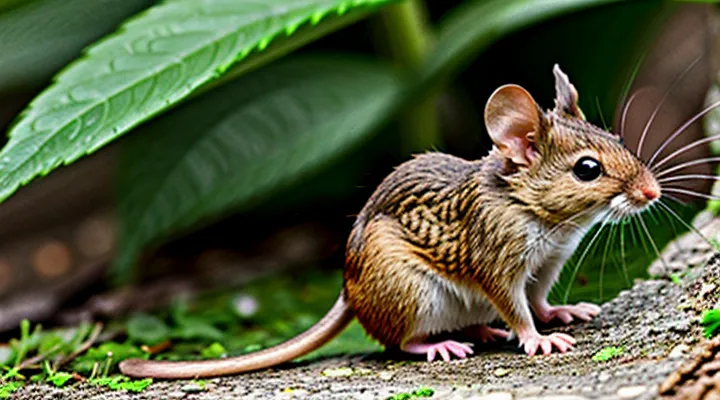
The World of Rodents: A Brief Overview
Rodents constitute the largest mammalian order, encompassing over 2,400 species that occupy ecosystems from arctic tundra to tropical rainforests. Their evolutionary success stems from adaptable dentition, rapid reproductive cycles, and versatile foraging strategies. Within this order, the genus Apodemus (field mice) and the genus Mus (house mice) represent two of the most studied members due to their ecological relevance and frequent interaction with human environments.
Field mice typically thrive in natural habitats such as grasslands, woodlands, and agricultural fields. Their fur coloration blends with open vegetation, and they exhibit a preference for seed and insect diets. Morphologically, they possess longer tails relative to body length and larger hind feet, adaptations that enhance climbing and sprinting in uneven terrain. Reproductive timing aligns with seasonal resource availability, resulting in peak litters during spring and early summer.
House mice are synanthropic, favoring human dwellings, storage facilities, and urban infrastructure. Their coat often displays a uniform gray or brown hue, suited for indoor settings. Physical traits include a shorter tail, compact body, and reduced hind foot size, reflecting a lifestyle centered on navigating confined spaces. Diet consists primarily of stored grains, processed foods, and organic waste. Breeding occurs year‑round, with shorter intervals between litters, allowing rapid population growth in stable environments.
Key distinctions:
- Habitat: natural fields and forests vs. human structures.
- Tail length: proportionally longer in field species, shorter in house species.
- Foot morphology: larger hind feet for climbing vs. smaller feet for maneuvering indoors.
- Dietary focus: wild seeds/insects vs. stored grains and waste.
- Reproductive pattern: seasonal peaks vs. continuous breeding.
Understanding these differences clarifies why field mice contribute to seed dispersal and soil aeration, while house mice pose challenges for food storage and public health. Both species illustrate the broader adaptive capacity of rodents, reinforcing their role as indicators of ecosystem change and as subjects of scientific inquiry.
Physical Characteristics
Size and Body Shape
Field Mouse
The field mouse (Apodemus sylvaticus) inhabits open grasslands, hedgerows, and forest edges, where it builds shallow burrows or nests in dense vegetation. Unlike the house mouse, which thrives in human structures, the field mouse prefers natural cover and avoids permanent indoor environments.
Morphologically, the field mouse exhibits a longer tail (up to 100 mm) relative to body length, a reddish‑brown dorsal coat, and larger ears. Its paws bear sharp claws adapted for digging in loose soil, whereas the house mouse has shorter, less robust limbs suited for climbing within buildings.
Behavioral traits include nocturnal foraging, a diet composed mainly of seeds, insects, and occasional fruit, and a strong seasonal breeding pattern that peaks in spring and early summer. Reproductive output averages five litters per year, each containing 4–7 offspring; the house mouse can produce up to ten litters with larger litter sizes under stable indoor conditions.
Key distinctions:
- Habitat: open fields vs. human dwellings
- Tail length: proportionally longer in field mouse
- Coat color: reddish‑brown dorsal fur versus gray‑brown in house mouse
- Burrowing: extensive underground nests vs. limited nesting material usage
- Breeding cycle: seasonal peaks vs. year‑round reproduction
These characteristics define the field mouse as a species adapted to outdoor ecosystems, contrasting sharply with the house mouse’s reliance on anthropogenic environments.
House Mouse
The house mouse (Mus musculus) is a small rodent native to Eurasia that now inhabits most human‑occupied regions worldwide. It thrives in buildings, storage facilities, and other structures where food and shelter are readily available.
Adults measure 7–10 cm in body length, with a tail of similar length. Fur is typically gray‑brown on the back and lighter on the belly; ears are large relative to head size. Dental formula is 1/1, 0/0, 0/0, 3/3, characteristic of the Muridae family.
The species is omnivorous, consuming grains, seeds, insects, and human food waste. Breeding occurs year‑round in warm climates, with litters of 5–8 pups after a gestation of about 19 days. Social organization consists of loose colonies that share nesting sites but maintain individual territories.
Adaptations to domestic settings include reduced fear of humans, ability to exploit a wide range of artificial food sources, and high reproductive rate that supports rapid population growth in confined spaces.
Key distinctions from the field mouse (Apodemus sylvaticus) are:
- Habitat: house mouse occupies human structures; field mouse prefers natural vegetation and forest edges.
- Coat coloration: house mouse exhibits uniform gray‑brown pelage; field mouse shows more varied brown and reddish tones with distinct dorsal stripes.
- Tail length: house mouse tail is proportionally longer and less hairy; field mouse tail is shorter with a tufted tip.
- Reproductive cycle: house mouse reproduces continuously under favorable conditions; field mouse shows seasonal breeding linked to temperature and food availability.
- Behavioral tolerance: house mouse displays high tolerance to human activity; field mouse is more skittish and avoids close contact with people.
Fur Color and Texture
Field Mouse
The field mouse (Apodemus sylvaticus) is a small rodent native to Europe, western Asia and North Africa. It occupies natural environments such as woodlands, grasslands and agricultural margins, avoiding permanent indoor settings.
Its fur is typically brown to reddish‑brown on the back, with a lighter belly. The tail is relatively long, covered with scales and sparse hair, and the ears are proportionally larger than those of the common house mouse (Mus musculus). Body length ranges from 8 to 10 cm, with a weight of 15–30 g.
Field mice are primarily nocturnal foragers. Their diet consists of seeds, nuts, insects and occasional green material. They build shallow nests in vegetation or underground burrows, employing shredded plant matter as lining. Activity patterns are seasonal; individuals may enter brief periods of torpor during cold spells.
Breeding occurs from spring to early autumn. Females produce litters of 4–6 young after a gestation of about 20 days. Offspring are weaned within three weeks and reach sexual maturity by two months.
Key distinctions from the house mouse:
- Habitat: field mouse favors outdoor habitats; house mouse thrives in human dwellings.
- Fur coloration: field mouse displays a more varied, often darker dorsal coat; house mouse typically has a uniform gray‑brown coat.
- Tail morphology: field mouse tail is longer relative to body length and less hair‑covered; house mouse tail is shorter and more uniformly furred.
- Dietary breadth: field mouse relies heavily on natural seeds and insects; house mouse consumes a higher proportion of stored human food.
- Social structure: field mouse forms loose colonies with limited aggression; house mouse exhibits higher density nesting and territorial behavior.
- Reproductive timing: field mouse breeding is seasonally constrained; house mouse can breed year‑round in heated environments.
House Mouse
The house mouse (Mus musculus) is a small rodent belonging to the family Muridae. Adults typically measure 7–10 cm in body length, with a tail of similar length, and weigh 15–30 g. Coat coloration ranges from gray‑brown to almost black, often with a lighter belly. The species exhibits a high degree of genetic uniformity across global populations, reflecting extensive human‑mediated dispersal.
In domestic and urban environments, the house mouse thrives in structures that provide shelter, warmth, and readily available food. It exploits cracks, wall voids, and stored‑product containers, establishing nests from shredded paper, fabric, or insulation. Activity peaks during night hours, but the species can forage during daylight when resources are scarce.
Key biological traits include:
- Rapid reproductive cycle: gestation lasts 19–21 days; a litter comprises 4–8 pups; females become fertile again within 24 hours after birth.
- High fecundity: a single pair can produce up to 10 litters per year, enabling exponential population growth under favorable conditions.
- Omnivorous diet: grains, seeds, insects, and human food waste constitute the primary intake; the mouse can digest a wide range of carbohydrates and proteins.
- Strong learning ability: individuals quickly associate specific locations with food sources, facilitating persistent infestations.
When compared to its wild counterpart, the field mouse (Apodemus sylvaticus), several distinctions emerge:
- Habitat preference: the house mouse is synanthropic, relying on human structures; the field mouse occupies natural habitats such as forests, grasslands, and hedgerows.
- Social organization: house mice form large, dense colonies with defined hierarchies; field mice maintain smaller, more fluid groupings.
- Reproductive output: house mice produce larger litters and have shorter inter‑birth intervals than field mice, which typically have 3–5 offspring per litter and longer gestation periods.
- Morphology: the house mouse possesses a shorter, more uniformly colored tail and a less pronounced ear size compared with the field mouse, which often exhibits a bi‑colored tail and larger, hair‑covered ears.
Understanding these characteristics is essential for effective control measures in residential and commercial settings. Strategies focus on sealing entry points, reducing food availability, and employing integrated pest‑management techniques that target the mouse’s reproductive capacity.
Tail Length and Features
Field Mouse
The field mouse (Apodemus sylvaticus) inhabits open fields, woodland edges, and grasslands across Europe and western Asia. It avoids permanent indoor environments, preferring natural shelters such as burrows, leaf litter, and dense vegetation. Activity peaks during twilight hours, with individuals foraging on the ground and climbing low vegetation.
Physically, the field mouse is larger than the common house mouse (Mus musculus). Body length ranges from 90 to 110 mm, compared with 70 to 95 mm for the house mouse. The tail of the field mouse is proportionally longer, often exceeding the head‑body length, while the house mouse tail is shorter relative to its body. Fur coloration differs: field mouse dorsal pelage is brown to gray with a distinct reddish hue, whereas house mouse fur is uniformly gray‑brown. Ears are noticeably larger and more rounded in the field mouse.
Dietary habits reflect habitat preferences. Field mice consume seeds, nuts, insects, and occasional plant material, relying on seasonal availability. House mice exhibit omnivorous opportunism, readily exploiting human‑derived food sources, including processed foods and waste. Consequently, field mice play a role in seed dispersal and invertebrate population regulation within natural ecosystems.
Reproductive cycles diverge. Field mice breed primarily in spring and summer, producing litters of 4–6 young after a gestation of about 21 days. Their lifespan in the wild averages 12–18 months. House mice can breed year‑round in heated structures, yielding larger litters of up to 10 offspring, with a slightly longer average lifespan under laboratory conditions.
Key distinguishing features
- Habitat: outdoor fields and woodland vs. indoor human dwellings
- Size: larger body and tail length
- Fur: brown‑red dorsal coloration, larger ears
- Diet: natural seeds and insects vs. human‑associated foods
- Breeding: seasonal limited cycles vs. continuous year‑round reproduction
These characteristics define the field mouse as a distinct species adapted to open, natural environments, contrasting sharply with the commensal house mouse that thrives alongside human activity.
House Mouse
The house mouse (Mus musculus) is a small rodent, typically 7–10 cm long, with a tail equal to or slightly longer than its body. Its fur is gray‑brown on the back, lighter on the sides, and white on the belly. The species exhibits a high degree of genetic variability, which facilitates adaptation to diverse environments.
This species thrives in human‑occupied structures, including homes, farms, and warehouses. Its presence correlates with the availability of shelter, warmth, and food sources provided by human activity. The mouse readily exploits cracks, gaps, and concealed spaces for nesting.
Diet consists primarily of grains, seeds, and processed foods, but the animal can digest a wide range of organic material, including insects and waste. Its incisors grow continuously, requiring constant gnawing to maintain proper length.
Reproduction is rapid: females become sexually mature at 6 weeks, produce up to five litters per year, and each litter contains 4–8 offspring. Gestation lasts approximately 19–21 days, enabling swift population growth under favorable conditions.
Key distinctions from the field mouse include:
- Habitat preference: indoor and peridomestic versus open fields and grasslands.
- Fur coloration: more uniform gray‑brown compared with the field mouse’s dorsal stripe and reddish tint.
- Tail length: proportionally longer in the house mouse.
- Behavioral pattern: higher tolerance for human proximity and reduced wariness.
- Reproductive output: slightly higher litter size and more frequent breeding cycles.
Ear Size and Shape
Field Mouse
The field mouse (Apodemus sylvaticus) inhabits natural environments such as grasslands, forests, and agricultural margins. Its coat is typically brown‑gray with a distinct dorsal stripe, providing camouflage among vegetation. Body length ranges from 7 to 10 cm, with a tail proportionally longer than that of the common house mouse, often exceeding half the body length.
Adaptations to an outdoor lifestyle include:
- Stronger hind limbs that enable rapid, erratic leaps across uneven ground.
- Enhanced auditory and olfactory senses suited for detecting predators in open habitats.
- A diet consisting primarily of seeds, insects, and occasional plant material, reflecting seasonal availability.
Reproductive patterns differ from domestic counterparts. Breeding peaks in spring and early summer, producing litters of three to six offspring. Gestation lasts about 20 days, and juveniles reach independence within four weeks, aligning with the brief period of abundant resources in wild settings.
Physiological traits reflect exposure to variable temperatures. The field mouse exhibits a higher basal metabolic rate, facilitating thermoregulation during cold nights, and it accumulates subcutaneous fat reserves for winter survival. These characteristics collectively distinguish the field mouse from its commensal relative that thrives in human‑occupied structures.
House Mouse
The house mouse (Mus musculus) is a small rodent native to Eurasia but now distributed worldwide through human activity. Adult individuals typically measure 7–10 cm in body length, with a tail of comparable length, and weigh 15–30 g. Fur coloration ranges from light gray to brown, often with a white belly. The species possesses a high reproductive rate, reaching sexual maturity at 6 weeks and producing up to ten litters per year, each containing 5–8 offspring.
Habitat preference centers on human structures: buildings, grain stores, and urban sub‑surfaces. The mouse exploits cracks, walls, and insulation for nesting, constructing shallow burrows or using existing cavities. Food intake is omnivorous; it consumes grains, seeds, insects, and human waste. Seasonal fluctuations trigger increased scavenging behavior, allowing survival in temperate climates.
Compared with its wild counterpart, the house mouse exhibits several distinct traits:
- Environment: predominantly indoor or peri‑domestic; the field mouse occupies natural vegetation and open fields.
- Social structure: forms dense colonies within confined spaces; the field mouse maintains smaller, dispersed groups.
- Foraging range: limited to immediate surroundings of human dwellings; the field mouse travels greater distances across varied terrain.
- Disease vector potential: higher contact with humans leads to greater relevance in epidemiology.
Physiologically, the house mouse has a shorter tail relative to body length, a trait associated with reduced need for balance in open habitats. Its auditory and olfactory systems are adapted to detect human‑generated noises and food odors. Laboratory studies frequently use Mus musculus as a model organism due to its genetic similarity to humans and ease of breeding.
Economic impact includes contamination of stored products, structural damage from gnawing, and associated health risks. Control measures rely on integrated pest management: sanitation, exclusion of entry points, and targeted rodenticides. Monitoring programs employ snap traps and bait stations to assess population density and efficacy of interventions.
Overall, the house mouse represents a synanthropic species whose biology, behavior, and interactions with human environments distinguish it sharply from rodents that inhabit natural ecosystems.
Habitat and Environment
Preferred Living Spaces
Field Mouse
The field mouse (Apodemus sylvaticus) inhabits open habitats such as grasslands, hedgerows, and cultivated fields. Its coat is typically brown‑gray with a distinct dorsal stripe, providing camouflage among vegetation. Unlike the house mouse, which prefers human structures, the field mouse builds shallow nests in dense ground cover or under stones, using dry grasses and shredded plant material.
Physiological traits distinguish the species. The field mouse possesses longer hind limbs and a slightly larger skull, adaptations that enhance jumping ability and foraging efficiency in uneven terrain. Its ears are proportionally larger, improving auditory detection of predators in open environments. Tail length averages 70–80 mm, exceeding body length, whereas the house mouse displays a shorter, less tapered tail.
Reproductive behavior also varies. Field mice produce litters of 4–7 offspring after a gestation period of about 21 days, with breeding peaks in spring and autumn. They exhibit a higher degree of seasonal photoperiod sensitivity, leading to reduced activity during winter months. In contrast, house mice breed year‑round under stable indoor conditions.
Key ecological differences can be summarized:
- Habitat: open fields and hedgerows vs. human dwellings.
- Nesting: shallow ground nests vs. concealed indoor nests.
- Morphology: longer hind limbs, larger ears, longer tail.
- Reproduction: seasonal breeding peaks vs. continuous breeding.
- Diet: seeds, insects, and green vegetation vs. stored grain and waste.
These characteristics collectively define the field mouse as a species adapted to variable, outdoor ecosystems, setting it apart from the commensal house mouse.
House Mouse
The house mouse (Mus musculus) is a small rodent adapted to human‑made environments. Adult individuals typically measure 6–10 cm in body length, with a tail of comparable length, and weigh 15–30 g. Its fur is usually gray‑brown on the back and lighter on the ventral side.
- Habitat: Primarily occupies buildings, grain stores, and other structures where food and shelter are abundant. Unlike the field mouse, it rarely inhabits open grasslands or woodland edges.
- Diet: Omnivorous; consumes grains, seeds, insects, and human food waste. The field mouse relies more on natural vegetation and seeds found in fields.
- Reproduction: Breeds year‑round in temperate zones, producing 5–10 litters annually, each with 4–8 pups. The field mouse shows seasonal breeding peaks, often limited to spring and summer.
- Behavior: Exhibits strong social tolerance, forming colonies within walls and attics. Displays nocturnal activity but can be active during daylight when food is scarce. The field mouse tends to be more solitary and strictly nocturnal.
- Physiology: Possesses a high metabolic rate, enabling rapid growth and quick turnover of generations. Shows greater tolerance to indoor pollutants and temperature fluctuations compared with its field counterpart.
These characteristics define the house mouse as a species that thrives in close association with human settlements, distinguishing it from the field mouse, which remains tied to natural, open habitats.
Nesting Habits
Field Mouse
The field mouse (Apodemus sylvaticus) occupies open grasslands, forest edges, and agricultural fields, where it builds shallow burrows or nests in dense vegetation. Unlike the house mouse, it avoids permanent human structures and demonstrates a strong preference for natural cover.
Morphologically, the field mouse exhibits a longer tail proportionate to body length, a bicolored dorsal coat ranging from gray‑brown to reddish tones, and larger ears relative to skull size. Its paws bear dense fur, providing insulation against cooler outdoor temperatures.
Behavioural traits include nocturnal foraging, a diet dominated by seeds, insects, and occasional plant material, and a seasonal shift toward higher protein intake during breeding periods. Reproduction peaks in spring, with litters averaging five to seven offspring, each reaching independence within three weeks.
Key distinctions from the common house mouse:
- Habitat: wild fields vs. human dwellings
- Tail length: proportionally longer in field mice
- Coat coloration: more varied and camouflaged
- Social structure: less aggressive, more solitary tendencies
- Diet flexibility: greater reliance on natural seeds and insects
These characteristics define the field mouse as a species adapted to fluctuating outdoor environments, contrasting sharply with the domesticated habits of its house-dwelling counterpart.
House Mouse
The house mouse (Mus musculus) is a small rodent adapted to human environments. Adult individuals measure 7–10 cm in body length, with a tail roughly equal to the body size. Fur coloration ranges from light gray to brown, and the ears are proportionally large relative to the head.
Its preferred habitat is indoor spaces such as kitchens, storerooms, and basements, where it exploits the constant availability of food waste and shelter. Unlike the field mouse, which favors open fields and grasslands, the house mouse thrives in structures built by humans, often establishing colonies within wall cavities and ceilings.
Key biological traits distinguish the house mouse from its wild counterpart:
- Reproductive cycle: gestation lasts 19–21 days; females can produce up to ten litters per year, each containing 5–8 offspring.
- Diet: omnivorous, with a strong preference for grain, processed foods, and organic waste.
- Social structure: forms hierarchical groups with defined dominance relationships, facilitating efficient use of confined spaces.
- Disease vector potential: carriers of hantavirus, salmonella, and other pathogens that can affect humans and domestic animals.
From an economic perspective, the house mouse causes material loss through consumption of stored products and damage to wiring, insulation, and structural components. Control measures focus on exclusion, sanitation, and targeted rodenticides, reflecting its close association with human activity.
Dietary Habits
Natural Food Sources
Field Mouse
The field mouse (Apodemus sylvaticus) inhabits open grasslands, forests, and agricultural margins, where it constructs shallow burrows or nests in dense vegetation. Its fur is typically brown‑gray with a distinct dorsal stripe, providing camouflage among foliage, whereas the house mouse (Mus musculus) displays a more uniform, often pinkish‑gray coat suited to indoor environments.
Key distinctions:
- Habitat range – Field mice thrive outdoors, tolerating temperature fluctuations; house mice are commensal, preferring human structures.
- Dietary breadth – Field mice consume seeds, insects, and plant matter; house mice rely heavily on stored grains and processed foods.
- Reproductive cycle – Field mice produce litters of 3–7 offspring with a breeding season limited to spring and summer; house mice breed year‑round, yielding larger litters.
- Social behavior – Field mice exhibit territoriality and solitary foraging; house mice form dense colonies with complex social hierarchies.
- Morphology – Field mice possess longer tails relative to body length and larger ears, adaptations for outdoor navigation; house mice have shorter tails and smaller ears, reflecting a sedentary lifestyle.
Understanding these attributes clarifies the ecological separation between the two species and informs pest‑management strategies that target specific behaviors and habitats.
House Mouse
The house mouse (Mus musculus) is a small rodent that thrives in human‑occupied environments worldwide. Adults typically measure 7–10 cm in body length, weigh 15–30 g, and possess a relatively hairless tail that is roughly equal to the body length. Its fur ranges from gray to brown, with a lighter underbelly. The species exhibits a high reproductive rate, producing up to ten litters per year, each containing 5–8 offspring after a gestation period of about 19 days.
Key biological and ecological traits of the house mouse include:
- Habitat preference: closely associated with buildings, farms, and urban infrastructure; nests are built in walls, attics, or stored food areas.
- Diet: omnivorous, consuming grains, seeds, insects, and human food waste; capable of exploiting diverse food sources.
- Behavior: primarily nocturnal, displays strong social hierarchies within colonies, and shows limited territorial aggression compared with wild counterparts.
- Adaptability: rapid genetic adaptation to pest control measures and environmental changes; resistance to certain rodenticides is documented.
Understanding these characteristics provides a baseline for comparing the house mouse with its wild relative, the field mouse, which occupies open fields, exhibits different fur coloration, and displays distinct foraging and nesting behaviors.
Foraging Behavior
Field Mouse
The field mouse (genus Apodemus, most commonly Apodemus sylvaticus) inhabits open woodlands, grasslands, and agricultural margins, preferring natural cover such as dense vegetation and ground litter. Its distribution spans Europe and parts of western Asia, where it occupies a niche separate from the synanthropic house mouse (Mus musculus).
Morphologically, the field mouse exhibits a longer tail proportionate to body length, reddish-brown dorsal fur with a distinct dorsal stripe, and larger ears relative to head size. In contrast, the house mouse presents a shorter tail, uniformly grayish dorsal pelage, and smaller ears. These traits reflect adaptations to outdoor environments, where camouflage and thermoregulation are critical.
Behaviorally, the field mouse is primarily nocturnal and demonstrates strong territoriality, establishing burrows or nesting sites within concealed microhabitats. It forages on seeds, insects, and plant material, adjusting diet seasonally. The house mouse, by comparison, displays greater flexibility in activity patterns, often exploiting human structures for shelter and relying heavily on stored food resources.
Key distinctions between the two species:
- Habitat: natural fields and woods vs. human dwellings and storage areas.
- Tail length: proportionally longer in field mouse; shorter in house mouse.
- Fur coloration: reddish-brown with dorsal stripe vs. uniform gray.
- Social structure: solitary territorial burrows vs. dense colonies in buildings.
- Diet: varied wild foods vs. predominately human-derived grains and scraps.
Reproductive cycles also differ; the field mouse breeds seasonally, with litters produced in spring and summer, while the house mouse can reproduce year‑round under favorable indoor conditions. These biological and ecological variations underscore the field mouse’s adaptation to outdoor ecosystems, separating it clearly from its domestic counterpart.
House Mouse
The house mouse (Mus musculus) is a small rodent that thrives in human‑occupied environments worldwide. Its body length ranges from 7 to 10 cm, with a tail of similar length, and its fur is typically gray‑brown on the back and lighter on the ventral side. The species exhibits a high reproductive rate, producing up to ten litters per year, each containing three to fourteen offspring.
Adaptations to indoor habitats include a preference for warm, sheltered spaces such as kitchens, basements, and storage areas. The diet is omnivorous, consisting of grains, crumbs, insects, and waste material. Activity peaks during night hours, but the mouse can also forage during daylight when food sources are abundant.
Key distinctions from the field mouse are:
- Habitat: house mouse occupies buildings and structures; field mouse remains in natural grasslands and forests.
- Fur coloration: house mouse shows uniform gray‑brown dorsal fur; field mouse often displays a more variegated pattern with a distinct dorsal stripe.
- Tail proportion: house mouse tail length matches body length; field mouse tail is generally longer relative to its body.
- Social structure: house mouse forms dense colonies within walls and attics; field mouse maintains smaller, more dispersed groups in open terrain.
These characteristics enable the house mouse to exploit human resources efficiently, leading to its status as a common commensal species.
Behavioral Patterns
Social Structure
Field Mouse
The field mouse (genus Apodemus) inhabits open fields, meadows, forest edges, and agricultural lands. It thrives in environments with abundant ground cover and natural vegetation, unlike the house mouse, which prefers human structures.
Physical characteristics set the field mouse apart. Adults typically measure 8–10 cm in body length, larger than the house mouse’s 6–9 cm. Fur ranges from brown to reddish‑brown, providing camouflage among grasses, whereas house mice display grey‑brown tones. The tail is longer relative to body size, often exceeding the head‑body length, and bears sparse hair. Ears are proportionally larger, and whiskers are longer, enhancing tactile sensing in open habitats.
Behavioral patterns differ markedly. Field mice are omnivorous but rely heavily on seeds, insects, and plant material found outdoors. They construct shallow burrows or nest in dense vegetation, rarely entering buildings. Activity peaks at dusk and night, with pronounced seasonal breeding cycles that align with resource availability. In contrast, house mice breed continuously in indoor settings and consume a broader range of human‑derived foods.
Ecologically, the field mouse serves as a primary prey item for raptors, owls, and terrestrial predators, influencing predator population dynamics. Its foraging behavior contributes to seed dispersal and soil aeration. The species occasionally incurs agricultural loss by feeding on crops, yet it rarely causes structural damage within human dwellings.
Key distinguishing features of the field mouse:
- Larger body size (8–10 cm) and longer tail
- Brown to reddish‑brown dorsal fur for camouflage
- Preference for outdoor habitats (fields, forest edges)
- Burrow or vegetation nests, minimal indoor presence
- Seasonal breeding linked to natural food cycles
- Predominantly seed‑ and insect‑based diet
These attributes collectively differentiate the field mouse from its domestic counterpart.
House Mouse
The house mouse (Mus musculus) is a small rodent native to Asia but now distributed worldwide through human activity. Adult individuals measure 6–10 cm in body length, with a tail of comparable length, and weigh 15–30 g. Fur coloration ranges from light brown to gray, often with a paler underbelly. The species exhibits a high degree of phenotypic plasticity, allowing adaptation to diverse indoor and outdoor environments.
Habitat preferences are closely linked to human structures. House mice occupy buildings, grain stores, and waste sites, exploiting the constant availability of food and shelter. In contrast, field mice (e.g., Apodemus sylvaticus) inhabit natural vegetation, grasslands, and forest edges, relying on seed and insect resources.
Key biological traits:
- Reproduction: females can produce 5–10 litters per year, each containing 3–14 pups; gestation lasts 19–21 days.
- Diet: omnivorous; consumes grains, fruits, insects, and human food waste.
- Activity: primarily nocturnal; exhibits rapid breeding cycles, high mobility, and strong scent-marking behavior.
- Lifespan: average 1 year in the wild; up to 2 years under laboratory conditions.
Differences that aid identification:
- Tail: house mouse tail is hairless, scaly, and proportionally longer than that of most field mouse species, whose tails often bear fur and are shorter relative to body length.
- Ear size: house mouse ears are relatively large and hairless; field mice have smaller, fur-covered ears.
- Foot morphology: house mouse soles lack the pronounced fur pads seen in field mice, facilitating movement on smooth indoor surfaces.
- Behavioral adaptation: house mice display tolerance for close human proximity and can thrive in confined spaces, whereas field mice typically avoid densely built environments.
The species serves as a model organism in biomedical research due to its well‑characterized genome and rapid life cycle. In urban settings, its presence can lead to contamination of food supplies, structural damage, and disease transmission, prompting the need for effective pest‑management strategies.
Activity Levels
Field Mouse
The field mouse (Apodemus sylvaticus) inhabits temperate woodlands, grasslands, and agricultural margins, preferring natural cover such as leaf litter and dense vegetation. Its distribution spans Europe and parts of western Asia, where it exploits seasonal fluctuations in seed and insect availability.
Morphologically, the species displays a dorsal pelage of brown to reddish‑brown tones, a sharply defined white underbelly, and a relatively long, sparsely haired tail that exceeds the body length. In contrast, the common house mouse (Mus musculus) typically exhibits a uniformly gray or pinkish coat and a shorter, hairier tail proportionate to its body. Field mice possess larger ears and more pronounced whiskers, adaptations that enhance auditory and tactile sensing in open habitats.
Behavioral patterns reflect ecological specialization. Field mice construct shallow burrows or use existing rodent tunnels, exhibiting nocturnal foraging activity and a strong reliance on seed caches. House mice, by comparison, exploit human structures, display opportunistic omnivory, and often breed continuously in indoor environments. The field mouse’s reproductive cycle aligns with temperate seasons, producing two to three litters per year, each comprising three to six offspring; reproductive output declines sharply in winter.
Key distinctions can be summarized:
- Habitat: natural vegetation vs. human dwellings
- Fur coloration: mottled brown/red vs. uniform gray/pink
- Tail length: longer, sparsely haired vs. shorter, densely haired
- Ear size: larger, more mobile vs. smaller
- Breeding seasonality: seasonal peaks vs. year‑round
These characteristics define the field mouse as a species adapted to outdoor ecosystems, setting it apart from its synanthropic counterpart.
House Mouse
The house mouse (Mus musculus) belongs to the Muridae family and is one of the most widely distributed rodents worldwide. It thrives in close association with human settlements, exploiting structures, stored food, and waste.
Adult house mice measure 7–10 cm in body length, with a tail roughly equal to the body length. Fur is typically gray‑brown on the dorsal side and pale on the ventral side; ears are proportionally large and hairless. Dental formula and skull morphology are adapted for gnawing a variety of materials.
The species occupies buildings, sewers, barns, and grain stores. Preference for indoor environments distinguishes it from strictly wild relatives. Populations establish quickly in any location offering shelter and a reliable food source.
Activity peaks during night hours, but individuals may also forage during daylight when food is abundant. Social structure consists of small family groups; aggressive encounters are limited to territorial disputes. Communication relies on ultrasonic vocalizations and scent marking.
Diet includes grains, seeds, fruits, insects, and processed human foods. Opportunistic feeding enables survival in diverse environments, from rural farms to urban kitchens.
Reproduction begins at sexual maturity of 5–6 weeks. Females can produce 5–10 litters per year, each containing 4–8 offspring. Gestation lasts 19–21 days; weaning occurs around three weeks. High reproductive output sustains populations despite predation and control measures.
Key distinctions from the field mouse include:
- Habitat: indoor, synanthropic vs. outdoor, natural fields.
- Coat color: uniform gray‑brown vs. more varied, often with dorsal striping.
- Tail: proportionally longer and less furred vs. shorter, sometimes tufted.
- Social behavior: family groups in close quarters vs. more solitary, territorial individuals.
- Reproductive rate: higher litter frequency vs. fewer, seasonally constrained litters.
Defensive Mechanisms
Field Mouse
The field mouse (genus Apodemus) inhabits open grasslands, agricultural fields, and woodland edges. It prefers natural cover such as tall grasses, shrubs, and leaf litter, avoiding human dwellings. Its activity peaks at night, and it constructs shallow burrows or nests from vegetation.
Physically, the field mouse displays a brown‑gray dorsal coat with a lighter underside, longer hind feet, and a relatively larger tail compared with the common house mouse. Its diet consists mainly of seeds, insects, and occasional plant material, reflecting a foraging strategy adapted to variable outdoor resources. Breeding occurs multiple times per year, producing litters of three to six young after a gestation period of about 21 days.
Key distinctions from the house mouse include:
- Habitat preference: wild fields versus human structures.
- Fur coloration: mottled brown‑gray versus uniform gray‑brown.
- Tail proportion: longer and more tapered in the field mouse.
- Foot morphology: elongated hind feet suited for climbing vegetation.
- Diet breadth: higher reliance on seeds and insects compared with the house mouse’s grain‑centric diet.
These characteristics define the field mouse as a species adapted to outdoor ecosystems, contrasting sharply with the synanthropic house mouse.
House Mouse
The house mouse (Mus musculus) is a small rodent adapted to human environments. Adult individuals typically measure 7‑10 cm in body length, with a tail of comparable length, and weigh 15‑30 g. Fur coloration ranges from gray to brown, often with a lighter ventral surface.
Ecologically, the species thrives in buildings, farms, and stored‑product facilities. It exploits artificial shelters such as wall voids, attics, and basements, where temperature and humidity remain stable. Unlike its wild relatives, the house mouse rarely establishes permanent outdoor burrows.
Diet consists primarily of grains, cereals, and processed foods, but the animal exhibits opportunistic feeding, ingesting insects, seeds, and waste matter when available. Digestive efficiency enables rapid conversion of high‑carbohydrate resources into body mass.
Reproduction proceeds year‑round under favorable conditions. Females become sexually mature at 6‑8 weeks, produce litters of 5‑8 pups after a 19‑day gestation, and can raise multiple litters annually. High reproductive output supports rapid population growth in confined habitats.
Behavioral traits include nocturnal activity, strong scent marking, and aggressive territoriality toward conspecifics. Social structure is fluid; dominant individuals secure priority access to food and nesting sites, while subordinate mice may disperse to adjacent premises.
Key physiological distinctions from related field species include:
- Shorter, more flexible tail suited for climbing interior structures.
- Reduced hind‑foot length, reflecting limited need for extensive leaping.
- Enhanced tolerance to low‑light environments, correlated with nocturnal foraging inside buildings.
These characteristics collectively define the house mouse as a synanthropic organism, optimized for survival within human‑dominated settings.
Reproduction and Lifespan
Breeding Season
Field Mouse
The field mouse (genus Apodemus) is a small rodent native to temperate regions of Europe, Asia, and parts of North America. It belongs to the family Muridae and is distinct from the common house mouse (Mus musculus) in taxonomy and ecological niche.
Adults measure 10–12 cm in body length, with tails of similar length. Fur is dense, brown to gray on the back and lighter on the sides, providing camouflage among grasses and leaf litter. Ears are proportionally larger than those of house mice, and the tail is sparsely haired and often bicolored.
Preferred habitats include open fields, forest edges, hedgerows, and agricultural margins. Unlike the synanthropic house mouse, the field mouse avoids permanent human structures, favoring natural cover for nesting and foraging.
Diet consists mainly of seeds, grains, insects, and occasional fruit. Foraging occurs primarily at night; the species exhibits strong climbing ability, exploiting vegetation and low shrubs. Seasonal food storage is common in preparation for winter scarcity.
Breeding season extends from spring to early autumn. Litters average 4–6 pups, with females capable of multiple litters per year. Offspring are weaned after three weeks and reach sexual maturity within two months.
Key distinctions from the house mouse:
- Habitat: field mouse occupies wild fields and woodland margins; house mouse thrives in human dwellings.
- Fur coloration: field mouse displays mottled brown-gray tones; house mouse typically shows uniform gray or pinkish fur.
- Tail: field mouse tail is sparsely haired and bicolored; house mouse tail is uniformly hairless and pink.
- Ear size: field mouse ears are larger relative to head size; house mouse ears are smaller.
- Dietary breadth: field mouse includes insects and wild seeds; house mouse relies heavily on human-provided grains and waste.
- Social behavior: field mouse forms loose colonies with defined territories; house mouse often lives in dense, overlapping colonies within structures.
House Mouse
The house mouse (Mus musculus) is a small rodent native to Eurasia but now present on every continent inhabited by humans. It thrives in built environments, occupying walls, attics, basements, and stored‑food facilities. Its global distribution is linked to human trade and settlement patterns.
Morphologically, the house mouse measures 7–10 cm in body length, with a tail roughly equal to or slightly longer than the body. The dorsal fur is typically gray‑brown, while the ventral side is pale. Ears are proportionally large, and the species exhibits a high degree of agility, enabling rapid movement through narrow gaps.
Key traits that set the house mouse apart from the field mouse (Apodemus sylvaticus) include:
- Habitat preference: House mouse favors human structures; field mouse occupies natural grasslands, forests, and hedgerows.
- Coat coloration: House mouse displays uniform gray‑brown dorsal fur; field mouse often shows a reddish‑brown hue with a distinct dorsal stripe.
- Tail length: House mouse tail length equals or exceeds body length; field mouse tail is shorter relative to body size.
- Diet: House mouse relies heavily on stored grains and processed foods; field mouse consumes seeds, insects, and plant material found outdoors.
- Reproductive rate: House mouse produces up to ten litters per year with an average of six pups; field mouse typically yields fewer litters, each with fewer offspring.
Understanding these characteristics clarifies why the house mouse is the predominant pest in urban and agricultural settings, while the field mouse remains largely confined to wild habitats.
Litter Size
Field Mouse
The field mouse (Apodemus sylvaticus) occupies open woodlands, grasslands, and hedgerows, where it builds shallow nests from shredded vegetation. Unlike the house mouse, which thrives in human‑occupied structures, the field mouse prefers natural cover and avoids permanent indoor environments.
Physical traits distinguish the species. The field mouse typically measures 9–11 cm in body length, with a tail slightly shorter than its body, and displays a gray‑brown dorsal coat marked by a distinct dark stripe along the spine. The house mouse is slightly smaller, has a proportionally longer tail, and exhibits a uniform gray‑brown coloration without a dorsal stripe.
Diet reflects habitat differences. Field mice consume seeds, insects, and fallen fruit, adjusting intake seasonally to match resource availability. House mice exploit stored grains and processed foods, relying heavily on human food supplies.
Reproductive patterns also vary. Field mice produce litters of 4–7 offspring after a gestation of 19–21 days, with breeding peaks in spring and early autumn. House mice breed year‑round, often yielding larger numbers of litters due to constant indoor warmth and food abundance.
Key distinguishing features can be summarized:
- Habitat: natural vegetation vs. human dwellings
- Tail length: shorter relative to body vs. longer relative to body
- Dorsal marking: central stripe present vs. absent
- Diet: wild seeds and insects vs. stored grains and processed foods
- Breeding seasonality: seasonal peaks vs. continuous year‑round reproduction
These attributes provide a clear basis for separating the field mouse from its domestic counterpart in ecological studies and pest‑management contexts.
House Mouse
The house mouse (Mus musculus) is a small rodent measuring 6–10 cm in body length, with a tail of comparable length. Its fur is uniformly gray‑brown on the back and lighter on the ventral side, lacking the distinct dorsal stripe common in many wild relatives.
Adapted to human environments, the species thrives in buildings, grain stores, and sewage systems. It tolerates temperatures from 5 °C to 30 °C and can survive on minimal water, obtaining moisture from food. Its diet includes cereals, processed foods, and occasional insects, reflecting opportunistic feeding habits.
Reproductive capacity is high: females reach sexual maturity at 5–6 weeks, produce up to ten litters per year, and each litter contains 4–8 offspring. Gestation lasts 19–21 days, and newborns mature rapidly, enabling rapid population growth under favorable conditions.
Key traits distinguishing the house mouse from its field counterpart:
- Habitat: domestic structures vs. open fields and grasslands.
- Coat coloration: uniform gray‑brown vs. mottled brown and black with a distinct dorsal stripe.
- Tail length: equal to body length vs. slightly longer tail.
- Social behavior: forms dense colonies in confined spaces, whereas field mice maintain looser, territorial groups.
- Diet flexibility: high reliance on human‑derived food sources compared with a primarily seed‑based diet.
These characteristics illustrate the house mouse’s specialization for anthropogenic habitats and its capacity for rapid colonization of indoor environments.
Average Lifespan
Field Mouse
The field mouse (genus Apodemus, commonly Apodemus sylvaticus) occupies open fields, woodland edges, and grasslands across Europe and parts of Asia. It thrives in natural vegetation rather than human structures.
Morphologically, the species exhibits a brown‑gray dorsal coat with a distinct white belly, larger ears, and a longer, hair‑covered tail that reaches 80–100 % of body length. Body mass ranges from 15 to 30 g, exceeding that of the typical house mouse.
Behaviorally, the animal is primarily nocturnal, foraging on seeds, insects, and plant material. It constructs shallow burrows or nests within dense ground cover, showing a preference for seasonal migration to higher ground during winter.
Reproduction peaks in spring and summer; litters contain 4–7 offspring, with a gestation period of roughly 21 days. Juveniles attain independence within three weeks, contributing to rapid population turnover.
Key distinctions from the house mouse (Mus musculus) include:
- Habitat: fields and natural vegetation vs. human dwellings.
- Fur coloration: mottled brown‑gray vs. uniform gray‑brown.
- Tail: proportionally longer and furred vs. shorter, sparsely haired.
- Size: larger body mass and length.
- Activity pattern: strictly nocturnal vs. crepuscular to diurnal flexibility.
- Nesting: burrows in vegetation vs. concealed nests in structures.
House Mouse
The house mouse (Mus musculus) is a small rodent native to Asia but now distributed worldwide through human activity. Adult individuals typically measure 6–10 cm in body length, with a tail of comparable length, and weigh 15–30 g. Their fur is generally uniform gray‑brown, lacking the distinct dorsal stripe common in many field mouse species.
Adaptation to human environments distinguishes the house mouse from its wild relatives. The species thrives in buildings, grain stores, and sewage systems, exploiting artificial heat and constant food supplies. Reproductive capacity is high: females can produce up to ten litters per year, each containing 4–8 offspring, allowing rapid population growth under favorable conditions.
Key biological and ecological traits of the house mouse include:
- Diet: Omnivorous, readily consumes stored grains, processed foods, and organic waste.
- Behavior: Primarily nocturnal; exhibits strong territoriality within confined spaces but tolerates high densities in cluttered habitats.
- Disease vector: Carrier of hantavirus, Lassa fever virus, and various bacterial pathogens, posing health risks in densely populated areas.
- Genetic model: Extensively used in laboratory research due to a fully sequenced genome and well‑understood physiology.
In contrast, field mice (e.g., Apodemus sylvaticus) prefer natural vegetation, display a more varied coat pattern, and have lower reproductive rates. Understanding the house mouse’s specific adaptations clarifies why it dominates urban and agricultural settings while field mice remain associated with open habitats.
Impact on Humans
Agricultural Damage
Field Mouse
The field mouse (genus Apodemus) is a small rodent native to temperate regions of Europe and Asia. It belongs to the family Muridae and is distinct from the common house mouse (Mus musculus) in taxonomy, morphology, and ecological niche.
Field mice inhabit open woodlands, grasslands, and agricultural fields, where they construct shallow burrows or nest in dense vegetation. Their diet consists mainly of seeds, insects, and occasional fruit, reflecting an opportunistic foraging strategy that adapts to seasonal resource availability.
Physical traits include a longer tail relative to body length, a more robust skull, and dorsal fur ranging from brown to reddish‑gray, often with a distinct dorsal stripe. Ear size is proportionally larger, and hind feet display well‑developed pads suited for climbing and leaping in uneven terrain.
Key distinctions from the house mouse:
- Habitat: outdoor fields and forests vs. indoor human structures.
- Tail: longer and hairier in field mouse; shorter and less furred in house mouse.
- Fur coloration: variable earthy tones with dorsal stripe; uniform gray‑brown in house mouse.
- Behavior: solitary or in small family groups; house mouse forms larger, more social colonies.
- Reproduction: fewer litters per year and smaller litter size compared with the house mouse’s rapid breeding cycle.
House Mouse
The house mouse (Mus musculus) is a small rodent belonging to the family Muridae. It is one of the most widely studied mammals in biomedical research and serves as a model organism for genetics, physiology, and disease.
Adults measure 7–10 cm in body length, with a tail of similar length. Fur is typically gray‑brown on the dorsum and pale on the ventrum; ears are large relative to head size, and whiskers are prominent. Dental formula is 1/1, 0/0, 0/0, 3/3, reflecting a diet of seeds and grains.
The species thrives in human‑occupied structures: houses, warehouses, farms, and grain stores. Its synanthropic habit allows it to exploit shelter, warmth, and food resources provided by humans. Outside buildings, the mouse prefers cultivated fields and gardens where debris offers cover.
Diet consists primarily of stored grains, cereals, and processed foods, supplemented by insects and plant material when available. The animal exhibits opportunistic foraging, storing excess food in hidden caches.
Reproduction is rapid; females reach sexual maturity at 5–6 weeks and can produce 5–10 litters per year, each containing 4–8 pups. Gestation lasts about 19 days, and weaning occurs at 21 days. High fecundity underlies population explosions in favorable conditions.
Social organization is hierarchical, with dominant individuals controlling access to nesting sites and food. Activity peaks during the night; the mouse relies on keen olfactory and auditory senses for navigation and predator avoidance.
Interaction with humans is predominantly negative. The mouse contaminates food, damages structures through gnawing, and can transmit pathogens such as hantavirus, leptospirosis, and salmonellosis.
Key characteristics that separate the house mouse from its wild relatives include:
- Preference for indoor and peridomestic environments versus open fields.
- Uniform gray‑brown dorsal coat; field species often display more varied coloration.
- Shorter, hairier tail; wild counterparts typically have longer, less furred tails.
- Higher reproductive rate and shorter generation time.
- Greater tolerance of human presence and artificial lighting.
Household Pests
Field Mouse
The field mouse (genus Apodemus) is a small rodent native to grasslands, forests, and agricultural margins across Europe and parts of Asia. Adult body length ranges from 7 to 10 cm, with a tail of comparable length; fur is dense, brown‑gray on the back and lighter underneath. Unlike the house mouse, which thrives in human dwellings, the field mouse prefers open or semi‑open habitats where it builds shallow burrows or nests among vegetation.
Ecologically, the species occupies a niche as both seed disperser and prey item. Its diet consists mainly of seeds, grains, insects, and occasional plant material, varying with seasonal availability. Reproductive cycles are synchronized with temperate climates, producing several litters per year, each containing three to six offspring that mature rapidly.
Key distinctions from the domestic mouse include:
- Habitat: outdoor fields and forests versus indoor structures.
- Fur coloration: dorsal coat mottled brown‑gray; house mouse exhibits uniform gray or pinkish tones.
- Tail: longer, proportionally equal to body length; house mouse tail is shorter relative to body.
- Skull morphology: broader rostrum and larger auditory bullae in field mouse.
- Behavioral pattern: more solitary and territorial; house mouse displays higher social tolerance in confined spaces.
House Mouse
The house mouse (Mus musculus) is a small rodent native to the Middle East but now distributed worldwide through human activity. Adult individuals typically measure 7–10 cm in body length, with a tail of comparable length, and weigh 15–30 g. Their fur is soft, usually gray‑brown on the back and lighter on the ventral side; ears are large relative to head size, facilitating acute hearing.
Adapted to indoor environments, the species thrives in structures that provide shelter, warmth, and abundant food sources. It exploits cracks, gaps, and concealed spaces for nesting, often constructing shallow nests from shredded material. Diet consists primarily of grains, seeds, and processed foods, but the mouse can digest a wide range of organic matter, including insects and waste.
Reproduction proceeds rapidly: sexual maturity occurs at 5–6 weeks, gestation lasts about 19–21 days, and litters contain 4–8 offspring. Females may produce up to ten litters per year under favorable conditions, enabling swift population growth in suitable habitats.
Key distinctions from the field mouse (Apodemus sylvaticus) include:
- Habitat preference: house mouse favors human dwellings; field mouse occupies natural vegetation and forest edges.
- Fur coloration: house mouse exhibits uniform gray‑brown tones; field mouse shows more varied brown‑red patterns with a distinct dorsal stripe.
- Tail morphology: house mouse tail is longer than the head‑body length and lacks a tuft; field mouse tail is shorter and often ends with a noticeable tuft of hair.
- Reproductive rate: house mouse produces larger, more frequent litters; field mouse reproduces less often with smaller broods.
- Diet breadth: house mouse readily consumes processed human foods; field mouse relies more on seeds, nuts, and insects found in wild settings.
These characteristics define the house mouse as a synanthropic species with high adaptability, rapid reproductive capacity, and a strong association with human environments.
Disease Transmission
Field Mouse
The field mouse (Apodemus sylvaticus) belongs to the family Muridae and is native to Europe, parts of Asia and North Africa. It is a wild rodent that thrives in natural ecosystems rather than human dwellings.
Adults measure 10–12 cm in body length, with a tail of similar length. The dorsal coat is brown to gray, often marked with a distinct dark stripe along the spine. Hind feet are larger relative to body size, and the tail exhibits a thin fur covering, unlike the hairless, scaly tail of the house mouse.
Preferred habitats include grasslands, hedgerows, woodland edges and agricultural fields. The species builds shallow burrows or nests among vegetation. This contrasts with the house mouse, which occupies buildings, basements and stored food areas.
The diet consists mainly of seeds, grains, insects and occasional fruits. Field mice gather food on the ground and store it in underground caches. The house mouse relies heavily on human‑provided resources, such as processed grains and waste.
Activity is chiefly nocturnal; individuals forage at night and retreat to concealed nests during daylight. Social organization is less dense than that of the house mouse, which forms large colonies within confined structures.
Breeding occurs from spring to autumn, with litters of 4–7 young after a gestation of about 21 days. Reproductive output is lower than that of the house mouse, which can produce up to ten litters per year.
Key distinctions:
- Habitat: open fields and natural vegetation vs. indoor environments.
- Fur coloration: brown/gray dorsal stripe vs. uniform gray‑brown coat.
- Tail: thinly furred, proportionate length vs. hairless, shorter tail.
- Diet: wild seeds and insects vs. human‑derived food waste.
- Social density: sparse, solitary nests vs. large, crowded colonies.
- Reproductive rate: limited breeding season vs. year‑round prolific breeding.
House Mouse
The house mouse (Mus musculus) is a small rodent measuring 6–10 cm in body length, with a tail of comparable length. Its fur is typically gray‑brown on the dorsal side and lighter ventrally. The species exhibits a high reproductive rate: a female can produce up to ten litters per year, each containing 5–8 offspring, reaching sexual maturity at 6 weeks.
Adaptation to human environments defines the house mouse’s distribution. It thrives in urban and suburban settings, occupying structures such as buildings, warehouses, and grain stores. Food sources include stored grains, processed foods, and organic waste. The mouse’s omnivorous diet enables rapid population growth where human food supplies are abundant.
Behavioural traits include nocturnal activity, strong scent marking, and aggressive territorial defense when resources are limited. Social organization consists of loose colonies with a dominant breeding pair, while subordinate individuals assist in nest maintenance.
Key distinctions from the field mouse (Apodemus sylvaticus) are:
- Habitat: house mouse prefers human‑made structures; field mouse occupies natural fields and woodlands.
- Coat coloration: house mouse has uniform gray‑brown fur; field mouse shows a reddish‑brown dorsal stripe.
- Tail: house mouse tail is hairless and proportionally longer; field mouse tail bears sparse hair and is shorter relative to body length.
- Reproductive output: house mouse produces larger, more frequent litters; field mouse has fewer, smaller litters.
Understanding these characteristics clarifies the house mouse’s role as a synanthropic species with significant implications for public health, food storage, and pest management.
Geographic Distribution
Native Regions
Field Mouse
The field mouse (genus Apodemus) occupies natural environments such as grasslands, forests, and agricultural margins. Its distribution spans Europe, parts of Asia, and introduced populations in North America. Unlike the house mouse, which thrives in human structures, the field mouse prefers open terrain and dense vegetation for shelter.
Physical traits distinguish the species from its domestic counterpart. Adult field mice typically measure 10–12 cm in body length, with a tail nearly equal to the body. Fur coloration ranges from brown to gray, often with a distinct dorsal stripe. In contrast, house mice are smaller (7–9 cm), possess a uniform gray‑brown coat, and have proportionally shorter tails.
Behavioral patterns reflect habitat adaptation. Field mice exhibit nocturnal activity, constructing shallow burrows or nesting in leaf litter. They demonstrate strong territoriality, marking boundaries with scent glands. House mice are more opportunistic, entering buildings and exploiting human food sources, and they display reduced aggression toward conspecifics in confined spaces.
Dietary habits align with available resources. Field mice consume seeds, insects, and occasional fungi, adjusting intake seasonally. House mice maintain an omnivorous diet heavily reliant on stored grains and processed foods supplied by humans.
Reproductive cycles differ markedly. Field mice breed primarily in spring and summer, producing 3–5 litters annually, each containing 4–7 offspring. House mice can breed year‑round in heated environments, achieving up to 10 litters with larger litters of 6–8 young.
Key distinctions between the two species:
- Habitat: open natural areas vs. human dwellings
- Size: larger body and tail length vs. smaller dimensions
- Fur: dorsal stripe and variable coloration vs. uniform coat
- Social behavior: territorial and solitary vs. communal tolerance
- Breeding seasonality: seasonal vs. continuous year‑round
These characteristics define the field mouse as a species adapted to wild ecosystems, contrasting sharply with the house mouse’s reliance on anthropogenic habitats.
House Mouse
The house mouse (Mus musculus) is a small rodent adapted to human environments. Adult body length ranges from 7 to 10 cm, with a tail of comparable length. Weight typically falls between 15 and 30 g. Coat coloration varies from light gray to brown, often with a lighter belly. The species exhibits a rapid breeding cycle: gestation lasts about 19–21 days, and a female can produce up to ten litters per year, each containing three to eight offspring.
Key biological traits include:
- Dietary flexibility – omnivorous, consumes grains, seeds, insects, and human food scraps.
- Habitat preference – nests in buildings, stored grain facilities, and other structures offering shelter and warmth.
- Social behavior – forms small colonies with hierarchical interactions; males defend territories while females tend to offspring.
- Physiological resilience – tolerates a wide temperature range, survives periods of food scarcity through fat reserves.
Genetically, the house mouse serves as a primary model organism in biomedical research. Its genome is fully sequenced, enabling precise manipulation for studies of genetics, disease, and pharmacology. The species’ short generation time and high reproductive output facilitate large‑scale experiments and rapid data collection.
In contrast to wild relatives that inhabit open fields, the house mouse displays morphological and behavioral adaptations that favor close association with human settlements. These adaptations include reduced aggression toward conspecifics in confined spaces, heightened tolerance for artificial lighting, and a propensity to exploit anthropogenic food sources.
Introduced Populations
Field Mouse
The field mouse (Apodemus sylvaticus) inhabits rural and semi‑natural environments across Europe and parts of Asia. Populations are common in grasslands, hedgerows, and forest edges, where dense vegetation provides cover and foraging opportunities.
Adults measure 8–12 cm in head‑body length, with a tail slightly shorter than the body. Dorsal fur ranges from brown to gray, often speckled with darker hairs, while ventral coloration is pale. Compared with the house mouse, the field mouse possesses a more robust skull and larger auditory bullae, adaptations linked to its outdoor lifestyle.
Preferred habitats include open fields, cultivated lands, and shrubbery. The species constructs shallow burrows or utilizes existing rodent tunnels, rarely entering human dwellings. This contrasts with the house mouse, which thrives in buildings and sewers.
The diet consists primarily of seeds, grains, and nuts, supplemented by insects and occasional fruit. Seasonal shifts lead to increased consumption of arthropods during spring and early summer, whereas the house mouse relies more heavily on stored human foodstuffs year‑round.
Behaviorally, the field mouse is largely nocturnal and solitary, defending a home range that may overlap only minimally with conspecifics. Aggressive encounters are resolved through vocalizations and brief chases rather than prolonged fights.
Reproductive activity peaks in late spring, with litters of three to six offspring produced after a gestation of 21 days. Multiple litters may occur within a breeding season, but overall reproductive output remains lower than that of the house mouse, which can breed continuously in indoor settings.
Key distinctions
- Habitat: open fields and hedgerows vs. human structures
- Size: slightly larger body and tail proportion
- Fur: speckled brown dorsal coat, pale ventral side
- Skull: more robust, larger auditory bullae
- Diet: wild seeds and insects vs. stored human food
- Social structure: solitary, territorial vs. communal in buildings
These characteristics define the field mouse as a species adapted to outdoor ecosystems, setting it apart from its domestic counterpart.
House Mouse
The house mouse (Mus musculus) is a small rodent that has adapted to human environments worldwide. Adults typically measure 7–10 cm in body length, with a tail of comparable size, and weigh 15–30 g. Their fur is generally gray‑brown on the dorsal side and lighter ventrally; a distinct dark stripe runs along the spine.
Habitat and distribution
- Occupies buildings, farms, and urban areas; nests in walls, ceilings, and stored materials.
- Found on all continents except Antarctica, reflecting a strong association with human activity.
Diet and foraging behavior
- Omnivorous; consumes grains, seeds, insects, and waste food.
- Capable of exploiting diverse food sources, which supports high population densities in domestic settings.
Reproduction
- Breeding can occur year‑round when conditions are favorable.
- Gestation lasts about 19–21 days; litter size ranges from 4 to 8 pups.
- Females may produce 5–10 litters annually, leading to rapid population growth.
Physiological traits relevant to comparison with field mice
- Shorter fur and less robust body mass than the field mouse, which inhabits open fields and displays a brownish coat with a more pronounced dorsal stripe.
- Higher tolerance for indoor temperatures and lower reliance on natural shelter.
- Greater propensity for social clustering within confined spaces, whereas field mice exhibit solitary or loosely grouped behavior.
Impact on human environments
- Causes structural damage by gnawing on wiring, insulation, and stored goods.
- Serves as a vector for pathogens such as hantavirus and Salmonella spp.
- Frequently targeted in pest‑control programs due to economic and health concerns.
In summary, the house mouse is characterized by compact size, adaptable diet, prolific breeding, and a close association with human habitats, distinguishing it sharply from its field‑dwelling counterpart.