
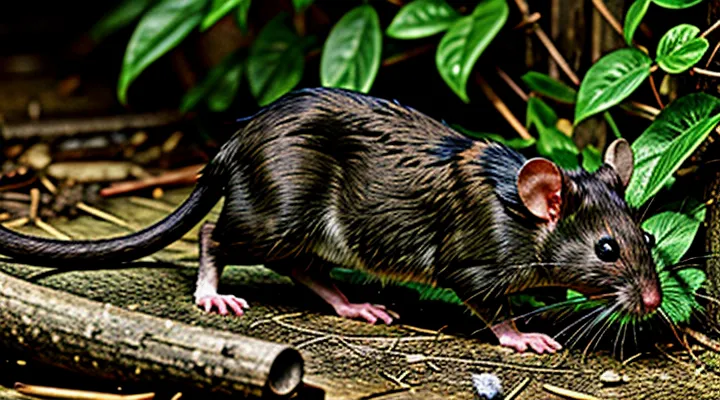
Understanding Rat Poisoning
Types of Rat Poisons
Anticoagulants
Anticoagulant rodenticides interfere with the vitamin K cycle, preventing synthesis of clotting factors II, VII, IX and X. The resulting coagulopathy leads to internal bleeding, which is the primary cause of mortality in poisoned rats.
The interval between ingestion and death varies widely. Typical ranges are:
- First 24 hours: minimal clinical signs; blood clotting time may already be prolonged.
- 24–48 hours: onset of hemorrhagic symptoms such as epistaxis, hematuria, and lethargy.
- 48–72 hours: progressive blood loss, severe weakness, and eventual collapse.
- Beyond 72 hours: death in most cases, unless intervention occurs.
Factors that modify this timeline include:
- Dose – higher concentrations shorten the survival period.
- Rodent size and health – larger or healthier individuals metabolize the toxin more slowly.
- Formulation – second‑generation anticoagulants (e.g., bromadiolone, brodifacoum) persist longer and produce delayed mortality compared with first‑generation compounds.
- Resistance – genetic adaptations in some rat populations reduce sensitivity, extending survival.
- Environmental temperature – cooler conditions slow metabolism, potentially lengthening the lethal interval.
Prompt veterinary treatment with vitamin K1 can reverse coagulopathy if administered before irreversible blood loss occurs. In the absence of such measures, the outlined time frames represent typical outcomes for rats exposed to anticoagulant poisons.
Non-Anticoagulants
Non‑anticoagulant rodenticides act through neurotoxic, metabolic, or cellular disruption, producing rapid physiological collapse in rats. Because they bypass the blood‑clotting cascade, death generally occurs faster than with anticoagulant compounds.
The speed of lethal effect depends on the specific chemical class. Neurotoxic agents (e.g., bromethalin, chlorophacinone‑derived analogues) impair mitochondrial function and cause cerebral edema within hours. Metabolic poisons (e.g., zinc phosphide) release phosphine gas that interferes with cellular respiration, leading to systemic failure in a similar timeframe. Cellular disruptors (e.g., diphacinone‑free formulations) damage organ membranes, producing death in a comparable period.
Variables that modify survival duration include:
- Dose – higher concentrations shorten the interval to death.
- Individual health – malnourished or immunocompromised rats succumb more quickly.
- Age – juveniles exhibit faster onset due to higher metabolic rates.
- Environmental temperature – elevated temperatures accelerate toxin metabolism.
- Resistance – populations with documented tolerance may survive longer.
Empirical observations report the following survival windows after exposure to non‑anticoagulant rodenticides:
- Within 2–6 hours – most neurotoxic agents cause irreversible neurological failure.
- 6–12 hours – metabolic poisons typically induce severe respiratory depression.
- 12–24 hours – cellular disruptors often lead to multi‑organ dysfunction.
- Beyond 24 hours – rare cases involve sub‑lethal dosing or resistant individuals.
Understanding these timelines assists pest‑management professionals in evaluating bait effectiveness, scheduling follow‑up inspections, and complying with regulatory reporting requirements. Accurate assessment of mortality intervals reduces the risk of secondary poisoning and improves overall control outcomes.
Factors Influencing Poison Efficacy
Type of Poison
The type of rodenticide determines the interval between ingestion and death in rats. Anticoagulants, such as warfarin, bromadiolone, and difenacoum, inhibit blood clotting. Death typically occurs within 48–72 hours, but sublethal doses may prolong survival to several days. First‑generation anticoagulants (warfarin, chlorophacinone) act more slowly, often requiring 3–5 days for fatal outcomes, whereas second‑generation compounds (bromadiolone, brodifacoum) produce mortality in 1–3 days.
Neurotoxic poisons, including bromethalin and chlorophacinone‑based blends, disrupt nerve function. Rats exposed to bromethalin usually succumb within 24–48 hours; higher concentrations can cause death in under 12 hours. Acute organophosphates, such as chlorpyrifos, provoke rapid respiratory failure, leading to mortality in minutes to a few hours depending on dose.
Metallic poisons, notably zinc phosphide, generate phosphine gas after contact with stomach acid. The gas induces systemic toxicity, resulting in death typically within 30 minutes to 2 hours. Sodium fluoroacetate (1080) interferes with cellular metabolism; lethal effects appear after 4–6 hours, with some individuals surviving up to 12 hours before organ failure.
Typical survival times by poison class
- Anticoagulants: 1–5 days
- Neurotoxins (bromethalin): 12 hours–2 days
- Organophosphates: minutes–several hours
- Metallic phosphides: <2 hours
- Sodium fluoroacetate: 4–12 hours
Selection of poison influences not only the speed of mortality but also the likelihood of delayed death, which can affect pest‑control strategies and environmental risk assessments.
Dosage Consumed
The amount of toxin a rat ingests determines how quickly death occurs. Higher concentrations produce faster systemic failure, while lower amounts may allow the animal to survive for several days before organ damage becomes fatal.
- Sub‑lethal dose (≈ 10 % of LD₅₀): rats remain active for 48–72 hours, showing gradual weight loss and reduced locomotion before succumbing.
- Moderate dose (≈ 50 % of LD₅₀): onset of severe symptoms appears within 12–24 hours; death typically follows in 24–36 hours.
- Near‑lethal dose (≈ 90 % of LD₅₀): rapid collapse occurs within 4–8 hours; mortality is usually recorded by the end of the first day.
Dose‑response timing is influenced by body mass, age, metabolic rate, and the route of administration (oral, intraperitoneal, inhalation). Toxic agents with fast‑acting mechanisms, such as anticoagulant rodenticides, extend the lethal window compared with neurotoxic compounds that disrupt respiration almost immediately.
Empirical studies on common rodenticides report median survival times of 6–12 hours for doses exceeding 80 % of the species‑specific LD₅₀, whereas doses below 30 % of LD₅₀ extend survival to 2–3 days. These figures provide a quantitative framework for predicting mortality intervals based on the consumed quantity.
Rat's Size and Health
Rats vary considerably in body mass, and this variation influences the pharmacokinetics of toxic compounds. Larger individuals possess greater blood volume and adipose tissue, which can dilute the concentration of a poison and extend the period before lethal thresholds are reached. Conversely, a small rat reaches critical systemic levels more rapidly because of a lower distribution capacity.
Health status determines metabolic efficiency and organ resilience. Rats with robust hepatic function metabolize certain anticoagulant rodenticides faster, potentially shortening the interval to death. Animals suffering from chronic disease, malnutrition, or parasitic load exhibit reduced detoxification capacity, leading to accelerated onset of fatal symptoms.
Key factors linking size and condition to post‑poisoning survival:
- Body weight: higher mass → slower rise in lethal plasma concentration.
- Fat reserves: increased storage → delayed toxicity for lipophilic agents.
- Liver health: efficient enzyme activity → quicker toxin breakdown, variable outcome.
- Immune competence: strong response → possible mitigation of secondary complications.
- Nutritional state: deficits → impaired metabolism, faster progression.
Understanding these parameters enables accurate prediction of mortality timelines after exposure to rodenticides.
Rat's Diet
Rats consume a varied diet that includes grains, seeds, fruits, insects, and occasional carrion. Protein intake, primarily from meat and insects, supplies amino acids essential for liver enzymes that metabolize toxic compounds. High‑protein meals can increase the activity of cytochrome P450 systems, potentially accelerating the breakdown of anticoagulant rodenticides and shortening the period between ingestion and fatal hemorrhage.
Carbohydrate‑rich foods such as cereals and tubers supply glucose, which fuels cellular processes during toxin exposure. Adequate glucose levels maintain neuronal function, allowing poisoned rats to remain active longer before collapse. Conversely, severe carbohydrate deficiency may precipitate rapid hypoglycemia, hastening loss of consciousness and death.
Fat consumption, derived from seeds and animal tissue, contributes essential fatty acids that stabilize cell membranes. Lipid‑rich diets can slow the absorption of lipophilic poisons by forming micellar complexes in the gastrointestinal tract, thereby delaying systemic toxicity.
Mineral nutrients influence poison efficacy:
- Calcium: competes with anticoagulants for binding sites, modestly reducing clotting disruption.
- Iron: participates in oxidative reactions that can exacerbate cellular damage from certain poisons.
- Vitamin K: directly counteracts anticoagulant effects, extending survival if dietary sources are sufficient.
Water availability is critical. Hydration dilutes ingested poison, lowers concentration in the bloodstream, and supports renal excretion. Dehydrated rats experience higher toxin potency and reduced survival time.
In summary, a rat’s nutritional profile—protein, carbohydrate, fat, minerals, and water—modulates the pharmacokinetics of common rodenticides. Diets rich in protein and calcium, with adequate hydration, tend to prolong the interval between poison ingestion and mortality, while nutrient deficiencies compress that interval.
The Timeline of Rat Mortality After Poisoning
Anticoagulant Poisons: Delayed Effects
Initial Symptoms (24-48 hours)
Rats that have consumed anticoagulant or neurotoxic rodenticides typically show observable changes within the first 24 to 48 hours. The onset of clinical signs corresponds to the poison’s mechanism of action and the dose absorbed.
- Lethargy and reduced activity; the animal may remain motionless for extended periods.
- Loss of coordination, manifested as stumbling, inability to maintain balance on narrow surfaces, or falling when attempting to climb.
- Respiratory distress, including rapid, shallow breathing and audible wheezing.
- Gastrointestinal upset, characterized by vomiting, watery or blood‑tinged feces, and reduced food intake.
- Ocular abnormalities such as dilated pupils, clouded corneas, or tearing.
- Bleeding from mucous membranes or minor wounds, indicating disruption of normal clotting pathways.
These symptoms progress rapidly; untreated rats often deteriorate to severe hemorrhage, organ failure, and death within a few days after the initial presentation.
Progressive Symptoms (3-7 days)
After a rat consumes an anticoagulant or neurotoxic rodenticide, the first two days may show minimal signs. Between the third and seventh day, clinical manifestations intensify and become progressively severe.
- Day 3–4: Lethargy, reduced grooming, and loss of appetite. Small bruises appear on the ventral abdomen and limbs as clotting factors decline. Respiratory rate may increase slightly.
- Day 5: Hemorrhagic signs become evident—blood‑tinged urine, epistaxis, and oozing from the oral cavity. Motor coordination deteriorates; the animal exhibits stumbling and tremors.
- Day 6: Internal bleeding intensifies, leading to abdominal distension and pallor of mucous membranes. Cardiac output drops, causing weak pulse and hypotension. Neurological signs, such as seizures or opisthotonos, may emerge if a neurotoxic agent is involved.
- Day 7: Multi‑organ failure is common. Massive hemorrhage, severe hypoxia, and collapse of circulatory function often result in death if no intervention occurs.
The progression reflects the cumulative depletion of vitamin K–dependent clotting proteins or the accumulation of neurotoxic metabolites. As coagulation capacity wanes, capillary integrity fails, producing the observed hemorrhagic pattern. Simultaneously, metabolic acidosis and hypoperfusion exacerbate neurological dysfunction.
Monitoring should focus on the onset and escalation of these signs. Early detection of bruising or minor bleeding warrants immediate veterinary assessment to determine whether antidotes, such as vitamin K1, can reverse the trajectory before irreversible organ damage sets in.
Time to Death (5-10 days)
Rats that ingest anticoagulant rodenticides typically die within a window of five to ten days. The interval reflects the time required for the poison to disrupt blood clotting mechanisms sufficiently to cause fatal internal bleeding.
Key variables that modify this period include:
- Poison type – First‑generation anticoagulants (e.g., warfarin) often produce death closer to five days, whereas second‑generation compounds (e.g., brodifacoum) can extend the timeline toward ten days.
- Dosage – Higher ingested quantities accelerate clotting factor depletion, shortening the interval; sublethal doses may prolong survival beyond ten days.
- Species and age – Younger or smaller rats metabolize toxins more rapidly, generally leading to earlier mortality; larger, mature individuals may experience delayed onset.
- Health status – Pre‑existing liver or kidney conditions can impair toxin processing, extending the time to death.
- Environmental temperature – Elevated ambient temperatures increase metabolic rates, potentially reducing the death interval.
Clinical signs typically emerge after 48–72 hours and progress through lethargy, loss of appetite, weight loss, and visible bleeding. Observation of these symptoms allows confirmation that the expected five‑to‑ten‑day window is in effect.
Non-Anticoagulant Poisons: Faster Action
Acute Toxins
Acute toxins cause rapid physiological disruption in rodents, leading to death within minutes to several hours. The lethal interval depends on the chemical class, dosage, route of administration, and the rat’s physiological state.
Typical timeframes for common rodenticides are:
- Anticoagulants (e.g., brodifacoum): 12–48 hours before fatal hemorrhage manifests.
- Phosphoric esters (e.g., chlorpyrifos): 30 minutes to 2 hours, driven by cholinergic crisis.
- Metal phosphides (e.g., zinc phosphide): 1–4 hours, resulting from phosphine gas toxicity.
- Bromethalin: 4–12 hours, due to cerebral edema and mitochondrial failure.
Key determinants of survival duration include:
- Dose intensity – higher concentrations accelerate systemic failure.
- Exposure route – ingestion delivers toxin directly to the gastrointestinal tract, while inhalation or dermal contact may delay absorption.
- Metabolic capacity – young or malnourished rats exhibit reduced detoxification, shortening the lethal window.
- Environmental temperature – elevated temperatures increase metabolic rate, hastening toxin action.
Rapid onset of clinical signs—such as tremors, respiratory distress, and loss of coordination—signals imminent mortality. Veterinary intervention within the identified window can extend survival, but efficacy declines sharply after the peak toxic phase.
Cholecalciferol (Vitamin D3)
Cholecalciferol, a synthetic form of vitamin D₃, is employed as an anticoagulant‑free rodenticide that induces lethal hypercalcemia. After ingestion, serum calcium rises sharply, disrupting cardiac and renal function and leading to mortality.
Typical survival time after a lethal dose ranges from 24 hours to 5 days. Initial clinical signs appear within 12–48 hours and may include:
- Lethargy
- Polyuria and polydipsia
- Muscle tremors
- Cardiac arrhythmias
- Renal failure
Death generally occurs once calcium concentrations exceed 15 mg/dL, a threshold reached faster with higher doses. Sub‑lethal exposures can extend survival beyond a week, provided supportive care limits calcium accumulation.
Variables influencing duration include:
- Dose size relative to body weight
- Age and physiological condition of the animal
- Route of exposure (gastrointestinal versus parenteral)
- Availability of calcium‑binding agents such as calcitonin or bisphosphonates
Laboratory confirmation relies on elevated serum calcium and vitamin D₃ metabolites. Prompt administration of calcium antagonists can prolong life, but without intervention, the progression from hypercalcemia to organ failure remains rapid and fatal.
Zinc Phosphide
Zinc phosphide is a widely used rodenticide that releases phosphine gas when it contacts gastric acid. Phosphine interferes with cellular respiration, leading to rapid organ failure. After ingestion, most rats succumb within 12–48 hours, although survival can extend to several days under specific conditions.
Key factors influencing post‑poisoning survival:
- Dose size – larger amounts produce higher phosphine concentrations, shortening the lethal interval.
- Body weight – smaller rodents experience faster toxicity due to a higher dose‑to‑body‑mass ratio.
- Health status – malnourished or diseased rats may deteriorate more quickly.
- Environmental temperature – warmer conditions accelerate phosphine release, reducing time to death.
Clinical signs appear within minutes to a few hours and include respiratory distress, convulsions, and abdominal pain. Laboratory findings typically show metabolic acidosis and elevated liver enzymes. Early intervention is limited; supportive care such as oxygen therapy and fluid replacement may prolong survival but does not reverse phosphine toxicity.
Overall, zinc phosphide leads to a relatively brief post‑exposure lifespan for rats, with most individuals dying within two days, while extreme variables can extend the period to a week at most.
Variability in Rat Response
Individual Resistance
Individual resistance refers to the capacity of a single rat to withstand lethal doses of rodenticides longer than the average conspecific. Genetic polymorphisms, enzyme expression levels, and physiological adaptations create measurable differences in susceptibility.
Key biological factors that extend post‑poison survival include:
- Enhanced activity of detoxifying enzymes such as cytochrome P450 isoforms, which accelerate breakdown of anticoagulant compounds.
- Mutations in vitamin K epoxide reductase that reduce binding affinity for first‑generation anticoagulants.
- Altered gut microbiota that degrade or sequester toxic agents before absorption.
- Behavioral traits that limit ingestion, such as selective feeding or reduced bait attraction.
Empirical observations show a wide range of survival times. In laboratory colonies, resistant individuals have survived up to 30 days after exposure to a dose that killed naïve rats within 5 days. Field studies report similar extensions, with some urban rats persisting for three weeks after bait deployment, while the majority succumb within a week.
These variations demand adaptive management. Rotating active ingredients, integrating non‑chemical controls, and regularly testing bait efficacy help mitigate the spread of resistance. Monitoring individual response patterns provides early warning of emerging tolerance, allowing timely adjustments to control protocols.
Sub-lethal Doses
Sub‑lethal exposure to rodenticides produces a measurable extension of rat survival compared with lethal concentrations, yet the duration varies widely. Survival after a non‑fatal dose depends on toxin type, administered amount, physiological condition of the animal, and environmental factors.
Key determinants of post‑exposure lifespan include:
- Chemical class – Anticoagulants (warfarin‑type, second‑generation) persist longer in the bloodstream than acute neurotoxins, often allowing weeks of survival before hemorrhagic failure.
- Dose magnitude – Doses barely above the minimum effective concentration generate slower onset of clinical signs, extending life by several days to months.
- Metabolic health – Rats with robust liver function metabolize anticoagulants more efficiently, delaying toxicity.
- Age and body mass – Younger, lighter individuals exhibit faster clearance, resulting in shorter survival periods.
- Environmental stressors – Limited food, temperature extremes, or secondary infections accelerate mortality despite sub‑lethal dosing.
Empirical observations report median survival times of 10–14 days for low‑dose warfarin exposure, whereas second‑generation anticoagulants such as brodifacoum can sustain life for 30 days or more before fatal coagulopathy manifests. Acute neurotoxic agents, even at sub‑lethal levels, typically cause death within 48 hours due to rapid physiological disruption.
Monitoring protocols recommend daily assessment of weight, coat condition, and coagulation parameters to predict imminent decline. Early intervention with vitamin K1 can reverse anticoagulant effects, markedly extending survival beyond natural timelines.
In summary, sub‑lethal rodenticide doses produce a spectrum of survival outcomes governed by toxin chemistry, dosage, and host factors, with documented lifespans ranging from a few days to over a month.
Environmental Factors
Rats’ survival after ingesting toxic bait varies widely because external conditions influence the rate at which the poison is absorbed, metabolized, and eliminated. Temperature accelerates chemical reactions; higher ambient heat shortens the interval between ingestion and lethal effect, while cooler environments can extend life by slowing metabolism and reducing toxin potency. Humidity affects respiratory stress and skin absorption, with high moisture levels potentially enhancing dermal uptake of certain rodenticides.
Ventilation determines the concentration of airborne toxins. Poor airflow in enclosed spaces retains volatile compounds, increasing exposure and hastening death, whereas well‑ventilated areas dilute fumes, allowing rats to survive longer. Access to water and food modifies the digestive rate: abundant hydration dilutes stomach contents, delaying absorption, while plentiful food can either compete with the poison for uptake or, in the case of bait stations, increase the amount ingested, altering outcomes.
Key environmental variables that modify post‑poison survival:
- Ambient temperature (cold vs. warm)
- Relative humidity (dry vs. moist)
- Air exchange rate (closed vs. ventilated)
- Availability of water sources
- Presence and quantity of alternative food
- Shelter characteristics (nest density, insulation)
Seasonal shifts combine these factors, producing predictable patterns: winter’s low temperatures and reduced humidity generally prolong life, whereas summer’s heat and high humidity compress the lethal timeline. Understanding these conditions enables accurate estimation of how long rats remain alive after toxin exposure.
Signs and Symptoms of Rat Poisoning
Behavioral Changes
Rats exposed to toxicants display a distinct sequence of behavioral alterations that correlate with the time remaining before death. Early signs appear within minutes to a few hours, depending on the poison’s potency and route of administration. Observable changes include:
- Reduced locomotion and reluctance to explore familiar areas.
- Diminished responsiveness to external stimuli such as light, sound, or tactile cues.
- Altered grooming patterns, ranging from excessive self‑cleaning to complete neglect.
- Loss of coordination manifested as stumbling, ataxia, or inability to maintain balance on narrow surfaces.
- Abnormal vocalizations, often high‑pitched or irregular, preceding severe distress.
- Decreased food and water intake, leading to rapid weight loss.
Progression to severe neurotoxic effects typically follows a predictable timeline: initial lethargy evolves into pronounced motor dysfunction, then into seizures or convulsions in the final stage. The onset and intensity of each behavior serve as practical indicators for estimating the remaining lifespan after poisoning, allowing researchers to assess toxicant efficacy and to implement humane endpoints in experimental protocols.
Physical Manifestations
Rats exposed to anticoagulant or neurotoxic poisons exhibit a predictable sequence of physiological changes that correlate with the interval between ingestion and death.
Within the first few hours, affected rodents display reduced activity, loss of coordination, and tremors. These early signs reflect the onset of toxin absorption and central nervous system disruption.
Between six and twelve hours, hemorrhagic symptoms become evident. Blood may accumulate under the skin (subcutaneous bruising), in the oral cavity, or within the gastrointestinal tract, producing pale mucous membranes and visible blood spots around the nose and paws.
From twelve to twenty‑four hours onward, respiratory distress intensifies. Breathing rate rises, followed by irregular shallow breaths and eventual apnea. Concurrently, the animal’s body temperature drops, leading to a cold, mottled coat.
By the twenty‑four‑to‑forty‑eight‑hour mark, most rats succumb. Terminal manifestations include rigor mortis, extensive internal bleeding, and organ necrosis observable upon necropsy.
Key physical indicators of elapsed time after toxin ingestion:
- 0–6 h: lethargy, tremor, ataxia
- 6–12 h: subcutaneous bruising, oral hemorrhage, pale mucosa
- 12–24 h: respiratory irregularities, hypothermia, coat discoloration
- 24–48 h: rigor, widespread hemorrhage, organ failure
These manifestations provide a practical framework for estimating survival duration following rodent poisoning.
Internal Damage
Rats that ingest anticoagulant rodenticides experience rapid disruption of the vitamin K cycle, leading to impaired synthesis of clotting factors II, VII, IX, and X. The resulting coagulopathy manifests as internal hemorrhage, most commonly in the lungs, gastrointestinal tract, and brain. Uncontrolled bleeding reduces oxygen delivery to tissues, precipitating multi‑organ failure within hours to days, depending on dose and individual susceptibility.
Key internal effects include:
- Pulmonary hemorrhage: accumulation of blood in alveolar spaces compromises gas exchange, causing hypoxia and respiratory distress.
- Gastrointestinal bleeding: ulceration of the stomach and intestines leads to blood loss, anemia, and shock.
- Cerebral bleeding: intracranial hemorrhage produces seizures, loss of coordination, and rapid loss of consciousness.
- Renal impairment: hemoglobin from degraded blood clots deposits in nephrons, reducing filtration capacity and contributing to acute kidney injury.
- Cardiac stress: blood loss and hypoxia increase heart rate and workload, potentially triggering arrhythmias.
The timeline of internal damage correlates with the amount of toxin absorbed. Sublethal exposure may allow partial clotting factor recovery over 24–48 hours, extending survival but still causing significant organ injury. Lethal doses typically result in fatal hemorrhage within 12–24 hours, with death occurring once critical organ systems can no longer maintain perfusion. Early intervention with vitamin K1 therapy can restore clotting factor production, halt bleeding, and improve survival prospects, but delayed treatment often proves ineffective once extensive internal damage has set in.
Safe Practices and Post-Poisoning Considerations
Protecting Pets and Children
Rats that consume anticoagulant or neurotoxic bait usually die within a few hours to several days, depending on the product’s potency and the amount ingested. This rapid lethality creates an immediate hazard for any animal or child that accesses the poison.
Secure storage eliminates most accidental exposures. Keep all rodenticide in locked cabinets or containers that cannot be opened by pets or children. Place bait only inside tamper‑proof stations that require a deliberate action to retrieve the product. Install stations at least three meters above floor level and away from play areas, feeding stations, and pet pathways. Choose formulations with lower secondary toxicity when possible, such as bait designed for indoor use that reduces the risk of secondary poisoning.
- Store bait in a separate, locked area.
- Use tamper‑proof bait stations.
- Mount stations out of reach of pets and children.
- Position stations away from food, water, and sleeping areas.
- Prefer low‑toxicity products for domestic environments.
- Regularly inspect stations for tampering or spillage.
- Educate household members about the location and danger of rodenticide.
If a pet or child is suspected of ingesting rat poison, contact a veterinarian or poison‑control center immediately. Do not induce vomiting unless instructed by a professional. Provide details about the product type, amount ingested, and time since exposure to enable prompt, appropriate treatment.
Disposal of Deceased Rats
After rodenticide kills rats, their carcasses require immediate and secure handling to prevent disease transmission, secondary poisoning of non‑target animals, and environmental contamination.
Legal frameworks in most regions classify poisoned rodents as hazardous waste. Authorities often mandate documentation of the incident, use of sealed containers, and disposal by licensed waste‑management firms. Failure to comply can result in fines or liability for property damage.
Safe handling begins with personal protective equipment: disposable gloves, face protection, and long‑sleeved clothing. Use tongs or scoops to transfer each carcass into a sturdy, leak‑proof bag. Seal the bag, place it inside a second bag, and label it as “rodenticide‑treated waste.” Store the sealed package in a cool, dry area away from food preparation zones until disposal.
Common disposal routes include:
- Incineration – high‑temperature combustion eliminates toxins; requires certified facility.
- Landfill – placement in a regulated hazardous‑waste landfill; must be double‑bagged and labeled.
- Professional pest‑control service – companies collect and destroy carcasses according to local regulations.
- Deep burial – permitted only where local law allows; bury at least three feet deep, away from water sources, and use a sealed container.
Each method demands verification that the chosen facility accepts rodenticide‑contaminated material. Incineration offers the most complete toxin destruction; burial carries risk of leaching if soil conditions are unsuitable.
Best practice combines personal safety, regulatory compliance, and selection of a disposal method that guarantees complete neutralization of the poison. Prompt, documented removal of dead rats eliminates health hazards and fulfills legal responsibilities.
Preventing Reinfestation
After rodent poison is applied, surviving rats may still pose a risk because new individuals can enter the area or survivors can reproduce before death. Effective reinfestation prevention requires immediate and sustained action.
First, secure all entry points. Inspect walls, foundations, vents, and utility openings; seal gaps with steel wool, cement, or metal flashing. Ensure doors and windows close tightly and install self‑closing mechanisms where needed.
Second, maintain a hostile environment for rodents. Reduce food sources by storing grain, pet food, and waste in sealed containers. Clean spills promptly and keep garbage bins covered. Remove clutter, especially cardboard and fabric, that provides nesting material.
Third, monitor the site continuously. Place snap traps or electronic monitoring devices in high‑traffic zones for at least two weeks after poisoning. Record captures and replace bait or traps as soon as activity is detected.
Fourth, apply a secondary control measure. Use rodenticide baits formulated for delayed action, allowing any surviving rats to ingest a lethal dose before reproducing. Rotate active ingredients to prevent resistance.
Fifth, schedule periodic inspections. Conduct visual surveys and trap checks every month for the first six months, then quarterly. Document findings and adjust barriers or baiting strategies accordingly.
By combining exclusion, sanitation, monitoring, secondary poisoning, and regular follow‑up, the probability of rats re‑establishing a population after an initial lethal event drops dramatically.