
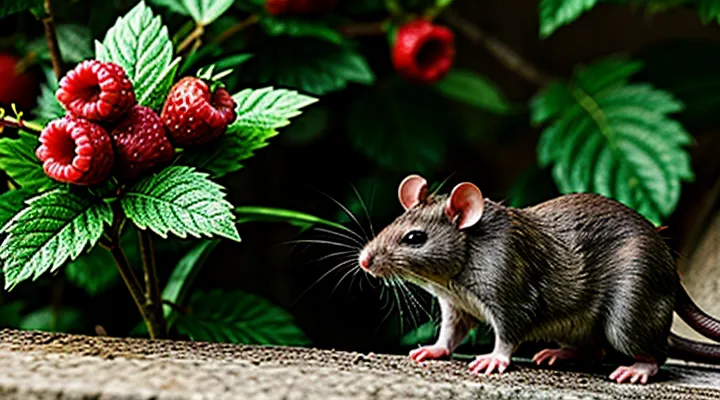
Nutritional Benefits of Berries for Rats
Vitamins and Antioxidants
Berries contain high concentrations of vitamins A, C, K, and several B‑complex vitamins that support visual health, immune function, and metabolic processes in laboratory rodents. Vitamin C, absent from most rodent diets, is supplied efficiently by raspberries, strawberries, and blueberries, reducing the incidence of scurvy‑like symptoms in long‑term studies.
Antioxidants such as anthocyanins, flavonols, and ellagic acid neutralize free radicals, protect cellular membranes, and mitigate oxidative stress induced by experimental manipulations. Regular intake of these compounds improves recovery rates after surgical procedures and enhances performance in cognitive assays.
Key nutrients present in common berries:
- Vitamin C (ascorbic acid): 30–60 mg per 100 g
- Vitamin A (β‑carotene): 5–15 µg per 100 g
- Vitamin K (phylloquinone): 2–5 µg per 100 g
- Anthocyanins: 150–300 mg per 100 g
- Flavonols (quercetin, kaempferol): 20–50 mg per 100 g
- Ellagic acid: 5–10 mg per 100 g
When offering berries to rats, adhere to the following guidelines:
- Limit portion size to 5–10 % of total daily caloric intake; excess sugars can alter gut microbiota and induce weight gain.
- Provide fresh, pesticide‑free fruit; wash thoroughly to remove surface residues.
- Introduce gradually over several days to monitor for gastrointestinal upset or allergic reactions.
- Record intake and adjust based on body weight, activity level, and experimental requirements.
Controlled inclusion of berry‑derived vitamins and antioxidants contributes measurable health benefits without compromising dietary balance, provided that dosage and quality standards are maintained.
Fiber Content
Berries provide a notable source of dietary fiber, which influences gastrointestinal health in laboratory rats. Soluble fiber in berries forms a viscous gel that can moderate glucose absorption, while insoluble fiber adds bulk to fecal matter, promoting regular bowel movements. Excessive fiber, however, may cause bloating or reduce the availability of other nutrients.
Typical fiber concentrations in common berries (dry weight) are:
- Strawberries: 2 g fiber per 100 g
- Blueberries: 2.4 g fiber per 100 g
- Raspberries: 6.5 g fiber per 100 g
- Blackberries: 5.3 g fiber per 100 g
When incorporating berries into a rat’s diet, adhere to the following guidelines:
- Limit fresh berry portion to 5–10 % of total daily food weight to avoid fiber overload.
- Prefer washed, seed‑free berries to reduce choking hazards.
- Monitor fecal consistency; a shift toward softer stools may indicate excessive soluble fiber.
- Rotate berry types to prevent over‑reliance on a single fiber profile.
Fiber from berries complements the standard laboratory chow, which already supplies basal fiber levels of approximately 5 g per kg. Adding berries modestly raises total dietary fiber, supporting gut motility without compromising nutrient balance when quantities remain within the recommended range.
Safety Considerations for Feeding Berries to Rats
Potential Risks and Concerns
Choking Hazards
Berries present a genuine choking risk for pet rats because the animals have a small oral cavity and limited ability to manipulate irregularly shaped food. Whole berries, especially those larger than a pea, can become lodged in the throat or obstruct the trachea if the rat attempts to swallow them whole.
- Seeds that are hard or sharp may become trapped in the airway.
- Skin that peels unevenly can form a flap that blocks airflow.
- Pulp that separates from the seed can detach and create a blockage.
- Overly ripe fruit may become mushy, increasing the chance of aspiration when the rat inhales while chewing.
To reduce these hazards, remove all seeds, cut the fruit into pieces no larger than 2 mm, and supervise each feeding session. If a rat shows signs of distress—gasping, silent coughing, or difficulty breathing—intervene immediately and seek veterinary assistance. Regularly inspect the feeding area for leftover pieces that could pose delayed risks.
Pesticide Residues
Pesticide residues refer to trace amounts of chemical agents that remain on agricultural products after application and harvesting. When berries are considered as a dietary component for laboratory or pet rats, these residues become a critical factor in evaluating safety and experimental validity.
Regulatory bodies establish maximum residue limits (MRLs) for each pesticide‑berry combination. Exceeding MRLs can cause acute toxicity, chronic organ damage, or behavioral alterations in rodents. Laboratory protocols typically require residue analysis by gas chromatography‑mass spectrometry (GC‑MS) or liquid chromatography‑tandem mass spectrometry (LC‑MS/MS) before inclusion in feed.
Key considerations for offering berries to rats include:
- Verification of pesticide‑free status through certified supplier documentation or independent testing.
- Comparison of detected residue levels with species‑specific toxicological thresholds.
- Implementation of washing, peeling, or cooking procedures that reduce surface residues by up to 90 %.
- Documentation of batch numbers and test results to maintain traceability and reproducibility.
Failure to control pesticide residues compromises animal welfare and data integrity. Ensuring that berry servings meet established residue criteria allows safe incorporation into rat diets without introducing confounding toxicological variables.
Sugar Content and Moderation
Berries provide natural sugars ranging from 4 g per 100 g in strawberries to 10 g per 100 g in blueberries, with occasional spikes in raspberries (5 g) and blackcurrants (7 g). The fructose‑glucose mix delivers quick energy but also raises blood glucose levels after ingestion.
Rats metabolize simple carbohydrates efficiently, yet excessive sugar intake accelerates weight gain, impairs insulin sensitivity, and can precipitate dental decay. Their small body mass magnifies the impact of each gram of sugar compared with larger mammals.
Guidelines for offering berries to pet rats:
- Limit fresh berry portions to ½ teaspoon (≈2 g) per 100 g of body weight per serving.
- Provide berries no more than three times per week to prevent chronic glucose elevation.
- Observe individual response; discontinue if the rat shows lethargy, increased urination, or dental lesions.
- Prefer low‑sugar varieties (strawberries, blackberries) and avoid dried or sugar‑coated berries, which concentrate sugars dramatically.
Adhering to these limits supplies the antioxidant benefits of berries while maintaining metabolic health.
Recommended Berry Types
Safe Berries
Rats may safely eat several berry varieties when offered in moderation and prepared correctly. Proper selection prevents exposure to toxic compounds and reduces the risk of digestive upset.
- Blueberries – low in sugar, high in antioxidants; serve whole, washed, and free of stems.
- Strawberries – rich in vitamin C; remove the leafy cap, slice into bite‑size pieces.
- Raspberries – contain fiber and vitamins; offer a few whole berries to avoid choking.
- Blackberries – similar nutritional profile to raspberries; ensure no mold before feeding.
- Cranberries – unsweetened, raw; limit to a few pieces due to natural acidity.
Feeding guidelines:
- Wash berries thoroughly to eliminate pesticide residues.
- Present only fresh, ripe fruit; discard bruised or moldy items.
- Limit portions to 1–2 berries per 100 g body weight, not exceeding 5 % of daily caloric intake.
- Introduce new berries gradually, observing for signs of diarrhea or allergic reaction.
- Store leftovers in a sealed container in the refrigerator and discard after 24 hours.
Berries to avoid include:
- Elderberries (raw) – contain cyanogenic glycosides.
- Holly berries – highly toxic, cause vomiting and cardiac effects.
- Mistletoe berries – poisonous, can lead to respiratory distress.
- Poison‑oak or poison‑ivy berries – irritants, not suitable for any species.
Adhering to these practices ensures that berry supplementation contributes to a balanced diet without compromising rat health.
Berries to Avoid or Limit
Rats may consume berries in moderation, but several varieties pose health risks and should be excluded or offered only sparingly.
- Cranberries (raw, unsweetened): contain oxalic acid that can contribute to kidney stone formation when fed in large amounts.
- Elderberries (uncooked): raw berries and stems contain cyanogenic glycosides, which release cyanide and are toxic.
- Raspberry leaves and stems: high in tannins that interfere with nutrient absorption; the fruit itself is safe, but foliage must be removed.
- Strawberries (excessive portions): high sugar content can lead to obesity and dental decay; limit to a few small pieces per week.
- Blackberries (wild, unfamiliar species): may harbor pesticides or mold; only cultivated, pesticide‑free berries are acceptable.
- Goji berries (dried, sweetened): added sugars and preservatives increase caloric load and may cause gastrointestinal upset.
Safe inclusion of berries requires thorough washing, removal of stems and leaves, and restriction to small, occasional servings. Monitoring for signs of digestive distress or changes in weight is essential when introducing any new fruit.
Best Practices for Feeding Berries to Rats
Preparation and Serving
Rats may safely consume berries when the fruit is prepared and presented correctly. Fresh berries should be washed thoroughly under running water to remove pesticides, dirt, and mold spores. After washing, inspect each berry for signs of decay; discard any that are bruised, soft, or discolored. For small berries such as blueberries, a gentle rinse is sufficient; larger berries like strawberries should be halved or quartered to create bite‑size pieces that fit a rat’s mouth.
Before serving, consider the following preparation steps:
- Remove stems, leaves, and seeds that could pose choking hazards.
- Pat the fruit dry with a clean paper towel to prevent excess moisture in the cage.
- Portion the berries into 1‑2 gram servings, equivalent to a small snack rather than a meal.
- Store any unused portions in an airtight container in the refrigerator and use within 24 hours to maintain freshness.
When offering the fruit, place the pieces on a clean dish or directly on the cage floor, ensuring they are spread out to avoid competition among animals. Observe the rats during the first exposure; if they show reluctance or excessive chewing, remove the fruit and reassess the preparation. Limit berry treats to no more than 5 % of the overall diet to maintain nutritional balance and prevent digestive upset. Regularly clean the feeding area to remove leftover fruit residues and prevent mold growth.
Frequency and Portion Size
Berries provide rats with vitamins, antioxidants, and moisture, but their high sugar content requires controlled administration. Excessive intake can lead to obesity, digestive upset, and dental problems.
- Offer berries no more than two to three times per week.
- Space servings by at least 48 hours to prevent continuous sugar exposure.
Typical portion sizes depend on the rat’s weight and overall diet composition. A safe amount corresponds to roughly 5 % of the daily caloric intake.
- Small rats (150–200 g): ¼ cup (≈15 g) of fresh berries per serving.
- Larger rats (250–300 g): up to ½ cup (≈30 g) per serving.
- For frozen or dried berries, halve the fresh‑fruit weight to account for reduced water content.
Select varieties without toxic seeds or pits; remove stems, leaves, and any seeds from strawberries, raspberries, and blackberries. Avoid grapes, cherries, and berries that contain cyanogenic compounds. Wash all fruit thoroughly to eliminate pesticide residues. Monitor each rat for signs of diarrhea, lethargy, or weight gain, and adjust frequency or portion size accordingly.
Introducing New Foods
When expanding a rat’s diet, berries often appear as a tempting option.
Berries such as blueberries, strawberries and raspberries contain vitamins C and K, dietary fiber, and antioxidants. Their natural sugar content is higher than that of typical rodent pellets, which can affect caloric intake if offered in large amounts.
Safety depends on several factors. Pesticide residues may be present; only organic or thoroughly washed fruit should be used. Seeds and stems can pose choking hazards or cause gastrointestinal irritation, especially in larger or hard‑seeded varieties. Excessive sugar may lead to obesity, dental decay, or dysbiosis.
Preparation guidelines:
- Rinse each berry under running water to remove contaminants.
- Remove stems, leaves, and any large seeds.
- Slice into bite‑size pieces no larger than a rat’s head.
- Offer a maximum of one teaspoon of mixed berries per week, divided into two small servings.
After the first exposure, observe the animal for signs of distress: loose stools, reduced appetite, weight loss or gain, and any unusual behavior. If adverse reactions appear, discontinue the fruit and consult a veterinarian.
Integrating berries as an occasional supplement can enrich a rat’s diet, provided the fruit is clean, portioned modestly, and introduced gradually while monitoring health indicators.
Observing Your Rat's Reaction
When a rat is presented with berries, immediate reaction provides the most reliable indicator of suitability. Observe whether the animal approaches the food, sniffs, and attempts to chew. Hesitation, avoidance, or rapid retreat suggest intolerance or lack of interest.
Key observation points:
- Approach behavior – quick movement toward the berry, steady sniffing, and gentle nibbling.
- Mouth activity – smooth chewing without excessive drooling or gagging.
- Body language – relaxed posture, normal grooming, and unchanged locomotion.
- Post‑consumption signs – regular stool, steady weight, and stable activity level for at least 24 hours.
Interpretation of findings:
- Positive response: consistent eating, normal digestion, unchanged energy. Continue offering berries in small, controlled portions.
- Negative response: refusal, vomiting, diarrhea, lethargy, or weight loss. Discontinue berries immediately and consult a veterinarian.
Best practices:
- Introduce berries gradually, starting with a single piece.
- Record each feeding session, noting behavior and any physical changes.
- Limit portions to no more than 5 % of the rat’s daily caloric intake.
- Prefer fresh, pesticide‑free berries; wash thoroughly before serving.
Systematic observation ensures that berries become a safe, enriching supplement rather than a health risk.