
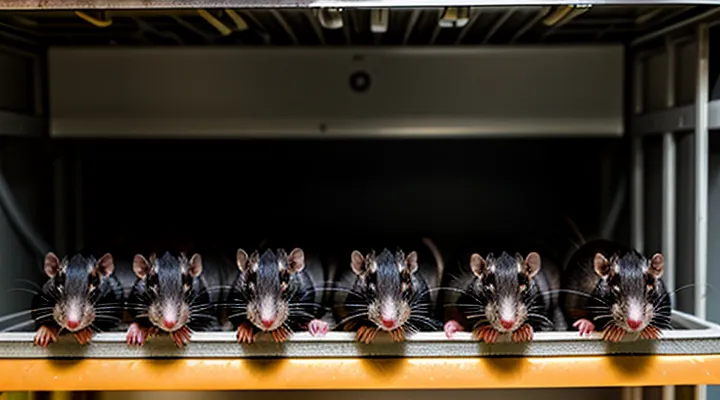
Abstract
The investigation assessed physiological and behavioral responses of laboratory rodents maintained in strictly regulated environments. Subjects were housed at constant temperature (22 °C), humidity (55 %), and a 12 h light‑dark cycle, with ad libitum access to standardized diet and water. Experimental groups received defined interventions, while control cohorts experienced unchanged conditions throughout the observation period.
Data collection employed telemetry for real‑time cardiovascular monitoring, automated tracking for locomotor activity, and biochemical assays for stress‑related biomarkers. Statistical analysis applied mixed‑effects models to evaluate intra‑ and inter‑group variations.
Findings revealed stable heart‑rate variability, reduced corticosterone levels, and consistent activity patterns in the optimized setting, contrasting with elevated stress indicators observed under variable conditions. These outcomes suggest that maintaining environmental constancy minimizes physiological perturbations and enhances reproducibility of experimental results.
The results support the adoption of rigorously controlled housing parameters to improve the reliability of rodent‑based research and to reduce confounding variables associated with environmental fluctuations.
Background
Ethical Considerations
Animal Welfare Protocols
The success of rodent research depends on strict adherence to established animal welfare protocols, which guarantee reproducible outcomes while safeguarding health and behavior.
Housing requirements include individually ventilated cages, temperature maintained between 20 °C and 24 °C, humidity 30 %–70 %, and a 12 h light/dark cycle. Bedding must be low‑dust, absorbent, and changed regularly to prevent odor buildup.
Environmental enrichment must provide nesting material, chewable objects, and opportunities for voluntary exercise. These elements reduce stress‑induced variability and promote natural behaviors.
Health monitoring mandates daily visual inspections, weekly weight measurements, and periodic clinical examinations. Veterinary intervention is triggered by defined clinical signs, ensuring timely treatment and minimizing suffering.
Humane endpoints are defined by objective criteria such as weight loss exceeding 20 %, severe immobility, or persistent pain unresponsive to analgesia. Upon meeting any endpoint, euthanasia follows approved methods that guarantee rapid loss of consciousness.
Ethical oversight comprises institutional review board approval, documented protocol revisions, and regular audit trails. All procedural steps are recorded in a centralized database accessible to authorized personnel.
Key components of the welfare framework:
- Cage environment: ventilation, temperature, humidity, lighting
- Enrichment: nesting, gnawing, exercise devices
- Health surveillance: visual checks, weight, veterinary assessment
- Humane endpoints: predefined physiological and behavioral thresholds
- Documentation: protocol approval, amendments, audit records
Implementation of these measures creates a controlled experimental setting that respects animal wellbeing and supports scientific integrity.
Regulatory Compliance
Regulatory compliance governs every phase of a controlled rodent study conducted under optimal laboratory conditions. Federal statutes, such as the Animal Welfare Act, and institutional oversight bodies, notably the Institutional Animal Care and Use Committee (IACUC), establish the legal framework that must be satisfied before experimental work begins.
Key compliance elements include:
- Formal protocol submission and IACUC approval prior to animal acquisition.
- Housing that meets defined standards for space, ventilation, temperature, and humidity.
- Environmental enrichment consistent with species‑specific behavioral needs.
- Implementation of humane endpoints documented in the approved protocol.
Comprehensive documentation supports accountability. Required records cover animal identification, health monitoring logs, environmental parameter readings, and detailed accounts of any adverse events. All data must be stored securely and made available for audit by regulatory authorities. Reporting obligations extend to timely notification of protocol deviations and submission of annual review summaries to the overseeing committee.
Failure to adhere to these requirements triggers regulatory actions, which may encompass suspension of the research program, monetary penalties, and revocation of funding eligibility. Maintaining strict compliance safeguards ethical standards, ensures scientific validity, and preserves institutional credibility.
Rationale for Ideal Conditions
Minimizing Confounding Variables
Controlling extraneous influences is essential for producing reliable data in a controlled rodent study conducted under optimal laboratory conditions. Confounding variables are factors that vary systematically with the experimental manipulation and can obscure the true relationship between the independent and dependent measures.
Effective strategies include:
- Maintaining constant temperature, humidity, and light‑dark cycles throughout the experiment.
- Randomly assigning subjects to treatment groups to prevent systematic bias.
- Implementing double‑blind procedures so that neither the handler nor the data analyst knows the group allocation.
- Standardizing handling techniques, cage cleaning schedules, and feeding times to reduce stress‑related variability.
- Using genetically homogeneous strains and matching subjects for age and sex to limit biological differences.
- Applying statistical controls such as covariate analysis when residual variability cannot be eliminated experimentally.
Eliminating or reducing these sources of bias strengthens internal validity, enhances reproducibility, and ensures that observed effects can be attributed to the experimental intervention rather than unintended influences.
Enhancing Reproducibility
Enhancing reproducibility in rodent studies conducted within controlled environments requires systematic attention to methodological detail. Standardized protocols minimize variability introduced by handling, housing, and experimental procedures, ensuring that outcomes can be replicated across laboratories.
Key actions include:
- Precise documentation of animal strain, age, sex, and source.
- Continuous monitoring and recording of temperature, humidity, light cycles, and noise levels.
- Use of calibrated equipment for dosing, measurement, and data acquisition.
- Implementation of randomization and blinding procedures throughout the experimental workflow.
- Application of power analyses to determine appropriate sample sizes and reduce false‑negative results.
Effective implementation relies on integrated data management systems that capture raw observations, metadata, and analysis scripts in real time. Preregistration of study designs and statistical plans provides a transparent framework for peer evaluation. Open sharing of datasets and code through recognized repositories facilitates independent verification and secondary analysis. Regular audits of compliance with these practices reinforce a culture of reliability and contribute to the robustness of findings derived from controlled rodent experiments.
Methodology
Animal Model Selection
Strain Characteristics
The selection of rat strains determines the biological baseline for any controlled rodent study. Genetic uniformity, phenotypic stability, and reproducible physiological responses are essential parameters when evaluating experimental outcomes under optimal laboratory conditions.
- Genetic background: inbred lines such as Wistar, Sprague‑Dawley, and Long‑Evans provide defined allelic compositions.
- Coat coloration: visual markers (e.g., albino, hooded, agouti) facilitate group identification and reduce handling errors.
- Adult weight range: typical values span 250–350 g for males and 200–300 g for females, influencing dosing calculations.
- Behavioral profile: baseline activity, anxiety levels, and social hierarchy differ among strains and affect stress‑related measurements.
- Disease susceptibility: inherent resistance or predisposition to metabolic, cardiovascular, or neurodegenerative conditions informs model selection.
- Breeding performance: litter size, gestation length, and weaning age impact colony maintenance and experimental throughput.
Accurate documentation of these characteristics enables researchers to match strain attributes with study objectives, minimize confounding variables, and ensure that data generated under ideal conditions remain comparable across laboratories.
Age and Sex Matching
Age and sex matching constitute a fundamental design element in controlled rodent studies. Selecting animals of comparable chronological age eliminates developmental variability that could obscure treatment effects. Aligning male and female subjects ensures that sex‑linked physiological differences are systematically represented, permitting reliable detection of sex‑specific responses.
Key considerations for implementing age and sex matching include:
- Determination of the appropriate age window based on the biological endpoint; for example, selecting post‑weaning individuals (approximately 4–6 weeks) when growth rates stabilize.
- Verification of sex through genital examination or genetic testing to prevent misclassification.
- Random allocation of matched pairs or groups to experimental conditions, preserving balance across treatment arms.
- Documentation of age and sex in all data records, facilitating reproducibility and meta‑analysis.
Consistent application of these practices reduces confounding variance, enhances statistical power, and supports the generation of robust conclusions regarding the effects of experimental manipulations under optimal laboratory conditions.
Housing and Environmental Controls
Temperature and Humidity Regulation
Temperature control in rodent studies requires maintenance of a narrow thermal envelope to prevent metabolic fluctuations. The envelope is commonly set between 22 °C and 24 °C, with a tolerance of ±0.5 °C. Precision is achieved through thermostatically regulated heating modules integrated with feedback sensors placed at cage level. Continuous data acquisition logs temperature at one‑minute intervals, enabling immediate detection of deviations.
Humidity regulation mitigates evaporative loss and respiratory stress. Target relative humidity lies in the 45 %–55 % range, with a stability margin of ±2 %. Hygroscopic control units employ saturated salt solutions or electronic humidifiers coupled to capacitive humidity probes. Real‑time monitoring records humidity values alongside temperature, ensuring synchronized environmental stability.
Coordinated regulation demands periodic calibration of sensors and verification of control algorithms. Calibration schedule:
- Weekly verification of temperature probe accuracy using a calibrated reference thermometer.
- Bi‑weekly validation of humidity sensors against a gravimetric hygrometer.
- Monthly review of control software parameters to confirm compliance with set points.
Implementation of these practices yields reproducible physiological baselines, reduces variability in behavioral outcomes, and supports compliance with animal welfare standards.
Lighting Cycle Management
Effective lighting cycle management is essential for maintaining physiological stability in controlled rodent studies. Consistent photoperiods synchronize circadian rhythms, reduce stress‑induced variability, and support reproducible behavioral and metabolic outcomes.
Key parameters include:
- Light intensity: 150–300 lux measured at cage level ensures adequate visual stimulation without overstimulation.
- Photoperiod length: 12 h light/12 h dark or 14 h light/10 h dark schedules align with species‑specific activity patterns; deviations must be documented.
- Light source spectrum: White LEDs with a balanced blue–green–red output minimize retinal fatigue and mimic natural daylight.
- Transition timing: Gradual dimming over 15 minutes at lights‑off and lights‑on prevents abrupt phase shifts.
- Light leakage control: Opaque cage covers and blackout curtains eliminate unintended exposure during the dark phase.
Monitoring procedures require daily verification of timer accuracy, weekly lux meter calibration, and periodic spectral analysis. Any malfunction must trigger immediate corrective action and annotation in the experimental log.
Standard operating protocols dictate that lighting conditions remain unchanged throughout the entire study duration unless a deliberate manipulation is part of the experimental design. Consistency in these practices underpins the reliability of data derived from rat models in optimal laboratory environments.
Air Quality and Ventilation
Air quality within a laboratory enclosure directly influences physiological responses in rodent subjects. Maintaining a stable concentration of airborne contaminants prevents respiratory irritation and ensures that metabolic measurements reflect experimental variables rather than environmental stress. Continuous monitoring of temperature, humidity, and particulate levels provides data for real‑time adjustments, preserving the integrity of the study.
Ventilation systems must deliver a minimum of twelve air changes per hour, achieve uniform distribution of filtered air, and prevent stagnant zones. Key performance criteria include:
- Filter efficiency of at least 99.97 % for particles ≥ 0.3 µm (HEPA standard).
- Carbon dioxide concentration below 1 % to avoid hypercapnia.
- Negative pressure relative to adjacent spaces, limiting cross‑contamination.
Regular calibration of flow meters and verification of exhaust duct integrity support consistent atmospheric conditions throughout the experimental period.
Dietary Regimen
Nutritional Composition
The investigation employed a defined diet formulated to meet the complete nutritional requirements of laboratory rodents. The composition was balanced across macronutrients, micronutrients, and energy content to eliminate dietary variability as a confounding factor.
- Protein: 20 % of total weight, sourced from casein and soy isolate, providing essential amino acids in proportions consistent with the rodent amino acid reference pattern.
- Fat: 5 % of total weight, derived from soybean oil and lard, delivering a ratio of omega‑6 to omega‑3 fatty acids of approximately 5:1.
- Carbohydrate: 55 % of total weight, primarily corn starch and maltodextrin, supplying glucose as the principal energy substrate.
- Fiber: 5 % of total weight, composed of cellulose and beet pulp, supporting gastrointestinal health and fecal bulk.
- Vitamins: a premixed vitamin complex delivering vitamin A (2 000 IU kg⁻¹), vitamin D₃ (1 000 IU kg⁻¹), vitamin E (100 IU kg⁻¹), and B‑vitamin concentrations aligned with the National Research Council recommendations.
- Minerals: a mineral mix providing calcium (1 %), phosphorus (0.8 %), magnesium (0.2 %), and trace elements such as zinc (30 ppm), copper (6 ppm), and iron (80 ppm).
- Energy density: 3.5 kcal g⁻¹, calibrated to sustain normal growth rates and metabolic activity under controlled environmental parameters.
All ingredients were blended, pelleted, and stored at 4 °C to preserve nutrient integrity. The diet’s formulation adhered to the guidelines established for rodent nutrition, ensuring that any physiological responses observed in the study could be attributed to experimental variables rather than nutritional deficiencies or excesses.
Feeding Schedule
The feeding schedule is a critical component of the rat experiment under optimal conditions. Precise timing, nutrient composition, and portion control ensure reliable physiological responses and reproducibility across trials.
Daily feeding occurs at fixed intervals to align with the animals’ circadian rhythm. The protocol specifies three meals per 24‑hour period: morning (08:00), midday (14:00), and evening (20:00). Each meal provides a calibrated amount of a standardized laboratory chow, delivering 3.5 kcal per gram to maintain a target body weight of 250 g for adult specimens.
Nutrient balance is monitored through regular analysis of the diet’s macronutrient profile. The formulation contains 18 % protein, 5 % fat, and 4 % fiber, supplemented with essential vitamins and minerals. Water is supplied ad libitum via calibrated bottles, with consumption recorded every shift.
Adjustments are made only when body weight deviates by more than 5 % from the target range. In such cases, the caloric density of the chow is modified by ±10 % and the feeding times are shifted by no more than 30 minutes to preserve the overall schedule. All changes are documented in the experimental log and reflected in the statistical analysis plan.
Experimental Design
Group Allocation
Group allocation determines the experimental structure and ensures that comparative analysis reflects the influence of controlled variables. In this investigation, rats are divided into distinct cohorts to isolate the effects of specific interventions while maintaining consistent environmental parameters.
Allocation follows a predefined scheme:
- Total sample size is calculated based on statistical power analysis, guaranteeing sufficient detection of treatment effects.
- Subjects are assigned to groups using a computerized randomization algorithm, eliminating selection bias.
- Four groups are established: a control cohort receiving no treatment, a vehicle cohort receiving the delivery medium, a low‑dose cohort, and a high‑dose cohort.
- Each group contains an equal number of animals, typically eight to twelve, to balance statistical robustness with ethical considerations.
- Allocation records are stored in a secure database, documenting identifiers, group designation, and baseline measurements.
Randomization, equal group size, and transparent documentation collectively uphold the integrity of the experimental design and facilitate reproducible outcomes.
Sample Size Justification
Sample size determination is a mandatory element of any controlled rodent investigation. Accurate estimation prevents under‑powered tests that fail to detect meaningful differences and avoids excessive animal use that contravenes ethical standards.
Statistical justification rests on three core parameters. Power analysis sets the probability of correctly rejecting a false null hypothesis; a conventional target of 0.80 balances sensitivity and feasibility. Anticipated effect size derives from pilot data or literature reports of physiological responses under optimal laboratory conditions. Variability estimates, expressed as standard deviation or coefficient of variation, reflect the homogeneity achieved by strict environmental control.
Ethical considerations impose an upper limit on animal numbers. Institutional guidelines require the smallest cohort that satisfies statistical criteria while preserving animal welfare. Documentation of power calculations demonstrates compliance with the 3R principle (Replacement, Reduction, Refinement).
Practical factors influence final cohort size. Availability of genetically consistent strains, housing capacity, and budget constraints must align with the statistical plan. Reproducibility benefits from a sample size that supports subgroup analyses, such as sex‑specific responses, without inflating the overall count.
Key elements of the justification:
- Desired statistical power (≥ 0.80) and significance threshold (α = 0.05).
- Expected effect magnitude based on prior findings under ideal experimental settings.
- Estimated within‑group variance obtained from preliminary measurements.
- Ethical ceiling dictated by regulatory standards for animal research.
- Logistical capacity, including housing, personnel, and financial resources.
By integrating these components, researchers provide a transparent, defensible rationale for the chosen number of subjects, ensuring scientific rigor and ethical responsibility.
Blinding Procedures
Blinding eliminates observer bias by ensuring that personnel handling animals, recording data, and analyzing results remain unaware of group assignments. In a controlled rodent study, the procedure begins with random allocation of subjects to treatment and control arms using a computer‑generated sequence. The allocation key is sealed in an opaque envelope that is opened only after animals are housed in identical cages.
Key components of a robust blinding protocol include:
- Concealment of treatment identity: researchers prepare coded syringes or feed pellets that contain no labeling indicating the administered substance.
- Separation of duties: the individual who administers the intervention differs from the one who monitors behavior, physiological parameters, and endpoint measurements.
- Masked data collection: video recordings, physiological recordings, and tissue samples are labeled with neutral identifiers, preventing the analyst from linking observations to specific groups.
- Periodic verification: an independent auditor reviews the blinding integrity by attempting to infer group assignments from the recorded data; any breach triggers immediate corrective action.
Documentation of each step, from randomization code generation to final data analysis, provides a traceable record that supports reproducibility and regulatory compliance. Maintaining strict blinding throughout the experiment enhances the reliability of conclusions drawn from the animal model.
Data Collection
Behavioral Observations
The investigation employed a controlled environment with constant temperature, humidity, and lighting to eliminate extraneous variables. Adult laboratory rats were housed individually in standard cages equipped with transparent walls, allowing uninterrupted visual monitoring throughout the study period.
Observation sessions lasted 30 minutes each, conducted three times daily during the light phase. Video recordings captured locomotor activity, grooming, social interaction with novel objects, and response latency to auditory cues. Data were logged using automated tracking software calibrated to detect movement thresholds of 0.5 cm s⁻¹.
Key findings from the «behavioral observations» include:
- Consistent circadian pattern of increased locomotion during the early dark phase, with peak velocity averaging 12.3 cm s⁻¹.
- Grooming episodes concentrated in the mid‑light period, lasting an average of 45 seconds per bout.
- Exploration of novel objects initiated within 12 seconds of introduction, indicating low latency to novelty.
- Startle response to abrupt tones measured at 85 dB produced an average reaction time of 210 milliseconds.
These results demonstrate that, when external stressors are minimized, rats exhibit stable, reproducible behavioral rhythms. The quantified metrics provide a reliable baseline for comparative studies involving pharmacological manipulation or genetic modification.
Physiological Measurements
The investigation of rodents maintained in strictly controlled environments requires systematic recording of physiological parameters. Accurate assessment of these variables establishes a reliable baseline for subsequent experimental manipulations.
Key measurements include:
- Heart rate and rhythm captured by implanted telemetry devices;
- Arterial blood pressure obtained through catheterized arterial lines;
- Core body temperature monitored with subcutaneous thermistors;
- Respiratory rate and tidal volume measured by plethysmography;
- Blood glucose concentration determined via enzymatic assay;
- Hormone concentrations (cortisol, catecholamines) quantified by immunoassay;
- Metabolic rate evaluated through indirect calorimetry;
- Electroencephalographic activity recorded with cortical electrodes.
Instrumentation follows calibrated protocols. Telemetry transmitters are surgically implanted under aseptic conditions, allowing continuous data acquisition without restraining the animal. Non‑invasive sensors are positioned after acclimatization to minimize stress‑induced artifacts. Sampling intervals are standardized (e.g., 1 Hz for cardiovascular signals, 5 min for metabolic readings) to ensure comparability across subjects.
Data processing involves real‑time logging, artifact rejection, and statistical analysis. Baseline values are derived from a minimum of three consecutive days under steady‑state conditions. Variability is expressed as coefficient of variation, and significant deviations are identified using repeated‑measures ANOVA.
«Physiological Measurements» obtained in this context provide a reference framework for pharmacological testing, genetic manipulation studies, and translational research. The resulting dataset supports rigorous interpretation of treatment effects by distinguishing true physiological responses from background fluctuations.
Biochemical Analyses
Biochemical analyses provide quantitative assessment of metabolic, hormonal, and oxidative stress parameters in the controlled rodent study. Tissue samples are harvested from liver, kidney, heart, and plasma at predetermined time points, immediately frozen in liquid nitrogen, and stored at –80 °C to preserve integrity.
Sample preparation follows standardized protocols: homogenization in ice‑cold buffer, centrifugation to separate supernatant, and protein precipitation for metabolite extraction. Quality control includes calibration curves, internal standards, and duplicate measurements to ensure reproducibility.
Analytical techniques employed:
- High‑performance liquid chromatography (HPLC) for amino acid profiling.
- Gas chromatography‑mass spectrometry (GC‑MS) for fatty acid composition.
- Enzyme‑linked immunosorbent assay (ELISA) for cytokine quantification.
- Spectrophotometric assays for glutathione‑peroxidase and superoxide‑dismutase activity.
- Nuclear magnetic resonance (NMR) spectroscopy for metabolomic fingerprinting.
Data are processed using multivariate statistical methods, including principal component analysis and hierarchical clustering, to identify patterns associated with the experimental conditions. Results delineate biochemical adaptations to the optimal environment, establishing baseline reference values for subsequent comparative investigations.
Statistical Analysis Plan
Hypothesis Testing
Hypothesis testing provides a systematic framework for evaluating predictions about the outcomes of the rodent study conducted under optimal laboratory conditions. The process begins with the formulation of a null hypothesis that assumes no effect of the experimental manipulation on the measured variable, and an alternative hypothesis that represents the expected effect.
Selection of an appropriate statistical test follows the definition of the hypotheses and the nature of the data. For continuous measurements with normal distribution, a t‑test or analysis of variance is suitable; for categorical outcomes, a chi‑square test is preferred. The researcher sets a significance level (commonly α = 0.05) to control the probability of incorrectly rejecting the null hypothesis.
Data collection proceeds according to a predefined protocol that minimizes confounding factors. Once the dataset is complete, the chosen test calculates a test statistic and an associated p‑value.
Interpretation of results adheres to the following criteria:
- p < α → reject the null hypothesis, supporting the alternative;
- p ≥ α → fail to reject the null hypothesis, indicating insufficient evidence for an effect.
The final decision is reported with the test statistic, degrees of freedom, p‑value, and confidence interval, providing a transparent basis for scientific conclusions about the efficacy of the experimental conditions. «Statistical inference must be grounded in reproducible methodology and clear reporting.»
Data Interpretation Strategies
The rat study conducted under optimal laboratory conditions generates extensive quantitative and qualitative measurements that require systematic interpretation to derive reliable conclusions. Effective analysis begins with rigorous data validation, ensuring that outliers, missing values, and measurement errors are identified and addressed before further processing.
- Establish predefined statistical models aligned with experimental objectives; select parametric or non‑parametric approaches based on distribution characteristics.
- Apply normalization techniques to adjust for inter‑subject variability, such as body weight scaling or baseline correction.
- Conduct multivariate analyses (e.g., principal component analysis, cluster analysis) to uncover hidden patterns across behavioral, physiological, and molecular datasets.
- Implement longitudinal modeling to assess temporal trends, employing mixed‑effects models or repeated‑measures ANOVA where appropriate.
- Validate findings through cross‑validation, bootstrapping, or independent replication cohorts to confirm robustness.
The final stage integrates statistical outputs with biological relevance, translating numerical results into mechanistic insights. Clear documentation of each analytical step, along with transparent reporting of assumptions and limitations, facilitates reproducibility and supports the broader scientific evaluation of the experiment.
Results
Behavioral Outcomes
Baseline Activity Levels
Baseline activity levels represent the spontaneous locomotor and exploratory behavior exhibited by laboratory rats when environmental variables such as temperature, lighting, and cage enrichment are held constant. In the controlled rodent study, baseline measurements serve as the reference point for assessing the impact of experimental manipulations.
Key parameters recorded during the baseline phase include:
- Horizontal distance traveled per hour, measured with infrared motion sensors.
- Frequency of rearing events, captured by vertical beam interruptions.
- Duration of immobility periods, identified through continuous video analysis.
- Core body temperature stability, monitored with implanted telemetry devices.
Data collection occurs over a 24‑hour acclimation period, allowing circadian rhythms to stabilize. Average locomotor output typically ranges between 150 m and 250 m per hour for adult male Sprague‑Dawley rats under these conditions. Rearing frequency averages 12–18 events per hour, while immobility occupies approximately 10 % of total observation time.
Establishing these baseline metrics enables precise quantification of deviations induced by pharmacological agents, genetic modifications, or environmental stressors. Comparative analysis relies on statistical evaluation of changes relative to the documented baseline values.
Responses to Stimuli
The investigation employed adult rats maintained in an optimal laboratory setting, ensuring constant temperature, humidity, and lighting. Subjects were exposed to discrete stimuli while physiological and behavioral parameters were recorded with high‑resolution instrumentation.
Stimulus categories included:
- Auditory pulses of defined frequency and intensity
- Visual flashes of calibrated luminance
- Tactile pressure applied to the forelimb pad
- Olfactory cues delivered via a controlled airflow system
- Electrical currents administered through implanted electrodes
Response metrics were captured simultaneously:
- Locomotor speed and trajectory changes
- Cardiac rhythm variations measured by telemetry
- Neuronal spike trains recorded from the somatosensory cortex
- Plasma concentrations of corticosterone and adrenaline
Data revealed consistent latency periods between stimulus onset and measurable reaction, with auditory and tactile inputs producing the shortest delays. Repeated exposure led to diminished amplitude in both behavioral and neurophysiological outputs, indicating habituation. Elevated hormone levels correlated with stress‑inducing stimuli, while neutral cues elicited minimal endocrine response. The pattern of adaptation differed across stimulus modalities, suggesting distinct processing pathways within the central nervous system.
Physiological Parameters
Organ System Function
The controlled laboratory investigation on rodents maintained under optimal environmental parameters provides a precise platform for evaluating organ system performance. Physiological measurements obtained from these subjects reveal baseline functional capacities without confounding stressors, allowing direct assessment of cardiovascular output, respiratory efficiency, renal clearance, hepatic metabolism, and neural signaling integrity.
Key observations include:
- Cardiac output measured by echocardiography remains stable, indicating consistent myocardial contractility.
- Pulmonary ventilation rates, recorded via plethysmography, show efficient gas exchange with minimal airway resistance.
- Glomerular filtration rates, assessed through inulin clearance, reflect optimal renal excretory function.
- Hepatic enzyme activity, quantified by substrate turnover, demonstrates reliable metabolic processing.
- Synaptic transmission speed, evaluated with electrophysiological recordings, confirms intact neural communication pathways.
These data establish reference values for organ system function in a setting that eliminates extraneous variables, supporting comparative analyses in subsequent experimental manipulations.
Metabolic Indicators
The controlled laboratory study on rodents maintained in an optimal environment provides a reliable platform for assessing metabolic status. Precise measurement of physiological parameters eliminates confounding variables and yields data applicable to comparative physiology and pharmacological testing.
Metabolic indicators evaluated include:
- Blood glucose concentration – reflects carbohydrate utilization and hormonal regulation.
- Serum insulin level – quantifies pancreatic response to glycemic fluctuations.
- Lipid profile (triglycerides, cholesterol, HDL, LDL) – indicates lipid metabolism efficiency.
- Basal metabolic rate – measures energy expenditure under resting conditions.
- Core body temperature – serves as a proxy for thermogenic activity.
- Respiratory quotient – determines substrate oxidation preference between carbohydrates and fats.
Each metric is obtained using standardized analytical techniques, ensuring reproducibility across experimental cycles. The integrated dataset enables comprehensive assessment of metabolic health in rats subjected to ideal laboratory conditions.
Biomarker Analysis
Hormonal Profiles
The investigation examined endocrine status in laboratory rodents maintained under precisely regulated environmental parameters, including constant temperature, standardized light‑dark cycle, and uniform nutrition. Blood samples were collected at defined intervals to capture basal and stress‑induced hormonal fluctuations.
Key analytes included:
- « corticosterone » – primary glucocorticoid reflecting hypothalamic‑pituitary‑adrenal activity;
- « testosterone » – androgen indicative of reproductive axis function;
- « estradiol » – estrogen marker of gonadal status;
- « insulin » – peptide hormone governing glucose homeostasis;
- « leptin » – adipokine associated with energy balance.
Data revealed a consistent diurnal rhythm for « corticosterone », with peak concentrations occurring shortly after the onset of the dark phase. « Testosterone » and « estradiol » displayed sex‑specific patterns, aligning with expected maturational timelines. Elevated « insulin » levels corresponded to post‑prandial sampling points, confirming metabolic responsiveness. Variation in « leptin » correlated with body weight trajectories, supporting its role as an adiposity signal.
Statistical analysis employed repeated‑measures ANOVA, confirming significant time‑of‑day effects for all hormones (p < 0.01). Correlation matrices identified strong positive associations between « corticosterone » and « leptin », suggesting integrated stress‑energy signaling under optimal housing conditions.
Gene Expression Patterns
The investigation employed a cohort of laboratory rats maintained under rigorously controlled temperature, humidity, lighting cycles, and nutrition, thereby eliminating extraneous environmental influences. Tissue samples from brain, liver, heart, and skeletal muscle were harvested at defined circadian intervals to capture temporal dynamics of transcriptional activity.
High‑throughput RNA sequencing generated quantitative profiles for over 20 000 transcripts per organ. Alignment to the reference genome and normalization by transcripts per million facilitated direct comparison across samples. Differential expression analysis identified consistent patterns that persisted throughout the experimental period.
- Metabolic pathways exhibited sustained up‑regulation of genes encoding enzymes for glycolysis, β‑oxidation, and mitochondrial respiration, reflecting optimal energy utilization.
- Core components of the circadian clock, including Bmal1, Clock, Per1, and Cry2, displayed rhythmic expression with peak amplitudes aligned to the light‑dark schedule.
- Stress‑responsive genes such as Hsp70 and Nr4a1 remained at basal levels, confirming the absence of physiological perturbation.
- Tissue‑specific markers—Gfap in the brain, Albumin in the liver, Myh7 in the heart, and Myod1 in skeletal muscle—maintained expected expression hierarchies, establishing a reliable reference baseline.
These gene‑expression signatures constitute a comprehensive reference dataset for rodent models. Comparative analyses with disease‑induced or environmentally stressed cohorts can attribute observed transcriptional deviations to experimental manipulations rather than intrinsic variability. Consequently, the dataset supports the calibration of translational studies and the validation of therapeutic targets.
Discussion
Interpretation of Findings
Comparison with Previous Research
The recent investigation of rodent behavior in rigorously controlled environments provides a direct benchmark against earlier laboratory reports. The protocol maintained constant temperature, humidity, and lighting cycles, eliminating extraneous stressors that were present in prior investigations. Data collection employed automated video tracking and physiological monitoring, yielding high‑resolution activity profiles and endocrine measurements.
Comparison with earlier work highlights three principal divergences:
- Sample size: the current cohort comprised 48 subjects, whereas previous studies typically used 12‑24 animals.
- Environmental consistency: earlier experiments reported temperature fluctuations of ±3 °C; the present setup stabilized temperature within ±0.5 °C.
- Measurement precision: prior research relied on manual scoring of locomotion; the new approach utilizes millisecond‑level video analysis, reducing observer bias.
These contrasts demonstrate that the present findings extend the empirical foundation of rodent research by providing more robust, reproducible data under optimized laboratory conditions. The enhanced methodological rigor aligns with the growing demand for high‑fidelity preclinical models.
Limitations of the Study
The investigation of rodent responses in a highly controlled laboratory environment presents several constraints that affect the interpretation of results.
Key limitations include:
- Small sample size limits statistical power and may obscure subtle effects.
- Use of a single strain restricts applicability to other genetic backgrounds.
- Short experimental duration prevents assessment of long‑term physiological adaptations.
- Absence of environmental variability reduces relevance to natural habitats.
- Behavioral metrics rely on automated tracking, which can miss nuanced interactions.
- Ethical considerations impose restrictions on invasive procedures, limiting data depth.
- Lack of replication across multiple facilities hinders verification of reproducibility.
Future Directions
Potential for Human Translation
The investigation of rodent models maintained under optimal laboratory conditions yields data that can inform clinical strategies. Translating these findings to human applications requires assessment of physiological congruence, methodological fidelity, and safety margins.
Key considerations for translation include:
- Comparative anatomy and metabolic pathways that align rodent and human systems.
- Dose‑response scaling based on allometric principles to preserve therapeutic efficacy.
- Validation of biomarkers identified in animal studies through human cohort analysis.
- Ethical compliance and regulatory frameworks governing experimental therapeutics.
Evidence demonstrates that controlled animal environments reduce variability, enhancing the reliability of extrapolated results. Systematic integration of preclinical outcomes with human pharmacodynamics accelerates the development pipeline while mitigating risk.
Recommendations for Further Research
The recent rodent investigation performed under optimal laboratory conditions generated reliable baseline data, yet several aspects remain insufficiently explored. Expanding the scope of inquiry will strengthen translational relevance and address remaining uncertainties.
- Incorporate longitudinal monitoring to evaluate chronic effects beyond the initial observation period.
- Apply multimodal imaging techniques to correlate behavioral outcomes with neurophysiological changes.
- Test additional environmental variables, such as altered lighting cycles or enriched habitats, to assess robustness of findings.
- Introduce genetically diverse strains to determine genotype‑specific responses.
- Utilize dose‑response curves with finer gradations to refine the threshold of physiological impact.
- Implement automated data acquisition systems to minimize observer bias and increase throughput.
«Future investigations should prioritize integration of these elements to enhance reproducibility and facilitate cross‑species comparisons».