
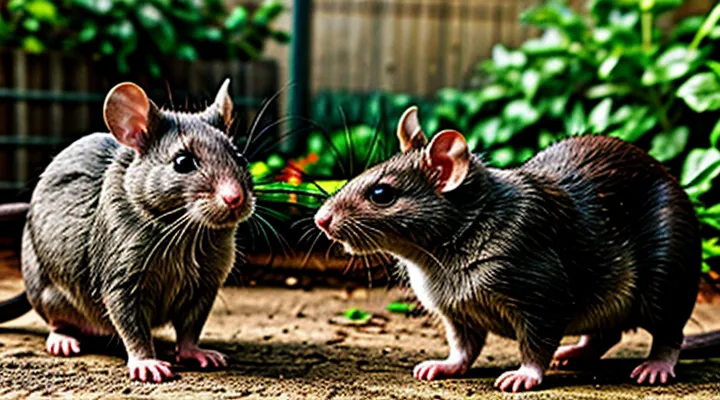
Understanding Underground Garden Rats
Identifying the Presence of Rats
Signs of Rat Activity
Recognizing rat activity early prevents extensive damage to garden plants, irrigation systems, and soil structure. Accurate identification of evidence allows prompt intervention before populations expand.
- Fresh droppings, dark and pellet‑shaped, found near plant bases, compost piles, or along garden edges.
- Gnaw marks on roots, stems, wooden trellises, and plastic tubing.
- Trails of shredded mulch, leaf litter, or soil disturbed in narrow pathways.
- Burrow openings, 2–3 cm in diameter, often concealed by grass or debris.
- Greasy or musky odor emanating from nesting sites or feeding areas.
- Presence of gnawed seeds, fruits, or vegetable matter, especially near night‑time activity.
Each sign signals the need for immediate control measures such as habitat modification, trapping, or bait placement. Ignoring these indicators permits rapid colony growth, elevating the risk of crop loss and disease transmission.
Distinguishing Rat Damage from Other Pests
Correct identification prevents unnecessary treatments and protects beneficial organisms. Garden damage caused by burrowing rats differs in pattern, timing, and evidence from that produced by other pests.
Typical rat indicators include:
- Fresh, shallow tunnels about 2–3 cm wide, often forming a network near plant bases.
- Gnaw marks on stems, roots, and woody material, usually clean cuts with smooth edges.
- Small, dark droppings (1–2 mm) near burrow entrances or under leaf litter.
- Presence of shredded plant tissue, especially around tender foliage.
- Visible tracks in soft soil, showing four‑toed prints with a distinct heel pad.
Common garden pests generate alternative signs:
- Voles create deeper, more extensive runways, often marked by a single line of fresh soil and paired front footprints.
- Rabbits leave large, irregular bite marks on bark and leaves, accompanied by pellet clusters of uniform shape.
- Slugs and snails produce silvery slime trails and irregular holes in foliage, without any digging activity.
- Insect larvae, such as cutworms, cause circumferential cuts at stem bases and leave frass (insect droppings) rather than mammalian feces.
To separate rat damage from other sources, follow these steps:
- Examine soil around affected plants for tunnel dimensions and track patterns.
- Collect and inspect droppings; rat feces are cylindrical, dark, and contain undigested seeds.
- Look for gnaw marks; rats produce uniform, clean cuts, while insects cause ragged edges.
- Set motion‑activated cameras or live traps at tunnel entrances to confirm rodent presence.
- Compare observed evidence with known characteristics of alternate pests listed above.
Accurate diagnosis enables targeted control measures, reducing chemical use and preserving the garden’s ecological balance.
Common Species of Garden Rats
Norway Rats (Rattus norvegicus)
Norway rats (Rattus norvegicus) are large, robust rodents, typically 20–25 cm in body length with brown to gray fur and a blunt tail. They thrive in moist environments and readily colonize garden soils, especially where organic debris, compost, or irrigation water provide shelter and food.
These rats damage gardens by excavating extensive burrow systems, destabilizing plant roots, and consuming seeds, seedlings, and stored produce. Their gnawing activity creates holes that expose plants to drought and disease, while their droppings and urine introduce pathogens that can affect both crops and human health.
Common indicators of infestation include fresh burrow openings with smooth, rounded entrances, fresh gnaw marks on stems or wooden structures, and nocturnal scurrying sounds near garden beds. Droppings—small, dark pellets—appear along pathways and beneath cover objects.
Control measures:
- Trapping: Deploy snap traps or electronic traps at burrow entrances and along runways; position bait (peanut butter, dried fruit) to increase capture rates.
- Rodenticides: Apply anticoagulant baits in tamper‑proof stations, following label instructions and local regulations to minimize non‑target exposure.
- Habitat modification: Remove excess mulch, compost, and debris; keep grass trimmed and soil compacted to discourage burrowing.
- Physical barriers: Install metal mesh (¼‑inch gauge) around garden beds, extending at least 12 inches below ground level to block entry.
- Biological deterrents: Encourage predatory birds (owls, hawks) by installing perches and nesting boxes; use scent‑based repellents (e.g., predator urine) as supplemental deterrents.
Preventive steps focus on sanitation and exclusion. Store feed and compost in sealed containers, eliminate standing water, and schedule regular inspections to detect early signs of activity. Consistent implementation of these practices reduces rat populations and protects garden productivity.
Roof Rats (Rattus rattus)
Roof rats (Rattus rattus) are slender, agile rodents that prefer elevated habitats such as eaves, tree canopies, and garden structures. Their back is flatter than that of Norway rats, and they possess a dark coat with a lighter belly. Adults reach 6–8 inches in body length, with a tail roughly equal to the body length.
In garden settings, roof rats exploit fruiting vines, vegetable stacks, and compost heaps. They create nests from shredded plant material, insulation, or debris, often near the base of trees or under decks. Visible evidence includes gnawed plant stems, droppings (3–5 mm black pellets), and tracks in soft soil.
Effective management combines habitat modification, exclusion, and direct removal:
- Eliminate food sources: harvest ripe produce promptly, store compost in sealed containers, and clear fallen fruit.
- Reduce shelter: trim low branches, remove dense ground cover, and repair gaps larger than ¼ inch in foundations, walls, and rooflines.
- Install physical barriers: metal flashing or hardware cloth around openings, and steel wool in small cracks.
- Deploy traps: snap traps or multi‑catch live traps placed along runways, baited with peanut butter, dried fruit, or fish.
- Apply rodenticides responsibly: use anticoagulant baits in tamper‑proof stations, following label instructions and local regulations.
- Encourage predators: install owl boxes or attract raptors by maintaining open sight lines.
Monitoring after implementation confirms success; a decline in droppings and absence of new gnaw marks indicate effective control. Continuous sanitation and periodic inspection prevent re‑infestation.
Why Rats Are Attracted to Gardens
Food Sources
Underground rodents in garden environments are attracted to readily available nutrition. Their diet consists primarily of plant material that is soft, moist, or decaying, allowing easy consumption and digestion.
Typical food sources include:
- Fallen fruit and vegetables that have begun to rot.
- Compost heaps containing kitchen scraps, especially meat, dairy, and oily residues.
- Pet food left outdoors or stored in unsealed containers.
- Birdseed spillage from feeders, particularly high‑fat seeds.
- Mulch or leaf litter that retains moisture and harbors seedlings.
- Root systems of tender plants, such as carrots, potatoes, and lettuce.
- Insects and larvae found in soil or under debris.
Reducing these attractants limits foraging opportunities. Store animal feed in sealed containers, keep compost piles covered, promptly collect fallen produce, and maintain clean feeding stations for birds. Regularly turn mulch to disrupt shelter and remove excess leaf litter. By eliminating primary nutrition sources, the pressure on garden habitats from subterranean rats diminishes markedly.
Shelter and Hiding Spots
Rats establish nests in locations that provide protection from predators, weather, and human activity. Common shelters include:
- Burrows under lawn edging, stone walls, or garden beds where soil remains loose.
- Compost piles and organic waste heaps that retain moisture and temperature.
- Dense shrubbery, especially evergreen hedges, that conceal entrances.
- Stacked firewood or pallets placed against structures, creating hidden cavities.
- Underground utilities such as irrigation pipes or sewer lines that offer direct access to the garden interior.
Identifying these sites requires systematic inspection. Examine soil for fresh mounds, track patterns, and droppings near potential entry points. Remove excessive organic debris, trim low-hanging foliage, and relocate stored materials away from the garden perimeter. Seal gaps in foundations, replace damaged pipe joints, and install hardware cloth or metal mesh around vulnerable openings. By eliminating refuge areas, the rodent population loses the essential cover needed for breeding and foraging, leading to a measurable decline in activity.
Water Availability
Water availability directly affects rat activity in garden soils. Moist environments provide easier burrowing conditions and sustain the insects and seeds that attract rodents. When irrigation is excessive or leaks persist, soil remains saturated, encouraging rats to establish nests close to the root zone.
Reducing unnecessary moisture limits habitat suitability. Implement the following measures:
- Inspect irrigation lines for leaks; repair or replace damaged sections promptly.
- Schedule watering during early morning or late evening to allow surface drying before nightfall.
- Apply drip‑irrigation or soaker hoses calibrated to deliver only the amount required by plants.
- Remove standing water from containers, birdbaths, and drainage trays daily.
Monitoring soil dampness helps maintain conditions unfavorable to rats. Use a moisture meter to keep substrate moisture within the optimal range for cultivated plants, typically 15–25 % volumetric water content, and adjust watering schedules accordingly. Consistent control of water sources reduces rat attraction and supports effective garden pest management.
Effective Control Strategies
Prevention Techniques
Garden Sanitation and Maintenance
Effective garden sanitation reduces food sources, nesting sites, and shelter for subterranean rodents. Remove fallen fruit, vegetable scraps, and decaying plant matter daily. Store compost in sealed containers and keep it away from garden beds. Dispose of animal feed and birdseed in rat‑proof bins.
Maintain soil structure to discourage burrowing. Apply a layer of coarse mulch, such as wood chips, at least three inches thick; it creates a physical barrier and promotes aeration. Regularly turn the mulch to prevent compacted zones that rodents can exploit. Install root barriers made of hardware cloth around the perimeter of garden plots, extending at least six inches below the surface.
Implement routine inspections and repairs. Identify and seal cracks, gaps, and holes in garden walls, fences, and raised beds. Use steel wool or metal mesh to fill openings larger than a quarter inch. Trim overgrown vegetation and prune low‑lying branches that provide cover.
Key maintenance actions:
- Daily removal of organic debris.
- Secure compost and feed storage.
- Mulch application and periodic turning.
- Installation of underground barriers.
- Inspection and sealing of structural gaps.
Securing Food Sources
Securing food sources eliminates the primary attraction that draws subterranean rodents to garden beds, reducing population pressure without reliance on traps or chemicals.
- Remove fallen fruit, nuts, and vegetable debris daily.
- Store compost in sealed containers; use a fine‑meshed lid to block entry.
- Cover mulch with a layer of coarse sand or gravel, deterring burrowing near edible material.
- Install rodent‑proof feeders for birds, positioning them away from planting zones and securing with metal cages.
- Keep pet food indoors or in airtight containers; do not leave bowls overnight.
Regular inspection of storage areas and prompt cleanup of spillage prevent accidental feeding. Monitoring bait stations for signs of activity confirms that food removal is effective and allows adjustments before infestations expand.
Exclusion and Physical Barriers
Exclusion prevents rats from entering garden soil and plant beds by sealing all potential openings. Physical barriers create an impenetrable layer that blocks burrowing and climbing.
Identify every gap, crack, or hole in foundations, raised beds, irrigation lines, and fence lines. Use a flashlight and probe to locate hidden tunnels. Record locations before installing any material.
- Mesh or hardware cloth (minimum 1 mm aperture) wrapped around the perimeter of beds and under mulch.
- Concrete or cement‑based curbing at the base of walls and fences, extending at least 30 cm outward.
- Metal flashing fitted over drainage pipes and sprinkler heads.
- Plastic or metal edging buried 20 cm deep around garden borders.
- Rat‑proof lids for compost bins and storage sheds.
Install barriers tightly against the soil, overlapping seams by at least 10 cm and securing with galvanized staples or wire ties. Ensure the bottom edge of each barrier is buried deep enough to deter digging, and the top edge projects outward to stop climbing.
Inspect barriers quarterly for displacement, rust, or damage. Repair breaches immediately with the same material specifications used during installation. Regular maintenance preserves the integrity of the exclusion system and minimizes rat activity in the garden.
Trapping Methods
Snap Traps
Snap traps provide a rapid, humane method for reducing rat activity beneath garden beds. The mechanism consists of a spring‑loaded bar that releases instantaneously when the trigger plate is disturbed, delivering a lethal blow to the animal’s neck or spine.
Effective deployment requires precise placement. Position traps along established runways, typically near burrow entrances, wall footings, or under vegetation where rats travel. Insert the trap so the trigger plate sits flush with the ground, preventing premature activation by debris or non‑target species.
Bait selection influences capture rates. High‑protein foods such as peanut butter, dried fish, or small pieces of meat attract rats more reliably than grain or fruit. Apply a modest amount—just enough to entice but not to spill—directly onto the trigger plate to ensure contact.
Safety considerations include wearing thick gloves when handling traps, securing them out of reach of children and pets, and checking them regularly to remove deceased rodents promptly. Disposing of carcasses in sealed bags reduces odor and disease risk.
Advantages of snap traps:
- Immediate kill reduces suffering.
- Low cost and reusable after resetting.
- No chemical residues affect soil or plants.
Limitations:
- Requires regular monitoring and bait replenishment.
- Ineffective if rats avoid exposed surfaces or if runways are deep underground.
- Potential for non‑target captures if placed improperly.
Compliance with local wildlife regulations is essential; some jurisdictions restrict the use of lethal devices in residential areas. Verify legal requirements before implementation.
By integrating snap traps with habitat modification—such as clearing brush, sealing entry points, and maintaining clean garden waste—gardeners can achieve sustained control of subterranean rodent populations.
Live Traps
Live traps provide a humane method for removing garden‑dwelling rats without poison or extermination chemicals. The devices consist of a container with a trigger mechanism that closes the door once the animal enters, allowing capture and later release at a suitable distance from the property.
Key considerations when selecting and using live traps:
- Size and design – Choose a trap large enough for adult rats (minimum 12 × 8 × 6 in). Models with smooth interiors prevent escape once the door shuts.
- Bait selection – Use high‑protein foods such as peanut butter, cooked meat, or canned fish. Place bait at the far end of the trap to ensure the rat fully enters before triggering the mechanism.
- Placement – Position traps along active runways, near burrow entrances, or beside garden structures. Set them low to ground level and hide them with natural debris to reduce wariness.
- Check frequency – Inspect traps at least twice daily. Prompt removal reduces stress on the captured animal and prevents trap avoidance.
- Release protocol – Transport captured rats at least 1 km away from the garden, preferably to a wooded area with ample cover. Release at dusk to give the animal time to find shelter.
Maintenance guidelines:
- Clean traps with hot, soapy water after each use to remove scent traces.
- Inspect hinges and latch for wear; replace broken components immediately.
- Store traps in a dry, sheltered location when not in use to prevent rust and deformation.
When combined with habitat modification—such as sealing entry points, removing excess debris, and limiting food sources—live traps become an effective component of an integrated rat‑management strategy for garden environments.
Placement Strategies for Traps
Effective rat control in gardens depends on locating traps where rodents are most active. Identify burrow entrances, established runways, and feeding stations before positioning devices.
Placement must consider soil composition, moisture level, and cover. Soft, well‑drained soil allows easy insertion of snap or live‑capture traps; compacted areas require pre‑drilling or surface‑mounted models. Avoid locations exposed to direct sunlight for more than a few hours, as heat reduces bait longevity.
- Position traps 1–2 feet from visible burrow openings.
- Align traps along established runways, perpendicular to the direction of traffic.
- Place baited devices near vegetable beds or compost piles, but at least 12 inches away from non‑target wildlife paths.
- Use a staggered pattern, spacing each trap 3–4 feet apart to cover a larger foraging zone.
- Secure traps to stable ground to prevent displacement by digging or rain.
After installation, inspect traps daily, replace spoiled bait, and record capture locations. Relocate ineffective traps to newly identified activity points within 48 hours to maintain pressure on the rat population. Regular monitoring ensures the trap network adapts to shifting rodent behavior, maximizing control efficiency.
Baits and Rodenticides
Types of Rat Baits
Effective control of subterranean rodents in garden beds relies on selecting the appropriate bait formulation. Different products target specific behaviors and physiological processes, allowing tailored management strategies.
- First‑generation anticoagulants (e.g., warfarin, chlorophacinone). Require multiple feedings, suitable for low‑density infestations.
- Second‑generation anticoagulants (e.g., brodifacoum, difethialone). Potent after a single dose, effective against resistant populations.
- Zinc phosphide. Releases phosphine gas in the stomach, fast‑acting, used where anticoagulant resistance is confirmed.
- Bromethalin. Disrupts neuronal function, provides a non‑anticoagulant alternative with rapid lethality.
- Food‑based baits (peanut butter, grain mixes). Serve as attractive carriers for the active ingredients, improve acceptance in diverse habitats.
Placement of bait stations should follow a grid pattern, spacing 10–15 feet apart, and be positioned near burrow entrances, runways, and feeding sites. Stations must be weather‑proof, tamper‑resistant, and placed at ground level to match rat foraging behavior. Replace consumable stations every 3–5 days and monitor for reduced activity.
Compliance with local pesticide regulations is mandatory. Verify that selected products are registered for outdoor garden use, observe label‑specified application rates, and maintain records of deployment. Personal protective equipment is required during handling; ensure that non‑target animals cannot access bait stations by using secure enclosures.
Safety Precautions for Rodenticide Use
When applying rodenticides in a garden where burrowing rats are present, protect human health, pets, and non‑target wildlife. Wear disposable gloves, a mask, and safety glasses to prevent skin contact and inhalation of dust or spray. Wash hands thoroughly after handling the product, even if gloves were used.
Store rodenticides in their original containers, sealed tightly, and keep them out of reach of children and animals. Place bait stations or traps in locations inaccessible to pets, such as under raised boards or inside locked boxes. Label each station with the active ingredient and expiration date.
Follow these procedural safeguards:
- Apply the smallest effective amount; excess increases risk of accidental poisoning.
- Distribute bait evenly, avoiding piles that could be disturbed by rain or wind.
- Monitor bait stations regularly, removing dead rodents promptly to reduce secondary poisoning.
- Dispose of unused product according to local hazardous‑waste regulations; never pour it down drains or into soil.
Record the date, location, and type of rodenticide used for each application. Review local regulations before each treatment to ensure compliance with legal requirements.
Integrated Pest Management Approach
Effective management of burrowing rodents in garden environments relies on an Integrated Pest Management (IPM) framework that combines observation, preventive practices, and targeted interventions. The approach begins with systematic monitoring to establish population levels, activity patterns, and damage hotspots. Traps, motion‑activated cameras, and regular soil inspections provide data that inform decision thresholds and reduce unnecessary treatments.
Key components of the IPM strategy include:
- Cultural controls: Rotate crops, maintain clean beds, and eliminate dense ground cover that offers shelter. Adjust irrigation to discourage moist soil conditions favored by rats.
- Mechanical controls: Install underground barriers, use snap traps or live‑catch devices placed near active tunnels. Position traps at established runways to maximize capture rates.
- Biological controls: Encourage natural predators such as owls, hawks, and feral cats by providing perches and nesting boxes. Apply rodent‑specific pathogens only when approved and under professional supervision.
- Chemical controls: Reserve rodenticides for situations where other measures fail to keep populations below economic thresholds. Apply baits in tamper‑proof stations, rotate active ingredients, and follow label instructions to minimize non‑target exposure.
Implementation proceeds through a cycle of assessment, action, and evaluation. After each intervention, re‑survey the garden to verify population decline and adjust tactics accordingly. Documentation of observations, trap counts, and environmental conditions supports continuous improvement and ensures that control measures remain proportionate to the level of infestation. This disciplined, evidence‑based methodology minimizes ecological impact while protecting garden productivity.
Natural and Organic Repellents
Plant-Based Repellents
Plant-based repellents offer a non‑chemical approach for deterring subterranean rodents that damage garden plants. Certain herbs and spices emit volatile compounds that rodents find unpleasant, creating an environment that discourages burrowing and feeding.
- Peppermint oil – Apply a diluted solution (1 ml oil per 100 ml water) to the soil surface around vulnerable plants. The strong menthol scent interferes with the rodents’ olfactory receptors.
- Garlic extract – Mix crushed garlic with water, let steep for 24 hours, strain, and spray the mixture on planting rows. Sulfur compounds act as a natural irritant.
- Hot pepper powder – Sprinkle cayenne or chili powder along the perimeter of beds and in shallow furrows. Capsaicin triggers a sensory response that deters gnawing activity.
- Onion skins – Bury dried onion skins in shallow trenches. The decaying material releases sulfurous fumes that repel rodents without harming soil microbes.
- Marigold seedlings – Plant marigolds (Tagetes spp.) interspersed with vegetables. Their aromatic oils repel rodents while attracting beneficial insects.
Effective use requires regular reapplication, especially after rain or irrigation, because volatile compounds dissipate quickly. Combine multiple plant-derived repellents to increase coverage and reduce the likelihood of rodents adapting to a single scent. Monitor rodent activity weekly; a decline in fresh burrow entrances indicates successful deterrence. If infestations persist, integrate these botanical methods with physical barriers such as mesh or underground fencing for comprehensive control.
Scent-Based Deterrents
Scent‑based deterrents offer a chemical approach to managing subterranean rodents that damage garden beds. Strong odors interfere with the animals’ olfactory navigation, prompting them to avoid treated zones.
The principle relies on aversive compounds that rats find unpalatable or threatening. When dispersed in the soil or on the surface, these scents create a barrier that the pests are reluctant to cross.
- Peppermint oil (10 ml per litre of water) – overwhelms olfactory receptors.
- Clove oil (5 ml per litre) – produces a sharp, irritating aroma.
- Predator urine (fox, coyote) – mimics presence of a natural enemy.
- Ammonia solution (1 % concentration) – generates a harsh, irritating vapor.
- Garlic extract (15 ml per litre) – emits a pungent sulfurous note.
Effective use requires consistent application. Dilute essential oils in water, apply with a sprayer to the perimeter of planting rows, and re‑apply after heavy rain or every 7‑10 days. Predator urine should be placed in sealed sachets buried shallowly near burrow entrances, replaced weekly to maintain potency. Ammonia and garlic solutions are best applied to the soil surface, avoiding direct contact with edible plants.
Scent deterrents alone rarely eradicate an established population. Integrating physical barriers, habitat modification, and regular monitoring enhances overall control success.
Predators as a Control Method
Predators provide a direct biological means of reducing subterranean rat populations that damage garden beds and root systems. Effective use of predatory species depends on matching the predator’s hunting habits with rat behavior, ensuring the predator can access burrow networks, and maintaining conditions that support predator survival.
Common predatory agents include:
- Barn owls (Tyto alba): nocturnal hunters that locate prey by sound; installing nesting boxes encourages occupancy.
- Red‑tailed hawks (Buteo jamaicensis): diurnal raptors that patrol open garden edges; perches and bait can attract individuals.
- Domestic cats (Felis catus): skilled at catching surface‑active juveniles; controlled outdoor access prevents roaming and predation on non‑target wildlife.
- Ferrets (Mustela putorius furo): agile burrow seekers; release under supervision can flush rats from tunnels.
- Snakes (e.g., rat snakes, Pantherophis spp.): natural rat predators; providing rock piles and cover encourages habitation.
Habitat modifications enhance predator effectiveness:
- Install predator shelters such as owl boxes, raptor perches, or reptile hideouts.
- Preserve ground cover and stone piles to create refuge for snakes and small mammals.
- Reduce pesticide use to avoid secondary poisoning of predators.
- Maintain a clear line of sight along garden borders to facilitate raptor hunting.
Legal and ecological considerations are mandatory. Verify local wildlife regulations before introducing or encouraging any predator. Avoid releasing non‑native species that could disrupt existing ecosystems. Monitor predator activity to assess impact on rat numbers and adjust habitat features accordingly.
Integrating predatory species into a garden management plan offers a self‑sustaining control method, minimizes chemical interventions, and aligns with ecological stewardship principles.