
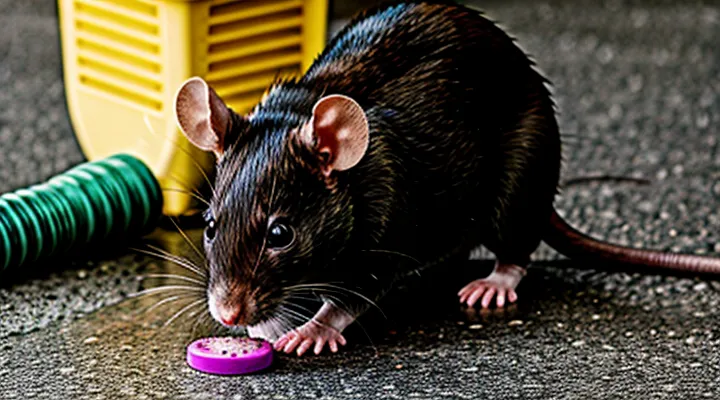
Understanding Strong Rat Poisons
What are «Strong Rat Poisons»?
First-Generation Anticoagulants
First‑generation anticoagulants are vitamin K antagonists designed to interrupt blood clotting in rodents. Compounds such as warfarin, chlorophacinone, diphacinone and coumachlor inhibit the enzymatic regeneration of reduced vitamin K, leading to uncontrolled hemorrhage after several days of ingestion.
These agents share several characteristics:
- Rapid onset of anticoagulant effect compared with later‑generation analogues.
- Low acute toxicity to non‑target species at recommended dosages.
- High susceptibility to metabolic resistance; repeated exposure can select for resistant rodent populations.
- Requirement for multiple feedings to achieve lethal dose, because sub‑lethal intake initiates clotting impairment but does not immediately cause death.
Regulatory frameworks typically restrict outdoor use, mandate bait stations, and require labeling that specifies the need for secondary‑poisoning precautions. Compliance with these measures reduces risk to wildlife, pets and humans.
Effective deployment of first‑generation anticoagulants depends on accurate placement of bait, monitoring of rodent activity, and rotation with alternative control methods to mitigate resistance development. Failure to rotate or to adhere to label instructions accelerates resistance and may render the product ineffective.
Second-Generation Anticoagulants
Second‑generation anticoagulant rodenticides (SGARs) represent the most potent class of chemical rat poisons currently available. Common agents include brodifacoum, difenacoum, bromadiolone, chlorophacinone, and difethialone, each characterized by a fluorinated coumarin backbone that enhances lipid solubility and biological persistence.
These compounds block the enzyme vitamin K epoxide reductase, preventing regeneration of active vitamin K. The resulting inhibition of clotting factor synthesis leads to uncontrolled internal bleeding. Compared with first‑generation anticoagulants, SGARs require a single low‑dose exposure to achieve lethality and exhibit half‑lives extending to several weeks, allowing accumulation in target organisms.
Toxicological data indicate median lethal doses (LD₅₀) for rats ranging from 0.1 mg/kg to 1 mg/kg, far lower than earlier formulations. Prolonged tissue retention raises the risk of secondary poisoning in predators and scavengers that consume poisoned rodents. Bioaccumulation studies demonstrate measurable residues in liver and adipose tissue for up to 90 days post‑exposure.
Regulatory frameworks in many jurisdictions impose strict controls on SGAR distribution. Requirements typically include:
- Certified professional applicator status or licensed pest‑control entity
- Mandatory use‑specific labeling highlighting secondary‑poisoning hazards
- Limitations on quantity per household and prohibition of indoor use in some regions
- Mandatory record‑keeping of purchase and application details
Effective deployment demands precise bait placement to minimize non‑target access, routine monitoring for resistance development, and integration with complementary control methods such as habitat modification and exclusion. When used according to approved guidelines, SGARs provide reliable eradication of rodent infestations while mitigating unintended ecological impacts.
Non-Anticoagulant Rodenticides
Non‑anticoagulant rodenticides represent a distinct class of rat control agents that act independently of the blood‑clotting pathway. Their toxicity derives from neurotoxic, metabolic, or cellular mechanisms, providing alternatives when anticoagulant resistance is documented or when rapid lethality is required.
Common compounds include:
- Bromethalin – disrupts mitochondrial oxidative phosphorylation, leading to cerebral edema and death within 24–48 hours.
- Cholecalciferol (Vitamin D₃) – induces hypercalcemia, causing renal failure and cardiac arrhythmias after several days of exposure.
- Zinc phosphide – reacts with gastric acid to release phosphine gas, a potent respiratory toxin that produces acute pulmonary edema.
- Sodium fluoroacetate – interferes with the citric acid cycle, resulting in cellular energy depletion and multi‑organ failure.
These agents differ from anticoagulants in several practical respects. First, they bypass the vitamin K cycle, eliminating cross‑resistance issues. Second, the onset of mortality is generally faster, reducing the window for bait avoidance. Third, environmental persistence varies: bromethalin and fluoroacetate degrade relatively quickly, whereas zinc phosphide residues may persist in soil under alkaline conditions.
Risk management requires precise dosing, secure bait stations, and compliance with regulatory limits on non‑target exposure. Personal protective equipment is essential during handling, especially for phosphine‑generating compounds. Monitoring of rodent populations should include post‑mortem analysis to confirm the active ingredient and assess any emerging resistance patterns.
In integrated pest‑management programs, non‑anticoagulant rodenticides complement other tactics such as habitat modification, exclusion, and mechanical control. Selecting the appropriate compound depends on target species, bait acceptance, environmental conditions, and statutory restrictions. Proper implementation maximizes efficacy while minimizing ecological and public health hazards.
How Strong Rat Poisons Work
Mechanism of Anticoagulant Poisons
Anticoagulant rodenticides disrupt the blood‑clotting cascade by targeting the vitamin K cycle. The active compounds—such as bromadiolone, brodifacoum, difenacoum and chlorophacinone—bind to the enzyme vitamin K epoxide reductase (VKOR). This binding blocks the regeneration of reduced vitamin K, a co‑factor required for the γ‑carboxylation of clotting factors II, VII, IX and X. Without functional clotting factors, the animal’s hemostasis collapses, leading to internal hemorrhage that ultimately causes death.
The toxic effect appears after a latency period of 24–72 hours because existing clotting factors must be depleted before bleeding becomes fatal. During this interval, the poisoned rodent continues to feed, increasing the total dose ingested and enhancing the risk of secondary exposure to predators or scavengers. Anticoagulants are lipophilic; they accumulate in hepatic tissue and persist for weeks, which amplifies both primary lethality and secondary poisoning potential.
Key pharmacokinetic features include:
- High oral bioavailability – rapid absorption from the gastrointestinal tract.
- Extensive hepatic storage – prolonged half‑life (up to several months for second‑generation compounds).
- Low renal excretion – most of the dose remains bound to liver proteins, limiting rapid clearance.
Resistance can develop when rodents acquire mutations in the VKOR gene, reducing the binding affinity of the poison. Management strategies therefore rely on rotating active ingredients, applying doses that exceed the tolerance threshold of resistant populations, and monitoring wildlife exposure through blood‑coagulation assays.
Understanding the precise biochemical blockade and the resulting physiological cascade enables safe deployment of these potent rodent control agents while minimizing unintended ecological impacts.
Mechanism of Non-Anticoagulant Poisons
Non‑anticoagulant rodenticides achieve lethality through biochemical pathways distinct from blood‑clotting interference. They are formulated to act quickly, reduce bait shyness, and limit secondary poisoning.
- Mitochondrial uncouplers (e.g., bromethalin): Disrupt oxidative phosphorylation, collapse proton gradients, and cause rapid depletion of cellular ATP. Neuronal swelling follows, leading to paralysis and death within hours.
- Metal phosphides (zinc, aluminum): React with gastric acid to release phosphine gas, a potent respiratory toxin that inhibits cytochrome c oxidase, halting aerobic metabolism and producing systemic oxidative damage.
- Vitamin D₃ analogues (cholecalciferol): Induce hypercalcemia by enhancing intestinal calcium absorption and mobilizing skeletal stores. Elevated calcium precipitates in soft tissues, causing renal failure, cardiac arrhythmia, and fatal organ dysfunction.
- Acetylcholinesterase inhibitors (organophosphates, carbamates): Prevent breakdown of acetylcholine at synaptic junctions, leading to continuous nerve stimulation, muscle fasciculations, respiratory collapse, and eventual death.
Cellular consequences converge on energy failure, electrolyte imbalance, and irreversible organ injury. Early signs include tremors, ataxia, respiratory distress, and convulsions, progressing to coma and cardiac arrest.
Risk mitigation demands strict storage, use of tamper‑proof bait stations, and adherence to label‑specified application rates. Personal protective equipment is essential during handling to prevent inhalation of phosphine or dermal exposure to neurotoxins. Proper disposal of unused product and contaminated materials prevents environmental contamination and non‑target exposure.
Risks and Dangers
Hazards to Humans
Accidental Ingestion
Accidental consumption of potent rodenticide poses a serious health risk that demands rapid recognition and response. The toxic agents in these products, typically anticoagulant compounds such as brodifacoum or bromadiolone, interfere with blood clotting mechanisms, leading to internal bleeding and organ failure if untreated.
Symptoms usually appear within hours to several days after exposure. Common signs include:
- Unexplained bruising or bleeding from gums, nose, or gastrointestinal tract
- Blood in urine or stool
- Severe abdominal pain or vomiting
- Weakness, dizziness, or fainting
Immediate actions can determine the outcome. If ingestion is suspected, follow these steps without delay:
- Call emergency services or a poison control center to obtain specific guidance.
- Keep the victim still and monitor breathing; administer CPR if respiration ceases.
- If the person is conscious and able to swallow, give a small amount of water or milk to dilute the toxin, unless contraindicated by medical advice.
- Do not induce vomiting unless instructed by a professional, as this may increase absorption.
- Transport the individual to the nearest emergency department promptly, providing details about the product, concentration, and time of exposure.
Medical treatment typically involves administration of vitamin K1 (phytonadione) to restore clotting function, often requiring high doses over several weeks. In severe cases, blood transfusions, plasma replacement, or liver support may be necessary. Laboratory monitoring of prothrombin time and coagulation parameters guides therapy duration.
Preventive measures reduce accidental exposure: store rodenticide in locked containers, label them clearly, keep them out of reach of children and pets, and use bait stations that limit direct contact. Regular inspection of storage areas and immediate disposal of unused product further lower risk.
Symptoms of Poisoning in Humans
Human exposure to potent rodenticide can produce rapid onset of systemic toxicity. The toxic agent interferes with blood clotting mechanisms, leading to internal and external bleeding. Early detection relies on recognizing characteristic clinical manifestations.
Typical signs include:
- Unexplained bruising or petechiae on skin
- Bleeding from gums, nose, or gastrointestinal tract
- Dark, tar‑colored urine
- Severe abdominal pain
- Vomiting, sometimes with blood
- Weakness, dizziness, or fainting
- Rapid heart rate and low blood pressure
Progression may cause shock, organ failure, and death if untreated. Immediate medical evaluation and administration of antidotes such as vitamin K1 are essential to prevent irreversible damage.
First Aid for Human Exposure
When a person comes into contact with potent rodent anticoagulant or neurotoxic bait, immediate action can prevent severe toxicity.
First, remove the source of exposure. Cut off contaminated clothing, place it in a sealed bag, and wash the skin thoroughly with soap and water for at least 20 seconds. If the poison was ingested, do not induce vomiting unless instructed by a medical professional.
Second, seek emergency medical care without delay. Provide responders with the product’s name, active ingredient, and amount potentially absorbed. Bring the product label or a photograph if possible.
Third, follow specific medical interventions as directed:
- Gastric decontamination: Activated charcoal (1 g/kg) may be administered within one hour of ingestion, unless contraindicated.
- Antidote therapy: Vitamin K₁ (phytonadione) is the standard reversal agent for anticoagulant rodenticides; dosing ranges from 2.5 mg to 10 mg orally or intravenously, repeated according to coagulation test results. For neurotoxic agents, supportive care and seizure control with benzodiazepines are indicated.
- Monitoring: Serial coagulation profiles, renal function, and neurological assessments should be performed for at least 24 hours, extending if abnormalities persist.
Finally, document the incident, including time, location, and circumstances, to aid public health tracking and prevent future exposures.
Dangers to Pets and Wildlife
Secondary Poisoning
Secondary poisoning occurs when a non‑target animal consumes a rodent that has ingested a potent rat poison. The toxin transfers through the predator’s or scavenger’s digestive system, often reaching lethal concentrations without direct exposure to the bait.
Typical pathways include predation on live rodents, scavenging of dead rodents, and consumption of carcasses left in the environment. Birds of prey, foxes, coyotes, and domestic pets are most frequently affected because they routinely feed on small mammals.
Clinical signs in secondary victims reflect the mode of action of the poison. Anticoagulant rodenticides produce uncontrolled bleeding, manifested as bruising, nosebleeds, blood‑tinged urine, and weakness. Neurotoxic formulations cause tremors, seizures, paralysis, and rapid respiratory failure. Laboratory analysis of blood clotting times or toxin residues confirms exposure.
Mitigation measures focus on reducing exposure opportunities:
- Place bait stations away from wildlife corridors and pet areas.
- Use tamper‑resistant containers that limit access by non‑target species.
- Choose rodenticides with lower secondary toxicity when feasible.
- Promptly remove dead rodents and dispose of them according to local regulations.
- Implement regular wildlife monitoring to detect early signs of poisoning.
Regulatory frameworks often require licensing for the use of strong rodenticides, mandatory record‑keeping of bait locations, and reporting of wildlife mortality linked to poison exposure. Compliance with these rules minimizes legal liability and protects ecosystem health.
Common Animals at Risk
Powerful rodenticide poses a serious threat to non‑target wildlife. Many species encounter the toxin while foraging, drinking, or scavenging contaminated carcasses. The most frequently affected animals include:
- Small mammals such as field mice, voles, and shrews that share habitats with rats.
- Domestic pets, particularly cats and dogs, that may ingest bait directly or consume poisoned prey.
- Birds of prey, including hawks, owls, and eagles, which often feed on dead or dying rodents.
- Ground‑dwelling birds like pheasants, quail, and chickens that peck at bait or eat contaminated insects.
- Wildlife reptiles, especially snakes that hunt rodents, can absorb the poison through ingestion.
Exposure routes extend beyond direct consumption. Secondary poisoning occurs when predators eat poisoned rodents, while tertiary poisoning affects scavengers that feed on the remains of secondary victims. Environmental contamination spreads through runoff, placing aquatic organisms at risk.
Mitigation requires securing bait in tamper‑proof containers, limiting placement to interior structures, and employing alternative control methods such as traps or non‑anticoagulant formulations. Regular monitoring of wildlife activity around bait sites helps detect early signs of poisoning and prevents population declines.
Symptoms of Poisoning in Animals
Exposure to highly concentrated rodenticide produces rapid, observable signs in affected animals. Prompt identification of these signs enables immediate intervention and reduces mortality risk.
Typical clinical manifestations include:
- Sudden weakness or collapse
- Excessive salivation and foaming at the mouth
- Blood‑stained or dark urine
- Uncontrolled bleeding from gums, nostrils, or wound sites
- Pale or bluish gums indicating circulatory failure
- Tremors, seizures, or uncontrolled muscle twitching
- Respiratory distress, rapid breathing, or apnea
- Abdominal pain reflected by a hunched posture or vocalization
- Diarrhea or vomiting, often containing blood
Veterinary assessment should focus on these indicators, confirm toxic exposure through laboratory analysis when possible, and initiate aggressive decontamination and antidotal therapy. Early treatment improves outcomes across species, from rodents to domestic pets and wildlife.
Veterinary Intervention
Strong rodenticide formulations containing anticoagulant compounds can cause rapid, life‑threatening coagulopathy in dogs, cats, and wildlife. Prompt veterinary assessment determines the severity of exposure and guides lifesaving measures.
Immediate actions include:
- Stabilizing airway, breathing, and circulation.
- Inducing emesis within 30 minutes of ingestion, unless contraindicated.
- Administering activated charcoal to bind residual toxin.
- Initiating intravenous fluid therapy to maintain perfusion.
Specific treatments focus on reversing anticoagulant effects. Intravenous vitamin K1, dosed according to species and weight, restores clotting factor synthesis. Repeated dosing continues for several weeks to prevent delayed hemorrhage. Blood product transfusion supplies functional clotting factors when active bleeding occurs. Monitoring includes serial coagulation panels, complete blood counts, and renal function tests.
Long‑term management emphasizes owner education. Veterinarians advise secure storage of poison, removal of contaminated bedding, and regular inspection of premises for bait. Reporting incidents to local authorities assists in tracking hazardous substances and reducing future exposures.
Environmental Impact
Persistence in the Environment
Strong rodenticide formulations contain active ingredients such as anticoagulants, metal phosphides, or neurotoxins that resist degradation under a wide range of environmental conditions. Soil composition, pH, moisture, and temperature determine the rate at which these chemicals break down. In alkaline, well‑drained soils, hydrolysis proceeds faster, while acidic, compacted soils retain residues for months or years.
Persistence influences exposure pathways for non‑target species. Residual concentrations can leach into groundwater, be absorbed by plants, or persist on surface litter where insects and small mammals encounter them. Bioaccumulation potential varies among active ingredients; for example, anticoagulant compounds demonstrate limited biomagnification, whereas metal phosphides can release phosphine gas that remains toxic in confined spaces.
Key factors governing environmental longevity include:
- Chemical class and molecular stability
- Application method (bait stations versus broadcast spraying)
- Environmental temperature fluctuations
- Soil organic matter content
- Presence of microbial populations capable of biodegradation
Regulatory guidelines require label warnings about long‑term environmental presence and recommend site‑specific risk assessments before large‑scale deployment. Monitoring programs typically sample soil and water at intervals of 30, 90, and 180 days post‑application to verify compliance with safety thresholds.
Bioaccumulation
Potent rodenticide formulations often contain anticoagulant compounds that persist in the environment after application. When non‑target organisms ingest contaminated food, water, or prey, the toxin can accumulate in their tissues faster than metabolic processes can eliminate it. This progressive build‑up, known as bioaccumulation, raises toxicity levels across successive trophic levels.
Key mechanisms driving bioaccumulation in strong rat poison include:
- Lipophilicity of active ingredients, which encourages storage in fatty deposits.
- Limited enzymatic pathways for degradation, resulting in slow excretion.
- Continuous exposure from secondary poisoning of predators that consume poisoned rodents.
Consequences of bioaccumulation are measurable in wildlife and domestic animals. Elevated concentrations may cause prolonged bleeding disorders, organ damage, and reduced reproductive success. Monitoring programs typically assess tissue residues in sentinel species to gauge environmental spread and inform mitigation strategies.
Effective management requires restricting secondary access to poisoned carcasses, employing bait stations that limit non‑target contact, and selecting compounds with shorter biological half‑lives when feasible. These actions reduce the risk of toxin magnification and protect ecosystem health.
Safe Use and Alternatives
Proper Handling and Storage
Personal Protective Equipment
Handling highly toxic rodenticide demands appropriate personal protective equipment to prevent dermal absorption, inhalation, and accidental ingestion. Failure to wear suitable gear directly increases the risk of acute poisoning and long‑term health effects.
- Chemical‑resistant gloves (nitrile or butyl) that meet ASTM D6978 standards
- Full‑face respirator with organic vapor cartridges, or a powered‑air‑purifying respirator for high‑concentration scenarios
- Impermeable coveralls or chemical‑resistant aprons, sealed at cuffs and ankles
- Safety goggles or face shield with anti‑fog coating
- Chemical‑resistant boots with steel toe and shank, sealed to prevent seepage
Select equipment based on the formulation’s solvent base, concentration, and exposure duration. Verify that gloves and clothing are rated for the specific active ingredient and that respirators are calibrated for the anticipated vapor pressure. Ensure a snug fit to eliminate gaps; loose garments compromise barrier integrity.
Donning follows a strict sequence: inspect each item for damage, put on gloves, then coveralls, boots, goggles, and finally the respirator. After work, remove gear in reverse order, avoiding contact between contaminated surfaces and skin. Rinse reusable items with approved decontamination solution, then store in a sealed container. Dispose of single‑use components according to hazardous waste regulations.
Compliance with OSHA 1910.120 (Hazardous Waste Operations) and EPA pesticide handling guidelines is mandatory. Maintain records of PPE inspections, training sessions, and incident reports. Regular audits confirm that protective measures remain effective and that personnel retain competence in safe handling practices.
Secure Placement of Bait Stations
Secure placement of bait stations maximizes the efficacy of potent rodent anticoagulants while minimizing risks to non‑target species. Position stations where rats travel regularly, such as along walls, behind appliances, and near entry points. Ensure each station is anchored to prevent displacement by wind, pets, or children.
Key considerations for placement:
- Height: install stations 2–4 inches above the floor to match rat foraging behavior.
- Accessibility: locate in concealed areas that are difficult for pets or wildlife to reach, yet easy for maintenance personnel.
- Spacing: distribute stations 10–15 feet apart in high‑density infestations; increase distance in low‑activity zones to avoid bait saturation.
- Weather protection: use weather‑resistant housings in outdoor or damp environments to preserve bait integrity.
Regular inspection confirms station integrity and bait consumption. Replace depleted units promptly and record locations to track activity patterns. Documentation supports targeted adjustments and compliance with local regulations.
Storage Guidelines
Store high‑strength rodenticide in a locked, tamper‑resistant container that meets local hazardous‑material regulations. Keep the container on a shelf out of reach of children, pets, and non‑authorized personnel.
Maintain environmental conditions that preserve chemical stability: temperature between 15 °C and 25 °C, relative humidity below 65 %. Avoid direct sunlight, moisture, and extreme temperature fluctuations that can degrade the active ingredient.
Label the storage unit clearly with the product name, concentration, hazard symbols, and expiration date. Update the label whenever the inventory is replenished or the product is transferred to a new container.
Implement an inventory log that records receipt date, batch number, quantity, and disposal date. Review the log monthly to identify approaching expiration dates and to verify that only authorized users access the product.
When a container is empty or the poison reaches its expiration date, follow local hazardous‑waste disposal procedures. Do not pour residues down drains or place them in regular trash.
Ensure that a current Safety Data Sheet (SDS) is readily accessible to all personnel who may handle the product. Store the SDS near the storage area or in a digital system with easy retrieval.
Recognizing Signs of Infestation
Identifying Rat Activity
Identifying rat activity precedes the application of any potent rodent toxin, ensuring placement of the product where it will encounter the target. Accurate detection prevents unnecessary exposure of non‑target species and maximizes the effectiveness of the control effort.
- Fresh droppings, typically ¼‑inch long, dark, and pellet‑shaped
- Gnaw marks on wood, plastic, or wiring, leaving clean, parallel cuts
- Grease trails along walls, caused by the animal’s oily fur
- Scratching sounds in ceilings or attics, especially at night
- Burrows or runways in insulation, stored items, or soil
- Presence of urine stains, which may appear as yellow‑brown discoloration on surfaces
Record each indicator’s location, frequency, and time of observation. Use this data to position bait stations along established pathways, preferably near walls and concealed corners. Verify that bait is inaccessible to children and pets, and replace it according to the product’s residual activity schedule. Continuous monitoring of the identified signs confirms whether the toxin is reducing the infestation or if additional measures are required.
Locating Entry Points
Identifying where rodents gain access is the first step in an effective control program. Rats exploit any opening larger than a quarter‑inch, including foundation cracks, pipe sleeves, vent ducts, door sweeps, and gaps around utility lines. Even small gaps around windows, garage doors, and crawl‑space entries provide viable pathways.
To locate these points, conduct a systematic visual survey during daylight and low‑light conditions. Look for gnaw marks, fresh droppings, urine stains, and smudged grease trails. Apply a non‑toxic tracking powder along suspected routes; a fresh footprint indicates active movement. Motion‑activated cameras or infrared detectors placed near potential openings confirm usage without disturbing the animals.
Prioritize entry points based on frequency of evidence. High‑traffic routes, such as those near food storage, waste containers, or water sources, warrant immediate attention. Lower‑traffic openings can be monitored before treatment.
- Foundation cracks and gaps
- Utility penetrations (electrical, plumbing, gas)
- Ventilation ducts and exhaust fans
- Door and window seals
- Crawl‑space and basement access points
- Roof eaves and soffit openings
Place bait stations directly adjacent to confirmed entry locations, ensuring stations are sealed from non‑target species. Regularly inspect and refresh bait to maintain potency, and re‑evaluate entry points after each treatment cycle to adapt to changing rodent behavior.
Non-Lethal Control Methods
Trapping Techniques
When potent rodenticide is part of a control program, combining it with mechanical traps increases overall effectiveness and reduces the risk of secondary poisoning. Proper integration requires precise placement, appropriate bait selection, and diligent monitoring.
- Position traps along walls, behind objects, and near known runways; rats prefer established pathways.
- Use fresh, high‑protein bait that complements the poison’s odor, ensuring the trap’s trigger is activated promptly.
- Employ snap traps for instant kill, reducing the chance of the animal escaping with poison residue.
- Incorporate live‑catch cages when humane removal is required; release captured rodents far from the treatment zone after confirming they are free of toxin exposure.
- Check traps at least twice daily; remove dead or captured rats, record locations, and reset devices to maintain pressure on the population.
- Wear disposable gloves and protective clothing during handling; dispose of carcasses in sealed containers according to local hazardous‑waste regulations.
Integrating these techniques with strong anticoagulant bait creates a layered approach that accelerates population decline while safeguarding non‑target species and human health.
Exclusion and Sanitation
Exclusion and sanitation constitute the first line of defense when deploying highly potent rodent anticoagulants. Implementing these measures reduces the amount of poison required and limits exposure risks to non‑target species.
Effective exclusion involves sealing all potential ingress routes. Practitioners must:
- Inspect building foundations, walls, and roofs for cracks or gaps larger than ¼ inch.
- Install weather‑tight door sweeps and rodent‑proof screens on vents and utility openings.
- Repair damaged siding, gutters, and eaves to eliminate shelter opportunities.
- Maintain clear zones around structural supports to prevent gnawing surfaces.
Sanitation focuses on eliminating attractants that sustain infestations. Operators should:
- Store food, grain, and waste in sealed containers with tight‑fitting lids.
- Remove spilled grain, debris, and droppings daily; disinfect surfaces with appropriate cleaners.
- Manage garbage with frequent removal and use of rodent‑resistant bins.
- Keep outdoor areas free of clutter, compost piles, and standing water.
Integrating exclusion and sanitation with bait application enhances efficacy. Sealed entry points confine rats to bait stations, while a clean environment prevents bait avoidance. Compliance with local regulations and safety protocols remains mandatory throughout the process.
Natural Repellents
Natural repellents provide a non‑chemical approach to managing rodent activity, reducing reliance on potent anticoagulant baits. Their mechanisms involve odor, taste, or sensory irritation that deters rats from entering treated areas. Because they do not contain toxic compounds, they pose minimal risk to non‑target wildlife, pets, and humans.
Common natural deterrents include:
- Peppermint oil, applied to cotton balls or diluted in water, creates a strong scent that rats avoid.
- Ammonia-soaked rags emit vapors that repel rodents without leaving residue.
- Citronella and eucalyptus extracts, dispersed as sprays, interfere with rat olfactory receptors.
- Predator urine (e.g., fox or ferret) mimics the presence of a threat, prompting avoidance behavior.
- Dry cayenne pepper or crushed red pepper flakes, scattered along pathways, cause irritation upon contact.
Effectiveness depends on proper placement, regular reapplication, and integration with sanitation measures that eliminate food sources and nesting sites. Natural repellents do not eliminate established infestations; they are most successful when used as a preventive layer alongside structural exclusion and monitoring.
When selecting a repellent, verify that the product is pure, free from additives that could compromise safety, and that application follows manufacturer instructions. Combining these agents with strategic sealing of entry points and prompt removal of waste creates a comprehensive rodent control strategy that limits the need for highly toxic rodenticide formulations.
Professional Pest Control
When to Call an Expert
Potent rodenticide poses acute health hazards for humans and non‑target animals. Mishandling or accidental exposure can lead to severe physiological effects, requiring immediate professional intervention.
Call an expert when any of the following conditions occur:
- Visible signs of poisoning in pets, wildlife, or people, such as seizures, respiratory distress, uncontrolled bleeding, or loss of consciousness.
- Uncertainty about the specific formulation, concentration, or expiration date of the product.
- Ingestion or dermal contact by children, pregnant individuals, or immunocompromised patients.
- Contamination of food preparation areas, drinking water sources, or residential surfaces.
- Unclear disposal procedures for unused poison, containers, or contaminated materials.
- Persistent rodent activity despite applied treatments, indicating possible resistance or improper dosing.
Professional services provide risk assessment, decontamination guidance, and coordinated medical response. They ensure compliance with local regulations, mitigate environmental impact, and reduce liability. Contact a certified pest‑control specialist, poison control center, or veterinary toxicology unit promptly to secure appropriate treatment and prevent further harm.
Integrated Pest Management (IPM) Strategies
Strong rodenticide can quickly reduce rat populations, but reliance on a single chemical agent often leads to resistance, non‑target exposure, and regulatory restrictions. Integrated Pest Management (IPM) addresses these issues by combining multiple control methods, monitoring, and preventive actions to achieve long‑term suppression while minimizing hazards.
Effective IPM for severe rat poison includes:
- Accurate monitoring: Deploy snap traps, live‑catch devices, or motion‑activated cameras to identify activity hotspots, population density, and movement patterns. Data guide placement and timing of interventions.
- Sanitation and exclusion: Seal entry points, repair structural gaps, and eliminate food sources such as spilled grain or unsecured garbage. Reducing attractants limits the need for repeated toxic applications.
- Mechanical control: Use snap traps, electric devices, or bait stations with proven efficacy in high‑risk areas. Rotate trap types and locations to prevent habituation.
- Targeted chemical use: Apply potent anticoagulant bait only after confirming infestation severity and in accordance with label instructions. Employ bait stations that restrict access to non‑target species and reduce environmental contamination.
- Evaluation and adaptation: Review trap counts, bait consumption, and signs of reinfestation weekly. Adjust tactics—such as increasing exclusion measures or switching bait formulations—based on observed outcomes.
Combining these elements creates a feedback loop: monitoring informs action, action reduces pressure, and reduced pressure simplifies future monitoring. The result is a sustainable reduction in rat activity without overreliance on high‑toxicity poisons, aligning with regulatory expectations and public‑health objectives.
Legal and Regulatory Aspects
Regulations on Rodenticide Use
Restrictions for General Public
Potent rodenticide products are subject to strict controls that limit access for non‑professional users. These controls aim to reduce accidental poisoning, misuse, and environmental contamination.
Regulatory agencies require the following for the general public:
- Mandatory licensing or certification before purchase, verified through a documented training program.
- Purchase caps that restrict the quantity per transaction, typically no more than a few ounces of active ingredient.
- Child‑resistant packaging and clear hazard symbols printed on every container.
- Mandatory inclusion of an informational leaflet describing safe handling, first‑aid measures, and disposal instructions.
- Prohibited sales to individuals under a specified age, often 18 or 21, depending on jurisdiction.
Storage rules dictate that products must be kept in locked cabinets, separate from food, feed, and household chemicals. Access should be limited to authorized personnel only.
Disposal requirements obligate users to return unused or expired material to a licensed hazardous waste facility. Direct dumping, incineration, or flushing down drains is illegal and may result in fines or criminal charges.
Violations of these restrictions can trigger penalties ranging from monetary fines to loss of licensing privileges. Enforcement agencies conduct random inspections and maintain public databases of compliance records.
Overall, the framework ensures that strong rodent control agents are employed responsibly, limiting exposure risks while preserving their effectiveness for legitimate pest‑management operations.
Professional Use Guidelines
Professional use of high‑potency rodenticide demands strict adherence to safety protocols, regulatory compliance, and precise application techniques. Operators must be trained, certified where required, and familiar with material safety data sheets (MSDS) before handling the product. Storage areas should be locked, ventilated, and clearly labeled to prevent unauthorized access and accidental exposure.
Key operational procedures include:
- Verify the product’s expiration date and batch number prior to each use.
- Wear appropriate personal protective equipment (gloves, goggles, respirator) throughout handling, mixing, and application.
- Prepare the bait in a designated, contamination‑free zone; avoid mixing with other chemicals.
- Apply bait stations at least 2 meters away from food preparation surfaces, water sources, and high‑traffic human areas.
- Record placement locations, quantities used, and date of deployment in a logbook maintained on site.
- Conduct regular inspections of bait stations; remove and dispose of unused bait according to hazardous waste regulations.
- Provide clear signage indicating the presence of rodenticide and restrict entry to trained personnel only.
Compliance monitoring involves routine audits of documentation, verification of PPE condition, and confirmation that waste disposal follows local environmental statutes. Immediate reporting of spills, exposure incidents, or unexpected wildlife interactions is mandatory, followed by containment, decontamination, and notification of health authorities. Continuous training updates ensure that personnel remain aware of evolving safety standards and legal requirements.
Disposal of Baits and Carcasses
Safe Disposal Methods
Proper disposal of potent rodenticide prevents accidental poisoning and environmental contamination. Follow regulatory guidelines and manufacturer instructions to protect humans, pets, and wildlife.
- Seal unused product in its original container, then place the container inside a heavy‑duty plastic bag. Label the bag clearly as hazardous waste before discarding.
- Transfer contaminated rags, gloves, and cleaning materials into a sealed, puncture‑resistant bag. Treat the bag as hazardous waste and deliver it to a licensed disposal facility.
- If the poison is liquid, absorb it with an appropriate absorbent material (e.g., cat litter, vermiculite) until fully saturated. Pack the saturated absorbent in a sturdy container, label, and transport to a hazardous‑waste collection point.
- For large quantities, contact local public health or environmental agencies for scheduled pick‑up or guidance on approved incineration methods.
- Never pour leftover poison down drains, toilets, or onto soil. Such actions can infiltrate water supplies and harm non‑target organisms.
Document the disposal process, including dates, quantities, and disposal locations, to maintain compliance records. Regularly review local regulations, as requirements may vary between jurisdictions.
Environmental Regulations
Regulatory agencies control the manufacture, distribution, and disposal of potent rodenticides to protect ecosystems and public health. The Environmental Protection Agency (EPA) classifies these products as hazardous pesticides, requiring registration that demonstrates efficacy, safety, and minimal environmental persistence. Registration dossiers must include toxicity data for non‑target species, degradation pathways, and risk assessments for water bodies.
State authorities often impose additional limits, such as maximum allowable concentrations in residential settings, mandatory child‑resistant packaging, and restrictions on use near agricultural fields. Violation of federal or state statutes can result in fines, product seizure, or revocation of licensing.
Key compliance requirements include:
- Submission of detailed label statements specifying prohibited applications, required personal protective equipment, and disposal instructions.
- Implementation of a record‑keeping system documenting each batch, quantity sold, and end‑user acknowledgment of safety guidelines.
- Periodic reporting of adverse environmental incidents to both EPA and relevant state agencies.
- Adherence to the Integrated Pest Management (IPM) framework, encouraging alternative control methods before resorting to chemical treatment.
Failure to meet these obligations jeopardizes habitat integrity, contaminates groundwater, and exposes wildlife to acute toxicity. Continuous monitoring, transparent reporting, and adherence to established standards ensure that the use of strong rat poisons aligns with environmental protection goals.