
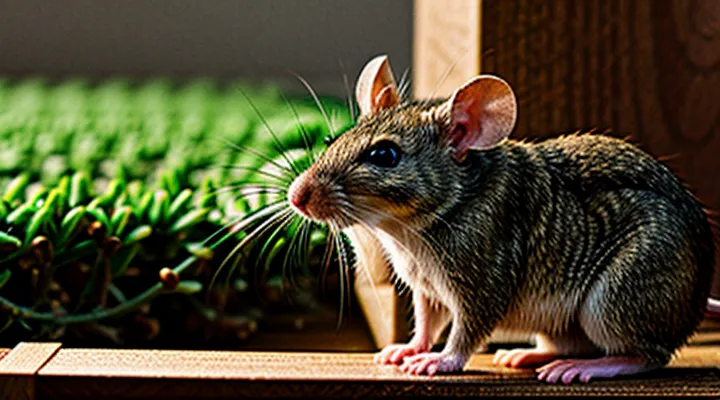
The Methodology of Rodent Problem Solving Research
Historical Development of Spatial Testing
Early Apparatus and Standardization
Early maze experiments employed simple wooden or metal constructs that guided a mouse through a series of corridors, dead‑ends, and a single goal compartment. The first devices, such as the T‑maze and the radial arm maze, were handcrafted with variable dimensions, inconsistent wall heights, and ad‑hoc reward placement. Researchers recorded trial times and error counts manually, often using paper charts. These initial tools provided qualitative insight into spatial navigation but suffered from reproducibility problems due to lack of uniform specifications.
Standardization emerged in the 1940s and 1950s as laboratories recognized the need for comparable data across institutions. Key measures included:
- Fixed corridor widths (typically 10 cm) and uniform wall materials to eliminate tactile cues.
- Precise placement of start boxes, goal platforms, and food pellets measured in centimeters from defined reference points.
- Integration of interchangeable maze modules allowing rapid reconfiguration while preserving geometric consistency.
- Adoption of electronic timing gates and automated scoring systems to replace manual recording.
These reforms established a common methodological framework, enabling systematic comparison of rodent problem‑solving performance and fostering the growth of quantitative behavioral neuroscience.
Key Experimental Designs
Researchers investigating rodent problem‑solving rely on a limited set of maze configurations that isolate distinct cognitive processes. The most frequently employed designs include:
- T‑maze – a binary choice apparatus that assesses working memory and decision‑making by requiring animals to alternate between left and right arms for a reward.
- Y‑maze – a three‑arm structure used to measure spontaneous alternation, reflecting short‑term spatial memory without external reinforcement.
- Radial arm maze – an eight‑ or twelve‑arm layout that differentiates reference memory (consistent baited arms) from working memory (trial‑by‑trial arm entries).
- Morris water maze – a circular pool with a hidden platform that evaluates spatial learning and long‑term memory through navigation to a submerged goal.
- Operant conditioning chambers (Skinner boxes) – devices that pair lever presses or nose pokes with food or drug rewards, enabling precise control over reinforcement schedules and response latency.
Each design incorporates specific control variables: start position randomization, inter‑trial intervals, cue manipulation (visual, olfactory, or tactile), and automated tracking of locomotion. Researchers often combine these elements with pharmacological or genetic interventions to dissociate neural circuits underlying learning, memory, and decision strategies. The selection of a particular maze depends on the hypothesis under test, the desired resolution of behavioral metrics, and the feasibility of longitudinal assessment.
The T-Maze and Discrimination Testing
The T‑maze is a bifurcated apparatus used to assess spatial learning, working memory, and stimulus discrimination in rodents. One arm serves as the start point, the other two arms present mutually exclusive cues (e.g., visual patterns, odorants, or textures). During a trial, the animal is released at the base, chooses an arm, and receives reinforcement (food or water) contingent on correct discrimination. Repeated sessions generate a performance curve that reflects acquisition speed, error rate, and retention.
Key elements of discrimination testing within the T‑maze include:
- Cue modality – visual, olfactory, or tactile signals presented at the choice point.
- Reinforcement schedule – fixed‑ratio or variable‑ratio reward delivery after correct choices.
- Trial structure – forced‑choice (one arm blocked) followed by free‑choice to assess learning transfer.
- Performance metrics – percentage of correct choices, latency to decision, and perseverative errors.
Data interpretation relies on comparing baseline performance with post‑manipulation results (pharmacological agents, genetic modifications, or environmental stressors). A significant reduction in correct choice percentage indicates impaired discrimination ability, while unchanged latency suggests preserved motor function. The T‑maze’s simplicity allows integration with electrophysiological recordings, providing concurrent behavioral and neural activity measurements. Limitations involve potential side bias and the need for extensive habituation to minimize anxiety‑related confounds.
The Radial Arm Maze for Working Memory
The radial arm maze (RAM) is a standard apparatus for quantifying working memory in mice engaged in spatial problem‑solving tasks. It consists of a central hub from which eight to twelve arms extend, each arm terminating in a food well that can be baited or left empty. The layout forces the animal to remember which arms have already been visited within a single trial, thereby taxing short‑term spatial memory.
During a typical session, a mouse is placed on the hub and allowed to explore freely. Researchers record two primary error types: (1) reference errors—entries into arms that are never baited, indicating a failure to learn the overall arm configuration; and (2) working memory errors—re‑entries into arms that were previously visited and already depleted, reflecting lapses in trial‑specific memory. Performance metrics commonly include total arm entries, percentage of correct first entries, and latency to complete the maze.
The RAM directly engages the prefrontal cortex and hippocampal circuits known to support working memory. Data from RAM trials have been used to evaluate the impact of genetic mutations, pharmacological agents, and environmental manipulations on cognitive function. Because the task isolates short‑term spatial memory from long‑term learning, it provides a sensitive readout of executive processes that parallel human working‑memory assessments.
Variations of the paradigm enhance its utility. Delayed alternation protocols introduce a temporal gap between trials to probe retention over longer intervals. Automated video tracking replaces manual scoring, improving precision and throughput. Reward modalities can be switched from food pellets to liquid reinforcement to accommodate specific experimental constraints.
Overall, the radial arm maze remains a robust, reproducible method for dissecting the mechanisms by which rodents solve navigation problems and maintain information across brief intervals, offering insight into the neural substrates of working memory.
The Barnes Maze and Search Strategy
The Barnes maze is a circular platform perforated with evenly spaced escape holes, one of which leads to a dark shelter. Mice are placed on the surface under bright illumination, a condition that motivates them to locate the shelter quickly. The maze’s open‑field design eliminates the need for water or electric shock, allowing assessment of spatial learning and memory without stress‑induced confounds.
During training sessions, rodents develop a search strategy that can be classified by the pattern of hole exploration. Common strategies include:
- Spatial (direct) navigation: the animal moves directly to the target hole using distal cues such as room landmarks.
- Serial (peripheral) search: the mouse scans holes sequentially around the perimeter, often starting from a fixed reference point.
- Random (non‑spatial) exploration: movements lack systematic order, indicating reliance on trial‑and‑error rather than spatial memory.
- Mixed strategy: a combination of direct and serial components, typically observed during the transition from acquisition to retention phases.
Performance metrics quantify the efficiency of each strategy. Latency to reach the shelter, number of errors (incorrect hole visits), path length, and angular deviation from the optimal trajectory provide objective measures of learning curves. Repeated trials reveal a shift from random or serial patterns toward spatial navigation, reflecting consolidation of a cognitive map of the environment.
The Barnes maze’s simplicity and reliance on visual cues make it a standard tool for investigating neural mechanisms underlying problem solving in rodents. Manipulations such as hippocampal lesions, pharmacological interventions, or genetic modifications produce predictable alterations in strategy selection, thereby linking specific brain circuits to the capacity for spatial reasoning and flexible behavior.
Measuring Cognitive Performance
Metrics of Success and Error
Quantitative evaluation of rodent navigation tasks relies on clearly defined performance indicators. Success is expressed through objective measures that capture speed, efficiency, and learning progression.
- Completion latency: time from entry to exit on each trial.
- Path optimality: ratio of actual distance traveled to the shortest possible route.
- Correct choice frequency: proportion of trials in which the animal selects the target arm on the first attempt.
- Learning curve slope: rate of improvement in latency or optimality across successive sessions.
- Reward acquisition rate: number of reinforcements obtained per unit time.
Error assessment complements success metrics by quantifying deviations from optimal behavior.
- Wrong‑turn count: total number of entries into non‑target arms per trial.
- Backtrack distance: cumulative length traveled in reverse direction after an incorrect choice.
- Hesitation duration: pause time at decision points before committing to a direction.
- Re‑entry frequency: number of times the animal re‑enters a previously visited sector within a trial.
- Failure rate: proportion of trials in which the animal does not reach the goal within a predefined time limit.
Interpretation of these metrics requires consistent trial conditions and statistical controls. Normalizing latency and distance to body length reduces inter‑subject variability. Applying mixed‑effects models isolates individual learning effects from group trends. Comparative analysis across studies benefits from standardized definitions of success and error, enabling reliable synthesis of rodent problem‑solving performance.
Latency and Distance Traveled
Latency, measured as the interval between maze entry and goal acquisition, provides a direct index of decision speed. Shorter latencies indicate rapid problem solving, whereas prolonged intervals suggest hesitation, uncertainty, or difficulty in discriminating cues. Precise timing devices—infrared beam breaks, video frame stamps, or automated sensors—record entry and exit timestamps with millisecond resolution, ensuring reproducibility across trials.
Distance traveled quantifies spatial efficiency. It is expressed as the cumulative length of the animal’s path, obtained from tracking software that maps coordinates at fixed intervals (e.g., 30 Hz). The metric distinguishes between optimal routes (minimal distance) and circuitous trajectories, revealing the extent to which a mouse exploits shortcuts or perseverates on irrelevant arms.
Key considerations for interpreting latency and distance:
- Learning stage: Early sessions typically exhibit high latency and long paths; progressive reductions reflect acquisition of the maze layout.
- Cue type: Visual, olfactory, or tactile cues alter navigation strategies, producing characteristic latency‑distance profiles.
- Motivational state: Food restriction, stress, or pharmacological manipulation can inflate both measures without affecting cognitive competence.
- Maze geometry: Complex mazes (e.g., radial arm, T‑maze) inherently increase baseline distance; normalization to the shortest possible path enables cross‑design comparisons.
- Individual variability: Genetic background and age influence baseline performance; statistical models should incorporate random effects to isolate experimental impacts.
When latency and distance converge—simultaneous declines across sessions—they signal efficient learning and robust problem‑solving ability. Divergence, such as reduced latency with unchanged distance, may indicate speed‑up without route optimization, often observed after reinforcement of a specific cue. Comprehensive analysis integrates both metrics, providing a multidimensional assessment of rodent navigational competence in maze‑based problem‑solving tasks.
Analysis of Search Patterns
Rodent performance in maze tasks reveals distinct search strategies that can be quantified through trajectory analysis. Researchers record position data at millisecond intervals, then extract metrics such as total path length, latency to goal, and turn frequency. These variables differentiate efficient navigation from exploratory behavior.
Typical patterns observed include:
- Random exploration – irregular turns, high path redundancy, low directional persistence.
- Systematic scanning – alternating left–right sweeps, moderate path length, consistent progression toward unexplored zones.
- Wall‑following – continuous contact with perimeter, reduced turning, rapid exit from peripheral regions.
- Goal‑directed runs – straight segments, minimal detours, high speed after initial learning phase.
Statistical models, such as hidden Markov chains, assign each trajectory segment to a probable state, allowing researchers to estimate transition probabilities between strategies. Heat‑map visualizations aggregate positions across trials, highlighting zones of repeated visitation and areas avoided after learning.
Comparative analysis across cohorts—naïve versus trained, genetically modified versus wild‑type—shows that the proportion of goal‑directed runs increases with experience, while random exploration declines. Correlating these shifts with neural activity patterns identifies brain regions that modulate strategic selection.
The quantitative framework described provides a reproducible basis for evaluating problem‑solving capacity in rodents, supporting cross‑species comparisons and informing computational models of spatial cognition.
The Cognitive Toolkit: Mechanisms of Navigation
Spatial Memory and Representation
The Hypothesis of Cognitive Maps
The hypothesis of cognitive maps proposes that rodents construct internal spatial representations that guide navigation through complex environments. These mental layouts enable the animal to evaluate routes, anticipate obstacles, and select efficient paths without relying solely on stimulus‑response chains.
Originating from the work of O’Keefe and Nadel (1978), the theory emerged from recordings of hippocampal “place cells” that fire when an animal occupies specific locations. The systematic activation patterns suggested that the hippocampus encodes a coordinate system rather than discrete cues.
Key experimental findings supporting the hypothesis include:
- Lesions of the hippocampus impair performance in tasks that require flexible route planning, while leaving simple cue‑driven navigation largely intact.
- In open‑field foraging, rats exhibit path‑integration behavior that compensates for displaced landmarks, indicating reliance on an internal map.
- Neuroimaging of freely moving rodents shows coherent place‑cell sequences that replay during rest, reflecting consolidation of spatial representations.
The existence of such maps reshapes the interpretation of problem‑solving behavior in maze experiments. Rather than learning a fixed sequence of turns, rodents appear to evaluate multiple alternatives, update their internal model when the maze is altered, and choose routes that minimize travel distance. This capacity aligns with higher‑order planning mechanisms observed in other species.
Consequently, the cognitive‑map framework provides a mechanistic link between neural activity, spatial cognition, and adaptive problem solving in rodents navigating labyrinthine structures.
Evidence from Lesion Studies
Lesion experiments have identified brain regions essential for maze navigation in rodents. Damage to the dorsal hippocampus consistently impairs the ability to form spatial representations, leading to increased latency and error rates when mice search for hidden platforms. In contrast, lesions of the anterior cingulate cortex produce selective deficits in decision‑making under ambiguous cues, without markedly affecting overall locomotor activity.
Key observations from lesion studies include:
- Hippocampal lesions reduce place‑cell stability, disrupting the internal map that guides route planning.
- Striatal lesions diminish habit formation, causing mice to rely on trial‑and‑error strategies rather than efficient shortcuts.
- Prefrontal cortex ablation compromises working memory, resulting in repeated exploration of previously visited arms.
- Amygdala damage lowers anxiety‑related avoidance, altering preference for safe versus risky paths.
Comparative analyses reveal that combined hippocampal‑striatal damage produces additive impairments, suggesting parallel processing streams for spatial mapping and procedural learning. Electrophysiological recordings from lesioned subjects show attenuated theta coherence between hippocampus and medial prefrontal cortex, correlating with poorer performance on delayed‑match‑to‑sample tasks.
These findings support a model in which distinct neural circuits contribute to separate components of problem solving: spatial encoding, habit acquisition, and executive control. Lesion evidence thus clarifies the functional architecture underlying rodent maze behavior.
Specialized Neural Circuitry
The Functions of the Hippocampus
Rodent maze experiments reveal how the brain constructs and utilizes spatial representations to locate rewards and avoid obstacles. The hippocampus generates these representations by integrating sensory cues, motor actions, and temporal sequences, enabling animals to navigate complex environments efficiently.
Key hippocampal functions relevant to maze performance include:
- Encoding of location-specific firing patterns that form a cognitive map of the arena.
- Consolidation of trial outcomes into long‑term memory, allowing reuse of successful routes.
- Sequencing of prospective actions, supporting the planning of future moves before execution.
- Differentiation of similar contexts, reducing interference between overlapping mazes or trial conditions.
These mechanisms collectively allow rodents to solve navigation problems, demonstrating that the hippocampus provides the neural infrastructure for spatial learning, memory retention, and decision making during maze tasks.
Grid Cells, Place Cells, and Navigation
Rodent performance in laboratory mazes reveals a neural system that encodes spatial information with remarkable precision. The hippocampus contains neurons that become active when the animal occupies a specific location; these cells generate discrete firing fields that map the environment and support memory of visited sites. Their activity provides a stable reference for the animal’s position, allowing it to recognize previously encountered points and to retrieve routes.
Adjacent to the hippocampus, the medial entorhinal cortex hosts neurons that emit multiple firing fields arranged in a regular, hexagonal lattice. This pattern creates a metric grid across the navigable space, delivering a coordinate framework that complements the localized signals from hippocampal neurons. The grid’s periodicity supplies distance and direction cues essential for calculating trajectories.
Integration of the two representations occurs through reciprocal connections, enabling the brain to translate metric coordinates into concrete location identifiers. During maze exploration, the combined output guides the animal’s decisions, supports path planning, and facilitates error correction when obstacles alter the intended route.
Key functional contributions:
- Place cells: define discrete environmental landmarks; support episodic recall of positions.
- Grid cells: provide continuous spatial metric; encode distance and direction.
- Network interaction: transforms metric data into landmark-based navigation; underlies flexible route selection.
The coordinated activity of these cell types forms the substrate by which rodents solve complex spatial problems without external guidance.
How External Cues are Integrated
Rodents navigating complex pathways rely on external cues to construct spatial representations that guide decision‑making. Visual landmarks, olfactory gradients, and tactile boundaries supply information that the animal continuously updates as it moves through the environment.
Vision provides distal references such as wall patterns or object shapes, enabling the animal to orient its heading relative to fixed points. Olfactory signals create proximal gradients that indicate proximity to goal locations or recent paths. Whisker‑mediated tactile feedback registers immediate contact with maze walls, allowing rapid correction of heading when visual or olfactory data are ambiguous.
Integration occurs within the hippocampal formation and associated cortical areas. Place cells fire in response to specific locations, modulated by the convergence of visual, olfactory, and somatosensory inputs. Grid cells generate a metric framework that adjusts when external landmarks shift, while head‑direction cells align the animal’s orientation with visual cues. The prefrontal cortex evaluates cue reliability, biasing the weighting of each modality during navigation.
Empirical findings illustrate these mechanisms:
- Rats trained in a maze with interchangeable visual patterns altered their place‑cell maps when landmarks were rotated, demonstrating visual dominance in stable conditions.
- Removal of olfactory cues while preserving visual landmarks reduced navigation accuracy by ~15 %, indicating a supplementary but measurable contribution.
- Disruption of whisker input increased reliance on visual cues, causing longer decision latencies at junctions lacking clear visual markers.
Collectively, external cues are combined through hierarchical neural processing, producing a flexible spatial map that supports problem‑solving behavior in maze environments.
Boundary Vector Cells and Environmental Edges
Boundary vector cells (BVCs) are hippocampal‑related neurons that fire in relation to the distance and orientation of environmental borders. Each cell exhibits a preferred direction and a specific range of distances, generating a spatial signal that marks the proximity of walls, edges, or obstacles. This signal remains stable across changes in the animal’s position, providing a reliable reference for constructing a mental map of the surrounding arena.
In maze navigation, BVC activity translates physical boundaries into vectorial information that guides movement. When a mouse approaches a wall, the corresponding BVCs increase firing, indicating the remaining distance to that surface. The combined output of multiple BVCs produces a composite vector field, allowing the animal to estimate its location relative to all surrounding edges without needing visual cues.
Experimental observations support this role:
- Electrophysiological recordings show heightened BVC firing at consistent distances from walls in both open fields and confined corridors.
- Lesion or pharmacological inactivation of BVC‑rich regions impairs the ability to avoid barriers and reduces accuracy in shortcut selection.
- Optogenetic activation of BVCs biases path choice toward the direction of the encoded boundary, confirming causal influence on decision making.
The integration of BVC-derived vectors with place cell activity creates a hierarchical representation: place cells encode specific locations, while BVCs supply the metric framework of the environment’s geometry. This partnership enables rodents to solve spatial problems efficiently, such as selecting the shortest route to a goal, negotiating novel configurations, and updating routes when barriers shift.
Consequently, boundary vector cells constitute a core component of the neural circuitry that transforms static environmental edges into dynamic navigational directives, underpinning the sophisticated problem‑solving behavior observed in rodents navigating labyrinthine tasks.
Learning Types Demonstrated in Mazes
Differentiation Between Learning Strategies
Response Learning versus Place Learning
Rodents navigating laboratory mazes employ two distinct learning systems. One system guides behavior by linking a series of motor actions to reinforcement; the other creates a spatial representation of the environment and directs movement based on external cues.
- Response (habit) learning – relies on egocentric cues; the animal repeats a learned turn sequence (e.g., left‑right‑left) regardless of location.
- Place (cognitive‑map) learning – depends on allocentric information; the animal locates the goal by referencing distal landmarks or room geometry.
Empirical studies contrast these systems using maze variants. In a T‑maze, repeated reinforcement of a specific turn produces rapid acquisition of response learning, while rotating the maze or altering start positions forces reliance on place learning. Radial‑arm tasks reveal that lesions of the dorsal striatum impair turn‑based performance but spare landmark‑guided navigation; hippocampal damage produces the opposite pattern.
Neurophysiological data identify the dorsolateral striatum as the substrate for response learning, where action‑outcome associations are encoded. The hippocampal formation supports place learning through place‑cell activity that maps environmental features. Interactions between these structures modulate strategy selection; dopamine signaling in the striatum biases habitual responses, whereas cholinergic modulation in the hippocampus enhances spatial encoding.
Strategic preference shifts with training duration, stress level, and cue availability. Early training stages favor response learning because fixed motor patterns are computationally inexpensive. Extended exposure, variable start points, or rich distal cues promote place learning. Elevated corticosterone concentrations suppress hippocampal plasticity, thereby increasing reliance on striatal habits.
Understanding the balance between response and place learning refines behavioral assay design. Researchers can manipulate cue configurations or lesion specific brain regions to isolate the desired learning process, improving the interpretability of experiments that probe problem‑solving in rodents.
Acquisition Speed and Retention
Mice rapidly learn to navigate complex labyrinths, often reaching optimal paths after only a few trials. Acquisition speed is quantified by the number of attempts required to reduce errors below a predetermined threshold, typically measured in seconds per trial or choices per maze segment. Early sessions show steep performance gains, with diminishing returns as proficiency stabilizes.
Retention is assessed by re‑exposing subjects to the same configuration after intervals ranging from hours to weeks. Consistent performance after 24 hours indicates short‑term memory consolidation, while unchanged latency after several days demonstrates long‑term storage. Comparative studies reveal that rodents retain maze solutions for at least 30 days when reinforcement schedules remain constant.
Key factors influencing both acquisition speed and retention include:
- Reward magnitude – higher sucrose concentrations accelerate learning curves and extend memory durability.
- Maze complexity – additional decision points increase initial trial counts but do not significantly affect long‑term recall once the route is mastered.
- Stress level – elevated corticosterone correlates with slower acquisition and rapid decay of learned routes.
- Age – juvenile mice exhibit faster acquisition but comparable retention to adults after consolidation.
Neurophysiological recordings show that rapid acquisition aligns with heightened hippocampal theta activity, whereas retention correlates with synaptic strengthening in the dorsal hippocampus and prefrontal cortex. Pharmacological blockade of NMDA receptors prolongs the learning phase and impairs subsequent recall, confirming the necessity of glutamatergic signaling for both processes.
Adaptability and Flexibility
Solving Novel Mazes and Transfer of Learning
Rodent experiments that present previously unseen maze configurations reveal rapid acquisition of spatial solutions. When a mouse encounters a novel layout, it initially explores using a combination of thigmotaxis (wall‑following) and random forays. Within a few trials, the animal exhibits a marked reduction in path length, indicating the formation of an internal map that guides future choices.
The transfer of learning is demonstrated when subjects trained on one maze perform better on a structurally different maze that shares common geometric cues. Evidence shows that:
- Mice retain the ability to locate a hidden platform after a single exposure to a new environment, provided the platform’s relative position to distal landmarks remains consistent.
- Performance gains persist across days, suggesting consolidation of spatial representations beyond the immediate task.
- Disruption of hippocampal activity during the initial learning phase abolishes the transfer effect, implicating this region in the abstraction of navigational rules.
Neurophysiological recordings confirm that place cells re‑align their firing fields to accommodate novel spatial relationships while preserving the overall topological schema. This flexibility enables rodents to extrapolate learned strategies to unfamiliar settings without explicit retraining.
Behavioral outcomes from these studies inform models of problem‑solving that emphasize the integration of exploration, memory consolidation, and neural plasticity. The capacity to generalize across distinct mazes underscores the relevance of rodent navigation research for understanding adaptive cognition in broader animal and artificial systems.
The Role of Motivation and Reward Structure
Motivation determines whether a mouse engages with a maze and how persistently it searches for an exit. Primary drives such as hunger or thirst create an internal pressure that pushes the animal toward the goal. When the drive is too weak, latency to begin the trial increases; when it is excessive, performance deteriorates due to stress‑induced interference. Conditioned cues, for example a tone that predicts food, can substitute for physiological needs and sustain exploration even in the absence of deprivation.
Reward structure shapes the pattern of learning. Different schedules produce distinct patterns of acquisition and retention:
- Fixed‑ratio: a reward after every nth correct choice, leading to rapid habit formation.
- Variable‑ratio: reward delivered after an unpredictable number of correct choices, generating high response rates and resistance to extinction.
- Magnitude manipulation: larger rewards accelerate learning but may reduce discrimination between optimal and suboptimal paths.
- Delay discounting: immediate rewards produce stronger reinforcement than delayed ones, influencing the willingness to explore longer routes.
The interaction between motivation level and reward schedule is critical. Moderate deprivation combined with a variable‑ratio schedule yields the highest trial completion rates, whereas excessive deprivation paired with a fixed schedule can cause premature abandonment of the maze. Adjusting both parameters allows researchers to isolate cognitive components such as spatial mapping from pure reinforcement effects.
Extrinsic Rewards and Intrinsic Drive
Rodent maze experiments reveal two complementary motivational forces that guide navigation. External incentives such as food pellets, sucrose solution, or water deprivation create a measurable incentive to reach a goal location. These incentives increase trial completion speed, reduce error rates, and produce a clear performance gradient that correlates with reward magnitude. Researchers routinely manipulate reward size to quantify the relationship between external payoff and learning curve.
Internal motivation, often described as curiosity or exploration drive, operates without immediate tangible payoff. Animals display persistent investigation of novel arm configurations, even when no reward is present. This behavior accelerates the acquisition of spatial maps, promotes flexible strategy shifts, and sustains performance after external rewards are removed. Intrinsic drive is evident in prolonged engagement with empty arms and in rapid re‑learning after reward contingency changes.
The interaction of external and internal forces shapes overall problem‑solving efficiency. External incentives focus attention on a specific endpoint, while intrinsic drive expands the animal’s representation of the environment. When both are present, performance improves beyond the sum of individual effects, indicating synergistic integration. Conversely, reliance on external incentives alone can produce rigid, reward‑locked routes that fail under altered conditions.
Key distinctions:
- Source: extrinsic (provided by experimenter) vs. intrinsic (generated by the animal).
- Behavioral signature: rapid, directed runs toward reward vs. extensive, exploratory sampling of the maze.
- Learning impact: accelerated acquisition of a specific path vs. development of flexible spatial cognition.
- Resilience: performance declines when reward is removed vs. sustained engagement after reward withdrawal.
Understanding how these motivational systems combine offers insight into the algorithms rodents employ to solve complex navigation problems.
The Effects of Reinforcement Schedules
Reinforcement schedules shape how rodents acquire and maintain maze‑solving behavior. By systematically varying the contingency between a correct turn or goal reach and the delivery of food or water, researchers can isolate the motivational and learning processes that drive navigation performance.
Common schedules include:
- Fixed‑ratio (FR): a reward after a set number of correct responses. Leads to rapid acquisition, high response rates, and brief pauses after reinforcement.
- Variable‑ratio (VR): a reward after an unpredictable number of correct responses. Produces the highest response persistence, with rodents continuing to explore even after extended unrewarded periods.
- Fixed‑interval (FI): a reward becomes available after a fixed time following the previous reinforcement, regardless of performance. Generates a post‑reinforcement pause followed by a surge in activity as the interval expires.
- Variable‑interval (VI): a reward becomes available after variable time intervals. Results in steady, moderate response rates and reduced impulsivity.
Empirical data demonstrate that schedule type predicts both speed and accuracy in maze trials. Fixed‑ratio protocols accelerate initial learning but often produce premature termination of searching once the criterion is met. Variable‑ratio schedules sustain longer search durations, decreasing omission errors but increasing trial time. Fixed‑interval schedules induce a characteristic “scalloped” pattern of movement, with low activity early in the interval and heightened vigor near the expected reward time. Variable‑interval schedules yield the most consistent performance across trials, minimizing fluctuations in latency and error frequency.
Overall, manipulating reinforcement contingencies provides a precise tool for quantifying the motivational dynamics underlying rodent problem‑solving in maze environments.
Modern Insights and Translational Relevance
Genetic Influences on Problem Solving
Mapping Genes to Cognitive Deficits
Rodent maze experiments provide a controlled platform for linking genetic variation to specific learning impairments. By recording navigation patterns, error rates, and latency, researchers can quantify cognitive performance across genetically engineered mouse strains.
Genetic mapping proceeds through several steps:
- Identify phenotypic extremes (e.g., high error count versus rapid acquisition) within a heterogeneous population.
- Perform genome‑wide association studies or quantitative trait locus analysis to locate alleles correlated with the observed deficits.
- Validate candidate genes using knockout, knock‑in, or CRISPR‑mediated modifications and reassess maze behavior.
- Integrate transcriptomic and epigenetic data to clarify molecular pathways influencing spatial learning.
Key findings illustrate that mutations in genes such as Nr1d1, Camk2a, and Dlgap2 produce measurable deficits in maze navigation, reflecting disruptions in synaptic plasticity, circadian regulation, and scaffold protein function. Conversely, enhanced expression of Bdnf correlates with accelerated learning curves and reduced perseverative errors.
Cross‑species comparison confirms that many identified mouse genes have human orthologs implicated in neurodevelopmental disorders. Mapping these genes therefore bridges animal behavior assays with clinical genetics, enabling targeted therapeutic investigation.
Using Transgenic Models in Maze Testing
Transgenic rodents provide precise control over neural circuits implicated in spatial navigation, allowing researchers to isolate the contribution of specific genes to maze performance. By inserting or silencing target genes, investigators generate lines that express fluorescent markers, optogenetic actuators, or disease‑related mutations, creating a direct link between molecular alterations and behavioral outcomes.
Key benefits of transgenic models in maze assays include:
- Targeted expression of reporters enables real‑time monitoring of neuronal activity during decision points.
- Conditional knock‑out systems allow temporal restriction of gene disruption, reducing developmental compensation.
- Disease‑associated alleles reproduce human neuropathologies, facilitating translational assessment of therapeutic interventions.
Experimental design typically follows these steps:
- Select a genetic construct that matches the hypothesis (e.g., Cre‑dependent channelrhodopsin for excitatory circuit activation).
- Breed homozygous or heterozygous carriers to obtain cohorts with defined genotypes.
- Acclimate animals to the testing environment to minimize stress‑related variability.
- Conduct baseline trials in a standard maze (e.g., T‑maze, radial arm) to establish performance metrics such as latency, error count, and path efficiency.
- Apply experimental manipulations (optogenetic stimulation, pharmacological challenge) and record changes relative to baseline.
Data interpretation requires separation of motor, sensory, and cognitive components. Comparisons between transgenic and wild‑type groups should include statistical controls for body weight, age, and sex. Repeated‑measure analyses reveal learning curves, while trial‑by‑trial video tracking quantifies strategy shifts.
Limitations include potential off‑target effects of genetic tools, background strain influences, and the need for extensive validation of expression patterns. Ethical considerations mandate adherence to institutional animal‑care guidelines, minimization of invasive procedures, and justification of sample sizes.
Overall, transgenic rodents expand the resolution of maze experiments, converting behavioral observations into mechanistic insights about the genetic basis of problem‑solving in rodents.
Pharmacological and Clinical Applications
Testing Nootropics and Memory Enhancers
Rodent maze experiments provide a controlled environment for evaluating the efficacy of cognitive‑enhancing compounds. Researchers introduce a nootropic or memory‑enhancer to a subject, then measure changes in performance metrics such as latency to reach the goal, number of errors, and path efficiency. Comparative groups receive a placebo or an established benchmark drug, allowing statistical isolation of the test compound’s effect.
Key procedural elements include:
- Random assignment of animals to treatment and control groups.
- Administration of the test substance at defined doses and intervals.
- Baseline assessment of maze performance before treatment.
- Repeated trials over multiple days to track learning curves.
- Automated tracking software to record movement patterns and decision points.
Data analysis focuses on quantifiable improvements. A reduction in escape latency of 20 % or greater, coupled with a 15 % decrease in wrong turns, typically signals a meaningful cognitive benefit. Researchers also monitor physiological markers—such as hippocampal synaptic plasticity and neurotransmitter levels—to corroborate behavioral findings.
Interpretation requires consideration of confounding factors. Stress levels, motor ability, and sensory function can influence results; therefore, parallel assessments (e.g., open‑field tests) are conducted to rule out non‑cognitive effects. When a compound consistently enhances maze performance without adverse motor or sensory changes, it qualifies for further preclinical development.
Modeling Neurological Disorders
Rodent maze tasks provide a quantifiable framework for reproducing cognitive deficits associated with neurological diseases. Performance metrics—latency to exit, error count, and trajectory efficiency—reflect memory, attention, and executive function, enabling direct comparison between healthy and pathological phenotypes.
Common disorders modeled through maze-based assessments include:
- Alzheimer’s disease: amyloid‑induced mice display prolonged escape times and increased perseverative errors.
- Parkinson’s disease: dopamine‑depleted rodents exhibit reduced exploration and slower decision‑making.
- Huntington’s disease: transgenic models show impaired spatial navigation and increased path deviations.
- Schizophrenia: NMDA‑receptor antagonists produce fragmented search patterns and heightened impulsivity.
- Autism spectrum disorder: socially isolated mice demonstrate atypical maze strategies and reduced flexibility.
Experimental design relies on precise manipulation of neural circuits. Genetic knock‑outs, viral vector delivery, and targeted neurotoxic lesions generate disease‑specific phenotypes. Pharmacological agents serve both to induce transient deficits and to evaluate therapeutic efficacy. Control groups receive identical handling and environmental exposure, ensuring that observed differences stem from the intended manipulation.
Data derived from maze performance align with human biomarkers such as neuroimaging findings and neurochemical profiles. The paradigm supports high‑throughput drug screening, allowing rapid identification of compounds that restore normal navigation patterns. Consequently, maze assays bridge preclinical observations with clinical expectations, strengthening the translational pipeline for neurological disorder research.
Schizophrenia and Working Memory Deficits
Rodent maze experiments provide a direct measure of spatial working memory, a cognitive domain severely compromised in schizophrenia. The disorder is characterized by reduced capacity to retain and manipulate information over brief intervals, reflected in errors on tasks that require the animal to remember recent choices.
Working memory deficits in schizophrenia involve dysregulated prefrontal circuitry, altered dopamine signaling, and NMDA receptor hypofunction. Neuroimaging studies consistently reveal reduced activation of dorsolateral prefrontal regions during tasks that demand temporary information storage.
Maze paradigms such as the T‑maze delayed alternation, the radial arm maze, and the Morris water maze isolate working memory by imposing a retention interval between successive choices. Successful navigation depends on the animal’s ability to recall the previous arm or platform location, making performance a proxy for working memory integrity.
Mouse models that recapitulate schizophrenia‑related pathology—e.g., NMDA antagonist treatment, DISC1 mutation, or 22q11.2 deletion—exhibit:
- Increased perseverative errors in delayed alternation tasks.
- Decreased correct arm entries in radial arm mazes.
- Prolonged latencies to locate hidden platforms in water maze trials.
These behavioral phenotypes align with the working memory impairments observed in patients, supporting the translational relevance of maze performance.
Data derived from maze testing guide pharmacological development by identifying compounds that restore prefrontal function and improve trial accuracy. Moreover, maze‑based assessments serve as benchmarks for cognitive remediation strategies aimed at strengthening working memory circuits in schizophrenia.
Alzheimer’s Disease and Spatial Disorientation
Alzheimer’s disease commonly impairs spatial orientation, a deficit that mirrors the navigation challenges observed in rodent maze experiments. Hippocampal degeneration reduces the stability of place cells, disrupting the internal map that guides movement through complex environments. Laboratory mazes therefore serve as a proxy for assessing the severity of spatial disorientation in affected individuals.
Research using rodent models demonstrates that:
- Loss of cholinergic signaling correlates with increased error rates in maze navigation.
- Amyloid‑β accumulation diminishes theta rhythm coherence, impairing path planning.
- Pharmacological enhancement of synaptic plasticity restores maze performance, suggesting potential therapeutic pathways.
These observations support the view that spatial disorientation in Alzheimer’s disease reflects specific disruptions in neural circuits that are measurable in controlled maze tasks. Translating maze‑derived metrics to clinical settings enables early detection of navigation deficits and evaluation of interventions aimed at preserving hippocampal function.