
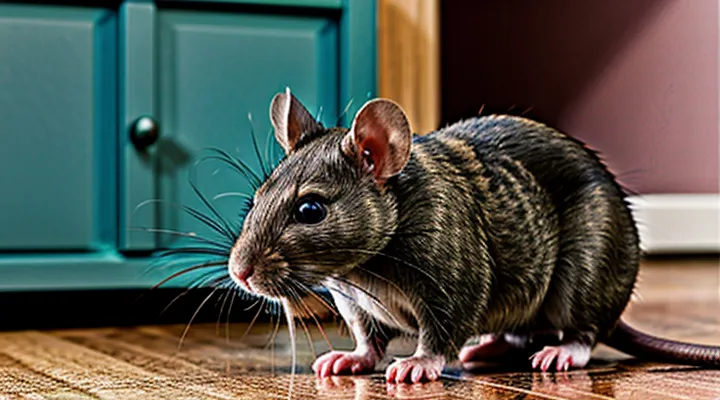
Understanding Rat Behavior
Why Do Rats Bite?
Fear and Defense Mechanisms
Domestic rats may bite when fear activates their defensive repertoire. Fear arises from sudden motions, unfamiliar surroundings, or exposure to predator scents. When a rat perceives a threat, its nervous system initiates a cascade that prioritizes survival.
The primary defensive actions include:
- Freezing to assess danger
- Rapid escape to a secure hideaway
- Emission of high‑frequency vocalizations
- Biting as a terminal response when retreat is impossible
Biting occurs only after other options fail, reflecting a hierarchy of defenses rather than an innate aggression. The behavior signals that the animal feels trapped or unable to flee.
Mitigating bite incidents requires minimizing fear triggers. Consistent, gentle handling, gradual introduction to new environments, and provision of shelters reduce stress. Enriched cages with tunnels and nesting material allow rats to retreat voluntarily, decreasing the likelihood that they resort to biting.
Understanding the link between fear and defensive actions enables caretakers to create conditions where biting is an exceptional, not routine, response.
Pain and Discomfort
Domestic rats can inflict bites that produce immediate sharp pain, followed by throbbing discomfort lasting several hours. The severity of the initial sensation depends on the depth of the wound, the rat’s dental structure, and the force applied during the bite.
Typical symptoms include:
- Localized pain that intensifies with movement or pressure
- Redness and swelling around the puncture site
- Tingling or numbness if nerve fibers are affected
- Possible bruising as blood vessels rupture
Bacterial contamination is common; rat oral flora often contains Streptobacillus moniliformis and Pasteurella species. Infection may manifest as escalating pain, expanding erythema, and fever within 24–48 hours. Prompt medical evaluation reduces the risk of systemic complications such as septicemia or rheumatic fever.
First‑aid measures:
- Clean the wound with mild soap and running water for at least one minute.
- Apply an antiseptic solution (e.g., iodine or chlorhexidine).
- Cover with a sterile dressing to limit exposure.
- Seek professional care if pain intensifies, drainage appears, or signs of infection develop.
Preventive strategies focus on minimizing bite risk. Proper handling techniques—supporting the rat’s body, avoiding sudden movements, and respecting its stress signals—significantly lower the likelihood of a bite and the associated pain. Regular veterinary checks ensure the animal’s health, reducing aggressive behavior linked to illness or discomfort.
Resource Guarding
Domestic rats may bite when protecting food, nesting material, or favored objects. This behavior, known as resource guarding, occurs when an individual perceives a valuable item as threatened and responds with an aggressive bite to maintain exclusive access.
Bite incidents linked to guarding typically involve a sudden snap toward the hand or another rat that approaches the contested resource. The bite is brief, directed at the skin or fur, and often accompanied by a stiffened posture, raised fur, and a low growl.
Several factors increase the likelihood of guarding bites:
- Limited food supply or irregular feeding schedules
- Competition for nesting sites in crowded cages
- Introduction of new objects or unfamiliar rats
- Lack of early socialization with humans and conspecifics
Preventing guard‑related bites requires consistent management:
- Provide ample, evenly distributed food and enrichment to reduce competition
- Maintain a spacious cage with multiple nesting options
- Introduce new items gradually, allowing rats to investigate without pressure
- Conduct daily, brief handling sessions from a young age to build trust
By addressing the underlying resource concerns, owners can minimize defensive biting and promote a calmer, more cooperative pet rat.
Hormonal Changes and Aggression
Domestic rats may bite when hormonal shifts trigger heightened aggression. Elevated testosterone during the breeding season correlates with increased territorial and defensive behaviors, which can manifest as nipping or full bites. Female rats experience estrogen peaks that can amplify irritability, especially when pregnant or nursing, further raising the likelihood of aggressive encounters.
Stress‑related hormones also influence bite risk. Cortisol spikes during environmental disturbances—new cages, loud noises, or handling by unfamiliar people—activate the fight‑or‑flight response. The resulting physiological arousal lowers the threshold for aggressive reactions, making bites more probable.
Research on laboratory and pet populations confirms these patterns. Studies report a rise in bite incidents concurrent with mating cycles, and a measurable reduction in aggression after surgical sterilization, which suppresses sex hormone production. Hormone assays of aggressive individuals consistently show higher testosterone and cortisol levels than docile counterparts.
Owners can mitigate bite incidents by managing hormonal drivers:
- Perform neutering or spaying to reduce sex hormone fluctuations.
- Minimize stressors: maintain consistent lighting, temperature, and handling routines.
- Provide enrichment that allows natural exploration without competition for resources.
- Observe behavioral cues—raised fur, rapid breathing, stiff posture—and intervene before a bite occurs.
Understanding the hormonal basis of aggression equips caretakers with concrete strategies to lower the frequency of biting behavior in domestic rats.
Factors Influencing Bite Risk
Socialization and Handling
Domestic rats rarely bite when they perceive humans as safe companions. The likelihood of a nip increases when an animal lacks consistent, positive contact and is handled improperly.
Effective socialization involves repeated, low‑stress interactions from weaning onward. Key practices include:
- Introducing the rat to a human hand for short periods each day.
- Offering treats during gentle petting to associate touch with reward.
- Allowing the rat to explore a clean, quiet enclosure while the caretaker is present.
Proper handling reduces defensive reactions. Essential techniques are:
- Supporting the body with both hands, avoiding pressure on the neck or tail.
- Moving slowly, maintaining a calm voice, and preventing sudden motions.
- Limiting handling sessions to a few minutes initially, then extending as confidence grows.
When socialization and handling are consistent, aggression diminishes, and biting incidents become uncommon.
Environment and Stress
Domestic rats are more likely to bite when their surroundings provoke anxiety or discomfort. Confined cages without enrichment, sudden temperature shifts, and excessive noise create a hostile environment that elevates stress hormones, reducing tolerance for handling.
Factors that increase bite risk include:
- Lack of nesting material or hiding places, which removes a sense of security.
- Overcrowding, leading to competition for food and space.
- Inconsistent lighting cycles that disrupt circadian rhythms.
- Direct exposure to predators or unfamiliar animals, triggering defensive aggression.
Stressful conditions alter a rat’s behavior through heightened vigilance and reduced social bonding. Chronic stress impairs the animal’s ability to habituate to human contact, making sudden movements or attempts to restrain more likely to provoke a defensive bite.
Mitigating these risks requires stable housing, regular enrichment, and gradual acclimation to handling. Consistent temperature, low ambient noise, and sufficient space support calm behavior, decreasing the probability of aggressive bites.
Health Status
Domestic rats that are kept as pets can exhibit biting behavior, and their health status plays a direct role in this tendency. Illness, pain, or physiological stress often trigger defensive actions, including bites, as the animal seeks to protect itself from perceived threats.
Factors that increase the likelihood of a bite include:
- Painful conditions (e.g., dental disease, injuries, arthritis) that make handling uncomfortable.
- Respiratory or gastrointestinal infections that cause weakness and irritability.
- Nutritional deficiencies leading to lethargy or aggression due to low energy reserves.
- Parasite infestations (external or internal) that cause itching and agitation.
- Hormonal imbalances associated with reproductive cycles, especially in unspayed females.
Maintaining optimal health reduces the risk of biting. Regular veterinary examinations, proper diet, clean housing, and prompt treatment of any medical issue create a calm environment in which the rat is less inclined to defend itself with a bite.
Preventing Rat Bites
Safe Handling Practices
Approaching Your Rat
Approaching a pet rat requires calm movements, steady eye contact, and respect for the animal’s personal space. Rats are naturally cautious; sudden gestures or loud noises trigger defensive reactions that can include a bite. By presenting a predictable environment, you reduce the likelihood of aggression.
Key actions when you first interact with a rat:
- Move slowly toward the cage or enclosure, keeping your hands open and visible.
- Offer a treat from the fingertips; the scent of food encourages the rat to approach voluntarily.
- Allow the rat to sniff and explore your hand before attempting to lift or pet it.
- Support the body with both hands, cradling the torso and avoiding pressure on the tail or hindquarters.
If the rat shows signs of discomfort—such as rapid whisker movement, flattened ears, or a sudden retreat—pause and give the animal time to settle. Re‑engage only after the rat resumes normal grooming or exploration behavior.
Consistent, gentle handling trains the rat to associate human contact with safety, lowering the probability of biting incidents over time.
Proper Holding Techniques
Proper handling is the most reliable method for preventing bites from pet rats. When a rat feels secure, defensive aggression diminishes, and the animal is more likely to cooperate during interaction.
- Approach slowly, keeping the hand low and palm facing upward.
- Allow the rat to sniff the fingers before contact; this establishes scent familiarity.
- Support the chest and hindquarters simultaneously with one hand under the torso and the other supporting the back legs.
- Keep the body close to the handler’s chest to reduce the animal’s sense of exposure.
- Avoid gripping the tail; this triggers a reflexive bite response.
- Release gently by sliding fingers forward, allowing the rat to step away voluntarily.
Consistent practice of these techniques conditions the rat to associate handling with safety. Regular, brief sessions reinforce trust, while abrupt or forced movements increase stress and the likelihood of a defensive bite. Monitoring the rat’s posture—relaxed ears, unflared whiskers, and steady breathing—provides immediate feedback on comfort levels, enabling quick adjustment of grip or positioning.
Reading Rat Body Language
Understanding a rat’s posture, ear position, whisker orientation, and vocalizations provides reliable clues about its intent. A rat that arches its back, lifts its tail, and stiffens its body is preparing to bite. Flattened ears against the head and a rapid, high‑pitched squeak indicate fear, often preceding a defensive bite. Conversely, relaxed shoulders, forward‑facing ears, and slow, low‑frequency chattering signal curiosity rather than aggression.
Key body‑language indicators:
- Tail raised and twitching – heightened alertness, possible aggression.
- Back arch with fur standing up – imminent bite response.
- Ears flattened – fear, may lead to defensive strike.
- Whiskers forward – exploratory behavior, low risk of biting.
- Slow, rhythmic vocalizations – contentment, no threat of bite.
- Rapid, high‑pitched squeaks – distress, increased likelihood of bite.
Accurate interpretation allows caretakers to modify handling techniques, reducing the chance of a bite. Observing these signals before contact enables preemptive adjustments, such as offering a calm environment or allowing the rat to retreat, thereby minimizing aggressive encounters.
Creating a Safe Environment
Appropriate Cage Setup
Proper cage design reduces stress, which in turn lowers the likelihood of aggressive bites in pet rats. A well‑planned enclosure offers sufficient space, secure enrichment, and consistent environmental conditions.
- Minimum floor area: 2 sq ft per adult pair; larger spaces further decrease crowding.
- Height: at least 12 inches to accommodate climbing structures.
- Bar spacing: ½ inch or less to prevent escape and injury.
- Bedding: absorbent, dust‑free material (e.g., paper‑based or aspen) kept dry to avoid respiratory irritation.
- Nesting zone: secluded corner with soft nest material, allowing privacy and rest.
- Chewable toys: untreated wood blocks, mineral chews, and cardboard tubes to satisfy gnawing urges.
- Exercise wheel: solid‑surface wheel of 11‑12 inches diameter; metal or plastic rims avoided to protect paws.
- Lighting: 12‑hour light/dark cycle with low‑intensity illumination; avoid direct glare.
- Temperature: maintain 68‑75 °F; sudden fluctuations increase agitation.
- Cleaning schedule: spot clean daily, full substrate change weekly to keep odor low.
Consistent access to fresh water, balanced diet, and regular handling further reinforce calm behavior. When the cage meets these criteria, rats exhibit reduced defensive biting and display more exploratory and social interactions.
Enrichment and Stimulation
Enrichment and stimulation directly affect the likelihood of a pet rat exhibiting biting behavior. When a rat’s environment lacks variety, stress levels rise, and the animal may resort to defensive bites as a response to frustration or fear. Providing appropriate sensory and physical challenges reduces anxiety and encourages natural foraging and exploratory instincts, which in turn lowers the incidence of aggressive bites.
Key components of effective enrichment include:
- Structural complexity: tunnels, climbing platforms, and nesting materials create three‑dimensional space for movement.
- Puzzle feeders: devices that require manipulation to access food stimulate problem‑solving skills and keep the animal occupied.
- Novel objects: periodically rotating toys, ropes, or safe chew items maintains interest and prevents habituation.
- Social interaction: regular, gentle handling and the presence of compatible cage‑mates foster confidence and reduce defensive aggression.
Consistent application of these elements establishes a predictable routine, allowing the rat to anticipate positive experiences rather than potential threats. As a result, the animal’s propensity to bite diminishes, and the human‑rat relationship becomes more cooperative and safe.
Diet and Nutrition
Domestic rats are less likely to bite when their nutritional needs are consistently met. Inadequate protein, essential fatty acids, or micronutrients can trigger frustration and heightened defensive behavior, increasing the chance of a nip.
Key dietary factors influencing bite propensity:
- Protein: Minimum 14‑18 % of total calories; supports muscle tone and reduces irritability.
- Fat: 5‑7 % of calories from sources rich in omega‑3 fatty acids; moderates stress responses.
- Fiber: 5‑7 % of diet; promotes gastrointestinal health, preventing discomfort that may provoke aggression.
- Vitamins and minerals: Adequate levels of B‑complex vitamins, vitamin E, zinc, and magnesium are essential for nervous‑system stability.
Practical feeding guidelines:
- Offer a balanced commercial rodent pellet formulated to meet the above percentages.
- Supplement with fresh vegetables (e.g., broccoli, carrots) and occasional lean protein (e.g., boiled egg, cooked chicken).
- Provide a limited amount of high‑fat treats; excessive fat can lead to obesity and aggression.
- Ensure constant access to clean water; dehydration can cause irritability.
- Rotate food items weekly to prevent monotony, which may reduce stress‑induced biting.
Meeting these nutritional standards lowers physiological stress and reduces the likelihood of a domestic rat delivering a bite. Proper diet thus serves as a preventive measure rather than a direct cause of aggression.
Training and Socialization
Positive Reinforcement
Pet rats may exhibit biting when they feel threatened, stressed, or under‑stimulated. Proper handling and training can markedly reduce this risk.
Positive reinforcement involves delivering a desirable stimulus immediately after a target behavior, thereby increasing the likelihood of its recurrence. The method relies on consistency, timing, and clear association between action and reward.
Applying reinforcement to bite prevention focuses on rewarding calm, gentle interactions. When a rat refrains from snapping during a handling session, a small piece of preferred food or a brief petting session serves as the reward. Repeated pairing teaches the animal that relaxed behavior yields benefits, while aggressive attempts receive no reward and thus diminish over time.
Practical steps:
- Identify a high‑value treat (e.g., seed mix, fruit piece) that the rat readily accepts.
- Begin with short handling periods; cease interaction the moment a bite occurs.
- After a bite‑free interval of a few seconds, present the treat and verbal praise.
- Gradually extend the interval before reward, reinforcing longer periods of composure.
- Maintain a predictable routine to avoid sudden stressors that could trigger aggression.
Consistent use of reward‑based training lowers bite incidence, promotes trust, and improves overall welfare of pet rats.
Gradual Introduction to Handling
Pet rats rarely exhibit aggressive biting when they perceive handling as predictable and safe. Their natural response to sudden restraint is defensive, which can result in a nip if the animal feels threatened. Gradual habituation to human contact reduces this risk and fosters trust.
- Begin with visual exposure. Place the cage lid open and sit nearby for several minutes daily, allowing the rat to observe without physical contact.
- Introduce a stationary hand. Rest a clean palm inside the cage for a short interval, keeping the fingers relaxed and avoiding any attempt to grasp.
- Offer a treat from the fingertips. Allow the rat to approach and take food voluntarily, reinforcing the hand’s presence as a source of reward.
- Progress to gentle containment. Lightly cup the rat’s torso with both hands, supporting the hindquarters, and lift briefly before returning it to the cage. Keep the duration under ten seconds initially.
- Increase handling duration incrementally. Extend each session by a few minutes each week, monitoring the animal’s behavior for signs of stress such as rapid breathing, vocalizations, or attempts to escape.
Consistency across sessions is essential; irregular handling can reset the acclimation process. If a bite occurs, pause handling for 24–48 hours, then resume with a slower progression. Over time, the rat learns that human touch is non‑threatening, and the incidence of nipping diminishes markedly.
Desensitization
Desensitization is a systematic approach to reducing the likelihood that a pet rat will bite when handled. The process involves gradual exposure to stimuli that normally provoke a defensive response, paired with consistent positive reinforcement. By repeatedly presenting mild tactile cues—such as a fingertip, a brush, or a gentle squeeze—while delivering rewards (e.g., favorite food or soothing vocal tones), the animal learns to associate handling with safety rather than threat.
Key components of an effective desensitization program include:
- Incremental intensity: Begin with brief, low‑pressure contacts and extend duration only after the rat displays calm behavior.
- Consistent timing: Conduct sessions at the same time each day to establish routine and predictability.
- Reward timing: Offer reinforcement immediately after the desired response to strengthen the connection.
- Observation: Monitor body language—ears back, tail twitching, or sudden jerks indicate stress and require a reduction in stimulus strength.
Typical progression follows a three‑phase structure:
- Acclimation – Allow the rat to explore the handler’s hand without direct contact, rewarding curiosity.
- Contact – Introduce light touches on the back or head, pausing to provide a treat after each successful interaction.
- Handling – Gently lift and hold the rat for short intervals, gradually increasing hold time while maintaining calm cues.
Success depends on patience and adherence to the incremental plan; abrupt increases in pressure or duration often reset the learning process. Over weeks of consistent practice, most rats exhibit reduced bite reflexes, enabling safer routine care such as cage cleaning, health checks, and social interaction.
What to Do If Bitten
Immediate First Aid
Cleaning the Wound
When a domestic rat punctures the skin, immediate wound care reduces infection risk.
First‑aid steps:
- Rinse the area with running water for at least 30 seconds to remove debris.
- Apply mild soap around the edges; avoid scrubbing the wound itself.
- Pat dry with a sterile gauze pad.
- Cover with a clean, non‑adhesive dressing.
- Seek professional medical evaluation promptly, especially if the bite is deep, bleeding heavily, or shows signs of swelling.
Key considerations:
- Use only sterile instruments; reuse of needles or clamps can introduce pathogens.
- Do not apply hydrogen peroxide or iodine directly, as they may damage tissue and delay healing.
- Monitor for fever, redness spreading beyond the wound margin, or pus formation; these may indicate bacterial infection requiring antibiotics.
Vaccination status matters. Verify tetanus immunization within the past ten years; administer a booster if uncertain. Rabies exposure is rare in household rodents but should be assessed by a healthcare provider if the animal’s health is unknown.
Document the incident: date, time, location of the bite, and any visible animal injuries. Accurate records assist clinicians in selecting appropriate prophylactic treatment.
Controlling Bleeding
When a pet rat bites, bleeding must be stopped quickly to prevent infection and minimize tissue damage. Direct pressure applied with a clean gauze or cloth compresses blood vessels and usually halts flow within seconds. If pressure does not control the bleed, elevate the affected area above heart level to reduce arterial pressure.
Steps for controlling bleeding after a rat bite:
- Apply firm, steady pressure with sterile gauze for at least five minutes; maintain pressure without interruption.
- If bleeding persists, add a second layer of gauze and continue pressure, or use a clean cloth if gauze is unavailable.
- Elevate the injured limb or body part to lower blood flow.
- Once bleeding ceases, clean the wound with mild antiseptic solution; avoid harsh chemicals that may damage tissue.
- Cover the area with a sterile dressing and secure it with adhesive tape or a bandage.
- Monitor for signs of continued bleeding, swelling, or discoloration; seek veterinary or medical assistance if any of these occur.
After initial control, observe the bite site for infection indicators such as redness, heat, pus, or increased pain. Administer tetanus prophylaxis according to local health guidelines if the animal’s vaccination status is unknown. Proper wound management reduces complications and supports faster recovery for both the animal and the caretaker.
When to Seek Medical Attention
Signs of Infection
Pet rats may bite, introducing bacteria into the skin. Bacterial invasion can progress to a local infection or, in rare cases, systemic illness such as rat‑bite fever. Prompt recognition of infection prevents complications.
Typical indicators of infection after a rat bite include:
- Redness extending beyond the wound margins
- Swelling or edema around the bite site
- Heat sensation when the area is touched
- Increasing pain or throbbing discomfort
- Purulent discharge or visible pus
- Fever exceeding 38 °C (100.4 °F)
- Enlarged, tender lymph nodes near the bite
- General malaise, chills, or muscle aches
If any of these signs appear within 24–48 hours of the bite, seek medical evaluation promptly. Early antimicrobial therapy reduces the risk of severe outcomes.
Risk of Rabies (Rarity in Domestic Rats)
Domestic rats may bite when they feel threatened, are mishandled, or experience sudden stress. Incidents are uncommon in well‑socialized pets, yet a bite can occur during grooming, enclosure cleaning, or when an unfamiliar person approaches.
Rabies transmission through a rat bite is exceptionally rare. Scientific surveys and veterinary records show no confirmed cases of domestic rats serving as rabies vectors. The virus primarily circulates among wild carnivores and bats; rodents rarely develop or transmit the disease. Consequently, the probability of acquiring rabies from a pet rat bite approaches zero.
Factors influencing the already low risk include:
- Health status of the animal: sick or immunocompromised rats may exhibit atypical behavior, but still do not act as rabies carriers.
- Geographic prevalence of rabies in wildlife: regions with high rabies activity in feral animals do not alter the rodent’s negligible susceptibility.
- Proper handling practices: gentle restraint and regular veterinary care reduce bite incidents and reinforce overall safety.
In summary, while a domestic rat can bite under specific conditions, the likelihood of rabies infection from such an event is practically nonexistent.
Tetanus Concerns
Pet rats can bite, delivering oral flora and environmental bacteria into the wound. Among these microorganisms, Clostridium tetani, the agent of tetanus, may be present if the animal has contacted contaminated surfaces. The bite creates a puncture that favors anaerobic conditions, allowing tetanus spores to germinate and produce neurotoxin.
Immediate wound management reduces infection risk:
- Clean the area with running water and mild antiseptic.
- Remove debris, then apply pressure to control bleeding.
- Seek medical evaluation within 24 hours, especially if the bite is deep or the victim’s tetanus immunization status is uncertain.
- Update tetanus vaccination according to current guidelines (booster every 10 years, or sooner after a high‑risk injury).
Healthcare providers assess tetanus risk based on wound severity, patient immunization history, and exposure environment. When vaccination is outdated or unknown, a tetanus toxoid booster and, if indicated, tetanus immune globulin are administered to neutralize toxin production. Proper wound care and timely immunization are essential to prevent tetanus following a rat bite.
Long-Term Care and Prevention of Future Bites
Identifying the Cause of the Bite
Domestic rats may bite when specific triggers override their natural avoidance of aggression. Understanding these triggers helps owners prevent injury and maintain a safe environment.
Typical reasons for a bite include:
- Perceived threat to personal space or sudden movements that startle the animal.
- Pain or discomfort caused by illness, injury, or improper handling.
- Competition for limited resources such as food, nesting material, or territory.
- Lack of socialization, especially in rats raised without regular gentle contact.
- Hormonal changes during breeding cycles that increase irritability.
Assessing the situation involves observing the rat’s behavior before the incident, checking for signs of illness or injury, evaluating handling techniques, and ensuring adequate enrichment and space. Eliminating the identified cause reduces the likelihood of future bites.
Behavioral Modification
Domestic rats occasionally exhibit biting behavior, which can be reduced through systematic behavioral modification. Understanding the triggers—fear, territoriality, pain, or overstimulation—allows owners to apply targeted interventions.
Effective modification relies on three core components:
- Consistent handling: Daily, gentle handling from a young age desensitizes rats to human contact and lowers defensive aggression. Use slow movements, support the animal’s hindquarters, and avoid sudden grabs.
- Positive reinforcement: Reward calm behavior with preferred foods or treats. Deliver reinforcement immediately after the desired response to strengthen the association between non‑aggressive actions and benefits.
- Environmental enrichment: Provide ample nesting material, chewable objects, and climbing structures. Reducing boredom and stress diminishes the likelihood of defensive bites.
When a bite occurs, follow a structured response:
- Pause interaction: Cease contact for a brief period (30–60 seconds) to signal that biting ends the engagement.
- Assess health: Check for injuries or illness that may cause pain‑induced aggression; address any medical issues promptly.
- Re‑introduce calmly: Resume handling after the pause, employing the same gentle techniques and offering a treat to reinforce non‑biting behavior.
Long‑term success requires patience and consistency. Regularly evaluate progress, adjust reinforcement schedules, and maintain a low‑stress environment. Over time, these practices substantially lower the incidence of biting in pet rats.
Consulting a Veterinarian
Pet rats may exhibit biting, especially when frightened, ill, or in pain. Determining the cause requires professional evaluation. A veterinarian can differentiate normal exploratory nipping from aggression linked to health issues, providing accurate diagnosis and treatment.
When a rat bites repeatedly, schedule an appointment promptly. Bring the animal’s recent history, including changes in diet, environment, or handling. Note any visible injuries, abnormal behavior, or signs of illness such as weight loss, discharge, or lethargy.
During the visit, the veterinarian will:
- Conduct a physical examination to identify pain, dental problems, or skin infections.
- Perform diagnostic tests (e.g., blood work, radiographs) if systemic disease is suspected.
- Assess temperament and handling techniques to identify stress triggers.
- Offer guidance on behavior modification, enclosure enrichment, and proper handling.
Following the assessment, the veterinarian may prescribe medication (e.g., analgesics, antibiotics) or recommend dental trimming, wound care, or environmental adjustments. Compliance with these recommendations reduces bite incidents and improves the rat’s welfare.
If biting persists after treatment, consider a follow‑up consultation. Continuous monitoring and consistent handling practices, under veterinary supervision, ensure the rat remains safe for both owner and animal.