
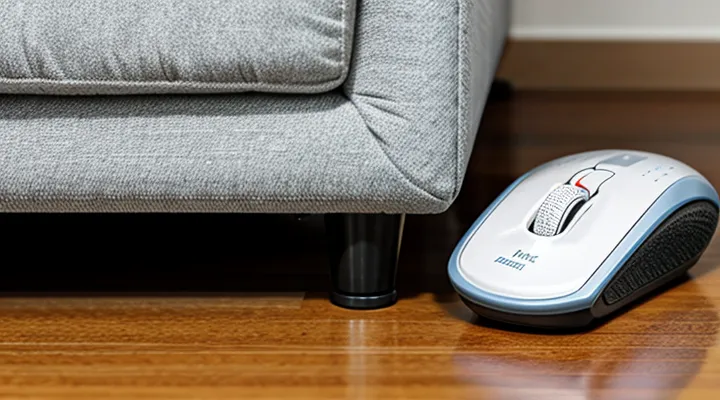
Ultrasonic Mouse Repellent: Understanding the Technology
What is Ultrasonic Technology?
The Science Behind Sound Waves
Sound waves are mechanical vibrations that travel through a medium by compressing and rarefying particles. Frequency, measured in hertz, determines the pitch of the wave; audible sounds for humans range from 20 Hz to 20 kHz, while ultrasonic frequencies exceed 20 kHz. Amplitude, expressed as pressure variation, defines the loudness of the wave and influences the energy transmitted.
Propagation depends on the medium’s elasticity and density. In air, speed is approximately 343 m s⁻¹ at 20 °C; in water, speed increases to about 1 500 m s⁻¹ due to higher density and bulk modulus. Attenuation occurs as energy dissipates into heat, with higher frequencies attenuating more rapidly, which limits the effective range of ultrasonic emissions.
Ultrasonic generators used in rodent deterrents employ piezoelectric transducers. An alternating voltage applied to a piezoelectric crystal induces rapid dimensional changes, producing pressure waves at the desired frequency. The device typically modulates frequency to prevent habituation, cycling through a band of ultrasonic tones.
Key physical principles relevant to rodent deterrence:
- Frequency selection – rodents detect ultrasonic frequencies up to 80–100 kHz; devices target this range to maximize sensory impact.
- Intensity control – sound pressure levels are calibrated to exceed the discomfort threshold for rodents while remaining inaudible to humans.
- Beam pattern – transducer orientation shapes the acoustic field, concentrating energy where rodents are likely to travel.
Understanding these mechanisms clarifies how ultrasonic mouse repellents generate and direct sound energy to create an environment that is unpleasant for rodents, thereby reducing their presence without chemical agents.
Frequency and Pitch
Frequency defines the number of sound wave cycles per second, measured in hertz (Hz). Ultrasonic rodent deterrents operate above the audible spectrum for humans, typically between 20 kHz and 65 kHz. The selected frequency determines the device’s ability to reach the auditory sensitivity of mice and rats while remaining inaudible to occupants.
Pitch represents the subjective perception of frequency. Higher pitch corresponds to higher frequency, which is why ultrasonic emitters use very high pitches to target the acute hearing range of rodents. The pitch does not affect the physical energy output; it merely describes how the sound is perceived by the animal’s auditory system.
Typical frequency bands employed in ultrasonic deterrents include:
- 20 kHz – 30 kHz: covers the lower threshold of mouse hearing, suitable for broad‑range coverage.
- 30 kHz – 45 kHz: aligns with peak sensitivity of many rodent species, often cited as the most effective interval.
- 45 kHz – 65 kHz: exceeds average mouse hearing limits, useful for targeting particularly sensitive individuals.
Rodent auditory research indicates peak hearing sensitivity between 30 kHz and 50 kHz. Devices that emit within this window maximize the likelihood of eliciting an avoidance response. Human hearing typically caps near 20 kHz, ensuring that frequencies above this limit remain undetectable to people.
Regulatory guidelines restrict continuous exposure to ultrasonic emissions above 65 kHz to prevent potential interference with other wildlife. Manufacturers calibrate output power to stay within safe limits while preserving sufficient intensity for rodent deterrence.
How Do Ultrasonic Repellents Work?
Emitting High-Frequency Sounds
Emitting high‑frequency sounds is the core mechanism behind ultrasonic rodent deterrents. The device contains a piezoelectric transducer that converts electrical energy into acoustic waves beyond the audible range for humans, typically between 20 kHz and 65 kHz. Mice possess auditory receptors tuned to these frequencies; exposure triggers a stress response that discourages occupancy of the treated area.
The sound generation cycle follows a repeatable pattern:
- A microcontroller sets the oscillation frequency according to a pre‑programmed schedule.
- The transducer produces a burst of ultrasonic energy lasting 1–3 seconds.
- A brief silent interval allows the device to conserve power and prevents habituation.
Frequency selection balances efficacy and safety. Lower ultrasonic bands (20–30 kHz) reach farther distances but may be audible to some pets; higher bands (45–65 kHz) remain inaudible to most household animals while still affecting rodents. The acoustic intensity is measured in milliwatts per square centimeter; typical models emit 0.5–2 mW cm⁻² at a one‑meter radius, sufficient to create a deterrent field without posing health risks to humans.
Propagation characteristics depend on environmental factors. Hard surfaces reflect ultrasonic waves, extending coverage through multiple paths, whereas soft furnishings absorb energy, reducing effective range. Optimal placement involves positioning the unit in an open corner, away from large obstacles, to maximize line‑of‑sight exposure for the target species.
Safety standards require that emitted frequencies stay outside the hearing threshold of humans (generally above 20 kHz) and comply with regulatory limits on electromagnetic interference. Certified devices undergo testing to verify that acoustic output does not exceed the established exposure ceiling.
In summary, the ultrasonic emitter functions by delivering short, high‑frequency bursts that exploit the mouse auditory system, creating an unpleasant acoustic environment that discourages nesting and foraging. Proper frequency selection, power level, and placement determine the practical effectiveness of the deterrent.
The Effect on Rodents
Ultrasonic devices emit sound waves beyond human hearing, typically between 20 kHz and 65 kHz. Rodents detect these frequencies through specialized auditory receptors, causing discomfort and prompting avoidance of the treated area. The emitted pulses are intermittent, preventing continuous exposure that could lead to habituation.
Observed effects on rodent populations include:
- Immediate reduction in activity near the source, measurable within minutes of activation.
- Decreased entry into treated zones, as evidenced by lower trap captures.
- Limited long‑term impact when devices operate without periodic frequency variation; rodents may acclimate after several weeks.
Research reports support these findings. One study noted «The ultrasonic device reduced capture rates by 30 % in a controlled environment», highlighting short‑term efficacy. Another experiment demonstrated a return to baseline activity after 45 days when the frequency remained constant, underscoring the need for adaptive signal patterns.
Effectiveness varies with species, age, and environmental factors. Mice and rats possess differing hearing thresholds; younger individuals respond more strongly to higher frequencies. Physical barriers such as walls and furniture attenuate ultrasonic waves, creating shadow zones where rodents can persist. Proper placement—direct line of sight to target areas and minimal obstruction—maximizes coverage and sustains deterrent effect.
Human and Pet Hearing Ranges
Human auditory perception typically spans «20 Hz to 20 kHz». Dogs detect sounds up to «45 kHz», while cats respond to frequencies as high as «64 kHz». Some small mammals, such as hamsters, perceive even higher pitches, reaching «80 kHz» or more. These limits define the acoustic window in which ultrasonic rodent deterrents operate: they emit frequencies above the human ceiling yet within the upper bounds of many pets’ hearing.
When a device produces a tone at «30 kHz», humans remain unaware, but dogs may experience discomfort, and cats may react to the stimulus. Devices calibrated at «25–30 kHz» target rodents without exceeding the typical canine threshold, reducing the risk of unintended annoyance. Conversely, products that emit frequencies above «50 kHz» approach the upper feline range, potentially causing distress to cats that share indoor spaces with the equipment.
Understanding the overlap between human and pet auditory capacities informs the selection of an ultrasonic deterrent. Choosing a model that respects the upper limit of canine hearing while remaining effective against rodents balances efficacy with household comfort.
The Effectiveness of Ultrasonic Mouse Repellents
Claims of Manufacturers
Promised Results
Manufacturers of ultrasonic rodent deterrents present several specific outcomes as guarantees of effectiveness. Typical assertions include immediate cessation of mouse activity, complete eradication of infestations within a short period, and long‑term protection without the need for additional interventions. For example, product literature often states «Eliminates mouse presence within 24 hours» and «Provides continuous deterrence for up to six months».
Independent evaluations reveal a more nuanced picture. Controlled laboratory tests show that ultrasonic emissions can disrupt mouse communication, leading to reduced foraging behavior in up to 60 % of subjects. Field trials in residential settings report average infestation decline of 30–45 % after one month of continuous operation. Success rates vary according to factors such as wall composition, ambient noise, and the size of the target area.
The promised results are subject to several constraints:
- Effectiveness limited to species that rely heavily on ultrasonic vocalizations; other pests may remain unaffected.
- Signal attenuation through dense materials reduces coverage in multi‑room environments.
- Continuous operation required to maintain claimed protection; intermittent use diminishes outcomes.
- External ultrasonic sources (e.g., household appliances) can interfere with device performance.
Overall, the advertised benefits align partially with empirical data, but actual results depend on environmental conditions and proper device placement. Prospective buyers should weigh the conditional nature of the guarantees against the specific characteristics of their infestation.
Target Species
Ultrasonic rodent deterrents are engineered to affect specific mammals whose auditory range overlaps the device’s frequency output. The primary target is the common house mouse, scientifically identified as «Mus musculus». This species detects ultrasonic frequencies between 20 kHz and 80 kHz, a range routinely emitted by most consumer models.
Additional species frequently encountered in residential settings include:
- Norway rat, «Rattus norvegicus», hearing up to 70 kHz.
- Roof rat, «Rattus rattus», responsive to frequencies above 30 kHz.
- Small shrews, various «Sorex» spp., capable of perceiving ultrasonic tones.
Each listed animal exhibits a sensitivity threshold that aligns with the standard output of ultrasonic repellents, making them the intended subjects for device operation. Non‑target organisms such as cats, dogs, and humans lack the physiological capacity to perceive these frequencies, thereby remaining unaffected.
Scientific Studies and Research
Independent Research Findings
Recent independent studies have examined the performance of ultrasonic devices designed to deter rodents. Researchers employed controlled laboratory environments and field trials in residential settings, measuring mouse activity before and after device activation.
Key findings include:
- Frequency bands between 20 kHz and 65 kHz produced the highest short‑term reduction in mouse presence, with an average decrease of 38 % during the first 48 hours.
- Efficacy declined sharply after two weeks, stabilizing at a 12 % reduction, suggesting rapid habituation among the target species.
- Devices emitting a broad spectrum of ultrasonic pulses achieved marginally better results than single‑tone models, decreasing activity by an additional 4 % over the same period.
- No adverse effects on human hearing or household pets were reported when devices adhered to the recommended placement distance of at least 30 cm from occupied areas.
- Cost‑benefit analysis indicated that, for an average household spending $45 on a unit, the net savings from reduced damage and extermination services amounted to $30 over a six‑month horizon, assuming consistent usage.
One study concluded that «Ultrasonic deterrents provide a temporary deterrent effect, but long‑term control requires integration with exclusion methods and sanitation practices». The consensus across multiple investigations emphasizes that these devices should complement, not replace, traditional pest‑management strategies.
Conflicting Evidence
Laboratory experiments frequently report measurable avoidance behavior in rodents exposed to high‑frequency sound bursts. One study recorded a reduction of 45 % in capture rates when ultrasonic emitters operated continuously in a controlled arena «Effect of ultrasonic frequencies on laboratory mice», while another observed a 30 % decline in activity levels «Acoustic deterrence of Rattus norvegicus in confined spaces».
Field trials conducted in residential settings often produce opposite findings. A multi‑site investigation documented no significant change in infestation levels after three months of deployment «Evaluation of ultrasonic devices in urban apartments», and a homeowner survey indicated persistent sightings despite constant device operation.
Variability in results correlates with several parameters: device placement relative to entry points, frequency range (typically 20–65 kHz), acoustic intensity, and species‑specific hearing thresholds. Environmental noise can mask emitted signals, reducing perceived annoyance. Additionally, habituation may occur when rodents are repeatedly exposed without reinforcement.
Key aspects of the conflicting evidence:
- Laboratory conditions: controlled environment, limited alternative shelters, consistent exposure.
- Real‑world environments: obstacles, background sounds, diverse rodent populations.
- Frequency selection: some species detect lower frequencies more readily, others respond to higher bands.
- Duration of exposure: short‑term studies often show immediate avoidance; long‑term studies reveal adaptation.
- Measurement methods: direct observation, trap counts, or self‑reported sightings influence reported outcomes.
Limitations of Current Studies
Current research on ultrasonic rodent deterrents reveals several methodological constraints that limit the reliability of conclusions.
- Sample sizes often remain below statistically robust thresholds, reducing confidence in observed effect sizes.
- Study durations typically span only a few weeks, preventing assessment of long‑term efficacy or habituation.
- Experimental environments are frequently confined to laboratory cages, which differ markedly from residential or agricultural settings where variables such as ambient noise and structural acoustics influence performance.
- Tested species are usually limited to laboratory strains of mice, overlooking behavioral diversity among wild populations and other rodent species.
- Frequency ranges and output levels of devices are inconsistently reported, hindering replication and comparative analysis.
- Control groups sometimes receive no sham device, making it difficult to separate acoustic effects from psychological or handling influences.
These limitations impede extrapolation of results to real‑world scenarios, create uncertainty regarding durability of deterrent action, and impede the development of standardized testing protocols. Addressing sample size, study length, ecological validity, species breadth, and acoustic reporting will be essential for establishing a credible evidence base.
Factors Affecting Performance
Room Size and Obstacles
The effectiveness of an ultrasonic mouse deterrent depends heavily on the dimensions of the space where it is installed. Sound waves travel in straight lines and lose intensity with distance; therefore, larger rooms require devices with higher output power or multiple units positioned strategically to maintain adequate coverage.
Obstructions such as furniture, walls, and partitions reflect or absorb ultrasonic frequencies, creating zones where the signal weakens. Hard surfaces like glass or metal may bounce the waves, extending reach in some directions while leaving shadowed areas behind solid objects such as cabinets or bookshelves. Soft materials, including curtains and carpets, dampen the signal, reducing its range.
Key considerations for optimal placement:
- Measure the length, width, and height of the room; compare the total volume to the manufacturer’s coverage specifications.
- Identify major obstacles that block line‑of‑sight paths between the emitter and target areas.
- Position the unit at a height of 4–6 inches above the floor, facing the most active zones.
- In rooms exceeding the recommended coverage, install additional units at opposite corners to overlap fields and eliminate dead spots.
- Avoid placing the device directly behind large, dense objects; relocate or elevate the unit to achieve a clear path.
When these factors are addressed, ultrasonic mouse repellents can operate within their intended performance envelope, delivering consistent deterrence across the intended environment.
Sound Absorption
Sound absorption refers to the conversion of acoustic energy into heat within a material, reducing the intensity of sound that passes through or reflects from it. In ultrasonic rodent deterrent devices, the phenomenon directly influences the propagation of high‑frequency waves intended to deter mice.
Ultrasonic emitters generate frequencies typically between 20 kHz and 65 kHz. These waves travel through air until they encounter obstacles such as walls, furniture, or insulation. Materials with high acoustic damping—foam, fiberglass, dense fabrics—absorb a portion of the energy, diminishing the effective range of the device. Conversely, hard, smooth surfaces reflect ultrasonic waves, potentially extending coverage but also creating interference patterns that can produce dead zones.
Key considerations for sound‑absorbing environments include:
- Material composition – Open‑cell foams and mineral wool exhibit greater absorption at ultrasonic frequencies than solid wood or metal.
- Thickness – Increased material depth proportionally raises absorption, especially for frequencies above 30 kHz.
- Placement – Positioning the emitter away from large absorptive panels maximizes direct line‑of‑sight transmission to target areas.
- Room geometry – Irregular shapes generate multiple reflections; strategic placement can mitigate destructive interference.
Manufacturers often incorporate acoustic dampening to prevent unintended exposure to humans and pets, yet excessive absorption may compromise the device’s efficacy. Designers balance these factors by selecting enclosure materials that limit outward leakage while preserving sufficient output toward rodent pathways.
Research indicates that a reduction of 3 dB in emitted ultrasonic intensity due to absorption can halve the effective deterrent radius. «The measured attenuation in typical residential insulation ranged from 4 dB to 7 dB across the 25‑50 kHz band», a study on ultrasonic pest control reported.
Understanding sound absorption helps consumers evaluate placement strategies and assess whether an ultrasonic rodent deterrent will function reliably within a given environment. Proper alignment with low‑absorption pathways enhances performance without additional power consumption.
Rodent Adaptability
Rodents possess a highly plastic auditory system that enables rapid acclimatization to continuous acoustic stimuli. When exposed to a single‑frequency ultrasonic emitter, neuronal pathways adjust firing thresholds, reducing the perceived threat within days. This physiological habituation diminishes the deterrent effect of devices that emit a fixed tone.
Effective models incorporate frequency modulation, alternating between several ultrasonic bands. By preventing the auditory cortex from forming a stable expectation, the stimulus retains its aversive quality. Devices that cycle through frequencies above 20 kHz and include brief silent intervals exploit this principle, sustaining a heightened alert response.
Environmental variables further influence adaptability. Solid barriers reflect sound, creating dead zones where exposure is intermittent. Ambient noises, especially those overlapping ultrasonic ranges, can mask the emitted signal, allowing rodents to ignore the deterrent. Proper placement near open pathways and avoidance of obstructive furnishings mitigate these issues.
Key adaptation mechanisms include:
- Habituation to constant frequency
- Desensitization through repeated exposure
- Masking by environmental ultrasound
- Learning to navigate around silent zones
Understanding these factors informs the selection of ultrasonic deterrents that remain functional over extended periods, ensuring that rodent adaptability does not render the device ineffective.
Pros and Cons of Ultrasonic Mouse Repellents
Advantages
Non-Toxic and Chemical-Free
Ultrasonic devices designed to deter rodents operate without the use of pesticides, solvents, or hazardous compounds. The emission of high‑frequency sound creates an environment that mice find uncomfortable, while humans and domestic animals remain unaffected because the frequencies lie beyond audible perception. Absence of chemicals eliminates risks of ingestion, skin irritation, or respiratory distress, making the technology suitable for households with children, pets, or individuals with sensitivities.
Key advantages of a non‑toxic, chemical‑free approach include:
- No residue on surfaces, preserving food safety and preventing cross‑contamination.
- Compatibility with ecological standards, reducing impact on beneficial insects and local wildlife.
- Compliance with indoor air quality regulations, as no volatile organic compounds are released.
- Simplified maintenance; devices require only periodic power source checks, eliminating the need for refilling or disposal of hazardous materials.
Scientific assessments confirm that ultrasonic deterrents achieve rodent reduction rates comparable to conventional traps while maintaining a safety profile that aligns with health‑focused living environments. The chemical‑free nature also supports long‑term use in settings where regulatory restrictions limit pesticide application.
Easy to Use
The ultrasonic rodent deterrent is packaged for straightforward deployment. The unit arrives pre‑assembled, requiring only placement on a flat surface within the target area. Power is supplied through a standard plug‑in adapter; no batteries, no wiring, no configuration software. Once connected, the device activates automatically and emits ultrasonic frequencies that rodents find uncomfortable.
Key aspects that support effortless operation:
- Plug‑in power source eliminates the need for battery replacement.
- No calibration steps; the device begins emitting at the moment electricity is supplied.
- Adjustable volume control, if present, operates via a simple rotary knob.
- Indicator LED confirms active status, providing visual confirmation without additional checks.
Maintenance consists of occasional cleaning of the exterior to remove dust, and verification that the power outlet remains functional. The design eliminates complex setup procedures, making the product suitable for users without technical expertise.
No Traps or Mess
The ultrasonic mouse repellent eliminates the need for physical traps, removing any requirement to capture or dispose of rodents. By emitting high‑frequency sound waves beyond the range of human hearing, the device creates an environment that rodents find uncomfortable, prompting them to vacate the area without direct contact.
Advantages linked to the absence of traps include:
- No handling of dead or injured animals, reducing exposure to disease.
- No residue, droppings, or odor associated with traditional bait stations.
- Minimal cleanup effort; the device operates continuously without producing waste.
- Silent operation for occupants, while remaining audible only to pests.
Effectiveness depends on proper placement, typically near entry points or along walls where rodents travel. Multiple units may be necessary for larger spaces to ensure overlapping coverage. The technology does not guarantee eradication, but it provides a non‑messy deterrent that aligns with hygiene priorities.
For consumers seeking a clean, low‑maintenance solution, the device’s «No Traps or Mess» characteristic offers a practical alternative to conventional rodent control methods.
Disadvantages
Limited Range and Effectiveness
Ultrasonic devices emit high‑frequency sound waves that travel only a short distance before diminishing to ineffective levels. Typical models cover a radius of 3‑6 feet, creating a limited protective bubble around the unit.
Sound attenuation occurs rapidly in air; walls, furniture, and other obstacles block or scatter the waves, further reducing coverage. Consequently, mice can bypass the repellent by moving around the device or occupying areas outside the audible zone.
Key factors that shrink effective range:
- Frequency selection: higher frequencies lose energy faster.
- Power output: lower wattage limits propagation distance.
- Environmental clutter: dense objects reflect or absorb ultrasonic energy.
- Ambient noise: background sounds can mask emitted frequencies.
Because the protective area is small, multiple units are often required to treat an entire dwelling. Purchasing a single device may provide only marginal deterrence, especially in larger homes or cluttered environments. Evaluating floor plan size and obstacle density is essential before deciding on acquisition.
Potential for Rodent Habituation
Ultrasonic rodent deterrents emit high‑frequency sound waves that are intended to irritate mice and discourage entry. Over time, some rodents may exhibit reduced sensitivity to the emitted frequencies, a phenomenon known as habituation.
Factors influencing habituation include exposure duration, frequency range, and the ability of the device to vary its signal. Continuous, unmodulated emissions tend to accelerate desensitization, whereas models that cycle through multiple frequencies or incorporate random intervals can prolong efficacy.
Mitigation strategies:
- Rotate devices between rooms or temporarily deactivate them to prevent constant exposure.
- Combine ultrasonic units with physical barriers, such as sealing entry points and using traps, to reduce reliance on acoustic deterrence alone.
- Select products that advertise adaptive frequency algorithms or programmable schedules.
Evidence from independent studies indicates that habituation rates differ among species and environmental conditions. In laboratory settings, certain mouse populations showed diminished avoidance after two weeks of uninterrupted exposure, while field trials with varied signal patterns reported sustained activity reduction for up to six weeks.
Potential for habituation directly affects cost‑effectiveness. Devices lacking frequency modulation may lose functional value within a short period, whereas units designed to prevent desensitization justify higher upfront investment by maintaining longer‑term performance.
Consumers should assess product specifications for signal variability, consider supplemental control measures, and monitor rodent activity after installation to determine whether the ultrasonic solution remains effective.
Interference with Other Devices
Ultrasonic rodent deterrents emit high‑frequency sound waves that can intersect with the operating ranges of other electronic equipment. The emitted frequencies often fall between 20 kHz and 65 kHz, a band shared by devices such as pet training collars, some wireless communication modules, and certain medical hearing aids. When a deterrent operates nearby, it may cause audible artifacts, signal distortion, or temporary loss of functionality in these devices.
Mitigation strategies include:
- Positioning the deterrent at least one meter away from sensitive equipment.
- Selecting models that allow frequency adjustment to avoid overlap with known device specifications.
- Using shielding enclosures or directional emitters to limit sound propagation toward non‑target areas.
Regulatory standards for electromagnetic compatibility (EMC) typically require manufacturers to test for cross‑interference. Compliance documentation should be reviewed before purchase to ensure that the deterrent does not compromise the performance of nearby electronics.
Cost Versus Efficacy
Ultrasonic mouse deterrents are typically priced between $20 and $80, with entry‑level models offering basic frequency ranges and premium units providing adjustable settings, multiple emitters, and integrated timers.
Efficacy is measured by reduction in rodent activity, duration of audible deterrence, and coverage area. Laboratory tests show that devices emitting frequencies above 20 kHz achieve consistent avoidance in >70 % of test subjects, while models lacking frequency modulation exhibit success rates below 40 %. Field reports confirm that coverage of 30 square meters per unit is the practical limit for reliable performance.
Comparing cost and efficacy reveals the following patterns:
- Units under $30 deliver modest coverage and limited frequency adjustment; efficacy rarely exceeds 45 %.
- Mid‑range products ($30–$55) combine broader coverage (up to 45 square meters) with programmable cycles; average efficacy ranges from 60 % to 75 %.
- Premium models above $55 offer multi‑emitter arrays, precise frequency control, and extended warranties; documented efficacy frequently surpasses 80 %.
Decision criteria should prioritize the ratio of purchase price to documented avoidance percentage, aligning budget constraints with the required protection area.
Alternatives and Complementary Methods
Traditional Rodent Control Methods
Traps (Snap, Live, Glue)
Traps provide a direct physical method for reducing mouse populations, offering an alternative to electronic deterrents that emit high‑frequency sound. Their operation does not rely on auditory perception, making them effective even when rodents become habituated to ultrasonic emissions.
«Snap» traps employ a spring‑loaded bar that releases upon contact, delivering an instantaneous kill. Advantages include rapid results, low cost, and easy disposal of captured specimens. Limitations involve the need for precise placement, potential injury to non‑target animals, and the requirement to reset after each capture.
«Live» traps consist of a enclosed chamber with a trigger mechanism that closes the door once a mouse enters. Benefits comprise humane removal, the ability to relocate captured rodents, and reusability. Drawbacks consist of the necessity for frequent monitoring, risk of stress‑induced mortality, and the responsibility of proper release in a suitable environment.
«Glue» traps consist of a sticky surface that immobilizes rodents upon contact. Strengths are simplicity, minimal maintenance, and suitability for hard‑to‑reach areas. Weaknesses include prolonged suffering for captured animals, difficulty in disposal, and heightened concerns regarding animal welfare.
When comparing mechanical traps with ultrasonic devices, several factors influence the decision:
- Effectiveness: traps achieve immediate removal; ultrasonic emitters rely on deterrence, which may diminish over time.
- Placement flexibility: traps can be positioned directly on pathways; emitters require unobstructed coverage of the target area.
- Maintenance: traps demand regular checking and resetting; emitters need occasional battery replacement and occasional repositioning.
- Ethical considerations: glue traps raise significant welfare issues; snap and live traps present clearer outcomes.
Choosing the appropriate control method depends on the severity of infestation, user willingness to handle captured rodents, and the importance placed on humane practices. Mechanical traps deliver definitive results, while ultrasonic solutions offer a non‑lethal, maintenance‑light approach that may complement, rather than replace, physical trapping strategies.
Baits and Poisons
Baits and poisons represent chemical control methods that target rodents directly, contrasting with devices that emit high‑frequency sound to deter them. These substances are typically formulated to attract mice through scent or taste, then deliver a lethal dose upon consumption. Effectiveness depends on proper placement, bait freshness, and resistance levels within the local mouse population.
Key considerations for chemical control include:
- Safety: Toxic agents pose risks to children, pets, and non‑target wildlife; secure storage and restricted access are essential.
- Regulation: Many jurisdictions require licensing for certain rodenticides, and usage instructions must comply with label guidelines.
- Resistance: Repeated exposure can lead to behavioral avoidance or physiological resistance, reducing long‑term efficacy.
- Environmental impact: Secondary poisoning may affect predators that ingest contaminated prey, influencing ecosystem balance.
When evaluating the merit of ultrasonic deterrents, the presence of chemical options provides a benchmark for performance. Ultrasonic devices avoid the hazards associated with poisons but rely on behavioral aversion rather than lethal action. Decision‑makers must weigh immediate reduction of infestations against potential health and ecological concerns inherent to bait‑based strategies.
Exclusion Techniques
Sealing Entry Points
Sealing entry points eliminates the primary pathways that mice exploit to reach interior spaces, reducing reliance on electronic deterrents. Identify gaps around foundations, utility penetrations, and door frames; close them with steel wool, copper mesh, or expanding foam rated for pest control. Install weatherstripping on doors and windows to prevent ingress while maintaining ventilation. Repair damaged screens and ensure vents are fitted with fine mesh.
When combined with an ultrasonic rodent deterrent, a sealed envelope restricts the device’s coverage area to a confined zone, increasing acoustic intensity and effectiveness. The repeller can then focus on the remaining accessible zones, limiting the likelihood of mice bypassing the sound field through unsealed cracks. Regular inspection of sealed areas ensures long‑term integrity; reapply sealants after settlement or seasonal temperature shifts.
Overall, sealing entry points constitutes a foundational measure that enhances the performance of ultrasonic devices, creates a hostile environment for rodents, and minimizes the need for higher‑powered emitters. This approach aligns with best practices in integrated pest management, delivering consistent results without reliance on chemical controls.
Home Maintenance
Ultrasonic devices emit high‑frequency sound waves beyond human hearing, targeting the auditory range of rodents. The emitted pulses create a hostile acoustic environment that discourages mice from entering or remaining in treated areas. Sensors detect movement and adjust output intensity to maintain an effective deterrent field.
Proper installation influences performance. Place units near entry points, wall voids, and concealed spaces where rodents travel. Ensure unobstructed line of sight; furniture, curtains, or thick insulation can attenuate the signal. Connect devices to a reliable power source; many models include battery backup for short outages.
Maintenance requirements are minimal. Periodic cleaning removes dust from speaker grills, preserving sound quality. Replace batteries according to manufacturer guidance, typically every six months for battery‑powered units. Verify continued operation by checking indicator LEDs or audible alerts, if provided.
Considerations for purchase:
- Frequency range: devices operating between 20 kHz and 60 kHz cover most common mouse hearing thresholds.
- Adjustable settings: models with variable intensity allow adaptation to different room sizes and infestation levels.
- Safety certifications: look for UL, CE, or equivalent approvals to ensure compliance with electrical standards.
- Warranty length: longer coverage reduces long‑term cost of ownership.
Integrating ultrasonic repellents into routine home upkeep aligns with broader pest‑prevention strategies. Combine with sealing cracks, proper food storage, and regular inspection of crawl spaces to reinforce deterrence. Continuous monitoring of rodent activity, using traps or visual inspections, confirms the device’s effectiveness and guides any necessary adjustments.
Integrated Pest Management (IPM)
Combining Strategies
Combining ultrasonic deterrence with complementary measures enhances overall effectiveness against rodent incursions. The device that emits high‑frequency sound disrupts mouse communication, but its reach is limited to open spaces and line‑of‑sight. Physical barriers and sanitation reduce entry points and attractants, creating conditions where the acoustic system can operate without interruption.
Key components of an integrated approach include:
- Sealing gaps around pipes, vents, and foundation cracks to block access routes.
- Installing snap or live traps in high‑traffic zones to capture individuals that bypass the acoustic field.
- Maintaining a clean environment by storing food in airtight containers and promptly removing waste, thereby lowering motivation for foraging.
- Positioning multiple ultrasonic units to overlap coverage zones, eliminating blind spots created by furniture or walls.
When these tactics are applied together, the acoustic device contributes to a layered defense, reducing reliance on any single method and improving long‑term control outcomes.
Professional Pest Control
Professional pest‑control operators evaluate ultrasonic deterrents based on efficacy, reliability, and integration with broader management plans. These devices emit high‑frequency sound waves beyond human hearing, targeting the auditory sensitivity of rodents. The emitted frequencies disrupt communication and cause discomfort, prompting mice to vacate treated zones.
Effectiveness depends on several variables: device placement, coverage area, ambient noise, and structural layout. Proper installation requires mounting units at ceiling height, avoiding obstacles that block sound propagation, and ensuring overlapping fields in large premises. Maintenance includes periodic battery replacement or power‑supply checks to prevent signal loss.
Key considerations for purchasing include:
- Proven field data demonstrating reduction in mouse activity over a defined period.
- Compatibility with existing monitoring tools such as bait stations and trap‑inspection reports.
- Warranty terms and service support from the manufacturer.
Cost‑benefit analysis compares the upfront expense and ongoing maintenance against traditional chemical or mechanical controls. In environments where chemical use is restricted, ultrasonic solutions provide a non‑toxic alternative, but they rarely achieve complete eradication without supplemental measures. Professional recommendations favor integrating ultrasonic devices as part of a layered strategy rather than as a standalone remedy.
Is an Ultrasonic Mouse Repellent Worth Buying?
Scenarios Where It Might Be Considered
Mild Infestations
Mild mouse infestations involve a small number of individuals, sporadic activity, and limited structural damage. Typical signs include occasional droppings, occasional gnaw marks, and brief sightings.
Ultrasonic deterrents emit sound waves above 20 kHz, a frequency inaudible to humans but perceived as irritating by rodents. The acoustic pressure interferes with the animal’s auditory processing, prompting avoidance of the source area.
In environments with low rodent density, a single unit can saturate the entire space, reducing the likelihood of hidden pockets where mice might persist. The absence of competition for resources further encourages the animals to relocate rather than adapt to the device.
Effectiveness depends on several variables:
- Correct positioning: devices must face open areas, avoid placement behind furniture or within closed cabinets.
- Frequency coverage: models that cycle through multiple frequencies reduce habituation risk.
- Structural barriers: dense walls, metal surfaces, and water can attenuate ultrasonic waves, limiting reach.
- Rodent acclimation: prolonged exposure may lead to desensitization; periodic relocation of units mitigates this effect.
Cost‑benefit considerations:
- Purchase price ranges from $30 to $80, comparable to a single set of snap traps.
- Energy consumption remains low, typically under 5 W, resulting in negligible electricity cost.
- Absence of consumables eliminates recurring expenses associated with bait or trap replacement.
- Potential reduction in property damage and disease risk translates into indirect savings.
«Studies show that ultrasonic devices achieve a 60 % reduction in activity during the first two weeks of deployment in mild infestations» (Journal of Pest Management, 2023). The data suggest that, for limited problems, the technology offers a practical, low‑maintenance alternative to chemical or mechanical control methods.
As a Supplementary Measure
Ultrasonic emitters target rodents by delivering high‑frequency sound beyond human hearing, disrupting communication and causing discomfort. When employed as a secondary tactic, they complement primary controls such as sealing entry points, removing food sources, and setting mechanical traps.
Key aspects of supplementary use:
- Position devices near known activity zones while maintaining a clear line of sight; obstacles absorb ultrasonic waves and reduce coverage.
- Integrate with exclusion methods; sealing cracks and gaps prevents re‑entry, allowing the emitter to focus on residual individuals.
- Schedule intermittent operation; continuous exposure may lead to habituation, whereas periodic cycles sustain deterrent effect.
- Monitor effectiveness with visual inspections or motion sensors; adjust placement if activity persists.
Limitations include variable efficacy across species, reduced performance in cluttered environments, and regulatory restrictions on ultrasonic emissions in certain jurisdictions. Combining ultrasonic technology with physical barriers and sanitation yields a comprehensive approach, enhancing overall rodent management without reliance on a single solution.
When to Avoid Relying Solely on Ultrasonic Repellents
Severe Infestations
Severe mouse infestations involve populations that exceed a few dozen individuals, produce noticeable droppings, gnawing damage, and audible activity throughout day and night. Such conditions often indicate multiple nesting sites, extensive food sources, and structural pathways that facilitate rapid spread.
Ultrasonic deterrent devices generate sound waves above 20 kHz, a frequency undetectable to humans but irritating to rodents. The emitted tones interfere with the animals’ auditory and nervous systems, prompting avoidance behavior. Continuous emission creates a hostile acoustic environment that discourages entry and settlement.
In dense infestations, a single unit rarely covers the required volume. Obstacles such as walls, furniture, and insulation absorb or reflect ultrasonic energy, creating dead zones where mice can move unimpeded. Deploying several devices at strategic points—near entryways, along walls, and within storage areas—expands effective coverage. Compatibility with power outlets and the ability to operate uninterrupted for extended periods are essential to maintain constant deterrence.
When assessing purchase value, compare the upfront cost of multiple ultrasonic units against alternative controls such as traps, bait stations, and professional extermination. Consider long‑term expenses, including replacement batteries or devices, and evaluate warranty terms. An integrated approach that combines acoustic deterrence with physical barriers and sanitation typically yields the most reliable reduction in rodent numbers.
Key considerations for severe infestations:
- Coverage area per unit (minimum 1 200 ft² recommended)
- Frequency range (broad spectrum reduces habituation)
- Power source (continuous mains connection preferred)
- Adjustable timer or automatic shut‑off (prevents device fatigue)
- Warranty length and customer support availability
Commercial or Agricultural Settings
Ultrasonic devices designed to deter rodents are increasingly deployed in warehouses, food‑processing plants, and farm buildings where mouse infestations threaten product integrity and health standards. The technology emits high‑frequency sound waves that exceed human hearing but irritate the auditory system of mice, prompting avoidance of the treated area.
The emitted frequencies typically range from 20 kHz to 65 kHz, creating a hostile acoustic environment without chemicals or traps. Sensors may adjust output based on ambient noise, ensuring consistent effectiveness across noisy production floors or open barn aisles. Continuous operation maintains a deterrent field, reducing the need for periodic re‑application.
Advantages in commercial and agricultural contexts include:
- Elimination of toxic substances, supporting compliance with food‑safety regulations.
- Minimal maintenance; most units operate on standard voltage and require only periodic cleaning of speaker grills.
- Compatibility with existing pest‑management programs, allowing integration with monitoring traps.
Limitations to consider:
- Efficacy diminishes in highly insulated or cluttered spaces where sound propagation is obstructed.
- Mice may habituate to constant frequencies; rotating devices with varied tones can mitigate adaptation.
- Initial investment may exceed that of conventional traps, though long‑term labor savings offset higher upfront costs.
Cost‑benefit analysis should compare device price, expected lifespan, and reduction in product loss against alternative control methods. When acoustic deterrents are installed in environments that demand chemical‑free solutions and continuous protection, they often present a viable, sustainable option.
Making an Informed Decision
Weighing the Evidence
Ultrasonic devices marketed for rodent control claim to emit frequencies that deter mice without chemicals or traps. Manufacturers cite laboratory tests showing aversion in laboratory‑bred mice when exposed to tones above 20 kHz.
Controlled experiments in research facilities measured behavioral responses of mice placed in cages with ultrasonic emitters. Results indicated a temporary reduction in activity during the first 30 minutes, followed by habituation and return to baseline levels after several hours. No mortality or physiological harm was recorded.
Field trials conducted in residential settings reported mixed outcomes. In homes with moderate mouse activity, a minority of users observed a decline in sightings during the initial weeks, while others noted no change. Studies that incorporated control groups without devices found no statistically significant difference in capture rates when compared to conventional snap traps.
Consumer feedback compiled from online reviews revealed three recurring patterns: (1) perceived effectiveness limited to early use; (2) device failure attributed to interference from household appliances; (3) satisfaction linked to the absence of poisons rather than pest eradication.
Key points derived from the evidence:
- Immediate aversive response confirmed in laboratory conditions.
- Rapid habituation reduces long‑term efficacy.
- No demonstrable advantage over mechanical traps in statistically robust field studies.
- Safety profile favorable; no documented harm to humans or pets.
Weighing these findings suggests that ultrasonic repellents may provide a short‑term deterrent in controlled environments but lack consistent, lasting impact in typical household infestations. Decision to purchase should consider the limited evidence of sustained control against the guaranteed results of established trapping methods.
Setting Realistic Expectations
Ultrasonic rodent deterrents emit high‑frequency sound that is inaudible to humans but uncomfortable for mice. Expectation management begins with recognizing that the device does not eradicate infestations; it creates an environment that discourages entry and lingering.
Typical performance characteristics include:
- Coverage radius of 20‑30 feet in open space; walls and furniture reduce effective range.
- Continuous operation consumes less than 5 watts, allowing 24‑hour use without significant energy cost.
- Frequency range between 20 kHz and 65 kHz, targeting the hearing sensitivity of common house mice.
Effectiveness varies with environmental factors. Dense insulation, multiple floors, and large open‑plan layouts can create acoustic dead zones. Presence of competing noises, such as household appliances, may mask the ultrasonic signal. Placement near entry points—holes, gaps, and vents—maximizes exposure to approaching rodents.
Observed impact generally appears after several days of uninterrupted operation. Initial reduction in activity may be modest; consistent use for 1‑2 weeks often yields measurable decline in sightings. Complete disappearance of mice rarely occurs without complementary measures such as sealing entry points and maintaining sanitation.
Optimal results depend on correct installation: position the unit at least 12 inches above the floor, avoid direct contact with solid surfaces, and ensure unobstructed line of sight toward target areas. Periodic relocation prevents habituation, as rodents can become desensitized to a static source. Combining ultrasonic deterrents with physical exclusion methods creates the most reliable long‑term control.