
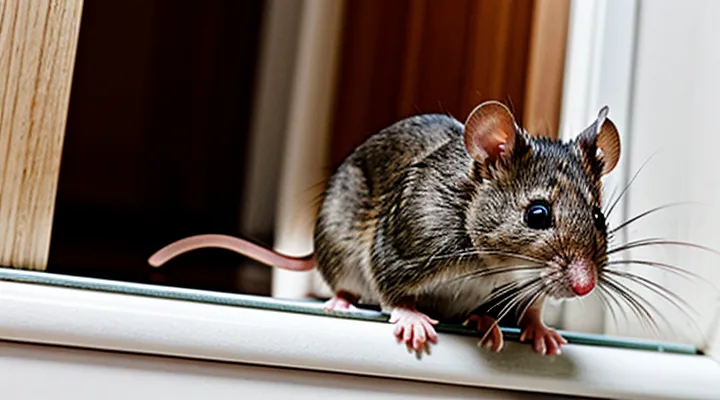
Understanding the Mouse Problem
Identifying Signs of Infestation
Droppings and Urine Stains
Droppings and urine stains indicate active rodent presence and pose health hazards. Identify them by their characteristic shape, size, and dark coloration; urine often appears as yellowish stains with a distinct odor. Immediate action reduces disease transmission and prevents attraction of additional pests.
Cleaning protocol:
- Wear disposable gloves and a mask to avoid inhalation of pathogens.
- Seal the contaminated area with plastic sheeting; ventilate the space after removal.
- Remove solid droppings with a damp paper towel; discard in a sealed bag.
- Apply an enzymatic cleaner to urine stains; let it soak for the manufacturer‑recommended time.
- Rinse with hot water and a mild detergent; dry thoroughly to discourage re‑infestation.
- Disinfect the surface with a 1 % bleach solution (1 part bleach to 99 parts water); allow a contact time of at least 10 minutes before wiping clean.
Preventive measures:
- Eliminate food residues that attract rodents; store food in airtight containers.
- Repair cracks, gaps, and openings in walls, floors, and foundations.
- Install metal or cement barriers around entry points; avoid using soft materials that rodents can gnaw through.
- Maintain regular inspections of hidden areas such as attics, basements, and crawl spaces to detect new droppings promptly.
Document findings, including location, quantity, and cleaning dates, to track infestation trends and assess the effectiveness of control measures.
Gnaw Marks and Damage
Mice leave characteristic bite marks on wood, plastic, wiring and insulation. The teeth create clean, crescent‑shaped holes that are roughly ¼ inch wide and may appear in rows when the animal chews repeatedly. Such damage compromises structural integrity, creates fire hazards by exposing electrical conductors, and provides entry points for additional rodents.
Identify gnawing by examining:
- Edges of baseboards, cabinets and furniture for smooth, shallow cuts.
- Cables and cords for stripped insulation or exposed wire.
- Insulation in walls and attics for shredded fibers and droppings.
- Food packaging and stored goods for perforations and gnawed corners.
Repair actions must address both the immediate damage and the underlying cause:
- Seal openings with steel wool, copper mesh or cement‑based filler; rodents cannot gnaw through metal.
- Replace damaged wiring following local electrical codes; inspect for short circuits before reconnecting power.
- Reinforce vulnerable wood with metal plates or hard‑plastic trim to deter further chewing.
- Remove and discard contaminated insulation; install new material that resists rodent intrusion.
Prevent recurrence by maintaining a clean environment, storing food in airtight containers, and eliminating clutter that offers concealment. Regular inspections of the points listed above will reveal new gnaw marks early, allowing prompt remediation before structural or safety issues develop.
Strange Noises
Strange noises often signal rodent activity and should be treated as a diagnostic cue in any thorough mouse‑removal strategy. Identifying the source, timing and pattern of these sounds helps pinpoint entry points, nesting sites and foraging routes, allowing targeted interventions rather than indiscriminate measures.
Typical acoustic indicators include:
- Scratching or scurrying within walls, ceilings or floor voids, especially during nighttime hours.
- High‑pitched squeaks or chirps emanating from concealed spaces such as attics or crawlspaces.
- Rattling of insulation or piping caused by rodents moving through confined gaps.
When unusual sounds are detected, follow a systematic response:
- Record the occurrence: note time, duration and location of each noise.
- Conduct a visual inspection: look for gnaw marks, droppings or disturbed insulation near the audible area.
- Seal identified openings: use steel wool, copper mesh or caulking to block gaps larger than ¼ inch.
- Deploy bait stations or traps directly adjacent to the noise source, ensuring placement complies with safety guidelines.
- Monitor for changes: a reduction in audible activity indicates successful disruption; persistent sounds may require professional pest‑control assistance.
By treating strange noises as actionable evidence, the overall rodent‑elimination plan becomes more precise, efficient and less likely to overlook hidden infestations.
Assessing the Severity
Number of Sightings
Tracking the frequency of mouse appearances provides a quantitative baseline for any eradication strategy. Each confirmed observation—whether visual, auditory, or evidence of droppings—adds to a dataset that reflects infestation intensity and spatial distribution.
Collecting sightings should follow a consistent protocol:
- Record date, time, and exact location of each incident.
- Note the type of evidence (live capture, gnaw marks, droppings, audible activity).
- Use a standardized form or digital app to ensure uniform entries.
- Verify observations with at least two independent confirmations when possible.
Analyzing the compiled figures reveals patterns essential for decision‑making. An upward trend signals inadequate control measures, while a steady decline confirms effectiveness. Specific thresholds—such as more than three sightings per room per week—trigger escalation to stronger interventions.
Integrating sighting counts into the overall elimination effort enables targeted actions. When counts exceed predefined limits, increase trap density, apply bait stations, or seal identified entry points. Conversely, sustained low numbers justify maintaining current measures and monitoring for re‑infestation. Continuous reassessment based on updated counts ensures resources are allocated efficiently and the rodent population is suppressed permanently.
Location of Activity
The effectiveness of a mouse‑control program depends on precise identification of the areas where rodents are likely to live, travel, and feed. Accurate mapping of these zones enables targeted interventions and reduces the need for widespread pesticide application.
- Kitchen countertops, cabinets, and appliance gaps
- Pantry shelves, food storage containers, and floor seams
- Dining‑room floorboards and under‑table spaces
- Living‑room upholstery, baseboards, and pet feeding stations
- Bathroom vanity gaps and behind‑toilet panels
- Attic rafters, insulation, and vent openings
- Basement crawl spaces, utility closets, and pipe chases
Each interior site should be inspected for droppings, gnaw marks, and nesting material. Seal all entry points larger than ¼ inch with steel wool, caulk, or metal mesh. Place snap traps or bait stations directly behind walls, along known travel routes, and near food sources. Replace damaged wiring or insulation that provides concealment.
Exterior considerations focus on preventing ingress. Secure the building envelope by:
- Installing door sweeps and weather stripping on all exterior doors
- Repairing cracks in foundation, siding, and window frames
- Trimming vegetation to maintain a 3‑foot clearance from the structure
- Storing firewood, compost, and garbage at least 18 inches from the house
- Ensuring roof eaves, gutters, and downspouts are free of debris that could shelter rodents
By concentrating actions on these specific locations, the control effort remains efficient, measurable, and sustainable.
Strategic Elimination Plan
Sealing Entry Points
Inspecting the Exterior
Exterior inspection determines how mice gain access to a residence and reveals conditions that support their presence. Conduct a thorough walk‑around before any interior measures are applied.
- Walk the perimeter, noting gaps larger than ¼ inch in foundation walls, crawl spaces, and basement vents.
- Examine roof eaves, soffits, and fascia for torn screens, loose shingles, or gaps around vent pipes.
- Inspect utility penetrations—cable, water, and gas lines—for unsealed openings.
- Check doors and windows for worn weatherstripping or misaligned frames.
- Observe exterior lighting fixtures and garbage receptacles for signs of gnawing or nesting material.
Seal identified openings with steel wool, copper mesh, or cement‑based caulk; use hardware cloth for larger gaps. Install tight‑fitting door sweeps and replace damaged screens. Ensure that vent covers are louvered and securely fastened.
Maintain a clear zone around the building: trim vegetation to keep branches at least 3 feet from the structure, remove debris piles, and store firewood at a minimum of 18 inches off the ground. These steps reduce shelter and food sources, limiting the likelihood of mice re‑entering after interior treatments.
Inspecting the Interior
A thorough interior inspection is the first operational step in any mouse eradication program for a residence. The purpose is to locate existing activity, identify entry points, and map potential pathways that support population growth.
Begin by turning off lights and using a high‑intensity flashlight to examine ceilings, walls, and under‑furniture spaces. Look for droppings, gnaw marks, shredded material, and oily streaks along baseboards. Record each finding with precise room names and exact locations; a simple table with columns for “Area,” “Evidence,” and “Suggested Action” provides an efficient reference.
Next, focus on structural vulnerabilities. Remove outlet covers and inspect wiring cavities for gaps. Check pipe penetrations, vent openings, and any cracks larger than ¼ inch. Seal identified openings with steel wool, copper mesh, or expanding foam before proceeding with bait placement.
Finally, assess food storage and waste management areas. Verify that all containers are airtight, countertops are free of crumbs, and trash bins have tight‑fitting lids. Relocate pet food to sealed containers and schedule regular removal of garbage to eliminate attractants.
Key inspection checklist:
- Visual signs of activity (droppings, gnaw marks, urine trails).
- Structural gaps (baseboards, wall seams, utility penetrations).
- Food and waste sources (pantry, kitchen counters, trash receptacles).
- Documentation of findings for targeted treatment planning.
Completing this systematic interior survey creates a data‑driven foundation for subsequent control measures, ensuring resources are directed where they will have the greatest impact.
Recommended Materials for Sealing
Effective sealing blocks entry points, prevents re‑infestation, and supports long‑term mouse control. Choose materials that resist gnawing, adhere reliably to varied surfaces, and remain durable under household conditions.
- Steel‑wool or copper mesh (¼‑inch gauge) – inserts into gaps, deters chewing, conforms to irregular openings.
- Expanding polyurethane foam – fills larger voids, cures to a hard, airtight barrier; select low‑expansion formula to avoid excess pressure on surrounding structures.
- Cement‑based mortar or concrete patch – ideal for sealing cracks in foundation walls, floors, and exterior masonry; provides a hard, chew‑proof surface.
- Silicone or acrylic caulk – seals seams around pipes, vents, and window frames; maintain flexibility for slight movement while remaining impenetrable.
- Sheet metal flashing (galvanized steel or aluminum) – covers gaps around door thresholds, utility penetrations, and roof eaves; fasten with corrosion‑resistant screws.
- Rigid foam board or plywood – patches larger openings such as unfinished basement walls; secure with nails or construction adhesive before applying a sealant layer.
Apply each material according to manufacturer instructions, ensuring the substrate is clean and dry. Verify that all potential pathways—foundation cracks, utility penetrations, vent openings, and interior gaps—are addressed before proceeding with trapping or baiting measures. This systematic sealing creates a hostile environment for rodents and sustains the overall eradication effort.
Sanitation and Food Management
Proper Food Storage
Proper food storage is a critical component of any effective rodent control program. Food that is easily accessible encourages mice to enter and remain in a dwelling, so eliminating those opportunities reduces the likelihood of infestation.
All consumables should be kept in containers that provide a tight seal. Plastic or glass jars with screw‑top lids, metal tins with locking lids, and heavy‑duty zip‑lock bags prevent rodents from gnawing through. Store bulk items such as grains, cereals, and pet food in smaller, sealed portions to avoid prolonged exposure.
Maintain a clean environment by removing food residues promptly. Follow these practices:
- Wipe countertops, tables, and appliances after each use.
- Sweep and vacuum floors daily to eliminate crumbs.
- Empty trash cans regularly, using bins with fitted lids.
- Clean behind appliances and inside cabinets where spills may accumulate.
Refrigerate perishable goods promptly and discard spoiled items without delay. By ensuring that no food source is left unattended, the overall strategy to eradicate mice from the home becomes significantly more reliable.
Regular Cleaning Practices
Regular cleaning removes food residues and shelter that attract rodents, directly reducing the likelihood of infestation.
Key practices include:
- Sweep and vacuum floors daily to eliminate crumbs and droppings.
- Wipe countertops, tables, and appliance surfaces after each use with a disinfectant solution.
- Store dry goods in airtight containers; seal bags and jars tightly.
- Clean behind and under appliances, furniture, and cabinets weekly to prevent hidden debris accumulation.
- Dispose of garbage in sealed bins, emptying them at least once a day.
Maintain a schedule that aligns with household activity levels. High‑traffic areas require daily attention; low‑traffic zones can be addressed weekly. Consistent execution of these tasks creates an environment that deters mice, supporting the broader rodent‑control program.
Waste Disposal
Effective waste disposal reduces food sources that attract rodents. Store trash in containers with tight-fitting lids, and place them away from entry points. Empty bins regularly to prevent odor buildup and moisture accumulation.
Implement the following practices:
- Use metal or heavy‑plastic bins with sealed lids.
- Line each container with a disposable bag that can be tied securely.
- Transfer full bags to an outdoor dumpster or curbside collection no later than 24 hours after filling.
- Keep the exterior of bins clean; rinse with water and a mild detergent weekly.
- Position bins on a raised platform or stand to discourage climbing.
Maintain the waste area by inspecting containers for cracks, replacing damaged lids, and ensuring the surrounding ground is free of debris. Rotate storage locations periodically to avoid creating permanent feeding zones. Consistent execution of these measures eliminates a primary attractant, supporting broader rodent‑control efforts throughout the home.
Trapping and Removal Methods
Types of Traps
Effective rodent control relies on selecting the appropriate trapping devices. Different mechanisms address various infestation levels, placement constraints, and humane considerations.
- Snap traps – spring‑loaded bars deliver instantaneous lethal force. Position near walls, behind appliances, and in concealed pathways. Use steel or plastic models with bait chambers for secure placement.
- Live‑catch traps – cage‑style enclosures allow capture without killing. Ideal for situations requiring relocation. Check and release captured mice promptly to prevent stress.
- Electronic traps – battery‑powered plates emit a high‑voltage shock that kills instantly. Suitable for indoor use where sanitation is critical; reusable after cleaning.
- Glue boards – adhesive surfaces immobilize rodents. Effective for short‑term monitoring in tight spaces. Dispose of boards with captured mice according to local regulations.
- Bait stations – sealed containers hold anticoagulant or acute poison. Designed to protect non‑target species while delivering lethal dose when ingested. Install in inaccessible locations to minimize accidental exposure.
- Ultrasonic repellents – emit high‑frequency sound intended to deter activity. Not a capture method, but can complement trapping by reducing movement into treated zones.
Integrating multiple trap types improves coverage across different rooms and structural features, enhancing the overall success of a house‑wide mouse eradication program.
Baiting Strategies
Baiting remains a central component of any effective mouse control program. Proper selection and deployment of baits directly influence capture rates and reduce the likelihood of reinfestation.
- Rodenticides – anticoagulant blocks (first‑generation, second‑generation) and neurotoxic compounds. Choose formulations approved for residential use and match the active ingredient to local resistance patterns.
- Non‑toxic baits – grain, peanut butter, or commercial attractants used with mechanical traps. Suitable where chemical use is restricted.
- Pre‑bated stations – sealed containers that protect bait from spillage and limit access to non‑target species.
Placement guidelines focus on maximizing mouse contact while minimizing exposure to humans and pets. Position stations along walls, behind appliances, and in dark corners where rodent activity is evident. Maintain a minimum distance of 30 cm from food preparation surfaces and seal any gaps that could allow accidental access. Conceal stations with non‑transparent covers to prevent visual deterrence.
Safety measures are mandatory. Wear gloves when handling baits, store unused material in locked containers, and label each station with hazard warnings. Verify that all household members, especially children, are instructed to avoid baited areas. If pets are present, select tamper‑resistant stations or opt for non‑chemical attractants.
Monitoring involves regular inspection of each station. Record the number of bait removals, signs of consumption, and any signs of non‑target interference. Replace depleted bait promptly and rotate active ingredients every 4–6 weeks to prevent behavioral resistance. Maintain a logbook that documents locations, dates, and bait types for future reference.
Baiting should operate in concert with sanitation and exclusion tactics. Eliminate food sources, seal entry points, and reduce clutter to compel mice toward baited stations. The combined approach ensures sustained reduction of the population and prevents resurgence.
Placement of Traps
Effective trap placement is critical for a successful mouse control program. Identify high‑traffic zones by inspecting walls, cabinets, and appliances for droppings, gnaw marks, and nesting material. Focus on the following areas:
- Along walls where rodents travel, typically within 12 inches of the baseboard.
- Behind appliances such as refrigerators, stoves, and dishwashers, where food particles accumulate.
- Inside cabinets, especially those storing grains, cereals, or pet food.
- Near entry points, including gaps around pipes, vents, and door frames.
- In concealed spaces like attic joists, crawl‑space beams, and under floorboards.
Position each trap perpendicular to the wall, with the trigger end facing the expected direction of travel. For snap traps, place the baited side toward the wall; for live‑catch traps, orient the entry opening toward the same direction. Space multiple traps 2–3 feet apart in heavily infested zones; in low‑activity areas, a single trap per 10 feet suffices.
Secure traps on stable surfaces to prevent displacement by movement or vibration. Use adhesive or mounting brackets when placing traps on smooth or vertical surfaces. Replace or reset traps immediately after capture to maintain continuous pressure on the mouse population.
Monitor trap locations daily. If a trap remains untouched for more than 48 hours, relocate it to a more active area identified during the inspection. Adjust bait type and placement based on observed preferences, alternating between peanut butter, dried fruit, or commercial lures to avoid bait aversion.
Humane Trapping Options
Humane trapping provides an effective, non‑lethal method for reducing mouse populations while preserving animal welfare. Select a trap that matches the target size, ensures quick release, and prevents injury.
- Live‑catch cages equipped with a one‑way door release the mouse unharmed after capture.
- Multi‑catch humane traps allow several individuals to be collected before emptying, reducing handling frequency.
- Glue‑free snap‑free traps use a gentle pressure mechanism to immobilize the rodent without killing it.
Proper placement maximizes success. Position traps along walls, behind appliances, and near known activity signs such as droppings or gnaw marks. Keep bait fresh; peanut butter, oats, or dried fruit attract mice reliably. Check traps at least twice daily to prevent stress and to release captured animals promptly. Release sites should be at least one mile from the residence, offering shelter and food sources while minimizing the risk of re‑entry.
Integrate traps with sanitation measures. Seal entry points, store food in airtight containers, and eliminate clutter that provides hiding places. Regular monitoring of trap performance and environmental conditions informs adjustments, ensuring sustained control without resorting to lethal methods.
Professional Pest Control
Professional pest‑control services provide the technical expertise and resources required to eradicate house mice efficiently. Trained technicians conduct a systematic inspection, locate entry points, assess infestation levels, and develop a targeted intervention plan.
Key components of the service include:
- Detailed survey of interior and exterior spaces to map activity zones.
- Identification of structural vulnerabilities such as gaps around pipes, vents, and foundations.
- Selection of control methods—baits, traps, and, when necessary, rodenticides—based on species behavior and safety considerations.
- Precise placement of devices to maximize capture rates while minimizing exposure to residents and pets.
- Scheduled follow‑up visits to evaluate effectiveness, adjust tactics, and verify that no new activity has emerged.
Professional intervention reduces recurrence risk, ensures compliance with health regulations, and eliminates the need for prolonged DIY attempts. The result is a mouse‑free environment that protects food supplies, property integrity, and occupant health.
Preventing Future Infestations
Ongoing Maintenance
Regular Inspections
Regular inspections are essential for early detection of mouse activity and for verifying the effectiveness of control measures. Conduct inspections at least once a week during the initial phase of the program, then reduce to bi‑weekly or monthly once populations are confirmed absent. Record findings in a log to track trends and to guide adjustments.
Key elements to examine during each inspection:
- Entry points: gaps around doors, windows, utility penetrations, and foundation cracks.
- Signs of presence: droppings, gnaw marks, urine stains, and shredded materials.
- Traps and bait stations: placement, condition, and capture records.
- Food storage areas: integrity of containers, spills, and accessibility.
- Structural vulnerabilities: damaged insulation, exposed wiring, and loose flooring.
Inspectors should use a flashlight, magnifying glass, and disposable gloves to avoid contamination. After each visit, update the log with date, location, observations, and corrective actions taken. Consistent documentation enables rapid response to re‑infestations and confirms that preventive steps remain effective.
Yard and Garden Upkeep
Maintaining the yard and garden is essential for preventing mice from entering the home. Outdoor habitats that provide shelter, food, and nesting sites encourage rodents to migrate indoors, especially when indoor conditions become less favorable.
Key practices for external upkeep include:
- Removing leaf piles, wood debris, and other clutter that can serve as hiding places.
- Trimming shrubs, vines, and grass to within three feet of the house foundation, eliminating pathways for mice to travel.
- Storing firewood off the ground and at least twenty feet from the building, with a protective cover that blocks entry.
- Using sealed compost bins and regularly turning compost to discourage rodent activity.
- Keeping pet food, birdseed, and garden produce in airtight containers; cleaning up spilled feed immediately.
- Installing a perimeter barrier of metal flashing or concrete around the foundation to block burrowing.
Regular inspection of the property helps identify new entry points. Repairing cracks in sidewalks, driveways, and foundation walls eliminates gaps that rodents exploit. Maintaining a clean, well‑kept garden reduces the likelihood that mice will seek shelter near the house, thereby supporting the broader effort to eradicate them from indoor spaces.
Deterrents and Repellents
Natural Repellents
Natural repellents provide a non‑chemical option for deterring mice from residential interiors. Their effectiveness relies on odors, textures, or tastes that rodents find unpleasant, prompting avoidance of treated zones.
Commonly employed natural agents include:
- Peppermint oil: concentrated oil applied to cotton balls or cloth strips placed near entry points, closets, and pantry shelves.
- Ammonia: small open containers positioned in concealed locations emit a sharp scent that discourages foraging.
- Dryer sheets: scented sheets left in drawers and cabinets create an environment mice perceive as hostile.
- Citrus peels: fresh or dried rinds scattered around baseboards and cabinets release acidic volatiles that repel.
- Cloves or clove oil: applied to surfaces or infused in cotton pads, the strong spice aroma deters activity.
- Steel wool: tightly packed into gaps and cracks blocks access and offers a tactile barrier rodents avoid.
Application guidelines:
- Identify all potential ingress points, including gaps around pipes, vents, and foundation seams.
- Insert cotton balls or pads saturated with the chosen oil or scent into these openings; replace every two weeks to maintain potency.
- Position ammonia or citrus peels in concealed corners where mice travel, ensuring containers are sealed to prevent spills.
- Use steel wool in conjunction with caulking to seal larger openings, creating a physical and sensory deterrent.
Safety considerations demand that volatile oils be kept out of reach of children and pets, and that ammonia be handled in well‑ventilated areas. Regular inspection of repellent placement ensures continuous coverage and allows timely replacement.
Integrating natural repellents with structural sealing, sanitation practices, and, when necessary, targeted trapping forms a comprehensive strategy for eliminating mouse infestations while minimizing reliance on synthetic chemicals.
Electronic Repellents
Electronic repellents emit ultrasonic or electromagnetic waves designed to disturb the sensory systems of rodents, causing discomfort and encouraging them to vacate treated areas. The devices operate continuously, delivering frequencies beyond human hearing while remaining audible to mice, which perceive the signals as a hostile environment.
Key characteristics of effective electronic repellents include:
- Frequency range: 20 kHz–65 kHz, covering the hearing spectrum of most mouse species.
- Coverage area: manufacturers specify square footage; select units that collectively cover all rooms where activity is observed.
- Power source: plug‑in models provide uninterrupted operation; battery‑powered options are suitable for temporary placement or locations without outlets.
- Safety features: built‑in timers or automatic shut‑off prevent overheating and reduce energy consumption.
Installation guidelines:
- Position devices at least 12 inches above the floor, away from walls and large furniture to avoid signal blockage.
- Distribute units evenly throughout the structure; overlapping coverage ensures no safe zones remain.
- Verify continuous power supply; use surge protectors in areas prone to voltage fluctuations.
- Replace units according to manufacturer recommendations, typically every 2–3 years, to maintain output intensity.
Effectiveness depends on complementary measures. Seal entry points, eliminate food sources, and employ trapping where necessary. Electronic repellents do not eradicate existing populations instantly; they create an inhospitable environment that drives mice toward alternative exits or traps. Monitoring after deployment confirms reduced activity and informs adjustments to device placement or supplemental tactics.