
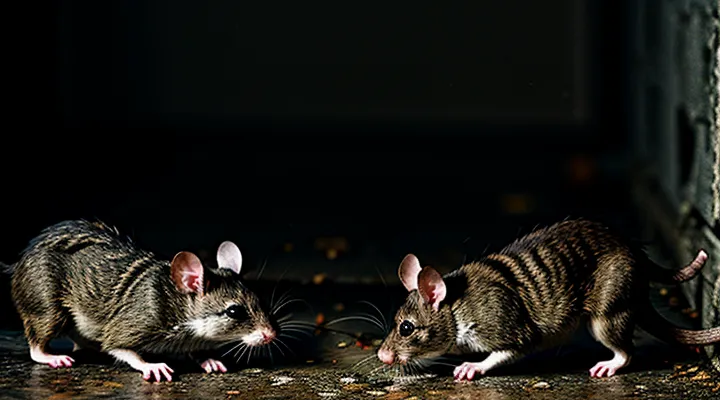
Understanding Dream Symbols
The General Symbolism of Rats
Rats appear across cultures as symbols of both resilience and threat. Their capacity to thrive in harsh environments conveys a message of adaptability, suggesting that the unconscious mind may be highlighting an ability to endure difficult circumstances.
Negative associations dominate many traditions. Rats are linked to disease transmission, unsanitary conditions, and covert theft. Their nocturnal habits and secretive movements often represent hidden dangers, betrayal, or information that is being concealed.
Positive meanings emerge in several societies. In Chinese folklore, rats signify wealth, fertility, and cleverness, reflecting the animal’s prolific breeding and resourceful foraging. Ancient Roman iconography portrays the rat as a guardian of grain stores, emphasizing protection of sustenance.
When a dream presents deceased rodents, the general symbolism of rats informs the interpretation:
- Survival instinct: recognition of personal endurance despite adversity.
- Hidden threat: indication that a concealed problem is ending or being resolved.
- Transition: death of the rat may signal the conclusion of a period marked by scarcity or deceit.
- Renewal: the loss of a resourceful creature can imply a shift toward new strategies or sources of prosperity.
Understanding these symbolic layers provides a framework for analyzing the emotional and psychological significance of such a dream.
The General Symbolism of Death
Dreams that feature deceased rodents often trigger questions about mortality, transformation, and unresolved issues. The presence of dead animals in sleep imagery taps into a deep cultural association between death and the end of a life cycle, signaling that something in the waking world has concluded or requires closure.
Across myth, literature, and psychology, death functions as a symbol of finality, renewal, and the unknown. It marks the termination of a phase, the shedding of old patterns, and the potential for rebirth. In symbolic analysis, death does not merely denote physical cessation; it conveys emotional termination, loss of control, or the dissolution of identity.
When a dream presents dead rats specifically, the symbolism narrows. Rats embody survival, adaptability, and hidden aspects of life. Their death may suggest that the qualities they represent—resourcefulness, instinctual behavior, or concealed concerns—are being relinquished. The image can also reflect anxiety about contamination, disease, or the spread of unwanted influences, implying that the dreamer perceives a threat as having been neutralized.
Typical death symbolism includes:
- Oblivion – a sense of erasure or disappearance.
- Transition – movement from one state of being to another.
- Purification – removal of impurities or harmful elements.
- Loss – emotional or material deprivation.
- Rebirth – emergence of new possibilities after an ending.
Interpreting the dream therefore involves assessing which of these themes aligns with current life circumstances. If recent events involve endings—such as a job, relationship, or habit—the dead rats may confirm that the associated traits are no longer needed. Conversely, if the dreamer feels stagnant, the imagery could signal a subconscious push toward shedding outdated behaviors to enable growth.
Why Dream Interpretation Matters
Dream analysis offers a systematic method for extracting unconscious information from nocturnal imagery. When a sleeper envisions deceased rodents, the symbolic content can reveal underlying anxieties about decay, loss of control, or unresolved conflict. By translating such symbols, the interpreter uncovers mental patterns that otherwise remain hidden.
The practice supplies measurable benefits for mental health. Recognizing recurring motifs allows clinicians to track emotional trends, adjust therapeutic interventions, and anticipate behavioral shifts. Data from clinical studies show that patients who regularly explore dream material exhibit reduced stress markers and improved coping strategies.
Cultural research demonstrates that specific animal symbols carry distinct meanings across societies. Understanding the historical and mythological associations of dead rats refines the interpretive framework, preventing misreadings that could reinforce maladaptive narratives.
Finally, dream interpretation creates a feedback loop between conscious intention and subconscious activity. By consciously engaging with nightly visions, individuals develop greater self‑awareness, enhance decision‑making, and strengthen emotional regulation. This iterative process turns a seemingly obscure nocturnal scene into a practical tool for personal development.
Interpreting Dreams of Dead Rats
Common Meanings and Interpretations
End of a Problem or Struggle
Dreams in which rats appear dead often signal the termination of a persistent difficulty. The image of a lifeless pest conveys that an issue once nagging the subconscious has reached a point of finality, allowing the mind to move beyond confrontation.
- Completion of a conflict that has lingered in personal relationships or work environments.
- Closure of an emotional burden that previously generated anxiety or dread.
- Symbolic death of a harmful habit, indicating readiness to abandon it.
- Release of suppressed fear, suggesting that the threat has lost its power.
- Transition from stagnation to forward momentum, marking the end of a period of inertia.
When the subconscious presents a dead rat, it provides a clear signal that the associated struggle no longer requires active resistance. Recognizing this cue can guide practical steps—such as finalizing unresolved matters, discarding outdated patterns, or embracing new directions—thereby aligning waking actions with the dream’s indication of resolution.
Overcoming Fear or Anxiety
Dreams featuring deceased rodents frequently point to hidden fear or lingering anxiety. The image of a dead rat symbolizes a threat that has been neutralized in the subconscious, yet its presence signals that the individual has not fully processed the underlying tension.
From a psychological perspective, the dead animal operates as a metaphor for suppressed concerns. Jungian analysis treats it as an archetype of decay, urging the dreamer to confront the part of the psyche that resists change. Cognitive‑behavioral theory interprets the motif as a mental rehearsal of danger, prompting a physiological stress response that persists after waking.
Practical steps for transforming this dream into a catalyst for emotional growth include:
- Identify the specific situation that triggers the anxiety reflected in the dream.
- Record the dream’s details and associated emotions in a journal to clarify patterns.
- Challenge the fear by exposing yourself gradually to the related stimulus, using controlled exposure techniques.
- Replace catastrophic thoughts with evidence‑based affirmations that the threat is no longer active.
- Seek professional guidance if the dream recurs despite self‑directed efforts, ensuring deeper cognitive restructuring.
By treating the dream as a diagnostic signal rather than a supernatural omen, the individual can dismantle the fear loop, replace avoidance with proactive coping, and achieve lasting emotional resilience.
Release from Negativity
Dreams featuring deceased rodents often signify a psychological shift away from harmful patterns. The image of dead rats suggests that the subconscious has identified and terminated sources of toxicity, allowing the dreamer to move beyond lingering resentment, fear, or self‑sabotage.
Key aspects of this transformation include:
- Recognition of suppressed emotions that have been feeding negativity.
- Symbolic closure of relationships or habits that no longer serve personal growth.
- Emergence of mental space for constructive thoughts and healthier coping strategies.
The experience of witnessing dead rats can act as a catalyst for emotional detoxification. By confronting the demise of these unsettling symbols, the mind signals readiness to discard pessimistic narratives and adopt a more balanced outlook.
Practically, the dream’s message encourages active steps: journaling to track negative triggers, setting boundaries with toxic influences, and engaging in activities that reinforce positive self‑image. Implementing these measures consolidates the release indicated by the dream, fostering sustained emotional resilience.
Acknowledging a Hidden Issue
Dreams featuring dead rodents often signal that the dreamer is confronting a problem that has been ignored. The image of a lifeless rat carries connotations of decay, loss of control, and unresolved conflict. When the mind presents such a symbol, it typically points to an underlying matter that has been concealed from conscious awareness.
Recognizing the hidden issue requires deliberate attention to the emotional tone of the dream. Feelings of disgust, fear, or relief that arise during the vision provide clues about the nature of the suppressed concern. The presence of death in the symbol suggests that the issue may involve the end of a habit, relationship, or belief system that no longer serves the individual.
Practical steps for acknowledgment:
- Record the dream immediately after waking, noting details and emotions.
- Identify areas of life where stagnation or discomfort is present.
- Match the emotional response from the dream to a specific circumstance.
- Accept the existence of the problem without judgment.
- Develop a concrete plan to address the identified area, such as seeking professional advice, modifying behavior, or initiating a conversation.
By treating the dream as a diagnostic signal, the individual can bring the concealed problem into conscious focus and begin corrective action. This approach transforms a disturbing nocturnal image into a catalyst for personal development.
Contextual Factors in Interpretation
The Number of Dead Rats
Dreams that include deceased rodents often convey messages through the quantity of the animals. The number observed in the vision functions as a variable that adjusts the intensity and scope of the underlying symbolism.
A single dead rat typically points to a specific, isolated issue. It may represent a personal loss, a hidden fear, or the end of a minor habit. The brevity of the image suggests a focused emotional response rather than a widespread concern.
Multiple dead rats amplify the theme. When several are present, the dream signals broader disruption. Possible interpretations include:
- A series of unresolved conflicts affecting various aspects of life.
- Accumulated stressors that have reached a critical threshold.
- Perceived threats to one’s environment, such as workplace tension or family discord.
An overwhelming swarm of dead rats usually denotes a crisis of magnitude. The dreamer may be confronting systemic failure, pervasive anxiety, or a profound transformation that involves shedding old structures.
The cultural background of the dreamer modulates these readings. In societies where rodents symbolize disease, the count may reflect health‑related worries. In mythological contexts where rats embody cunning, a large number could warn against deceitful influences.
Overall, the quantity of dead rats serves as a gauge for the scale of the issue the subconscious is processing. Recognizing this metric helps the individual assess whether the concern is localized, expanding, or systemic, and guides appropriate real‑world actions.
The Location of the Dead Rats in the Dream
The setting where dead rats appear in a dream provides essential clues for interpretation. A domestic environment—kitchen, pantry, or basement—often signals unresolved issues related to daily routines, nourishment, or hidden aspects of personal life. When the rats are discovered in a clean, well‑maintained space, the mind may be drawing attention to the intrusion of decay or neglect within areas that are usually orderly.
A public or outdoor location—streets, alleys, or abandoned buildings—suggests broader social concerns. The presence of dead rodents in such places can reflect feelings of alienation, fear of societal decay, or anxiety about external threats that seem beyond personal control.
A symbolic analysis of the location can be organized as follows:
- Inside the home: Indicates personal habits, family dynamics, or internal conflicts that require cleansing or re‑evaluation.
- In a work‑related setting: Points to professional stress, competitive environments, or concerns about career stability.
- In a natural or abandoned setting: Highlights existential worries, isolation, or a perception of environmental deterioration.
Understanding the specific backdrop of the dead rats enhances the overall reading of the dream, allowing the individual to target the precise area of life that the subconscious is urging to address.
Your Feelings and Reactions in the Dream
Dreaming about dead rats often triggers a blend of aversion, unease, and curiosity. The immediate emotional reaction typically includes disgust, because the image of a lifeless pest clashes with natural instincts to avoid disease and decay. Simultaneously, a sense of fear may surface, reflecting subconscious concerns about hidden threats or loss of control in waking life.
The way you respond after the dream provides additional insight. Common reactions include:
- Re‑examining personal hygiene or living conditions, suggesting the dream mirrors worries about cleanliness or health.
- Seeking reassurance from others, indicating a need for emotional support when confronting unsettling symbols.
- Analyzing the setting of the dream—whether the rats were in a kitchen, a cellar, or a public space—to pinpoint areas of life that feel contaminated or neglected.
- Ignoring the dream entirely, which may denote repression of uncomfortable feelings or a strategy to avoid confronting underlying anxieties.
Psychologically, the presence of dead rodents can symbolize the termination of a nagging problem. Feelings of relief or closure after recalling the dream often accompany the interpretation that the mind has processed a lingering issue. Conversely, persistent distress may signal unresolved grief or fear of failure, especially if the rats represent neglected responsibilities or projects.
Observing the intensity of your emotional response helps gauge the dream’s relevance. A mild discomfort suggests a peripheral concern, while overwhelming dread points to a core conflict requiring attention. Aligning the felt emotions with current life stressors allows the dream to serve as a diagnostic tool rather than a mere curiosity.
The Condition of the Dead Rats
The condition of the deceased rodents in a dream provides essential clues for interpretation. Physical attributes such as coloration, level of decay, and surrounding environment each convey specific symbolic information.
- Freshly deceased, still intact: Indicates recent loss, unresolved grief, or a situation that has just ended. The clarity of the corpse suggests the dreamer is aware of the termination but has not yet processed its impact.
- Decomposing, bloated, or discolored: Reflects prolonged neglect, lingering guilt, or suppressed emotions. The progression of decay signals that the issue has been present for an extended period and may be deteriorating the dreamer’s mental equilibrium.
- Fragmented or missing parts: Symbolizes broken relationships, incomplete projects, or fragmented self‑identity. The absence of whole form points to a sense of incompleteness in the waking life.
- Surrounded by filth or waste: Highlights feelings of contamination, shame, or moral compromise. The environment reinforces the notion that the dead rats represent undesirable aspects the dreamer wishes to eliminate.
Interpretation hinges on correlating these tangible details with the dreamer’s current circumstances. A vivid, well‑preserved corpse often calls for immediate acknowledgment and action, whereas advanced decomposition urges deeper introspection and possible therapeutic intervention. The specific state of the dead rats, therefore, functions as a diagnostic indicator within the broader analysis of dreams featuring deceased rodents.
Psychological Perspectives
Shadow Self and Unresolved Conflicts
Dreams featuring dead rats often signal encounters with the shadow self, the part of personality that stores repressed emotions, instincts, and desires. The imagery of a lifeless rodent compresses hidden anxieties into a visceral symbol, prompting the unconscious mind to bring neglected aspects into conscious awareness.
When the shadow self remains unintegrated, unresolved conflicts surface as distressing dream content. The death of the rat can represent the termination of a suppressed coping strategy, an abandoned belief, or a failure to address a lingering interpersonal tension. Recognizing this pattern encourages the dreamer to examine which internal narratives have been denied or ignored.
Typical interpretations linked to this motif include:
- Persistent feelings of inadequacy that have been concealed behind professional achievement.
- Unsettled grievances toward authority figures that have never been voiced.
- Latent fear of contamination—emotional, moral, or relational—stemming from past betrayals.
Addressing the underlying issues involves systematic self‑reflection, journaling of emotional triggers, and, when necessary, professional guidance. By acknowledging the shadow elements revealed through the dead‑rat imagery, the individual can transform latent conflict into constructive insight and restore psychological equilibrium.
Subconscious Processing of Stress
Dreams that feature deceased rats frequently serve as a symbolic channel through which the unconscious mind evaluates unresolved tension. The image of a dead rodent compresses multiple stress-related cues—loss, contamination, failure—into a single, vivid scenario that the brain can manipulate during sleep.
The subconscious selects rat imagery because rodents are universally associated with disease and invasion. Their death eliminates the immediate threat, allowing the mind to rehearse coping strategies without confronting the source directly. This process supports emotional regulation by converting raw anxiety into a manageable narrative.
Key mechanisms involved in this transformation include:
- Memory reconsolidation – re‑encoding stressful experiences while integrating new emotional perspectives.
- Threat simulation – constructing a safe representation of danger to test adaptive responses.
- Physiological down‑regulation – reducing cortisol levels as the brain resolves the encoded stress.
Interpretation of such dreams benefits from focused reflection on current pressures. Identify recent situations that evoke feelings of contamination, loss of control, or failure; compare those emotions with the symbolism of the dead rat. Recognizing the parallel can reveal hidden stressors and guide deliberate coping actions.
Cultural and Mythological Perspectives
Diverse Interpretations Across Cultures
Dreams in which rats appear as dead bodies evoke a range of symbolic readings that differ markedly among cultural traditions. In East Asian folklore, a deceased rodent often signals the end of a period of hardship, suggesting that lingering anxieties are resolving. Chinese dream manuals associate the image with a forthcoming loss of wealth, urging caution in financial dealings. Japanese interpretations link the motif to the cleansing of impurity, indicating that the dreamer is shedding negative influences.
Western perspectives treat the same vision through a psychological lens. Freudian analysis reads the dead rat as a representation of suppressed aggression toward pestilent aspects of the self, while Jungian commentary views it as an archetypal reminder of mortality that prompts personal renewal. In African oral traditions, the symbol frequently appears in cautionary tales, warning that neglect of communal responsibilities will lead to collective decline.
Key cross‑cultural observations:
- Transformation – many societies see the image as a marker of change, either positive (renewal) or negative (loss).
- Moral warning – the dead rat often functions as an admonition to correct harmful behavior.
- Health connotation – several cultures connect the dream to concerns about disease or bodily decay.
Historical Significance of Rats
Rats have shaped human societies for millennia, leaving a trace in disease outbreaks, scientific breakthroughs, and cultural narratives. Their presence in ancient settlements prompted the spread of Yersinia pestis, the bacterium responsible for the Black Death, which decimated European populations in the 14th century. Urban planners responded by redesigning waste management systems, recognizing that rodent control directly affected public health.
In the realm of science, rats emerged as indispensable laboratory subjects. Early 20th‑century experiments by Ivan Pavlov and later behavioral studies by B.F. Skinner established foundational principles of learning and conditioning. Genetic research benefits from the rat genome, which shares significant homology with humans, enabling the development of treatments for neurological disorders.
Culturally, rats appear in mythologies and literature as symbols of adaptability and subversion. In ancient Egyptian iconography, the god Set was sometimes associated with the animal, reflecting its ambiguous moral standing. Medieval folklore frequently cast rats as omens of misfortune, a perception that persists in contemporary storytelling.
When interpreting a dream where dead rats appear, the historical backdrop informs the meaning. The dream may echo collective memory of disease, suggesting subconscious concerns about health or societal collapse. It might also invoke the animal’s reputation for resilience, indicating an internal assessment of survival instincts. Finally, the scientific legacy of rats as test subjects could signal the dreamer’s anxiety about experimentation or self‑evaluation.
Key historical points about rats:
- Vectors of plague and other zoonotic diseases.
- Pioneers in behavioral and genetic research.
- Dual symbols of decay and endurance in folklore.
Personal Reflection and Action
Connecting the Dream to Waking Life
Dreams about deceased rodents often mirror unresolved stress in daily routines. The image of lifeless rats signals subconscious processing of loss, disappointment, or perceived failure. When the mind presents such a symbol during sleep, it typically reflects recent encounters with situations that feel contaminated, chaotic, or morally ambiguous.
Connecting this nocturnal scenario to waking experience involves three practical steps:
- Identify recent events that triggered feelings of disgust, betrayal, or powerlessness. Record dates, participants, and emotional intensity.
- Examine personal associations with rats, such as childhood stories, cultural references, or professional exposure. Note whether the animal evokes disease, cunning, or survival.
- Align the dream’s narrative—death, decay, or abandonment—with current life transitions, such as job changes, relationship endings, or health concerns. Assess whether the dream amplifies a warning or confirms a perceived threat.
The subconscious often transforms abstract anxiety into vivid imagery. Recognizing the parallel between the dream’s theme and real‑world pressures enables targeted coping strategies, including stress reduction techniques, boundary reinforcement, and deliberate resolution of lingering conflicts. By mapping the dream’s symbols onto concrete circumstances, the individual gains actionable insight rather than remaining trapped in ambiguous interpretation.
Addressing Underlying Issues
Dreams featuring deceased rodents often signal unresolved emotional or psychological tensions. The imagery points to hidden concerns that the subconscious mind brings to awareness, urging conscious attention.
Typical sources of such tension include:
- Persistent stress or anxiety that has not been openly addressed.
- Neglected personal relationships or conflicts left unresolved.
- Unhealthy habits or lifestyle choices that compromise well‑being.
- Fear of loss, failure, or inadequacy in areas of responsibility.
Effective response involves:
- Conducting honest self‑assessment to identify specific triggers linked to the dream content.
- Documenting recurring thoughts, emotions, and daily stressors in a journal for pattern recognition.
- Seeking professional guidance, such as counseling or therapy, to explore deeper issues.
- Implementing concrete changes—regular exercise, balanced nutrition, structured sleep, and purposeful social interaction—to mitigate identified stressors.
- Monitoring subsequent dreams for shifts in symbolism, confirming progress in resolving the underlying matters.
Moving Forward Positively
Dreaming of dead rats often signals unresolved issues, hidden anxieties, or a sense of loss. The imagery suggests that something once vital has become inert, prompting the unconscious mind to highlight areas that require attention.
Recognizing this signal enables a deliberate shift toward constructive action. By confronting the underlying concerns, one can replace stagnation with purposeful advancement, turning the unsettling symbol into a catalyst for growth.
Practical measures for positive progression include:
- Identify the specific aspect of life that feels “dead” and define the associated emotions.
- Record insights in a journal to track patterns and clarify priorities.
- Set measurable goals that address the identified gap, ensuring each goal aligns with personal values.
- Implement a routine of regular reflection, adjusting objectives as progress is observed.
- Seek external feedback from trusted mentors or peers to maintain accountability.
Applying these steps transforms the unsettling dream content into a roadmap for forward movement, fostering resilience and sustained improvement.