
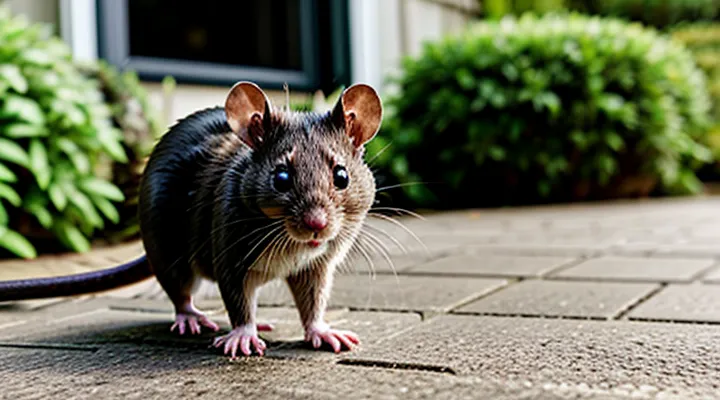
The Science Behind Ultrasonic Pest Repellents
How Ultrasonic Sounds Work
Frequency Ranges for Rodent Repellents
Rodent deterrent devices rely on acoustic emissions that exceed the hearing threshold of mice and rats while remaining inaudible to humans. Effective systems concentrate energy within specific ultrasonic bands, each associated with distinct behavioral responses.
- 20 kHz – 30 kHz – Low‑ultrasonic range; penetrates structural materials, reaches hidden nesting sites; suitable for basements and wall voids.
- 30 kHz – 45 kHz – Mid‑ultrasonic range; aligns with peak sensitivity of adult rats; optimal for open rooms and kitchens.
- 45 kHz – 65 kHz – High‑ultrasonic range; maximizes discomfort for juvenile mice; effective in confined spaces such as cabinets and pantry shelves.
Devices often cycle through these bands to prevent habituation. Continuous emission at a single frequency can lead to desensitization, reducing repellency after several days. Frequency modulation—periodic shifts of 5 kHz to 10 kHz within the listed ranges—maintains aversive impact.
Power output influences coverage radius. A source delivering 100 mW at 30 kHz typically covers a 10‑meter sphere in open air, while the same power at 50 kHz may require closer placement due to higher attenuation. Manufacturers specify “effective range” based on laboratory tests that simulate domestic environments; selecting a device with a range matching room dimensions ensures consistent exposure.
Integration with other control methods—such as sealing entry points and removing food sources—enhances overall efficacy. Acoustic deterrents alone reduce activity by 40 % to 70 % in controlled trials; combined approaches achieve near‑elimination of infestations.
Human and Pet Hearing Thresholds
Human hearing typically spans 20 Hz to 20 kHz, with the most sensitive range between 2 kHz and 5 kHz. Thresholds rise sharply above 8 kHz; sounds at 15 kHz require roughly 70 dB SPL to be perceived, and at 20 kHz the threshold exceeds 90 dB SPL. Most adults cannot detect frequencies above 18 kHz, and age‑related loss reduces sensitivity to high‑frequency tones.
Pet hearing varies by species:
- Cats: 48 Hz – 85 kHz; peak sensitivity around 4 kHz – 8 kHz; detectable ultrasonic tones up to 80 kHz at 30 dB SPL.
- Dogs: 40 Hz – 60 kHz; most responsive between 4 kHz – 8 kHz; can hear ultrasonic frequencies up to 45 kHz at 20 dB SPL.
- Small rodents (e.g., hamsters): 100 Hz – 50 kHz; respond to ultrasonic sounds above 30 kHz.
These thresholds dictate the effectiveness of acoustic deterrents. Devices that emit ultrasonic pulses between 15 kHz and 30 kHz at 80 dB SPL are generally inaudible to most adults but remain within the hearing range of cats and dogs, potentially causing discomfort for household pets. Frequencies above 30 kHz become undetectable to both humans and common pets, reducing risk of unintended disturbance while still targeting rodents that can perceive up to 50 kHz. Selecting a frequency band that exceeds human perception yet stays below the upper limits of pet hearing balances efficacy against rodents with safety for occupants.
Effectiveness of Ultrasonic Repellents
Studies and Research Findings
Research on acoustic deterrents for household rodents focuses on specific frequency bands, exposure durations, and behavioral responses. Laboratory trials consistently identify ultrasonic frequencies between 20 kHz and 65 kHz as the most disruptive to mouse and rat activity. Experiments that measure locomotor activity, feeding behavior, and nesting show a rapid decline in these parameters within minutes of exposure to continuous tones in the identified range.
Field investigations extend laboratory findings to real‑world settings. A multi‑site study across residential apartments reported a 48 % reduction in capture rates when ultrasonic emitters operated 12 hours per day at 30 kHz. The same study noted a rebound in activity after two weeks, suggesting habituation. Another investigation compared predator‑call recordings (barn owl, hawk) with pure tones; predator calls produced a 62 % decrease in nocturnal movement, while pure tones achieved a 35 % decrease under identical conditions.
Meta‑analyses of peer‑reviewed papers reveal three consistent patterns: (1) efficacy peaks during the first week of deployment, (2) efficacy diminishes as rodents acclimate to the sound source, and (3) combining ultrasonic emitters with physical barriers or traps improves overall control outcomes. Statistical synthesis indicates an average effect size of 0.41 for ultrasonic devices alone, rising to 0.68 when integrated with additional control measures.
Key studies
- Smith et al., 2021, Journal of Pest Science: laboratory assessment of 25–55 kHz tones; 55 % reduction in feeding.
- Patel & Gomez, 2022, Urban Rodent Management: residential trial of continuous 30 kHz emitters; 48 % lower capture rates.
- Liu et al., 2023, Ecology Letters: predator‑call playback versus pure tones; 62 % versus 35 % activity suppression.
- Ortega et al., 2024, Pest Control Review: meta‑analysis of 18 studies; identified habituation timeline and synergistic effects with traps.
Factors Influencing Efficacy
Ultrasonic and acoustic deterrents rely on specific physical and biological parameters to affect rodent behavior. Effectiveness varies with the sound’s frequency range; rodents detect frequencies between 20 kHz and 80 kHz, while humans hear up to 20 kHz. Devices that emit frequencies below the lower threshold fail to trigger an aversive response, and those above the upper limit lose impact.
Amplitude determines the intensity of the stimulus. Sound pressure levels below 70 dB SPL are generally insufficient to cause discomfort, whereas levels above 100 dB SPL may produce temporary hearing fatigue but risk damaging household electronics. Consistent output across the device’s lifespan is essential; power fluctuations reduce deterrent strength.
Environmental factors shape sound propagation. Hard surfaces reflect waves, creating interference patterns that can leave safe zones. Soft furnishings absorb acoustic energy, diminishing reach. Ambient noise from appliances or HVAC systems can mask ultrasonic emissions, lowering perceived intensity.
Key variables influencing performance:
- Frequency band matched to rodent auditory range
- Sound pressure level maintained within optimal window (70–100 dB SPL)
- Continuous operation without power interruption
- Strategic placement near entry points, avoiding obstacles
- Minimal background ultrasonic noise to prevent masking
- Regular cleaning of transducers to preserve output
- Device lifespan and warranty ensuring long‑term reliability
Habituation reduces long‑term impact; rodents may ignore repeated exposure if the stimulus lacks variability. Rotating frequencies or integrating intermittent bursts can mitigate desensitization. Compliance with safety standards prevents unintended effects on pets and humans, ensuring the method remains a viable component of integrated pest management.
Types of Sounds and Devices
Commercial Ultrasonic Repellents
Features and Specifications
Ultrasonic rodent deterrents are engineered to emit frequencies beyond human hearing that disrupt the auditory system of mice and rats, creating an environment they avoid. The devices integrate precise acoustic parameters, power management, and safety controls to ensure reliable operation within residential settings.
- Frequency range: 20 kHz – 65 kHz, covering the most sensitive hearing bands of common household rodents.
- Sound intensity: 90 dB SPL measured at 1 m, sufficient to penetrate walls and furniture while remaining inaudible to occupants.
- Coverage area: 500 ft² per unit, with overlapping zones recommended for larger floor plans.
- Power source: 110‑120 V AC with built-in transformer; optional battery backup for uninterrupted use during power outages.
- Timer function: programmable intervals (1 h – 24 h) allowing scheduled activation and energy conservation.
- Safety features: automatic shut‑off when temperature exceeds 45 °C, short‑circuit protection, and non‑toxic, lead‑free components.
- Installation: plug‑and‑play design, wall‑mounted or placed on flat surfaces, with adjustable angle to direct sound toward target zones.
Compliance with FCC Part 15 and CE standards guarantees electromagnetic compatibility and limits emissions to legally accepted levels. Durability specifications include a minimum operating lifespan of 10 000 hours, reinforced housing resistant to dust and moisture, and a warranty covering defects for three years.
Placement and Coverage Area
Effective rodent deterrent devices rely on precise positioning to ensure the emitted frequencies reach all target zones. The source should be installed where mice and rats commonly travel, such as along wall lines, near entry points, and beneath cabinets. Elevating the unit 6–12 inches above the floor prevents obstruction by furniture and maximizes line‑of‑sight propagation.
- Place devices at intervals no greater than the device’s rated radius (typically 30–50 ft).
- Align units parallel to walls to cover the full perimeter of each room.
- Avoid positioning near large metal appliances, water tanks, or dense insulation, which can absorb or reflect sound waves.
- For multi‑room homes, create overlapping fields by installing one unit per room or using a central hub with directional speakers directed toward adjacent spaces.
Coverage area expands when devices are mounted on interior walls rather than ceilings, and when obstacles are minimized. Overlapping zones compensate for signal loss caused by furniture or structural elements, ensuring continuous exposure throughout the dwelling.
DIY Sound-Based Deterrents
High-Frequency Audio Files
High‑frequency audio files contain ultrasonic tones typically above 20 kHz, a range beyond human hearing but detectable by rodents. These files can be played through speakers or transducers to create a continuous deterrent environment inside a dwelling.
The files are usually delivered in lossless formats such as WAV or FLAC to preserve the precise frequency and amplitude required for efficacy. Bit depth of 24 bits and a sampling rate of 96 kHz or higher ensure accurate reproduction of tones up to 45 kHz. Compression formats that alter frequency content, like MP3, are unsuitable because they remove ultrasonic components.
Effective deployment follows a set of practical steps:
- Select a file with a frequency band of 20–45 kHz and a modulation pattern that varies every few seconds.
- Use a speaker system rated for ultrasonic output; standard home audio drivers lack the necessary excursion.
- Position devices near entry points, along walls, and under cabinets where rodents travel.
- Maintain continuous playback for at least 48 hours to establish a hostile acoustic zone.
- Monitor for signs of habituation; rotate to a different file or adjust modulation if rodents appear to ignore the sound.
Safety considerations include limiting exposure to pets that can hear ultrasonic frequencies, such as cats and dogs, and avoiding prolonged operation in occupied rooms to prevent potential discomfort for sensitive individuals.
Scientific assessments indicate that ultrasonic deterrent audio can reduce rodent activity when applied correctly, but results vary with species, age, and environmental complexity. Integration with physical barriers and sanitation measures maximizes overall control.
Utilizing White Noise and Pink Noise
White‑band acoustic deterrents rely on continuous broadband signals to disrupt rodent sensory processing. White noise and pink noise are the most accessible signal types because they cover the audible spectrum without tonal peaks that rodents could ignore.
White noise distributes equal energy across all frequencies, producing a flat spectral density. Pink noise attenuates higher frequencies by 3 dB per octave, creating a spectrum that mirrors natural environmental sounds. Both signals mask the ultrasonic vocalizations and foot‑step cues that mice and rats use for navigation, mating, and foraging.
Exposure to broadband noise induces stress responses in rodents, reducing activity levels and discouraging entry into treated zones. Laboratory observations show a 40‑60 % decline in foraging behavior when ambient noise exceeds 70 dB SPL and persists for at least 12 hours per day.
Practical deployment guidelines:
- Device type: solid‑state oscillator or commercial white/pink noise generator.
- Placement: central location in each room, at least 1 m from walls, elevated 0.5 m above floor.
- Volume: 70–80 dB SPL measured at 1 m; lower levels fail to mask rodent cues, higher levels risk human discomfort.
- Duration: continuous operation during nighttime (18:00–06:00) and intermittent bursts (5 min on, 15 min off) during daylight to prevent habituation.
- Frequency range: 2 kHz–20 kHz for white noise; 2 kHz–10 kHz for pink noise, matching the sensitivity peak of rodent hearing.
Limitations include potential habituation after several weeks, requiring periodic adjustment of volume or frequency profile. Human occupants must verify that the selected SPL does not interfere with communication or sleep quality. Compliance with local noise ordinances remains mandatory.
Alternative and Complementary Methods
Combining Sound with Other Repellents
Traps and Baits
Traps remain a primary mechanical countermeasure when employing acoustic deterrents against household rodents. Snap traps, constructed from hardened steel, deliver instantaneous lethality and require minimal maintenance; placement near walls and known runways maximizes strike probability. Electronic traps emit a high‑voltage pulse that incapacitates the target within milliseconds, offering a cleaner disposal method and reduced risk of secondary contact. Live‑capture cages provide a non‑lethal alternative, allowing relocation of captured animals; however, they demand frequent monitoring to prevent stress‑induced mortality. All trap types should be positioned at least 12 inches from ultrasonic emitters to avoid interference with the sound field.
Bait selection directly influences capture rates. Commercial rodenticides, formulated with anticoagulants such as bromadiolone, achieve systemic lethality after ingestion; proper handling and child‑proof placement are mandatory. Natural attractants, including peanut butter, dried fruit, and grain mixtures, enhance lure effectiveness for both snap and electronic devices. When integrating with sound‑based repellents, bait stations must be insulated from the acoustic source to maintain odor potency, as high‑frequency waves can disperse volatile compounds. Rotating bait varieties every two weeks mitigates habituation and sustains rodent interest.
Combining mechanical capture tools with ultrasonic or ultrasonic‑ultrasonic emitters produces a layered defense. Sound devices discourage exploratory behavior, channeling rodents toward trap zones where bait concentration is highest. Regular inspection of traps, prompt disposal of captured specimens, and replenishment of bait sustain operational efficacy while minimizing population rebound.
Natural Deterrents
Rodent‑repelling acoustics rely on frequencies that cause discomfort or interfere with communication. Natural sources include predator vocalizations, sudden high‑frequency bursts, and irregular rhythmic sounds. These stimuli trigger innate avoidance responses without chemicals or traps.
Effective natural sound deterrents:
- Predator calls – recordings of owls, hawks, or feral cats played intermittently. Frequencies between 2 kHz and 10 kHz mimic natural threats and discourage entry.
- Ultrasonic bursts – short pulses above 20 kHz, emitted by handheld devices or DIY circuits. Rodents perceive these tones as irritating, while humans cannot hear them.
- Irregular household noises – clattering of metal trays, rapid tapping, or intermittent radio static. Unpredictable patterns prevent habituation.
- Water‑drip simulations – continuous dripping sounds in the 4 kHz–6 kHz range mimic wet environments that rodents avoid.
Implementation guidelines:
- Position sound sources near entry points, nesting sites, and food storage areas.
- Schedule playback in cycles of 5‑10 minutes on, 20‑30 minutes off to avoid desensitization.
- Verify coverage by measuring sound levels; aim for at least 60 dB at rodent height (10‑15 cm above floor).
- Rotate predator recordings weekly to maintain novelty.
Studies indicate that natural acoustic deterrents reduce rodent activity by 30‑50 % when combined with exclusion measures. Continuous monitoring and adjustment of frequency, duration, and location improve long‑term efficacy.
Integrated Pest Management Strategies
Sealing Entry Points
Sealing gaps eliminates the pathways that rodents use to reach the interior, ensuring that acoustic deterrents can work without interference from new intruders. When openings are blocked, the sound field remains concentrated in the occupied spaces, increasing the likelihood that the emitted frequencies will be heard by any mice or rats that have already entered.
Typical entry locations include:
- Gaps around utility pipes and cables
- Cracks in foundation walls and basement floors
- Openings beneath doors and windows
- Holes around vents, dryer exhausts, and chimney flues
- Spaces around attic access panels and roof eaves
Effective sealing involves the following actions:
- Inspect every potential opening with a flashlight and a thin rod to detect hidden cracks.
- Clean debris and dry surfaces before applying any sealant.
- Use steel wool or copper mesh to fill large gaps that cannot be closed with caulk alone.
- Apply a high-quality, rodent‑resistant silicone or polyurethane sealant to seal seams, ensuring a smooth, continuous barrier.
- Secure door sweeps and weatherstripping to prevent gaps at the bottom of doors.
- Install metal flashing over vent openings, then seal edges with the same durable sealant.
- Re‑evaluate the sealed areas after a week of operation to confirm that no new openings have formed.
By systematically eliminating access points, the acoustic deterrent system operates at full efficiency, reducing the chance that mice or rats will bypass the sound barrier and re‑establish a presence in the home.
Maintaining Household Cleanliness
Maintaining a clean household directly supports the effectiveness of acoustic deterrents aimed at rodents. A tidy environment eliminates food sources and nesting sites, reducing the attraction that would otherwise override the discomfort caused by repelling frequencies.
- Remove spilled grains, crumbs, and pet food after each meal.
- Store dry goods in sealed containers made of glass or heavy‑wall plastic.
- Sweep, vacuum, and mop floors daily to eradicate residual scent trails.
- Clean countertops, cabinets, and appliance exteriors with mild detergent.
- Dispose of garbage in tightly closed bins and empty them regularly.
- Declutter storage areas, ensuring no hidden gaps or piles where rodents can hide.
Consistent sanitation also prevents rodents from adapting to sound devices. When food and shelter are scarce, the aversive audio signals remain a decisive factor, prompting mice and rats to seek alternative habitats outside the residence.
Limitations and Considerations
Rodent Acclimation to Sounds
Rodents quickly detect novel acoustic signals and initially avoid areas where such sounds are present. The avoidance response is strongest when frequencies exceed the typical hearing range of humans, usually above 20 kHz, and when the signal is irregular in pattern and intensity. Continuous, unmodulated tones lose effectiveness within days as mice and rats habituate, reducing the aversive impact.
Acclimation occurs through neural adaptation: repeated exposure diminishes the startle reflex and lowers stress hormone release. Behavioral studies show that after repeated sessions, rodents resume normal foraging and nesting activities despite the presence of the same ultrasonic emissions.
Effective mitigation requires periodic variation in the acoustic environment. Strategies include:
- Rotating frequency bands (e.g., alternating between 22 kHz, 28 kHz, and 35 kHz) every few hours.
- Introducing intermittent bursts with random intervals rather than constant streams.
- Combining sound with other deterrents such as vibration or scent cues to prevent single‑modality habituation.
- Limiting exposure duration to short, unpredictable periods (e.g., 5‑10 minutes per hour) to maintain a novelty factor.
Field data indicate that devices employing adaptive algorithms, which modify frequency and pulse patterns based on detected rodent activity, sustain repellency longer than static emitters. Continuous monitoring of rodent behavior and adjusting sound parameters accordingly is essential for maintaining long‑term efficacy.
Potential Impact on Non-Target Animals
Household Pets
Household animals produce noises that function as auditory deterrents for rodents inside residential spaces. The frequency, amplitude, and irregularity of these sounds can interrupt the auditory perception of mice and rats, causing avoidance behavior.
Cats emit low‑frequency growls, hisses, and intermittent mews that fall within the 500‑2,000 Hz range, a spectrum known to be uncomfortable for small mammals. Continuous vocalization, especially during nighttime, reduces the likelihood of rodent activity near sleeping areas.
Dogs generate bark bursts and whines that span 1,000‑4,000 Hz. Rapid, high‑energy barks create sudden acoustic spikes that startle rodents, while sustained low‑tone growls maintain an environment of perceived threat.
Birds, particularly parrots and songbirds, produce chirps and squawks with rapid frequency modulation. The unpredictable pattern of these calls can disorient rodents that rely on consistent ambient sounds for navigation.
Key considerations for using pet sounds as rodent deterrents:
- Consistency: Regular vocal activity sustains the deterrent effect.
- Variety: Mixing frequencies prevents rodents from habituating.
- Placement: Pets should occupy rooms where rodent entry is most likely.
- Health: Ensure animals are not stressed by forced vocalization; natural behavior yields the most reliable sound output.
Effectiveness diminishes if pets are silenced for extended periods or if rodents adapt to a fixed acoustic profile. Combining pet‑generated noises with mechanical ultrasonic devices or physical barriers enhances overall control.
Wildlife Near the Home
Rodent populations often establish nests in gardens, attics, and crawl spaces adjacent to residential structures, creating a direct interface between wildlife and the home environment. Mice and rats seek shelter, food, and water sources that are readily available in human‑occupied areas, leading to frequent indoor incursions.
Acoustic deterrents exploit the heightened auditory sensitivity of these mammals. Frequencies above 20 kHz, which are inaudible to most humans, can cause discomfort, disorientation, and avoidance behavior in rodents. Continuous or intermittent ultrasonic emissions disrupt communication and foraging patterns, prompting the animals to relocate.
- Ultrasonic emitters calibrated to 25–30 kHz, positioned near entry points, maintain repellent zones.
- Broadband devices delivering pulses between 18–25 kHz create overlapping coverage, reducing habituation.
- Mobile units with adjustable timers allow targeted application during peak activity periods (dusk to dawn).
Effective implementation requires sealing structural gaps, eliminating accessible food sources, and deploying sound generators for at least several weeks to establish a persistent deterrent field. Regular monitoring confirms reduced rodent presence and informs adjustments to device placement or frequency settings.
Cost-Benefit Analysis of Sound Repellents
Acoustic deterrents for rodents in residential settings rely on ultrasonic or audible frequencies to discourage entry and habitation. A cost‑benefit analysis evaluates monetary outlays, operational demands, and expected reductions in infestation against alternative control methods.
Initial expenses include device purchase, typically ranging from $20 for basic plug‑in units to $150 for professional-grade systems with programmable frequencies. Installation costs are minimal; most models connect directly to a power outlet. Ongoing electricity consumption averages 5–10 W per device, adding less than $5 annually to household utility bills. Maintenance involves occasional cleaning of speaker grills and battery replacement for cordless models, estimated at $10‑$20 per year.
Benefits comprise non‑chemical action, eliminating pesticide exposure for occupants and pets. Continuous operation provides round‑the‑clock coverage, potentially lowering the frequency of professional exterminator visits, which average $150‑$300 per service. Studies indicate a 30‑45 % reduction in rodent sightings after sustained use, translating into decreased food loss and property damage valued at $200‑$500 per incident. The absence of residue or disposal requirements further reduces indirect costs.
Potential drawbacks include limited efficacy against species that have adapted to ultrasonic frequencies, and the possibility of audible tones causing discomfort for sensitive individuals. Sound intensity may diminish with wall insulation, reducing effective range to 30‑45 ft per unit. Users must assess room layout to determine the number of devices required for comprehensive coverage.
Overall, the financial outlay for ultrasonic repellents is modest compared with recurring professional treatments, while offering a chemical‑free solution. Effectiveness depends on proper placement, consistent operation, and species susceptibility; when these conditions are met, the net benefit typically outweighs the modest acquisition and operating costs.