
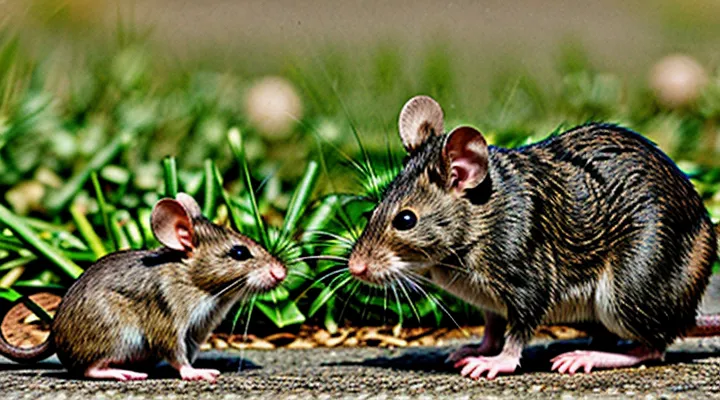
Understanding Rodent Infestations
Identifying Rat and Mouse Species
Common Rat Species
Rats that most frequently require management belong to a limited number of species with worldwide distribution. Their biological traits, habitat preferences, and reproductive capacity determine the effectiveness of control programs.
The most prevalent species are:
- Norway rat (Rattus norvegicus): large, robust, prefers ground burrows, thrives near human settlements, capable of producing up to 12 litters per year.
- Black rat (Rattus rattus): smaller, agile climber, favors elevated structures such as roofs and attics, reproduces rapidly in warm climates.
- Roof rat (Rattus rattus): synonymous with the black rat in many regions, distinguished by its tendency to inhabit higher levels of buildings.
- Polynesian rat (Rattus exulans): diminutive, commonly found on islands, adapts to both forested and agricultural environments.
- House mouse (Mus musculus) is occasionally grouped with rats in eradication efforts due to similar urban habitats, though it represents a distinct taxonomic group.
Key characteristics influencing control measures include:
- High fecundity: short gestation and large litter sizes create swift population growth.
- Habitat flexibility: ability to occupy sewers, basements, attics, and outdoor structures.
- Food opportunism: consumption of stored grains, waste, and a variety of organic matter.
- Limited natural predators in urban settings: reduced predation pressure enhances survival rates.
Understanding these species’ distribution and behavior informs the selection of bait types, trap placement, and timing of interventions. Accurate identification ensures that control resources target the most problematic rodents, thereby improving overall program efficiency.
Common Mouse Species
Common mouse species encountered in pest‑management programs include several members of the genus Mus and related taxa. Each species exhibits distinct ecological preferences that influence the selection of control techniques.
- «House mouse» (Mus musculus): cosmopolitan distribution, thrives in human‑occupied structures, rapid breeding cycle, high adaptability to varied food sources.
- «Field mouse» (Apodemus sylvaticus): widespread across temperate regions, occupies grasslands, hedgerows, and forest edges, seasonal population peaks linked to seed availability.
- «Deer mouse» (Peromyscus maniculatus): native to North America, favors open woodlands and shrub habitats, capable of long‑distance dispersal, reservoir for several zoonotic pathogens.
- «Wood mouse» (Apodemus flavicollis): common in European woodlands, prefers moist ground cover, displays territorial behavior that can affect trap success.
- «Yellow‑toothed mouse» (Cricetulus barabensis): found in arid and semi‑arid zones of Central Asia, nocturnal activity, burrowing habits increase difficulty of detection.
Understanding species‑specific habitat use, reproductive rates, and foraging behavior enables targeted interventions such as bait placement, trapping density adjustments, and habitat modification. Effective rodent control strategies depend on accurate identification of the dominant mouse species within an infested area.
Signs of Rodent Presence
Droppings and Urine Trails
Rodent feces and urine markings provide direct evidence of activity, population density, and movement patterns. Visible pellets, typically 4‑6 mm long, indicate feeding locations, while urine trails, often invisible to the naked eye, reveal routes used for travel and nesting.
Physical characteristics differentiate species. Rat droppings are larger, cylindrical, and may contain fragments of food, whereas mouse pellets are smaller, pointed, and lack visible debris. Urine contains pheromonal compounds that influence social behavior and attract conspecifics to established pathways.
Detection techniques rely on visual and instrumental methods:
- Visual inspection of surfaces for fresh «droppings» and wet spots that darken with oxidation.
- Application of non‑toxic tracking powder; rodents disturb the powder, leaving a discernible pattern that highlights active «urine trails».
- Use of ultraviolet illumination to reveal fluorescing urine residues on hard surfaces.
- Placement of adhesive monitoring boards to capture markings and confirm species identification.
Information gathered from feces and urine guides intervention. High concentrations of «droppings» near food storage dictate targeted sanitation and exclusion measures. Identified «urine trails» inform strategic bait placement, ensuring toxic baits intersect established travel routes. Regular monitoring of markings supports assessment of control efficacy and prompts timely adjustments to management protocols.
Gnaw Marks and Damage
Rats and mice leave distinctive gnaw marks that serve as primary evidence of infestation. Incisor teeth produce clean, crescent‑shaped holes ranging from 2 mm to 10 mm in diameter. Marks appear on wood, plastic, cables, and packaging, often at the entry point of tunnels or around food sources.
Typical damage includes:
- Structural compromise of timber, insulation, and drywall, leading to weakened support and increased repair costs.
- Disruption of electrical systems; gnawed insulation exposes conductors, creating short circuits and fire hazards.
- Contamination of stored products; saliva and urine introduce pathogens, rendering food unsafe for consumption.
- Deformation of packaging; chewed seals allow pests to access contents, accelerating spoilage.
Detecting gnaw marks enables timely intervention, reducing the need for extensive remediation. Early identification supports targeted bait placement, trapping, and exclusion measures, thereby limiting further loss and safeguarding health and property.
Nests and Burrows
Rodent nests and burrows serve as shelters, breeding sites, and food storage areas for rats and mice. These structures are typically located in walls, ceilings, ground cover, and concealed outdoor sites such as hedgerows, debris piles, and under building foundations.
Identification relies on visual inspection for gnaw marks, droppings, urine stains, and disturbed soil. Tracking powders, infrared cameras, and motion‑activated sensors confirm activity without disturbing the colony.
Effective control actions focus on direct and indirect disruption of nests and burrows:
- Placement of snap or electronic traps at entry points and along established runways.
- Deployment of tamper‑resistant bait stations within sealed burrow chambers, ensuring non‑target species protection.
- Application of rodenticides in gel or block form directly into burrow tunnels, followed by sealing openings to prevent re‑entry.
- Installation of physical barriers such as steel mesh, concrete, or metal flashing to block access to potential nesting cavities.
- Removal of attractants by clearing vegetation, debris, and stored food sources that facilitate nest construction.
Preventive management includes regular maintenance of building exteriors, sealing cracks and gaps, and landscaping adjustments that reduce ground cover suitable for burrowing. Monitoring schedules, documented with inspection logs, maintain awareness of new activity and allow timely intervention before populations expand.
Sounds and Sightings
Auditory cues provide immediate evidence of rodent activity. Scratching noises in walls, ceiling voids, or attic insulation indicate gnawing or nesting. Squeaking or chirping sounds, especially during nocturnal hours, suggest the presence of multiple individuals. Persistent rustling in stored grain or feed bins signals foraging behavior. These sounds allow technicians to pinpoint infestation zones without invasive inspection.
Visual indicators corroborate acoustic findings and guide intervention placement. Droppings, typically dark and cylindrical, appear along travel routes and near food sources. Gnaw marks on packaging, wiring, or structural timber reveal feeding habits. Grease trails, urine stains, and shredded nesting material confirm active habitation. Sightings of live or dead rodents, as well as footprints in dusty areas, provide direct confirmation of species and population density.
Key observations for effective rodent control:
- Detectable noises: scratching, squeaking, rustling.
- Dropping characteristics: size, shape, location.
- Gnaw damage: material type, pattern.
- Residual signs: grease, urine, nesting debris.
- Direct sightings: live capture, carcasses, footprints.
Collecting and interpreting these auditory and visual data enable precise deployment of traps, bait stations, and exclusion measures, thereby increasing the efficiency of pest management programs targeting rats and mice.
Risks Associated with Rodents
Health Hazards and Diseases
Rats and mice pose significant health threats through direct contact, contamination of food and water, and aerosolized particles. Their droppings, urine, and saliva introduce pathogens that affect humans and livestock.
Key diseases associated with rodent activity include:
- Leptospirosis, transmitted via contaminated water or soil.
- Hantavirus pulmonary syndrome, spread by inhalation of dried rodent excreta.
- Salmonellosis, resulting from food contamination.
- Plague, caused by Yersinia pestis carried by fleas on rodents.
- Lymphocytic choriomeningitis, contracted through exposure to rodent secretions.
Rodent presence increases the likelihood of bacterial, viral, and parasitic outbreaks. Food processing facilities, residential kitchens, and agricultural barns are especially vulnerable to cross‑contamination. Persistent infestations elevate healthcare costs and strain public‑health resources.
Effective pest‑management strategies must incorporate disease prevention. Measures include:
- Regular sanitation to eliminate food sources.
- Structural repairs that block entry points.
- Monitoring programs that detect population surges early.
- Targeted use of traps and baits in accordance with health‑safety regulations.
Integrating health‑risk assessments into control plans reduces transmission potential and safeguards community well‑being.
Property Damage and Contamination
Rats and mice cause extensive property damage that directly affects structural integrity, electrical systems, and stored goods. Typical impacts include gnawed insulation, compromised wiring, weakened building components, and contaminated food supplies. The resulting losses extend to increased repair costs, reduced asset value, and heightened risk of fire or equipment failure.
Effective rodent management reduces these hazards through targeted actions such as habitat modification, exclusion barriers, and baiting programs. Specific benefits include:
- Elimination of entry points, preventing future gnawing of structural elements.
- Removal of food sources, limiting contamination and spoilage.
- Disruption of nesting sites, decreasing population density and associated damage.
- Regular monitoring, allowing early detection of activity and prompt intervention.
Implementing these control measures safeguards property, preserves operational continuity, and minimizes financial exposure caused by rodent‑related damage and contamination.
Prevention Strategies
Exclusion Techniques
Sealing Entry Points
Sealing entry points prevents rodents from accessing interiors, thereby reducing population growth and damage. Effective closure requires systematic inspection and durable materials.
• Identify openings larger than ¼ inch in walls, floors, ceilings, foundations, and utility penetrations.
• Apply steel wool or copper mesh to gaps before sealing to deter chewing.
• Use high‑quality caulk or expanding foam for small cracks and seams.
• Install hardware cloth or metal flashing over larger openings, securing with screws or rivets.
• Repair damaged door sweeps, window screens, and vent covers; ensure tight fit.
• Inspect exterior drainage; divert water away from foundations to avoid moisture‑induced gaps.
Routine verification after weather events or renovations maintains barrier integrity and supports long‑term rodent management.
Rodent-Proofing Structures
Rodent-proofing structures is essential for reducing the likelihood of rat and mouse infestations in residential, commercial, and agricultural buildings. Effective barriers prevent entry, limit nesting sites, and simplify monitoring and control measures.
Key components of a rodent-resistant design include:
- Sealing all gaps larger than ¼ inch with steel wool, cement, or expanding foam reinforced with metal mesh.
- Installing metal flashing around utility penetrations, vents, and pipe entries to eliminate narrow openings.
- Using concrete or masonry for foundation walls, avoiding cracked or deteriorated sections.
- Fitting door sweeps and weather stripping on exterior doors to block gaps beneath thresholds.
- Adding heavy‑gauge wire mesh (¼‑inch hardware cloth) to vents, chimneys, and crawl spaces.
- Applying stainless‑steel or copper latches on hatchways that cannot be permanently sealed.
Regular inspection schedules verify the integrity of seals, flashing, and mesh. Maintenance actions focus on repairing damaged sections, replacing worn door sweeps, and ensuring that vegetation does not provide a bridge to the structure. Implementing these measures creates a physical environment that deters rodents, supports broader pest‑management programs, and reduces reliance on chemical controls.
Sanitation and Habitat Modification
Food Storage and Waste Management
Effective rodent control relies on eliminating access to food and shelter. Secure storage of consumables prevents rats and mice from locating viable resources. Containers should be made of metal or heavy‑wall plastic, equipped with tight‑fitting lids, and positioned off the ground. Regular inspection detects breaches before infestations develop.
Proper waste management reduces attractants that sustain rodent populations. Key actions include:
- Sealing trash bins with snap‑tight lids and placing them in insulated enclosures.
- Removing organic waste from production areas within 30 minutes of generation.
- Conducting weekly deep cleaning of disposal zones to eliminate residues.
- Implementing a scheduled rotation of waste collection to avoid overflow.
Environmental hygiene complements physical barriers. Maintaining dry floors, repairing leaks, and eliminating clutter removes hiding places. Routine pest‑monitoring devices placed near storage and waste zones provide early detection, allowing swift remedial measures.
«Consistent application of these practices curtails rodent access to food sources and limits population growth», reinforcing the overall strategy of rodent eradication programs.
Reducing Clutter and Hiding Spots
Reducing clutter and eliminating potential hiding spots constitutes a core element of effective rodent control. Excessive storage, stacked boxes, and disorganized materials create insulated environments that protect rats and mice from detection and increase their access to food sources. Removing these conditions forces pests to seek alternative, less secure locations, thereby exposing them to traps and monitoring devices.
Practical measures include:
- Disposing of unused items and recycling debris on a regular schedule.
- Storing necessary supplies in sealed, metal containers with tight‑fitting lids.
- Elevating stored goods off the floor, using pallets or shelving that allows clear visibility underneath.
- Keeping aisles and walkways free of obstructions to facilitate inspection and rapid response.
- Maintaining a clean perimeter by trimming vegetation, clearing leaf litter, and removing piles of wood or compost that could serve as shelter.
Ongoing upkeep reinforces these actions. Routine inspections identify newly accumulated clutter before it becomes a refuge. Prompt repair of structural gaps—such as cracks in walls, gaps around utility penetrations, and damaged vent screens—prevents re‑entry points. Consistent application of the above practices sustains an environment that discourages rodent habitation and supports broader eradication efforts.
Landscape Maintenance
Effective landscape management directly supports rodent control strategies. Regular mowing limits grass height, reducing shelter opportunities for rats and mice. Trimming shrubs and trees prevents dense canopies that facilitate nesting. Removing leaf litter, fallen branches, and accumulated debris eliminates ground cover that shelters pests. Maintaining clean compost areas, covering containers, and promptly disposing of food waste reduce attractants. Proper irrigation prevents standing water and overly moist soil, conditions that encourage burrowing activity. Sealing cracks, gaps, and openings in foundations, fences, and irrigation systems blocks ingress routes. Periodic inspection of irrigation lines, drainage ditches, and low‑lying vegetation identifies and corrects conditions conducive to rodent habitation.
Key landscape maintenance actions for rodent suppression:
- Trim ground‑level vegetation to a maximum height of 6 inches.
- Clear all organic debris from pathways, garden beds, and storage zones.
- Install perimeter barriers of metal mesh or concrete at least 4 inches deep.
- Store firewood and building materials off the ground and away from structures.
- Schedule quarterly inspections of irrigation and drainage systems for leaks or pooling.
Integrating these practices with broader pest management programs enhances the reliability of eradication efforts and minimizes reinfestation risk.
Control Methods
Non-Lethal Control Options
Trapping for Relocation
Live‑capture techniques constitute a core component of rodent management programs that aim to remove individuals without lethal means. «Trapping for Relocation» involves the use of cages or box traps designed to restrain rats and mice unharmed until release at a predetermined site.
Live traps fall into two categories.
- Multi‑catch cages equipped with hinged doors permit repeated captures before emptying.
- Single‑catch box traps provide secure containment for one animal at a time, facilitating precise handling.
Effective bait selection follows species‑specific feeding habits. High‑protein foods such as peanut butter, dried fish, or boiled eggs attract both rats and mice. Bait should be secured to prevent removal, positioned at the rear of the trap to ensure full entry, and refreshed daily to maintain potency.
Capture monitoring requires systematic inspection. Traps placed along walls, near burrow entrances, and adjacent to food sources should be checked at intervals not exceeding two hours during peak activity periods. Captured rodents must be transferred using gloves, placed in transport containers with ventilation, and kept at ambient temperature to reduce stress.
Release sites must meet criteria that prevent immediate re‑entry and avoid conflict with human habitation. Suitable locations include isolated fields, wooded areas at least 500 m from the original capture zone, and habitats offering natural cover and abundant food. Release should occur during daylight hours to enhance orientation.
Legal frameworks often restrict the transport and release of invasive rodents. Operators must verify regional wildlife regulations, obtain necessary permits, and document each relocation event for accountability.
Integration with other control measures, such as habitat modification and exclusion, enhances overall efficacy. Data collected from live‑capture operations inform population assessments and guide adjustments to bait placement, trap density, and release strategies.
Repellents and Deterrents
Repellents and deterrents form a critical component of integrated strategies for managing rat and mouse populations. These products aim to discourage rodent activity without relying on lethal measures, thereby reducing the risk of secondary poisoning and facilitating coexistence with non‑target species.
Key categories include:
- Chemical repellents containing capsaicin, menthol, or predator urine extracts; applied to surfaces, feed stations, or entry points.
- Ultrasonic devices emitting frequencies above 20 kHz; positioned in attics, basements, and crawl spaces to create an uncomfortable acoustic environment.
- Scent‑based deterrents employing strong odors such as peppermint oil, citrus extracts, or ammonia; dispersed on bedding, insulation, or around perimeters.
- Physical barriers such as stainless‑steel mesh, copper flashing, or sealed conduit sleeves; installed to block gnawing and entry.
Effective deployment requires thorough inspection of infestation hotspots, regular reapplication of scent or chemical agents, and periodic testing of electronic devices for functional integrity. Placement should target known travel routes, nesting sites, and food storage areas to maximize exposure.
Limitations involve habituation to chemical cues, reduced efficacy of ultrasonic units in cluttered or open environments, and the necessity for continuous maintenance of physical barriers. Consequently, repellents and deterrents are most successful when combined with trapping, sanitation, and habitat modification, creating a multi‑layered defense that suppresses rodent activity and supports long‑term population control.
Lethal Control Options
Mechanical Traps
Mechanical traps provide immediate, physical removal of rats and mice, eliminating individuals without chemical intervention. Devices operate through direct contact, delivering lethal or capture outcomes that can be verified instantly.
Common configurations include:
- Snap traps: spring‑loaded jaws deliver rapid fatal force.
- Live‑catch traps: hinged doors retain rodents for subsequent release or humane euthanasia.
- Electronic traps: high‑voltage pulses incapacitate and kill within seconds.
- Glue boards: adhesive surfaces immobilize pests for later disposal.
Effective deployment depends on several factors:
- Placement near established runways, burrows, or feeding stations.
- Selection of appropriate bait, such as grain, peanut butter, or synthetic attractants, matched to target species.
- Size and trigger sensitivity calibrated to the weight range of the intended rodent.
- Safety measures to prevent accidental activation by non‑target animals or humans.
Advantages of mechanical solutions include immediate results, absence of residue, and suitability for indoor environments where pesticide use is restricted. Limitations involve the need for regular monitoring, potential for trap avoidance, and labor associated with trap setting and disposal.
Integrating traps with habitat modification—sealing entry points, removing food sources, and maintaining sanitation—enhances overall efficacy. When combined with biological or chemical controls, mechanical devices contribute to a comprehensive rodent management program.
Glue Traps
«Glue traps» consist of a flat platform coated with a strong adhesive that immobilizes rodents upon contact. The device requires no mechanical components, making it compact and easy to deploy in confined spaces such as wall voids, cabinets, and crawl spaces.
The adhesive surface creates a rapid bond with the animal’s paws and fur, preventing escape and leading to eventual death by exhaustion, dehydration, or predation. Because the trap does not rely on bait, placement can be targeted to areas of known activity without attracting non‑target species.
Key characteristics of this method include:
- High capture rate for small rodents when positioned along established runways.
- Minimal initial cost and low maintenance after installation.
- Absence of poison eliminates risk of secondary poisoning in predators.
- Limited effectiveness against larger rats; individuals may avoid the sticky surface.
- Potential for humane concerns due to prolonged suffering; alternative lethal mechanisms may be preferable in regulated environments.
Safety considerations mandate the use of protective gloves during handling, secure disposal of captured specimens in sealed containers, and placement out of reach of children and domestic pets. Regular inspection prevents accidental activation and reduces the likelihood of trap saturation, which diminishes adhesive performance.
Regulatory agencies in many jurisdictions classify «glue traps» as non‑chemical control devices, subject to specific labeling and placement restrictions. Compliance with local wildlife protection statutes ensures lawful application and mitigates liability for unintended captures.
Rodenticides
Rodenticides constitute a primary chemical approach for managing rat and mouse populations in agricultural, urban, and industrial settings. Their efficacy derives from targeted toxicity that reduces reproductive capacity and eliminates existing individuals, thereby decreasing damage to stored products, infrastructure, and public health.
Active ingredients fall into several pharmacological classes, each with distinct mechanisms of action and regulatory considerations:
- Anticoagulants (first‑generation: warfarin, chlorophacinone; second‑generation: brodifacoum, difethialone) inhibit vitamin K recycling, leading to fatal hemorrhage after ingestion.
- Bromethalin disrupts mitochondrial oxidative phosphorylation, causing cerebral edema and death without external bleeding.
- Zinc phosphide reacts with gastric acid to release phosphine gas, a potent respiratory toxin effective against resistant rodents.
- Cholecalciferol (vitamin D₃) induces hypercalcemia, resulting in renal failure and cardiac arrhythmia.
Application methods include bait stations, hand‑applied pellets, and bulk distribution. Proper placement—along runways, near entry points, and in concealed locations—maximizes exposure while minimizing non‑target risks. Integrated pest management protocols recommend rotating active ingredients to prevent resistance development and conducting periodic efficacy assessments.
Regulatory frameworks mandate labeling, dosage limits, and safety precautions. Users must employ personal protective equipment, restrict access to children and wildlife, and follow disposal guidelines for unused material. Documentation of usage, including product type, concentration, and placement dates, supports compliance audits and facilitates post‑treatment evaluation.
Types of Rodenticides
Rodenticides are chemical agents employed to reduce populations of rats and mice in various environments. Their classification is based on mode of action, chemical composition, and regulatory status.
• Anticoagulant rodenticides – interfere with vitamin K recycling, causing fatal hemorrhage. Subcategories include first‑generation compounds (warfarin, chlorophacinone) with relatively short persistence, and second‑generation compounds (bromadiolone, difenacoum) characterized by higher potency and longer residual activity.
• Non‑anticoagulant rodenticides – act through alternative physiological pathways. Examples comprise zinc phosphide, which releases phosphine gas in the stomach, and cholecalciferol, a vitamin D₃ analogue that induces hypercalcemia leading to organ failure.
• Acute toxicants – produce rapid onset of mortality. Sodium fluoroacetate and strychnine fall into this group, delivering lethal effects within minutes to hours after ingestion.
Regulatory frameworks often restrict second‑generation anticoagulants and acute toxicants due to elevated risks to non‑target species. Integrated pest‑management programs typically prioritize first‑generation anticoagulants and non‑anticoagulant options, reserving more hazardous agents for situations where alternative measures have failed.
Safe Application of Rodenticides
Rodenticides provide targeted chemical control for urban and agricultural rodent populations. Effective use reduces damage to structures, crops, and stored goods while limiting non‑target exposure.
Compliance with local pesticide regulations and manufacturer label instructions is mandatory. Licensure, certification, and record‑keeping requirements must be satisfied before any purchase or application.
Preparation includes verifying product concentration, inspecting packaging for damage, and mixing only in well‑ventilated areas. Containers should be sealed immediately after use, and unused product stored in locked, temperature‑controlled facilities.
Application methods vary by formulation. Bait stations protect bait from weather and unauthorized access; granular products are broadcast on established runways; liquid concentrates are applied to burrow entrances using calibrated equipment. Placement follows observed activity patterns, typically along walls, near food sources, and in concealed pathways.
Safety measures:
- Wear chemical‑resistant gloves, goggles, and disposable coveralls.
- Use respiratory protection when aerosolizing powders or liquids.
- Keep children, pets, and wildlife away from treated zones for the label‑specified interval.
- Post clear warning signage at each treatment site.
- Dispose of contaminated materials according to hazardous waste regulations.
Post‑application monitoring records date, location, product type, dosage, and observed rodent activity. Adjustments to bait density or placement are made based on documented efficacy, ensuring continuous, responsible control.
Professional Pest Control
When to Call an Expert
Effective rodent management often requires professional intervention. Recognizing the limits of DIY efforts prevents costly damage and health risks.
Typical indicators that an expert should be engaged include:
- Continuous sightings of rats or mice despite traps and baits.
- Evidence of gnaw marks on structural components, wiring, or food storage.
- Unexplained droppings, urine stains, or strong musky odors in living or working areas.
- Damage to insulation, insulation, or ventilation systems that endangers fire safety.
- Signs of disease transmission, such as bites or allergic reactions among occupants.
- Legal or regulatory requirements mandating certified pest control for commercial properties.
When any of these conditions arise, contacting a licensed rodent control specialist ensures proper identification, targeted treatment, and compliance with safety standards. Professional services provide comprehensive inspections, customized eradication plans, and post‑treatment monitoring, reducing the likelihood of recurrence.
Integrated Pest Management (IPM) Approaches
Integrated Pest Management «IPM» provides a systematic framework for reducing rat and mouse populations while minimizing non‑target impacts. The approach combines preventive, mechanical, biological, and chemical tactics, each applied according to defined thresholds and continual assessment.
- Monitoring and identification of infestation levels
- Sanitation to remove food and shelter sources
- Structural exclusion through sealing entry points
- Mechanical control using traps positioned at activity hotspots
- Chemical control employing bait stations with regulated dosages
- Biological control through predators or pathogens where feasible
- Evaluation of outcomes and adjustment of tactics
Implementation begins with baseline surveys that quantify activity indices such as droppings, gnaw marks, and live captures. Data guide the selection of exclusion measures and the placement of traps or bait stations. Sanitation efforts focus on waste management, storage practices, and removal of clutter that offers refuge. Mechanical devices are calibrated to target specific species and size classes, reducing by‑catch. Chemical interventions follow strict placement protocols to protect humans, pets, and wildlife, and are employed only after non‑chemical options prove insufficient.
Routine inspection records population trends and damage reports. When indices fall below established action thresholds, control measures are scaled back or discontinued. Persistent hotspots trigger intensified tactics or alternative methods, such as habitat modification or introduction of natural enemies. Documentation of each step ensures regulatory compliance and facilitates long‑term program refinement.
Post-Eradication Measures
Cleanup and Sanitation
Disposing of Carcasses
Proper disposal of dead rodents is a critical component of any rodent control program. Failure to manage carcasses safely can lead to disease spread, attract new pests, and compromise sanitation standards.
Effective disposal methods include:
- Incineration in a certified facility, ensuring complete combustion at temperatures above 850 °C.
- Deep burial at a minimum depth of 1.5 m, away from water sources and food storage areas, with the site marked and recorded.
- Rendering in a licensed plant, converting carcasses into usable by‑products while eliminating pathogens.
- Chemical neutralization using approved disinfectants that destroy viral and bacterial agents before removal.
- Composting in controlled, high‑temperature systems designed to reach thermophilic ranges, accompanied by regular monitoring.
Compliance with local regulations and occupational safety guidelines is mandatory. Personnel must wear protective equipment, follow decontamination protocols, and maintain detailed logs of disposal activities. Regular audits verify that procedures meet health authority standards and prevent re‑infestation.
Disinfecting Contaminated Areas
Effective rodent eradication programs require thorough decontamination of areas where rats or mice have been active. Residual urine, feces, and saliva contain pathogens that can compromise sanitation and re‑infestations. Immediate disinfection eliminates disease vectors and prepares the environment for subsequent control measures.
Key disinfection procedures include:
- Application of EPA‑approved rodent‑specific disinfectants to surfaces, equipment, and structural components.
- Use of hot water extraction or steam cleaning for porous materials such as carpets and upholstery.
- Fogging or misting with broad‑spectrum antimicrobial agents in enclosed spaces where direct contact is impractical.
- Removal and disposal of heavily contaminated items that cannot be reliably sanitized.
Implementation guidelines:
- Conduct a visual inspection to identify all contaminated zones before treatment.
- Follow manufacturer‑specified contact times to ensure microbial kill rates.
- Verify ventilation adequacy to prevent inhalation hazards during aerosolized applications.
- Document disinfection dates, agents used, and personnel responsible for accountability and future reference.
Ongoing Monitoring and Maintenance
Regular Inspections
Regular inspections constitute a core element of any effective rodent management program. Systematic surveys identify early signs of activity, verify the performance of traps and bait stations, and detect breaches in structural barriers. Prompt detection enables timely intervention, reducing population growth and limiting damage to property and food supplies.
Inspection routines should include the following actions:
- Visual examination of walls, ceilings, floors, and utility spaces for gnaw marks, droppings, and urine stains.
- Verification of trap placement, functionality, and capture records.
- Assessment of bait station integrity, refill status, and secure positioning to prevent non‑target exposure.
- Evaluation of entry points such as gaps around pipes, doors, and vents; documentation of any new openings.
- Review of sanitation conditions, focusing on food residues, water sources, and waste management practices that attract rodents.
Frequency depends on risk level and facility type. High‑risk environments, such as food processing areas, require weekly checks, while lower‑risk residential settings may be inspected monthly. Seasonal variations also influence scheduling; increased activity during warmer months warrants more frequent monitoring.
Documentation of each inspection creates a traceable record that supports trend analysis and informs adjustments to control strategies. Detailed logs should capture date, inspector, observed evidence, corrective actions taken, and recommendations for future prevention. Integration of inspection data with pest‑management software enhances decision‑making and ensures compliance with regulatory standards.
Sustaining Preventative Measures
Sustaining preventative measures requires ongoing vigilance after initial rodent control actions. Continuous monitoring of bait stations, traps, and environmental conditions detects re‑infestation early, allowing prompt corrective steps. Documentation of inspection results and adjustment of bait concentrations maintain efficacy while minimizing non‑target exposure.
Effective long‑term strategies include:
- Regular inspection cycles (weekly in high‑risk areas, monthly elsewhere) to verify device functionality and placement.
- Rotation of active ingredients in baits to prevent resistance development and preserve susceptibility.
- Maintenance of structural barriers: sealing entry points, installing chew‑resistant materials, and ensuring proper waste containment.
- Habitat modification: removing food sources, reducing clutter, and controlling vegetation that offers shelter.
- Training of personnel on detection signs, safe handling procedures, and record‑keeping standards.
Integration of these practices into a comprehensive pest‑management plan secures lasting reduction of rodent populations and supports overall health and safety objectives. «Consistent application of preventive protocols eliminates the need for reactive eradication campaigns.»