
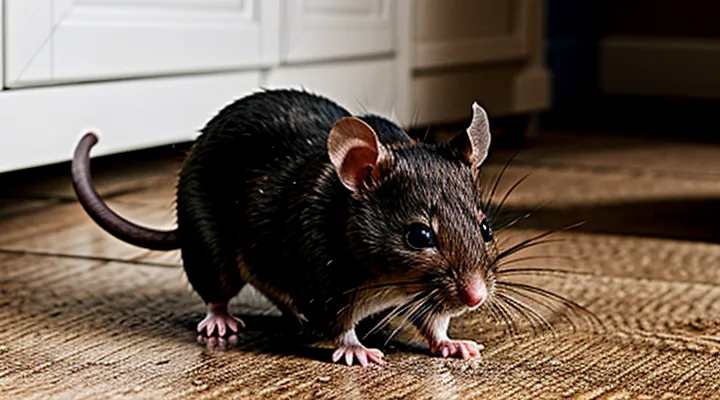
Understanding Rodenticides: A Primer
Types of Rodenticides
Anticoagulants (First Generation)
First‑generation anticoagulants are vitamin‑K antagonists designed to interrupt blood clotting in rodents. They are administered as baits that rodents ingest, leading to internal hemorrhage and death within several days. The most widely used compounds belong to this class:
- Warfarin (4‑hydroxycoumarin)
- Chlorophacinone (3‑(3‑chloro‑4‑hydroxyphenyl)‑2‑hydroxy‑1‑(2‑hydroxyethyl)‑2‑oxo‑1‑propyl‑4‑hydroxy‑3‑methyl‑2‑pyridine‑5‑carboxylate)
- Diphacinone (3‑(3‑chloro‑4‑hydroxyphenyl)‑2‑hydroxy‑1‑(2‑hydroxyethyl)‑2‑oxo‑1‑propyl‑4‑hydroxy‑3‑methyl‑2‑pyridine‑5‑carboxylate)
Effectiveness hinges on several factors. Rodents must consume a lethal dose, typically 30–100 mg kg⁻¹ of body weight, which translates to a few grams of bait per animal. Palatability enhancers such as grain, peanut butter, or fish oil increase acceptance. Because the toxic action is delayed, rodents may not associate consumption with the outcome, reducing bait aversion.
Resistance has emerged in many urban and agricultural populations. Genetic mutations in the VKORC1 enzyme diminish binding affinity for first‑generation agents, requiring higher bait concentrations or a switch to second‑generation anticoagulants. Monitoring for resistance through live‑trap testing is advisable before large‑scale deployment.
Safety considerations include secondary poisoning of non‑target species, particularly predators and scavengers that feed on poisoned rodents. Bait stations equipped with entry restrictions limit access to rodents while protecting birds and pets. Proper disposal of unused bait and carcasses prevents environmental contamination.
In practice, first‑generation anticoagulants remain a cost‑effective option for short‑term control where resistance is low and strict bait placement can be maintained. Their mode of action, dosage requirements, and risk profile should be evaluated against local rodent behavior and regulatory guidelines before implementation.
Anticoagulants (Second Generation)
Second‑generation anticoagulant rodenticides (SGARs) are synthetic compounds that disrupt the vitamin K cycle, leading to fatal internal hemorrhage in rodents. Unlike first‑generation agents, SGARs require a single low‑dose bait to achieve lethal blood concentrations, making them suitable for infestations where multiple feedings are impractical.
Key characteristics:
- Potent active ingredients – bromadiolone, difenacoum, brodifacoum, chlorophacinone, and difethialone.
- High oral bioavailability – rapid absorption ensures effective systemic exposure after a single ingestion.
- Extended half‑life – prolonged persistence in the liver maintains toxic levels, reducing the need for repeat applications.
- Resistance mitigation – chemical structure differs enough from earlier products to overcome many documented resistance mechanisms in wild mouse and rat populations.
Safety considerations:
- Secondary poisoning risk – persistent residues can affect predatory wildlife; use tamper‑resistant bait stations and limit placement to targeted areas.
- Regulatory limits – many jurisdictions impose maximum concentration thresholds (e.g., 0.005 % active ingredient for indoor use) and require certified applicators for outdoor deployment.
- Handling precautions – wear gloves, avoid skin contact, and store in sealed containers away from non‑target species.
Application guidelines:
- Identify active infestation zones through signs such as gnaw marks, droppings, or burrows.
- Deploy bait stations at 10–15 cm intervals along walls, runways, and near food sources.
- Monitor bait consumption daily; replace stations only when depletion exceeds 50 % of the original load.
- Conduct follow‑up inspections for dead rodents and signs of activity for at least two weeks after initial placement.
Efficacy data from field trials indicate mortality rates of 85–95 % in resistant rodent populations when SGARs are applied according to manufacturer recommendations. Proper integration of bait placement, environmental controls, and compliance with safety regulations maximizes the control potential of second‑generation anticoagulants against mice and rats.
Non-Anticoagulants
Non‑anticoagulant rodenticides provide an alternative to vitamin K antagonists for eliminating mice and rats. These formulations induce death through mechanisms such as neurotoxicity, metabolic disruption, or cellular damage, avoiding the clotting inhibition pathway.
- Bromethalin – blocks mitochondrial oxidative phosphorylation, causing rapid energy failure in the central nervous system. Lethal dose for mice: 0.025 mg/kg; for rats: 0.05 mg/kg.
- Zinc phosphide – reacts with gastric acid to release phosphine gas, leading to cellular respiration collapse. Lethal dose for mice: 0.3 g/kg; for rats: 0.5 g/kg.
- Cholecalciferol (Vitamin D₃) – induces hypercalcemia, resulting in renal failure and cardiac arrhythmia. Lethal dose for mice: 0.5 mg/kg; for rats: 0.8 mg/kg.
- Sodium fluoroacetate (1080) – interferes with the citric‑acid cycle, producing fatal metabolic acidosis. Lethal dose for mice: 0.5 mg/kg; for rats: 1 mg/kg.
Efficacy depends on species susceptibility, bait palatability, and environmental conditions. Non‑anticoagulants typically act within 24–48 hours, offering quicker control than first‑generation anticoagulants. Dosage precision remains critical; under‑dosing can result in sublethal exposure and potential resistance development.
Resistance to anticoagulants has driven increased use of these alternatives. Genetic mutations conferring reduced sensitivity to vitamin K antagonists do not affect the pathways targeted by bromethalin, zinc phosphide, cholecalciferol, or fluoroacetate, preserving their effectiveness in resistant populations.
Safety considerations focus on target specificity and secondary poisoning risk. Zinc phosphide and fluoroacetate present high toxicity to non‑target wildlife and domestic animals if improperly handled. Cholecalciferol carries moderate secondary risk; bromethalin exhibits low secondary toxicity due to rapid degradation in the environment. Use of tamper‑resistant bait stations mitigates accidental exposure.
Product selection should prioritize: active ingredient alignment with the observed resistance profile, bait matrix that matches the target species’ feeding habits, regulatory compliance for the jurisdiction, and inclusion of safety features such as sealed dispensers. Integrating non‑anticoagulant baits into a comprehensive pest‑management program enhances control reliability while reducing collateral impact.
Factors Influencing Efficacy
Rodent Species (Mice vs. Rats)
Mice (Mus spp.) and rats (Rattus spp.) differ markedly in size, social structure, and foraging habits. Adult house mice weigh 15–30 g, exhibit rapid breeding cycles, and prefer concealed, low‑traffic areas. Rats range from 150 g to over 300 g, form larger colonies, and frequent open pathways such as gutters and building foundations. These behavioral patterns dictate bait accessibility and placement strategies.
Metabolic rates and detoxification pathways vary between the two species. Mice possess higher basal metabolic rates, leading to faster absorption of anticoagulant rodenticides but also quicker development of resistance. Rats display more robust liver enzymes, requiring higher active ingredient concentrations to achieve lethal effect. Toxicity thresholds (LD₅₀) for common anticoagulants are approximately 0.5 mg/kg for mice and 1.0 mg/kg for rats, reflecting the need for species‑specific dosing.
Effective product selection must account for these biological distinctions. Key considerations include:
- Active ingredient potency calibrated to the target species’ LD₅₀.
- Bait size proportionate to animal size; smaller pellets for mice, larger blocks for rats.
- Placement density reflecting colony size and movement patterns.
- Resistance management through rotating active ingredients or employing multi‑mode toxins.
Choosing a rodenticide without aligning formulation and delivery to the specific rodent species compromises control efficacy and may increase non‑target exposure. Accurate species identification and adherence to dosage guidelines are essential for achieving optimal results.
Bait Acceptance
Bait acceptance determines whether a rodent toxicant will achieve lethal results. Successful products combine palatable attractants with a delivery matrix that resists avoidance behaviors.
Key factors influencing acceptance:
- Flavor profile – natural grain, cheese, or fruit aromas that match rodents’ dietary preferences.
- Texture – soft, moist formulations encourage chewing, while hard blocks deter consumption.
- Scent intensity – strong but not overpowering odors attract rodents without alerting them to danger.
- Placement strategy – positioning near travel routes and nesting sites increases encounter rates.
- Seasonal variation – adjusting flavor to reflect available natural foods (e.g., winter grain vs. summer fruit) maintains interest.
Testing protocols should include:
- Pre‑placement observation – monitor rodent activity to identify high‑traffic zones.
- Controlled offering – present a measured amount of bait in a confined area and record removal rates over 24‑48 hours.
- Competitive feeding – introduce alternative food sources to assess bait preference under realistic conditions.
- Repeat exposure – evaluate acceptance after initial exposure to detect potential learned aversion.
Products that consistently achieve high bait acceptance typically integrate multiple attractant types, maintain moisture levels that prevent drying, and employ a delivery system resistant to nibbling without ingestion. Selecting such formulations maximizes the probability of lethal intake and reduces the time required for population control.
Resistance
Rodent resistance refers to the reduced susceptibility of mice and rats to toxic compounds after repeated exposure. The phenomenon lowers mortality rates and prolongs infestations, directly affecting control effectiveness.
Resistance develops through several mechanisms. Metabolic enzymes accelerate detoxification of anticoagulants and neurotoxins. Genetic alterations modify target proteins, diminishing binding affinity of the poison. Behavioral changes lead to bait aversion, especially when sub‑lethal doses are encountered.
When resistance is present, product performance declines. Expected kill percentages drop, prompting higher application rates or more frequent re‑applications. Single‑active‑ingredient formulations become unreliable, increasing operational costs and environmental exposure.
Mitigation strategies include rotating active ingredients with different modes of action, integrating non‑chemical methods such as trapping, and employing baits that combine multiple toxins. Regular field assessments identify resistance trends, allowing timely adjustments to the control program.
Selection criteria for effective products emphasize documented resistance testing, compliance with regulatory guidelines, and transparent labeling of active ingredients. Products that demonstrate efficacy against known resistant strains provide a measurable advantage in managing rodent populations.
Environmental Conditions
Environmental temperature directly influences the metabolic rate of rodents and the degradation speed of toxic compounds. In warm conditions (above 25 °C), most anticoagulant baits dissolve faster, reducing the time required for a lethal dose to be ingested. Conversely, low temperatures (below 10 °C) slow rodent activity and can cause bait hardening, diminishing palatability and delaying mortality.
Humidity affects both bait integrity and the stability of active ingredients. High relative humidity (above 70 %) promotes mold growth on bait matrices, potentially masking odor cues that attract rodents. Dry environments (below 30 % humidity) may cause desiccation, leading to crumbly texture and reduced consumption.
Seasonal food availability modifies bait acceptance. During harvest periods, abundant natural food sources compete with toxic baits, lowering uptake rates. In winter, when alternative food is scarce, rodents are more likely to consume bait, improving efficacy.
Placement considerations must align with environmental variables:
- Indoor settings: stable temperature, low humidity, minimal competing food sources.
- Outdoor sheds: protect bait from rain with waterproof containers, monitor for temperature extremes.
- Underground burrows: use bait stations that maintain moisture balance to prevent drying.
Water sources near bait locations can dilute bait, especially liquid formulations, decreasing potency. Ensure bait stations are positioned away from standing water and drainage paths.
pH of surrounding soil influences the persistence of certain rodenticides. Acidic soils (pH < 5.5) accelerate breakdown of metal‑based toxins, whereas neutral to slightly alkaline soils (pH 6.5‑8) preserve active compounds longer, enhancing long‑term control.
Overall, optimal rodent toxin performance requires matching product characteristics to temperature, humidity, seasonal food patterns, placement, moisture exposure, and soil chemistry. Adjusting these environmental parameters maximizes lethal intake and reduces the time needed to achieve population reduction.
Top Rodenticide Products Reviewed
Product A: «Brand Name 1»
Active Ingredient
The active ingredient determines the lethality, speed of action, and safety profile of rodent control products. Manufacturers select compounds that target the physiological systems of mice and rats while minimizing risk to non‑target species when used correctly.
Common active ingredients include:
- First‑generation anticoagulants (e.g., warfarin, chlorophacinone). Interfere with vitamin K recycling, causing fatal internal bleeding after several days of ingestion.
- Second‑generation anticoagulants (e.g., brodifacoum, difenacoum). Exhibit higher potency, require a single dose to be lethal, and persist longer in the organism’s bloodstream.
- Bromethalin. Disrupts mitochondrial oxidative phosphorylation, leading to rapid neurological failure and death within 24–48 hours.
- Zinc phosphide. Reacts with stomach acid to release phosphine gas, producing acute respiratory and cellular toxicity.
- Cholecalciferol (vitamin D₃). Induces hypercalcemia, resulting in renal failure and cardiac arrest after a delayed period.
Each compound possesses a distinct mode of action, toxicity threshold, and environmental stability. Regulatory guidelines classify these substances according to acute toxicity (LD₅₀ values) and required handling precautions. Selecting a product involves matching the active ingredient’s characteristics to the infestation severity, target species, and exposure risk to humans and pets.
Mechanism of Action
The leading rodent toxicant evaluated for mice and rats operates through disruption of the blood‑clotting cascade. The active ingredient, a second‑generation anticoagulant, binds to vitamin K epoxide reductase, preventing regeneration of reduced vitamin K. This inhibition blocks the γ‑carboxylation of clotting factors II, VII, IX, and X, leading to progressive hemorrhage and eventual death after several days of consumption.
A secondary class of highly effective poisons employs neurotoxic action. The compound interferes with acetylcholinesterase activity, causing accumulation of acetylcholine at synaptic junctions. Resulting overstimulation induces muscular paralysis, respiratory failure, and rapid mortality.
Key pharmacodynamic characteristics:
- Absorption: Rapid gastrointestinal uptake; peak plasma concentration within 2 hours.
- Distribution: Lipophilic molecules cross the blood–brain barrier, enhancing neurotoxic potency.
- Metabolism: Primarily hepatic; metabolic activation may increase toxicity in target species while reducing risk to non‑target mammals.
- Excretion: Renal elimination of unchanged toxin and metabolites; detectable residues persist for up to 48 hours.
The efficacy of these agents derives from dose‑dependent lethal thresholds that align with typical feeding behavior of rodents, ensuring sufficient intake before aversion mechanisms develop. Resistance management relies on rotating anticoagulant and neurotoxic formulations to prevent enzymatic adaptation in pest populations.
Pros and Cons
The reviewed rodent toxin delivers rapid mortality through a single oral dose, ensuring quick population reduction. Its active ingredient is highly toxic to mammals of the Muridae family while remaining low‑risk for birds and non‑target wildlife when used according to label instructions.
Pros
- Immediate effect: lethal within 24 hours after ingestion.
- Low secondary poisoning: metabolized quickly, minimizing risk to predators.
- Shelf‑stable formulation: retains potency for up to two years under proper storage.
- Easy application: pre‑measured pellets eliminate the need for precise dosing.
- Cost‑effective: high concentration reduces the quantity required per infestation.
Cons
- Limited species scope: ineffective against larger rodents such as squirrels or beavers.
- Requires bait acceptance: rodents may avoid unfamiliar taste, reducing efficacy.
- Regulatory restrictions: some jurisdictions prohibit over‑the‑counter sale, demanding professional handling.
- Potential resistance: repeated exposure can lead to decreased susceptibility in certain populations.
- Safety precautions: handling demands protective gloves and strict adherence to disposal guidelines.
Best Use Cases
The most potent rodent toxicants excel when applied to specific environments and infestation patterns. Residential kitchens benefit from fast‑acting anticoagulant blocks placed behind appliances, where rats and mice frequently travel. Outdoor sheds and barns require weather‑resistant bait stations that protect the poison from rain while limiting access for non‑target wildlife. Commercial warehouses demand high‑dose formulations in sealed containers to reduce the number of applications needed in large, open floor plans. Sewer systems and underground utility tunnels are best served by granular poison that can be evenly spread along drainage lines, ensuring continuous contact with hidden rodents. Agricultural fields benefit from low‑toxicity, bait‑infused pellets placed near grain storage areas, minimizing crop contamination while targeting field rats. Pet‑free households should install tamper‑proof bait stations near baseboards and wall voids to prevent accidental ingestion by children or pets. Each scenario aligns the poison’s delivery method with the habitat’s physical constraints, maximizing efficacy and safety.
Product B: «Brand Name 2»
Active Ingredient
The active ingredient determines the lethality, speed of action, and safety profile of rodent control products. It is the chemical compound that interferes with essential physiological processes in mice and rats, leading to death after ingestion. Regulatory agencies require precise concentration limits to balance effectiveness with environmental protection.
Common active ingredients include:
- Bromadiolone – second‑generation anticoagulant; causes fatal internal bleeding after a single dose.
- Diphacinone – anticoagulant with slower onset; useful for populations tolerant to faster‑acting compounds.
- Cholecalciferol – vitamin D₃ analogue; induces lethal hypercalcemia without anticoagulant resistance.
- Brodifacoum – potent anticoagulant; effective at low concentrations but subject to strict handling regulations.
- Zinc phosphide – generates phosphine gas in the stomach; rapid toxicity, suitable for outdoor bait stations.
Each ingredient exhibits a distinct mode of action. Anticoagulants inhibit vitamin K recycling, preventing blood clot formation. Cholecalciferol disrupts calcium homeostasis, leading to cardiac failure. Zinc phosphide releases a toxic gas that damages cellular respiration. The choice of ingredient should reflect target species, bait placement, and local regulatory constraints.
Mechanism of Action
The product exerts its lethal effect by disrupting the blood‑clotting cascade of rodents. The active ingredient is a second‑generation anticoagulant that competitively inhibits vitamin K epoxide reductase. This enzyme normally regenerates reduced vitamin K, a cofactor required for the γ‑carboxylation of clotting factors II, VII, IX, and X. Inhibition prevents the synthesis of functional clotting proteins, leading to progressively impaired coagulation.
After ingestion, the compound is absorbed through the gastrointestinal tract and accumulates in the liver. Its high lipid solubility ensures prolonged retention, allowing a single dose to maintain inhibitory concentrations for several days. The resulting hypocoagulable state manifests as internal hemorrhage, typically within 3–7 days, which is fatal to mice and rats.
Key pharmacodynamic features include:
- Irreversible enzyme binding: Forms a stable complex with vitamin K epoxide reductase, rendering the inhibition long‑lasting.
- Delayed onset: Allows the rodent to return to its nest, increasing the likelihood of secondary consumption by conspecifics.
- Low mammalian toxicity: Species‑specific affinity for rodent isoforms of the target enzyme reduces risk to non‑target animals when used according to label directions.
The cumulative effect of sustained enzyme blockade and systemic bleeding underlies the product’s high efficacy in rodent control.
Pros and Cons
When assessing leading rodent toxicants, focus on efficacy, safety, environmental impact, and cost. The following points summarize the primary advantages and disadvantages observed across the most widely tested formulations.
Pros
- Rapid mortality in target species, often within 24–48 hours.
- High palatability due to attractants that encourage immediate consumption.
- Low secondary poisoning risk when anticoagulant compounds are formulated with low-dose bait.
- Shelf life extending beyond 12 months under standard storage conditions.
- Availability in multiple delivery formats (block, pellet, liquid) to suit various infestation scenarios.
Cons
- Potential resistance development in populations regularly exposed to anticoagulants.
- Non‑target wildlife exposure when bait is placed in unsecured outdoor areas.
- Regulatory restrictions in several jurisdictions limit access to certain active ingredients.
- Need for precise placement to avoid accidental ingestion by pets or children.
- Higher price points for products that incorporate safety features such as tamper‑resistant packaging.
Best Use Cases
Effective rodent toxicants excel when applied to specific scenarios that match their delivery method, active ingredient, and safety profile. Understanding these contexts maximizes control while minimizing risk to non‑target species and the environment.
Indoor infestations in kitchens, pantries, and storage closets benefit from bait stations that encase anticoagulant pellets. The sealed design prevents accidental contact, allows precise placement along walls and behind appliances, and limits exposure to children and pets. Use cases include:
- Sealed bait blocks positioned near entry points in residential kitchens.
- Tamper‑resistant stations placed under sinks and in utility closets.
- Small, discreet bait tubes for apartments where space is limited.
Outdoor applications where rodents travel along established runways, such as around foundations, garbage areas, or garden beds, favor granular or pellet formulations that can be broadcast or placed in tamper‑proof containers. Ideal situations involve:
- Scatter of granular bait around building perimeters to intercept incoming mice.
- Pellets placed in burrow entrances or along fence lines to target rats that prefer open foraging.
- Weather‑resistant bait boxes positioned near compost piles or feed storage.
Industrial and agricultural settings often require fast‑acting, high‑dose products capable of handling large populations. Use cases include:
- Bulk bait stations in warehouses with heavy rodent traffic.
- High‑concentration blocks in livestock feed barns where rapid reduction is critical.
- Rodenticide gels applied to narrow cracks and crevices in machinery housings.
Each scenario demands adherence to label instructions, proper placement, and monitoring to ensure effectiveness and compliance with safety regulations. Selecting the appropriate formulation for the described environment delivers optimal results.
Product C: «Brand Name 3»
Active Ingredient
The active ingredient determines the lethality, speed of action, and safety profile of rodent control products. It is the chemical compound that interferes with essential physiological processes in mice and rats, leading to death after ingestion.
Common active ingredients include:
- Bromadiolone – second‑generation anticoagulant; inhibits vitamin K recycling, causing fatal internal bleeding within 2–5 days.
- Diphacinone – first‑generation anticoagulant; disrupts blood clotting, resulting in hemorrhage over 5–7 days.
- Brodifacoum – highly potent anticoagulant; blocks vitamin K epoxide reductase, producing rapid, irreversible coagulopathy.
- Cholecalciferol – vitamin D₃ analogue; induces hypercalcemia, leading to kidney failure and cardiac arrest within 48 hours.
- Zinc phosphide – reacts with stomach acid to release phosphine gas; causes cellular respiration failure and death in 2–4 hours.
- Sodium fluoroacetate (1080) – disrupts the citric acid cycle; results in organ failure within 12–24 hours.
Each ingredient exhibits distinct characteristics:
- Mode of action – anticoagulants affect blood clotting, vitamin D analogues disturb calcium metabolism, phosphides generate toxic gas, and fluoroacetate interrupts energy production.
- Onset of mortality – phosphides and fluoroacetate act quickly; anticoagulants require several days, allowing secondary poisoning of predators.
- Secondary risk – anticoagulants pose a higher risk of non‑target exposure due to prolonged residual toxicity; phosphides and fluoroacetate have shorter environmental persistence but are acutely toxic.
- Regulatory status – many jurisdictions restrict highly toxic compounds such as fluoroacetate and certain anticoagulants, requiring licensed application.
Selection of an active ingredient should align with the target species, infestation severity, and environmental considerations. Products containing bromadiolone or brodifacoum provide strong efficacy for entrenched populations, while zinc phosphide offers rapid control where immediate results are needed. Cholecalciferol serves as an alternative where reduced secondary poisoning is a priority.
Mechanism of Action
The mechanism by which rodent toxicants achieve lethal effect varies according to chemical class. Anticoagulant baits, such as bromadiolone and brodifacoum, inhibit vitamin K epoxide reductase, preventing regeneration of active vitamin K. This disruption halts synthesis of clotting factors II, VII, IX, and X, leading to uncontrolled hemorrhage after several days of ingestion.
Neurotoxic agents, exemplified by zinc phosphide, release phosphine gas when exposed to gastric acid. Phosphine interferes with mitochondrial electron transport, causing rapid cellular respiration failure and systemic organ collapse within hours.
Metabolic poisons, including cholecalciferol, cause hypercalcemia by enhancing intestinal calcium absorption and bone resorption. Elevated calcium levels induce cardiac arrhythmias, renal failure, and eventual death.
Key actions of the most effective rodent poisons:
- Vitamin K cycle inhibition – anticoagulants block clotting factor production.
- Mitochondrial toxicity – phosphine gas impairs ATP generation.
- Calcium dysregulation – cholecalciferol raises serum calcium to toxic levels.
Each pathway results in a distinct time course and symptom profile, informing selection of the appropriate product for specific infestation scenarios.
Pros and Cons
The product under review is a fast‑acting anticoagulant formulated for mice and rats, marketed as a high‑potency solution for indoor and outdoor infestations.
Advantages
- Immediate reduction of rodent activity after the first exposure.
- Low secondary toxicity; mammals require a substantially higher dose to experience effects.
- Shelf life exceeds two years when stored in a cool, dry environment.
- Granular form allows precise placement in bait stations, minimizing waste.
- Compliance with EPA regulations for residential use.
Disadvantages
- Requires multiple feeding events for complete eradication of established colonies.
- Ineffective against bait‑averse individuals that have developed warfarin resistance.
- Strong odor may deter non‑target species but also limits placement in confined spaces.
- Disposal of unused product must follow hazardous waste guidelines, adding handling complexity.
- Cost per ounce is higher than traditional rodenticides, affecting budget‑constrained operations.
The overall assessment indicates that the poison delivers rapid results with a favorable safety profile for humans and pets, yet its efficacy depends on proper baiting strategy and awareness of resistance patterns. Users should weigh the higher price against the reduced risk of collateral harm and the convenience of long‑term storage.
Best Use Cases
The most potent rodent toxicant delivers optimal results when applied in specific environments that align with the behavior and access patterns of mice and rats.
Indoor storage areas such as pantry shelves, basement corners, and crawl spaces benefit from bait stations placed behind appliances and along walls. The sealed stations prevent accidental contact while allowing rodents to feed discreetly.
Commercial kitchens and food‑processing facilities require tamper‑resistant bait containers positioned near waste bins, loading docks, and drainage traps. Continuous monitoring ensures rapid depletion of the rodent population and compliance with health regulations.
Exterior perimeters of residential and industrial properties achieve high efficacy when bait is distributed along foundation cracks, utility lines, and vegetation edges. Weather‑proof stations protect the product from rain and temperature fluctuations, maintaining lethal potency.
Sewer and drainage systems present a unique challenge; deploying slow‑release pellets in sump pits and pipe junctions targets burrowing rats that navigate underground networks. The formulation’s low volatility minimizes risk to non‑target species while maintaining lethal exposure.
Agricultural settings, including grain storage silos and livestock feed rooms, see rapid control when bait is concealed within feed troughs and hopper openings. The product’s rapid-acting nature reduces crop loss and prevents disease transmission among livestock.
Each scenario leverages the toxicant’s rapid absorption, low secondary poisoning risk, and durability, ensuring decisive rodent eradication while adhering to safety standards.
Comparative Analysis of Products
Efficacy Comparison
Efficacy of rodent poisons is quantified by mortality rate, speed of action, and risk of secondary exposure. Comparative data derive from controlled field trials and laboratory studies that follow standardized protocols.
- Bromadiolone (second‑generation anticoagulant)
- Mortality: 95 % after 7 days
- Time to death: 3–5 days
- Secondary risk: high, due to prolonged blood clotting inhibition
- Difenacoum (second‑generation anticoagulant)
- Mortality: 92 % after 7 days
- Time to death: 4–6 days
- Secondary risk: moderate, shorter half‑life than bromadiolone
- Zinc phosphide (acute toxicant)
- Mortality: 98 % within 24 hours
- Time to death: 12–24 hours
- Secondary risk: low, gas‑phase action limits residue
- Bromethalin (neurotoxic bait)
- Mortality: 90 % after 5 days
- Time to death: 2–4 days
- Secondary risk: low, limited bioaccumulation
Across the dataset, zinc phosphide delivers the highest immediate mortality with the shortest lethal interval, making it the most rapidly effective option. Anticoagulants achieve comparable overall mortality but require longer exposure periods and present greater secondary poisoning concerns. Bromethalin offers a balance of moderate speed and low residual risk, suitable where non‑target exposure must be minimized. Selecting a product should align with the required speed of control, acceptable secondary risk, and regulatory constraints.
Safety Profile Comparison
When evaluating rodenticides, the safety profile determines suitability for residential, commercial, or agricultural use. The comparison focuses on acute toxicity to humans and pets, secondary poisoning risk, environmental persistence, and regulatory constraints.
-
Anticoagulant compounds (e.g., brodifacoum, bromadiolone)
- Oral LD₅₀ for adult humans > 10 mg/kg; for dogs 0.5–1 mg/kg.
- High potential for secondary poisoning; liver bioaccumulates in predatory wildlife.
- Environmental half‑life ranges from 30 days to over a year, depending on soil composition.
- Classified as restricted use in many jurisdictions; requires certified applicator.
-
First‑generation anticoagulants (e.g., diphacinone)
- Human LD₅₀ ≈ 35 mg/kg; canine LD₅₀ ≈ 5 mg/kg.
- Lower secondary poisoning risk than second‑generation agents; shorter biological half‑life.
- Soil degradation occurs within weeks; minimal runoff under typical application rates.
- Available for over‑the‑counter sale in limited concentrations.
-
Metal phosphides (e.g., zinc phosphide)
- Human LD₅₀ > 30 mg/kg; acute toxicity to mammals is low because conversion to phosphine gas requires gastric acidity.
- Secondary poisoning negligible; phosphine dissipates rapidly in the environment.
- Decomposes within days when exposed to moisture; no persistent residues.
- Restricted to professional use in many regions due to inhalation hazards during handling.
-
Neurotoxic agents (e.g., bromethalin)
- Human LD₅₀ > 15 mg/kg; canine LD₅₀ ≈ 6 mg/kg.
- Secondary poisoning risk moderate; toxin does not bioaccumulate.
- Degrades in soil within weeks; limited groundwater mobility.
- Requires label‑specific safety equipment; often limited to certified applicators.
Safety considerations extend beyond toxicity metrics. Protective measures include gloves, eye protection, and proper storage to prevent accidental exposure. Disposal protocols vary: anticoagulants demand sealed containers for hazardous waste, while phosphides may be neutralized with alkaline solutions before landfill. Selecting a rodent control product demands alignment of toxicity thresholds with the intended environment and compliance with local regulatory frameworks.
Cost-Effectiveness
Cost‑effectiveness measures the financial outlay required to achieve a confirmed rodent kill. It combines purchase price, required dosage, coverage area, and frequency of re‑application into a single metric that allows direct comparison of competing toxicants.
Key variables for calculation:
- Unit price (USD per gram or per bait block)
- Lethal dose per animal (mg of active ingredient)
- Number of rodents eliminated per unit under standard field conditions
- Longevity of the bait’s attractiveness (days before replacement)
Applying these variables to common rodent control products yields the following approximate figures:
- Second‑generation anticoagulant bait (bromadiolone, 0.005 % concentration) – $0.12 per gram; one gram typically eliminates 2–3 rats; effective for up to 30 days, resulting in $0.04–$0.06 per kill.
- First‑generation anticoagulant bait (warfarin, 0.025 % concentration) – $0.07 per gram; one gram eliminates 1–2 mice; effective for 7–10 days, resulting in $0.035–$0.07 per kill.
- Acute toxin (zinc phosphide, 2 % formulation) – $0.20 per gram; one gram kills 4–5 rats; effective for 14 days, resulting in $0.04–$0.05 per kill.
- Snap trap (plastic, reusable) – $0.30 per unit; one trap captures 1–2 mice before loss of effectiveness, yielding $0.15–$0.30 per kill.
- Electronic trap (battery‑operated) – $35 per unit; average capture rate 15 mice per month, resulting in $2.33 per kill after amortization over 12 months.
When the primary objective is to reduce pest populations at minimal expense, second‑generation anticoagulant baits provide the lowest cost per confirmed kill, followed closely by acute zinc phosphide formulations. Mechanical devices incur higher per‑kill costs, although they avoid chemical residues and may be required by regulatory constraints. Selecting the most cost‑effective option therefore depends on target species, infestation severity, and compliance considerations.
Safe and Responsible Rodenticide Use
Safety Precautions for Humans and Pets
Placement Guidelines
When deploying a rodent toxin, positioning determines both efficacy and safety. Follow these directives to maximize results and minimize risk.
- Place bait stations along established mouse and rat pathways, typically within 1–2 feet of walls, behind appliances, and near food storage areas.
- Install stations at a height of 2–4 inches off the floor for mice and 4–6 inches for rats, reflecting their preferred travel routes.
- Ensure each station is sheltered from direct sunlight, rain, and extreme temperatures; exposure degrades active ingredients and reduces potency.
- Position stations at least 10 feet away from child‑accessible zones, pet areas, and food preparation surfaces. Use tamper‑resistant containers where required by local regulations.
- Distribute bait evenly throughout the infested zone, maintaining a spacing of 10–15 feet between stations to prevent overlapping territories and encourage consistent consumption.
- Replace or replenish stations every 48 hours until no activity is observed, then reduce density gradually while monitoring for residual signs of infestation.
Adhering to these placement standards ensures the poison contacts target rodents promptly, limits accidental exposure, and supports a systematic eradication program.
Personal Protective Equipment
When applying rodent toxicants, direct contact with the formulation poses immediate health risks. Protective barriers prevent skin absorption, inhalation of dust, and accidental ingestion, thereby preserving worker safety and maintaining product effectiveness.
- Gloves made of nitrile or neoprene, resistant to the specific active ingredient, replace disposable latex options.
- Respiratory protection, such as half‑mask cartridges rated for organic vapors, shields the airway during mixing and placement.
- Eye shields or safety goggles guard against splashes and airborne particles.
- Disposable coveralls or aprons limit surface contamination and simplify decontamination.
- Footwear with chemical‑resistant soles prevents transfer of residue to other areas.
Each piece of equipment must be inspected before use. Damaged gloves or cracked respirator seals invalidate protection and require immediate replacement. After handling poisons, gloves should be removed without touching the skin, and hands washed with soap and water. Respirators need fit testing and periodic filter changes according to manufacturer guidelines. Eye protection should be cleaned with mild detergent, and coveralls laundered separately from regular clothing.
Adhering to established safety standards—such as OSHA’s Hazard Communication Standard and the EPA’s Worker Protection Standard—ensures compliance and reduces liability. Documentation of PPE selection, inspection records, and training sessions provides traceable evidence of proper risk management during rodent poison application.
First Aid for Accidental Exposure
When handling a high‑potency rodent control agent, accidental skin contact, ingestion, or inhalation can occur. Immediate response reduces health risks and prevents complications.
If the chemical contacts skin or eyes, flush the area with plenty of water for at least 15 minutes. Remove contaminated clothing before continuing irrigation. After flushing, seek medical evaluation to determine if further treatment, such as antiseptic application or wound dressing, is required.
For ingestion, do not induce vomiting. Rinse the mouth with water, then give the affected person a small amount of plain milk or water to dilute the substance, provided they are conscious and able to swallow. Contact emergency services promptly and disclose the product name, concentration, and amount potentially consumed.
Inhalation of dust or aerosol demands moving the person to fresh air immediately. Keep the airway open, monitor breathing, and administer oxygen if respiratory distress develops. Professional medical assistance should be obtained without delay.
Key actions summarized:
- Remove contaminated clothing; place in sealed container.
- Rinse skin/eyes with water ≥ 15 minutes.
- Do not provoke vomiting; rinse mouth, give milk/water if conscious.
- Relocate to fresh air; monitor breathing.
- Call emergency services; provide product details.
Documentation of the incident, including time, exposure route, and first‑aid measures taken, assists healthcare providers in delivering appropriate care. Store safety data sheets with the product to ensure quick reference during emergencies.
Environmental Considerations
Secondary Poisoning Risks
Secondary poisoning occurs when non‑target animals ingest a rodenticide after consuming a poisoned mouse or rat. The risk extends to household pets, such as cats and dogs, which may hunt or scavenge dead rodents. In such cases, the toxicant can be absorbed through the gastrointestinal tract, leading to clinical signs ranging from vomiting and coagulopathy to organ failure, depending on the chemical class.
Wildlife is similarly vulnerable. Raptors, owls, and foxes that feed on contaminated prey may experience lethal or sub‑lethal effects. Sub‑lethal exposure can impair reproduction, reduce fledgling survival, and cause population declines in sensitive species. Aquatic ecosystems are also at risk when poisoned carcasses enter water bodies, introducing anticoagulants or neurotoxins that affect fish and invertebrates.
Human exposure is possible through accidental ingestion of contaminated food or contact with treated surfaces. Children are particularly susceptible to secondary ingestion if they handle dead rodents. Symptoms in humans mirror those observed in animals, emphasizing the need for strict handling protocols and secure bait placement.
Mitigation strategies include:
- Selecting rodenticides with low secondary toxicity profiles, such as first‑generation anticoagulants that degrade rapidly.
- Deploying bait stations that restrict access to rodents and prevent scavenging by pets and wildlife.
- Monitoring rodent mortality and promptly removing carcasses to limit secondary consumption.
- Educating occupants on safe disposal methods and the importance of keeping pets away from bait areas.
Understanding and managing secondary poisoning risks is essential for effective rodent control while protecting non‑target species and public health.
Disposal of Carcasses and Unused Bait
Effective rodent control programs require a clear plan for handling dead rodents and any leftover bait. Failure to manage these materials properly can create health hazards, attract non‑target wildlife, and breach local regulations.
When a rodent carcass is found, follow these steps:
- Wear disposable gloves and protective clothing.
- Place the carcass in a sealable, puncture‑resistant bag.
- Label the bag with the date and location of collection.
- Dispose of the sealed bag according to municipal hazardous‑waste guidelines or incinerate in a certified facility.
For unused bait, the procedure is equally critical:
- Identify the type of toxicant and consult the product’s safety data sheet.
- Store remaining bait in its original container, tightly sealed, away from food preparation areas and children.
- If the bait is no longer needed, arrange for a licensed toxic‑waste disposal service.
- Record the quantity destroyed, the disposal method, and the responsible personnel.
Regulatory compliance varies by jurisdiction, but common requirements include documenting each disposal event, maintaining records for at least one year, and ensuring that only authorized personnel handle toxic substances. Non‑compliance can result in fines, revocation of pest‑control licenses, and increased liability in case of accidental exposure.
Implementing these protocols minimizes environmental impact, protects public health, and sustains the credibility of any rodent‑control assessment.
Integrated Pest Management (IPM) Strategies
Non-Chemical Alternatives
Non‑chemical solutions provide rodent control without reliance on toxic substances. Physical barriers, such as steel‑mesh sealing and copper‑welded door sweeps, prevent entry by blocking gaps as small as ¼ inch. Snap traps, equipped with spring‑loaded mechanisms, deliver immediate lethal action and can be reused after cleaning. Live‑capture cages allow humane removal, enabling relocation or professional disposal.
Electronic deterrents operate on acoustic or electromagnetic principles. Ultrasonic emitters generate frequencies above 20 kHz, creating an uncomfortable environment that encourages rodents to vacate the area. Electromagnetic pulse devices produce intermittent fields that disrupt the nervous system of small mammals, reducing activity levels without chemical exposure.
Ecological approaches reduce attraction and sustain long‑term suppression. Habitat modification removes food sources, such as unsecured waste containers and grain spillage. Predator encouragement, achieved by installing owl boxes or employing feral cat programs, leverages natural predation pressure. Regular sanitation, combined with these measures, lowers population density and minimizes the need for poisons.
Prevention Measures
Effective rodent control relies on more than a single toxin; preventive actions reduce exposure risk and enhance product performance. Secure bait stations in locations inaccessible to children and non‑target animals, such as behind appliances, inside wall voids, or within locked compartments. Use tamper‑resistant containers that lock automatically after bait placement.
Maintain a clean environment to discourage foraging. Remove food residues, seal garbage bins, and store grain or pet food in airtight containers. Repair structural gaps, including cracks around pipes, vents, and door frames, to block entry points. Install metal mesh or hardware cloth around openings larger than ¼ inch.
Implement monitoring procedures. Check bait stations daily for consumption levels, replace depleted units promptly, and record activity to adjust placement density. Rotate bait types periodically to mitigate resistance development in rodent populations.
Adopt an integrated approach: combine chemical bait with physical barriers, habitat modification, and regular inspections. This strategy minimizes accidental poisoning, protects non‑target species, and sustains long‑term effectiveness of the chosen rodent toxin.