
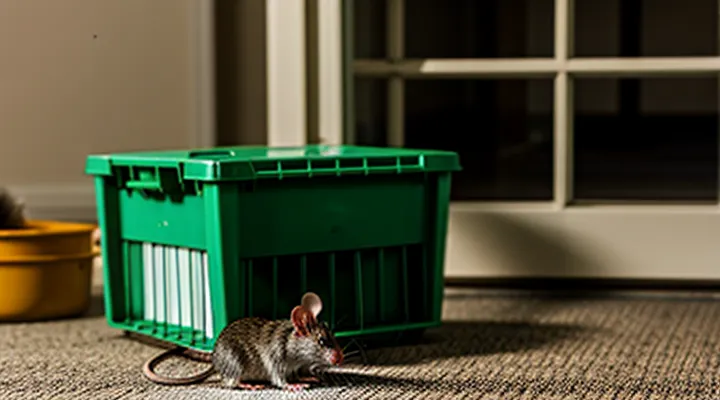
Why Choose Humane Live Traps?
The Problem with Traditional Methods
Health Risks to Humans and Pets
Live traps designed to catch mice without killing them present specific health considerations for household occupants and companion animals. Contact with trapped rodents can transmit pathogens such as hantavirus, leptospirosis, and salmonella. Direct handling of a live mouse increases exposure risk; protective gloves are recommended to prevent skin abrasions that facilitate infection.
Potential hazards for pets arise when a cat or dog interacts with a contained mouse. Predatory behavior may cause the animal to bite or chew the trap, leading to ingestion of saliva or feces that carry disease agents. Additionally, stress‑induced aggression from the trapped mouse can result in scratches to the pet’s paws or muzzle.
Key risk factors include:
- Inadequate cleaning of trap surfaces after release, allowing bacterial growth.
- Placement of traps in areas accessible to children, increasing accidental contact.
- Failure to secure the trap lid, permitting escape and subsequent spreading of contaminants.
- Use of bait containing toxic substances, which may be ingested by pets.
Mitigation measures:
- Disinfect traps with a dilute bleach solution after each use.
- Position traps out of reach of non‑target animals and young children.
- Employ sturdy, lockable lids that prevent accidental opening.
- Select non‑toxic bait alternatives, such as small pieces of cheese or grain.
Proper hygiene and strategic placement reduce the likelihood of disease transmission to humans and pets while maintaining humane capture standards.
Inhumane Practices
Inhumane methods of mouse control rely on lethal or distress‑inducing devices that compromise animal welfare. Common approaches include snap traps that deliver rapid impact but can cause misfires and prolonged suffering, glue boards that immobilize rodents without alleviating pain, and poison baits that result in internal organ failure after ingestion. These techniques often lack mechanisms to prevent unintended capture of non‑target species and generate hazardous waste for humans and pets.
Key drawbacks of such practices:
- Immediate or delayed pain without a humane endpoint.
- High probability of non‑target capture, affecting wildlife and domestic animals.
- Environmental contamination from chemical residues.
- Legal and ethical implications in jurisdictions that regulate animal cruelty.
Transitioning to live‑capture solutions eliminates these concerns. Devices designed for humane release incorporate smooth interiors, escape‑proof ventilation, and trigger mechanisms that avoid injury. Proper handling protocols ensure rapid release at appropriate distances from human habitation, minimizing stress for both the animal and the operator.
Benefits of Live Trapping
Ethical Considerations
Ethical assessment of non‑lethal rodent capture focuses on the welfare of individual mice and the broader responsibility of handlers. Live‑capture devices must minimize physical injury, prevent prolonged confinement, and reduce stress‑inducing stimuli. Design features such as smooth interior surfaces, appropriately sized chambers, and secure yet gentle triggering mechanisms contribute to these goals.
Humane release requires selection of release sites that offer shelter, access to food, and protection from predators. Timing of release should avoid extreme weather conditions and periods of heightened vulnerability, such as breeding seasons. Documentation of release locations supports accountability and facilitates post‑release monitoring.
Compliance with animal‑protection legislation and institutional guidelines governs the permissible use of live traps. Regulations typically mandate regular inspection intervals, humane handling procedures, and, when necessary, ethically justified euthanasia performed by qualified personnel.
Key considerations for responsible practice include:
- Frequent trap checks, preferably within a few hours of capture, to prevent dehydration and overheating.
- Utilization of escape‑proof yet non‑traumatic trap designs, ensuring that capture does not cause bruising or fractures.
- Provision of temporary holding containers that maintain appropriate temperature and ventilation.
- Training of personnel in low‑stress handling techniques and recognition of signs of distress.
- Record‑keeping of capture dates, locations, and outcomes to inform population‑level management decisions.
«The welfare of captured animals must be prioritized» underpins all operational decisions, reinforcing the moral imperative to treat each mouse with respect and care throughout the capture‑release process.
No Harm to Pests
Live traps designed for mice aim to capture without inflicting injury. The enclosure provides a smooth, rounded interior that eliminates sharp edges and prevents crushing. Sufficient ventilation maintains breathable air, while a gentle door mechanism releases only when the animal fully enters the chamber, avoiding partial trapping that could cause stress.
Key design elements that ensure safety include:
- Interior dimensions that accommodate adult mice comfortably, reducing the risk of confinement‑induced injury.
- Transparent walls for visual monitoring, eliminating the need to disturb the trap frequently.
- Trigger levers calibrated to activate with minimal force, preventing sudden jolts.
- Non‑stick flooring that discourages climbing attempts and reduces escape‑related injuries.
Bait selection influences stress levels. Natural food items such as grain or seed attract mice without provoking aggressive foraging behavior. Placement of bait at the far end of the chamber encourages complete entry, ensuring the animal is fully contained before the door closes.
Release procedures follow a strict protocol. After capture, the trap is transported to a location at least 100 meters from the original site, preferably in a natural habitat where shelter and food are abundant. The door is opened slowly, allowing the mouse to exit voluntarily. Immediate observation confirms successful release without injury.
Ethical guidelines mandate documentation of capture numbers and health assessments. Local regulations often require reporting of live‑capture activities to wildlife authorities, reinforcing accountability and promoting humane practices.
Types of Humane Live Traps
Single-Entry Traps
How They Work
Live traps designed for mice capture the animal without injury by employing a trigger‑activated enclosure. When a mouse contacts the trigger plate, a spring or lever releases a door that snaps shut, confining the rodent inside a sealed compartment while keeping the exterior accessible for later release.
Key components include a bait holder, a sensitive trigger mechanism, a hinged door, and a ventilation‑controlled chamber. The bait holder presents food that draws the mouse toward the trigger plate; the mechanism is calibrated to respond to the mouse’s weight, typically 10–30 grams, ensuring reliable activation without false releases from debris.
Operational sequence:
- Position bait in the designated holder.
- Adjust the trigger sensitivity according to the target species.
- Place the trap along established mouse pathways.
- Check the trap at regular intervals; once triggered, the door remains closed.
- Transport the trap to a release site and open the door to free the captured mouse.
The design eliminates lethal outcomes, reduces stress for the animal, and allows owners to manage infestations responsibly.
Advantages
Live traps designed for rodent capture provide a non-lethal alternative to conventional snap devices. By containing the animal unharmed, these traps enable relocation or release without causing injury.
Key advantages
- Humane outcome – The animal remains alive, reducing ethical concerns associated with killing methods.
- Legal compliance – In jurisdictions with animal welfare regulations, live capture satisfies statutory requirements.
- Population monitoring – Captured specimens can be examined for disease, age, or reproductive status, supporting scientific studies.
- Reduced secondary hazards – Absence of sharp components eliminates risk of accidental injury to humans or pets.
- Reusability – Durable construction allows repeated use, decreasing long‑term expenditures compared with disposable traps.
- Target specificity – Designs often incorporate bait choices that attract mice while minimizing capture of non‑target species.
Overall, live-capture devices align with humane pest‑management principles, facilitate data collection, and offer cost‑effective, repeatable operation.
Disadvantages
Humane mouse live traps provide a non‑lethal alternative to traditional snap devices, yet several limitations affect their practicality and effectiveness.
- Capture stress: Confinement in a small cage can induce acute stress responses, potentially compromising animal welfare despite the absence of fatal injury.
- Release logistics: Relocating captured rodents requires careful selection of release sites, adherence to local regulations, and transportation resources, increasing labor and cost.
- Bait specificity: Effective attraction often relies on specific food baits; variations in mouse diet or seasonal preferences can reduce trap success rates.
- Escape risk: Improperly sealed mechanisms or damaged traps allow escaped individuals, negating the intended humane outcome.
- Monitoring demand: Continuous observation is necessary to prevent prolonged deprivation of water and food, imposing a time‑intensive management requirement.
- Non‑target capture: Small mammals other than mice may enter the device, leading to unintended humane dilemmas and additional handling procedures.
Overall, the disadvantages of live capture devices involve heightened operational complexity, potential welfare concerns, and variable efficacy, factors that must be weighed against the ethical benefits of non‑lethal control.
Multi-Catch Traps
Design and Functionality
Live traps intended for mouse capture must balance durability, safety, and humane treatment. Effective designs incorporate materials that resist gnawing, such as reinforced plastics or metal mesh, while remaining lightweight for placement in various environments. Dimensions correspond to the typical body length of Mus musculus, providing sufficient interior space to prevent injury during confinement.
Key functional elements include:
- Entry portal – a single‑direction flap or tunnel that allows mice to pass inward but blocks outward movement, often employing a spring‑loaded hinge to ensure reliable closure.
- Trigger mechanism – a sensitive pressure plate or lever calibrated to activate at the weight of a mouse, releasing the door without excessive force that could cause trauma.
- Holding compartment – a smooth‑walled chamber with adequate ventilation, constructed to maintain a stable microclimate and to facilitate easy cleaning after release.
- Safety features – rounded edges, non‑sharp components, and a secure latch that prevents accidental opening by children or pets.
- Ease of use – a removable base or hinged lid that enables rapid inspection, cleaning, and release of the captured animal, supporting repeated deployment without disassembly of the entire unit.
Design refinements such as transparent side panels allow visual monitoring without disturbing the occupant, while integrated bait holders position attractants at optimal distances from the entry point. The overall configuration aims to capture mice efficiently, maintain their health, and simplify the post‑capture process, thereby aligning with the principle of «humane» pest control.
Ideal Scenarios for Use
Live capture devices designed for rodents provide a non‑lethal alternative to traditional extermination methods. Their effectiveness depends on selecting environments where mice are confined, motivated, and unlikely to escape after release.
- Residential kitchens where food spillage creates strong attractants; traps placed near countertops or pantry entrances capture foraging individuals.
- Small‑scale agricultural storage facilities, such as grain bins, where mouse activity threatens product loss; devices positioned at entry points prevent infestation spread.
- Laboratory animal rooms requiring strict biosecurity; live capture units allow removal without contaminating experimental subjects.
- Commercial restaurants with health‑code requirements; traps installed behind service stations reduce population while maintaining humane standards.
- Vacant or seasonal properties where temporary monitoring is needed; portable devices enable periodic checks without permanent chemical residues.
Successful deployment requires regular bait replacement, trap inspection at least twice daily, and immediate relocation of captured mice to a suitable release site far from the original location. Proper sanitation and exclusion of entry gaps enhance trap efficiency and minimize repeat captures.
DIY Live Trap Solutions
Simple Bottle Traps
Simple bottle traps provide an effective, low‑cost option for humane mouse capture. The device consists of a clear plastic or glass bottle, a funnel or inverted cone, and a bait chamber. Construction requires cutting a small opening near the bottle’s neck, inserting the funnel so that mice can enter but cannot reverse their path, and securing the funnel with tape or a rubber band. Bait such as peanut butter, oats, or sunflower seeds placed at the funnel base attracts rodents without causing harm.
Key considerations for deployment:
- Position traps along walls, behind appliances, or near known activity trails; mice prefer routes offering concealment.
- Maintain a distance of 12–18 inches between multiple traps to increase coverage while preventing competition.
- Check traps at least twice daily; prompt removal reduces stress and prevents overcrowding.
- Release captured mice at least 100 feet from the building, preferably in a wooded or field area, to discourage immediate return.
Advantages include:
- Visibility of captured rodents, allowing verification of success.
- Reusability after thorough cleaning and disinfection.
- Elimination of lethal chemicals or electric components.
Limitations encompass:
- Potential for non‑target capture, requiring careful placement.
- Requirement for regular monitoring to ensure humane treatment.
- Limited capacity; each bottle holds a single mouse before release is necessary.
Bucket Traps
Bucket traps offer a practical solution for humane mouse capture. The device consists of a sturdy container, typically a 5‑gallon plastic bucket, positioned with a smooth ramp leading to its rim. When a mouse climbs the ramp in search of bait, its weight tilts the ramp, causing the animal to fall into the bucket where it cannot escape.
Key components include:
- A smooth, angled ramp that prevents climbing back out.
- A secure lid or mesh cover that allows ventilation while containing the captured mouse.
- Bait placed at the far end of the ramp, such as peanut butter or dried fruit, to encourage entry.
Advantages of bucket traps are:
- Reusability: the bucket can be emptied, cleaned, and redeployed without additional cost.
- Non‑lethal capture: mice remain alive, enabling release at a suitable distance from the premises.
- Minimal maintenance: only the bait and ramp require periodic replacement.
Effective deployment requires strategic placement. Areas with high mouse activity, such as along walls, near pantry shelves, or behind appliances, provide optimal access points. The ramp should be secured to the bucket with sturdy tape or zip ties to prevent displacement.
After capture, release the mouse at least 100 meters from the building to reduce the likelihood of return. Release should occur in a natural setting with adequate shelter and food sources. Clean the bucket with mild detergent and disinfectant before setting the trap again to prevent disease transmission.
Setting Up Your Live Trap
Optimal Placement
Identifying Mouse Activity
Identifying mouse activity is a prerequisite for effective humane capture. Accurate detection of movement patterns allows placement of live traps where rodents are most likely to encounter them, reducing stress and increasing capture rates.
Typical indicators of mouse presence include:
- Fresh droppings, typically ¼‑inch long, found along walls or in cabinets.
- Gnaw marks on food packages, wiring, or wood.
- Nests composed of shredded paper, fabric, or insulation.
- Visible footprints in dusty areas or on smooth surfaces.
- Scratching sounds emitted during nocturnal foraging.
- Damage to stored food or packaging.
Tools that enhance detection:
- High‑intensity flashlights reveal droppings and tracks in dark corners.
- Non‑toxic tracking powders leave temporary footprints for visual confirmation.
- Infrared motion‑activated cameras record activity without disturbance.
- Passive infrared sensors trigger alerts when rodents cross predefined zones.
Timing considerations:
- Mice are primarily nocturnal; peak activity occurs between dusk and dawn.
- Placement of live traps along established runways—walls, baseboards, and behind appliances—aligns with observed pathways.
- Monitoring for several consecutive nights establishes consistent routes, informing optimal trap locations.
Key Locations
Strategic placement of live mouse traps maximizes humane capture rates while minimizing stress on the animal. Identifying areas of frequent activity directs effort toward the most productive sites.
- Along interior walls where mice travel, typically within 12 inches of the baseboard.
- Near known entry points such as gaps around pipes, vents, or utility conduits.
- In the vicinity of food sources, including pantry shelves, garbage disposals, and pet feeding stations.
- Behind appliances that generate heat or vibration, for example refrigerators, stoves, or water heaters.
- Within concealed spaces like crawl spaces, attics, and wall voids that provide shelter and nesting material.
Regular inspection of traps ensures timely release and prevents prolonged confinement. Monitoring locations for repeated activity informs adjustments to trap placement and reinforces an ethical approach to rodent management.
Baiting Techniques
Effective Bait Choices
Effective bait selection determines the success of humane capture devices for small rodents. Bait must appeal to the mouse’s innate dietary preferences, remain stable within the trap, and avoid contaminating the enclosure.
- «Peanut butter» – strong odor, high fat content, adheres to trap surfaces, reduces spillage.
- «Sunflower seeds» – natural seed, attractive to foraging mice, easy to position.
- «Oats with a touch of honey» – sweetened grain mimics natural food sources, encourages prolonged investigation.
- «Bits of dried fruit» – aromatic, high sugar, useful in colder climates when mice seek energy-dense food.
- «Small pieces of cooked chicken or turkey» – protein-rich, effective when rodents display carnivorous tendencies.
Bait preparation should involve minimal handling to preserve scent integrity. Apply a thin layer of soft attractant (e.g., peanut butter) to the trap’s trigger mechanism, then overlay a solid food item to prevent the lure from being removed prematurely. Rotate bait types every 3–4 days to prevent habituation and maintain curiosity.
Considerations include the mouse’s seasonal diet shifts, local availability of food sources, and the need to keep the trap interior dry. Avoid strong spices, citrus, or artificial sweeteners, as these may deter rather than attract. Regular cleaning removes residual odors that could influence future capture rates.
Bait Placement Strategy
Effective bait placement determines capture success in humane mouse-catching devices. Position bait where rodents travel most frequently, such as along walls, behind appliances, and near food storage areas. Ensure the trap remains stable and the bait is concealed enough to prevent premature removal but visible enough to attract attention.
Key considerations for bait deployment:
- Choose aromatic, high‑fat attractants; common options include peanut butter, sunflower seed butter, and small pieces of cooked meat.
- Apply a thin layer directly onto the trigger mechanism to encourage contact without obscuring the trap’s operation.
- Place bait no more than ¼ inch from the trigger edge to minimize hesitation.
- Rotate bait types every 3–4 days to prevent habituation and maintain interest.
- Inspect traps daily; replace spoiled bait promptly to preserve effectiveness.
Environmental factors influence placement decisions. In colder months, position traps near warmth sources, such as heating vents or pipe insulation, where mice seek shelter. In cluttered spaces, clear a narrow pathway to the bait to guide rodents into the trap without obstruction.
Monitoring results allows adjustment of strategy. If capture rates decline, relocate traps to alternative travel routes, alter bait composition, or increase the number of devices in high‑traffic zones. Consistent application of these principles maximizes humane capture while minimizing stress to the target animals.
Safety Precautions
Handling Traps Safely
When using live capture devices for rodents, safety begins with proper preparation. Before handling any trap, inspect the mechanism for damage, rust, or loose components. Replace worn parts to prevent accidental release or injury.
Wear protective gloves to shield skin from bites and potential disease transmission. Secure the trap on a stable surface; a non‑slipping mat or a sturdy countertop reduces the risk of the device tipping over during bait placement.
When setting the trap, follow these steps:
- Open the latch fully, ensuring the door remains unlocked.
- Position bait at the far end of the chamber, avoiding direct contact with the trigger mechanism.
- Close the latch gently until it clicks into the locked position.
- Test the door by applying light pressure; it should close without resistance and reopen only when the trigger is released.
After capture, approach the trap calmly. Keep the door closed until the mouse is transferred to a release enclosure. Use a towel or gloved hand to support the trap while moving it, preventing sudden opening.
If a trap malfunctions, disconnect it from the bait area immediately and store it out of reach of children and pets. Clean the interior with a mild disinfectant after each use, allowing it to dry completely before resetting.
Regularly review manufacturer instructions for any model‑specific safety recommendations. Maintaining these practices minimizes hazards for both the handler and the captured animal.
Protecting Yourself and Your Home
Humane live‑capture devices for rodents provide a practical means of removing mice without lethal methods, yet effective use requires attention to personal safety and home protection.
When setting a trap, wear disposable gloves to prevent direct contact with urine, droppings, or potential pathogens. Disinfect hands after handling traps, even if gloves are used, because rodent saliva can carry hantavirus and other diseases. Store traps out of reach of children and pets; secure them on stable surfaces to avoid accidental tipping that could release captured animals.
Maintain a clean environment to deter re‑infestation. Seal gaps around doors, windows, and utility penetrations with steel‑wool or caulk, eliminating entry points. Remove food sources by storing grain, cereal, and pet food in airtight containers, and promptly clean crumbs and spills. Regularly inspect stored items for signs of gnawing or droppings.
Key precautions for handling captured mice:
- Transfer the animal to a secure container using gloves and a sturdy tool such as a disposable scoop.
- Release the mouse at least 100 meters from the residence, preferably in a wooded or grassy area where it can find shelter.
- Clean the trap with hot, soapy water followed by a disinfectant solution; rinse thoroughly before reuse.
- Dispose of any bedding or attractant material that has contacted the animal, as it may harbor parasites.
By combining proper protective equipment, rigorous sanitation, and structural exclusion measures, occupants safeguard their health while employing humane capture techniques that respect animal welfare.
Releasing Captured Mice
Choosing a Release Location
Distance from Your Home
When employing live capture devices for rodents, the placement distance from the dwelling’s interior significantly influences trap efficiency and humane outcomes. Positioning traps too close to high‑traffic zones may expose non‑target animals, while excessive distance reduces encounter rates with mice seeking shelter.
Key distance considerations include:
- Proximity to suspected entry points: 0.3 – 0.6 m from gaps in walls, foundations, or utility penetrations.
- Separation from food sources: at least 0.5 m away from pantry shelves, garbage containers, or pet feeding stations.
- Clearance from pet activity zones: maintain a minimum of 1 m to prevent accidental capture of cats or dogs.
- Alignment with mouse pathways: 0.2 – 0.4 m from baseboard edges or concealed conduits where rodents travel.
Shorter distances increase the likelihood of rapid capture, reducing stress and injury. Conversely, excessive separation diminishes trap encounters, prolonging infestation and potentially encouraging aggressive foraging behavior.
To implement optimal spacing, measure each target area with a tape measure, record distances, and adjust trap positions after initial observations. Re‑evaluate after 24‑48 hours; if capture rates remain low, shift traps incrementally toward identified activity corridors while preserving the minimum safe distances outlined above. This systematic approach balances humane capture objectives with effective pest management.
Suitable Environment
A suitable environment maximizes the effectiveness of humane rodent capture devices while minimizing stress on the captured animal.
- Placement near established mouse pathways, typically along walls or behind appliances, directs activity toward the trap.
- Proximity to shelter sites, such as stored boxes or cluttered corners, increases encounter probability.
- Ambient temperature should remain within the species’ comfortable range (approximately 15–25 °C) to prevent hypothermia after capture.
- Relative humidity between 30 % and 60 % reduces the risk of excessive moisture accumulation inside the enclosure.
- Areas free from predators, including cats and birds of prey, prevent panic responses that could cause escape attempts.
Position traps at low‑traffic zones to avoid frequent disturbances that may deter mice from entering. Secure the device on a stable surface to prevent tipping and ensure the entry tunnel aligns with natural movement patterns.
Regular monitoring, at intervals of no more than 12 hours, guarantees prompt release and maintains sanitary conditions. Cleaning the interior with mild detergent after each capture removes scent markers that could discourage subsequent use.
Bait selection should reflect local dietary preferences; common choices include peanut butter, rolled oats, or dried fruit. Apply a modest amount to the trigger plate to attract without creating a mess that could deter entry.
By adhering to these environmental parameters, live-catch systems operate efficiently, delivering humane outcomes and reliable population control.
Safe Handling and Release
Minimizing Stress for the Mouse
Effective capture of a mouse without inducing undue stress requires attention to several key factors. Select a trap that matches the animal’s size, providing enough space for natural posture while preventing excessive movement. Use bait that appeals to the species without causing rapid excitement; soft foods such as grain or peanut butter work well. Position traps along established runways, near walls, and away from bright lights to align with the mouse’s natural avoidance of open areas.
Implement procedures that limit handling time and disturbance. Once the mouse is secured, cover the trap with a breathable cloth to reduce visual stimuli. Transfer the animal to a release site promptly, preferably within a short, pre‑planned distance that offers shelter and food sources. Allow the mouse a brief acclimation period in a quiet, dimly lit enclosure before opening the door to the outdoors.
Practical steps for stress reduction:
- Choose a trap with smooth interior surfaces to prevent injuries.
- Place a single piece of soft bedding at the bottom to cushion movement.
- Check traps at regular intervals, not exceeding two hours, to avoid prolonged confinement.
- Release the mouse during low‑light periods to ease transition to the external environment.
Adhering to these measures enhances the humane nature of live‑capture devices while maintaining effectiveness.
Personal Safety Measures
When employing humane rodent live‑capture devices, personal safety must remain a priority. Direct contact with trapped animals can transmit diseases; sharp components of traps pose puncture hazards. Proper preparation reduces risk for the operator and for other occupants of the area.
- Wear disposable nitrile gloves to prevent skin exposure to saliva, urine, and potential pathogens.
- Use safety goggles or clear face shields to shield eyes from sudden movements when releasing captured mice.
- Position traps on stable, flat surfaces to avoid tipping that could cause sudden release or injury.
- Secure traps with a firm, non‑slip base; avoid placement near high‑traffic zones where accidental disturbance is likely.
- Inspect traps before each use; confirm that trigger mechanisms operate smoothly without excessive force.
- After capture, transfer the animal using a sealed container; release it promptly at a suitable outdoor location, away from residential structures.
Additional precautions address vulnerable individuals and household pets. Keep traps out of reach of children; store them in locked cabinets when not in use. Ensure pets are supervised to prevent accidental triggering or exposure to captured rodents. Clean and disinfect traps after each use with an EPA‑approved disinfectant, then allow components to dry completely before storage. Regular maintenance—checking for wear, rust, or broken springs—preserves both trap effectiveness and operator safety.
Preventing Re-infestation
Sealing Entry Points
Sealing entry points prevents mice from entering living spaces, thereby reducing the need for repeated trapping. Identifying potential gaps involves inspecting walls, floors, and foundations for openings larger than a quarter‑inch. Common sources include:
- Cracks around utility penetrations
- Gaps beneath doors and windows
- Openings around pipes, vents, and cables
- Holes in siding, baseboards, or roofing material
Repair methods depend on the size and material of the opening. Small cracks can be filled with caulk or expanding foam; larger gaps require steel wool backed by hardware cloth, followed by sealant or mortar. Door sweeps and weatherstripping block gaps beneath entry doors, while mesh screens cover ventilation openings. Exterior foundations benefit from concrete patches or metal flashing to eliminate underground access.
Regular inspection after weather changes ensures that newly formed gaps are addressed promptly, maintaining an environment where live‑capture devices remain effective without attracting additional rodents.
Maintaining a Clean Environment
Maintaining a clean environment is essential for the effectiveness of humane mouse capture devices. Reducing food sources, shelter, and entry points limits rodent activity and increases the likelihood that live traps will attract the target animals.
Key practices include:
- Storing food in sealed containers and promptly cleaning crumbs from countertops, floors, and appliances.
- Removing clutter such as piles of newspapers, cardboard boxes, and fabric scraps that provide nesting material.
- Sealing gaps around doors, windows, and utility openings with weather‑stripping or steel wool to prevent entry.
- Regularly emptying garbage bins, using tight‑fitting lids, and disposing of waste away from the building.
- Sweeping and mopping high‑traffic areas to eliminate droppings and urine, which serve as scent trails for mice.
In addition to sanitation, positioning live traps in locations where rodents travel—along walls, behind appliances, and near identified droppings—enhances capture rates. Traps should be checked daily; captured mice must be released at a distance that prevents re‑entry, typically at least one mile from the property.
«Cleanliness prevents infestation», a principle supported by pest‑management research, underscores the direct correlation between hygiene and reduced rodent populations. Consistent application of these measures creates an environment where humane capture methods operate at optimal efficiency.
Beyond Trapping: Long-Term Mouse Control
Exclusion Techniques
Sealing Cracks and Holes
Sealing cracks and holes eliminates entry points that allow mice to access a building, thereby increasing the effectiveness of live‑trap programs that prioritize humane capture.
Inspection begins with a systematic survey of the interior and exterior envelope. Common locations include foundation joints, utility penetrations, gaps around doors and windows, and openings at vent ducts. Visual assessment combined with a tactile probe identifies openings as small as ¼ inch.
Materials selected for sealing must resist chewing and weathering. Recommended options are steel‑wool mesh, expanding polyurethane foam, cement‑based sealants, and metal flashing. Each material matches specific gap dimensions and exposure conditions.
Application procedure:
- Clean surface to remove debris and moisture.
- Insert steel‑wool into larger voids, trimming excess flush with the surrounding material.
- Apply sealant over the filler, smoothing to create a continuous barrier.
- For exterior cracks, attach metal flashing before sealing to provide structural reinforcement.
Periodic inspection verifies the integrity of repairs. Re‑application of sealant addresses shrinkage or damage caused by building movement. Maintaining a sealed envelope reduces the need for repeated trap deployment and supports ethical pest‑control strategies.
Protecting Vents and Openings
Protecting vents, ducts, and other openings is a prerequisite for effective humane mouse capture. Unsecured gaps allow rodents to bypass traps, increase exposure to allergens, and compromise building integrity.
- Install mesh screens with openings no larger than ¼ inch over vents and exhaust ports.
- Apply steel wool or copper mesh to gaps around pipe sleeves, wiring holes, and foundation cracks.
- Seal gaps with silicone-based caulk after installing barrier material to prevent re‑entry.
- Use removable covers on attic and crawl‑space vents to allow periodic inspection without disabling the barrier.
Regular inspection ensures barriers remain intact. Check for wear, corrosion, or displacement after each trapping cycle. Replace damaged sections promptly to maintain a continuous exclusion zone.
Integrating these protective measures with live‑capture devices reduces the likelihood of escape, limits secondary infestations, and supports a humane approach to rodent management.
Sanitation and Housekeeping
Food Storage Best Practices
Effective food storage reduces the likelihood of attracting rodents to humane capture devices. Seal containers with airtight lids, store items on elevated shelves, and keep storage areas clean of crumbs and spills. Regularly inspect packaging for tears or openings that could allow scent leakage.
Key practices:
- Use metal or heavy‑plastic containers with snap‑tight seals.
- Position food away from walls and trap locations to create a barrier.
- Rotate stock, placing newer supplies behind older ones to prevent prolonged exposure.
- Maintain a temperature range that discourages rodent activity, typically below 20 °C for dry goods.
- Conduct weekly audits, discarding expired or compromised items.
«Proper storage prevents pest attraction», reinforcing the connection between disciplined inventory management and the success of live‑capture strategies.
Waste Management
Effective waste management is essential when employing humane mouse capture devices. Proper handling of captured rodents prevents disease transmission, reduces odor, and ensures compliance with local regulations.
Captured animals must be processed promptly. Options include release at a suitable distance from the property, euthanasia following veterinary guidelines, or donation to licensed research facilities. Each method requires secure containment, protective gloves, and sealed containers for transport. Disposal containers should be labeled, stored away from food preparation areas, and emptied according to municipal waste schedules.
Trap sanitation and bait residue management demand regular attention. After each capture, traps should be disassembled, washed with hot, soapy water, and rinsed with a disinfectant solution. Bait remnants, such as grain or peanut butter, must be collected and placed in sealed bags to avoid attracting pests. Periodic deep cleaning with a diluted bleach solution (1 % concentration) eliminates lingering pathogens.
Key waste‑handling practices:
- Use dedicated, leak‑proof containers for live specimens and carcasses.
- Store containers in a cool, dark location until disposal.
- Label all waste with «Live‑capture waste – handle with care».
- Follow local ordinances for animal carcass disposal; many jurisdictions require rendering or incineration.
- Record disposal dates and methods for audit purposes.
Integrating these procedures into routine trap maintenance safeguards human health, protects the indoor environment, and upholds the ethical standards of humane rodent control.
Natural Deterrents
Peppermint Oil
Peppermint oil is a volatile essential oil extracted from Mentha piperita leaves. Its strong, menthol‑rich aroma interferes with the olfactory receptors of rodents, creating an environment that mice tend to avoid. When incorporated into humane capture systems, the oil can reduce the likelihood of repeated entry into a live trap, thereby increasing the probability of a successful, non‑lethal capture.
Application methods include:
- Soaking a small cotton ball in undiluted oil and placing it near the trap entrance.
- Adding a few drops to a cloth strip secured to the trap’s interior surface.
- Distributing a thin layer of oil on the floor surrounding the trap to form a perimeter barrier.
The oil’s low toxicity makes it safe for use around humans and pets when applied in limited quantities. It does not cause physical harm to the captured mouse, aligning with ethical capture objectives. However, the scent dissipates quickly; reapplication every 24 hours is necessary to maintain efficacy. Excessive concentration may irritate the mouse’s respiratory system, potentially compromising the humane intent of the method.
Research indicates that peppermint oil alone does not guarantee capture, but it serves as an effective adjunct to mechanical trapping devices. Combining the repellent with a well‑designed live trap maximizes success rates while preserving the animal’s welfare.
Other Repellents
Various non‑lethal deterrents complement live‑capture strategies for rodent management. These alternatives reduce mouse activity without harming animals, allowing traps to function more efficiently.
Common supplemental deterrents include:
- Ultrasonic emitters that generate frequencies uncomfortable for rodents while remaining inaudible to humans.
- Natural essential oils such as peppermint, eucalyptus, or citrus, applied on cotton balls or cloth strips to create an aversive scent field.
- Predator‑derived products, for instance, powdered fox or cat urine, which trigger instinctive avoidance behavior.
- Commercially formulated granular repellents containing plant extracts, spread along baseboards and entry points.
- Physical barriers like steel wool or copper mesh placed in gaps to prevent ingress while permitting ventilation.
Effective deployment combines repellents with strategically positioned live‑capture devices. Rotate scent‑based products regularly to prevent habituation. Verify that ultrasonic units cover the intended area, adjusting placement to avoid obstacles that block sound propagation. Monitor mouse activity to assess deterrent impact, adjusting the mix of methods as needed for sustained control.