
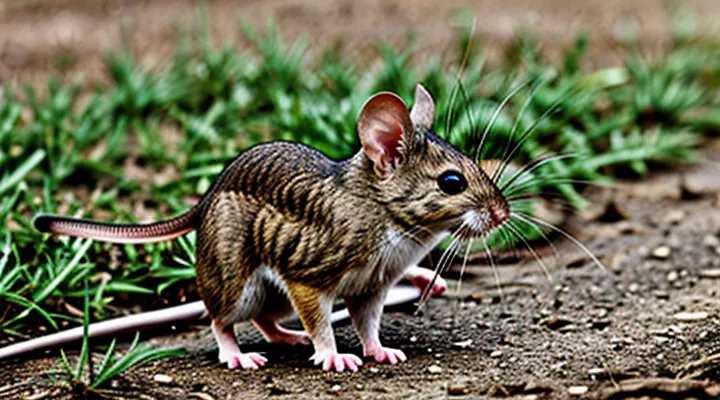
Mouse Control Techniques
Non-Lethal Approaches
Live Trapping
Live trapping provides a non‑lethal means of managing mouse populations while allowing for individual assessment, health screening, and relocation. The technique relies on cages or box traps that capture animals without injury, enabling researchers and pest managers to gather data on species, age, sex, and disease status before deciding on further action.
Effective deployment requires careful selection of trap type, bait, and placement. Commonly used devices include Sherman live traps, multi‑capture box traps, and custom‑fabricated wooden cages. Bait mixtures such as peanut butter, oats, or dried fruit attract mice without causing habituation. Traps should be positioned along walls, near nesting sites, and in areas with visible gnaw marks, typically within 1–2 m of each other to maximize capture probability.
Operational protocols that uphold humane standards include:
- Checking traps at intervals of no longer than two hours during active periods to prevent stress or dehydration.
- Handling captured mice with gloved hands or soft tools to avoid bruising.
- Recording capture details (date, location, trap ID, animal metrics) in a standardized log.
- Assessing health condition; visibly injured or sick individuals receive immediate veterinary attention.
- Relocating healthy mice to a suitable release site at least 2 km from the original location, ensuring access to shelter and food resources.
Compliance with local wildlife regulations and institutional animal care guidelines is mandatory. Documentation of trap density, bait composition, and release outcomes supports transparent reporting and facilitates evaluation of control efficacy. By integrating precise methodology with ethical oversight, live trapping remains a reliable component of comprehensive mouse management programs.
Repellents and Deterrents
Repellents and deterrents constitute a core component of non‑lethal mouse management, offering alternatives to traps and poisons while addressing welfare concerns.
Effective options fall into several categories:
- Chemical repellents: aerosol or liquid formulations containing volatile compounds such as peppermint oil, capsaicin, or ammonia; applied to entry points and surfaces where activity is observed.
- Ultrasonic devices: emit high‑frequency sound waves beyond human hearing; positioned near nesting sites and along wall voids.
- Scent‑based deterrents: solid or granular products infused with predator odors (e.g., fox urine) or strong aromatic substances; placed in corners, cupboards, and behind appliances.
- Physical barriers: metal mesh, copper foil, or sealed door sweeps that obstruct gnawing and entry; installed around vents, utility openings, and foundation cracks.
Selection criteria include target species sensitivity, environmental compatibility, and duration of effect. Chemical and scent deterrents require reapplication after cleaning or moisture exposure; ultrasonic units demand uninterrupted power supply and periodic placement checks to avoid desensitization.
Ethical considerations focus on minimizing distress and preventing accidental harm to non‑target organisms. Products labeled as humane must lack toxic ingredients and avoid causing pain. Environmental impact assessments recommend biodegradable formulations and low‑energy electronic devices.
Best practices integrate repellents with sanitation and exclusion measures: eliminate food residues, store grains in sealed containers, repair structural defects, and monitor activity with motion‑activated cameras or tracking powders. Combining multiple deterrent types enhances coverage and reduces the likelihood of habituation, supporting a sustainable, humane approach to mouse control.
Habitat Modification
Effective mouse control begins with altering the environment that supports rodent populations. Reducing shelter, food availability, and entry points eliminates the conditions that encourage colonization. Implementing structural changes yields lasting population suppression without reliance on lethal measures.
Key modifications include:
- Sealing cracks, gaps, and utility penetrations with steel wool, caulk, or metal flashing.
- Removing clutter, debris, and stored materials that provide nesting sites.
- Elevating food storage containers and securing waste in sealed containers.
- Maintaining vegetation at a distance from building foundations and trimming overgrown foliage.
- Installing door sweeps and weather stripping to block ground-level access.
Ethical considerations demand that habitat alteration prioritize humane outcomes and minimize distress. Non‑lethal interventions respect animal welfare while aligning with regulatory standards. Documentation of changes and regular inspections ensure compliance and allow adjustment of strategies as needed.
Long‑term success relies on integrating habitat modification with monitoring protocols. Periodic surveys detect re‑infestation early, prompting corrective actions before populations expand. This systematic approach supports responsible rodent management and upholds ethical obligations.
Lethal Methods
Snap Traps
Snap traps remain a primary tool in rodent control programs that target house mice. The device consists of a spring‑loaded bar that releases upon contact with a trigger, delivering a rapid, lethal force to the animal. Construction typically involves a wooden or plastic base, a metal plate, and a bait cup, allowing quick assembly and disposal after use.
Effectiveness depends on precise placement and bait selection. Studies show capture rates above 80 % when traps are positioned along established runways, near walls, and close to food sources. Preferred baits include peanut butter, rolled oats, or small pieces of dried fruit, applied sparingly to avoid deterring the mouse.
Ethical considerations focus on minimizing suffering and preventing non‑target injuries. Proper alignment of the spring ensures an instantaneous kill; misaligned traps may cause prolonged distress. Regulations in many jurisdictions require that snap traps meet specific force thresholds to guarantee rapid incapacitation. Users must inspect traps after each activation, remove captured rodents promptly, and dispose of carcasses according to local health guidelines.
Best practices for snap‑trap deployment:
- Locate traps at points where mice travel, typically within 2 inches of walls.
- Use a single bait droplet to attract without encouraging multiple visits.
- Check traps at least twice daily to reduce exposure time for captured animals.
- Reset or replace traps immediately after a capture to maintain consistent pressure.
- Store unused traps out of reach of children and pets, labeling them clearly.
Glue Traps
Glue traps are flat boards coated with a fast‑acting adhesive designed to immobilize rodents upon contact. The adhesive remains effective for several weeks, even in humid environments, and requires no electricity or bait to function.
Effectiveness
- Captures mice that walk across the surface, regardless of age or size.
- Provides immediate evidence of capture, facilitating monitoring of infestation levels.
- Requires minimal maintenance; a single trap can service a localized area for up to 30 days.
Advantages
- Low purchase price compared to electronic or snap devices.
- Compact design allows placement in tight spaces such as behind appliances or within wall voids.
- No risk of projectile injury to humans or pets, unlike snap traps.
Disadvantages
- Captured animals suffer prolonged distress, often leading to dehydration or injury before death.
- Disposal demands careful handling to avoid accidental contact with the adhesive.
- Non‑target species, including insects and small reptiles, may be trapped inadvertently.
- Adhesive loses potency when exposed to dust or oil, reducing reliability over time.
Ethical considerations
- The method inflicts pain without providing a quick, humane end; many animal‑welfare guidelines classify glue traps as inhumane.
- Regulatory agencies in several jurisdictions have restricted or banned their sale for pest control, citing cruelty concerns.
- Ethical pest management programs prioritize methods that minimize suffering, such as live‑catch traps with immediate release or snap devices calibrated for rapid kill.
Legal status
- United Kingdom: banned for use in public and private settings under the Animal Welfare (Sentencing and Recognition of Sentient Animals) Act.
- United States: allowed in most states, but several municipalities have enacted local prohibitions.
- European Union: subject to ongoing review; some member states have imposed strict labeling requirements.
Alternatives
- Snap traps with calibrated spring tension for rapid kill.
- Live‑catch cages paired with humane euthanasia protocols.
- Integrated pest‑management (IPM) strategies that combine exclusion, sanitation, and population monitoring to reduce reliance on lethal devices.
In practice, glue traps may serve as a short‑term monitoring tool where rapid detection is essential, but their use for long‑term control conflicts with humane standards and emerging regulations. Decision‑makers should weigh the immediate capture benefits against ethical implications and legal constraints, favoring alternatives that achieve effective reduction of mouse populations while respecting animal welfare.
Electronic Traps
Electronic traps are battery‑ or mains‑powered devices that deliver a lethal electric shock to a mouse upon detection. Sensors, usually infrared or pressure‑based, activate the circuit the moment the animal enters the chamber, ensuring immediate termination.
The operational principle relies on a high‑voltage, low‑current pulse that disrupts the nervous system. The enclosure prevents escape, and the design typically includes a transparent front for visual verification of capture.
- Rapid kill within milliseconds
- No chemical residues or bait exposure
- Reusable; one‑time cost after purchase
- Clear evidence of kill (visual confirmation)
- Minimal risk of secondary poisoning
Ethical assessment focuses on humane death, reduced suffering, and avoidance of non‑target impacts. The instantaneous shock aligns with accepted standards for humane rodent control, and the absence of poisons eliminates secondary mortality in predators or scavengers.
Effective deployment requires placement along established travel routes, near walls, and away from food storage. Power sources must be reliable; rechargeable batteries should be inspected weekly, while plug‑in units need uninterrupted electricity. After each kill, the carcass must be removed, the chamber cleaned with mild detergent, and the device reset for the next activation. Regular inspection of sensor alignment and electrode integrity preserves performance and ensures compliance with animal welfare guidelines.
Poison Baits
Poison baits consist of a palatable matrix combined with a toxicant that disrupts the physiological processes of rodents. Common active ingredients include anticoagulants (e.g., brodifacoum, difenacoum), neurotoxins (e.g., bromethalin), and metabolic disruptors (e.g., zinc phosphide). Formulations are designed for rapid consumption and delayed lethality, allowing the mouse to feed multiple times before death.
Effective deployment requires precise dosage and strategic placement. Recommended practices are:
- Use baits calibrated to deliver a lethal dose for a single mouse within a 0.5‑gram portion.
- Position stations along walls, behind appliances, and near known activity trails.
- Rotate bait locations every 2‑3 days to prevent bait avoidance.
Risks extend beyond the target species. Non‑target mammals, birds, and reptiles may ingest baits directly or suffer secondary poisoning by consuming dead mice. Soil and water contamination can occur if baits are left exposed to weather. Mitigation measures include:
- Enclosed bait stations that restrict access to rodents.
- Bait formulations with reduced secondary toxicity profiles.
- Prompt removal of deceased rodents to limit scavenger exposure.
Regulatory frameworks govern the sale, labeling, and application of rodenticides. In many jurisdictions, licensed professionals must apply products classified as second‑generation anticoagulants. Labels mandate storage in locked containers, clear signage, and disposal of unused bait according to hazardous waste guidelines.
Ethical assessment balances pest control efficacy against animal welfare and ecological impact. While poison baits achieve rapid population reduction, they raise concerns about suffering and unintended mortality. Integrating non‑chemical strategies—such as exclusion, sanitation, and trapping—reduces reliance on toxicants and aligns control programs with humane standards. When poison baits are employed, strict adherence to placement protocols, monitoring, and mitigation reduces ethical drawbacks while maintaining effectiveness.
Professional Pest Control
Professional pest‑control operators address rodent infestations with systematic assessment, targeted intervention, and ongoing verification. Their work integrates species identification, population density estimation, and risk analysis to determine the most effective control plan for mouse problems.
Common interventions include:
- Snap or live traps positioned along established runways and near food sources.
- Rodenticides applied according to label instructions, with bait stations placed to prevent non‑target exposure.
- Structural exclusion: sealing entry points, installing door sweeps, and reinforcing building envelopes.
- Integrated monitoring: periodic inspection, trap counts, and data logging to gauge treatment efficacy.
Ethical practice mandates humane treatment of captured animals, adherence to local regulations governing pesticide use, and minimization of environmental contamination. Operators must select devices that cause rapid loss of consciousness, employ bait formulations with low secondary toxicity, and document disposal procedures for dead rodents.
Certification programs require training in species behavior, safety protocols, and record‑keeping standards. Certified technicians maintain detailed logs of inspection dates, methods employed, and outcomes, enabling accountability and continuous improvement of mouse‑control operations.
Ethical Considerations in Mouse Control
Animal Welfare
Minimizing Suffering
Effective rodent control requires protocols that reduce pain and distress for the animals. Researchers and practitioners must select techniques that limit physiological trauma, avoid prolonged immobilization, and ensure rapid loss of consciousness when lethal methods are employed.
Key practices for minimizing suffering include:
- Using snap traps with calibrated spring tension to produce instantaneous incapacitation.
- Applying CO₂ chambers with controlled flow rates that achieve humane euthanasia within seconds.
- Implementing live‑capture devices that allow immediate release of non‑target species, thereby preventing unnecessary harm.
- Administering anesthetic agents before invasive procedures, following dosage guidelines established by veterinary standards.
Monitoring and documentation are essential. Record the time to unconsciousness, behavioral indicators of stress, and post‑procedure outcomes. Data enable continuous refinement of methods and compliance with ethical regulations.
Training personnel in proper handling, trap placement, and emergency response further reduces the risk of accidental injury. Regular audits of equipment integrity and procedural adherence reinforce a culture of responsibility and humane practice.
Humane Euthanasia
Humane euthanasia for field‑captured mice requires methods that cause immediate loss of consciousness and rapid death, minimizing pain and distress. Regulatory agencies such as the AVMA and regional animal welfare committees define acceptable techniques, and compliance is mandatory for research institutions and professional pest‑control operators.
Effective methods include:
- Cervical dislocation performed by trained personnel, ensuring swift severance of the spinal cord.
- Commercially approved carbon dioxide chambers calibrated to 70 % concentration, delivering rapid unconsciousness followed by death.
- Overdose of injectable anesthetics (e.g., pentobarbital) administered intraperitoneally, providing a controlled, painless termination.
- Electrical stunning devices that induce instantaneous cardiac arrest when applied correctly.
Each technique demands strict adherence to standard operating procedures: verification of equipment functionality, documentation of dose or voltage, and immediate confirmation of death by absence of heartbeat and reflexes. Personnel must receive certification and regular competency assessments to prevent procedural errors.
Ethical considerations extend beyond method selection. Operators must justify euthanasia only when capture is unavoidable, avoid unnecessary killing, and implement humane handling protocols from trap placement to disposal. Record‑keeping systems should capture species, capture date, method used, and disposal method, facilitating audit trails and continuous improvement.
Legal frameworks often require that euthanasia align with the principle of the “least harmful” approach. Violations can result in fines, loss of licensure, or criminal prosecution. Therefore, integrating humane euthanasia into mouse management programs protects animal welfare, satisfies regulatory obligations, and upholds professional integrity.
Environmental Impact
Non-Target Species
Rodent control operations targeting house mice inevitably expose other wildlife to traps, poisons, and habitat disturbance. Non‑target species include domestic pets such as cats and dogs, beneficial predators like barn owls and hedgehogs, and ground‑dwelling birds, reptiles, and amphibians that share the same environment. Accidental captures can reduce local biodiversity, interfere with ecosystem services, and trigger legal liabilities under wildlife protection statutes.
Mitigation strategies focus on selectivity, monitoring, and compliance:
- Use snap traps designed with reduced trigger sensitivity to limit activation by smaller or lighter animals.
- Deploy bait stations equipped with enclosed compartments that prevent access by non‑rodent fauna.
- Apply anticoagulant rodenticides only in sealed bait boxes, following label instructions and regional regulations.
- Conduct regular inspections of trapping arrays to release unintended captures promptly.
- Record all non‑target incidents to inform adaptive management and satisfy reporting obligations.
Effective ethical practice demands that control measures prioritize species specificity, minimize collateral harm, and align with statutory requirements governing wildlife preservation.
Biocides and Ecosystems
Biocides employed in mouse control introduce chemical agents that persist in soil, water, and non‑target organisms. Residual compounds can accumulate in the food chain, altering microbial communities and affecting nutrient cycling. Repeated applications increase the likelihood of resistance development among rodent populations, reducing long‑term efficacy and prompting higher dosage use.
Ecological consequences extend beyond target species. Toxic runoff reaches aquatic habitats, impairing invertebrate populations and disrupting predator‑prey dynamics. Ground‑dwelling insects experience mortality spikes, leading to reduced pollination services and delayed decomposition rates. Birds and small mammals that consume contaminated prey exhibit reproductive impairment and increased mortality.
Effective management requires integrating chemical and non‑chemical tactics while minimizing ecosystem disruption. Recommended practices include:
- Selecting biocides with rapid degradation profiles and low bioaccumulation potential.
- Applying treatments only in verified infestation zones, using precise delivery systems to limit spread.
- Rotating active ingredients to prevent resistance buildup.
- Complementing chemical use with habitat modification, exclusion devices, and biological control agents.
Monitoring programs should track residue levels in soil and water, assess non‑target species health, and adjust protocols based on observed ecological impact. This approach balances rodent suppression objectives with preservation of ecosystem integrity.
Public Health and Safety
Disease Transmission
Rodent control activities involving the capture or removal of mice create direct pathways for zoonotic agents to move between wildlife, humans, and domestic animals. Contact with blood, saliva, urine, or feces during handling can transmit bacteria such as Salmonella spp. and Leptospira spp., viruses including hantavirus and lymphocytic choriomeningitis virus, and parasites like Echinococcus spp. These pathogens may cause severe clinical outcomes, ranging from hemorrhagic fever to renal failure.
Effective mitigation of transmission risk requires adherence to specific protocols:
- Use of personal protective equipment (gloves, masks, eye protection) at all times.
- Immediate disinfection of tools and surfaces with EPA‑approved virucidal agents.
- Proper containment and disposal of carcasses in sealed, labeled containers.
- Training of personnel in biosafety measures and recognition of disease signs in rodents.
Ethical considerations intersect with disease control. Minimizing suffering during capture aligns with welfare standards and reduces stress‑induced pathogen shedding. Non‑lethal methods, such as live traps, must incorporate rigorous decontamination procedures to prevent accidental release of infected animals. When lethal methods are employed, rapid euthanasia and prompt processing lower exposure duration for handlers.
Monitoring programs enhance both safety and ethical compliance. Regular sampling of trapped mice for pathogen screening informs risk assessments and guides adjustments to control strategies. Documentation of infection prevalence supports transparent reporting to regulatory agencies and the public.
In summary, disease transmission is an inherent hazard of mouse management. Strict biosafety practices, humane handling, and systematic surveillance collectively safeguard human health while upholding ethical standards in rodent control operations.
Chemical Exposure Risks
Chemical agents dominate many mouse‑control programs, yet their deployment introduces measurable hazards. Acute toxicity can arise from inhalation, dermal contact, or ingestion of rodenticides, producing symptoms ranging from respiratory irritation to neurological impairment. Chronic exposure, even at low levels, correlates with organ damage, reproductive disorders, and carcinogenic outcomes documented in occupational studies.
Non‑target species encounter secondary poisoning when predators consume contaminated prey, leading to population declines in birds of prey and small mammals. Soil and water reservoirs accumulate residues, altering microbial communities and disrupting nutrient cycles. Persistence of active ingredients amplifies these effects across seasons.
Effective risk mitigation requires strict adherence to protective protocols:
- Wear chemically resistant gloves, goggles, and disposable coveralls.
- Use calibrated applicators to limit overspray and drift.
- Store agents in locked, ventilated cabinets with clear hazard labels.
- Conduct exposure assessments before each application, documenting concentrations and environmental conditions.
- Implement decontamination stations for equipment and personnel after use.
Regulatory frameworks mandate reporting of usage volumes, incident logs, and disposal records. Compliance audits verify that concentrations remain within permissible exposure limits and that waste management follows hazardous material guidelines.
Ethical evaluation favors non‑chemical alternatives when they achieve comparable efficacy. Mechanical traps, habitat modification, and integrated pest‑management strategies reduce reliance on toxins, thereby lowering health and ecological risks while maintaining control objectives.
Legal and Regulatory Frameworks
Animal Cruelty Laws
Animal cruelty statutes define permissible treatment of rodents used in pest control. Federal regulations, such as the Animal Welfare Act, exclude mice from coverage, leaving responsibility to state legislation. Most jurisdictions classify mice as “pests,” allowing lethal methods that would be prohibited for protected species. However, several states impose specific restrictions:
- Use of traps that cause prolonged suffering (e.g., glue boards) is prohibited in California, New York, and Massachusetts.
- Mandatory labeling of lethal devices as “humane” requires compliance with standards that minimize pain, such as snap traps with rapid closure.
- Disposal of dead rodents must follow health‑code guidelines to prevent disease spread; improper dumping can result in penalties.
Court decisions have clarified that cruelty claims arise when methods exceed “reasonable” force. In State v. Doe, the court ruled that a poison bait causing delayed death violated state cruelty provisions. Consequently, integrated pest‑management plans that prioritize non‑lethal exclusion, followed by swift lethal action, align with legal expectations.
Compliance programs typically include:
- Documentation of pest‑assessment results.
- Selection of approved devices based on state‑approved lists.
- Training personnel on humane handling and immediate euthanasia techniques.
Violations trigger fines ranging from $500 to $5,000 per incident, with repeat offenders facing license revocation. Legal counsel advises routine review of local ordinances to ensure that mouse‑control practices remain within the boundaries of animal welfare law.
Pesticide Regulations
Pesticide use in rodent control is governed by legal frameworks that specify allowable chemicals, application techniques, and safety standards. These frameworks aim to protect human health, non‑target species, and the environment while permitting effective mouse management.
Regulatory authorities responsible for oversight include national agencies such as the Environmental Protection Agency (EPA) in the United States, the European Union’s Biocidal Products Regulation (BPR), and comparable bodies in other jurisdictions. Each authority mandates product registration, evaluation of toxicological data, and periodic review of risk assessments.
Key regulatory requirements:
- Registration of active ingredients and formulated products before market entry.
- Label instructions that detail dosage, target species, application method, and protective equipment.
- Maximum residue limits (MRLs) for food‑chain contamination.
- Designated use areas that restrict application near water bodies, residential zones, or protected habitats.
- Mandatory record‑keeping of purchase, usage dates, quantities, and disposal procedures.
- Periodic reporting of adverse effects or incidents to the overseeing agency.
Compliance directly influences ethical considerations in mouse control. Adhering to label directions reduces exposure of non‑target organisms and limits environmental persistence. Proper protective gear safeguards operators, and documented usage supports accountability and traceability.
Practitioners should:
- Confirm that the pesticide is registered for rodent control in the relevant jurisdiction.
- Follow label specifications precisely, including concentration, timing, and target locations.
- Maintain detailed logs of all applications and retain safety data sheets.
- Integrate non‑chemical methods—such as habitat modification and trapping—where feasible to minimize reliance on toxicants.
Observing these regulations ensures that mouse management remains effective, responsible, and aligned with legal and ethical standards.
Moral Responsibilities
Balancing Human Needs and Animal Rights
Rodent control is essential for protecting public health, preserving food supplies, and preventing structural damage. Effective measures must be evaluated against the moral imperative to reduce unnecessary suffering of mice, a consideration that shapes policy and practice.
Ethical assessment of control strategies rests on three criteria: necessity, proportionality, and humanity. Necessity demands clear evidence that mouse populations pose a genuine risk. Proportionality requires that the scale of intervention matches the severity of the threat, avoiding excessive eradication. Humanity obliges practitioners to select methods that minimize pain and distress, favoring rapid‑acting, targeted approaches over indiscriminate tactics.
Practical options that align with these criteria include:
- Snap traps designed for immediate kill, reducing prolonged agony.
- Integrated pest management (IPM) programs that combine sanitation, exclusion, and monitoring to keep populations below harmful thresholds.
- Use of bait stations with anticoagulant compounds, applied only where non‑target exposure is controlled.
- Deployment of live‑capture devices followed by humane euthanasia, when removal is preferred over killing.
Regulatory frameworks often require documentation of risk assessments, justification for chosen methods, and periodic review of outcomes. Compliance ensures that human interests—such as disease prevention and property protection—are met without disregarding the intrinsic value of animal welfare.
Sustainable Pest Management
Sustainable pest management for mouse populations relies on a combination of prevention, monitoring, and control techniques that minimize ecological disruption while achieving long‑term reduction. Preventive measures focus on eliminating access to food, water, and shelter. Sealing entry points, storing grain in airtight containers, and maintaining clean storage areas remove the resources mice need to thrive.
Effective monitoring uses systematic inspection schedules and quantitative tracking. Traps placed at known activity zones provide data on population density and movement patterns, allowing adjustments to management intensity.
Control options are organized by impact level:
- Exclusion: Physical barriers such as metal mesh, steel wool, and sealed doors prevent ingress without harming animals.
- Mechanical removal: Live‑catch traps enable relocation; snap traps offer rapid lethal removal when relocation is impractical.
- Biological agents: Predatory birds, barn owls, and domestic cats contribute to natural regulation, reducing reliance on chemicals.
- Targeted chemical use: Low‑toxicity rodenticides applied in tamper‑proof bait stations limit exposure to non‑target species and reduce environmental residues.
Ethical considerations dictate that lethal methods be humane, employing quick‑acting devices that minimize suffering. Non‑lethal options are preferred when feasible, especially in settings where animal welfare standards are strict.
Continuous evaluation compares pre‑ and post‑intervention data to verify effectiveness. Adjustments follow documented outcomes, ensuring that each cycle reduces mouse pressure without escalating chemical dependence or ecological harm.