
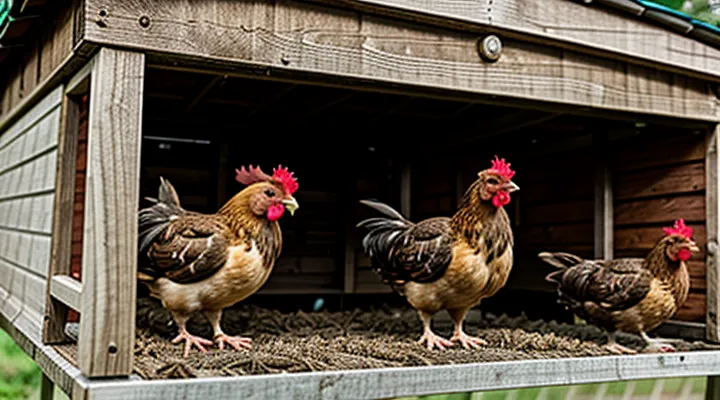
Understanding the Rat Problem in Chicken Coops
Why Rats are a Threat to Your Flock
Health Risks for Chickens
Rats in a chicken coop expose birds to several serious health hazards. Direct contact or shared feed can transmit pathogens, while indirect effects increase mortality and reduce productivity.
- Salmonellosis – bacteria carried by rodent feces contaminate feed and water, leading to gastrointestinal illness and egg contamination.
- Leptospirosis – urine droplets infiltrate bedding, causing kidney damage and reproductive failure.
- Hepatitis A and B viruses – rodent saliva may introduce viral agents that affect liver function and overall vigor.
- Parasitic infestations – mites and fleas hitch rides on rats, then infest chickens, causing anemia and feather loss.
- Stress‑induced immunosuppression – presence of predators heightens cortisol levels, weakening resistance to disease.
Traditional, non‑lethal rodent control methods mitigate these risks without endangering the flock. Techniques such as strategically placed natural repellents (e.g., peppermint oil, crushed garlic), predator‑friendly habitat modification, and manual trapping with bait that excludes birds preserve coop hygiene and maintain bird health. Continuous monitoring of feed storage, regular sanitation, and prompt removal of rodent carcasses further reduce pathogen load.
Damage to Coop Infrastructure
Rats gnaw wood, wire mesh, and insulation, creating openings that let predators and drafts enter the coop. Their teeth can sever electrical wiring, causing short‑circuits that endanger both chickens and equipment. Repeated chewing on nesting boxes weakens structural integrity, leading to collapse under the weight of laying hens. Moisture‑absorbing materials such as straw or shavings become contaminated when rats deposit urine and feces, accelerating rot in floorboards and supporting bacterial growth.
To protect the coop, apply these proven folk measures:
- Natural deterrents: Spread dried mint, cayenne pepper, or crushed garlic around the perimeter; rodents avoid strong aromas while birds remain unaffected.
- Physical barriers: Install hardware cloth (½‑inch mesh) over ventilation holes and under flooring; secure all gaps with steel wool and caulking to prevent chewing.
- Predator scent: Place dried fox or owl feathers near entry points; the scent repels rats without harming chickens.
- Regular inspection: Examine beams, doors, and windows weekly for fresh gnaw marks; repair damage immediately with metal staples or epoxy sealant.
- Elevated feeding stations: Keep feed off the ground on metal platforms; rats cannot climb smooth surfaces, reducing incentive to breach the structure.
Implementing these steps preserves the coop’s durability, minimizes repair costs, and maintains a safe environment for the flock.
Feed Contamination
Rats are attracted to spilled or spoiled feed, which quickly becomes a source of disease for chickens. Contaminated feed also encourages further rodent activity, creating a feedback loop that threatens flock health. Eliminating feed contamination therefore forms a critical component of any humane rat‑control program in a chicken enclosure.
Identify contamination early. Look for clumped grain, damp kernels, mold growth, and unusual odors. Inspect feed containers daily; any residue on the floor or in the coop should be removed immediately. Separate fresh feed from older stock, and discard any feed that shows signs of spoilage.
Apply folk‑based preventive measures:
- Store grain in airtight, metal containers with tight‑fitting lids; traditional tin drums or repurposed oil barrels work well.
- Elevate feed bins on sturdy wooden or metal platforms, keeping them at least six inches above the ground to deter foraging rats.
- Scatter a thin layer of diatomaceous earth around the base of the feed station; the abrasive particles damage the exoskeleton of crawling pests without harming birds.
- Use dried herbs such as mint, rosemary, or lavender in sachets placed near the feed; the strong scent repels rodents while being safe for poultry.
- Rotate feed weekly, moving the container to a different corner of the coop; constant location changes disrupt rat foraging patterns.
Maintain cleanliness. Sweep the coop floor after each feeding, and collect any dropped kernels with a hand‑held brush. Replace bedding regularly; fresh straw or wood shavings absorb moisture, reducing the chance of feed spoilage.
Monitor the flock for signs of ingesting contaminated feed, such as reduced egg production, lethargy, or digestive upset. Prompt veterinary consultation is advisable if symptoms appear.
By securing feed, removing residues, and employing traditional repellents, the risk of rodent attraction diminishes, allowing rat‑removal techniques to succeed without endangering the chickens.
Identifying Rat Infestation Signs
Droppings and Tracks
Rat droppings and tracks provide the earliest reliable indication of a rodent presence in a poultry enclosure. Recognizing these signs allows swift, targeted action that spares the flock.
Fresh droppings appear as dark, spindle‑shaped pellets about 1 cm long, typically found along walls, under nesting boxes, and near feed storage. Unlike the larger, white, irregular chicken feces, rat droppings are uniform and often clustered in corners or along the perimeter of the coop. A sudden increase in quantity signals a growing population.
Tracks reveal movement pathways. Small, four‑toed prints with a distinct claw mark appear in dusty corners, mud patches, or on soft bedding. Gnaw marks on wood, wires, or feed containers accompany the prints, confirming active foraging. The pattern of tracks—parallel lines along walls or radiating from food sources—identifies high‑traffic routes.
Use the evidence to focus control measures:
- Clean all droppings with a bleach solution (1 part bleach to 9 parts water) to eliminate scent trails.
- Replace contaminated bedding with fresh straw or wood shavings.
- Install snap traps or live‑capture cages along identified runways, positioning them perpendicular to the track direction.
- Apply natural repellents—such as crushed peppermint leaves or a cotton ball soaked in clove oil—near entry points and feeding areas.
- Seal gaps larger than ¼ inch with steel wool and hardware cloth to prevent re‑entry.
By systematically removing droppings, disrupting tracks, and concentrating deterrents where rats travel, the coop can be cleared of rodents without endangering the chickens.
Gnawing Marks
Gnawing marks appear as clean, crescent‑shaped bite edges on wood, wire, or feed containers. The pattern indicates persistent chewing by rodents, not accidental damage from chickens. Recognizing these signs early prevents structural weakening of the coop and reduces the risk of disease transmission.
Distinguishing rat activity from other sources relies on three observations: (1) bite size—rats leave holes roughly ¼‑inch wide; (2) location—marks cluster near entry points, feed bins, and nesting boxes; (3) material preference—rats favor soft wood, plastic, and insulation, while chickens damage feathers and litter. When all three criteria match, rat presence is confirmed.
Folk techniques that address gnawing without endangering the poultry include:
- Natural repellents: Sprinkle dried mint, cayenne pepper, or crushed garlic around suspected entryways; rodents dislike strong odors, while birds tolerate low concentrations.
- Barrier reinforcement: Wrap exposed beams and wire with stainless‑steel mesh or copper sheeting. The metal surface resists chewing and does not harm chickens.
- Trap placement: Set up wooden snap traps baited with peanut butter at the base of gnawed structures. Position traps away from roosts to avoid accidental capture of birds.
- Habitat modification: Remove debris, excess feed, and standing water within a 10‑foot radius of the coop. A cleaner environment reduces attractants that encourage gnawing.
After removing the rodents, repair damaged sections using bird‑safe sealants and replace compromised wood with hardwoods such as oak or hickory, which resist chewing. Apply the same natural repellents to the repaired area and monitor weekly for fresh bite marks. Consistent inspection and the outlined folk measures maintain a rat‑free coop while safeguarding the chickens.
Burrows and Nests
Rats establish burrows beneath or adjacent to a chicken coop to gain shelter and easy access to feed. These tunnels often intersect with the coop’s foundation, allowing rodents to slip inside unnoticed. Identifying and disrupting these structures is essential for protecting poultry without causing injury.
The first step is to locate active burrows. Look for fresh soil mounds, gnawed wood, and droppings near the coop perimeter. Follow the tunnel entrance with a flashlight; a shallow, dry passage indicates recent use, while deeper, moist tunnels suggest a more entrenched colony.
Traditional methods for neutralizing burrows rely on physical alteration and natural deterrents:
- Fill openings with coarse sand or gravel, then compact to collapse the tunnel.
- Apply a thin layer of diatomaceous earth around the entrance; the abrasive particles damage the rats’ exoskeletons while remaining harmless to chickens.
- Place dried herbs such as mint, lavender, or rosemary near burrow mouths; the strong scent repels rodents and is safe for birds.
- Use a wooden board or metal sheet to cover the entrance permanently, securing it with nails or staples to prevent re‑excavation.
Nests created inside the coop—often in dark corners, under roosts, or within stacked bedding—provide rats with a secure staging area for breeding. Removing these nests eliminates a breeding hub and reduces population growth.
To dismantle rat nests without disturbing chickens:
- Remove all loose bedding and replace it with fresh straw or pine shavings; rats are less likely to rebuild in clean, dry material.
- Rotate the coop’s interior layout weekly, shifting roosts and feeding stations; the constant change disrupts nesting patterns.
- Install a smooth metal or plastic barrier beneath perches; rats cannot cling to slick surfaces, eliminating preferred nesting spots.
- Employ a low‑frequency ultrasonic device set to rodent‑specific frequencies; the sound discourages nesting activity without affecting poultry hearing.
Consistent monitoring completes the process. Inspect burrow sites and interior corners daily for fresh signs of activity, and repeat the above measures whenever new openings appear. By targeting both underground tunnels and internal nests with proven folk techniques, rats can be removed while the chickens remain safe and healthy.
Non-Toxic Rat Control Methods
Coop Maintenance and Exclusion
Sealing Entry Points
Sealing all possible openings is the most reliable way to keep rats out of a chicken enclosure while protecting the flock.
Rats typically enter through gaps around doors, windows, ventilation shafts, utility lines, and the foundation. Small cracks in wood, broken screens, and unfilled holes around feed bins also serve as access points.
Use durable, non‑toxic materials such as galvanized hardware cloth (¼‑inch mesh), steel wool, cement, and expandable foam. Prior to application, clean each opening to remove debris and inspect for signs of gnawing.
- Measure each gap and cut hardware cloth to size, leaving a ½‑inch overlap.
- Secure the mesh with stainless‑steel staples or screws, ensuring no loose edges.
- For irregular holes, pack steel wool tightly, then seal with expanding foam to prevent future chewing.
- Apply a thin layer of cement or mortar around the mesh to create a solid barrier.
- Install self‑closing latches on doors and windows; verify that the latch engages fully when closed.
Regularly walk the perimeter of the coop, checking for new cracks or weather‑induced damage. Promptly repair any deterioration to maintain an airtight defense against rodent intrusion.
Proper Feed Storage
Storing feed securely is essential for deterring rodents while keeping chickens healthy. Place grain, pellets, and scraps in airtight containers made of metal or thick plastic; seal lids tightly after each use. Elevate containers on sturdy shelves or pallets at least 12 inches off the ground to prevent rats from climbing directly onto the food source. Keep the storage area clean—remove spilled feed daily, sweep floors, and dispose of waste in sealed bags.
Key practices:
- Use containers with snap‑tight or latch closures; avoid loosely fitting lids.
- Position containers away from walls and nesting boxes, creating a clear perimeter that rodents cannot breach.
- Install a simple folk barrier such as a layer of crushed charcoal or diatomaceous earth around the base of the storage unit; both deter climbing and create an uncomfortable surface for rats.
- Rotate feed regularly; older stock should be used first to reduce the time food remains vulnerable.
By maintaining airtight, elevated, and well‑maintained storage, you eliminate the primary attractant for rats, supporting a humane, bird‑safe environment.
Removing Attractants
Rats are drawn to a chicken coop by readily available food, water, shelter, and nesting material; eliminating these incentives prevents infestation before it begins.
- Store feed in sealed, rodent‑proof containers; avoid leaving grain on the floor or in open bins.
- Clean spills and droppings daily; residue attracts rodents and provides a scent trail.
- Repair cracks, gaps, and holes in walls, doors, and windows; rodents use openings as entry points.
- Remove debris, old bedding, and piles of straw that can serve as shelter; replace with clean, regularly changed litter.
- Ensure water sources are covered or equipped with weighted lids; eliminate standing water in troughs or puddles.
Maintain a weekly inspection routine: check for fresh gnaw marks, droppings, and new entryways; address findings immediately. Consistent removal of attractants reduces rat activity without endangering the chickens.
Natural Deterrents and Repellents
Peppermint Oil and Other Scents
Peppermint oil works as a natural repellent because rats find its strong menthol scent overwhelming. Apply a few drops to cotton balls, place them in corners, under perches, and near entry points. Replace every two to three days, as the fragrance fades quickly.
Other effective aromas include:
- Clove oil: few drops on fabric strips, positioned near burrows.
- Eucalyptus oil: soaked gauze, hung from the coop roof.
- Citronella spray: mixed with water (1 % oil), misted around the perimeter.
All scents must be kept away from feed and water containers to prevent accidental ingestion by chickens. Use breathable materials (cotton, burlap) to avoid oil pooling, which could irritate the birds’ skin or respiratory tract. Combine scent barriers with physical exclusion—seal gaps, install wire mesh, and maintain a clean environment—to increase reliability. Monitor rat activity weekly; if sightings persist, increase the number of scent stations or rotate oils to prevent habituation.
Predator Scents
Predator scents provide a non‑lethal barrier that discourages rats from entering a chicken enclosure. The odor mimics the presence of natural enemies, triggering avoidance behavior in rodents while leaving birds unharmed.
Commonly used scents include:
- Fox urine or synthetic analogues
- Hawk or owl feather extracts
- Weasel or ferret scent glands
- Domestic cat fur or dander
Application guidelines:
- Soak cotton balls or small cloth patches in liquid scent; place them near known rat entry points, around feed storage, and adjacent to nesting boxes.
- Replace soaked materials every 3–5 days to maintain potency.
- For dry options, scatter a thin layer of dried fur or powdered scent along the perimeter of the coop; refresh monthly.
- Avoid direct contact with chickens by positioning scented items at least 30 cm away from roosting areas.
Safety considerations:
- Use products labeled for agricultural use to ensure low toxicity.
- Test a single item in a confined area before full deployment to confirm chickens show no distress.
- Store all scent supplies away from food supplies to prevent accidental contamination.
Folk traditions from rural communities have long employed predator odors as a simple, cost‑effective method to protect livestock. Modern adaptations retain the same principle: introduce a credible threat scent, disrupt rat foraging routes, and maintain a clean, well‑ventilated coop to enhance the deterrent effect.
Companion Plants
Companion planting offers a low‑impact method to deter rats from a chicken enclosure while keeping the birds safe. Certain herbs and vegetables emit scents or create ground conditions that rats avoid, and they can be grown directly around the coop or in bordering garden beds.
- Mint (Mentha spp.) – strong aromatic oils repel rodents; plant in pots to prevent invasive spreading, keep foliage away from chickens’ feed.
- Lavender (Lavandula angustifolia) – volatile compounds discourage rat activity; position near entry points, ensure flowers do not fall into the coop.
- Marigold (Tagetes spp.) – root exudates deter pests; sow a border around the coop, remove wilted stems to avoid attracting insects that could affect chickens.
- Garlic (Allium sativum) – pungent odor repels rodents; plant cloves in shallow trenches around the perimeter, avoid direct contact with chicken feed.
- Catnip (Nepeta cataria) – catnip oil unsettles rats; grow in containers near the coop door, monitor cats to prevent over‑grazing.
Placement guidelines: locate plants at least one foot from the coop walls to create a scent barrier without blocking ventilation. Use raised beds or containers to keep roots separate from the coop floor, reducing the chance of rats nesting in soil. Rotate crops seasonally to maintain potency of repellent compounds. Regularly trim foliage to prevent dense cover that could shelter rodents. Combine plant barriers with traditional folk traps and secure feed storage for comprehensive rat control without harming the flock.
Trapping Techniques
Live Traps for Relocation
Live traps provide a humane method for removing rats from a chicken enclosure while keeping the flock safe. Choose a trap constructed of sturdy wire mesh with a smooth interior to prevent injury. Size the cage so that a rat can enter easily but cannot escape once the door is triggered.
Placement matters. Position traps along walls, near known runways, or beside feed stations. Keep traps away from perches and nesting boxes to avoid accidental capture of chickens. Bait with high‑fat foods such as peanut butter, sunflower seeds, or dried fruit; apply a small amount to the trigger mechanism for reliable activation.
Check traps at least twice daily. Remove captured rats promptly, wear thick gloves, and release them at least five miles from the property, preferably in a wooded area with adequate cover. Disinfect the trap with a diluted bleach solution before resetting to eliminate scent cues that may deter further captures.
Maintain an environment that discourages re‑infestation. Seal gaps larger than one inch, store feed in rodent‑proof containers, and keep the coop dry and clean. Regularly inspect the perimeter for new entry points and repair them immediately.
Key actions for effective live‑trap use
- Select a sturdy, smooth‑sided cage.
- Place traps along walls and near food sources.
- Bait with high‑fat attractants.
- Inspect twice daily and release rats far from the site.
- Disinfect and reset traps after each capture.
- Seal openings and maintain cleanliness to prevent return.
Snap Traps (Placement Considerations)
Snap traps work best when positioned where rats travel but chickens cannot reach the trigger mechanism. Place traps along established rodent runways: near feed storage, beneath roosting perches, and adjacent to nest boxes. Ensure each trap sits at least 12 inches away from any chicken perch or feeder to prevent accidental activation. Secure traps on a stable surface—concrete slab, wooden board, or metal plate—so they remain level and do not shift under the weight of a bird.
Use bait that attracts rats but is unattractive to chickens. Peanut butter mixed with oats, or a small piece of dried fruit, placed on the trap’s trigger plate draws rodents while remaining unappealing to poultry. Cover bait with a thin wire mesh that permits rat entry but blocks chickens.
Install a protective guard, such as a wooden frame or PVC shield, around each trap. The guard should have an opening no larger than 2 inches, allowing a rat to slip through but excluding a chicken’s beak or foot. Check traps at dawn and dusk; remove captured rats promptly to avoid scent buildup that could deter further activity.
Maintain a clean coop environment. Eliminate spilled feed, store grain in sealed containers, and keep litter dry. Reduced food sources force rats onto the established pathways where snap traps await. Regular inspection and repositioning of traps—especially after a capture—preserve effectiveness throughout the control campaign.
Traditional Folk Remedies and Practices
Scent-Based Repellents
Garlic and Onion Preparations
Garlic and onion are traditional rodent deterrents that can be used safely around poultry when prepared correctly.
A typical preparation involves grinding fresh garlic cloves and onion bulbs into a fine paste, mixing the paste with water at a 1:4 ratio, and allowing the mixture to steep for several hours. Strain the liquid and transfer it to a spray bottle. Apply the spray to the interior surfaces of the coop, focusing on entry points, nesting boxes, and feeding areas. Reapply every 3–5 days, or after heavy rain, to maintain potency.
Key points for effective use:
- Use only fresh, unspoiled garlic and onion; spoiled material can attract insects and compromise coop hygiene.
- Limit the amount of residue on perches and roosts to a thin coating; excessive buildup may cause irritation to the birds’ respiratory passages.
- Combine the spray with other non‑chemical measures—such as sealing gaps and removing food debris—to enhance overall rat control.
- Store any unused mixture in a sealed container in the refrigerator and discard after 48 hours to prevent bacterial growth.
When applied as described, garlic‑onion solutions create a pungent environment that rodents find unpleasant, while the concentrations remain well below levels that could harm chickens. Regular monitoring of rat activity and coop cleanliness ensures the method remains effective without compromising bird health.
Elderberry Branches
Elderberry branches serve as an effective, low‑impact method for discouraging rats in a chicken coop. The plant’s dense, thorny growth creates a physical barrier that rodents avoid, while the natural scent of elderberry foliage repels them without affecting poultry.
The branches should be harvested when the wood is mature but still flexible enough to bend without breaking. Cut sections 12–18 inches long, remove any leaves that could attract insects, and split each piece lengthwise to expose the inner bark, which releases the strongest aroma.
Placement follows a simple pattern:
- Position one split branch across each entry point where rats might gain access, such as ventilation holes, door frames, and low‑lying gaps.
- Secure the branch with a sturdy wire or zip tie, ensuring the thorn side faces outward toward the exterior.
- Arrange additional branches along the interior perimeter, spacing them 2 ft apart to form a continuous deterrent line.
Chickens tolerate the arrangement because the thorns face outward, preventing contact with the birds. Regularly inspect the branches for damage; replace any that become brittle or lose scent potency, typically every six months. Maintaining clean feed storage and eliminating standing water complement the elderberry barrier, providing a comprehensive, humane solution for rodent control in the coop.
Physical Barriers and Deterrents
Broken Glass (External Use Only)
Broken glass, when placed correctly around a chicken coop, creates a physical barrier that discourages rats from entering while posing no direct threat to the birds. The glass must remain outside the coop structure; any fragments inside the nesting area could injure chickens.
- Select clear or tinted glass pieces no larger than 2 cm thick; thinner shards break easily and may be swallowed by rodents.
- Arrange shards in a concentric ring, 5–10 cm from the exterior wall, with edges pointing outward. This orientation prevents rats from slipping beneath the barrier while allowing chickens to move freely inside.
- Secure the glass to a wooden or metal frame using stainless‑steel staples or wire mesh. The frame should be anchored to the ground to resist displacement by weather or animal activity.
- Inspect the barrier weekly for displaced or broken pieces; replace any that have shifted to maintain an uninterrupted deterrent line.
- Combine the glass barrier with traditional scent repellents, such as dried mint or crushed garlic, to increase effectiveness without harming the poultry.
The method relies on rats’ aversion to sharp, uneven surfaces. Because chickens are ground‑dwelling and seldom climb the outer wall, the external glass does not interfere with their normal behavior. Proper installation ensures the deterrent functions continuously, reducing rodent presence without the need for traps or poisons.
Sharp Gravel Around Perimeter
Sharp gravel placed around the outer edge of a chicken coop creates a physical barrier that deters rats from climbing onto the structure. The abrasive surface damages the pads on a rat’s feet, making it uncomfortable to traverse, while chickens remain unharmed because they do not need to step on the outer perimeter.
Installation steps:
- Clean the ground to a level surface extending at least 12 inches beyond the coop’s foundation.
- Spread a layer of coarse, angular gravel (3‑4 cm in size) to a depth of 5‑7 cm.
- Compact the gravel with a hand tamper to eliminate loose spots.
- Maintain a clear zone free of vegetation or debris that could provide rats with alternate routes.
Key considerations:
- Use gravel with sharp edges; rounded stone or sand will not produce the same deterrent effect.
- Ensure the gravel does not encroach on the chickens’ walking area to prevent foot injuries.
- Periodically inspect the barrier for erosion or displacement and replenish as needed.
- Combine with other folk methods—such as predator scents or elevated nesting boxes—to increase overall effectiveness.
Sharp gravel offers a low‑maintenance, non‑chemical solution that protects poultry while discouraging rodent intrusion.
Sound and Light Deterrents
Ultrasonic Devices (Effectiveness Discussion)
Ultrasonic emitters claim to repel rodents by broadcasting high‑frequency sound beyond human and avian hearing. Laboratory trials show limited aversion; rats habituate after several days, reducing long‑term impact. Field reports from small‑scale farms indicate occasional short‑term decline in activity, but most owners observe a return to baseline within one to two weeks.
Factors influencing performance include:
- Frequency range (typically 20‑50 kHz); lower bands affect some species, higher bands may be inaudible to rats.
- Power output; devices rated under 5 mW rarely produce measurable deterrence.
- Placement; proximity to nesting boxes and feed storage can create acoustic shadows where rats remain active.
- Environmental noise; ambient farm sounds often mask ultrasonic signals, diminishing efficacy.
Overall, ultrasonic devices provide a non‑lethal option that requires strict monitoring and supplemental methods—such as bait stations, habitat modification, and predator encouragement—to achieve reliable rat suppression in a chicken coop.
Motion-Activated Lights
Motion‑activated lights provide a non‑lethal deterrent for rats that enter a chicken coop. The sudden burst of illumination startles rodents, prompting them to retreat while leaving the birds unharmed because chickens are accustomed to low‑level lighting and do not react to brief flashes.
The system operates through a passive infrared sensor that detects movement within a preset range. When a rat passes the sensor, the unit emits a bright flash for a few seconds, repeating at intervals if motion persists. The rapid change in light intensity disrupts the rat’s nocturnal activity patterns, reducing the likelihood of repeated visits.
Key factors for effective deployment:
- Height: install the unit 12–18 inches above the coop floor to target ground‑level movement without shining directly into the birds’ eyes.
- Intensity: choose a lamp that delivers at least 1,000 lux at the sensor’s range; lower output may fail to deter.
- Power source: use a weather‑proof solar panel with a rechargeable battery for continuous operation; wired electricity is acceptable if the coop has safe, insulated wiring.
- Coverage: position multiple units to eliminate blind spots, especially near feed storage and nesting boxes.
- Maintenance: clean the sensor lens monthly to prevent dust interference; replace batteries or check solar performance seasonally.
Combining motion‑activated lighting with traditional folk measures—such as strategically placed snap traps, natural repellents like peppermint oil, and regular removal of debris—creates a layered defense. The lights address the rats’ attraction to darkness, while traps and habitat management tackle population control, resulting in a cooperative approach that safeguards the flock without causing injury.
Safety Precautions for Your Flock
Ensuring Chicken Safety During Eradication
Protecting Feed and Water
Protecting feed and water is essential for preventing rat infestation while keeping chickens safe. Secure storage eliminates easy access points. Use metal or heavy‑plastic containers with tight‑fitting lids; avoid cardboard boxes or open bins. Position containers on a raised platform or hang them from sturdy hooks, ensuring rats cannot climb or gnaw through supports.
Maintain cleanliness around feeding areas. Sweep up spilled grain daily, and limit the amount of feed left out overnight. If possible, ration feed in small, frequent portions rather than large, exposed piles. A clean surface reduces scent trails that attract rodents.
Water sources must remain uncontaminated. Install hanging waterers or elevated buckets with secure lids. Check for leaks, standing water, and droppings that could provide a moisture source for rats. Replace water regularly to discourage bacterial growth and rodent interest.
Additional folk techniques reinforce protection:
- Sprinkle dried peppermint or crushed garlic around feed stations; rodents find the scent repellent while chickens tolerate it.
- Place strips of copper foil or aluminum foil under feeders; the metallic texture deters gnawing.
- Deploy natural predators such as barn owls by installing wooden boxes; the presence of birds of prey discourages rat activity.
- Rotate feed containers weekly, moving them to different locations to disrupt established rodent pathways.
Consistent application of these measures secures nourishment for the flock and eliminates the primary attractants that draw rats into the coop.
Monitoring Chicken Behavior
Monitoring chicken behavior is essential when applying traditional, humane methods to deter rodents from a coop. Changes in activity patterns, vocalizations, and feeding habits signal the presence of rats or the impact of control measures on the flock.
Observe the following indicators and record them daily:
- Increased agitation or crowing near the perimeter, suggesting a predator or intruder.
- Abnormal pecking at the floor or walls, which may reflect rats burrowing or leaving droppings.
- Sudden reduction in feed consumption, often caused by stress or competition for food with rodents.
- Unusual clustering of birds in one area, indicating a perceived safe zone away from rat activity.
Correlate these observations with the timing of folk deterrents such as oil‑based repellents, natural predators (e.g., cats or barn owls), and strategic placement of aromatic herbs. Consistent data allow you to adjust the techniques—intensify, rotate, or discontinue—without exposing the chickens to harmful substances.
Maintain a log that includes date, weather conditions, and specific behavioral notes. Analyzing trends over weeks reveals whether rodent pressure is decreasing and confirms that the birds remain unharmed while traditional control methods take effect.
Preventing Re-Infestation
Regular Coop Inspections
Regular inspections of the coop are essential for early detection of rodent activity and for maintaining a safe environment for the flock. Inspectors should examine the structure at least twice weekly, focusing on entry points, nesting boxes, feed storage, and water containers.
During each inspection, verify that:
- All doors, windows, and vents close tightly; repair gaps larger than ¼ inch.
- Wire mesh remains intact, with no rusted or broken sections.
- Feed bins are sealed; spilled grain is removed promptly.
- Droppings, gnaw marks, or shredded insulation are present near corners, ceilings, or under perches.
When signs of rats are found, act immediately using folk‑derived methods that avoid harming chickens. Set up simple wooden snap traps or bamboo cages baited with peanut butter or dried fruit, positioning them along walls where rodents travel. Rotate trap locations weekly to prevent rats from learning patterns.
In addition to traps, employ natural deterrents during inspections. Sprinkle dried mint leaves or crushed garlic around entryways; both emit odors that rodents dislike while remaining harmless to birds. Maintain a clean coop by removing debris and rotating litter, thereby reducing hiding places and food sources.
Document each inspection: record date, observed conditions, and actions taken. A concise log enables pattern recognition, ensuring that preventive measures evolve with the coop’s changing conditions and that rat control remains effective without endangering the chickens.
Continuous Deterrent Application
Continuous deterrent application is essential for maintaining a rat‑free chicken enclosure. Regularly deployed barriers and sensory repellents create an environment that rats find hostile, reducing the likelihood of repeated intrusions.
Effective folk‑based deterrents include:
- Herbal sachets: Dried peppermint, cayenne, and garlic placed near entry points release strong odors that rats avoid.
- Oil‑infused cotton balls: A few drops of eucalyptus or clove oil on cotton, refreshed weekly, keep the scent potent.
- Natural predator cues: Feathers or fur from owls and hawks hung at coop corners signal danger to rodents.
Implementation schedule:
- Install deterrents at all known gaps, vents, and door seams before the flock settles.
- Replace herbal sachets every 10‑14 days, or when the scent diminishes.
- Re‑oil cotton balls on a 5‑day cycle, especially during warm weather when volatility increases.
- Rotate predator cues monthly to prevent habituation.
Safety measures:
- Position repellents out of reach of chickens to avoid ingestion or irritation.
- Use food‑grade essential oils, diluted to no more than 0.5 % concentration, to prevent respiratory stress in birds.
- Inspect coop daily for torn screens or new openings; repair immediately to sustain the deterrent barrier.
By maintaining a disciplined rotation of folk repellents and monitoring structural integrity, the coop remains uninviting to rats while preserving the health of the chickens.