
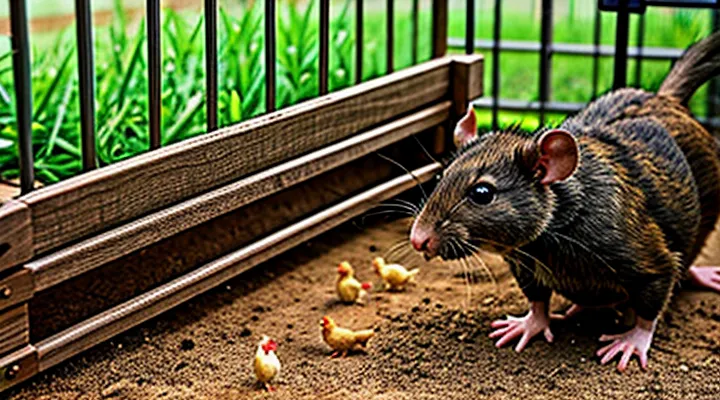
Understanding the Rat Problem in Your Chicken Coop
Signs of Rat Infestation
Rats in a poultry enclosure reveal themselves through distinct indicators that demand immediate attention. Recognizing these signs prevents damage to the structure, contamination of feed, and stress to the flock.
- Gnawed feed bags, corn kernels, or wooden components.
- Small droppings, dark and pellet‑shaped, scattered near feed stations, nesting boxes, or along walls.
- Urine stains that appear as yellowish rings on surfaces, especially around entry points.
- Chewed or shredded insulation, wiring, and wire mesh.
- Scratches or gnaw marks on the coop’s exterior, particularly near gaps, vents, or door hinges.
- Presence of nests constructed from shredded material in hidden corners or under roosts.
- Unexplained loss of feed weight despite normal consumption rates.
- Audible scurrying or scratching noises during nighttime hours.
Why Rats are Attracted to Chicken Coops
Food Sources
Rats are drawn to a chicken coop primarily by the availability of food. Reducing or eliminating these attractants deprives rodents of a reason to enter the enclosure, thereby protecting the flock without direct confrontation.
Identify and secure all feed sources. Store grain, pellets, and treats in airtight containers made of metal or heavy‑wall plastic. Place containers on raised shelves to keep them out of reach of rodents. Clean up spilled feed immediately; even a few grains on the floor can sustain a rat population.
Limit access to natural foraging material. Remove fallen fruit, nuts, and seed heads from the surrounding area. Trim vegetation that creates shelter for rodents near the coop, as dense cover encourages nesting.
Manage waste responsibly. Dispose of chicken manure, bedding, and dead birds in sealed bags and remove them from the premises at least weekly. Compost piles should be covered with wire mesh to prevent rats from burrowing and feeding on organic matter.
Implement a feeding schedule that aligns with the chickens’ needs. Offer feed only during daylight hours and retrieve any leftovers before dusk. This practice cuts down the window of opportunity for nocturnal rodents.
Consider alternative feed options that are less appealing to rats. High‑protein pellets formulated for poultry contain fewer grain components that attract rodents. When using such feed, monitor consumption to ensure chickens receive adequate nutrition.
By controlling food availability through secure storage, diligent cleaning, vegetation management, proper waste handling, timed feeding, and selective feed choices, the coop becomes an inhospitable environment for rats while remaining safe and nourishing for the chickens.
Shelter and Warmth
Secure, well‑insulated housing reduces rat attraction and protects chickens during control efforts. Gaps around doors, windows, and ventilation openings allow rodents to enter; sealing them with hardware cloth or metal flashing eliminates entry points while preserving airflow for the flock. Reinforce nesting boxes and roosting bars with sturdy materials to prevent rats from chewing through and compromising the birds’ environment.
Maintain consistent internal temperature to discourage rodent activity. Rats seek warm, sheltered spaces; a coop that drops below the birds’ comfort range forces them to seek heat elsewhere, often in hidden corners. Install insulated panels on walls and roof, and use straw or wood shavings as bedding to create a dry, temperature‑stable floor. Replace damp bedding promptly, because moisture attracts both rats and parasites.
Implement structural modifications that support humane rat removal:
- Fit removable trap doors on the coop’s exterior for quick access to capture devices without disturbing chickens.
- Position trap stations near known rodent pathways, away from feed and water sources, to prevent accidental bird injury.
- Use heat‑resistant, chew‑proof wire mesh around perches and feeders; this blocks rats while allowing chickens to move freely.
Regularly inspect the coop for signs of wear, such as frayed wire or cracked insulation, and repair immediately. A maintenance schedule that includes quarterly checks of all seals, bedding depth, and temperature regulation ensures the shelter remains both rat‑proof and comfortable for the poultry, facilitating effective, non‑lethal rodent management.
Water Access
Proper water management is essential when eliminating rodents from a poultry enclosure while keeping the flock safe.
Secure containers prevent rats from drinking directly from the source. Use metal or heavy‑duty plastic buckets with tight‑fitting lids, and attach them to a stand that rats cannot climb. Elevate the water supply at least 12 inches above the ground to reduce access points.
Regular cleaning removes droppings and urine that attract rodents. Replace water daily, scrub the container with a mild disinfectant, and rinse thoroughly before refilling. Install a drip‑free system to avoid standing water on the floor, which serves as a breeding site for pests.
Monitor consumption patterns. Sudden spikes may indicate a leak or contamination, prompting immediate inspection. Keep the water line insulated and sealed; any gaps in tubing or fittings should be sealed with rodent‑resistant tape.
Maintain separate feeding and watering stations. Position water dishes away from feed bins and roosting areas to discourage rats from congregating near the birds. Provide multiple small stations rather than a single large trough; this limits the amount of water available at any one point, reducing the incentive for rodents.
Implement these measures consistently to sustain a clean water supply, deter rat activity, and protect the health of the chickens.
Risks Posed by Rats to Chickens
Disease Transmission
Rats harbor bacteria, viruses, and parasites that readily infect poultry. Common agents include Salmonella spp., Escherichia coli, Campylobacter, Listeria monocytogenes, and the protozoan Histomonas meleagridis, which causes blackhead disease. Each pathogen can spread rapidly through a flock, leading to illness, reduced egg production, and increased mortality.
Transmission occurs when rats contaminate feed, water, or nesting material with urine, droppings, or saliva. Direct contact between rats and chickens, as well as indirect exposure via contaminated equipment, amplifies the risk. Persistent environmental contamination creates a reservoir for repeated infection cycles.
Health consequences for chickens range from mild gastrointestinal distress to severe systemic disease. Outbreaks often manifest as diarrhea, respiratory distress, or sudden death, compromising overall flock productivity and increasing veterinary costs.
Effective disease‑prevention measures while removing rats include:
- Sealing gaps, vents, and holes to block rodent entry.
- Installing snap or live‑capture traps away from nesting boxes to avoid accidental capture of birds.
- Removing spilled feed and storing grain in rodent‑proof containers.
- Disinfecting coop surfaces with a dilute bleach solution after each trapping event.
- Rotating trap locations to prevent rats from establishing new pathways.
Continuous monitoring reinforces control efforts. Conduct weekly inspections for gnaw marks, droppings, and dead rodents. Test a sample of birds for common pathogens if disease signs appear. Promptly isolate affected chickens and apply targeted antimicrobial therapy under veterinary guidance.
By integrating exclusion, sanitation, and vigilant observation, producers can eliminate rodent populations without exposing chickens to additional hazards, thereby minimizing the likelihood of disease transmission.
Egg and Chick Predation
Rats entering a poultry enclosure frequently target eggs and newly hatched chicks, leading to rapid loss of reproductive output. Their sharp incisors allow them to breach shell membranes, while their agility lets them snatch vulnerable chicks before the hen can intervene.
Typical indicators of rodent predation include punctured or missing eggs, blood trails near nesting boxes, and a sudden decline in chick survival rates. Bite marks on shells, feather remnants, and an increase in nocturnal activity around nesting areas corroborate the presence of rats.
Effective countermeasures focus on eliminating access points and creating an environment hostile to rodents without exposing the birds to danger:
- Seal cracks, gaps, and holes in walls, doors, and ventilation openings with steel wool and hardware cloth.
- Elevate feed and water containers on sturdy platforms; keep feed in airtight containers.
- Install smooth, metal‑coated perches and nesting boxes to prevent rats from gaining footholds.
- Deploy motion‑activated ultrasonic deterrents calibrated for rodent frequencies, ensuring they do not exceed safe sound levels for chickens.
- Place snap traps or live‑catch traps along rat pathways, positioning them away from nesting zones and checking them multiple times daily.
- Apply rodent‑resistant bait stations with tamper‑proof lids, located at least three meters from hen houses.
Continuous observation is essential. Record daily egg counts, inspect nesting boxes for damage, and monitor trap activity. Prompt removal of any captured rats prevents secondary stress on the flock. Regular maintenance of barriers and deterrent devices sustains a rat‑free environment while preserving the safety of the chickens.
Stress and Injury to Hens
Rats in a chicken coop create competition for food, contamination of water, and the spread of disease, all of which elevate stress levels in hens. Elevated stress triggers hormonal changes that suppress immune function, reduce egg production, and increase susceptibility to respiratory and gastrointestinal illnesses. Direct encounters with rats can cause physical injury; sharp claws and teeth may puncture feathers, damage skin, or create open wounds that become entry points for pathogens.
To protect hens while eliminating rodents, follow these precise actions:
- Secure feed in airtight containers; remove spillage that attracts rats and reduces foraging competition.
- Install a sturdy, predator‑proof fence around the coop, using hardware cloth with openings no larger than ¼ inch to block rat entry.
- Place traps or bait stations outside the coop, never inside or near nesting boxes, to avoid accidental capture or distress of the birds.
- Perform a thorough cleaning before trap deployment, removing droppings and nesting material that may conceal rats and increase ammonia levels, which further stress hens.
- Monitor hen behavior after each intervention; signs of agitation—such as frantic wing flapping, excessive vocalization, or refusal to eat—indicate heightened stress and require immediate adjustment of the removal strategy.
When injuries occur, apply antiseptic spray to wounds, isolate affected birds, and consult a veterinarian for appropriate treatment. Prompt care limits infection risk and restores normal laying cycles more quickly.
Non-Toxic and Bird-Safe Rat Removal Methods
Coop Maintenance and Exclusion
Sealing Entry Points
Rats gain access to a chicken enclosure through gaps, cracks, and openings in the structure. Blocking these pathways stops new intruders and forces any remaining rodents to leave in search of food and shelter.
Begin by inspecting the coop from the inside and outside. Look for holes around the foundation, vent openings, wire mesh, doors, and windows. Pay special attention to areas where utilities enter the building, such as water lines and electricity conduits.
- Repair foundation cracks with cement or expandable foam.
- Install metal flashing around vent openings and seal with silicone caulk.
- Replace damaged wire mesh with hardware‑cloth of at least 1/4‑inch gauge; overlap seams and fasten securely.
- Fit self‑closing hinges on doors; add latch strips that close automatically.
- Use steel wool or copper mesh to fill gaps around pipes, then cover with sealant.
After sealing, test each entry point by pushing a thin piece of paper or a flashlight beam through. If light passes, the seal is incomplete. Re‑apply material until no passage remains.
Maintain the barrier by checking for wear after storms, heavy snowfall, or after cleaning the coop. Replace compromised sections promptly to prevent re‑infestation.
By systematically identifying and reinforcing every opening, the coop becomes a hostile environment for rats while remaining safe for the chickens.
Securing Feed and Water
Securing feed and water eliminates the primary attractant that draws rodents into a poultry shelter. Store all grain, pellets, and treats in airtight containers made of heavy‑gauge plastic or metal. Place containers on a raised platform or on the coop floor only after the birds have finished eating, then return them to the sealed storage area. Keep water dispensers sealed with tight‑fitting lids; use nipple drinkers that shut off when not in use to prevent spillage.
- Use containers with lockable lids and double‑seal gaskets.
- Position feed bins away from walls and nest boxes to reduce hiding spots.
- Inspect containers daily for cracks or punctures; replace damaged units immediately.
- Install a drip‑free water system; clean and dry troughs each evening.
- Remove leftover feed and debris before nightfall; sweep the coop floor and surrounding area.
Regular Cleaning Practices
Regular cleaning disrupts rat habitats and reduces food sources, making the coop less attractive to pests while keeping poultry safe.
- Remove all spilled feed, grain, and droppings daily; use a shallow pan to collect feed and discard leftovers before rats can locate them.
- Sweep and vacuum the floor each evening, focusing on corners and nesting boxes where debris accumulates.
- Wash roosting bars, perches, and water containers with hot, soapy water weekly; rinse thoroughly to avoid residue that could harm chickens.
- Disinfect the coop with a diluted bleach solution (1 part bleach to 32 parts water) once a month; apply only to surfaces, avoiding direct contact with birds.
Maintain a cleaning schedule that aligns with the flock’s routine. Morning feed removal, midday litter inspection, and evening deep cleaning create a consistent environment that deprives rodents of shelter.
Dispose of waste in sealed, rat‑proof containers; store containers away from the coop and empty them regularly into a municipal trash service that uses secure collection methods.
Inspect the coop after each cleaning session for holes, gaps, or damaged wire mesh. Seal openings with hardware cloth or metal flashing to prevent re‑entry. Continuous vigilance, combined with disciplined sanitation, limits rat populations without endangering the chickens.
Trapping Strategies
Live Traps
Live traps provide a humane method for removing rodents from a poultry enclosure without endangering the chickens. The device captures rats alive, allowing for later relocation away from the farm.
Select a trap constructed of sturdy wire mesh with a smooth interior surface. Models featuring a spring‑loaded door or a trigger plate respond quickly to the weight of a rat, preventing escape once the mechanism activates. Ensure the trap size accommodates adult rats, typically 12–14 inches long, while remaining small enough to fit between coop walls or under perches.
Proper placement maximizes capture rates. Position traps along known rat pathways: near feed storage, behind nesting boxes, and along the base of the coop where walls meet the floor. Keep traps at least one foot away from chicken roosts to avoid accidental contact with the birds.
Effective bait attracts rodents while remaining unattractive to chickens. Use a small amount of peanut butter, dried fruit, or cooked bacon placed on the trigger plate. Rotate bait types weekly to prevent habituation.
Check traps at least twice daily. Prompt removal of captured rats reduces stress on the animal and eliminates the risk of a trapped rat gnawing its way out and injuring nearby poultry. Release captured rodents at least five miles from the farm, preferably in a wooded area with adequate cover.
Maintain trap hygiene by cleaning with mild detergent after each use. Inspect the spring mechanism and trigger plate for wear; replace damaged components promptly to preserve reliability.
Snap Traps (Used with Caution)
Snap traps provide a rapid, lethal option for rat control in a poultry enclosure when applied with strict precautions. Their mechanical action kills the rodent instantly, eliminating the risk of poison exposure to the flock. However, the fast-closing jaws can also endanger chickens if the devices are not positioned correctly.
- Place traps along walls, behind feeding stations, or in corners where rats travel, keeping at least a 12‑inch buffer from perches and nesting boxes.
- Use bait that attracts rats but is unattractive to birds, such as small pieces of dried fruit or peanut butter on a separate platform.
- Install a protective guard or wire mesh over the trap to prevent chickens from stepping on the trigger mechanism.
- Check traps at least twice daily; remove dead rats promptly to avoid disease spread and to reset the device.
- Wear thick gloves when handling captured rodents, and dispose of them in sealed bags to prevent contamination.
When employing snap traps, maintain a record of capture locations and frequencies. Patterns indicating high activity may reveal entry points that require sealing, reducing reliance on lethal devices. If trap placement cannot guarantee chicken safety, consider alternative methods such as live‑catch cages or ultrasonic deterrents before resorting to snap traps.
Trap Placement Considerations
Place traps where rats travel but chickens cannot reach them. Position devices along walls, behind feed containers, and near known entry points such as holes or gaps. Keep traps at least 18 inches away from perches, nesting boxes, and roosting areas to prevent accidental capture of poultry.
Select bait that attracts rodents without enticing birds. Use peanut butter, dried fruit, or small pieces of cheese placed inside the trap’s trigger mechanism. Secure bait so that only a rat can manipulate it; cover traps with a lightweight mesh barrier if necessary.
Mount traps on stable surfaces. A flat, level base prevents tipping and ensures reliable activation. Attach traps to the coop’s interior frame using zip ties or wire, avoiding any protruding parts that could injure chickens.
Monitor traps daily. Remove captured rats promptly, reset the device, and inspect for damage. Replace bait regularly to maintain effectiveness.
Consider environmental factors. Avoid placing traps near water sources or damp areas where birds congregate. Ensure adequate ventilation around traps to prevent odor buildup that might deter rodents.
By following these placement guidelines, rodent control remains effective while the safety of the flock is preserved.
Natural Deterrents and Repellents
Essential Oils
Essential oils provide a non‑toxic option for discouraging rodents in a poultry enclosure while protecting the flock. Their strong aromatic compounds interfere with rats’ scent‑tracking abilities, prompting avoidance of treated areas.
Effective oils include peppermint, eucalyptus, citronella, and clove. Peppermint contains menthol, which repels rodents at concentrations as low as 5 %. Eucalyptus oil’s phenolic constituents produce a similar aversive effect, and citronella’s citrus notes add a secondary deterrent. Clove oil, rich in eugenol, can be used in limited quantities where higher potency is needed.
Application methods:
- Soak cotton balls in a diluted mixture (1 % oil to water) and place them in sealed gaps, under perches, and near feed storage.
- Use a low‑output diffuser inside the coop, ensuring airflow does not direct vapors directly onto birds.
- Prepare a spray (1 % oil in water with a few drops of non‑ionic surfactant) and mist the perimeter of the coop, avoiding direct contact with chickens and nesting material.
Safety measures:
- Verify that the oil concentration does not exceed 2 % to prevent respiratory irritation in birds.
- Replace treated cotton balls every 3–4 days to maintain potency.
- Keep oil containers sealed and store them away from feed.
- Observe chickens for signs of distress; discontinue use if abnormal behavior appears.
Integrating essential oils with physical barriers—such as sealing entry points, removing debris, and maintaining clean feed stations—creates a comprehensive strategy that reduces rat activity without harming the birds. Regular inspection and timely replacement of oil dispensers sustain the repellent effect throughout the breeding season.
Predators (Indirect Methods)
Natural predators can discourage rodent activity around a poultry enclosure without direct contact with the birds. By creating an environment that attracts or mimics predatory presence, rats are less likely to establish nests or forage.
- Install owl nesting boxes on the coop’s perimeter. Barn owls patrol open fields at night; their scent and calls deter nocturnal rodents.
- Place a few trained feral‑cat shelters at a safe distance from the coop. Cats patrol the yard, leaving scent marks that signal danger to rats while remaining inaccessible to chickens.
- Deploy motion‑activated predator decoys, such as plastic owls or snakes, near feed stations. Repeated movement triggers a fear response in rodents, reducing their willingness to approach.
- Encourage raptor activity by installing perches or platforms for hawks and kestrels. Elevated perches provide hunting opportunities, increasing the likelihood of raptor visits.
- Use scent‑based repellents derived from predator urine (e.g., fox or coyote). Apply around the coop’s exterior and entry points; the chemical cues create a hostile perception for rats.
Implementing these indirect methods requires regular maintenance: clean decoys to prevent habituation, rotate scent locations weekly, and monitor predator shelters for health and safety. When managed correctly, predator cues suppress rat populations while preserving the safety of the flock.
Strong Smells
Strong odors can deter rodents while leaving poultry unharmed. Rats rely on a keen sense of smell; overwhelming scents mask familiar food cues and encourage the animals to seek cleaner environments.
- Ammonia – dilute household ammonia with water (1:3 ratio) and spray around the coop exterior, avoiding direct contact with chickens. The vapor repels rats without penetrating the coop’s interior where birds reside.
- Peppermint oil – mix 10 ml of pure oil with a liter of water, apply to cotton balls, and place them in corners, vents, and near entry points. The menthol aroma is unpleasant to rodents but does not affect chicken health.
- Vinegar – soak rags in white vinegar and hang them in gaps and under nesting boxes. The acetic acid odor discourages rat activity while being safe for birds.
- Citronella – create a spray by combining citronella oil with water (5 ml per liter) and mist the perimeter. The citrus scent masks rodent trails and is non‑toxic to chickens.
Apply these repellents regularly, especially after rain or coop cleaning, to maintain an effective concentration. Rotate scents every few weeks to prevent rats from acclimating. Combine odor control with physical barriers—such as sealed gaps and predator‑proof wire mesh—to achieve lasting rodent exclusion without compromising poultry welfare.
Post-Removal Prevention and Ongoing Management
Maintaining a Rat-Free Environment
Consistent Coop Hygiene
Consistent coop hygiene creates an environment that discourages rodent activity while keeping the flock safe. Regular removal of debris, droppings, and spilled feed eliminates food sources and nesting material that attract rats. Maintaining dry, clean bedding prevents moisture buildup, which rodents seek for shelter.
Effective hygiene practices include:
- Daily sweep of the floor to clear feed remnants and droppings.
- Weekly change of bedding, disposing of used material in sealed containers.
- Secure storage of feed in metal or heavy‑duty plastic containers with tight lids.
- Immediate cleanup of any spilled grain or mash; use a tray beneath feeders to catch excess.
- Routine inspection of structural gaps; seal openings larger than ¼ inch with wire mesh or steel wool.
- Periodic removal of compost or manure piles located near the coop; store them away from the building.
Implementing these steps reduces the attractants that draw rats, limits their ability to establish burrows, and safeguards the chickens from indirect harm caused by rodent presence. Consistency in execution is essential; lapses quickly restore conditions favorable to infestation.
Proper Feed Storage
Secure feed storage is a critical component of any strategy to eliminate rodents from a poultry shelter while protecting the chickens. Improperly stored grain or pellets provide a constant food source that attracts rats, undermines traps, and forces the use of toxic measures that can jeopardize bird health.
First, choose containers made of metal or thick plastic with tight‑fitting lids. Sealable drums or bins prevent rats from chewing through openings. Second, locate storage units away from the coop, preferably on a raised platform or on a concrete slab to block easy access. Third, keep the area around the containers clean; sweep up spilled feed daily and dispose of waste in sealed bags.
Key practices for maintaining rodent‑free feed:
- Store only the amount of feed needed for a week; rotate stock to avoid stale supplies.
- Inspect containers weekly for signs of gnaw marks, holes, or moisture.
- Use airtight seals and reinforce latch mechanisms with metal clamps.
- Position containers under a roof or in a locked shed to shield from rain and humidity.
By eliminating readily available food, you remove the primary incentive for rats to enter the coop, reducing reliance on lethal control methods and safeguarding the flock’s wellbeing.
Monitoring for Re-infestation
After eliminating rats, continuous observation prevents a new invasion. Install motion‑activated cameras at entry points and around feeding stations; review footage daily for any nocturnal activity. Place snap‑traps or electronic detectors in concealed locations; check them each morning and record any captures.
Maintain a log that includes:
- Date and time of each sighting or trap activation
- Specific area where activity occurred
- Environmental conditions (temperature, humidity, recent weather)
Analyze the log weekly to identify patterns. If activity clusters near a particular wall or vent, seal gaps no larger than ¼ in. Reinforce doors and windows with hardware cloth, checking for rust or wear every two weeks.
Inspect feed containers for spillage; rats are attracted to leftover grain. Use sealed, airtight bins and clean up any debris within 24 hours. Rotate bedding material regularly, discarding soiled layers to remove hiding places.
Conduct a monthly perimeter walk around the coop, looking for fresh gnaw marks, droppings, or burrows. Record findings and address them immediately with appropriate exclusion methods. This systematic approach ensures that any resurgence is detected early and dealt with before it threatens the poultry.
Long-Term Strategies for Rat Control
Landscaping Adjustments
Landscaping changes around a poultry enclosure create physical barriers that discourage rodent activity while keeping the birds safe.
Maintain a clear perimeter by trimming grass to a few centimeters, removing weeds, and eliminating dense shrubbery that offers rats shelter. Replace mulch or wood chips adjacent to the coop with coarse gravel or sand, which rodents cannot burrow through easily.
Ensure water does not collect near the structure. Grade the ground so runoff flows away from the coop, and fix any leaks or puddles that could provide a drinking source for rats.
Install a buried fence of ¼‑inch hardware cloth extending 12 inches below ground and at least 18 inches above the surface around the coop’s foundation. This prevents rats from tunneling beneath the barrier and entering the coop through gaps.
Key landscaping actions:
- Trim vegetation to a low height and clear brush.
- Substitute mulch with gravel or sand.
- Grade soil to direct water away from the coop.
- Remove standing water and fix leaks.
- Place a hardware‑cloth fence, buried 12 inches deep, around the coop.
These adjustments reduce habitat suitability for rats, limit access routes, and protect the chickens without the need for harmful chemicals or traps.
Community-Wide Efforts
Effective rat management around poultry shelters often exceeds the capacity of a single keeper. Coordinated actions across neighborhoods reduce reinfestation risk and protect the flock without endangering the birds.
Neighbors can share resources such as traps, bait stations, and monitoring data. A shared calendar records inspection dates, ensuring all coops receive regular checks. Centralized purchasing lowers costs for rodent‑specific, bird‑safe products.
Key community practices include:
- Mapping rat activity zones and marking high‑traffic paths.
- Conducting joint clean‑up days to eliminate food scraps, debris, and standing water.
- Establishing a reporting system where sightings trigger immediate response from the group.
- Rotating trap placement to prevent rats from adapting to a single location.
- Providing educational workshops on humane rodent control methods and coop sanitation.
Local authorities may assist by granting permits for limited‑use rodenticides that are certified safe for poultry environments, or by deploying wildlife‑control teams for severe infestations. Funding from municipal grants can cover equipment and training.
Sustained collaboration creates a barrier that discourages rats from entering any coop in the area, thereby safeguarding chickens while maintaining humane standards.
When to Seek Professional Help
Rats that have established a permanent presence in a poultry enclosure often require intervention beyond DIY measures. Seek professional assistance when any of the following conditions arise:
- Infestation shows signs of rapid expansion, with multiple active burrows, gnawed wiring, or damaged ventilation components.
- Chickens exhibit unexplained injuries, anemia, or sudden mortality that could be linked to disease vectors carried by rodents.
- Structural damage compromises the coop’s integrity, such as weakened framing, chewed lock mechanisms, or breached predator-proof barriers.
- Attempts at trapping or exclusion fail after repeated efforts over a two‑week period, indicating a resilient population.
- Local regulations mandate licensed pest control for certain species or for farms exceeding a specific animal count.
Involving a qualified exterminator ensures compliance with safety standards, proper use of rodent control products, and minimizes risk to the birds. Professionals can also conduct a thorough assessment, recommend long‑term exclusion strategies, and provide documentation for health inspections. If any of these criteria are met, immediate contact with a certified pest‑management service is advisable.