
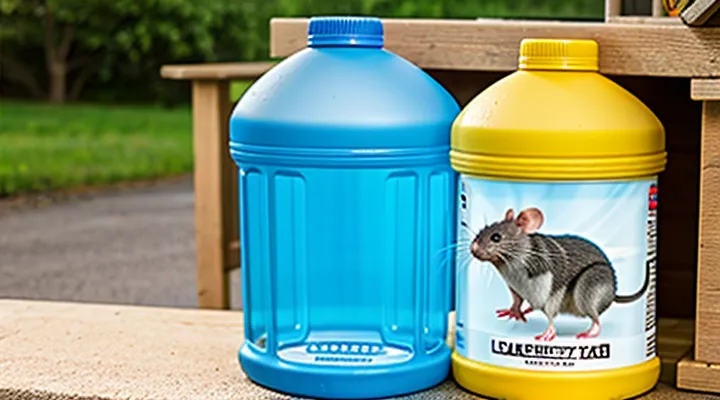
Understanding the Need for a DIY Rat Trap
Why Build Your Own?
Cost-Effectiveness
A rat trap fabricated from a standard 5‑liter plastic container costs a fraction of commercial alternatives. The primary expense is the bottle itself, typically priced between $0.50 and $1.00 when purchased in bulk. Additional components—such as a piece of wire, a small piece of cardboard, and a few drops of adhesive—add no more than $0.30 total.
- Material cost per unit: approximately $0.80–$1.30.
- Commercial snap traps: $1.50–$3.00 each.
- Heavy‑duty cage traps: $15–$30 each.
The low material outlay enables mass production for pest‑control programs with limited budgets. Recycling an existing bottle eliminates the need for new raw material, further reducing expenses and environmental impact. Because the trap can be assembled in under five minutes, labor costs remain negligible, especially when volunteers perform the construction.
Overall, the per‑trap investment is roughly 5–10 % of that required for store‑bought models, delivering comparable capture efficiency when properly positioned and baited. This cost advantage makes the bottle‑based design a viable solution for households, farms, and community outreach initiatives seeking economical rodent management.
Accessibility of Materials
A successful rodent capture device built from a five‑liter plastic container depends on the ease with which required components can be sourced. The bottle itself is widely distributed in supermarkets, convenience stores, and household waste streams, ensuring that most users can obtain a suitable vessel without special ordering. Additional elements—such as a sturdy wire or thin rod for the trigger, a wooden dowel for the lever, and a piece of cardboard or plastic for the bait platform—are commonly found in hardware stores, DIY sections of supermarkets, or can be repurposed from discarded items.
Key factors influencing material accessibility:
- Universal availability: 5‑liter bottles are standard packaging for water, juice, and cleaning products; they appear in most retail environments.
- Low cost: Most containers are provided free of charge when purchased with liquids, and discarded bottles can be collected without expense.
- Reusability: The plastic is durable enough to endure repeated use, allowing the trap to be refurbished after cleaning.
- Simple tools: Cutting the bottle and shaping the trigger require only a utility knife or scissors, tools present in most households.
- Alternative sources: If a plastic bottle is unavailable, a similarly sized container made of metal or thick cardboard can serve as a substitute, preserving the trap’s functionality.
By selecting materials that are readily obtainable, inexpensive, and replaceable, the construction process remains feasible for individuals in diverse economic and geographic settings. This accessibility eliminates barriers to implementation and supports widespread adoption of the homemade rodent control solution.
Environmental Considerations
Reusing a 5‑liter PET container as a rodent catcher diverts a sizable item from municipal waste streams. The bottle’s rigid structure provides a functional cage without requiring new plastic production, thereby lowering the carbon footprint associated with manufacturing.
The trap’s construction should avoid additional pollutants. Select non‑toxic fastening methods—such as zip ties or heat‑sealed seams—instead of solvent‑based glues that could leach chemicals into the environment. Natural attractants (e.g., dried grains) replace synthetic baits that might attract non‑target wildlife.
When the device has fulfilled its purpose, it can re‑enter the recycling loop. Rinse the bottle, remove any residual organic matter, and place it in a PET recycling bin. If local facilities accept mixed plastics, the entire assembly may be processed together, minimizing post‑use landfill volume.
Key environmental practices:
- Use the bottle intact; do not cut or shred it, preserving material integrity for recycling.
- Employ mechanical fasteners rather than adhesives to prevent chemical contamination.
- Choose biodegradable or locally sourced bait to reduce ecological impact.
- Dispose of the trap through established PET recycling channels after use.
By adhering to these guidelines, the homemade rodent catcher contributes to waste reduction, limits chemical exposure, and supports circular‑economy principles.
When to Use a DIY Trap
Small Infestations
Small infestations of rodents can be addressed effectively with a trap built from a common five‑liter plastic container. The design exploits the animal’s natural curiosity and tendency to follow a scent trail, providing a low‑cost, disposable solution for limited populations.
The trap consists of three basic components: a bait chamber, a funnel entry, and a containment section. The bait chamber holds food that attracts the pest; the funnel guides the rodent inward; the containment section prevents escape once the animal has entered.
Key considerations for successful deployment:
- Placement: Position the device along walls, near droppings, or close to known entry points. Rodents travel close to surfaces, so aligning the trap with these pathways maximizes contact.
- Bait selection: Use high‑fat items such as peanut butter, dried fruit, or small pieces of meat. Freshness enhances lure strength, especially for brief infestations.
- Entry angle: Cut the bottle’s neck to form a 45‑degree cone. The angle should be steep enough to discourage retreat but gentle enough to allow easy entry.
- Containment safety: Seal the bottom with tape or a tight‑fitting lid after the trap is set. This prevents accidental release and protects non‑target species.
Construction steps:
- Cut the bottle near the top, preserving a 10‑centimeter section for the funnel.
- Invert the cut section and insert it into the remaining body, forming a one‑way entry.
- Secure the junction with strong adhesive or zip ties.
- Apply bait to the interior base of the container.
- Anchor the trap to a stable surface using nails or heavy objects to avoid displacement.
Monitoring the trap daily allows prompt removal of captured rodents, reducing the risk of disease transmission and preventing the infestation from expanding. After capture, dispose of the entire unit in a sealed bag to avoid attracting secondary pests. Repeating the process with additional traps can eradicate a small population within a few weeks, eliminating the need for chemical poisons or professional extermination services.
Non-Toxic Solution Preference
When constructing a rat trap from a 5‑liter plastic container, selecting a non‑toxic lure eliminates health hazards and reduces the risk of contaminating the environment. A safe attractant also prevents accidental poisoning of pets or children that may encounter the device.
Effective non‑toxic options include:
- Peanut butter mixed with a small amount of honey
- Fresh fruit pieces such as apple or banana slices
- Cornmeal combined with a dash of molasses
- Oatmeal soaked in warm water and cooled
Each material offers a strong scent that draws rodents without introducing harmful chemicals.
To apply the lure, spread a thin layer on the interior edge of the bottle’s cut opening. Ensure the coating adheres firmly; otherwise, the rat may escape before triggering the mechanism. Position the trap in areas where rodent activity is evident, such as along walls or near food storage.
Safety guidelines require wearing disposable gloves during preparation, sealing the trap after capture, and disposing of captured rodents according to local regulations. Maintaining a non‑toxic approach guarantees that the trap fulfills its purpose while preserving overall household safety.
Emergency Situations
Improvised rodent control becomes essential when conventional supplies are unavailable, such as during power outages, natural disasters, or prolonged evacuations. A five‑liter container can be transformed into a functional trap, providing a low‑cost solution that does not rely on electricity or specialized equipment.
- Cut the bottle near its base, preserving a wide opening.
- Invert the cut section and insert it into the intact lower half, forming a funnel that guides the animal inward.
- Secure the junction with strong tape or wire to prevent collapse.
- Place a bait—peanut butter, cheese, or grain—at the narrow end of the funnel.
- Position the trap along known rodent pathways, ensuring the opening faces the wall or corner where activity is observed.
- Check the device regularly; once captured, release the animal far from the shelter or dispose of it according to local regulations.
During emergencies, the trap must be handled with clean gloves to avoid disease transmission. The bottle material resists water and can be sterilized with boiling water or a disinfectant solution if reuse is planned. After use, dismantle the trap, rinse all components, and store them in a dry container for future incidents.
Employing this method reduces reliance on commercial products, mitigates health risks associated with rodent infestations, and maintains a degree of self‑sufficiency in crisis conditions.
Gathering Your Materials
Essential Items
5-Liter Plastic Bottle
The five‑liter plastic bottle is a common, lightweight container made from high‑density polyethylene (HDPE). Its cylindrical shape provides a stable base, while the wide mouth allows easy access for modifications. The transparent material lets users monitor bait placement without opening the trap. The bottle’s thickness, typically 0.3–0.5 mm, resists tearing when rats gnaw, ensuring durability during repeated use. Its mass, around 30 g when empty, is sufficient to stay grounded when a rat attempts escape, yet light enough for quick disposal after capture.
Key attributes that make the bottle suitable for a rodent‑capture device:
- Wide opening facilitates insertion of bait and construction of a one‑way entry.
- Smooth interior surface prevents rats from climbing out once inside.
- Snap‑fit cap can be repurposed as a trigger mechanism.
- Availability in most households eliminates need for specialized equipment.
Preparation steps:
- Rinse the bottle thoroughly; remove labels to avoid visual distractions for the animal.
- Using a utility knife, cut a 4‑inch segment from the bottle’s lower third, preserving the base as a stable platform.
- Trim the cut edge into a funnel shape: a 2‑inch opening at the top narrowing to a 1‑inch exit at the bottom.
- Insert bait (e.g., peanut butter or dried fruit) at the funnel’s deepest point.
- Secure the cap with a small piece of wire or string, creating a tension‑release latch that closes the exit when the rat pulls on the bait.
- Place the assembled trap along known rodent pathways, ensuring the entrance faces the wall to guide movement into the funnel.
The bottle’s reusability stems from its chemical resistance; cleaning with mild detergent restores it for subsequent deployments. Its transparent walls allow inspection of captured rodents without disturbing the trap, facilitating humane handling and release if necessary.
Cutting Tool «e.g., utility knife, scissors»
The cutting instrument is essential for shaping the plastic container into a functional rodent trap. A sharp edge creates precise openings, ensures smooth operation of the trigger mechanism, and prevents ragged fragments that could injure the animal or compromise the device.
Select a tool based on material thickness and required cut precision.
- Utility knife: retractable blade, replaceable 10‑15 mm carbon steel edge, ideal for scoring and deep cuts.
- Scissors: stainless‑steel blades, suited for trimming thin sections and finishing edges.
- Blade angle: 45°–60° provides clean incisions in PET plastic.
- Handle grip: ergonomic design reduces hand fatigue during repeated cuts.
Prepare the bottle before cutting. Remove any label, rinse thoroughly, and dry. Mark cut lines with a permanent marker, aligning them with the intended trap geometry. Secure the bottle on a stable surface, such as a wooden block, to prevent movement.
Execute the cut with controlled pressure. For a utility knife, score the line several times until the plastic yields, then apply steady force to separate the section. For scissors, open blades fully, align with the marked edge, and slice in a single motion to avoid jagged edges. After separation, smooth the perimeter with sandpaper or a deburring tool to eliminate sharp remnants.
Observe safety protocols throughout the process. Wear cut‑resistant gloves, keep fingers away from the blade path, and dispose of spent blades in a designated container. Following these guidelines results in a cleanly cut, reliable trap constructed from a five‑liter plastic bottle.
Bait «e.g., peanut butter, cheese»
When preparing the lure for a homemade rodent catcher, select a substance with a strong odor and a texture that rodents can easily manipulate. Peanut butter provides an oily consistency that adheres to the bottle’s interior, preventing the animal from removing it without triggering the trap. Cheese offers a pungent scent that attracts both rats and mice, especially when placed in a small cavity where the rodent must reach inside.
Effective bait application follows these steps:
- Spread a thin layer of peanut butter on the inner surface of the bottle’s opening, ensuring coverage of the trigger mechanism.
- Place a cube of cheese directly on the peanut butter, or insert a piece of dried fish or boiled egg if preferred.
- Secure the bait so it does not fall out when the animal enters, but remains accessible enough to entice entry.
Using fresh, high‑fat or high‑protein foods maximizes attraction, while avoiding overly dry or crumbly materials reduces the chance of the rodent escaping without activating the device.
String or Wire
String and thin wire are the primary mechanisms for triggering the plastic‑bottle rat trap. They transmit the animal’s movement to the release latch, causing the bottle to collapse and enclose the rodent.
When selecting material, consider tensile strength, flexibility, and visibility. Rough nylon string holds up under repeated pulls but may stretch, reducing sensitivity. Stiff steel wire maintains exact tension, allowing a crisp snap, but can cut the animal’s paws and may be harder to conceal. Braided fishing line offers a balance: high strength, low stretch, and near invisibility.
Installation steps:
- Cut a 30‑centimeter length of the chosen cord or wire.
- Thread one end through the bottle’s neck opening, leaving a short tail inside the container.
- Attach the tail to the trigger latch—typically a small piece of cardboard or a lightweight wooden stick positioned at the bottle’s apex.
- Pull the external end taut, securing it to a fixed point such as a nail driven into the ground or a sturdy stick.
- Adjust tension until a slight pull releases the latch; verify by gently tugging the external end while observing the latch’s motion.
Maintenance advice:
- Inspect the line weekly for fraying or corrosion; replace any compromised section immediately.
- Keep the cord or wire away from sharp edges that could cause premature breakage.
- For outdoor traps, use UV‑resistant coating on wire or a weather‑proof sheath on string to prolong lifespan.
Proper use of string or wire ensures reliable activation, enhances trap longevity, and maximizes capture efficiency.
Fasteners «e.g., tape, glue, staples»
Fasteners secure the components of a bottle‑based rodent trap, ensuring reliability during operation. Choose adhesives, tapes, or staples based on material compatibility and expected stress.
- Tape: Duct or packing tape provides quick, temporary bonding for edges and seams. Apply in overlapping strips to prevent gaps.
- Glue: Contact cement or hot‑glue creates a permanent seal between the bottle’s cut sections. Allow full cure time before setting the trap.
- Staples: Heavy‑duty staples fasten cardboard or fabric supports to the bottle’s neck. Use a stapler with sufficient reach to avoid hand injury.
Apply each fastener as follows:
- Cut the bottle to form a funnel and a support platform.
- Seal the funnel’s rim with tape, overlapping at least two inches for strength.
- Apply glue to the joint where the funnel meets the platform; press firmly and let cure for 10–15 minutes.
- Attach any reinforcement material to the platform using staples, spacing them every 2 cm to distribute load.
Proper selection and installation of these fasteners prevent premature failure, maintain trap integrity, and increase capture efficiency.
Optional Tools and Materials
Measuring Tape or Ruler
A measuring tape or ruler is essential for establishing the dimensions required to convert a five‑liter plastic bottle into an effective rodent trap. Accurate measurements ensure that cuts fit together without gaps that could allow escape.
First, determine the bottle’s height and diameter. Use the tape to record the total length from the base to the opening; typical five‑liter containers measure approximately 30 cm tall with a 15 cm diameter. Mark these points on the bottle with a permanent marker.
Next, calculate the size of the entry tunnel. A 5 cm wide opening provides sufficient space for a rat while limiting larger animals. Measure 5 cm on the tape, then draw a straight line across the bottle’s side at the desired height, usually 10 cm below the rim.
Cutting the bottle follows the measured guidelines. Use scissors or a utility knife to slice along the marked lines. The resulting pieces should align precisely when assembled, reducing the need for additional trimming.
Finally, verify all dimensions before securing the trap. Re‑measure each component; any deviation greater than 1 mm may compromise functionality. Consistent use of a measuring tool throughout the build yields a reliable, repeatable design.
Marker Pen
A marker pen provides a quick, permanent way to indicate critical dimensions on a 5‑liter bottle before it is transformed into a rodent trap. By drawing reference lines, you can ensure cuts and folds align precisely, reducing material waste and improving trap efficiency.
Use the pen to:
- Mark the location of the entry hole, typically 2–3 cm from the bottle’s base.
- Outline the cut for the funnel section that guides the animal inward.
- Label the bait chamber to avoid confusion during assembly.
The ink resists water and oil, so markings remain visible after the bottle is rinsed or coated with adhesive. When the trap is positioned, the visible lines help verify correct orientation, allowing rapid adjustments without dismantling the device.
For durability, select a permanent‑type marker with a fine tip. Apply steady strokes, allowing each line to dry before handling the bottle. This practice streamlines the construction process and enhances the reliability of the final trap.
Sandpaper «for smoothing edges»
Sandpaper is essential for removing sharp protrusions on the cut sections of a 5‑liter plastic bottle used as a rat trap. Rough edges can damage the bait platform, hinder the trigger mechanism, and pose a risk to the animal.
- Choose medium‑grit (120–150) for initial smoothing; finish with fine‑grit (220–320) to achieve a smooth surface.
- Cut the bottle according to the trap design, then hold each edge firmly with pliers.
- Rub the sandpaper along the length of the edge, applying even pressure until no burrs remain.
- Rotate the bottle piece periodically to maintain a consistent angle and prevent uneven wear.
- Inspect the edge with fingertip pressure; any remaining roughness indicates a need for additional sanding.
Wear gloves and eye protection throughout the process to avoid injury from plastic fragments. After sanding, wipe edges with a damp cloth to remove dust before assembling the trap. This preparation ensures reliable operation and humane capture.
Protective Gloves
Protective gloves are essential when assembling a rodent trap from a five‑liter plastic container. Direct contact with sharp edges, broken bottle fragments, and potentially contaminated surfaces can cause cuts, abrasions, or exposure to disease agents. Wearing gloves isolates the hands from these hazards, preserving skin integrity and reducing the risk of infection.
Select gloves that combine durability with tactile sensitivity. Recommended characteristics include:
- Cut‑resistant material such as nitrile‑coated Kevlar or high‑density polyethylene.
- Chemical resistance to cleaning agents used after trap deployment.
- A snug fit to maintain dexterity while handling small components like wire or bait.
- Easy decontamination, allowing washing with soap and water or disinfection with a dilute bleach solution.
During construction, put on gloves before cutting the bottle, inserting the trigger mechanism, and securing any wire or string. Ensure the gloves cover the wrists fully to prevent accidental exposure. After completing the trap, remove gloves carefully, turning them inside out to trap any contaminants, and dispose of or sanitize them according to local waste guidelines.
Proper glove use extends the lifespan of the trap by preventing damage to the bottle’s edges and maintains personal safety throughout the entire fabrication and deployment process.
Step-by-Step Construction Guide
Preparing the Bottle
Cleaning and Drying
Before assembly, the bottle must be free of residues that could deter rodents or compromise the trap’s function. Rinse the container thoroughly with warm water and a mild detergent, scrubbing the interior and exterior surfaces to eliminate food particles, grease, or odor‑absorbing substances. Rinse again with clean water to remove any soap film.
Dry the bottle completely to prevent moisture from weakening the plastic or promoting mold growth. Place the rinsed bottle upside down on a clean towel in a well‑ventilated area, allowing air circulation for at least 30 minutes. For faster results, use a low‑heat setting on a hair dryer, moving the nozzle continuously to avoid overheating the plastic.
Once dry, inspect the bottle for cracks or warping. Any defects should be discarded, as they can impair the trap’s structural integrity and reduce its effectiveness. Only a clean, dry, undamaged bottle should proceed to the cutting and assembly stages.
Marking Cut Lines
Marking the cut lines precisely determines the trap’s shape, ensures that the funnel aligns correctly, and prevents material waste. Use a permanent marker or a fine‑point pen that adheres to plastic. Measure each segment before drawing; the entrance opening should be about 5 cm wide, and the funnel’s taper must follow a smooth curve to guide rodents inward.
- Lay the bottle on a stable surface, remove the cap, and empty any remaining liquid.
- Identify the top third of the bottle; this section becomes the funnel.
- Draw a horizontal line 5 cm below the bottle’s rim to mark the entrance cut.
- From the center of that line, sketch a gentle arc extending to the base of the bottle; this arc defines the funnel’s slope.
- Extend a vertical line from the arc’s midpoint to the bottle’s bottom; it serves as a reference for the final cut.
- Verify all lines with a ruler or measuring tape, then proceed to cut along the marked edges with scissors or a utility knife.
Accurate markings reduce the need for repeated trimming, speed up assembly, and produce a functional trap that reliably captures rodents.
Creating the Entry Point
The «Inverted Cone» Method
The “Inverted Cone” technique transforms a standard five‑liter PET bottle into an effective rodent capture device. By cutting the bottle to create a funnel that points downward, the design exploits the animal’s natural tendency to move upward toward light while preventing escape once inside.
Materials required:
- Empty five‑liter plastic bottle
- Sharp utility knife or scissors
- Permanent marker
- Strong adhesive tape or waterproof glue
- Small bait (peanut butter, dried fruit, etc.)
Construction steps:
- Mark a line 10 cm above the bottle’s base; this will become the cone’s apex.
- Cut a circular opening along the marked line, preserving the lower section as a sealed container.
- Invert the upper portion, forming a cone that fits snugly into the cut opening; the narrow tip should face the interior of the lower section.
- Secure the junction with several layers of tape or a bead of glue to eliminate gaps.
- Puncture a small hole near the bottle’s top, insert bait, and seal the opening with tape.
Placement guidelines:
- Position the trap along known rodent pathways, preferably against a wall where mice travel.
- Ensure the bottle’s opening faces upward; the inverted cone forces the animal to climb into the narrow tip, after which it slides to the bottom and cannot reverse its motion.
Maintenance notes:
- Check the trap daily; remove captured rodents and clean the interior with detergent before resetting.
- Replace bait every 48 hours to maintain attraction.
- Inspect tape and glue for wear; reinforce as needed to preserve the airtight seal.
The «Swinging Door» Method
The “Swinging Door” technique transforms a five‑liter plastic bottle into an effective rodent trap. The method relies on a hinged entry panel that closes automatically when a rat enters, preventing escape.
Materials required:
- One clean five‑liter soda bottle
- Two sturdy wooden dowels or metal rods (approximately 10 cm long)
- A small piece of flexible plastic or thin plywood for the door
- Strong adhesive or epoxy
- A bait such as peanut butter or dried fruit
- Utility knife and scissors
Construction steps:
- Cut the bottle near its neck, leaving a 5‑cm rim intact to serve as a hinge point. Remove the cap and discard the top portion.
- Drill two parallel holes on opposite sides of the cut edge, spaced 3 cm apart. Insert the dowels, securing them with adhesive so they protrude outward, forming a pivot axis.
- Attach the door panel to the dowels, aligning it flush with the bottle’s opening when closed. Ensure the panel can swing inward freely.
- Create a small notch inside the bottle, positioned to catch the door when a rat pushes against it. The notch should be just large enough for the door’s edge to rest, locking the panel shut.
- Apply bait to the interior base of the bottle, near the notch, to attract the target.
- Test the mechanism by applying gentle pressure to the door; it should swing inward and latch securely in the notch.
Operation: When a rat enters through the opening, it pushes the door inward. The door’s momentum carries it past the notch, where the edge drops into place, sealing the entrance. The animal remains inside the confined space, unable to reopen the door without external assistance.
Maintenance:
- Empty and clean the trap after each capture.
- Replace the door or adjust the hinge if wear reduces smooth movement.
- Reapply fresh bait to maintain attraction.
The swinging door design offers a low‑cost, reusable solution that leverages simple physics to secure rodents without lethal force.
Setting Up the Trigger Mechanism
Simple String and Bait System
The string‑and‑bait arrangement provides the trigger that releases the bottle’s lid when a rat pulls on the line.
First, cut a 10‑cm length of thin, sturdy string. Tie one end securely around the bottle’s neck, leaving a short loop that can be slipped over the edge of the opening. The opposite end should be attached to a small piece of cheese, peanut butter‑coated oat, or any preferred attractant. Position the bait at the center of the bottle’s interior, ensuring the string hangs freely through the opening.
To activate the trap, bend the bottle so the lid rests against a fixed object (a brick or a stack of books). Tension the string by pulling the bait outward, then lock the bottle in place with a clamp or a rubber band. When a rat reaches for the bait, it will tug the string, pulling the loop off the edge and allowing the lid to snap shut, trapping the animal inside.
Key points for reliable operation:
- Use a non‑elastic string to prevent loss of tension.
- Secure the knot on the neck tightly; a slip knot may loosen under pressure.
- Place the bait just inside the opening to maximize reach without exposing the interior.
- Test the mechanism with a light weight before setting the trap to confirm smooth release.
The system relies on a single, direct force transfer: the rat’s pull on the bait translates into the lid’s closure, eliminating complex levers and reducing the chance of malfunction. Properly assembled, the string and bait component makes the bottle trap both efficient and easy to construct.
Trip-Plate Design
The trip‑plate serves as the trigger that releases the bottle’s lid when a rodent steps on it, causing the container to fall and enclose the animal.
Construction begins with a sturdy, thin piece of plastic or cardboard cut to a rectangle approximately 5 cm by 10 cm. The plate must be flexible enough to bend under weight yet rigid enough to hold its position when unloaded. Attach one end of the plate to the bottle’s neck with a small piece of tape or zip‑tie, leaving the opposite end free to rest on a support bar positioned inside the trap.
Placement of the support bar determines the activation point. Insert a wooden dowel or a sturdy straw horizontally across the interior of the bottle, 2–3 cm above the bottom. Position the free end of the trip‑plate on the dowel so that the plate tilts downward under the weight of a rat. When the animal steps on the plate, the dowel pivots, allowing the bottle’s lid to swing open and collapse over the interior.
Key adjustments:
- Plate length: longer plates increase sensitivity; shorten for larger rodents.
- Support height: lower bar yields earlier activation; raise to prevent false triggers.
- Attachment method: secure but removable tape permits quick resetting after capture.
Testing involves placing a small weight on the plate to confirm reliable release. Adjust the dowel angle or plate tension until the bottle collapses with a 50–100 g load, matching the typical weight of a common rat. Once calibrated, the trap operates without additional components, relying solely on the trip‑plate mechanism.
Securing the Trap
Preventing Escape Routes
When converting a five‑liter plastic container into a rodent trap, eliminating any possible exit points is essential for capture success. The bottle’s geometry creates natural openings that rats can exploit; sealing or redirecting these gaps forces the animal toward the trigger mechanism.
- Cut the bottle near the neck, preserving a smooth edge that will serve as the entry tunnel.
- Attach a rigid collar of tape or silicone around the cut to prevent the animal from widening the opening.
- Place a one‑way flap made from thin cardboard or flexible plastic over the tunnel; the flap should open inward under the rat’s weight but snap back closed when pressure is released.
- Ensure the funnel leading to the bait chamber tapers sharply; a gradual slope encourages forward movement and discourages retreat.
- Seal all seams with waterproof adhesive to avoid gaps where a determined rodent could squeeze through.
Additional measures reinforce containment:
- Position the trap on a stable surface; wobbling can create unintended spaces.
- Use a small amount of non‑toxic adhesive on the interior walls of the entry tunnel to increase friction without harming the animal.
- Inspect the trap before each use, confirming that tape, flaps, and seals remain intact.
By systematically removing every potential escape route, the bottle‑based trap becomes a reliable device for controlling rat activity.
Adding Stability «e.g., weights»
Stability is critical for a bottle‑based rodent trap; without a solid base the structure tilts when the animal interacts with the trigger, reducing capture efficiency.
Select dense, inexpensive items such as sand, gravel, small stones, or metal washers. Place the chosen material inside the bottle’s lower section before assembling the funnel. The added mass lowers the center of gravity, preventing the bottle from rocking.
Steps to add weight effectively:
- Fill the bottom third of the bottle with the chosen material, ensuring it settles evenly.
- Seal the opening with tape or a rubber band to keep the weight from shifting.
- Test the trap on a flat surface; if it still wobbles, increase the amount of weight or use a larger particle size.
Consider using a detachable weight pack. A small canvas bag filled with sand can be slipped into the bottle and removed for cleaning, preserving the trap’s reusability.
Secure the weighted bottle on the floor or against a wall to further limit movement. A simple rubber mat or a piece of plywood beneath the trap adds friction and helps maintain position during repeated activations.
Baiting and Placement Strategies
Choosing Effective Bait
Odor and Attractiveness
A successful bottle trap relies on a strong, appealing scent that compels rodents to enter the container. The odor must be detectable from a distance and irresistible enough to overcome the animal’s natural wariness.
Commonly used attractants include:
- Peanut butter – dense, fatty aroma that persists for hours.
- Bacon grease – smoky, protein-rich scent that triggers foraging behavior.
- Commercial rodent bait pellets – formulated with potent food-grade scents.
- Fruit puree (banana, apple) – sweet, fermenting odor that appeals to omnivorous rats.
- Cat litter infused with mouse urine – mimics a predator‑free environment, encouraging exploration.
Apply the chosen bait directly to the interior rim of the bottle or attach a small piece of gauze soaked in the attractant to the entry funnel. Ensure the scent is not obscured by water or condensation; a dry surface maximizes volatility.
Avoid using strong household cleaners or perfumes, as they can mask the intended odor and deter target species. After each capture, discard the bottle and bait in a sealed container to prevent accidental exposure to non‑target animals and to eliminate residual scent that could attract additional rodents to the disposal area.
Consistency and Longevity
A reliable trap must deliver the same result each time it is set. Use a uniform cut to create the funnel opening; identical dimensions prevent variations in entry angle that could allow escape. Secure the hinge with a single, evenly tightened screw so the door snaps shut with consistent force. Position the bait at the same distance from the hinge for every installation; this distance determines the lever advantage and eliminates unpredictable trigger sensitivity. Test each unit by applying a calibrated weight to the door; the collapse point should match the target threshold before deployment.
Durability depends on material choice and reinforcement. The 5‑liter container provides a thick wall that resists puncture, but exposure to sunlight degrades plastic over months. Coat the exterior with a UV‑resistant spray to extend service life. Reinforce the funnel edge with a strip of PVC or metal tape to avoid cracking at the cut line. Clean the interior after each capture; residue can weaken the plastic and attract mold, reducing structural integrity. Store unused traps in a dry, shaded area to prevent warping.
Practical checklist for consistency and longevity:
- Cut funnel with a calibrated template; verify dimensions with a ruler.
- Install hinge using a stainless‑steel screw; torque to a specified value (e.g., 0.8 Nm).
- Apply UV‑resistant coating every six months.
- Wrap cut edge with 0.5 mm PVC tape.
- Perform weight test (e.g., 200 g) before each use.
- Clean interior with mild detergent; dry thoroughly.
- Store in a temperature‑stable, low‑light environment.
Optimal Trap Placement
Identifying Rat Runways
Rats travel along established pathways that connect food sources, nesting sites, and shelter. Recognizing these routes allows placement of a 5‑liter bottle trap where it intercepts the most traffic, increasing capture efficiency.
Visual cues reveal runway locations. Look for fresh droppings arranged in straight lines, greasy smears on walls, and gnaw marks on baseboards or furniture legs. Paths often follow edges of cabinets, behind appliances, and beneath pipes. In low‑light areas, a flashlight angled across the floor highlights disturbed dust or debris that rats have displaced.
Tracking agents provide objective confirmation. Apply a thin layer of non‑toxic powder or flour along suspected routes; rats leave visible footprints that clarify direction and frequency of use. After a few hours, examine the substrate for clear tracks and adjust trap placement accordingly.
Common runway indicators include:
- Concentrated droppings spaced 6–12 inches apart
- Smears of urine or oil along walls and baseboards
- Chewed wires, cords, or insulation
- Accumulated gnaw holes in cardboard, plastic, or wood
- Small piles of shredded material near entry points
Once runways are mapped, position the bottle trap at a junction where multiple signs converge. Secure the trap so that the entry funnel aligns with the identified pathway, ensuring rats encounter the device during normal movement. Continuous monitoring and occasional relocation of the trap maintain effectiveness as rats modify their routes.
Hiding the Trap
Place the bottle trap where rodents naturally travel, then conceal it with materials that match the surroundings. Use a piece of cardboard, a wooden plank, or a garden mulch layer to cover the exterior without obstructing the entry hole. Secure the cover with tape or zip ties so it remains stable when the animal pushes against the bottle.
- Cut a rectangular opening in the cover material that aligns with the bottle’s entrance; the gap should be just wide enough for a rat to slip through.
- Position the cover so the top of the bottle is flush with the ground or floor, eliminating visible edges.
- Add a thin layer of soil, sand, or shredded newspaper over the cover to blend with the existing substrate.
- In indoor settings, tuck the trap behind appliances, under cabinets, or inside a stack of boxes, ensuring the entry point stays accessible.
Maintain the camouflage by checking for displacement after each capture and readjusting the covering material as needed. This approach maximizes trap effectiveness while keeping it out of sight from both pests and humans.
Monitoring and Maintenance
Regular Checks
When a homemade rodent trap is assembled from a 5‑liter plastic bottle, its effectiveness depends on frequent inspection. Regular checks confirm that the bait remains attractive, the trigger mechanism operates smoothly, and the bottle has not been compromised by weather or damage.
Inspect the trap at least twice daily while the device is active. During each inspection:
- Verify that the bait is fresh; replace stale material to maintain scent strength.
- Test the lever or string that releases the bottle’s neck; ensure it moves freely and returns to the closed position after activation.
- Examine the bottle for cracks, warping, or leaks that could allow escape or reduce suction.
- Clear any debris, droppings, or dead rodents that may obstruct the entrance or create unpleasant odors.
- Reset the trap if a catch has occurred, disposing of the captured animal according to local regulations before re‑baiting.
Maintain a simple log noting the time of each check, observed conditions, and any corrective actions taken. Consistent monitoring minimizes false negatives, prolongs the trap’s lifespan, and maximizes the likelihood of successful capture.
Cleaning and Re-baiting
After each capture, the bottle must be emptied, rinsed, and dried before setting a new lure. Residual blood or debris attracts unwanted insects and can deter rats from returning.
Cleaning procedure
- Remove the trap from its mounting point.
- Invert the bottle and pour the contents into a disposable container.
- Rinse the interior with hot water; add a mild detergent if grease is present.
- Scrub the inner surface with a brush to eliminate residue.
- Rinse thoroughly to remove any soap.
- Allow the bottle to air‑dry completely or wipe with a clean cloth.
Re‑baiting steps
- Select fresh bait (e.g., peanut butter, dried fruit, or a piece of cheese).
- Apply a thin layer to the bait platform inside the bottle, ensuring it does not spill over the entry hole.
- Re‑assemble any trigger mechanism, confirming that the door closes securely.
- Position the trap at the same location or relocate based on recent rodent activity.
- Monitor the trap regularly; replace bait every 24–48 hours or after each capture.
Consistent cleaning eliminates scent build‑up, while timely re‑baiting maintains attraction, maximizing capture efficiency.
Safety and Ethical Considerations
Handling Trapped Rodents
Humane Disposal Methods
When a rat is caught in a repurposed 5‑liter bottle, the next step is to handle the animal responsibly and without unnecessary suffering. The following methods ensure humane treatment while complying with local regulations.
- Relocate the rodent to a remote, natural area at least 2 kilometers from any residence, releasing it at dusk to reduce predation risk. Verify that relocation is permitted in your jurisdiction before proceeding.
- Apply a swift, painless euthanasia technique approved by veterinary authorities, such as a certified chemical agent administered according to label instructions. Dispose of the carcass in a sealed, biodegradable bag and place it in a municipal waste container designated for animal remains.
- Use a professional pest‑control service that offers certified humane removal. The service will capture, transport, and either release or humanely euthanize the rat, providing documentation of compliance.
After any disposal method, clean the bottle thoroughly with hot water and a mild detergent, then sanitize with a dilute bleach solution (1 part bleach to 9 parts water). Rinse well and allow the bottle to air‑dry before reuse or recycling. This routine eliminates scent cues that could attract additional rodents and maintains hygiene for future projects.
Releasing in Appropriate Locations
When a rat is captured with a homemade bottle trap, the next step is to relocate the animal safely and responsibly. The release site must be far enough from residential areas, farms, and food storage facilities to prevent re‑entry into human environments. Choose locations where the rat can find natural shelter and food without posing a threat to nearby people or livestock.
Key criteria for an appropriate release point:
- Minimum distance of 2 kilometers from any dwelling, garden, or commercial building.
- Presence of dense vegetation, such as woodlands, hedgerows, or scrub, offering cover.
- Absence of active pest‑control programs or bait stations that could target the animal again.
- Compliance with local wildlife regulations; obtain any required permits before release.
After transport, open the bottle at the selected site, allow the rat to exit, and step back promptly. Record the GPS coordinates of the release location for future reference and to demonstrate adherence to legal requirements. This practice minimizes the risk of infestation recurrence and supports humane pest management.
Preventing Accidental Catches
Pet and Child Safety
When adapting a five‑liter bottle into a rodent catcher, the foremost concern is preventing accidental injury to pets and children. The trap must be sealed, stable, and positioned out of reach to eliminate the risk of ingestion, choking, or entanglement.
Design adjustments that enhance safety include:
- Cutting the bottle at a height that leaves a solid base, preventing tipping.
- Covering sharp edges with tape or smooth plastic sheeting.
- Securing the entry hole with a flexible mesh that allows rodents to pass but blocks larger animals.
- Adding a clear, lockable lid to the collection chamber, so contents cannot be accessed without supervision.
Placement guidelines further reduce hazards:
- Install the device near walls or corners where pets and children seldom play.
- Mount the trap on a low, sturdy platform that cannot be lifted or moved easily.
- Keep bait in sealed containers separate from the trap to avoid attracting unintended species.
Regular inspection is essential. Check that all components remain intact, replace worn tape, and empty the collection chamber promptly. By following these precautions, the homemade rodent catcher remains effective while safeguarding household members.
Warning Signs
When converting a 5‑liter plastic bottle into a rodent capture device, clear warning signs protect users and bystanders from injury and unintended exposure.
The trap must be positioned where children, pets, and non‑target wildlife cannot access it. Mark the area with a visible sign that includes a concise alert such as “Rodent trap in use – keep away.” Use durable, weather‑resistant material to ensure legibility over time.
Potential hazards require explicit notices:
- Sharp edges – indicate the presence of cut bottle rims that could cut skin.
- Bait toxicity – label any poisonous attractant and advise wearing gloves when handling.
- Trap activation – warn that the mechanism will snap shut suddenly, posing a risk of pinching.
- Disposal – instruct that captured rodents must be removed promptly and disposed of according to local regulations.
All signs should employ high‑contrast colors, bold lettering, and standardized symbols. Placement at eye level and at least one meter away from the trap maximizes visibility. Regularly inspect signs for damage or fading; replace them immediately if readability declines.
Trap Durability and Reusability
Material Longevity
The 5‑liter PET container commonly used for beverage storage provides sufficient structural integrity for a rodent trap when the material remains intact over repeated cycles. PET resists impact and maintains shape under the pressure exerted by a captured animal, preventing collapse that could release the pest. Exposure to sunlight degrades most plastics; however, PET retains tensile strength for several months under moderate UV conditions. To maximize lifespan, keep the trap in shaded areas or apply a UV‑blocking film.
Key factors influencing durability:
- Temperature tolerance – PET tolerates ambient temperatures from –20 °C to 60 °C without significant deformation.
- Chemical resistance – the material withstands contact with common baits (e.g., peanut butter, cheese) and cleaning agents; avoid solvents such as acetone that can weaken the polymer.
- Mechanical wear – repeated opening and closing of the bottle’s neck can fatigue the hinge; reinforce the latch with a stainless‑steel clip to reduce stress on the plastic.
- Cleaning frequency – rinse the trap after each capture; thorough drying prevents microbial growth that could compromise the bottle’s surface.
When the bottle shows signs of cracking, discoloration, or loss of rigidity, replace it promptly. Regular inspection and proper maintenance ensure the trap remains effective and safe for an extended service period.
Repairing Damage
When a 5‑liter plastic bottle is repurposed as a rodent capture device, structural damage can compromise effectiveness. Examine the container for cracks, punctures, or deformed sections before assembly; any flaw reduces the trap’s ability to hold the bait and contain the animal.
Repair methods:
- Small cracks: clean the area with soap and water, dry thoroughly, then apply a food‑grade silicone sealant. Smooth the sealant with a disposable tool, allow curing according to manufacturer instructions.
- Larger holes: cut a patch from another clean bottle, shape to match the damaged region, and bond with the same silicone sealant. Reinforce the joint with a thin strip of duct tape if additional strength is required.
- Deformed neck: heat the bottle gently with a hair dryer to restore pliability, then reshape by hand. Cool the material to lock the new form, and test for leaks.
After repairs, rinse the bottle to remove residual sealant, dry completely, and reassemble the trap components. Verify that the entry funnel operates smoothly and that the holding chamber remains airtight. Regular inspection after each use ensures the device remains functional and safe for future deployments.