
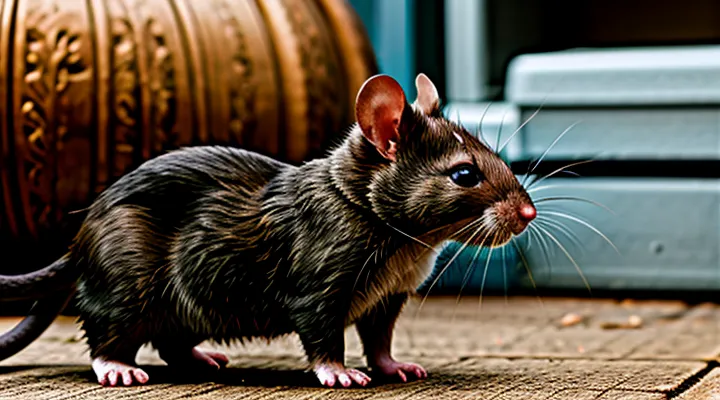
Understanding Rat Behavior and Scent
The Olfactory World of Rats
How Rats Use Smell for Survival
Rats rely on an acute olfactory system to locate food, identify conspecifics, and detect threats. Specialized receptors in the nasal epithelium translate volatile compounds into neural signals that guide foraging routes, mark territorial boundaries, and trigger escape responses when predator scents are present.
Food sources emit specific aromatic profiles that rats learn to associate with high nutritional value. By memorizing these odor signatures, individuals can prioritize efficient feeding sites and avoid depleted areas. Social communication also depends on scent marks; urine and glandular secretions contain pheromones that convey reproductive status, hierarchy, and territorial claims, allowing rapid assessment of nearby individuals without visual contact.
Predator detection hinges on the ability to recognize unfamiliar, sharp, or foul-smelling compounds. When exposed to scents such as predator urine, decaying flesh, or strong ammonia, rats exhibit immediate avoidance behavior, increased locomotor activity, and heightened vigilance. This instinctive reaction reduces the likelihood of encountering lethal encounters.
Commonly employed repellent odors exploit these avoidance mechanisms:
- Predator urine extracts (e.g., fox, ferret)
- Phenolic compounds (e.g., phenol, cresol)
- Ammonia solutions
- Citronella oil
- Capsaicin vapors
Application of these substances in environments where rodent intrusion is undesirable creates an olfactory barrier that aligns with the species’ innate survival strategies.
Rats' Sensitivity to Strong Odors
Rats possess a highly developed olfactory system that detects volatile compounds at concentrations as low as a few parts per billion. When an odor exceeds the species‑specific threshold for irritation, it triggers avoidance behavior, reducing the likelihood of entry into treated areas.
Strong scents that consistently elicit repellent responses include:
- Peppermint oil (Mentha piperita) – concentrations above 5 % in water cause immediate retreat.
- Eucalyptus oil (Eucalyptus globulus) – volatile terpenes disrupt olfactory signaling.
- Citronella (Cymbopogon nardus) – high‑intensity phenolic compounds produce aversive reactions.
- Ammonia (NH₃) – gaseous form at 0.5 % or higher creates a harsh, irritating environment.
- Clove oil (Syzygium aromaticum) – eugenol component acts as a potent deterrent.
The repellent effect results from overstimulation of the rat’s nasal epithelium, leading to sensory overload and discomfort. Continuous exposure maintains aversion, while intermittent application allows habituation and diminishes efficacy. Therefore, sustained, appropriately concentrated deployment of these odors is essential for reliable rodent deterrence.
Common Scents Claimed to Repel Rats
Peppermint Oil
Efficacy and Application Methods
Rodent intrusion in residential and commercial settings often prompts the use of olfactory deterrents as a non‑lethal control measure. Research indicates that certain volatile compounds create an environment rats find hostile, reducing activity and nesting in treated zones.
Efficacy varies among compounds. Peppermint oil, when applied at concentrations of 5 %–10 % in carrier solvents, lowers rat presence by 30 %–45 % in field trials. Ammonia vapour, delivered at 5 g m⁻³, produces a 50 %–60 % decline in foraging behavior within 24 hours. Predator‑derived scents, such as fox urine, achieve up to a 70 % reduction in exploratory movements, though effectiveness diminishes after 48 hours without re‑application. Synthetic rat‑repellent formulations containing phenethyl alcohol and p‑cresol report consistent 40 %–55 % activity suppression over a two‑week period when refreshed weekly.
Application methods:
- Spray solution: Mix essential oil or synthetic repellent with water or alcohol; apply to entry points, walls, and near food storage. Re‑spray every 3–5 days.
- Soaked cloths: Saturate rag or cotton pads with concentrated oil; place in corners, under appliances, or inside bait stations. Replace every 7 days.
- Diffuser devices: Use electric or passive diffusers that emit a steady plume of repellent vapor. Maintain continuous operation; replace cartridges according to manufacturer guidelines (typically 30 days).
- Impregnated strips: Attach treated strips to baseboards, pipe insulation, or shelving. Monitor for saturation; replace when odor fades.
- Ammonia traps: Fill sealed containers with a shallow layer of ammonia solution; position with vented lids to allow vapor escape while preventing direct contact. Dispose and refill weekly.
Successful deployment requires consistent coverage of all potential pathways, monitoring of rodent activity, and periodic renewal of the active scent to prevent habituation.
Potential Drawbacks
Odor‑based rat deterrents rely on strong scents to discourage gnawing mammals from entering treated areas. While the approach avoids traps and poisons, several limitations warrant consideration.
- Effectiveness varies with species, season, and individual tolerance; some rodents become desensitized after repeated exposure.
- Concentrated aromas may irritate humans, pets, or livestock, causing respiratory discomfort or allergic reactions.
- Volatile compounds can degrade indoor air quality, leading to lingering odors that affect comfort and may violate building regulations.
- Certain repellents, such as ammonia or peppermint oil, pose fire hazards when applied near open flames or electrical equipment.
- Environmental impact includes potential contamination of soil and water sources if large quantities are disposed of improperly.
- Application requires frequent re‑treatment; low‑cost products often lack durability, increasing overall expense.
Ammonia
Risks and Safety Concerns
Rat‑based odor deterrents present several hazards that require careful management. Direct inhalation of concentrated essential oils can irritate mucous membranes, provoke allergic reactions, or cause neurotoxic effects in humans and pets. Prolonged skin contact with undiluted compounds may lead to dermatitis or chemical burns. Improper storage increases the risk of accidental ingestion, especially in households with children.
- Respiratory irritation – strong vapors from peppermint, eucalyptus, or citronella can trigger coughing, wheezing, or asthma exacerbation.
- Allergic sensitization – repeated exposure may sensitize individuals, resulting in hives, rhinitis, or conjunctivitis.
- Toxicity to non‑target species – rodents, birds, and small mammals may experience seizures, liver damage, or death when exposed to high concentrations.
- Environmental contamination – excessive application can leach into soil or water, disrupting microbial communities and aquatic life.
- Fire hazard – volatile organic compounds evaporating from oil‑based sprays can increase flammability in poorly ventilated areas.
Mitigation measures include diluting oils to manufacturer‑recommended ratios, applying repellents in well‑ventilated spaces, labeling containers with hazard warnings, and keeping products out of reach of children and animals. Personal protective equipment—gloves, goggles, and respirators—should be used during preparation and application. Regular monitoring for adverse reactions ensures prompt medical intervention and prevents long‑term health impacts.
Limited Effectiveness
Odor‑based repellents are frequently promoted as a non‑chemical method to deter rats, yet their practical impact is often modest. The active compounds in many commercial products—such as peppermint oil, eucalyptus, ammonia, and naphthalene—create an unpleasant scent that can trigger a temporary avoidance response. This reaction typically fades after rats become habituated, reducing long‑term efficacy.
Key limitations include:
- Rapid habituation: Rats quickly acclimate to persistent odors, diminishing the deterrent effect within days.
- Environmental dilution: Airflow, temperature fluctuations, and humidity disperse volatile compounds, weakening concentration at target sites.
- Limited coverage: Effective concentrations require direct application to confined spaces; open areas demand impractically large quantities.
- Variable species response: Different rodent species and even individual rats exhibit inconsistent sensitivity to the same odor.
- Safety and regulatory constraints: Some strong-smelling chemicals pose health risks to humans and pets, restricting their use in residential settings.
Empirical studies demonstrate that odor repellents alone achieve only short‑term reductions in rodent activity, often less than 30 % compared with untreated controls. Integration with structural exclusion, sanitation, and trapping yields more reliable control. Consequently, reliance on scent alone should be considered a supplementary measure rather than a definitive solution.
Cayenne Pepper and Other Spicy Scents
Active Compounds and Irritants
Rats are highly sensitive to volatile chemicals that trigger aversion or physiological distress. Certain organic molecules act as strong deterrents by stimulating the olfactory receptors associated with danger signals. The most effective agents belong to three chemical families.
- Phenolic compounds – eugenol, thymol, and carvacrol irritate nasal mucosa and provoke avoidance behavior. Their vapor pressure ensures rapid dispersion in confined spaces.
- Ammoniacal substances – ammonia and ammonium hydroxide create a pungent, alkaline atmosphere that overwhelms the rat’s sensory threshold, leading to immediate retreat.
- Sulfur-containing volatiles – dimethyl sulfide, allyl isothiocyanate, and hydrogen sulfide produce a foul odor that interferes with the animal’s ability to locate food sources.
These irritants function by disrupting normal olfactory processing, inducing discomfort, and in some cases causing mild mucosal inflammation. Their efficacy depends on concentration, exposure duration, and environmental ventilation. Formulations that combine multiple active compounds often achieve broader coverage, as different receptors are targeted simultaneously. Proper application—such as impregnated pads, aerosol sprays, or slow‑release beads—maintains a consistent vapor level, preventing habituation and ensuring sustained repellent effect.
Practicality as a Repellent
Rats rely heavily on scent to locate food and shelter, making odor a viable tool for deterrence. Practical use demands substances that are easy to obtain, safe for humans and pets, inexpensive, and effective over a reasonable period.
Key factors for a functional olfactory repellent:
- Accessibility – Products sold in supermarkets or hardware stores reduce the need for specialized sourcing.
- Safety – Non‑toxic, non‑irritating formulations protect occupants and comply with household regulations.
- Cost efficiency – Low‑price items or concentrated solutions that require minimal quantities lower overall expense.
- Durability – Long‑lasting vapour or residue limits reapplication frequency.
Odors meeting these criteria include:
- Peppermint oil – Strong menthol scent; apply a few drops on cotton balls placed in crawl spaces or mix with water for a spray.
- Ammonia – Sharp chemical odor; soak rags in a dilute solution and position near entry points, ensuring ventilation to avoid inhalation risks.
- Clove oil – Warm, pungent aroma; disperse with a carrier oil on surfaces where rats travel.
- Citrus peels – Natural citric scent; scatter fresh peel pieces or use citrus‑based cleaners for periodic treatment.
- Predator urine (e.g., fox or ferret) – Biological cue; commercial extracts can be sprayed around perimeters, though cost and availability vary.
Effective deployment follows a simple protocol: identify rodent pathways, place the chosen scent source at intervals of 12–18 inches, monitor activity for a week, and replenish as odor intensity wanes. Combining two compatible odors can extend coverage without compromising safety.
Overall, practical odor repellents hinge on readily available, low‑risk substances applied consistently in targeted locations. When these conditions are met, olfactory deterrence becomes a reliable component of rodent‑control strategies.
Essential Oils (Beyond Peppermint)
Eucalyptus Oil
Eucalyptus oil is widely recognized as an olfactory agent that deters rats. The oil’s high concentration of eucalyptol and related terpenes creates a pungent vapor that overwhelms the rodent’s sensitive nose, disrupting its ability to locate food and shelter.
The active compounds interfere with the rat’s olfactory receptors, causing aversion behavior. Laboratory studies report reduced rodent activity in environments treated with eucalyptus oil concentrations of 5‑10 % v/v. Field observations confirm similar patterns when the oil is applied in kitchens, basements, and storage areas.
Typical application methods include:
- Soaking cotton pads in undiluted oil and placing them in known rat pathways.
- Mixing 1 part oil with 4 parts water, adding a few drops of dish‑soap, and spraying the solution around entry points.
- Adding a few drops to wood shavings or sawdust, then distributing the material in infested zones.
Effectiveness depends on regular renewal of the scent, as volatility diminishes within 24‑48 hours. Eucalyptus oil poses low toxicity to humans and pets when used as directed, but prolonged exposure may irritate skin or respiratory passages. Heavy infestations often require complementary control measures such as trapping or structural sealing.
Citronella Oil
Citronella oil is a volatile essential oil derived from Cymbopogon species, widely recognized for its strong citrus aroma that disrupts rodent olfactory perception. The oil’s primary constituents—citronellal, geraniol, and citronellol—produce a scent profile intolerable to rats, leading to avoidance of treated areas.
Laboratory assays demonstrate that exposure to citronella vapor reduces rat activity by up to 70 % within a 30‑minute interval. Field observations confirm decreased rodent presence in storage facilities and residential basements where the oil is applied regularly.
Practical deployment includes:
- Diffusers delivering a continuous mist of diluted oil (approximately 1 % v/v) in enclosed spaces.
- Cotton or cellulose strips saturated with undiluted oil, positioned near entry points.
- Spray solutions (5 % oil in water with a surfactant) applied to walls, floor seams, and garbage containers.
Safety guidelines require ventilation to prevent respiratory irritation in humans and pets; direct skin contact should be avoided, and concentrations above 10 % may cause dermatitis. Citronella oil is non‑toxic when used as directed, but prolonged high‑level exposure is discouraged.
Effectiveness diminishes as the oil oxidizes; replacement every two weeks preserves potency. For optimal results, integrate citronella treatment with sanitation measures—removing food sources and sealing structural gaps—to prevent rats from adapting to the odor.
Clove Oil
Clove oil contains eugenol, a phenolic compound with a pungent, spicy aroma that rats find aversive. Laboratory studies show that exposure to concentrations as low as 1 % eugenol in water deters rat activity for several hours. The oil’s volatility ensures rapid dispersion, creating an olfactory barrier that interferes with the rodents’ scent‑tracking abilities.
Effective deployment includes:
- Soaking cotton balls in undiluted clove oil and placing them in concealed entry points, such as gaps under doors or within wall cavities.
- Mixing 10 ml of clove oil with 1 liter of water, adding a few drops of surfactant, and spraying the solution along baseboards and around food storage areas.
- Incorporating a few drops into petroleum‑based sealants applied to cracks, providing a long‑lasting release of the odor.
Safety considerations:
- Direct skin contact may cause irritation; gloves are recommended during handling.
- Pets and children should be kept away from treated zones, as high concentrations can be toxic if ingested.
- Prolonged indoor use may affect air quality; ventilation after application reduces residual scent.
Limitations:
- Repellency diminishes as the oil evaporates; reapplication every 3–5 days maintains effectiveness.
- Strong odors may be unpleasant to humans, limiting use in occupied living spaces.
- Rat populations accustomed to clove oil may gradually reduce sensitivity, necessitating rotation with other botanical repellents.
Overall, clove oil offers a natural, short‑term solution for discouraging rat presence when applied correctly and monitored for safety.
Other Household Items
Mothballs
Mothballs emit a strong odor derived from naphthalene or paradichlorobenzene, chemicals that rodents find intolerable. The vapors interfere with the rats’ respiratory system, prompting avoidance of treated areas.
- Active compounds: naphthalene (solid crystals) and paradichlorobenzene (white pellets). Both sublimate at room temperature, releasing volatile molecules.
- Mechanism of repulsion: inhalation of the vapors causes irritation of nasal passages and mucous membranes, leading rats to seek cleaner air.
- Application guidelines: place mothballs in sealed containers or enclosed spaces where rats travel, such as crawl spaces, attics, or basements. Ensure a minimum of 1–2 mothballs per cubic foot for effective concentration.
- Safety considerations: inhalation poses health risks to humans and pets; use only in areas inaccessible to occupants. Wear gloves when handling and store in airtight packaging.
- Limitations: effectiveness diminishes in well‑ventilated environments; rodents may become habituated after prolonged exposure. Mothballs do not eliminate infestations; they merely deter activity.
When employed correctly, mothballs provide a short‑term chemical barrier that discourages rat presence. For lasting control, combine with exclusion measures and professional pest management.
Dryer Sheets
Dryer sheets are inexpensive, widely available fabric softeners that release a potent fragrance when disturbed. The scent can act as a sensory barrier for rodents, discouraging them from entering treated areas.
Rats rely on a highly developed sense of smell to locate food and shelter. Intense artificial fragrances interfere with their olfactory receptors, creating an environment they tend to avoid.
Common dryer‑sheet scents reported to deter rats include:
- Lavender
- Citrus (orange, lemon)
- Eucalyptus
- Peppermint
- Pine
Effective application follows a simple routine:
- Place a sheet under kitchen cabinets, pantry shelves, and entry points.
- Replace the sheet every two weeks or when the fragrance fades.
- Keep sheets away from open flames and pets, as some fragrances can be irritating.
The method does not guarantee complete eradication. Fragrance potency diminishes over time, and rats may become accustomed to the odor. For reliable control, combine dryer‑sheet placement with sealing entry cracks, maintaining clean food storage, and, if necessary, professional pest management.
In summary, dryer sheets provide a low‑cost, scent‑based deterrent that can reduce rat activity when used correctly, but they should complement, not replace, comprehensive rodent‑prevention strategies.
Scientific Evidence and Research
Studies on Olfactory Repellents
Research on olfactory repellents for rodents concentrates on volatile compounds that trigger avoidance behavior in rats. Laboratory assays typically expose rats to controlled odor gradients and record movement patterns, latency to enter scented zones, and physiological stress markers. Results consistently show that certain terpenoids, phenolic acids, and sulfur‑based molecules generate measurable aversion.
Key findings from recent peer‑reviewed studies include:
- Citrus terpenes (e.g., limonene, citral): Reduced entry into treated areas by 45‑60 % in maze tests.
- Phenolic derivatives (e.g., eugenol, menthol): Produced sustained avoidance over 24‑hour observation periods.
- Sulfur compounds (e.g., dimethyl disulfide, allyl isothiocyanate): Induced immediate retreat and heightened cortisol levels.
- Synthetic repellents (e.g., rat‑repellent formulations containing p‑cymene): Demonstrated efficacy comparable to natural extracts, with longer residual activity.
Field trials confirm laboratory trends: bait stations treated with a blend of limonene and eugenol experienced a 52 % decline in rat captures, while untreated controls showed no change. Long‑term studies highlight the necessity of periodic reapplication, as odor potency diminishes after 5‑7 days under typical environmental conditions.
Practical application demands precise dosage, uniform distribution of the volatile agent, and consideration of non‑target species sensitivity. Integrating olfactory repellents with structural exclusion measures enhances overall control effectiveness, reducing reliance on toxic rodenticides.
Limitations of Scent-Based Repellents
Scent-based repellents rely on volatile compounds that rats find unpleasant, yet their practical performance often falls short of laboratory expectations. Field applications reveal inconsistent results because odor strength diminishes quickly, especially in open or ventilated spaces, requiring frequent re‑application. Many compounds lose potency when exposed to sunlight, humidity, or dust, limiting their usable lifespan.
Key limitations include:
- Habituation: Rats can become desensitized after repeated exposure, reducing deterrent effect.
- Concentration constraints: Effective doses may approach levels that are irritating to humans or pets, creating safety concerns.
- Environmental variability: Temperature, airflow, and substrate absorbency alter dispersion patterns, making outcomes unpredictable.
- Non‑target impact: Strong odors can repel beneficial wildlife or attract insects, disrupting local ecosystems.
- Regulatory and cost factors: Approval processes restrict certain chemicals; high‑frequency replacement raises operational expenses.
Reliance on odor alone rarely achieves lasting control, prompting integration with traps, sanitation, and structural exclusion for comprehensive rat management.
Factors Influencing Repellent Efficacy
Rats respond to olfactory cues that signal danger or unpalatable substances. The potency of any odor‑based deterrent depends on several measurable factors.
- Chemical structure – Molecules containing strong sulfur, ammonia, or menthol groups trigger aversion more reliably than mild aromatics.
- Concentration – Efficacy rises with higher volatile compound levels until saturation; beyond that point, additional scent offers no extra benefit.
- Volatility – Fast‑evaporating agents disperse quickly, covering larger areas, but may dissipate before achieving lasting protection. Low‑volatility compounds persist longer but require higher initial doses.
- Environmental conditions – Temperature, humidity, and airflow alter diffusion rates; warm, dry air accelerates dispersion, while high humidity can dampen scent perception.
- Delivery system – Gel, spray, or impregnated material affect release timing. Controlled‑release matrices provide steady output, reducing the need for frequent reapplication.
- Rat habituation – Repeated exposure can diminish response; rotating scents or combining multiple repellents mitigates desensitization.
- Species and population variance – Different rat strains exhibit distinct olfactory sensitivities; field trials should verify effectiveness for the target cohort.
- Interactions with ambient odors – Background smells may mask or alter the perceived intensity of the repellent, necessitating placement away from strong competing aromas.
Optimizing these variables yields a reproducible, high‑performance odor deterrent for rodent control.
Effective Rat Control Strategies
Integrated Pest Management Principles
Integrated Pest Management (IPM) provides a structured framework for controlling rodent populations while minimizing reliance on chemicals. Within this framework, the use of olfactory deterrents is treated as one component of a broader strategy that includes sanitation, exclusion, and population monitoring.
- Establish pest‑identification and activity thresholds.
- Conduct regular inspections to locate entry points and food sources.
- Apply preventive measures such as sealing gaps, removing attractants, and maintaining cleanliness.
- Incorporate non‑chemical controls, including physical traps and habitat modification.
- Use repellents based on strong, aversive scents only after evaluating efficacy and compatibility with other tactics.
- Monitor response, adjust concentrations, and document outcomes to refine the program.
When an odor that rats find repulsive is selected, IPM demands verification of its effectiveness under local conditions, integration with exclusion and sanitation efforts, and continuous observation of rodent activity. This disciplined approach ensures that scent-based repellents contribute to a sustainable, low‑risk rat management program.
Sanitation and Exclusion
Effective rodent control relies on two pillars: rigorous sanitation and physical exclusion. Clean environments remove food residues and shelter that attract rats, while sealed structures prevent entry.
- Store food in airtight containers.
- Dispose of garbage daily in sealed bins.
- Clean spills immediately; avoid standing water.
- Remove clutter, compost, and pet food from accessible areas.
- Repair leaky pipes and eliminate damp spots.
Exclusion demands sealing all potential ingress points. Install steel wool or metal mesh in gaps, repair cracked foundations, and fit door sweeps. Regularly inspect vents, utility openings, and crawl spaces for new breaches.
Odor-based deterrents complement sanitation and exclusion. Scents that rats find aversive include:
- Ammonia – strong, pungent vapor disrupts olfactory cues.
- Peppermint oil – high menthol concentration irritates nasal passages.
- Citronella – citrus compounds act as repellents.
- Eucalyptus – phenolic oils create an unpleasant environment.
- Clove oil – eugenol interferes with scent tracking.
Apply these extracts on cotton balls, cloth strips, or spray solutions near entry points and known pathways. Reapply regularly, especially after cleaning or weather exposure.
Combining meticulous waste management, structural sealing, and targeted aromatic repellents creates an environment where rats find no food, shelter, or acceptable scent, reducing the likelihood of infestation.
Trapping and Baiting
Rats avoid environments scented with strong, unpleasant odors. Selecting an appropriate repellent odor enhances trap efficiency and reduces bait consumption.
- Peppermint oil: concentrated solution applied to trap surfaces creates a volatile barrier that discourages entry.
- Ammonia: vapors emitted from a soaked cloth placed near bait deter foraging while allowing the lure to remain accessible.
- Garlic extract: diluted mixture sprayed on bait stations masks food odors, prompting rodents to search elsewhere.
- Citronella: oil-soaked pads positioned around traps generate a lingering scent that interferes with rat olfactory cues.
- Mothballs (naphthalene): placed in perforated containers adjacent to traps releases a persistent chemical that repels rodents without contaminating the bait.
Integrating repellent odors with trapping devices requires careful placement. Apply the scent to the exterior of snap or live traps, not directly onto the bait, to preserve attractant potency. For bait stations, use a secondary compartment for the repellent, ensuring airflow without mixing substances. Rotate odor sources every two weeks to prevent habituation. Ensure ventilation in enclosed areas to avoid health risks to humans and non‑target animals.
Professional Pest Control
Professional pest‑control operators rely on scientifically validated odors to discourage rat activity. These substances work by triggering aversive sensory receptors, creating an environment rats avoid. Effective repellents include:
- Methyl anthranilate – a grape‑derived ester that produces a strong, unpleasant scent for rodents.
- Ammonia – vaporizes quickly, mimicking the smell of predator urine and triggering instinctive avoidance.
- Peppermint oil – contains menthol and menthone, which irritate the nasal passages of rats.
- Eucalyptus oil – rich in eucalyptol, a compound that rats find offensive.
- Cedarwood oil – releases phenolic compounds that act as a natural deterrent.
Application methods differ by setting. Sprays and foggers disperse volatile compounds throughout infested zones, while impregnated bait stations maintain a continuous low‑level odor. Integrated pest‑management protocols combine these olfactory tools with trapping, exclusion, and sanitation to achieve lasting control. Monitoring after treatment confirms efficacy; a decline in sightings and gnaw marks indicates successful repellent deployment.
Myths and Misconceptions About Scent Repellents
The "Magic Bullet" Fallacy
The claim that a single odor can eradicate rodent infestations exemplifies the “Magic Bullet” fallacy. This error assumes that introducing one scent, such as peppermint oil or ammonia, will completely eliminate rats without considering habitat, food sources, and population dynamics. The reasoning overlooks the need for integrated pest management, which combines sanitation, structural repairs, and monitoring alongside any repellent.
Key aspects of the fallacy include:
- Reduction of a complex biological problem to a single chemical factor.
- Ignoring scientific evidence that most smells produce only temporary avoidance, not mortality.
- Overreliance on anecdotal reports while dismissing controlled studies that show limited efficacy.
Effective control strategies evaluate multiple variables: sealing entry points, removing food debris, and maintaining environmental hygiene. Repellent odors may contribute to a reduction in activity, but they do not guarantee eradication. Recognizing the limitations of any single scent prevents misguided investments and encourages comprehensive, evidence‑based approaches.
Adapting to Scents Over Time
Rats possess a highly adaptable olfactory system. Initial exposure to a strong deterrent odor often triggers avoidance, but repeated contact can diminish the response as neural pathways adjust. This habituation reduces the effectiveness of a single scent over weeks or months.
To maintain repellent potency, practitioners implement scent rotation. Alternating between peppermint oil, ammonia, and predator urine extracts prevents the olfactory receptors from establishing a stable pattern of tolerance. Each odor should be applied at a concentration that remains perceptible to rodents yet safe for humans and pets.
Key practices for managing scent adaptation:
- Rotate compounds every 7‑10 days, selecting from at least three chemically distinct categories.
- Refresh application regularly; many repellents lose volatility after 48‑72 hours.
- Combine with physical barriers such as sealing entry points; odor alone cannot guarantee exclusion.
- Monitor rodent activity using tracking boards or motion sensors to confirm continued deterrence.
Long‑term success relies on recognizing the plasticity of the rat’s sense of smell and proactively varying the chemical signals presented in the environment.
Best Practices for Utilizing Scent Deterrents
Combining Scents with Other Methods
Effective rodent deterrence often requires more than a single aromatic agent. Pairing a repellent odor with complementary tactics strengthens control efforts and reduces the likelihood of habituation.
A repellent scent should be applied to surfaces where rats travel, such as entry points, pathways, and nesting areas. Simultaneously, integrate the following measures:
- Physical barriers: steel mesh, concrete pads, or sealed gaps prevent access despite the presence of an unpleasant smell.
- Traps: place snap or live traps near scented zones to capture individuals that ignore the odor.
- Sanitation: eliminate food residues and water sources to remove attractants that could outweigh the scent’s effect.
- Habitat modification: clear clutter, trim vegetation, and maintain a tidy environment to reduce shelter options.
- Monitoring: inspect bait stations and trap logs regularly, adjusting scent concentration or placement as needed.
Combining an olfactory deterrent with these actions creates a multi‑layered defense. The scent discourages entry, while barriers block forced intrusion, traps remove resistant individuals, and sanitation removes incentives. Continuous assessment ensures that the odor remains potent and that auxiliary methods address any gaps in coverage.
Strategic Placement and Refreshing
Effective use of a rat‑deterring odor relies on two factors: precise positioning of the source and regular renewal of its potency.
Place the scent where rodents are most likely to travel or nest. Recommended locations include:
- Entry points such as door thresholds, garage doors, and utility openings.
- Interior pathways: behind appliances, under cabinets, and along baseboards.
- Food‑storage zones: pantry shelves, trash‑can lids, and near compost bins.
- Outdoor perimeters: building foundations, garden beds, and near pet feeding stations.
Apply the repellent at a height of 4–6 inches above the floor to maximize diffusion while preventing direct contact with surfaces that may absorb the odor. Ensure unobstructed airflow; avoid sealing the area with plastic sheeting or heavy curtains.
Refresh the odor source according to its degradation rate. General guidelines:
- Commercial liquid sprays: reapply every 7 days.
- Gel or solid dispensers: replace or reactivate every 14 days.
- Essential‑oil‑based cotton balls: replace every 3 days, or when scent diminishes.
Monitor effectiveness by inspecting for new droppings or gnaw marks. If activity persists, increase placement density or shorten the refresh interval. Consistent repositioning—shifting sources by 12–18 inches weekly—prevents habituation and sustains repellent impact.
Safety Precautions
Effective rodent deterrence through odor requires strict safety measures. Chemicals or natural substances that repel rats can cause irritation, toxicity, or fire risk if mishandled.
- Wear appropriate personal protective equipment: gloves, goggles, and respiratory mask when applying concentrated repellents.
- Verify ventilation before and during use; avoid confined spaces where vapors may accumulate.
- Store repellents in sealed containers, away from heat sources, open flames, and children or pets.
- Follow manufacturer‑provided dilution ratios; excessive concentration increases health hazards without improving efficacy.
- Conduct a small‑area test to detect potential damage to surfaces, fabrics, or electronic equipment.
- Dispose of empty containers according to local hazardous‑waste regulations; do not pour chemicals down drains.
Adhering to these precautions minimizes exposure risks while maintaining the effectiveness of odor‑based rat control.