
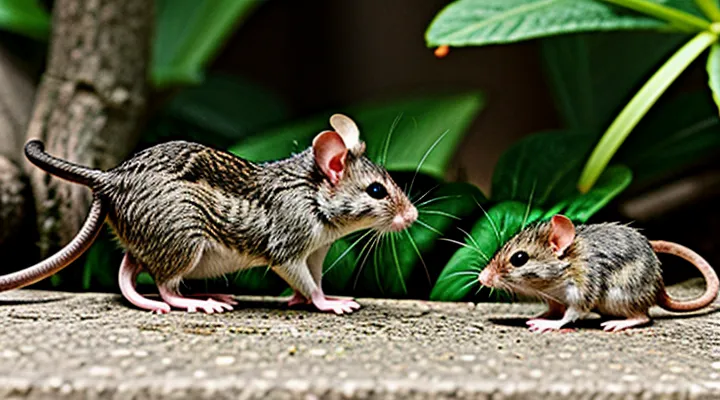
Understanding Rodents: An Overview
Taxonomy and Classification
Distinguishing Rodent Families
Distinguishing the families that include the diminutive rat and the common mouse requires attention to anatomical and behavioral markers. Both genera belong to the order Rodentia, yet they occupy separate taxonomic branches, each with characteristic features that facilitate reliable identification.
- Skull morphology: the rat family exhibits a broader rostrum and more robust zygomatic arches, while the mouse family shows a narrower snout and delicate cheekbones.
- Dental pattern: rat molars display pronounced cusps arranged in a transverse pattern; mouse molars present finer, more evenly spaced cusps.
- Tail proportions: rat tails approach the length of the body and possess sparse fur; mouse tails are slightly shorter and uniformly covered with fine hairs.
- Ear size: rat ears are relatively small relative to head width; mouse ears are proportionally larger and often translucent.
Habitual distinctions reinforce taxonomic separation. Rats typically favor burrows in dense vegetation or human-made structures, demonstrate nocturnal foraging, and exhibit opportunistic omnivory. Mice prefer ground-level nests in grasslands or field margins, display crepuscular activity peaks, and rely primarily on seed and grain consumption. These morphological and ecological criteria together enable precise classification of the two small rodent groups.
Common Species of Rats
Rats that most frequently appear in domestic and urban environments provide a clear reference point for comparing size and ecological habits with those of mice. The following species dominate worldwide distributions and illustrate the range of morphological and behavioral traits relevant to such a comparison.
- Brown rat (Rattus norvegicus) – adult body length 20–25 cm, tail length comparable to body; prefers sewers, basements, and agricultural fields; omnivorous, highly adaptable, nocturnal.
- Black rat (Rattus rattus) – adult body length 16–20 cm, longer tail (up to 25 cm); occupies attics, roofs, and tropical trees; primarily herbivorous with opportunistic scavenging; crepuscular activity.
- Polynesian rat (Rattus exulans) – adult body length 15–18 cm, tail slightly shorter than body; found on islands and coastal settlements; diet includes seeds, insects, and human waste; predominantly nocturnal.
- Roof rat (Rattus tanezumi) – adult body length 18–22 cm, tail 20–25 cm; inhabits human dwellings in Southeast Asia; feeds on grains, fruits, and stored food; active at dusk and night.
These species exceed typical mouse dimensions (body length 6–10 cm, tail 5–10 cm) by a factor of two to three, resulting in markedly larger home ranges and greater capacity for food storage. Rat habitats tend toward structural complexity—sewers, attics, trees—whereas mice favor open ground, fields, and simple shelter sites. Behavioral patterns also diverge: rats display higher tolerance for human presence and broader dietary breadth, while mice often exhibit heightened wariness and a preference for seed-based diets. The outlined species therefore serve as the principal benchmarks for size and habit contrasts between small rodents commonly labeled as rats and their mouse counterparts.
Common Species of Mice
Common mice occupy a broad ecological spectrum, providing a baseline for comparing the dimensions and living patterns of small rats and mice. Species most frequently encountered across temperate and subtropical zones include:
- House mouse (Mus musculus) – body length 6–10 cm, weight 12–30 g; thrives in human dwellings, agricultural fields, and waste sites.
- Wood mouse (Apodemus sylvaticus) – body length 7–10 cm, weight 15–30 g; inhabits deciduous forests, hedgerows, and garden borders, favoring seed and insect diets.
- Yellow-necked mouse (Apodemus flavicollis) – body length 8–10 cm, weight 20–35 g; prefers mature woodland with dense undergrowth, displays seasonal shifts toward higher fruit consumption.
- Deer mouse (Peromyscus maniculatus) – body length 7–10 cm, weight 10–30 g; occupies grasslands, rocky slopes, and forest edges, exhibits nocturnal foraging on seeds and arthropods.
- Harbor mouse (Mus macedonicus) – body length 6–9 cm, weight 10–20 g; found near coastal marshes and riverbanks, utilizes vegetation and detritus as primary food sources.
These species share a compact body plan yet differ in habitat specialization, reproductive cycles, and foraging strategies. The house mouse demonstrates the highest adaptability to anthropogenic environments, whereas the wood and yellow‑necked mice rely on natural vegetation structures for shelter and food. The deer mouse’s broader geographic range includes alpine and desert margins, indicating physiological tolerance to temperature extremes. Habitat preferences directly influence body size variation, with forest‑dwelling mice tending toward the upper size limits of the range, while commensal forms remain smaller, reflecting reduced predation pressure and resource abundance.
Physical Characteristics: Size and Morphology
Body Length and Weight
Variations within Rat Species
Within the broader examination of small rodents, rat species display a spectrum of morphological and behavioral traits that influence their comparison with mice. Size differences are evident across common and less‑common taxa. The Norway rat (Rattus norvegicus) typically reaches 250–300 mm total length, whereas the roof rat (Rattus rattus) averages 180–250 mm. The Asian house rat (Rattus tanezumi) often measures 150–200 mm, and the dusky field rat (Rattus sordidus) remains near 130 mm. These measurements place several rat species either larger than, comparable to, or smaller than the average house mouse (Mus musculus), which measures approximately 70–100 mm.
Habitual variation further distinguishes rat taxa. Key aspects include:
- Habitat preference: Norway rats favor burrows and sewers; roof rats occupy arboreal niches in roofs and trees; Asian house rats thrive in cultivated fields and peridomestic areas; dusky field rats inhabit grasslands and open scrub.
- Social organization: Norway rats form large, hierarchical colonies; roof rats maintain smaller, loosely structured groups; Asian house rats exhibit flexible social units that can expand seasonally; dusky field rats often operate as solitary or paired individuals.
- Dietary breadth: All listed species are omnivorous, but the proportion of plant material versus animal protein varies, with roof rats consuming a higher share of fruits and insects, while Norway rats rely more on grain and waste.
These intra‑species variations shape the comparative analysis of size and habit between small rats and mice, providing a nuanced framework for ecological and morphological assessment.
Variations within Mouse Species
Mouse species display a broad spectrum of morphological and ecological traits that influence both their dimensions and daily activities. Size differences among common mice are pronounced: the house mouse (Mus musculus) reaches 7–10 cm in body length and weighs 15–30 g; the deer mouse (Peromyscus maniculatus) measures 8–10 cm with a mass of 12–30 g; the wood mouse (Apodemus sylvaticus) attains 9–12 cm and 20–35 g. Tail length often exceeds body length, ranging from 5 cm in the house mouse to 9 cm in the wood mouse.
Habitat preferences further differentiate mouse species.
- House mouse: thrives in human dwellings, exploits stored food, exhibits nocturnal foraging.
- Deer mouse: occupies grasslands and forest edges, nests in ground burrows, shows crepuscular activity.
- Wood mouse: favors woodland floors and hedgerows, builds nests in leaf litter, displays flexible foraging times.
These variations affect locomotion, diet, and predator avoidance strategies. For instance, larger-bodied wood mice possess stronger hind limbs suited for climbing, whereas the smaller house mouse relies on rapid sprinting within confined indoor spaces. Such distinctions are essential when juxtaposing mice with small rats, whose greater average mass and more robust burrowing behavior create a separate ecological niche.
Cranial and Dental Features
Skull Shape and Structure
The skull of a small rat differs markedly from that of a mouse in several functional aspects that reflect their distinct body dimensions and ecological niches.
Both species possess a basic rodent cranial plan, yet the rat’s cranium is proportionally broader and more robust. The expanded zygomatic arches accommodate larger masseter muscles, enabling stronger gnawing forces. In contrast, the mouse exhibits a narrower skull with reduced muscle attachment sites, consistent with its lighter bite.
Key structural contrasts include:
- Braincase volume – Rats have a larger cranial cavity, correlating with greater brain mass; mice display a compact braincase suited to their diminutive size.
- Dental arcade – Rat incisors are set deeper within the maxilla, providing enhanced leverage; mouse incisors sit more anteriorly, facilitating rapid gnawing of small seeds.
- Nasal cavity – Rats possess an elongated nasal passage that supports higher olfactory sensitivity for foraging; mice feature a shorter passage, reflecting their reliance on close‑range scent detection.
- Temporomandibular joint orientation – The rat’s joint is positioned to permit powerful vertical crushing; the mouse’s joint favors swift lateral movements during food manipulation.
These morphological distinctions align with each animal’s feeding strategy and habitat utilization, illustrating how skull architecture adapts to variations in size and behavioral patterns.
Dentition for Gnawing
The dentition of miniature rodents is adapted for continuous gnawing, a necessity dictated by the hardness of seeds, grains, and structural materials encountered in their environments. Both species possess a single pair of ever‑growing incisors in each jaw, characterized by enamel limited to the anterior surface. This enamel–dentin arrangement creates a self‑sharpening edge as the softer dentin wears faster than the enamel, maintaining an efficient cutting surface.
Key dental characteristics include:
- Upper and lower incisors with a pronounced curvature that facilitates bite force direction.
- Lack of true canines; the gap between incisors and premolars (the diastema) allows manipulation of food without obstruction.
- Premolars and molars featuring cusps arranged for crushing and grinding, supporting a diet that ranges from soft plant matter to harder seeds.
The continuous growth of incisors is regulated by a balance between eruption and wear. Excessive wear leads to over‑shortening, compromising gnawing ability, while insufficient wear results in overgrowth that can impede feeding and cause oral injury. This equilibrium is maintained through daily gnawing activity, which naturally abrades the incisors to the optimal length for each species.
Tail and Extremities
Tail Length and Function
Tail morphology distinguishes small rats from mice, particularly in length relative to body size. In most species, the tail of a small rat measures 80‑100 % of its head‑body length, whereas a mouse tail typically reaches 70‑90 % of that dimension. Measurements from laboratory colonies and field specimens confirm this proportional gap, with rats exhibiting slightly longer and thicker tails on average.
The elongated appendage fulfills several physiological and ecological functions:
- Balance and locomotion – A longer, muscular tail acts as a counter‑weight during rapid runs and vertical climbing, stabilizing the animal’s center of gravity.
- Thermoregulation – Dense vascular networks within the tail enable heat dissipation; vasodilation increases blood flow to release excess body heat, while vasoconstriction conserves warmth in cooler environments.
- Sensory perception – Tactile receptors along the tail surface detect air currents and substrate vibrations, informing escape responses and foraging decisions.
- Intraspecific signaling – Tail movements convey alarm, territorial, or reproductive cues; variations in flick frequency and amplitude correlate with specific behavioral contexts.
Habitat influences tail dimensions: populations inhabiting open, arboreal zones tend toward longer, more flexible tails to aid in aerial maneuvering, whereas those in dense ground cover display relatively shorter tails, reflecting reduced reliance on aerial balance. Consequently, tail length and structure serve as reliable indicators of ecological adaptation between these closely related rodents.
Paw Structure and Mobility
The fore- and hind‑paws of the diminutive rodent and its slightly larger counterpart exhibit distinct skeletal and soft‑tissue configurations that directly influence locomotor performance.
In the smaller species, the manus comprises five digits with a reduced metacarpal length and a pronounced thenar pad. The plantar surface displays a dense array of keratinized scales, each anchored to a compact, highly vascularized dermal pad. Musculature emphasizes flexor digitorum brevis and opponens, granting fine manipulation of food particles.
The larger rodent possesses a broader manus, where the metacarpals are elongated, supporting a more expansive palm. Digital pads are proportionally larger, with a thicker stratum corneum that resists abrasion during burrowing. Extensor muscles dominate the dorsal aspect, facilitating rapid thrusting movements required for escape and tunnel excavation.
Mobility differences arise from these anatomical variations:
- Grip strength: Smaller animal exhibits higher grip precision due to shorter lever arms and enhanced flexor dominance.
- Propulsive force: Larger animal generates greater thrust thanks to elongated metacarpals and stronger extensor groups.
- Surface adaptation: Dense keratinized scales in both species reduce slip, but the larger rodent’s thicker pads provide superior resistance to coarse substrates.
- Speed of digit cycling: Shorter digit length in the smaller species permits faster opening‑closing cycles, advantageous for rapid foraging.
Overall, the structural disparities in paw anatomy dictate divergent locomotor strategies: the diminutive rodent favors dexterous handling, while its larger relative relies on powerful propulsion and substrate durability.
Behavioral Patterns and Habitat
Social Structure and Communication
Rat Colony Dynamics
Rat colonies exhibit hierarchical organization, rapid reproductive turnover, and spatial partitioning that influence population density and resource use. Dominant individuals maintain access to preferred nesting sites, while subordinate members occupy peripheral zones. Breeding pairs produce litters every 21‑23 days, resulting in exponential growth under favorable conditions. Colony stability depends on a balance between birth rates, mortality, and emigration driven by competition for food and shelter.
Key aspects of colony dynamics include:
- Social stratification – alpha male and female control breeding, subordinate adults assist in pup care.
- Reproductive capacity – average litter size of 8‑12, gestation of 22 days, weaning at 21 days.
- Territorial behavior – scent marking delineates zones; overlap triggers aggression and displacement.
- Population regulation – density‑dependent stress elevates corticosterone, reducing fertility and increasing mortality.
- Dispersal mechanisms – juvenile rats leave the natal nest after weaning, seeking new territories to establish satellite colonies.
Comparative observations reveal that mouse groups, although similar in size, maintain looser hierarchies, produce smaller litters, and exhibit higher dispersal rates. These differences affect the spatial footprint of each species, with rat colonies forming dense, multi‑level burrow networks, while mouse aggregations remain more scattered. Understanding these dynamics clarifies how size and habit variations translate into distinct ecological impacts for small rodents.
Mouse Social Interactions
Mice exhibit a complex network of social behaviors that influence group cohesion, resource distribution, and reproductive success. Their interactions are shaped by the same ecological pressures that govern size and habitat use, creating observable patterns distinct from those of similarly sized rodents.
Key components of mouse social life include:
- Dominance hierarchies: Established through brief aggressive encounters, these hierarchies regulate access to food and nesting sites.
- Allogrooming: Mutual fur cleaning reduces parasite load and reinforces affiliative bonds.
- Ultrasonic vocalizations: Emitted during courtship, territorial disputes, and pup–mother communication, these high‑frequency sounds convey identity and emotional state.
- Nest sharing: Cooperative construction and maintenance of communal nests provide thermoregulation and predator protection.
- Maternal care: Females display heightened attentiveness to offspring, with pup retrieval and nursing cycles synchronized to group activity rhythms.
These behaviors operate within a spatial framework defined by the limited home range of small rodents. Mice maintain overlapping territories that are defended through scent marking and brief confrontations, allowing multiple individuals to coexist without excessive conflict. The balance between aggression and affiliative actions sustains a stable social structure, enabling efficient exploitation of resources in environments where size constraints limit individual foraging capacity.
Dietary Habits and Foraging
Omnivorous Nature of Rats
Rats exhibit a broad omnivorous diet that reflects their adaptability to diverse environments. Their gastrointestinal physiology allows efficient digestion of both plant and animal matter, enabling survival in habitats ranging from urban sewers to rural fields. Compared with mice, rats consume larger quantities of high‑energy foods, which supports their greater body mass and higher metabolic demands.
Typical food items include:
- Grains, seeds, and cereals
- Fruits and vegetables
- Insects, larvae, and small vertebrates
- Carrion and waste material
- Processed human foods such as bread, cheese, and meat scraps
The omnivorous feeding strategy contributes to the ecological overlap between rats and mice, yet the larger size of rats permits exploitation of resources inaccessible to their smaller counterparts, reinforcing their role as versatile foragers within the comparative size and habit analysis.
Granivorous Tendencies of Mice
Mice exhibit a pronounced preference for seeds and grains, a behavior that distinguishes them from similarly sized rodents. Their dentition, featuring continuously growing incisors, efficiently processes hard seed coats, allowing rapid extraction of nutrients. Seasonal fluctuations in seed availability drive opportunistic foraging, with higher intake observed during autumn when mast production peaks.
Key aspects of mouse granivory include:
- Selection of high‑energy cereals such as wheat, barley, and oats.
- Preference for native grass seeds, including those of Poaceae and Asteraceae families.
- Utilization of stored seed caches when external supplies decline.
- Minimal reliance on animal protein compared to omnivorous counterparts.
Physiological adaptations support this diet. Enzymatic activity in the small intestine is optimized for starch digestion, while the pancreas secretes elevated amylase levels during grain‑rich periods. Gut microbiota composition shifts toward carbohydrate‑fermenting bacteria, enhancing extraction efficiency.
In the broader context of size and habit comparison, mice’s smaller body mass permits access to narrow seed niches inaccessible to larger small rats. Consequently, mice dominate microhabitats where seed density is high, while small rats often exploit broader dietary resources, including larger fruits and detritus. This divergence underpins distinct ecological roles despite overlapping geographic ranges.
Reproductive Strategies
Rat Breeding Cycles
Rat breeding cycles provide essential data for contrasting the reproductive strategies of small rats with those of mice. Female rats reach sexual maturity at 5–6 weeks, entering estrus cycles that last 4–5 days. Each estrus comprises proestrus, estrus, metestrus, and diestrus, marked by predictable hormonal shifts. Ovulation occurs spontaneously during estrus, allowing mating without external stimuli.
Key parameters of the rat reproductive timetable include:
- Gestation period: 21–23 days, consistently shorter than that of larger rat species.
- Litter size: average 8–12 pups, exceeding typical mouse litters of 5–8.
- Post‑natal development: pups achieve weaning at 21 days, attaining adult weight by 8–10 weeks, a timeline that aligns with their rapid growth rate relative to body size.
Male rats attain sexual competence at 8–10 weeks, displaying a stable sperm production cycle that supports frequent breeding opportunities. Seasonal influences are minimal; breeding can proceed year‑round under adequate environmental conditions, contrasting with the modest seasonal variations observed in some mouse populations.
Understanding these cycles clarifies how reproductive output compensates for the modest size advantage of small rats, reinforcing the broader comparison of size and habit between these rodent species.
Mouse Litter Sizes
Mouse reproduction is characterized by relatively large litters for a rodent of its size, a factor that distinguishes it from similarly sized rat species.
Typical litter sizes for the common house mouse (Mus musculus) range from four to eight offspring, with occasional reports of up to twelve. The deer mouse (Peromyscus maniculatus) averages five to seven young per litter, while the white-footed mouse (Peromyscus leucopus) commonly produces six to nine.
In contrast, small rat species such as the Norway rat (Rattus norvegicus) and the roof rat (Rattus rattus) generally yield three to five pups per litter, rarely exceeding seven. The disparity reflects divergent reproductive strategies despite comparable body dimensions.
Litter size correlates with female age, nutritional status, and seasonal conditions. Younger, well‑fed females tend to produce larger litters, whereas resource scarcity reduces offspring numbers. Environmental stability also influences breeding frequency, with optimal climates allowing multiple litters per year.
Higher mouse litter counts accelerate population growth, affecting community dynamics and resource competition. Understanding these reproductive parameters informs pest management and ecological research.
Habitat Preferences and Niche
Urban and Rural Rat Habitats
Rats inhabiting cities and those living in the countryside differ markedly in spatial distribution, resource exploitation, and interaction with human environments. Urban rats occupy densely built areas, such as subways, sewers, and abandoned buildings, where food waste and water sources are abundant and continuously replenished. Their colonies often reach high densities, with limited territorial range due to the concentration of resources. Rural rats, in contrast, settle near farms, barns, and open fields, relying on stored grain, livestock feed, and natural water bodies. Their populations are more dispersed, and individuals maintain larger personal territories to secure sufficient sustenance.
The contrast extends to behavioral adaptations. City-dwelling rats exhibit heightened nocturnal activity, increased tolerance to human presence, and rapid breeding cycles that capitalize on constant food influx. Rural rats display more pronounced seasonal breeding patterns, reduced fear of humans in low‑traffic areas, and a greater reliance on foraging in natural vegetation.
Key distinctions can be summarized as follows:
- Habitat structure: underground tunnels and waste sites (urban) vs farm structures and field margins (rural).
- Population density: high, localized clusters (urban) versus scattered, lower‑density groups (rural).
- Food sources: processed waste and refuse (urban) versus stored grain and natural plant material (rural).
- Reproductive timing: continuous breeding throughout the year (urban) versus seasonal peaks aligned with agricultural cycles (rural).
- Human interaction: frequent exposure and habituation (urban) versus intermittent contact, often limited to farm workers (rural).
Understanding these habitat-specific traits clarifies how size and habit variations between small rats and mice are shaped by the ecological pressures of built‑up versus agricultural landscapes.
Indoor and Outdoor Mouse Habitats
Mice that live inside buildings occupy spaces where food, warmth, and shelter are abundant. Common sites include wall voids, ceiling insulation, kitchen pantries, and cluttered storage areas. These environments provide stable temperatures, limited predators, and easy access to human food waste. Indoor colonies often consist of fewer individuals than outdoor groups because space is constrained.
Mice that reside outdoors exploit natural or semi‑natural settings such as fields, gardens, woodpiles, and burrow networks beneath rocks or debris. These habitats expose them to fluctuating temperatures, seasonal changes, and a broader range of predators. Outdoor populations typically form larger, more dispersed colonies that rely on seed caches, insects, and plant material for nutrition.
Size differences between small rats and mice influence habitat preference. Smaller body mass allows mice to infiltrate narrow crevices within walls, while the slightly larger rat can dominate open ground burrows and larger nesting chambers. Consequently, mice are more frequently found in confined indoor niches, whereas small rats are observed more often in open outdoor burrows.
Key distinctions:
- Location: Indoor mice occupy structural cavities; outdoor mice inhabit soil, vegetation, and debris.
- Temperature stability: Indoor environments remain relatively constant; outdoor habitats vary with weather.
- Predation pressure: Indoor mice face mainly domestic predators (cats, traps); outdoor mice confront birds, snakes, and mammals.
- Colonial size: Indoor groups are compact; outdoor groups are expansive and loosely organized.
Ecological Impact and Human Interaction
Disease Transmission
Zoonotic Potential of Rats
Rats serve as reservoirs for a wide range of zoonotic agents, a fact that gains relevance when their size and ecological habits are contrasted with those of mice. Larger body mass and broader foraging ranges enable rats to encounter diverse environments, increasing exposure to pathogens that can cross species barriers.
Key zoonotic pathogens associated with rats include:
- Leptospira spp. – bacteria causing leptospirosis, transmitted through contaminated urine.
- Salmonella enterica – bacterial agent of salmonellosis, spread via fecal contamination of food and water.
- Hantavirus – viral disease linked to aerosolized rodent excreta, with rats often implicated in urban outbreaks.
- Yersinia pestis – bacterium responsible for plague, maintained in rat populations and transmitted by fleas.
- Bartonella spp. – bacteria causing bartonellosis, transmitted through ectoparasites and direct contact.
Transmission pathways reflect rat behavior: frequent scavenging in waste, burrowing in sewers, and nesting in close proximity to human dwellings facilitate pathogen dissemination. Direct contact with urine, feces, or saliva presents the highest risk, while indirect exposure occurs through contaminated surfaces, food items, and vectors such as fleas and ticks.
Public health impact is measurable in morbidity and mortality statistics, particularly in densely populated urban areas where rat density correlates with outbreak frequency. Surveillance data demonstrate that rodent control measures reduce incidence rates of leptospirosis and hantavirus infections by up to 40 % in targeted districts.
Effective mitigation combines environmental management and population reduction:
- Secure waste storage to eliminate food sources.
- Seal building entry points to prevent nesting.
- Implement baiting and trapping programs with regular monitoring.
- Conduct community education on hygiene practices to limit direct exposure.
These actions, aligned with epidemiological monitoring, diminish the zoonotic threat posed by rats and reinforce disease prevention strategies in settings where their size and habits intersect with human activity.
Health Risks from Mice
Mice, because of their diminutive stature and nocturnal foraging habits, frequently enter human shelters and create direct pathways for disease transmission. Their ability to navigate through minute openings allows them to access food storage, kitchen surfaces, and ventilation systems, where they deposit biological material that compromises health.
- Hantavirus – inhaled aerosolized particles from dried urine, droppings, or nesting material can cause severe respiratory illness.
- Salmonella – ingestion of contaminated food or water leads to gastrointestinal infection.
- Leptospira (Leptospirosis) – exposure to fresh urine may result in kidney and liver dysfunction.
- Lymphocytic choriomeningitis virus (LCMV) – contact with contaminated bedding can cause meningitis or encephalitis.
- Bartonella (“cat‑scratch” disease) – transmitted through bites or scratches, producing fever and lymphadenopathy.
Droppings, urine, and saliva introduce pathogens onto countertops, utensils, and packaged goods. Even after visible residues are removed, microscopic particles remain viable for weeks, creating a persistent infection risk. Rodent allergens present in fur, dander, and urine provoke IgE‑mediated responses, aggravating asthma and rhinitis in susceptible individuals. Bites, though less common, puncture skin and provide a portal for Staphylococcus aureus or Streptococcus pyogenes, potentially leading to cellulitis or abscess formation.
Effective risk mitigation relies on structural exclusion, sanitation, and targeted removal. Seal gaps larger than ¼ inch, install door sweeps, and repair damaged screens. Maintain a clean environment by disposing of waste in sealed containers, cleaning spills promptly, and storing food in airtight containers. Use snap traps or electronic devices to reduce populations, and consider professional pest‑management services for extensive infestations. Regular monitoring of rodent activity and prompt response to signs of presence limit exposure to the health hazards outlined above.
Pest Control and Management
Prevention Strategies for Rats
Effective rat control begins with eliminating conditions that attract and sustain populations. Secure food sources, manage waste, and maintain clean environments to reduce availability of nourishment. Seal building openings—cracks, gaps around pipes, vents, and doors—using durable materials such as steel wool, caulk, or metal flashing to prevent entry. Install door sweeps and repair damaged screens to block access points.
Implement regular monitoring to detect early signs of activity. Place non‑toxic tracking powders or chew indicators along walls and near potential pathways. Review findings weekly and adjust measures accordingly.
Adopt a layered approach to population reduction:
- Mechanical removal: Deploy snap traps or electronic devices in high‑traffic zones. Position devices perpendicular to walls, with trigger plates facing the wall to align with typical rat movement.
- Chemical control: Apply rodenticides in tamper‑proof bait stations, following label instructions and local regulations. Rotate active ingredients to mitigate resistance development.
- Biological deterrents: Encourage natural predators, such as owls or barn cats, where appropriate, to increase predation pressure.
- Habitat modification: Trim vegetation away from structures, remove debris piles, and store firewood off the ground to limit shelter options.
Maintain documentation of all interventions, including dates, locations, and outcomes, to evaluate efficacy and inform future strategies. Consistent application of these measures reduces rat presence and minimizes the risk of damage and disease transmission.
Eradication Methods for Mice
Eradicating mice requires strategies that account for their small stature and indoor habits, which differ from those of similarly sized rats. Effective control combines immediate removal with long‑term prevention.
- Snap traps positioned along walls, behind appliances, and near known activity zones.
- Glue boards placed in concealed corners to capture wandering individuals.
- Electronic devices delivering rapid, humane voltage shocks when rodents complete a circuit.
- Rodenticides formulated as bait blocks or pellets, applied in tamper‑proof stations to reduce non‑target exposure.
- Biological agents, such as predatory mites or engineered bacteria, introduced in sealed environments where chemical use is restricted.
Exclusion measures reinforce physical barriers: sealing cracks less than ¼ inch wide, installing door sweeps, and repairing utility penetrations prevent re‑entry. Habitat modification reduces attractants by storing food in airtight containers, promptly cleaning spills, and maintaining clutter‑free storage areas.
Integrated pest management (IPM) coordinates these tactics, monitoring trap counts, rotating bait types to avoid resistance, and documenting infestation patterns. Regular assessment ensures that interventions remain effective and that mouse populations do not rebound.
Conservation Status
Wild Rat Populations
Wild rat populations occupy diverse ecosystems, ranging from urban sewers to rural fields. Their distribution reflects adaptability to both human-altered and natural environments.
Typical adult body length for wild rats falls between 15 cm and 25 cm, with tail lengths of 12 cm to 20 cm. Weight varies from 150 g to 500 g. In contrast, wild mice usually measure 7 cm to 10 cm in body length and weigh 15 g to 35 g.
Habitat selection among rats emphasizes shelter availability, food abundance, and predator avoidance. Common sites include:
- Burrows beneath debris or vegetation
- Structural voids in buildings
- Riverbanks and floodplains with dense cover
Mice prefer finer-grained habitats, such as grassland seed beds, low vegetation, and interior spaces of stored grain. Their territories are smaller, often limited to a few square meters, while rat territories can extend over several hundred square meters.
Activity patterns differ markedly. Rats display primarily nocturnal foraging, employing extensive exploratory runs to locate resources. Mice exhibit crepuscular peaks and rely on rapid, short-distance movements. Both species demonstrate social hierarchy, yet rats form larger colonies with more complex dominance structures.
Understanding the size and habit distinctions between wild rats and mice informs pest management, disease surveillance, and biodiversity assessments. Accurate population metrics enable targeted interventions and improve predictive models of rodent-driven ecosystem impacts.
Wild Mouse Populations
Wild mouse populations inhabit diverse ecosystems across temperate, subtropical, and tropical regions. Typical adult body length ranges from 6 to 10 cm, with tail length often equal to or slightly longer than the body. Weight usually falls between 10 and 30 g, varying with species and environmental conditions.
These rodents occupy a broad spectrum of habitats, including grasslands, forest edges, agricultural fields, and urban green spaces. They favor dense ground cover that provides protection from predators and facilitates foraging. Seasonal fluctuations in vegetation and temperature influence their micro‑habitat selection, prompting shifts to higher ground or burrow systems during extreme weather.
Population dynamics are driven by rapid reproductive cycles, high litter sizes (4–8 pups), and short gestation periods (approximately 19–21 days). Mortality rates remain elevated due to predation, disease, and competition, resulting in fluctuating population densities that can reach several hundred individuals per hectare in optimal conditions.
Comparison with small rats reveals distinct size and habit patterns:
- Body size: Small rats average 12–15 cm in body length, exceeding mouse dimensions by 20–50 %.
- Habitat use: Rats preferentially occupy sewers, basements, and refuse sites, whereas mice remain closer to natural ground cover.
- Social structure: Rats form larger, more stable colonies; mice display looser aggregations and higher dispersal rates.
- Foraging behavior: Rats exploit a wider range of anthropogenic food sources; mice rely more on seed and insect availability in native vegetation.
Understanding these differences clarifies the ecological niches occupied by each species and informs management strategies for habitats where both groups coexist.