
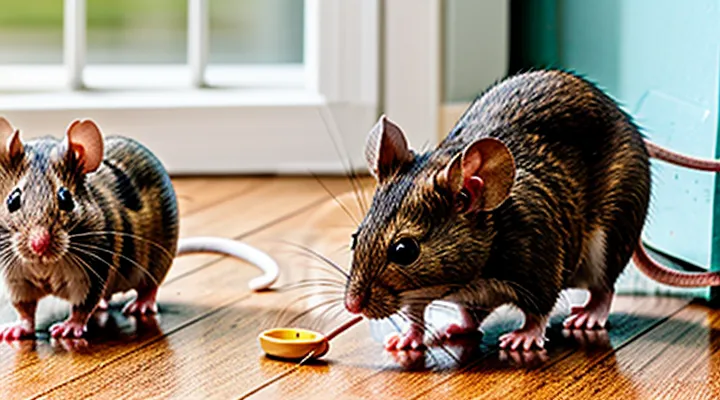
Understanding the Mouse Problem
Signs of a Mouse Infestation
«Droppings and Urine Trails»
Droppings and urine trails serve as primary indicators of a rodent presence in a dwelling. Their detection confirms active infestation and highlights potential health risks such as hantavirus, salmonella, and allergic reactions.
Identification focuses on location, appearance, and pattern. Typical signs include:
- Small, dark, rice‑shaped feces scattered near food sources, wall voids, or concealed areas.
- Moist, reddish‑brown urine stains that may appear as faint smears on surfaces, fabrics, or insulation.
- Visible trails leading from entry points to nesting sites, often accompanied by gnaw marks or shredded material.
Effective removal of contaminants requires thorough decontamination. Recommended procedure:
- Wear disposable gloves, N‑95 respirator, and protective eyewear to prevent exposure.
- Ventilate the area for at least 30 minutes before commencing cleaning.
- Apply an enzymatic cleaner to dissolve organic residues; allow the product to sit according to manufacturer instructions.
- Scrub surfaces with a stiff brush, then rinse with hot water and a mild detergent solution.
- Dispose of all cleaning materials in sealed, leak‑proof bags; sanitize tools with a 10 % bleach solution.
Preventive actions based on evidence of «Droppings and Urine Trails» include sealing entry gaps, removing food sources, and installing snap traps or electronic deterrents near identified pathways. Regular inspection of potential hiding spots reduces the likelihood of recurrence.
«Gnaw Marks and Damage»
Mice create distinctive gnaw marks that indicate active infestation. Marks appear as shallow, crescent‑shaped incisions on wood, plastic, or insulation, often with smooth edges where the incisors have cut through. Damage extends to wiring, where chewed insulation can expose conductors, increasing fire risk. Food containers, packaging, and paper products show irregular bite holes and shredded edges, revealing a feeding source.
Typical locations include:
- Baseboards and crown molding, where rodents travel along walls.
- Cabinets and pantry shelves, especially near stored grains.
- Electrical conduits and appliance cords, which provide easy passage and warmth.
Identifying these signs enables targeted intervention. Seal entry points with steel wool or caulk, replace compromised wiring, and relocate food items to airtight containers. Employ traps or bait stations in proximity to confirmed gnaw sites to reduce population before further structural damage occurs. Continuous monitoring of «gnaw marks» ensures that control measures remain effective and prevents recurrence.
«Scratching Sounds and Odors»
The presence of «Scratching Sounds and Odors» signals active rodent activity within a dwelling. Scratching is audible during nocturnal hours, typically near walls, ceilings, and concealed spaces. Odors arise from urine, feces, and glandular secretions, concentrating in hidden compartments such as attics, basements, and wall voids.
Verification proceeds by isolating the source. Position a listening device or remain silent in the suspected area to detect intermittent gnawing. Follow the sound to the nearest structural joint. Simultaneously, identify lingering smells with a scented cotton swab or by inspecting insulation for discoloration and droppings.
Remediation actions include:
- Seal all potential entry points using steel wool, caulk, or metal flashing.
- Deploy snap traps or electronic devices along identified pathways.
- Apply rodent‑repellent granules or ultrasonic emitters near infested zones.
- Remove contaminated materials, disinfect surfaces with a diluted bleach solution, and replace insulation if necessary.
- Conduct a post‑treatment inspection to confirm the cessation of both auditory and olfactory indicators.
«Why Mice Are Attracted to Homes»
«Food Sources and Shelter»
Mice enter a private residence primarily in search of nutrition and protection. Identifying and eliminating these attractants reduces the likelihood of infestation.
Typical food sources include:
- Open containers of cereals, grains, pet food, and dried fruit.
- Uncovered garbage bins and compost pails.
- Crumbs and spills on countertops, floors, and behind appliances.
- Birdseed stored in accessible locations.
Effective control measures:
- Transfer all dry goods to airtight containers made of metal or thick plastic.
- Empty trash daily, seal bags, and place bins on a non‑contact surface.
- Clean surfaces after meals; sweep or vacuum crumbs immediately.
- Store pet feed in sealed containers; feed only the amount needed for each meal.
Shelter opportunities arise in areas offering warmth, darkness, and structural support. Common locations are:
- Gaps around pipes, vents, and electrical wiring.
- Cluttered basements, attics, and crawl spaces.
- Stacks of cardboard, insulation, or stored fabrics.
- Behind appliances, under sinks, and within wall voids.
Preventive actions:
- Seal openings larger than ¼ inch with steel wool, caulk, or metal mesh.
- Reduce clutter; keep storage areas organized and off the floor.
- Install metal or concrete barriers around entry points such as doors and windows.
- Inspect insulation and repair damage that creates cavities.
By removing accessible nutrition and denying protective niches, the environment becomes inhospitable to rodents, supporting long‑term exclusion from the household.
«Entry Points and Vulnerabilities»
The success of rodent control in a private residence depends on identifying and eliminating all potential ingress routes. The focus of this section, «Entry Points and Vulnerabilities», addresses the structural weaknesses that allow mice to enter and remain undetected.
Typical access points include:
- Gaps beneath exterior doors and sliding doors, often exceeding ¼ inch.
- Cracks in the foundation or basement walls, especially where soil meets the structure.
- Openings around utility lines, pipes, and cables that penetrate the building envelope.
- Unscreened vents, dryer exhausts, and attic ventilation shafts.
- Roof eaves and soffits with deteriorated siding or missing flashing.
- Chimney openings without proper caps or with damaged mortar joints.
- Gaps around window frames, especially where weather stripping is absent.
Each vulnerability requires a specific sealing method. Use steel wool combined with expanding foam for small apertures, ensuring the material cannot be chewed through. For larger gaps, install hardware cloth or metal flashing, securing it with rust‑resistant screws. Apply silicone caulk to seal joints around doors, windows, and pipe penetrations. Replace damaged vent screens with mesh rated for rodent exclusion. Install a chimney cap to prevent vertical entry.
Regular inspection of the building envelope, performed at least quarterly, confirms the integrity of these barriers. Prompt repair of newly discovered cracks or openings maintains a hostile environment for mice, reducing the likelihood of infestation without reliance on chemical control.
Preparation and Prevention
«Sealing Entry Points»
«Inspecting Foundations and Walls»
Inspecting the structural base of a private residence is essential for effective rodent control. Identify entry points by examining the exterior perimeter, focusing on cracks, gaps, and openings in the foundation and wall assemblies. Document each breach before proceeding with remediation.
Key inspection steps:
- Walk the entire perimeter, looking for visible damage to the concrete or masonry.
- Use a flashlight to reveal concealed gaps behind siding, trim, and utility penetrations.
- Probe suspicious openings with a thin rod to determine size and direction of potential pathways.
- Check for signs of activity such as droppings, gnaw marks, or shredded material near the base of walls.
After locating vulnerabilities, seal them with appropriate materials: concrete patch for large cracks, steel wool or copper mesh for smaller gaps, and silicone or expanding foam for irregular openings. Ensure that sealing compounds are resistant to chewing and weather exposure.
Regular re‑inspection, at least quarterly, confirms the integrity of the foundation and wall barriers and prevents re‑infestation by «mice». Maintaining a clear, damage‑free perimeter supports long‑term rodent exclusion.
«Securing Doors and Windows»
Effective «Securing Doors and Windows» prevents mouse entry and protects indoor spaces.
Begin with a thorough visual inspection. Identify cracks, gaps around frames, and damaged weatherstripping. Use a flashlight to detect openings as small as ¼ inch, the typical size a mouse can exploit.
Seal identified openings with appropriate materials:
- Steel wool combined with expanding polyurethane foam for irregular gaps.
- Silicone caulk for narrow seams around window panes.
- Metal flashing for larger cracks in foundation walls adjacent to doors.
Upgrade hardware to reinforce barriers. Install door sweeps that contact the floor when the door closes. Apply self‑adhesive weatherstripping to the top and sides of doors and windows, ensuring a tight seal without hindering operation. Replace broken screens with fine‑mesh alternatives designed to resist rodent chewing.
Implement a routine maintenance schedule. Test door sweeps quarterly for wear, reapply caulk after seasonal temperature shifts, and inspect window frames after storms. Prompt repairs maintain the integrity of the exclusion system and reduce the likelihood of re‑infestation.
«Addressing Utility Gaps»
Utility gaps refer to openings created for plumbing, electrical, HVAC, and communication systems that remain unsealed after installation or repair. These apertures serve as primary entry points for rodents seeking shelter and food sources within a private residence.
Typical utility gaps include:
- Uncapped pipe penetrations in walls and foundations.
- Gaps around conduit sleeves and cable entries.
- Openings around vent pipes, dryer exhausts, and chimney flues.
- Spaces beneath crawl‑space access doors and utility panels.
Sealing strategies:
- Apply silicone or acrylic caulk to narrow cracks surrounding pipe sleeves.
- Insert steel wool into larger voids, then overlay with expanding polyurethane foam for added rigidity.
- Fit hardware cloth (½‑inch mesh) over vent openings, securing edges with stainless‑steel screws.
- Install flush‑mount utility covers on crawl‑space doors, ensuring a tight latch.
- Replace deteriorated sealants on exterior wall penetrations with weather‑resistant silicone.
Inspection protocol:
- Conduct a visual survey of all exterior walls, foundation walls, and roof eaves quarterly.
- Use a flashlight to trace the path of each utility line from entry point to interior termination.
- Document any gaps larger than ¼ inch and prioritize sealing based on proximity to food storage areas.
Maintenance guidelines:
- Re‑apply caulk after seasonal temperature fluctuations that may cause shrinkage.
- Replace damaged hardware cloth annually to prevent corrosion.
- Verify the integrity of vent covers after severe weather events.
Addressing utility gaps eliminates the most accessible routes for mice, thereby enhancing the overall effectiveness of rodent‑exclusion measures in a private house.
«Sanitation and Food Storage»
«Proper Food Storage Techniques»
Proper food storage reduces the availability of resources that attract rodents, directly supporting effective rodent control in a private residence. Secure containment of edible items eliminates the scent trails and visual cues mice rely on to locate sustenance.
- Store dry goods in containers equipped with gasket seals that prevent entry.
- Keep perishable items refrigerated or frozen; maintain temperatures below 4 °C for fresh produce.
- Dispose of food waste daily in sealed bins; replace liners before they become saturated.
- Clean surfaces after each meal; remove crumbs, spills, and residue from countertops, floors, and appliances.
- Rotate pantry stock regularly; use older items first to avoid prolonged exposure.
Airtight containers inhibit olfactory detection, while consistent cleaning removes accidental feeding sources. Prompt waste management interrupts the development of feeding stations, and temperature control slows decomposition that could otherwise lure rodents. Implementing these practices creates an environment where mice find little incentive to enter, thereby complementing broader pest‑exclusion strategies.
«Regular Cleaning and Decluttering»
«Regular Cleaning and Decluttering» reduces the availability of food, shelter, and nesting material that attract rodents to a dwelling. Consistent removal of crumbs, spills, and waste eliminates primary food sources, while organized spaces deny mice the hiding places they seek.
Effective implementation includes:
- Sweep and vacuum floors daily, paying special attention to corners, under appliances, and behind furniture.
- Store all food in sealed containers made of glass, metal, or heavy‑wall plastic; discard any open packages.
- Empty trash bins each night, using lids that close tightly; clean the interior of bins regularly.
- Keep countertops, tables, and shelves free of clutter; retain only essential items and arrange them on stable surfaces.
- Inspect and seal gaps around pipes, vents, and door frames; use steel wool or caulk to block entry points.
- Relocate pet feeding stations to areas that can be cleaned thoroughly after each use; remove uneaten food promptly.
Routine maintenance reinforces the deterrent effect. Schedule a weekly deep‑cleaning session that includes washing cabinets, moving furniture to clean underneath, and reorganizing storage areas. Document any signs of rodent activity during inspections; immediate corrective action prevents re‑infestation.
«Habitat Modification»
«Removing Outdoor Attractants»
Mice are drawn to food, shelter, and water located outside the dwelling; eliminating these attractants reduces the likelihood of entry.
Key actions for outdoor attractant removal:
- Store all pet food, bird seed, and garden feed in sealed, rodent‑proof containers.
- Position compost bins away from the house, use tight‑fitting lids, and turn material regularly to discourage habitation.
- Keep garbage cans under a secure cover; empty them frequently and clean spills promptly.
- Trim vegetation that contacts the building, remove dense ground cover, and store firewood off the ground to eliminate shelter.
- Repair leaky gutters, downspouts, and outdoor faucets; eliminate standing water that provides a drinking source.
After outdoor attractants are minimized, inspect the building envelope for gaps, cracks, or openings larger than a quarter inch and seal them with steel wool, caulk, or metal flashing. This combination of external attractant control and entry-point exclusion forms a comprehensive strategy for preventing rodent intrusion in private residences.
«Landscaping for Pest Control»
Effective rodent management begins with the exterior environment. Proper landscaping reduces the likelihood that mice will seek shelter near a dwelling.
Vegetation placement influences mouse activity. Dense shrubs or low‑lying ground cover creates hidden pathways and nesting sites. Maintaining a clear perimeter eliminates these habitats. Trim back hedges to a height of no more than 30 cm and keep branches at least 60 cm away from the building façade. Remove any debris, wood piles, or compost heaps within a 3‑meter radius, as they provide food and shelter.
Ground‑level barriers further deter entry. Install a continuous strip of coarse‑grained mulch or crushed stone along foundation walls; the irregular surface discourages burrowing. Ensure proper drainage to prevent moisture accumulation, which attracts insects and, subsequently, rodents.
A strategic planting scheme supports natural predators. Incorporate plants such as lavender, mint, or rosemary, whose strong scents repel mice. Provide habitats for owls and hawks by installing perches or nesting boxes, encouraging predation on local rodent populations.
Key actions for homeowners:
- Trim vegetation to create an open buffer zone around the house.
- Eliminate ground clutter and maintain clean, dry soil.
- Apply coarse mulch or stone as a physical barrier.
- Use aromatic herbs to deter rodent presence.
- Encourage avian predators through suitable structures.
Consistent application of these landscaping practices integrates seamlessly with indoor control measures, fostering a comprehensive approach to rodent exclusion.
Proven Removal Methods
«Trapping Techniques»
«Snap Traps: Effective Placement»
Snap traps provide immediate kill, reducing mouse populations without chemicals. Their simplicity and low cost make them suitable for residential use.
Select traps sized for adult mice; larger models accommodate occasional larger rodents. Use bait that appeals to mice, such as peanut butter, dried fruit, or small pieces of cheese. Secure bait firmly to prevent premature removal.
Effective placement follows these principles:
- Position traps along walls, where mice travel close to surfaces.
- Target known activity zones: behind appliances, under cabinets, near entry points, and in dark corners.
- Install traps perpendicular to the wall, with the trigger end facing the wall to align with natural running paths.
- Set traps at a height of 2–3 inches above the floor, matching the typical mouse run line.
- Space multiple traps 10–15 feet apart in heavily infested areas to increase coverage.
Check traps daily; dispose of captured rodents promptly. Reset traps with fresh bait after each catch. Keep traps out of reach of children and pets by using secured locations or protective covers. Regular monitoring and timely resetting maintain trap effectiveness throughout the removal process.
«Live Traps: Humane Removal»
Live traps provide a humane alternative for removing mice from a private residence. The devices capture rodents without lethal injury, allowing owners to release them at a suitable distance from the home. Proper placement, bait selection, and regular monitoring increase capture rates while minimizing stress on the animal.
Key considerations for effective use of live traps:
- Position traps along walls, behind appliances, and near known gnawing sites; mice travel close to baseboards.
- Choose bait that appeals to mice, such as peanut butter, dried fruit, or small pieces of cheese, and secure it to prevent premature removal.
- Set traps in the evening when mice are most active; check them each morning to avoid prolonged confinement.
- Release captured mice at least two miles away from the property, preferably in a natural area with adequate shelter and food sources.
- Clean and disinfect traps after each use to prevent scent contamination and disease transmission.
Maintaining a clutter‑free environment, sealing entry points, and employing complementary exclusion methods reinforce the humane removal strategy and reduce the likelihood of reinfestation.
«Electronic Traps: Modern Solutions»
Electronic traps provide a rapid, humane alternative to traditional snap or glue devices. These battery‑powered units emit a high‑frequency pulse that instantly disables rodents without causing visible injury. The absence of physical bait reduces secondary poisoning risks for pets and children.
Key advantages include:
- Immediate termination of captured mice, eliminating the need for disposal of dead bodies.
- Reusability after each activation, lowering long‑term costs.
- Silent operation, suitable for bedrooms and living areas.
- Compatibility with smart‑home systems for remote monitoring and alerts.
Installation guidelines:
- Position traps along established mouse pathways, such as behind appliances, near baseboards, and within wall voids.
- Ensure a clear line of sight to the target area; obstacles can attenuate the electromagnetic field.
- Connect units to a reliable power source, preferably using a low‑voltage adapter to prevent electrical hazards.
- Activate the device according to the manufacturer’s instructions, then verify functionality with a test run.
Maintenance procedures:
- Inspect the trap weekly for signs of activation, indicated by a flashing LED or audible tone.
- Replace batteries or recharge the unit when power indicators show depletion.
- Clean the exterior surface with a mild detergent to prevent dust accumulation, which may interfere with signal transmission.
When integrated into a comprehensive rodent‑control plan, «Electronic Traps: Modern Solutions» enhance overall effectiveness by targeting mice that avoid conventional bait. Their discreet design and automated reporting features support continuous monitoring, allowing swift response to new infestations without disrupting household routines.
«Repellents: Natural and Commercial»
«Peppermint Oil and Other Natural Repellents»
The use of «Peppermint Oil and Other Natural Repellents» offers a chemical‑free approach to deter mice from residential interiors. Peppermint oil contains menthol, a compound that irritates rodent olfactory receptors, prompting avoidance of treated zones.
Application of peppermint oil requires saturation of cotton balls or cloth strips with 10‑15 drops per ounce of oil, then placement near known entry points, nesting sites, and pathways. Replace saturated material every 3‑4 days to maintain potency. Direct contact with surfaces is unnecessary; diffusion through air suffices.
Additional natural repellents include:
- Dried cedar shavings, positioned in closets and under appliances; aromatic oils repel rodents.
- Crushed dried mint leaves, scattered in crawl spaces and behind walls; similar menthol effect to oil.
- Citrus peels (lemon, orange), laid in kitchen cabinets and pantry corners; strong scent disrupts foraging behavior.
- Ground cloves mixed with powdered cayenne pepper, applied along baseboards; combined irritant properties deter movement.
Integrating these agents with proven physical barriers—sealed gaps, steel‑wool plugs, and snap traps—enhances overall efficacy. Monitor rodent activity weekly; adjust placement and concentration of repellents based on observed patterns. Ensure that pets and children are not exposed to concentrated essential oils, as excessive inhalation may cause irritation.
«Ultrasonic Devices: Efficacy and Limitations»
Ultrasonic devices emit high‑frequency sound waves that rodents find uncomfortable. When placed in strategic locations, these emitters create a zone of acoustic disturbance intended to deter mice from entering or remaining in a dwelling.
Effectiveness depends on several variables:
- Frequency range: 20–65 kHz covers the hearing spectrum of most house mice; frequencies below this limit reduce impact.
- Coverage area: manufacturers specify a radius of 20–30 meters; overlapping units are required for larger rooms or multi‑level homes.
- Obstruction tolerance: solid furniture, walls, and closed doors block sound propagation, creating safe pockets for rodents.
- Adaptation potential: prolonged exposure can lead to habituation, diminishing the repellent effect after weeks of continuous operation.
Scientific assessments reveal mixed outcomes. Controlled laboratory trials report a 30–50 % reduction in activity during the first 48 hours of exposure. Field studies in residential settings show lower success rates, often below 20 %, attributed to environmental complexity and the ability of mice to seek sheltered pathways.
Limitations to consider:
- Inability to affect rodents hidden behind dense materials.
- Requirement for uninterrupted power supply; outages suspend emission.
- Absence of lethal action; devices serve only as a deterrent, not a removal method.
- Potential interference with pets that can perceive ultrasonic frequencies, causing stress or behavioral changes.
When integrating ultrasonic emitters into a broader rodent‑control program, combine them with exclusion techniques (sealing entry points) and trapping. Regular monitoring confirms whether the acoustic barrier remains effective or if rodents have adapted, prompting adjustment of device placement or supplemental measures.
«Commercial Repellent Sprays»
Commercial repellent sprays provide a rapid, non‑chemical barrier against rodent intrusion in private dwellings. Formulations typically contain volatile compounds such as peppermint oil, capsaicin, or synthetic pheromones that disrupt the sensory pathways of mice, prompting avoidance of treated zones.
Key characteristics of effective products include:
- High concentration of active ingredient to ensure lasting deterrence.
- Low toxicity to humans and pets, verified by regulatory agencies.
- Compatibility with common household surfaces, allowing application on baseboards, entry points, and interior walls.
Application guidelines:
- Identify potential ingress points and nesting areas; focus treatment on gaps, vents, and concealed spaces.
- Clean surfaces to remove dust and residues that could diminish spray efficacy.
- Apply a uniform mist at the recommended distance, covering the target area without oversaturation.
- Re‑apply according to the manufacturer’s schedule, typically every 2–4 weeks, or after thorough cleaning.
Safety considerations mandate the use of protective gloves and adequate ventilation during application. Store remaining product in a locked cabinet out of reach of children and animals.
Integrating «Commercial Repellent Sprays» with sealing of entry points, proper waste management, and regular inspection creates a comprehensive control strategy, reducing the likelihood of reinfestation and supporting long‑term rodent exclusion.
«Professional Pest Control Services»
«When to Call an Expert»
When a mouse infestation exceeds the limits of DIY measures, professional intervention becomes necessary. Persistent activity despite traps, evidence of structural damage, or health risks for occupants signals that expert assistance is required.
Indicators that professional help should be sought:
- Traps and bait stations fail to reduce mouse numbers after several days.
- Droppings are found in multiple rooms, including kitchens and bedrooms.
- Gnaw marks appear on wiring, insulation, or furniture, threatening safety.
- Allergic reactions or asthma symptoms worsen due to rodent allergens.
- The property contains hard‑to‑reach spaces such as wall cavities, attics, or crawl spaces where mice hide.
Contact a licensed pest‑control specialist promptly when any of these conditions arise. Experts can conduct thorough inspections, implement integrated control plans, and provide warranties that ensure long‑term protection.
«Benefits of Professional Extermination»
Professional extermination delivers measurable advantages for residential mouse control. Trained technicians identify entry points, apply targeted treatments, and ensure compliance with health regulations, reducing the likelihood of re‑infestation.
Key benefits include:
- Immediate reduction of rodent activity through certified products and methods.
- Long‑term protection via sealing of structural gaps identified during inspection.
- Minimised health risks by eliminating pathogens carried by mice.
- Documentation of procedures, facilitating insurance claims and legal compliance.
- Access to follow‑up monitoring, guaranteeing sustained results.
Investing in expert services eliminates guesswork, accelerates problem resolution, and safeguards property value. The systematic approach aligns with proven strategies for mouse removal in private dwellings.
Post-Removal and Ongoing Maintenance
«Cleaning Up After an Infestation»
«Sanitizing Contaminated Areas»
Sanitizing contaminated areas after a rodent intrusion is essential to prevent disease transmission and secondary infestations. The process begins with identifying zones where droppings, urine, or nesting material are present, typically along walls, under appliances, and in storage spaces.
- Remove visible debris using disposable gloves and a sealed bag; discard in a sealed container.
- Apply a disinfectant approved for rodent pathogens, ensuring full coverage of all surfaces. Follow the manufacturer’s contact time before wiping.
- Vacuum the treated area with a HEPA‑rated filter to capture microscopic particles; empty the vacuum into a sealed bag.
- Allow the area to dry completely; increase ventilation if possible to reduce moisture buildup.
After treatment, inspect the space for residual odors or stains, which may indicate incomplete decontamination. Repeat the disinfection step if necessary, especially in high‑traffic zones. Proper waste disposal and thorough hand hygiene complete the sanitation protocol, reducing health risks for occupants and eliminating attractants for future rodent activity.
«Disposing of Dead Mice Safely»
When a mouse dies inside a residence, immediate and secure disposal prevents health risks and secondary infestations. The carcass must be handled with protective gloves to avoid direct contact with pathogens. Place the dead animal in a sealable plastic bag, press out excess air, and tie the knot tightly. For added safety, insert the sealed bag into a second plastic bag and repeat the sealing process. Dispose of the double‑bagged package in an outdoor trash container equipped with a secure lid; the container should be emptied regularly to avoid attracting pests.
If local regulations permit, burial offers an alternative. Dig a hole at least 12 inches deep, away from vegetable gardens and water sources, and cover the carcass with soil. Mark the burial site discreetly to prevent accidental disturbance.
Incineration, when available, eliminates biological material completely. Use a high‑temperature furnace or outdoor fire pit, ensuring the carcass is fully consumed before extinguishing the flame.
After removal, disinfect the area where the mouse was found. Apply a solution of diluted bleach (one part bleach to nine parts water) or a commercial disinfectant, allowing it to remain wet for several minutes before wiping clean. Dispose of cleaning materials in a sealed bag and follow the same disposal protocol as for the carcass.
Finally, inspect the premises for additional dead rodents or signs of activity. Promptly address any new findings using the same safety procedures to maintain a hygienic environment.
«Long-Term Prevention Strategies»
«Regular Home Inspections»
Regular home inspections provide early detection of rodent activity, allowing swift intervention before infestations spread. Inspectors should examine foundations, attic spaces, crawl‑areas, and utility penetrations for signs such as gnaw marks, droppings, or nesting material.
Key inspection points include:
- Exterior walls and siding for gaps larger than ¼ inch.
- Door thresholds and window frames for worn seals.
- Utility entry points (pipes, cables) for unsealed openings.
- Basement and crawl‑space vents, ensuring screens are intact.
- Storage areas where food debris may attract rodents.
During each visit, document findings with photographs and note any structural deficiencies. Promptly seal identified openings using steel wool, caulk, or metal flashing to prevent re‑entry.
Consistent scheduling—quarterly in warm months and bi‑annual during colder periods—maintains vigilance against seasonal population spikes.
Integrating «regular home inspections» with sanitation practices and trap placement creates a comprehensive strategy that reduces the likelihood of mouse presence in private residences.
«Maintaining a Pest-Free Environment»
The objective of «Maintaining a Pest‑Free Environment» is to create conditions that deter rodent activity and support long‑term exclusion. Effective execution requires coordinated actions that address access, attractants, and monitoring.
- Seal all potential entry points: inspect foundations, walls, and roof openings; install steel wool or metal flashing in gaps larger than ¼ inch.
- Eliminate food sources: store perishables in airtight containers; clean crumbs and spills promptly; secure garbage in sealed bins.
- Reduce shelter opportunities: trim vegetation away from the building; remove clutter from basements, attics, and garages; maintain dry, well‑ventilated spaces.
- Deploy detection tools: place snap‑traps or electronic monitors along walls and near suspected routes; check devices daily and record captures.
- Apply targeted bait stations: use anticoagulant or non‑anticoagulant formulations according to local regulations; position stations out of reach of children and non‑target animals.
- Conduct regular inspections: schedule monthly walkthroughs to verify integrity of seals, assess signs of activity, and refresh trapping arrays.
Professional assessment may be warranted when infestations persist despite preventive measures. Integrated pest‑management principles guide the selection of chemical, mechanical, and structural interventions, ensuring minimal disruption to occupants while achieving sustained rodent control.