
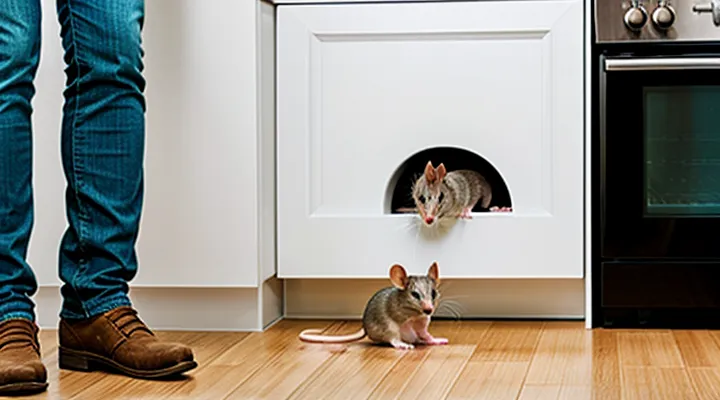
Understanding the Mouse Problem in Apartments
Signs of Mouse Infestation
Droppings and Urine Stains
Mice leave feces and urine marks that indicate active infestation and attract additional rodents. Fresh droppings appear as small, dark, rice‑shaped pellets; older deposits turn gray and may crumble. Urine stains are invisible to the naked eye but can be detected by a faint, ammonia‑like odor or by using a blacklight, which makes the spots fluoresce.
Both waste types carry pathogens such as Hantavirus, Salmonella, and leptospirosis. Contact with contaminated surfaces can cause respiratory and gastrointestinal illness, especially in children and immunocompromised individuals. Prompt removal reduces health hazards and eliminates scent trails that guide mice to food sources.
Effective sanitation follows a three‑step protocol:
- Wear disposable gloves and a mask; ventilate the area for at least 15 minutes.
- Apply an EPA‑approved disinfectant (e.g., a 1 % bleach solution) to all visible droppings and suspected urine spots; let it sit for the manufacturer’s recommended contact time.
- Dispose of contaminated materials in sealed bags and wash hands thoroughly after removal.
Consistent cleaning of droppings and urine eliminates visual and olfactory cues that sustain rodent activity, thereby supporting broader pest‑control measures such as sealing entry points and setting traps.
Gnaw Marks
Gnaw marks are a primary indicator that rodents have accessed an apartment. These shallow, V‑shaped bite impressions appear on wood, plastic, cardboard, and wiring, revealing the animal’s feeding and nesting routes. Identifying the location, depth, and frequency of gnaw marks allows precise targeting of control efforts.
Typical characteristics of gnaw marks:
- V‑shaped cuts, wider at the opening than the base.
- Parallel grooves from repeated bites.
- Fresh, white or light‑colored edges on newer marks; darker, stained surfaces on older ones.
When gnaw marks are detected, follow these steps to reduce mouse activity:
- Seal entry points. Use steel wool, copper mesh, or silicone caulk to block holes as small as ¼ inch.
- Remove food sources. Store pantry items in airtight containers; clean crumbs and spills promptly.
- Install snap traps or electronic traps near the marked areas. Position devices perpendicular to the wall, with the trigger end facing the gnaw line.
- Replace damaged materials. Cut away compromised wiring or wood, then install rodent‑resistant alternatives such as metal conduit or hard‑plastic trim.
- Monitor regularly. Re‑inspect gnaw sites weekly to confirm the absence of new marks and adjust trap placement as needed.
Effective elimination of mice relies on recognizing gnaw marks early, securing vulnerable structures, and maintaining a disciplined inspection routine.
Scratching Noises
Scratching noises in walls, ceilings, or floorboards often signal rodent activity. The sound typically occurs at night when mice move along concealed pathways, gnawing on insulation or nesting material. Identifying the source allows targeted intervention, reducing the need for widespread pesticide application.
To use scratching sounds as a diagnostic tool, follow these steps:
- Record the time and location of each audible event. Consistent patterns point to specific entry points or travel routes.
- Inspect adjacent surfaces for fresh droppings, gnaw marks, or shredded material. These physical clues confirm mouse presence.
- Seal identified gaps with steel wool, caulk, or hardware cloth to block access. Reinforce vulnerable areas such as pipe penetrations, vent openings, and cabinet backs.
- Deploy snap traps or electronic traps near the noise origin. Place bait—peanut butter, chocolate, or dried fruit—directly on the trigger mechanism.
- Monitor traps daily and replace as needed. Persistent scratching after trap placement indicates additional activity; repeat inspection and sealing.
If scratching persists despite localized trapping, expand the search to adjacent rooms and common areas. Consider using ultrasonic emitters in problem zones, but verify manufacturer specifications for effectiveness against mice. Maintaining a clean environment—removing food debris, storing groceries in airtight containers, and disposing of waste promptly—reduces attractants that encourage repeated scratching behavior.
By treating scratching noises as actionable evidence, residents can pinpoint infestations quickly, apply precise control measures, and achieve lasting mouse elimination in an apartment setting.
Unpleasant Odors
Unpleasant odors often signal a mouse infestation and can undermine control efforts. The smell of urine, droppings, or decomposing food attracts additional rodents and discourages residents from maintaining a clean environment. Prompt identification and elimination of these odors reduce the attractiveness of the dwelling to mice and prevent secondary health risks.
Effective odor management includes:
- Immediate removal of droppings and nesting material with disposable gloves; place waste in sealed bags.
- Thorough cleaning of contaminated surfaces using enzymatic cleaners that break down organic compounds.
- Application of odor‑absorbing agents such as activated charcoal or baking soda in hidden corners and wall voids.
- Sealing cracks, gaps, and utility openings to block odor migration and limit mouse entry points.
Regular ventilation supports odor dispersion. Installing exhaust fans in kitchens and bathrooms and opening windows for short periods each day enhances air exchange without creating drafts that could aid rodent movement. Maintaining low humidity further inhibits the growth of mold and bacteria that contribute to foul smells.
Monitoring for recurring odors provides early detection of new activity. Residents should conduct weekly visual inspections of storage areas, cabinets, and behind appliances, noting any fresh scent of ammonia or decay. Early intervention prevents the infestation from expanding and preserves the efficacy of broader rodent‑control measures.
Why Mice are Attracted to Apartments
Food Sources
Food availability drives mouse activity in any dwelling. When edible material is left accessible, rodents establish foraging routes, reproduce rapidly, and resist control measures. Securing all potential meals eliminates the primary incentive for infestation.
- Store pantry items in airtight containers made of metal or heavy‑wall plastic; avoid cardboard boxes that can be chewed.
- Dispose of kitchen waste daily in bins equipped with tight‑fitting lids; clean spills immediately to prevent residue buildup.
- Keep pet food in sealed containers and remove leftovers after each feeding; feed pets in designated areas that can be cleaned thoroughly.
- Vacuum crumbs and food particles from countertops, floors, and behind appliances after each meal preparation.
- Seal cracks and gaps around cabinets, baseboards, and utility penetrations to block access to hidden food stores.
By removing these nutritional sources, mouse populations lose the sustenance needed for survival and reproduction, making subsequent traps, baits, or exclusion methods markedly more effective.
Shelter and Warmth
Mice thrive in apartments when they find safe shelter and consistent warmth. Removing these conditions reduces their ability to establish nests and reproduce.
Secure all entry points. Seal cracks, gaps around pipes, vents, and baseboards with steel wool and caulk. Install door sweeps to block gaps under exterior doors. Eliminate interior hiding spots by storing items off the floor, using sealed plastic containers for food, and keeping clutter to a minimum.
Disrupt thermal comfort. Reduce heat sources that attract rodents, such as uncovered appliances, warm water heater blankets, and radiators with nearby debris. Maintain indoor temperatures at moderate levels; avoid excessive heating that creates cozy micro‑climates.
Implement environmental controls:
- Trim vegetation and remove debris near windows and exterior walls to limit outdoor shelter that can be extended indoors.
- Install insulated, weather‑stripping around windows and doors to prevent drafts that create warm niches.
- Use motion‑activated lights in dark storage areas to deter nocturnal activity.
Regular inspection and maintenance sustain a hostile environment for mice. By systematically denying shelter and warmth, the apartment becomes unsuitable for infestation, supporting long‑term rodent control.
Easy Access Points
Mice infiltrate apartments through gaps that provide unobstructed routes from the exterior or from adjoining units. Identifying and sealing these openings removes the primary means of entry, directly reducing infestation risk.
Typical entry points include:
- Cracks around foundation walls, especially near utility penetrations. Fill with hydraulic cement or expanding foam.
- Gaps under doors and sliding glass panels. Install door sweeps and weather‑stripping.
- Openings around plumbing, electrical, and gas lines. Use steel wool wrapped in caulk or metal mesh before applying sealant.
- Holes in vent covers, dryer exhaust ducts, and chimney flues. Replace damaged screens with metal mesh of ¼‑inch or smaller apertures.
- Unsealed gaps around windows, especially where frames meet the wall. Apply silicone or acrylic caulk, and consider adding interior storm windows.
Inspect the perimeter of the apartment after dark, when rodents are active, to locate fresh gnaw marks or droppings. Prioritize sealing larger openings first, then address smaller cracks. Regularly re‑examine sealed areas for wear, and maintain a schedule of quarterly inspections to prevent re‑entry.
Proven Methods for Mouse Elimination
Prevention Strategies
Sealing Entry Points
Sealing entry points is a fundamental component of any successful mouse control program in an apartment. Mice locate and exploit gaps as small as a dime, gaining access to walls, floors, and utility openings. Eliminating these pathways removes the primary means by which rodents infiltrate living spaces, thereby reducing the likelihood of infestation.
Identify all potential openings and apply durable materials that resist gnawing. Common locations and recommended sealing solutions include:
- Gaps around pipes and cables – use steel wool wrapped in silicone caulk or metal mesh patches.
- Cracks in foundation or wall studs – fill with epoxy filler or cement-based sealant.
- Openings beneath doors and windows – install door sweeps, weatherstripping, or expandable foam.
- Holes around vent covers and exhaust fans – cover with metal flashing secured by screws.
- Small holes in cabinetry or baseboards – plug with wood putty followed by a layer of hardboard.
After sealing, inspect the sealed areas regularly for signs of damage or new gaps. Prompt repairs maintain the integrity of the barrier, ensuring long‑term protection against mouse intrusion.
Identifying Gaps and Cracks
Mice enter apartments through openings as small as a quarter‑inch; locating and sealing these pathways is essential for any proven mouse‑control program.
Inspect walls, baseboards, and flooring for visible fractures, loose panels, or gaps around utility penetrations. Examine exterior doors and windows for misaligned frames, worn weatherstripping, or cracks in the sill. Check the kitchen and bathroom for openings around pipes, cabinets, and vent covers. Use a flashlight and a thin piece of cardboard to probe suspicious seams; any movement indicates a breach.
- Seal cracks with expandable polyurethane foam or silicone caulk, applying enough material to fill the void completely.
- Install steel wool or copper mesh behind foam in larger holes before sealing, preventing mice from chewing through.
- Replace damaged weatherstripping on doors and windows with compression strips that compress tightly when closed.
- Attach metal flashing around pipe sleeves and vent openings, securing it with stainless‑steel screws.
After repairs, conduct a follow‑up inspection after 48 hours. Verify that no new gaps have appeared and that previously treated areas remain intact. Regularly repeat the visual check, especially after seasonal temperature changes or building maintenance, to maintain a barrier that denies mice access.
Using Proper Sealing Materials
Sealing gaps eliminates the pathways mice use to enter an apartment. Identify openings larger than a quarter‑inch around baseboards, windows, doors, utility penetrations, and pipe sleeves. Apply a flexible, rodent‑resistant sealant—silicone or acrylic caulk—to cracks in walls and trim. For holes that accommodate wires or cables, insert steel wool tightly before covering with caulk; steel wool prevents chewing while the sealant locks it in place.
Use expanding polyurethane foam for gaps up to two inches, but embed a strip of mesh or metal screen within the foam to stop mice from tunneling through softened material. Reinforce door thresholds with metal sweeps that slide across the floor when the door closes, ensuring no clearance for entry. Install metal flashing around vent openings and exhaust fans; secure with screws and sealant to create a continuous barrier.
Maintain the seal by inspecting high‑traffic areas monthly. Reapply caulk to any cracks that reappear due to building movement or wear. Replace damaged steel wool or foam promptly, as compromised material restores access points. Consistent application of these sealing practices removes the structural advantages mice rely on, substantially reducing infestation risk.
Food Storage and Sanitation
Proper handling of food and rigorous sanitation are critical components of any effective mouse‑control strategy in an apartment. Mice are attracted to readily available nourishment; eliminating that incentive reduces the likelihood of infestation.
- Store all dry goods, pet food, and pantry items in containers with sealed lids made of metal or heavy‑wall plastic.
- Keep refrigerators and freezers clean; discard expired or uncovered items promptly.
- Use airtight bins for garbage, and place trash cans away from walls and entry points.
Maintain a clean environment to deny mice access to food residues. Wipe countertops, stovetops, and dining surfaces after each use. Sweep or vacuum floors daily to remove crumbs. Clean under appliances and behind cabinets where debris can accumulate. Promptly mop spills, especially sugary or oily substances, and sanitize surfaces with a mild disinfectant.
Regularly inspect pantry shelves and cupboards for signs of gnawing or droppings. Replace damaged packaging and repair any cracks in walls or flooring that could permit entry. Consistent application of these storage and hygiene practices deprives rodents of sustenance, substantially lowering the probability of a mouse problem.
Airtight Containers
Airtight containers are an effective component of a comprehensive mouse‑control strategy in apartments. By sealing food items completely, they eliminate the primary attractant that draws rodents into living spaces.
Secure storage prevents mice from detecting odors, accessing crumbs, or gnawing through packaging. When food is inaccessible, mice are forced to search elsewhere, reducing the likelihood of establishing a nest near human activity.
Key features of suitable containers include:
- Heavy‑gauge lids with silicone gaskets that lock tightly.
- Materials such as stainless steel or thick plastic that resist chewing.
- Clear labeling of contents to avoid accidental opening.
- Placement on shelves away from walls and corners where rodents travel.
Implementing airtight containers alongside traps, exclusion points, and sanitation measures creates an environment where mice find no viable food source, thereby supporting long‑term elimination efforts.
Regular Cleaning and Waste Disposal
Regular cleaning removes food residues that attract rodents. Food particles left on countertops, floors, or behind appliances provide a reliable source of nutrition for mice; eliminating these sources reduces the likelihood of infestation. Consistent removal of crumbs and spills deprives rodents of the energy needed to establish colonies.
Effective waste management prevents rodents from accessing discarded material. Secure trash containers with tight-fitting lids, empty them daily, and store them away from living areas. Compost bins should be sealed, and recycling containers kept clean to avoid odor buildup that can lure mice.
Practical actions:
- Sweep and mop floors nightly, focusing on kitchen and dining zones.
- Wipe countertops and table surfaces after each meal.
- Store food in sealed containers; avoid open packages.
- Clean pet feeding areas and remove uneaten food promptly.
- Dispose of garbage in bins with secure lids; relocate bins to a non‑living space.
- Conduct weekly inspections of cabinets and pantry shelves for spilled grains or crumbs.
Implementing these routines creates an environment where mice find no accessible food, significantly lowering the risk of infestation.
Decluttering and Organization
Keeping living spaces free of excess items removes shelter and travel routes that mice exploit. When storage areas are organized and clutter is minimized, rodents encounter fewer hiding places and are forced into open zones where traps and baits are more effective.
Clutter creates insulated pockets, especially behind appliances, under furniture, and within stacked boxes. These micro‑habitats maintain stable temperature and humidity, conditions that mice prefer for nesting. By eliminating such environments, the apartment becomes hostile to infestation.
- Remove all cardboard boxes, paper piles, and fabric stacks from the floor. Store items in sealed plastic containers with tight‑fitting lids.
- Keep countertops, shelves, and cabinets clear of food residues. Wipe surfaces after each use.
- Pull furniture away from walls to expose baseboards and gaps. Inspect and seal any openings larger than ¼ inch.
- Dispose of waste promptly; use bins with secure lids and empty them regularly.
- Arrange closets and pantries so that items are visible and accessible, reducing concealed spaces.
Regularly audit storage areas for new debris. A disciplined routine that includes weekly inspections and immediate cleanup of spills sustains an environment that discourages mouse activity. Consistent organization supports other control measures, such as traps and exclusion techniques, by preventing re‑colonization.
Removing Hiding Spots
Removing hiding places is a critical step in any rodent‑control plan for a rental unit. Mice exploit gaps, clutter, and unsecured storage to avoid detection and to travel between rooms. Eliminating these refuges reduces shelter availability, forces the pests into exposed areas where traps and baits become effective.
Start with a systematic inspection. Look for openings larger than a quarter‑inch around baseboards, pipe penetrations, and vent covers. Seal each opening with steel wool, expanding foam, or cement, prioritizing permanent materials that resist gnawing. Repair damaged drywall, replace cracked tiles, and install door sweeps on exterior doors.
Next, address interior clutter. Remove stacks of paper, cardboard boxes, and unused fabrics that provide concealment. Store necessary items in sealed plastic containers with tight‑fitting lids. Keep countertops, shelves, and cabinets cleared of food residues; wipe surfaces after each use.
Finally, manage vertical and hidden spaces. Install mesh screens on utility openings, trim back overgrown vegetation that contacts the building, and secure attic or crawl‑space access with metal flashing. Regularly vacuum corners and behind appliances to detect droppings or gnaw marks early.
Key actions for removing hiding spots
- Inspect and seal all exterior and interior gaps.
- Declutter storage areas; use airtight containers.
- Repair structural damage promptly.
- Install protective barriers on utility and ventilation openings.
- Maintain a routine cleaning schedule targeting concealed zones.
Reducing Available Nesting Material
Reducing the amount of material that mice can use for nests directly limits their ability to establish a foothold in a living space. When potential shelters are removed, the rodents are forced to seek alternative locations, often exposing them to traps or exclusion measures.
Key actions to minimize nesting resources include:
- Store all food in airtight containers; eliminate crumbs and spills promptly.
- Keep pantry shelves orderly, discarding packaging that can serve as bedding.
- Remove piles of paper, cardboard, or fabric that are not in active use.
- Fold laundry promptly and store it in closed drawers or hampers.
- Clear clutter from closets, under furniture, and behind appliances.
- Seal gaps around vents, pipes, and baseboards to prevent access to concealed areas.
Regular inspection and maintenance reinforce these steps. By maintaining a tidy environment and eliminating soft, insulated spaces, the habitat becomes unsuitable for mouse colonies, enhancing the overall effectiveness of any control program.
Trapping Methods
Snap Traps
Snap traps provide immediate, lethal control of mice occupying an apartment. The mechanism consists of a spring‑loaded bar that snaps shut when the mouse triggers a sensitive trigger plate, delivering a rapid, fatal blow. Because the result is instantaneous, snap traps eliminate the need for prolonged exposure to poison or the risk of disease‑carrying rodents surviving for days.
Effective use depends on precise placement. Position traps along walls, behind appliances, and near known runways; mice travel close to edges and rarely cross open space. Target areas where droppings, gnaw marks, or nesting material are visible. Deploy at least one trap per 10‑15 ft of wall length to ensure coverage.
Bait selection influences capture rates. Strong, aromatic foods such as peanut butter, chocolate, or small pieces of dried fruit attract mice more reliably than generic cheese. Apply a pea‑size amount directly to the trigger plate, avoiding excess that could allow the mouse to eat without activating the trap.
Safety considerations are essential in shared housing. Choose traps with a protective shield to prevent accidental contact by children or pets. Inspect traps before each use to confirm the spring is tensioned correctly; a mis‑set trap reduces efficacy and may cause injury. When a mouse is caught, wear disposable gloves, seal the trap in a plastic bag, and dispose of it according to local waste regulations.
Maintenance ensures continued performance. Reset traps promptly after a capture; a single trap can catch multiple rodents if reset. Replace worn trigger plates or broken springs to maintain sensitivity. Regularly rotate trap locations to address shifting mouse activity patterns.
Advantages of snap traps include:
- Immediate kill, eliminating the risk of prolonged suffering.
- No chemical residues, preventing contamination of food surfaces.
- Low cost; a pack of ten traps typically costs under $10.
- Reusability after proper cleaning and resetting.
Limitations to acknowledge:
- Requires careful placement and regular monitoring.
- May be less suitable in households with small children or curious pets.
- Does not address underlying attractants such as food debris or structural entry points.
Integrating snap traps with complementary measures—sealing entry gaps, maintaining cleanliness, and removing food sources—creates a comprehensive strategy that reliably reduces mouse populations in apartment settings.
Baiting Techniques
Effective baiting remains a cornerstone of mouse control in residential units. Proper selection, placement, and management of baits determine the speed and completeness of eradication.
Choose baits that match the target species’ preferences. Common options include:
- Peanut butter or cheese on snap traps for rapid kill.
- Commercial rodenticide blocks formulated with anticoagulants for longer‑term suppression.
- Grain‑based pellets combined with attractants for multiple‑catch stations.
Position baits along established travel corridors. Identify walls, behind appliances, and near entry points where droppings or gnaw marks appear. Place traps perpendicular to the wall, with the bait side facing the baseboard, ensuring rodents can approach without obstruction.
Secure bait stations to prevent accidental contact by children or pets. Use tamper‑resistant containers for poison baits and label each station with the date of placement. Rotate active baits every 7–10 days to avoid bait shyness and to address any newly arrived individuals.
Monitor traps daily. Remove dead rodents promptly, reset or replace bait as needed, and record capture locations to refine future placement. Consistent observation eliminates gaps in coverage and accelerates population decline.
Strategic Placement
Strategic placement of control devices maximizes contact with mouse activity while minimizing exposure to non‑target areas. Identify high‑traffic zones by observing droppings, gnaw marks, and nesting material; these locations indicate regular pathways and foraging spots. Position traps and bait stations directly along these routes, preferably perpendicular to the wall where mice travel, to intercept movement efficiently.
- Snap traps: place 2–3 inches from the wall, with the trigger end facing the wall; set at night when mice are most active.
- Electronic traps: locate in concealed corners of cabinets or behind appliances; ensure power supply is accessible.
- Bait stations: install in concealed gaps behind baseboards or under sinks; secure to prevent pets or children from reaching them.
- Entry‑point seals: apply steel wool or copper mesh in cracks before installing foam or caulk; prioritize openings around pipes, vents, and utility lines.
Regularly rotate device locations every 5–7 days to prevent habituation. Monitor capture rates and adjust placement based on observed activity patterns. Persistent, well‑planned positioning reduces mouse populations faster than random deployment.
Live Traps
Live traps provide a humane alternative to lethal devices, capturing rodents without killing them. The mechanism consists of a cage with a trigger plate; when a mouse steps on the plate, the door closes instantly, confining the animal inside the enclosure.
Key advantages include:
- Humane outcome – the mouse remains alive and can be released far from the residence.
- No poison risk – eliminates exposure to toxic substances for children, pets, and non‑target wildlife.
- Immediate verification – the capture is visible, allowing prompt action and preventing unnoticed infestations.
Effective deployment requires attention to placement, bait selection, and monitoring:
- Location – position traps along walls, behind appliances, and near known activity routes; mice prefer tight pathways and avoid open spaces.
- Bait – use high‑protein foods such as peanut butter, cheese, or dried fruit; apply a small amount to the trigger plate to encourage entry.
- Check frequency – inspect traps at least twice daily; prolonged confinement can cause stress or injury to the captured mouse.
- Release protocol – transport the trap to a suitable release site at least one mile from the apartment, preferably in a wooded or agricultural area; open the cage gently and allow the mouse to exit on its own.
- Sanitation – clean the trap after each use with hot, soapy water or a disinfectant solution to remove scent trails that could deter future captures.
When integrated with other control measures—such as sealing entry points, removing food sources, and maintaining clutter‑free environments—live traps become a reliable component of a comprehensive mouse‑management plan for apartment dwellers.
Humane Capture and Release Considerations
Humane capture devices, such as live‑catch traps, allow removal of mice without killing them. Effective use requires careful planning and adherence to safety standards.
- Choose traps made of sturdy plastic or metal with a smooth interior to prevent injury. Models with spring‑loaded doors or slide‑in mechanisms provide reliable closure.
- Bait traps with high‑protein foods (peanut butter, sunflower seeds) to increase capture rates. Place bait at the far end of the trap to ensure the mouse fully enters before the door activates.
- Locate traps along walls, behind appliances, and near known entry points. Mice travel close to surfaces; positioning traps in these corridors maximizes encounters.
- Check traps at least twice daily. Prolonged confinement raises stress and risk of dehydration.
- When a mouse is caught, wear disposable gloves, cover the trap with a cloth, and transport it promptly to an outdoor release site.
- Release locations must be at least 200 meters from the apartment and in an environment offering shelter, food, and water (e.g., wooded area, field). Avoid release near other residences to prevent re‑infestation.
- After release, disinfect the trap with a bleach solution (1 part bleach to 9 parts water) before reuse. This prevents disease transmission.
- Record release dates and locations to monitor patterns and adjust trap placement if recaptures occur.
- Verify local regulations regarding wildlife relocation. Some jurisdictions require permits or prohibit release of captured rodents in certain areas.
Following these practices eliminates mice while respecting animal welfare and reduces the likelihood of future intrusions.
Proper Handling of Trapped Mice
Handling trapped mice correctly prevents disease spread, protects residents, and maintains a humane approach. Follow these steps after a capture:
- Wear disposable gloves; replace them if they become contaminated.
- Place the live mouse in a secure, ventilated container if release is intended, or transfer the dead mouse to a sealed, puncture‑resistant bag for disposal.
- Clean the trap with hot, soapy water or a bleach solution (1 part bleach to 9 parts water). Rinse thoroughly and allow it to dry completely before reuse.
- Disinfect the surrounding area with an EPA‑approved sanitizer; focus on floors, walls, and any surfaces the mouse may have contacted.
- Dispose of waste according to local regulations—typically, sealed bags go to regular trash, while certain municipalities require special pest‑control waste handling.
Additional precautions enhance safety:
- Perform the entire process in a well‑ventilated space to reduce inhalation of allergens.
- Avoid direct contact with mouse droppings, urine, or saliva; these can carry hantavirus and salmonella.
- Store gloves and cleaning supplies away from food preparation zones.
- Document each incident, noting trap location and date, to identify patterns and adjust preventive measures.
Proper disposal eliminates residual scent trails that could attract other rodents. Regularly sanitizing traps and surrounding areas sustains an environment hostile to mice, supporting broader elimination efforts.
Glue Traps
Glue traps provide a passive, low‑maintenance option for reducing mouse populations in residential units. The adhesive surface immobilizes rodents that step onto the trap, allowing for immediate removal and preventing further damage.
Key characteristics:
- Immediate capture: Mice are trapped on contact, eliminating the need for repeated baiting.
- Compact design: Traps fit into tight spaces such as behind appliances, under cabinets, and within wall voids.
- Low cost: A single pack supplies dozens of units, making large‑scale deployment affordable.
Effective deployment requires strategic placement. Position traps along established runways, typically within 1–2 feet of walls, near entry points, and close to sources of food or water. Align the adhesive side toward the wall to encourage rodents to travel along the edge rather than bypass the trap.
Safety considerations are essential. Keep traps out of reach of children and pets; use tamper‑resistant containers or cover the adhesive surface with a thin layer of cardboard until needed. After capture, wear disposable gloves, seal the trap in a plastic bag, and dispose of it according to local waste regulations to avoid secondary infestations.
Limitations include potential non‑target captures and reduced effectiveness in areas with high humidity, which can degrade the adhesive. For comprehensive control, combine glue traps with exclusion techniques—sealing cracks, installing door sweeps, and maintaining a clean environment—to reduce attractants and prevent re‑entry.
When monitoring progress, replace traps every 3–5 days or when the adhesive surface becomes saturated. Consistent rotation maintains trap efficacy and provides data on activity hotspots, guiding further interventions.
Ethical Concerns and Alternatives
Mice control in residential units often relies on lethal techniques such as anticoagulant baits and snap traps. These methods raise ethical issues because they cause rapid death, may inflict suffering if misapplied, and pose secondary risks to children, pets, and non‑target wildlife. Additionally, the disposal of dead rodents can create sanitation problems and increase exposure to disease agents.
Ethical considerations encourage the adoption of humane and environmentally responsible alternatives. The following options reduce mouse populations while minimizing harm:
- Live‑catch traps: Reusable cages capture rodents alive, allowing relocation to uninhabited areas far from human dwellings. Proper handling and release protocols prevent stress and injury.
- Exclusion strategies: Sealing entry points with steel wool, copper mesh, or silicone caulk blocks access. Regular inspection of foundation cracks, utility penetrations, and vent openings eliminates pathways without killing the pests.
- Sanitation measures: Storing food in airtight containers, promptly cleaning crumbs, and maintaining waste in sealed bins remove attractants. Reduced food availability discourages infestation naturally.
- Ultrasonic repellents: Devices emitting high‑frequency sound deter rodents without physical contact. Effectiveness varies, but they provide a non‑lethal option for short‑term deterrence.
- Natural deterrents: Peppermint oil, dried cloves, or crushed mint leaves create scents mice avoid. Applying these substances around potential entry points offers a low‑risk, biodegradable barrier.
Implementing a combination of exclusion, sanitation, and non‑lethal deterrents aligns pest management with ethical standards while maintaining effective control in an apartment setting.
Effective Placement
Effective placement of control devices determines the success of any rodent‑reduction effort in a residence. Mice travel along walls, follow established pathways, and exploit gaps near food and water sources. Positioning traps and bait stations where these routes intersect maximizes contact and reduces the time needed to achieve population decline.
- Place snap or electronic traps directly against interior walls, with the trigger side facing the wall. Mice prefer to run close to surfaces, so this orientation aligns with their natural behavior.
- Position bait stations in concealed corners of kitchens, pantries, and utility rooms, ensuring they are at least 12 inches from any open flame or heat source.
- Install monitoring devices near entry points such as door frames, window sills, and utility penetrations, focusing on gaps less than ¼ inch.
- Distribute devices at a spacing of 5–10 feet along known runways; overlapping coverage prevents mice from bypassing isolated traps.
- Avoid placing devices on top of furniture or in high‑traffic human areas, which can cause accidental activation and reduce efficacy.
Consistent evaluation of device performance, combined with immediate removal of captured rodents, sustains the reduction process. Properly located control tools create a hostile environment that discourages re‑infestation and supports long‑term maintenance of a mouse‑free apartment.
Repellent Techniques
Natural Repellents
Natural repellents provide a chemical-free option for discouraging mice from entering an apartment. Their effectiveness relies on strong odors or tastes that rodents find intolerable, creating an environment that deters infestation without hazardous residues.
- Peppermint essential oil – Apply ten drops to cotton balls and place them in known entry points, behind appliances, and along baseboards. Refresh every three days to maintain potency.
- Ammonia – Soak cotton pads in undiluted ammonia and position them in concealed areas such as closets or under sinks. Replace weekly, handling with gloves to avoid skin irritation.
- Clove oil – Mix five milliliters of clove oil with two ounces of water, spray the solution around door frames, windowsills, and cracks. Reapply after rain or cleaning.
- Cedar shavings – Distribute a thin layer of cedar shavings in pantry shelves, drawers, and storage containers. Replace when the scent diminishes.
- Ultrasonic emitters – Although not a true repellent, devices that emit high-frequency sound complement natural aromas by creating an additional sensory barrier.
Natural repellents work best when combined with rigorous sanitation: seal food in airtight containers, eliminate standing water, and repair structural gaps. Relying solely on odor-based methods may not eradicate an established population; integration with traps or professional exclusion strengthens overall control. Regular monitoring of activity signs—droppings, gnaw marks, or nesting material—guides timely adjustments to the repellent strategy.
Peppermint Oil
Peppermint oil is a widely cited natural repellent for mice due to its strong menthol scent, which irritates rodent olfactory receptors and creates an unpleasant environment. When applied correctly, the oil can discourage mice from entering or remaining in an apartment.
The oil’s effectiveness depends on concentration, placement, and regular renewal. A typical preparation involves mixing 10–15 drops of peppermint essential oil with 1 cup of water or a carrier such as mineral oil, then transferring the solution to a spray bottle. Spray the mixture around entry points, behind appliances, and along baseboards where mice travel. Reapply every 3–5 days, as the scent dissipates quickly.
Advantages:
- Non‑toxic to humans and pets when used as directed.
- Simple preparation requires minimal equipment.
- Can be combined with other preventive measures such as sealing cracks and maintaining cleanliness.
Limitations:
- Does not eliminate an established infestation; it only deters activity.
- Strong aroma may be unpleasant for some occupants.
- Effectiveness varies with mouse species and individual tolerance.
For best results, integrate peppermint oil treatment with structural repairs, proper food storage, and routine cleaning. Monitor mouse activity weekly; if signs persist, consider supplemental methods such as traps or professional pest control.
Dryer Sheets
Dryer sheets are often mentioned as a quick, inexpensive deterrent for rodents in residential units. The sheets release a strong fragrance—typically a blend of fabric softeners and synthetic chemicals—that mice find unpleasant. When placed strategically, the scent can discourage entry and movement within an apartment.
Effective deployment
- Place a sheet in each potential entry point: under doors, near window sills, and behind appliances.
- Replace sheets every two to three days to maintain potency.
- Combine with sealing cracks and maintaining a clean environment for optimal results.
Mechanism of action
The volatile compounds emitted by dryer sheets mask food odors and create an olfactory barrier. Mice rely on scent to locate shelter and sustenance; a continuous, strong aroma disrupts this process, prompting the animals to seek alternative habitats.
Limitations
- Effectiveness diminishes as the scent evaporates; regular replacement is essential.
- Does not eliminate established infestations; physical traps or professional extermination may be required.
- Potential allergic reactions in sensitive individuals; use in well‑ventilated areas and monitor occupants.
Safety considerations
- Keep sheets out of reach of children and pets to prevent ingestion.
- Avoid direct contact with food preparation surfaces; the chemicals are not intended for consumption.
In summary, dryer sheets serve as a supplemental, short‑term measure that can reduce mouse activity when used alongside structural repairs and rigorous sanitation.
Steel Wool
Steel wool serves as an effective physical barrier against mice seeking entry into an apartment. When packed tightly into gaps around pipes, vents, and small openings, the coarse fibers irritate rodent whiskers and prevent them from squeezing through. The material’s flexibility allows it to conform to irregular shapes, creating a seal that is difficult for mice to bypass.
Key advantages of steel wool include:
- Immediate blockage of entry points without chemicals.
- Compatibility with caulking or expanding foam for added durability.
- Low cost and easy installation using gloves and basic tools.
To apply steel wool correctly:
- Identify all potential ingress sites, such as gaps under doors, around electrical conduits, and at the base of cabinets.
- Insert steel wool until the opening is completely filled, ensuring no visible voids remain.
- Secure the filler with a layer of silicone sealant or foam to maintain contact and deter removal by rodents.
- Inspect the sealed areas periodically; replace any worn or displaced wool to sustain protection.
When combined with other proven strategies—such as trapping and sanitation—steel wool contributes a reliable, non‑toxic method for reducing mouse activity in residential units.
Electronic Repellents
Electronic repellents are devices that emit sound waves or electromagnetic fields intended to deter rodents from inhabiting interior spaces. The principle relies on frequencies beyond human hearing or low‑frequency vibrations that cause discomfort to mice, prompting them to leave the area.
Key characteristics of effective units include:
- Frequency range: ultrasonic models typically operate between 20 kHz and 65 kHz, a band that mice perceive as irritating while remaining inaudible to occupants.
- Coverage area: manufacturers specify a radius, often 300–500 sq ft; placement should ensure overlapping zones to avoid blind spots.
- Power source: plug‑in units provide continuous output, whereas battery‑powered models require regular replacement and may deliver lower intensity.
- Safety features: certified devices lack emissions that affect pets, children, or household electronics; compliance with FCC and CE standards confirms this.
Installation guidelines improve performance. Position devices at ceiling height or atop furniture, facing open pathways such as entryways, closets, and pantry shelves. Avoid obstructing the speaker grille with furniture or décor, as blockage reduces wave propagation. For larger apartments, deploy multiple units with staggered spacing to maintain consistent field strength.
Scientific assessments produce mixed results. Controlled laboratory studies demonstrate acute aversion behavior when mice encounter ultrasonic bursts, yet field trials in residential settings report variable success rates, often contingent on proper device density and absence of competing food sources. Consequently, electronic repellents function best as a supplementary tactic rather than a standalone solution.
Maintenance involves periodic cleaning of the speaker surface to prevent dust accumulation, which can attenuate output. Verify that the power indicator remains steady; intermittent flickering may signal a malfunction requiring replacement. Replace units after the manufacturer’s recommended service life, typically two to three years, to sustain effective emission levels.
In summary, electronic repellents offer a non‑chemical, low‑maintenance option for discouraging mouse activity. When integrated with sanitation practices, structural sealing, and, if necessary, trapping, they contribute to a comprehensive rodent‑control strategy in an apartment environment.
Ultrasonic Devices
Ultrasonic devices emit high‑frequency sound waves that are uncomfortable for rodents but inaudible to humans. The waves interfere with mice’s nervous system, prompting avoidance of treated areas.
Effectiveness depends on several factors:
- Frequency range: devices operating between 20 kHz and 65 kHz produce the strongest deterrent effect.
- Placement: units must be positioned at least 12 inches off the floor and away from large furniture that blocks sound propagation.
- Coverage area: a typical household model protects 500–1,000 sq ft; larger apartments require multiple units for complete coverage.
- Continuous operation: uninterrupted power ensures a constant acoustic barrier; intermittent use allows mice to acclimate.
Limitations include:
- Reduced efficacy in rooms with heavy curtains, carpet, or dense furniture that absorb ultrasonic waves.
- Diminished impact on established infestations; devices deter entry but rarely eradicate a populated colony.
- Inability to affect hidden nesting sites beyond the device’s line of sight.
Best practices:
- Conduct a preliminary inspection to identify entry points and nesting zones.
- Install devices near suspected pathways, such as behind appliances, under cabinets, and along wall junctions.
- Maintain a clear line of sight from each unit to the surrounding space; avoid stacking objects directly in front of emitters.
- Replace batteries or ensure stable mains power to prevent signal interruption.
- Combine ultrasonic deterrents with exclusion methods (sealed gaps, traps) for comprehensive control.
Scientific studies report a 30–45 % reduction in mouse activity when ultrasonic devices are used in conjunction with physical barriers. Relying solely on sound emission yields inconsistent results; integration with proven exclusion tactics maximizes success.
Effectiveness and Limitations
Evaluating mouse‑control tactics in a residential unit requires clear data on success rates and practical constraints. Each approach delivers measurable reductions under specific conditions, yet none guarantees total eradication without complementary actions.
- Snap traps: capture rates exceed 70 % when placed along walls and near known activity zones. Limitation – requires regular inspection and safe disposal; ineffective if mice avoid exposed pathways.
- Electronic deterrents: emit ultrasonic frequencies that deter rodents in confined spaces. Limitation – signal attenuation through furniture and walls reduces coverage; habituation may diminish impact after several weeks.
- Bait stations with anticoagulants: achieve population decline of 80–90 % within a month when fully encased and strategically positioned. Limitation – risk of accidental exposure to pets or children; regulatory restrictions may limit availability.
- Sealant and exclusion work: sealing entry points eliminates re‑infestation sources. Limitation – labor‑intensive; small gaps behind appliances or in utility penetrations are often overlooked.
- Live‑catch traps: allow relocation of captured individuals, providing immediate removal. Limitation – stress on captured rodents; relocation without addressing attractants leads to rapid return.
Effectiveness hinges on proper placement, maintenance, and integration of multiple tactics. Limitations arise from environmental factors, user diligence, and regulatory considerations. Optimal outcomes result from combining exclusion measures with active trapping or baiting, monitored over several weeks to confirm sustained reduction.
Professional Pest Control
When to Call an Exterminator
Effective mouse control in an apartment often begins with sanitation, sealing entry points, and using traps. However, certain conditions indicate that professional pest management is necessary.
- Infestation persists after several weeks of diligent DIY measures.
- Visible damage to wiring, insulation, or stored food exceeds minor gnaw marks.
- Multiple sightings occur in different rooms, suggesting a large or breeding population.
- Residents experience health issues such as allergic reactions or respiratory distress linked to rodent droppings.
- Attempts to set traps result in frequent trap avoidance or rapid trap loss.
- The building’s lease or local regulations require licensed extermination for specific pest levels.
When any of these criteria are met, contacting a certified exterminator ensures swift, safe eradication and compliance with health standards. Professional services provide targeted baiting, thorough inspections, and follow‑up monitoring that exceed the capabilities of most household methods.
What to Expect from Professional Services
Professional pest‑control providers begin with a thorough inspection of the apartment. Technicians identify entry points, assess the extent of infestation, and document evidence such as droppings, gnaw marks, and nesting material. The inspection report forms the basis for a customized eradication plan.
The treatment plan typically includes:
- Placement of snap traps, live‑catch traps, or bait stations selected for the specific mouse activity observed.
- Application of low‑toxicity rodenticide in concealed locations, complying with local safety regulations.
- Sealing of gaps, cracks, and utility openings to prevent re‑entry.
- Recommendations for sanitation practices that reduce attractants.
Clients receive a written guarantee outlining the expected timeline for mouse removal, usually ranging from a few days to two weeks, depending on severity. The guarantee specifies the number of follow‑up visits included, during which technicians monitor trap performance, replace devices, and verify that no new activity has emerged.
Safety and compliance are emphasized throughout the service. Contractors must hold valid licenses, carry appropriate insurance, and follow integrated pest‑management (IPM) protocols that prioritize non‑chemical measures and minimize exposure to residents. Billing is transparent, with a detailed invoice that separates inspection fees, material costs, and labor charges.