
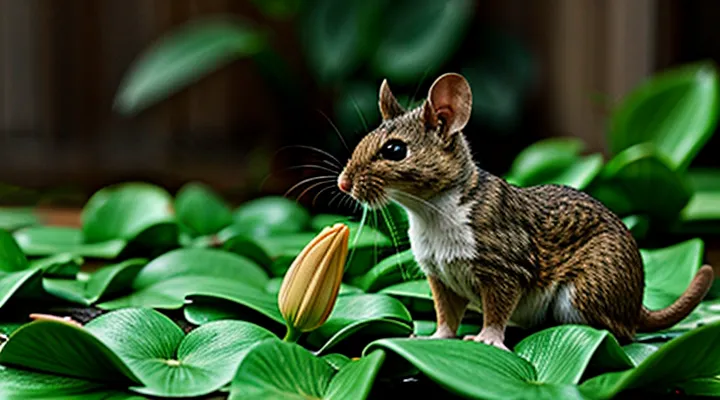
Understanding the Threat: Why Mice Target Lilies
Identifying Mouse Activity
«Signs of Damage»
Mice activity on lily beds manifests through distinct physical clues. Early detection prevents extensive loss and reduces the need for aggressive control measures.
Typical indications include:
- Chewed or gnawed leaf edges, often leaving ragged margins.
- Stalks with bite marks near the base, sometimes exposing the bulb.
- Small, shallow tunnels in the soil surrounding the plant, visible after careful inspection.
- Presence of droppings—dark, pellet‑shaped waste—near foliage or in the mulch layer.
- Discolored or wilted leaves that appear suddenly, without signs of disease.
Additional evidence may appear as:
- Missing or partially eaten flower buds, especially in the early growth stage.
- Soil disturbance that reveals exposed roots or bulbs.
- Tracks of mouse fur or footprints on damp ground near the lilies.
Observing these symptoms allows swift implementation of deterrent strategies, safeguarding the lilies from further rodent damage.
«Common Mouse Species Affecting Gardens»
Mice that regularly invade garden beds pose a direct threat to lilies and other tender perennials. Identifying the species most likely to feed on or gnaw at lily bulbs helps focus preventive measures.
- House mouse (Mus musculus) – Small, omnivorous, thrives in close proximity to human structures. Frequently forages on seeds, seedlings, and tender roots, especially during cooler months when alternative food sources diminish.
- Field mouse (Apodemus sylvaticus) – Larger than the house mouse, prefers open fields and hedgerows. Consumes a wide range of vegetation, including bulbs and tubers, and is active at night and twilight.
- Deer mouse (Peromyscus maniculatus) – Adaptable to diverse habitats, exhibits strong gnawing behavior toward underground plant parts. Often found in woodland edges bordering gardens.
- Wood mouse (Apodemus flavicollis) – Similar to the field mouse but with a preference for moist, densely vegetated areas. Known to dig shallow burrows that expose lily bulbs to damage.
- Norway rat (Rattus norvegicus) – Though larger, it frequently enters gardens in search of high‑calorie food. Capable of destroying entire lily clumps by chewing stems and roots.
These rodents share traits that increase risk to lilies: nocturnal activity, strong incisors, and a diet that includes tender plant tissue. Understanding which species are present in a specific garden informs targeted control strategies such as habitat modification, physical barriers, and bait placement, thereby reducing the likelihood of lily loss.
The Allure of Lily Bulbs
«Nutritional Value for Rodents»
Lilies contain carbohydrates, sugars, and trace proteins that appeal to small mammals seeking quick energy sources. The bulb stores starches that convert to glucose during sprouting, providing a readily digestible carbohydrate profile. Amino acids present in the bulb, such as glutamine and asparagine, supplement the limited protein intake typical of rodent diets.
Key nutritional components attracting mice:
- Simple sugars (glucose, fructose) – immediate energy boost.
- Starch reserves – sustained carbohydrate supply.
- Low‑level proteins – supplement dietary deficiency.
- Minerals (potassium, magnesium) – support metabolic functions.
Understanding these attractants allows targeted deterrence. Reducing the availability of carbohydrate‑rich parts, for example by covering bulbs with metal mesh or applying non‑edible barriers, removes the primary incentive. Additionally, offering alternative food sources with comparable nutrient profiles can divert foraging behavior away from lilies.
Effective protection strategies integrate knowledge of rodent dietary preferences with physical exclusion methods, thereby minimizing damage without relying on chemical repellents.
«Vulnerability of Young Plants»
Young lilies are especially prone to rodent damage because their initial growth stages present soft, nutrient‑rich tissues that mice readily consume. The stems and leaves emerging from the bulb contain high water content, making them easy to gnaw. Aromatic chemicals released by the developing foliage attract foraging mammals, while the low height of seedlings places them within the typical foraging range of ground‑dwelling rodents.
Key factors that increase susceptibility:
- Tender, unprotected meristems that lack lignified tissue.
- Elevated moisture levels that provide a palatable source of water.
- Strong scent emissions that serve as olfactory cues for mice.
- Ground‑level placement that eliminates physical barriers.
These characteristics create a window of vulnerability that precedes the establishment of tougher, more defensive plant structures. When the protective bark and leaf thickness develop, the risk of consumption declines sharply. Consequently, any preventive strategy must target the early growth phase, reinforcing the plant’s defenses before the natural hardening process occurs.
Preventive Measures: Deterring Mice from Your Lilies
Physical Barriers and Protections
«Wire Mesh Cages»
Wire mesh cages provide a physical barrier that prevents rodents from reaching lily bulbs and foliage. Constructed from galvanized steel or stainless‑steel mesh, they resist corrosion and retain structural integrity through repeated exposure to soil moisture.
A typical cage consists of a rectangular frame with a mesh opening of ¼‑inch (6 mm) or smaller. This dimension blocks the average mouse while allowing adequate airflow and light penetration for healthy plant growth. The mesh is welded or tightly fastened to the frame to eliminate gaps where pests could slip through.
Installation proceeds as follows:
- Dig a shallow trench around the lily bed, extending 6–8 inches (15–20 cm) beyond the outermost leaves.
- Position the cage so its lower edge rests in the trench, ensuring the mesh encloses the entire planting area.
- Backfill the trench with soil, compacting gently to secure the cage without distorting the mesh.
- Anchor the frame with metal stakes or concrete anchors at each corner for added stability against wind or animal activity.
Maintenance requires periodic inspection for mesh damage, rust, or displacement. Replace compromised sections promptly to preserve the protective function. Cleaning the cage with a mild detergent solution removes debris that could attract mice.
Advantages of wire mesh cages include:
- Complete exclusion of rodents without chemical agents.
- Reusability across multiple planting seasons.
- Compatibility with various soil types and garden layouts.
- Minimal impact on irrigation and fertilization practices.
When integrated into a broader rodent‑deterrence strategy—such as habitat modification and proper waste management—wire mesh cages significantly reduce the likelihood of lilies being consumed by mice.
«Gravel and Sharp Stone Mulch»
Gravel and sharp‑edged stone mulch create a physical barrier that discourages rodents from approaching lily crowns. The rough texture irritates mouse paws and prevents them from gaining traction, making the area unattractive for foraging.
Applying the mulch effectively requires a layered approach:
- Lay a 2‑inch base of coarse, angular stone directly around each lily plant, extending at least 12 inches beyond the foliage.
- Add an additional 1‑inch layer of fine gravel on top to fill gaps and maintain an even surface.
- Keep the mulch dry; moisture attracts rodents and reduces the abrasive quality of the stones.
The barrier remains functional as long as the stones retain their sharp edges. Regularly inspect the mulch for displacement or rounding caused by weather, and replenish any missing material promptly. Avoid using rounded pebbles or sand, which provide little resistance and may even facilitate mouse movement.
When combined with other deterrents—such as trapping or habitat reduction—gravel and sharp stone mulch significantly reduces the likelihood of mice damaging lily stems and buds.
«Burying Bulbs Deep»
Planting lily bulbs at a sufficient depth is one of the most reliable methods for preventing rodent damage. Mice can easily locate shallow bulbs by scent and digging, but deeper placement reduces their ability to reach the food source.
A practical depth range is 6–12 inches (15–30 cm) from the soil surface. The lower limit discourages most mouse activity; the upper limit ensures the bulb remains in a zone where it can receive adequate moisture and warmth for growth. When soil is loose or sandy, increase depth by a few inches to compensate for easier penetration.
Key considerations for deep burial:
- Soil composition – Heavy loam retains shape and resists tunneling; amend light soils with organic matter to improve stability.
- Moisture management – Deep planting reduces surface evaporation, but excess water can cause rot. Install drainage or elevate planting beds in wet areas.
- Mulch layer – Apply a 2–3‑inch (5–7 cm) mulch coat after planting. Mulch masks scent, adds insulation, and creates a physical barrier to digging.
- Compaction – Firm the soil around the bulb with a tamping tool to eliminate air pockets that mice could exploit.
- Spacing – Maintain at least 6 inches (15 cm) between bulbs; crowded clusters attract foraging activity.
For established beds, re‑planting shallow bulbs at the recommended depth can be performed in early fall. Use a garden spade to create a uniform trench, place each bulb with the pointed end upward, backfill, and press the soil firmly. Afterward, monitor for fresh mouse burrows; if activity persists, consider adding a layer of hardware cloth beneath the planting zone for added protection.
By consistently applying these depth guidelines, gardeners can significantly lower the risk of mouse predation on lily bulbs while promoting healthy, vigorous growth.
Cultural Practices and Garden Management
«Maintaining Garden Cleanliness»
A tidy garden limits food sources and shelter that attract rodents, thereby decreasing the likelihood that lilies will be gnawed.
- Remove fallen leaves, fruit, and plant debris daily.
- Trim grass and weeds to keep ground cover low.
- Store compost in sealed containers; avoid open piles near lily beds.
- Sweep pathways and mulch layers to eliminate hiding spots.
- Dispose of garden waste promptly, using bins with tight lids.
Regular inspection of beds and prompt removal of any mouse droppings or gnaw marks prevents infestations from establishing. Maintaining these cleanliness standards creates an environment where lilies can thrive without rodent interference.
«Removing Attractants»
Removing attractants is the first line of defense against rodent damage to lily beds. Mice are drawn to food residues, shelter, and water sources; eliminating these cues reduces the likelihood of intrusion.
- Clear fallen leaves, fruit, and garden debris that can conceal crumbs or insects.
- Harvest ripe vegetables and fruits promptly; store them in sealed containers.
- Dispose of compost material in rodent‑proof bins; keep lids tightly sealed.
- Eliminate standing water by draining puddles, fixing leaky irrigation lines, and using drip‑irrigation to limit moisture around the plants.
- Trim low‑lying vegetation and dense ground cover that can provide hiding places.
Maintain a clean perimeter by sweeping paths, sweeping under pots, and regularly inspecting mulch for nesting material. Replace organic mulch with coarse, inorganic alternatives such as gravel or bark chips, which are less appealing for gnawing and burrowing.
Implementing these measures creates an environment where lilies are less attractive to mice, thereby decreasing the risk of consumption and damage.
«Companion Planting for Deterrence»
Mice frequently gnaw lily bulbs, reducing bloom quality and plant longevity. Introducing repellent species alongside lilies creates a chemical barrier that discourages rodent activity without chemical pesticides.
- Garlic (Allium sativum) – emits sulfur compounds that mice avoid.
- Mint (Mentha spp.) – releases menthol vapors unattractive to rodents.
- Marigold (Tagetes spp.) – produces strong scent and bitter compounds.
- Rosemary (Rosmarinus officinalis) – contains essential oils that repel small mammals.
- Catnip (Nepeta cataria) – irritates mouse sensory receptors while attracting beneficial insects.
Plant these companions at the perimeter of the lily bed, maintaining a 12‑inch gap between each species to ensure full scent coverage. Use a 2‑foot buffer zone where the repellent plants dominate the garden edge, forcing mice to seek alternative routes. Avoid dense mulch that shelters rodents; opt for coarse bark or straw that remains visible.
Regularly prune companion plants to prevent overgrowth, which can diminish volatile emissions. Replace any wilted individuals promptly to sustain deterrent potency throughout the growing season. This integrated approach reduces mouse damage while enhancing biodiversity and garden aesthetics.
Repellents and Natural Solutions
«Homemade Repellents»
Mice frequently gnaw lily stems and bulbs, causing rapid plant loss. Effective, low‑cost deterrents can be prepared at home and applied directly to the garden bed.
- Peppermint oil spray – combine 10 ml peppermint essential oil with 1 liter water, add a few drops of dish soap, shake well, and mist foliage and soil surface each morning. The strong scent overwhelms rodent olfactory receptors.
- Cayenne pepper dust – sprinkle a thin layer of ground cayenne pepper around the base of each lily. The irritant particles discourage chewing and foraging.
- Garlic‑infused water – crush 4–5 garlic cloves, steep in 500 ml hot water for 15 minutes, strain, then dilute with 1 liter water. Apply to soil and leaf undersides twice weekly; the sulfur compounds repel rodents without harming plants.
- Steel‑wool barrier – cut steel wool into 2‑inch strips, wrap tightly around the stem of each bulb before planting. The abrasive texture prevents mice from gaining purchase.
- Dryer‑sheet sachets – place small fabric pouches filled with dryer sheets among lily rows. The chemical fragrance deters rodents for several weeks before replacement is needed.
Apply repellents after planting and after any rainfall that may wash away residues. Re‑apply peppermint spray and garlic solution every 5–7 days during peak activity periods. Monitor mouse activity daily; increase cayenne concentration or add additional steel‑wool barriers if damage persists. Rotate between peppermint and garlic solutions to prevent rodent habituation. Consistent use of these homemade measures maintains lily health while avoiding synthetic pesticides.
«Commercial Rodent Repellents»
Commercial rodent repellents offer a practical solution for keeping mice away from lilies. They fall into three main categories: ultrasonic devices, scent‑based formulations, and granular or spray products.
-
Ultrasonic units emit high‑frequency sound that mice cannot tolerate. Placement near the garden bed ensures coverage of the root zone. Devices require a power source and periodic battery replacement, but they do not contact the soil or foliage.
-
Scent‑based repellents rely on compounds such as peppermint oil, capsaicin, or predator urine. These substances create an odor profile that mice avoid. Application involves mixing the concentrate with water and spraying the foliage and surrounding ground, or spreading a pre‑diluted liquid directly onto the soil surface. Reapplication is necessary after rain or irrigation.
-
Granular or spray formulations contain active ingredients like chloropicrin, diphenhydramine, or synthetic pyrethroids. Granules are spread around the planting area and watered in; sprays are applied to stems and leaves. Both formats provide a chemical barrier that discourages chewing and nesting. Safety data sheets must be consulted to ensure compatibility with lilies and local wildlife.
Effectiveness depends on proper dosage, timing, and environmental conditions. Manufacturers typically recommend applying repellents at the start of the growing season and repeating treatments every 2–4 weeks, or after heavy precipitation. Integration with physical barriers—such as fine mesh around the bed—enhances protection and reduces reliance on chemicals.
When selecting a commercial product, consider the following criteria:
- Active ingredient profile – choose compounds proven to deter rodents without phytotoxic effects.
- Application method – match the product to available equipment and labor resources.
- Regulatory compliance – verify registration with relevant agricultural authorities.
- Environmental impact – prefer formulations with low persistence and minimal toxicity to non‑target species.
By adhering to manufacturer guidelines and monitoring mouse activity, gardeners can maintain healthy lilies while minimizing chemical exposure.
«Beneficial Predators»
Beneficial predators can reduce rodent pressure on lily beds without chemical intervention.
- Owls, particularly barn and screech species, hunt mice at night. Installing nesting boxes 10–15 feet above ground encourages occupancy.
- Hawks such as the red-tailed hawk patrol open fields and capture rodents during daylight. Maintaining perching poles and open sightlines supports their hunting activity.
- Snakes, especially non‑venomous rat snakes, locate and consume mice within garden margins. Providing stone piles, log shelters, and native ground cover creates suitable refuge.
- Ferrets and domesticated cats, when managed responsibly, can serve as active hunters. Limiting their range to areas surrounding lily plots prevents unintended predation on other wildlife.
To maximize predator effectiveness, avoid excessive pesticide use, which can diminish prey populations and deter hunters. Preserve a diversified habitat with native grasses, shrubs, and ground cover to sustain a stable food web. Monitor predator presence regularly; increased sightings typically correspond with lower mouse activity and reduced damage to lilies.
Integrating these natural enemies into garden management offers a sustainable strategy for protecting lilies from rodent consumption.
Active Control: Dealing with Existing Infestations
Trapping Strategies
«Types of Traps»
Mice pose a direct threat to lily beds, consuming buds and compromising plant health. Effective control hinges on selecting appropriate traps that deter or eliminate the rodents without harming the garden ecosystem.
-
Snap Traps – Mechanical devices that deliver an instantaneous kill when a mouse triggers the trigger bar. Use bait such as peanut butter or small pieces of lily leaf. Position traps along mouse pathways, maintaining at least 12 inches from the base of each lily to avoid accidental damage.
-
Live‑Catch Traps – Wire cages with a one‑way entry door. Bait similarly to snap traps. After capture, relocate rodents at least two miles from the garden, complying with local wildlife regulations. Live traps prevent chemical contamination of soil and are reusable.
-
Electronic Traps – Battery‑powered units that emit a high‑voltage shock upon contact. They offer rapid results and are easy to clean. Place devices in shaded areas near lily rows, ensuring the power source is weather‑protected.
-
Glue Boards – Adhesive sheets that immobilize rodents upon contact. Deploy in concealed locations, such as under mulch or along fence lines, to reduce visibility. Replace boards promptly once activity is detected to maintain effectiveness.
-
Hybrid Traps – Combination models that integrate snap mechanisms with attractant chambers. Designed to increase capture rates by concentrating scent cues. Install at the periphery of lily plots where mouse traffic concentrates.
Proper trap deployment includes regular inspection, bait refreshment every 48 hours, and safe disposal of captured rodents. Integrating multiple trap types enhances coverage, reduces mouse populations, and secures lilies throughout the growing season.
«Placement and Baiting»
Effective placement of lilies reduces mouse access. Plant bulbs at least 12 inches deep, placing the crown below ground level to limit exposure. Surround the planting area with a barrier of hardware cloth or fine wire mesh, securing the material firmly to the soil to prevent burrowing. Space each lily 18–24 inches apart, creating a less inviting environment for rodent foraging.
Strategic baiting diverts attention from the flowers. Deploy bait stations 6 feet from the lily bed, using non‑toxic grain or peanut butter mixed with a mild repellent such as peppermint oil. Replace bait every 48 hours to maintain attractiveness. Position stations along mouse runways, identified by fresh gnaw marks or clear pathways.
- Install a continuous perimeter fence of ¼‑inch hardware cloth, buried 6 inches underground.
- Apply a thin layer of diatomaceous earth around the base of each plant.
- Rotate bait locations weekly to avoid habituation.
- Monitor stations nightly; remove any consumed bait and replenish promptly.
« humane Trapping Methods»
Mice are attracted to lily bulbs because of their scent and nutritional content. Preventing damage without harming the rodents requires traps that capture and release animals unharmed. The following humane trapping methods are effective for safeguarding lilies:
- Live‑catch snap traps – Spring‑loaded devices that close instantly around the mouse without crushing it. Check traps every few hours, then release the animal at least 200 meters from the garden.
- Multi‑catch box traps – Wooden or plastic boxes with a one‑way entry door. Multiple mice can be collected before release. Position boxes near lily beds, ensuring the entrance faces the ground.
- Bucket‑and‑tube traps – A vertical tube leads into a bucket containing a soft bedding. Mice enter seeking shelter, fall into the bucket, and can be relocated. Add a small amount of bedding to prevent injury.
- Electronic humane traps – Battery‑powered units emit a low‑voltage shock that quickly immobilizes the mouse. The animal remains alive and can be released after the power cycle ends.
Key operational guidelines:
- Bait each trap with a small piece of lily leaf or a seed mixture to attract mice.
- Place traps at ground level, aligning the entrance with mouse pathways.
- Inspect traps frequently to avoid prolonged confinement, which can cause stress or injury.
- Release captured mice during daylight, away from residential areas, to reduce the chance of re‑entry.
- Rotate trap locations weekly to prevent mice from learning and avoiding fixed points.
Implementing these methods reduces lily loss while respecting animal welfare, providing a practical solution for gardeners who require non‑lethal control.
Baits and Poisons (Use with Caution)
«Understanding Risks to Non-Target Animals»
Mice‑targeted control measures can unintentionally affect birds, beneficial insects, small mammals, and reptiles that share the garden environment. Recognizing these collateral impacts is essential for responsible pest management.
Key non‑target risks include:
- Rodenticides that are toxic if ingested by predatory birds or scavengers.
- Mechanical traps that may capture juvenile hedgehogs or shrews.
- Chemical repellents that deter pollinators such as bees and butterflies.
- Habitat alterations, like dense mulching, that reduce shelter for ground‑dwelling amphibians.
Mitigation strategies:
- Choose rodenticides with low secondary toxicity and apply them in bait stations that exclude larger wildlife.
- Employ snap‑free or live‑catch traps designed with escape gaps sized for mice only.
- Opt for plant‑based repellents that have minimal odor impact on pollinators; test on a small area before widespread use.
- Maintain a diversity of microhabitats—leaf litter, stone piles, shallow water sources—to support amphibians and beneficial insects while still protecting lilies.
Monitoring should involve periodic surveys of bird activity, insect visitation rates, and small‑mammal populations. Adjustments to control tactics are warranted when non‑target disturbances exceed acceptable thresholds.
«Safe Application Practices»
Implementing safe application methods is essential when defending lily beds against rodent damage. Choose products that meet regulatory standards and are labeled for garden use. Verify that active ingredients are approved for ornamental plants and pose no risk to pollinators or nearby wildlife. Apply only the recommended dosage; excess concentrations can harm the lilies and increase environmental toxicity.
- Use granular bait stations placed around the perimeter, not directly on the plants, to reduce accidental ingestion.
- Select bait formulations with low secondary toxicity, ensuring that non‑target species are unlikely to be affected.
- Wear protective gloves and eye protection during handling; wash hands thoroughly after each session.
- Store chemicals in a locked, ventilated area, away from food items and children’s reach.
- Record the date, product name, and concentration applied for future reference and compliance audits.
Regularly inspect the area for signs of mouse activity, such as gnaw marks or droppings, and adjust treatment frequency accordingly. Rotate active ingredients when re‑application is necessary to prevent resistance development. Maintain a clean garden environment by removing fallen leaves and debris that provide shelter, thereby enhancing the effectiveness of the safe application protocol.
Long-Term Garden Health and Mouse Management
Regular Monitoring and Inspection
Regular monitoring provides the first line of defense against rodent damage to lily beds. By checking plants daily during the growing season, growers can detect the earliest signs of gnawing, burrowing, or droppings before infestations become severe.
Inspection should focus on three zones: the soil surface, the base of each stem, and surrounding mulch or compost. Examine soil for fresh tunnels, look for bite marks on leaves and buds, and note any mouse droppings or gnawed seed heads. Use a handheld flashlight at dusk when mice are most active to improve visibility.
A systematic approach enhances reliability:
- Conduct visual checks at the same time each day, preferably early morning.
- Record observations in a simple log: date, plant identifier, damage type, and location.
- Compare entries weekly to identify patterns, such as recurring hotspots or peak activity periods.
- Trigger immediate action—removing debris, tightening perimeter barriers, or applying targeted deterrents—when damage exceeds a predefined threshold.
Maintaining accurate records allows rapid adjustment of preventive measures and supports long‑term protection of lilies from rodent predation.
Integrated Pest Management (IPM) Principles
Integrated Pest Management (IPM) provides a systematic framework for reducing mouse damage to lily plantings while minimizing reliance on toxic chemicals. The approach begins with accurate monitoring: set up tracking stations, inspect bulb patches nightly, and record activity levels to establish a baseline. Identification confirms that the target pest is the common house mouse (Mus musculus) and not other rodents that may require different tactics.
A threshold level defines when action becomes necessary. For lilies, a single mouse observed feeding on a bulb or leaving chew marks on foliage typically indicates that the population exceeds tolerable limits, prompting intervention.
Prevention focuses on habitat modification. Remove dense ground cover, keep mulch shallow, and eliminate debris that offers shelter. Store bulbs in sealed containers until planting, and install physical barriers such as hardware cloth (¼‑inch mesh) buried 6‑8 inches around the planting zone to block burrowing.
Mechanical controls include snap traps, live‑catch traps, and ultrasonic deterrents placed strategically near lily beds. Position traps along established runways; check and reset them daily to maintain effectiveness.
Biological options involve encouraging natural predators. Install nesting boxes for barn owls or provide perches for hawks, and cultivate a perimeter of herbaceous plants that attract predatory insects and small mammals that compete with mice for food resources.
Chemical measures are reserved for last resort. If non‑chemical methods fail, apply rodenticides approved for ornamental use, following label instructions, and confine applications to perimeter bait stations to avoid direct contact with lilies.
Regular evaluation of all actions ensures that the pest population remains below the established threshold, protects the aesthetic and commercial value of lily crops, and aligns with sustainable horticultural practices.
Season-Specific Protection Strategies
Protecting lily beds from rodent damage requires adjustments that correspond to the changing conditions of each season.
In early growth periods, when soil is soft and mice are most active, reinforce the root zone with a barrier of coarse mulch or hardware cloth placed 2‑3 inches beneath the planting depth. Secure the cloth to the surrounding soil to prevent burrowing. Position traps or bait stations at the perimeter of the garden, checking them daily to maintain effectiveness.
During warm months, heightened foliage offers mice shelter. Install raised wire cages around individual stems, leaving a ¼‑inch gap for airflow. Combine this with a light dusting of powdered diatomaceous earth on the soil surface; the abrasive particles deter chewing without harming the plants. Reduce ground cover that could hide rodents by mowing or trimming surrounding grass regularly.
As temperatures decline, mice seek shelter in leaf litter and mulch. Replace thick organic mulches with coarse gravel or sand, which discourages nesting while still providing drainage. Add a layer of cedar chips around the base of lilies; the scent repels rodents. Continue to monitor trap activity and replace bait with winter‑formulated options that remain palatable in cold weather.
In winter, frozen ground limits burrowing depth, but mice may gnaw on exposed stems. Wrap each lily stalk with breathable garden fleece or burlap, securing the material with soft ties that allow stem expansion. Keep the garden perimeter clear of debris and store any excess feed or compost far from the planting area to eliminate alternative food sources.
By tailoring protective measures to the specific challenges of spring, summer, fall, and winter, gardeners can maintain healthy lily growth while minimizing losses to rodent interference.