
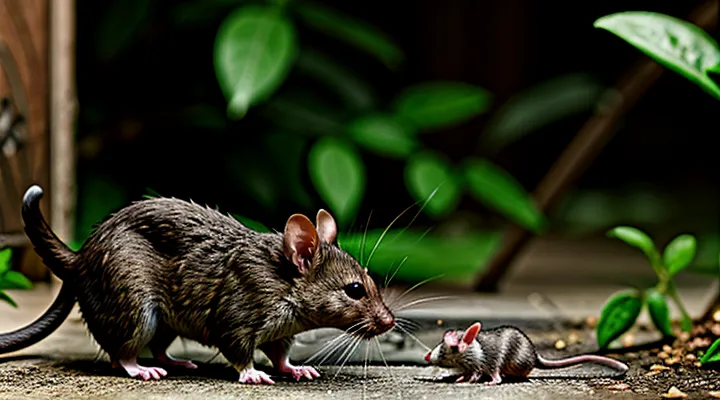
Understanding Rodenticides
Types of Rodenticides
Anticoagulants
Anticoagulant rodenticides disrupt the blood‑clotting cascade by inhibiting vitamin K epoxide reductase, leading to internal bleeding and death in rats and mice. First‑generation compounds (warfarin, chlorophacinone) require multiple feedings; second‑generation agents (bromadiolone, difenacoum, brodifacoum) are effective after a single ingestion and remain active longer in the organism.
When selecting an anticoagulant, consider target species, level of infestation, and potential non‑target exposure. Use products formulated for indoor or outdoor use according to label directions, and place bait in tamper‑resistant stations to limit access by pets and wildlife.
Key practices for safe and effective deployment:
- Rotate active ingredients every 6–12 months to reduce resistance development.
- Monitor bait consumption daily; replace stale bait promptly.
- Record placement locations and dates for traceability.
- Dispose of unused bait and contaminated materials in sealed containers, following local hazardous‑waste regulations.
Resistance management relies on alternating anticoagulant classes and integrating non‑chemical measures such as sanitation, exclusion, and trapping. Proper documentation and adherence to regulatory requirements ensure both efficacy against rodent populations and compliance with safety standards.
Non-Anticoagulants
Non‑anticoagulant rodenticides provide alternatives to blood‑clotting agents for controlling rat and mouse populations. These compounds act through neurotoxicity, metabolic disruption, or cellular damage, eliminating pests that have developed resistance to anticoagulants.
Common non‑anticoagulant classes include:
- Bromethalin – blocks mitochondrial ATP production, causing rapid loss of coordination and death within 24–48 hours. Effective against resistant rodents; requires bait protection to prevent non‑target exposure.
- Zinc phosphide – releases phosphine gas in the acidic stomach, leading to respiratory failure. Immediate toxicity; unsuitable for indoor use due to gas accumulation risk.
- Cholecalciferol (vitamin D3) – induces hypercalcemia, resulting in kidney failure. Delayed onset (3–5 days) reduces bait shyness; careful dosage prevents secondary poisoning.
- Sodium fluoroacetate (1080) – interferes with the citric acid cycle, causing cellular energy collapse. Highly toxic; restricted in many jurisdictions, demanding strict handling protocols.
Application guidelines:
- Select bait formulation matching target species’ feeding habits; grain‑based baits attract mice, while block baits suit larger rats.
- Place bait stations in concealed locations along walls, near droppings, and in active runways to maximize contact.
- Maintain bait density at 1–2 kg per 100 m² for established infestations; reduce to 0.2 kg per 100 m² for monitoring phases.
- Rotate active ingredients every 4–6 weeks to mitigate resistance development.
- Record placement dates, locations, and product details for regulatory compliance and efficacy assessment.
Safety considerations:
- Wear chemical‑resistant gloves and eye protection when handling powders or liquids.
- Store products in locked containers, away from food, feed, and children.
- Implement secondary‑prevention measures, such as tamper‑proof stations, to protect wildlife and pets.
- Follow local disposal regulations for unused bait and contaminated materials.
Regulatory context often requires licensing for high‑risk compounds like zinc phosphide and sodium fluoroacetate. Verify permit status before procurement, and ensure all personnel complete approved training programs.
Integrating non‑anticoagulant rodenticides with sanitation, exclusion, and population monitoring creates a comprehensive control strategy that addresses resistance, reduces non‑target risks, and achieves measurable reductions in rodent activity.
How Rodenticides Work
Primary and Secondary Poisoning
Primary poisoning involves placing rodenticide directly where rats or mice can ingest it. Effective bait must contain an appropriate concentration of active ingredient to cause lethal anticoagulant or neurotoxic effects within a predictable timeframe. Selection of formulation (e.g., single‑dose versus multi‑dose) depends on species behavior, population density, and resistance patterns. Bait stations should be tamper‑resistant, positioned along runways, near food sources, and protected from non‑target exposure. Monitoring of consumption rates and carcass removal helps confirm efficacy and prevents accumulation of sub‑lethal doses.
Secondary poisoning occurs when predators, scavengers, or omnivores consume poisoned rodents. Toxicants with high bioaccumulation potential (e.g., second‑generation anticoagulants) pose the greatest risk. Mitigation measures include:
- Using low‑persistence compounds that degrade rapidly in carcasses.
- Limiting bait quantity to reduce the number of dead rodents left in the environment.
- Implementing carcass collection protocols within 24–48 hours of death.
- Selecting rodenticides with a short half‑life in mammalian tissue when non‑target species are present.
Risk assessment must weigh the likelihood of predator exposure against the need for rapid rodent control. In areas with protected wildlife, preference should be given to bait formulations that cause minimal secondary toxicity, such as zinc phosphide or acute neurotoxic agents with low mammalian persistence. Continuous documentation of bait placement, consumption, and removal actions ensures compliance with regulatory standards and supports adaptive management of rodent populations.
Risks and Concerns
Environmental Impact
Rodent toxicants, when employed to reduce rat and mouse populations, introduce chemicals into ecosystems that persist beyond the intended target. Immediate exposure can harm birds, amphibians, and beneficial mammals that encounter bait directly or ingest contaminated prey.
Secondary poisoning occurs when predators or scavengers consume poisoned rodents, transferring toxicants up the food chain and potentially affecting apex species. Bioaccumulative compounds may concentrate in tissues, leading to reproductive failure or mortality in non‑target organisms.
Leached residues infiltrate soil, altering microbial communities and reducing nutrient cycling efficiency. Groundwater contamination arises from runoff, posing risks to aquatic life and human drinking supplies. Persistent chemicals may remain detectable for years, limiting ecosystem recovery.
Mitigation strategies include:
- Deploying enclosed bait stations to restrict access to authorized species.
- Selecting anticoagulant formulations with rapid degradation profiles.
- Rotating active ingredients to prevent resistance and reduce environmental load.
- Integrating non‑chemical controls such as trapping, habitat modification, and exclusion techniques.
- Monitoring residue levels in soil and water to assess compliance with regulatory thresholds.
Adhering to these practices limits ecological disruption while maintaining effective rodent management.
Non-Target Animals
Poison intended for rodent control can inadvertently affect birds, domestic pets, wildlife, and beneficial insects. Non‑target species may encounter bait directly, ingest secondary poison through prey, or suffer environmental contamination from runoff.
Risk assessment requires identification of species present in the treatment area, their feeding habits, and movement patterns. Species that forage on the ground, scavenge dead animals, or graze near bait stations present the highest exposure potential.
Mitigation strategies:
- Deploy tamper‑resistant bait stations that restrict access to rodents only.
- Position stations away from water sources, trails, and feeding sites used by non‑target fauna.
- Use rodent‑specific formulations with low secondary toxicity.
- Monitor bait consumption and remove stations promptly after the target population is reduced.
Regular surveillance of wildlife activity and prompt reporting of accidental exposures support responsible pest management while protecting unintended animals.
Preparation and Safety
Assessing the Infestation
Identifying Rodent Species
Accurate species identification determines the choice, formulation, and dosage of rodenticides, ensuring effective control and minimizing non‑target risks.
Common household and commercial rodents include:
- House mouse (Mus musculus) – body length 2‑4 in, tail equal to or slightly shorter than body, small ears, gray‑brown fur.
- Norway rat (Rattus norvegicus) – body length 7‑10 in, thick tail shorter than head‑body length, large ears, coarse brown or black fur, prefers ground burrows.
- Roof rat (Rattus rattus) – body length 5‑7 in, long slender tail exceeding head‑body length, large ears, glossy black or brown fur, typically found in elevated vegetation or attics.
Key diagnostic traits:
- Size – total length and weight differentiate species.
- Tail proportion – relative to head‑body length.
- Ear dimensions – larger in rats, smaller in mice.
- Fur coloration and texture – coarse in Norway rats, finer in mice.
- Habitat preference – ground burrows vs. elevated nesting sites.
- Activity patterns – nocturnal for all, but roof rats favor higher perches.
Implications for toxic bait selection:
- Bait preference – mice favor grain‑based baits; Norway rats accept larger meat or grain blocks; roof rats respond to fruits and nuts.
- Dosage – larger body mass of rats requires higher per‑unit toxin concentration.
- Resistance – some Norway rat populations exhibit anticoagulant resistance; alternative active ingredients may be necessary.
Practical identification workflow:
- Conduct visual surveys of droppings, gnaw marks, and nesting material.
- Deploy live‑capture traps; examine captured specimens for morphological markers.
- Place tracking stations with powdered media to record footprints for species‑specific patterns.
- Collect and analyze carcasses for skull and dental characteristics when necessary.
- Record findings in a log to guide bait selection and application rates.
By applying these identification protocols, pest managers can align toxic control measures with the biology of the target rodent, optimizing efficacy and safety.
Locating Activity Signs
Identifying rodent activity is essential before placing any toxic bait. Accurate detection allows targeted deployment, reduces waste, and limits exposure to non‑target species.
Typical indicators include:
- Fresh droppings, darkened and cylindrical, found along walls, under appliances, or in corners.
- Gnaw marks on wiring, wood, or plastic, often with clean, fresh edges.
- Grease or urine trails that appear as dark smears on baseboards or behind furniture.
- Well‑worn pathways, known as runways, where dust or debris is displaced.
- Burrow entrances or nesting material such as shredded paper, fabric, or insulation.
- Audible sounds of scurrying, especially at night, heard within walls or ceilings.
When signs cluster near a specific location, position bait stations directly adjacent to the activity zone, ensuring the device is concealed from pets and children. If signs are dispersed, establish multiple stations along identified runways, maintaining a minimum of 10–15 feet between stations to prevent bait competition.
Regularly re‑inspect the area after bait placement. A decline in droppings or gnaw marks confirms reduced activity; persistent signs may indicate bait avoidance or a secondary infestation, prompting repositioning or alternative control measures.
Safety Precautions
Personal Protective Equipment
When handling rodenticides, direct contact with toxic substances must be avoided. Protective gear creates a barrier that prevents skin absorption, inhalation, and accidental ingestion, thereby reducing health risks for the operator.
- Chemical‑resistant gloves (nitrile or neoprene) that cover the wrist and fit snugly.
- Full‑face respirator equipped with an organic vapor cartridge, or a disposable particulate mask when ventilation is inadequate.
- Long‑sleeved, impermeable coveralls or disposable jumpsuits with sealed cuffs.
- Safety goggles or a face shield that provides a sealed perimeter around the eyes.
- Waterproof boots with steel toe and ankle protection, preferably with a slip‑resistant sole.
Before each application, inspect all equipment for damage, replace compromised items, and follow manufacturer instructions for donning and doffing. Perform the task in a well‑ventilated area, keep the poison container sealed until use, and wash hands and exposed skin immediately after removal of protective gear. Proper maintenance and consistent use of PPE ensure safe and effective rodent control operations.
Securing the Area
When employing rodent toxicants, the first responsibility is to isolate the treatment zone. Confine the area to prevent non‑target animals and humans from contacting the bait, and eliminate any pathways that could allow rodents to bypass the placement.
- Survey the premises and delineate all rooms, crawl spaces, and utility shafts where bait will be used.
- Remove or seal all food sources, waste containers, and water dishes that could attract rodents.
- Install physical barriers such as mesh screens, door sweeps, or sealing foam around openings larger than ¼ inch.
- Place bait stations on stable surfaces, away from edges, and anchor them to prevent displacement.
- Clearly label each station with hazard warnings and restrict access to authorized personnel only.
After the area is secured, adopt protective protocols. Wear disposable gloves and a mask while handling poison. Store unopened containers in a locked, ventilated cabinet separate from food and cleaning supplies. Dispose of spent bait and contaminated materials according to local hazardous‑waste regulations, and document the location, quantity, and date of each application for future reference.
Choosing the Right Bait Station
Tamper-Resistant Stations
Tamper‑resistant stations are engineered to contain rodent anticoagulant or acute poison while preventing accidental exposure, intentional theft, or interference by non‑target animals. Their robust construction typically includes a lockable lid, reinforced walls, and a sealed interior that can only be opened with a specialized key or tool.
Key design elements:
- Locking mechanism – keyed or combination lock that restricts access to authorized personnel.
- Secure housing – impact‑resistant polymer or metal shell that resists gnawing and crushing.
- Bait compartment – removable tray or cartridge that holds a measured dose of poison, allowing precise replenishment.
- Ventilation control – limited airflow to reduce odor diffusion while maintaining bait viability.
Proper deployment enhances safety and efficacy. Stations should be positioned along established rodent pathways, near entry points, and at least 12 inches above ground to deter ground‑dwelling predators. Placement height must also comply with local regulations concerning child safety.
Routine inspection schedules include:
- Verify lock integrity and key functionality.
- Check bait level and replace cartridges before depletion.
- Inspect for signs of tampering, weather damage, or non‑target activity.
Compliance with pesticide regulations often mandates documentation of station locations, bait type, and inspection dates. Maintaining accurate records supports accountability and facilitates audit trails.
Overall, tamper‑resistant stations provide a controlled environment for rodent poison application, minimizing risk to humans and pets while ensuring consistent delivery of lethal doses to target species.
Station Placement
Strategic positioning of bait stations determines the success of rodent control programs. Place stations along established runways, near wall voids, and at the junction of walls and floors where rats and mice travel. Avoid locations exposed to sunlight, moisture, or extreme temperatures, as these conditions degrade bait effectiveness.
Key considerations for placement:
- Distance of 10–15 feet between stations to create overlapping coverage without redundancy.
- Installation at a height of 2–4 inches above the floor for mice and 4–6 inches for rats, matching their typical movement paths.
- Concealment behind objects such as baseboard trim, cabinetry, or pipe insulation to prevent non‑target access.
- Positioning near food sources, garbage containers, and entry points to intercept foraging behavior.
Safety measures require stations to be tamper‑resistant, locked, and clearly labeled with hazard warnings. Ensure that stations are out of reach of children, pets, and wildlife. Regularly inspect seals and replace compromised units promptly.
Monitoring involves weekly checks for bait consumption, signs of rodent activity, and station integrity. Document findings in a log to adjust station density and locations based on observed movement patterns. Continuous evaluation maintains optimal control while minimizing risks.
Application and Monitoring
Proper Bait Placement
Strategic Locations
Place toxic baits where rodents travel, forage, or hide. Positioning determines exposure rates and reduces the number of untreated individuals.
- Along walls and baseboards, especially near known entry points.
- Inside concealed cavities such as crawl spaces, attic corners, and behind appliances.
- Near food storage areas, including pantry shelves, garbage cans, and compost bins.
- In utility rooms, around pipe runs, and beneath heating ducts where moisture attracts activity.
- Within burrow entrances and underground tunnels, using weather‑proof containers.
Ensure each site is unobstructed, dry, and inaccessible to non‑target species. Replace baits promptly when consumption is observed or after the product’s effective period expires. Continuous monitoring of placement sites maintains high efficacy and limits secondary risks.
Quantity of Bait
When applying rodent poison, the amount of bait deployed directly influences control success and safety.
Assess the infestation before measuring bait. Estimate the number of active individuals by inspecting droppings, gnaw marks, and sighting frequency. Multiply the estimated population by the manufacturer’s recommended dose per animal to obtain the minimum effective quantity.
Consider bait type. Granular formulations require larger volumes to achieve coverage, while pellet or block baits deliver higher concentrations per unit weight. Adjust the total weight accordingly:
- Granular: 1 kg per 100 m² for moderate activity.
- Pellets: 50 g per 100 m² for high activity.
- Blocks: 2 blocks per 100 m² for low activity.
Distribute bait evenly across the target zone. Place stations at intervals of 10–15 ft along walls, near entry points, and in concealed locations such as behind appliances or within wall voids. Ensure each station holds no more than 5 g of bait to prevent accidental ingestion by non‑target species.
Account for environmental factors. Moisture, temperature, and exposure to sunlight degrade poison potency; increase the initial quantity by 10–15 % in humid or hot conditions to maintain efficacy over the intended exposure period.
Comply with local regulations regarding maximum allowable bait quantities per property. Exceeding legal limits can result in fines and heightened risk to wildlife.
Monitor bait consumption daily. If depletion exceeds 30 % of the initial load within 24 hours, replenish to maintain the calculated density. Continuous observation prevents gaps in coverage that allow surviving rodents to repopulate.
By quantifying bait based on infestation level, product formulation, placement density, environmental conditions, and legal constraints, practitioners achieve reliable rodent control while minimizing hazards.
Monitoring and Re-baiting
Regular Inspections
Regular inspections are indispensable for maintaining the safety and effectiveness of rodent‑targeted toxicants. They verify that bait stations remain sealed, that poison concentrations have not degraded, and that non‑target exposure risks stay minimal.
Inspections should occur at least once every 24 hours while poison is active, and no less than once per week during periods of low activity. Increased frequency is required after severe weather, building renovations, or any incident that could disturb bait placement.
Key inspection tasks include:
- Confirming station integrity and proper closure.
- Checking bait condition for moisture, mold, or discoloration.
- Measuring remaining bait quantity; replenishing only when necessary.
- Identifying signs of tampering, accidental displacement, or wildlife intrusion.
- Recording observed rodent activity levels and any dead specimens.
All findings must be logged in a dedicated record, noting date, time, inspector name, and corrective actions taken. Consistent documentation creates a traceable history that supports regulatory compliance and facilitates timely adjustments to the pest‑control program.
Adjusting Bait Levels
Adjusting bait levels is a critical factor in achieving reliable rodent control with toxic baits. The amount of poison placed on each station must match the target species’ feeding behavior and the environmental conditions of the infestation zone.
- Determine the average daily intake for the species; rats typically consume 5–10 g of bait, mice 1–3 g. Use this range to set the minimum weight per bait block.
- Deploy bait stations at a density of one per 50 sq ft in high‑activity areas, increasing to one per 25 sq ft where signs of activity intensify.
- Replenish bait when visual inspection shows consumption below 50 % of the original load; this prevents sub‑lethal dosing that can lead to bait aversion.
Environmental factors influence bait degradation. In hot, humid settings, reduce the exposure time by using sealed stations and increase the initial load by 10–15 % to compensate for accelerated loss. In cooler, dry environments, maintain the standard load but monitor for moisture accumulation that could dilute the poison.
Regular assessment ensures optimal dosing. Record the weight of each bait block at placement and after each inspection. Adjust future loads based on observed consumption trends, aiming for a consistent intake that delivers a lethal dose without excess waste. This systematic approach maximizes efficacy while minimizing non‑target exposure.
Disposal of Rodent Carcasses
Safe Handling
When working with rodent toxic baits, protect yourself and others by following strict safety protocols.
Essential protective gear
- Chemical‑resistant gloves
- Disposable coveralls or long‑sleeve clothing
- Safety goggles or face shield
- Respiratory protection if ventilation is poor
Preparation and placement
- Verify the product’s expiration date before opening.
- Keep the container sealed until ready to dispense.
- Apply bait only on designated stations, away from food preparation areas and child‑accessible zones.
- Label each station with a clear warning sign indicating the presence of poison.
- Record the location, date, and amount of bait applied for future reference.
Handling and monitoring
- Avoid direct skin contact; if accidental exposure occurs, wash the area with soap and water immediately.
- Do not eat, drink, or smoke while handling toxic baits.
- Inspect stations daily; remove any displaced bait and replenish only as needed.
- Keep a log of non‑target incidents and report them to the appropriate authority.
Disposal and emergency response
- Store unused bait in its original, sealed container until disposal.
- Dispose of empty containers according to local hazardous‑waste regulations.
- In case of ingestion or inhalation, call emergency services and provide the product’s identification number.
- Keep the antidote or first‑aid kit accessible near the work area.
Adhering to these measures minimizes health risks, prevents accidental poisoning, and ensures effective rodent control.
Proper Disposal Methods
When rodent poison is employed, the aftermath requires strict handling to prevent secondary poisoning, environmental contamination, and legal violations. Disposal procedures must address three categories: deceased rodents, unused or expired poison, and contaminated materials such as gloves or containers.
- Collect carcasses promptly using disposable gloves. Seal each animal in a double‑layered, puncture‑resistant bag. Label the outer bag with “Rodenticide‑contaminated waste” and store it in a locked, temperature‑controlled area until removal.
- Transfer sealed bags to a licensed hazardous‑waste disposal service. Do not place them in regular trash or compost bins, as leaching toxins can affect non‑target species.
- For leftover poison, keep the original container tightly closed. If the product is past its expiration date or no longer needed, contact the manufacturer or local environmental agency for authorized take‑back programs. Never dilute, pour down drains, or discard in household waste.
- Clean all tools, surfaces, and protective equipment with an EPA‑approved rodenticide neutralizer or a solution of 1 % bleach. After cleaning, place wipes, paper towels, and disposable gloves in a sealed, puncture‑resistant bag and treat them as hazardous waste.
Finally, maintain records of each disposal event, including dates, quantities, and the disposal contractor’s certification number. Accurate documentation supports regulatory compliance and facilitates audits.
Post-Treatment and Prevention
Cleaning and Sanitation
Removing Food Sources
Effective rodent control with poison begins with eliminating the attractants that sustain rat and mouse populations. When food is unavailable, rodents are forced to seek bait, increasing the likelihood of consuming the toxic product.
Identify all potential food sources within the premises. Common contributors include:
- Open containers of pet food left on the floor.
- Unsealed garbage cans or compost bins.
- Crumbs and spills on countertops, floors, and behind appliances.
- Uncovered pantry items, especially grains, cereals, and dried fruit.
- Birdseed or wildlife feed stored indoors.
Secure each source by applying the following measures:
- Transfer pet food to airtight containers and remove leftovers after each feeding.
- Install tightly fitting lids on trash receptacles; empty them daily.
- Clean surfaces immediately after meals; use a vacuum or broom to remove debris.
- Store pantry goods in sealed, polymer-lined bins; label containers to prevent accidental exposure.
- Relocate birdseed and wildlife feed to external, weather‑proof stations, away from building openings.
Maintain a routine inspection schedule. Document any reappearance of food residues and address the cause promptly. Consistent removal of edible attractants reduces competition for the poison, ensuring rodents encounter the toxic bait as the primary food option.
Sealing Entry Points
Sealing entry points prevents rodents from accessing bait stations, reducing the amount of poison needed and limiting accidental exposure to non‑target animals. Identify all potential openings, including cracks, gaps around pipes, vents, doors, and foundation seams. Apply durable materials such as steel wool, copper mesh, or cement‑based sealants to close these gaps. Install door sweeps and weatherstripping on exterior doors to block entry while maintaining ventilation.
- Inspect the building exterior quarterly; record locations of new or widened openings.
- Use a flashlight and mirror to locate hidden cracks in walls, floors, and ceilings.
- Pack steel wool into gaps larger than a quarter inch, then cover with expanding foam for added durability.
- Seal utility penetrations with silicone‑based caulk or metal flashing, ensuring a tight fit around wires and pipes.
- Repair damaged siding, roofing, and foundation cracks with mortar or epoxy filler.
- Maintain a pest‑proof perimeter by trimming vegetation away from the structure and removing debris that could conceal entry points.
Consistent sealing combined with strategic placement of rodent poison creates a controlled environment where bait is reached only by the target species, enhancing efficacy and safety.
Long-Term Prevention Strategies
Integrated Pest Management
Integrated Pest Management (IPM) provides a structured framework for controlling rodent populations while minimizing reliance on toxic baits. The core of IPM is a sequence of actions that prioritize prevention, accurate detection, and targeted intervention.
First, conduct systematic inspections to locate activity signs—droppings, gnaw marks, burrows—and map infestation zones. Quantitative data from traps or sensor devices inform the scale of the problem and guide subsequent measures.
Second, eliminate conditions that attract rodents. Secure waste containers, repair structural gaps, and maintain vegetation at a distance from buildings. These sanitation steps reduce food and shelter availability, lowering the likelihood that rodents will encounter poison.
Third, implement physical barriers. Install door sweeps, seal foundation cracks, and use metal mesh to block entry points. Exclusion reduces the need for chemical control by preventing new individuals from entering the premises.
Fourth, apply mechanical controls where appropriate. Snap traps, live‑catch devices, and electronic deterrents provide immediate reduction of the population and allow for precise placement of lethal agents.
Fifth, introduce chemical control as a last resort, following strict guidelines:
- Select a bait formulation with proven efficacy against the target species.
- Position baits in tamper‑resistant stations, away from non‑target animals and children.
- Limit the amount of poison to the minimum required to achieve control.
- Rotate active ingredients to prevent resistance development.
Finally, evaluate outcomes regularly. Record trap counts, bait consumption, and any signs of resurgence. Adjust the IPM plan based on documented results, ensuring continuous improvement and compliance with regulatory standards.
By integrating these steps, practitioners achieve effective rodent suppression while restricting the use of poison to situations where it is truly necessary, thereby protecting human health and the environment.
Continuous Monitoring
Continuous monitoring is a non‑negotiable component of any rodenticide program. It provides real‑time data on bait uptake, identifies early signs of poisoning, and prevents secondary exposure to non‑target animals.
Effective monitoring requires a systematic approach:
- Inspect bait stations at least once daily during the first week, then every 48 hours thereafter.
- Record the amount of bait removed, noting any partial consumption that may indicate bait aversion.
- Observe rodent activity patterns; a sudden decline may signal successful control, while unchanged activity suggests resistance or insufficient dosage.
- Check for dead rodents, noting location and condition to verify toxin effectiveness and avoid public health hazards.
- Document environmental factors such as temperature and humidity, which can alter poison potency.
Maintaining accurate logs enables trend analysis and rapid adjustment of bait placement, concentration, or formulation. Immediate corrective action—replenishing bait, rotating active ingredients, or modifying station design—reduces the risk of treatment failure and limits ecological impact. Continuous monitoring, therefore, transforms rodenticide use from a one‑time event into a controlled, adaptive process.