
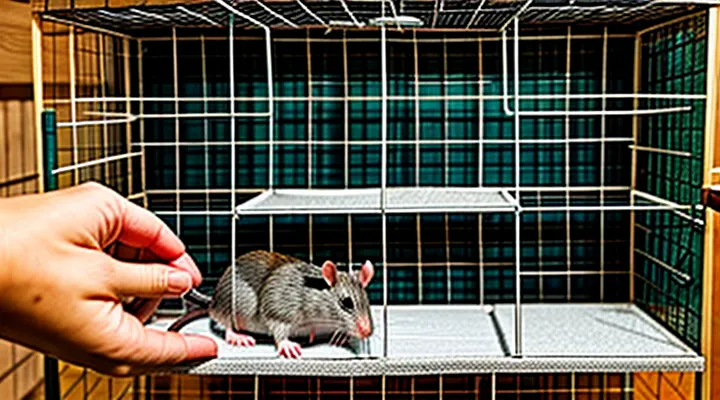
The Essentials: What Your Rat Cage Needs
Choosing the Right Cage
Size Matters: Space Requirements for Rats
Rats require ample floor area to move, explore, and engage in natural behaviors. The minimum recommended space per adult rat is 1 sq ft (approximately 30 × 30 cm) of solid floor, with additional vertical clearance of at least 12 in (30 cm) to accommodate climbing and nesting. For a pair of rats, a cage of 2 sq ft (60 × 30 cm) prevents overcrowding and reduces stress.
When selecting a cage, consider the following dimensions:
- Floor space: ≥ 0.5 sq ft (15 × 30 cm) per rat; larger enclosures improve health outcomes.
- Height: ≥ 12 in (30 cm) of clear vertical space; multi‑level setups increase usable area without expanding footprint.
- Bar spacing: ≤ ½ in (12 mm) to prevent escape while allowing ventilation.
- Material: Solid, chew‑resistant base (plastic or acrylic) eliminates gaps that can trap waste or cause injury.
Enrichment items such as tunnels, platforms, and hammocks should be positioned to use the vertical space effectively, converting height into additional usable area. A well‑designed cage distributes activity across floor and elevated sections, encouraging exercise and reducing the risk of obesity.
If the cage will house more than two rats, increase the floor area by 0.5 sq ft (15 × 30 cm) for each additional animal. Maintaining the recommended space per rat supports musculoskeletal development, promotes social interaction, and minimizes the incidence of respiratory problems linked to cramped conditions.
Bar Spacing: Preventing Escapes and Injuries
Bar spacing is the single most critical dimension for a safe rat enclosure. Bars set too far apart allow an adult rat to squeeze through, while gaps that are too narrow can trap paws or cause bruising. The optimal distance balances these risks and varies with the size and age of the animals.
- Use a maximum spacing of ½ inch (≈1.27 cm) for adult rats; juveniles benefit from even tighter gaps, around ¼ inch (≈0.6 cm).
- Measure spacing with a ruler or caliper before assembly; any irregularities above the target limit must be corrected.
- Select wire with a gauge of at least 18 AWG; thicker wire reduces flex and the chance of deformation under pressure.
- Ensure all bars are parallel and uniformly spaced; misaligned sections create hidden openings.
- Inspect corners and junctions for sharp edges; file or cover them with plastic caps to prevent cuts.
- Replace any bent or corroded bars promptly, as deformation can enlarge gaps unintentionally.
When constructing the cage, install a solid panel or mesh floor beneath the bar level to block any accidental falls through the lower openings. Regularly audit the enclosure, especially after cleaning or relocation, to confirm that spacing remains within the specified range. Maintaining these standards eliminates escape routes and minimizes injury risk, providing a secure environment for healthy rat habitation.
Cage Type: Wire vs. Solid Bottoms
Choosing the appropriate cage base is a fundamental decision when establishing a rat habitat. Two common options are wire floors and solid bottoms, each presenting distinct functional characteristics.
Wire floors provide continuous airflow, reducing humidity and limiting ammonia buildup. The open mesh allows droppings to fall through, simplifying waste removal. However, the metal surface can cause foot injuries, especially in young or arthritic rats, and may encourage excessive chewing, leading to potential ingestion of metal fragments. Regular inspection of the mesh for sharp edges or rust is essential.
Solid-bottom cages retain bedding material, offering a stable platform for nesting and burrowing. The enclosed surface supports natural digging behavior and eliminates the risk of foot sores caused by wire. On the downside, solid floors retain moisture, which can increase odor and promote bacterial growth if bedding is not changed frequently. Cleaning requires complete removal of the substrate, which may be labor‑intensive.
Key considerations for selecting between the two:
- Ventilation: Wire – high; Solid – limited, requires more frequent bedding changes.
- Injury risk: Wire – moderate to high; Solid – low.
- Chewing safety: Wire – potential metal ingestion; Solid – safe.
- Cleaning effort: Wire – easy waste drop‑through; Solid – full substrate replacement.
- Behavioral enrichment: Solid – supports digging; Wire – less natural for burrowing.
When deciding, balance the need for airflow and hygiene against the importance of foot health and natural behaviors. Some experienced caretakers combine a solid base with a removable wire grate over a portion of the cage, providing ventilation while protecting the rats’ feet. Evaluate the specific needs of the colony and adjust the enclosure accordingly.
Substrate and Bedding
Safe Bedding Materials: What to Use and What to Avoid
Choosing appropriate bedding is critical for rat health and cage hygiene. The substrate must absorb moisture, control odor, and resist rodent chewing, while avoiding particles that can cause respiratory irritation.
Recommended bedding options
- Paper‑based products (e.g., shredded paper, cellulose pellets). Highly absorbent, dust‑free, and safe if gnawed.
- Aspen shavings. Low in aromatic oils, minimal dust, and biodegradable.
- Hemp fiber. Strong absorbency, low dust, and natural antimicrobial properties.
- Coconut husk (coir). Good moisture retention, low dust, and provides enrichment when shredded.
Materials to avoid
- Pine or cedar shavings. Contain phenolic compounds that irritate the respiratory tract.
- Corncob bedding. Produces excessive dust and may harbor mold if damp.
- Softwood mulch. High resin content leads to nasal congestion and lung issues.
- Synthetic fibers (e.g., fleece blankets). Retain moisture, encourage bacterial growth, and can cause entanglement.
Maintenance guidelines
- Replace bedding entirely every 7‑10 days, or sooner if soiled.
- Spot‑clean daily: remove droppings, urine spots, and chewed pieces.
- Keep the cage dry; use a separate absorbent layer beneath the main substrate if needed.
- Monitor rats for signs of respiratory distress; switch bedding immediately if symptoms appear.
By adhering to these selections and practices, the cage environment remains safe, comfortable, and conducive to long‑term rodent welfare.
Absorbency and Odor Control
Absorbency and odor control are critical factors for a healthy rat habitat. Effective moisture management prevents bacterial growth, while odor reduction maintains a comfortable environment for both animals and caretakers.
- Choose a bedding material with high absorption capacity. Paper‑based products, kiln‑treated wood chips, or aspen shavings retain liquid waste without disintegrating. Avoid pine or cedar, which release volatile compounds harmful to rodents.
- Layer the cage floor with a minimum of two inches of bedding. This depth allows waste to soak in and spread evenly, reducing localized damp spots.
- Replace soiled bedding regularly. A schedule of complete changes every 3–5 days, supplemented by spot cleaning of wet patches, keeps moisture levels low and odor minimal.
- Incorporate a secondary absorbent layer, such as a thin sheet of reusable fleece or a commercial absorbent pad, beneath the primary bedding. This barrier captures excess liquid before it reaches the cage base.
- Use an activated charcoal filter in the cage’s ventilation system. The filter adsorbs volatile organic compounds, significantly lowering scent emission.
- Maintain proper airflow. Position the cage away from closed spaces, and ensure vents or mesh walls allow continuous air exchange without creating drafts that chill the rats.
- Apply a non‑toxic, enzyme‑based cleaner during deep cleaning. Enzymes break down urine proteins, eliminating the source of most odors rather than merely masking them.
Consistent application of these practices ensures that the cage remains dry, hygienic, and odor‑free, supporting the overall well‑being of pet rats.
Depth of Bedding for Burrowing
Providing sufficient bedding depth allows rats to dig, nest, and regulate temperature. Inadequate depth restricts natural behavior, leading to stress and reduced activity.
A practical depth range depends on cage dimensions and bedding material:
- Small cages (≤ 30 × 30 cm): 5–7 cm of loose, absorbent substrate.
- Medium cages (≈ 45 × 45 cm): 8–10 cm to accommodate multiple tunnels.
- Large cages (≥ 60 × 60 cm): 10–12 cm, ensuring space for complex burrow systems.
Choose bedding that retains structure when damp, such as shredded paper or aspen shavings. Avoid cedar or pine, which release volatile oils harmful to respiratory health.
Monitor bedding weekly. Replace only the top layer when soiled; refresh the entire depth monthly to prevent odor buildup and maintain optimal moisture balance.
Food and Water Arrangements
Food Dishes: Materials and Placement
Food dishes provide the sole source of nutrition, therefore their design influences health and hygiene. Selecting appropriate materials minimizes contamination and simplifies maintenance.
- Stainless steel: resistant to rust, withstands repeated cleaning, does not retain odors.
- High‑density polyethylene (HDPE): lightweight, dishwasher safe, affordable; however, may scratch over time.
- Ceramic: non‑porous, easy to sterilize; fragile under heavy handling.
- Glass: transparent, allows visual inspection of food residue; breakage risk limits suitability for active cages.
Placement determines access, waste control, and social dynamics. Position dishes away from water bottles to prevent moisture‑induced spoilage. Secure dishes on the cage floor rather than on elevated platforms; this reduces tipping and keeps debris contained. Space dishes at least two inches apart to allow multiple rats to feed simultaneously without competition. Align dishes with the cage’s drainage area to facilitate removal of spilled food during cleaning.
Water Bottles: Types and Maintenance
Providing rats with a reliable water source is a non‑negotiable element of any well‑planned enclosure. The bottle must deliver clean water, resist tampering, and fit the cage dimensions without obstructing movement.
- Glass sipper bottles – durable, easy to sterilize, resistant to rodents chewing the spout. Require a sturdy holder to prevent tipping.
- Plastic sipper bottles – lightweight, affordable, available in various capacities. Susceptible to scratches that can harbor bacteria; choose BPA‑free models.
- Stainless‑steel bottles – corrosion‑free, virtually indestructible, maintain temperature longer than glass or plastic. Typically more expensive and heavier.
- Drip‑style bottles – dispense water via a small opening that drips when the rat licks the spout. Useful for very young or dental‑compromised rats but demand frequent cleaning to avoid clogging.
Maintenance procedures:
- Empty the bottle daily; rinse with hot water to remove residue.
- Disinfect weekly using a 1:10 dilution of white vinegar or a mild bleach solution (1 teaspoon per quart of water). Rinse thoroughly to eliminate any chemical trace.
- Inspect the spout for cracks, wear, or blockages before each refill. Replace the bottle or spout at the first sign of damage.
- Secure the bottle holder to the cage frame with a screw or zip tie to prevent accidental displacement.
- Monitor water consumption; a sudden decrease may indicate a leak, blockage, or health issue requiring immediate attention.
Fresh Food Holders: Keeping Produce Clean
Fresh food containers must protect vegetables, fruits, and leafy greens from contamination while remaining accessible to rats. Choose feeders made of food‑grade plastic or stainless steel; both resist odors and are easy to sanitize. Ensure the holder has a tight‑fitting lid with ventilation holes to allow airflow and prevent mold growth. Position the container at a low height, close to the cage floor, so rats can reach the food without excessive climbing, reducing the risk of spills.
- Use separate compartments for wet and dry items; moisture from fresh produce can accelerate spoilage of pellets.
- Replace the lid’s mesh or screen weekly to avoid bacterial buildup.
- Clean the holder with hot, soapy water after each refill; a brief soak in a diluted bleach solution (1 % concentration) followed by thorough rinsing eliminates pathogens.
- Store leftover produce in a refrigerated, airtight container and discard any items that show signs of decay before placing them in the cage.
Regular inspection of the holder’s seals and interior surfaces prevents cracks where waste can accumulate. By maintaining a sealed, ventilated, and easily cleaned food holder, you preserve the nutritional quality of fresh produce and safeguard the health of your rodents.
Furnishing Your Rat's Habitat
Hiding Places and Shelters
Igloos and Tunnels: Providing Security
Igloos and tunnels create a secure environment that satisfies a rat’s instinct to hide and explore while protecting it from stressors such as sudden movements, loud noises, and temperature fluctuations. A solid igloo offers a closed shelter where the animal can retreat, whereas tunnels connect the igloo to other cage sections, allowing controlled movement and reducing the risk of injury from accidental falls or collisions.
Key considerations for installing these structures:
- Choose durable, non‑toxic materials (e.g., high‑density polyethylene or acrylic) that withstand chewing and are easy to sanitize.
- Ensure the igloo interior is spacious enough for the rat to turn around comfortably; a minimum internal volume of 300 cm³ per adult rat is recommended.
- Position the igloo in a quiet corner of the cage, away from food and water dishes, to encourage natural nesting behavior.
- Lay tunnels at a gentle slope (no more than 15°) to prevent the rat from slipping; secure connections with snap‑fit joints or silicone adhesive to avoid gaps.
- Incorporate removable panels or access doors to facilitate regular cleaning without dismantling the entire setup.
- Provide a soft bedding layer inside the igloo and at tunnel entry points to cushion the animal’s paws and reduce wear on the tunnel walls.
By following these guidelines, the cage gains a cohesive security system that supports the rat’s well‑being and simplifies maintenance for the caretaker.
Hammocks and Sputniks: Elevated Resting Spots
Elevated resting spots give rats a sense of security and encourage natural climbing behavior. Providing both hammocks and Sputniks diversifies the cage environment, reduces stress, and supports dental health by promoting activity.
Hammocks consist of soft, chew‑resistant fabric stretched between two points. Attach them to the cage’s upper bars using stainless‑steel clamps to prevent rust. Position the hammock at a height that allows easy access without forcing the rat to jump from the floor. Choose a fabric with a low pile to avoid entanglement and to facilitate cleaning; replace when frayed.
Sputniks are circular platforms that rotate freely on a central axle. Secure the axle to the cage’s top frame with a lockable bolt. The platform should be wide enough for two rats to sit side‑by‑side, typically 4–5 cm in diameter. A non‑slip surface, such as textured silicone, prevents slipping during rotation. Ensure the rotation mechanism operates smoothly and does not pinch paws.
Key installation guidelines:
- Verify all hardware is rust‑free and sized for the cage’s dimensions.
- Test weight capacity; most hammocks support up to 200 g, Sputniks up to 250 g.
- Clean fabrics and platforms weekly with mild, unscented soap; rinse thoroughly.
- Rotate the position of each element every few weeks to maintain novelty.
- Inspect attachment points daily for looseness or wear.
By integrating hammocks and Sputniks according to these specifications, the cage becomes a multi‑level habitat that mirrors a rat’s natural preference for elevated, secure resting areas.
DIY Hides: Safe Materials for Construction
When creating hideouts for pet rats, prioritize non‑toxic, durable materials that resist chewing and support hygiene. Select substances that can be sanitized without degradation and that do not release harmful particles if gnawed.
- Untreated natural wood (e.g., pine, birch) – smooth surfaces, easy to clean, no chemical additives.
- Food‑grade silicone molds – flexible, heat‑resistant, can be sterilized in boiling water.
- Unpainted acrylic sheets – sturdy, water‑proof, can be cut to size with a hobby knife.
- Cardboard from untreated corrugated boxes – inexpensive, replaceable, provides texture for nesting.
- Natural fiber rope (cotton or sisal) – safe for chewing, can be bundled into tunnels or hammocks.
Avoid materials that contain volatile organic compounds, lead‑based paints, or synthetic foams that may fragment. Verify that any glue or sealant is labeled “non‑toxic” and suitable for animal use; epoxy, super‑glue, and solvent‑based adhesives are unsuitable.
Construction should involve smooth edges and secure joints to prevent sharp points. Assemble hides with a simple dovetail or slot‑fit design, reducing reliance on adhesives. After assembly, rinse all components with mild detergent, rinse thoroughly, and dry before placement in the cage.
Regular inspection is essential. Replace any hide that shows signs of wear, splintering, or mold growth. By adhering to these material guidelines, the hide structures will remain safe, functional, and conducive to the rats’ natural behaviors.
Enrichment and Toys
Chewing Toys: Dental Health and Boredom Busting
Chewing toys are essential for maintaining healthy incisors and preventing idle behavior in pet rats. Continuous tooth growth requires regular abrasion; without adequate gnawing material, teeth may overgrow, leading to pain and feeding difficulties. Simultaneously, rats exhibit high curiosity; lack of stimulation often results in repetitive movements, stress, and potential self‑injury.
Key functions of chewing toys:
- Provide consistent wear on front teeth, keeping length within normal limits.
- Offer tactile and olfactory variety that satisfies exploratory instincts.
- Reduce stereotypic behaviors such as bar‑chewing or excessive pacing.
Effective toy selections include:
- Untreated wooden blocks (e.g., pine, apple, or willow) cut to manageable sizes.
- Natural mineral or calcium rods designed for rodent gnawing.
- Safe plant stems such as fresh celery, kale ribs, or rosemary sprigs.
- Commercially produced chew sticks made from compressed hay or wheat.
Safety guidelines:
- Inspect each item daily for splintering, mold, or contamination.
- Rotate toys every few days to maintain novelty and prevent wear‑down.
- Avoid plastic or painted objects that can chip or release toxins.
- Ensure toys are sized appropriately; they should fit comfortably in the rat’s mouth without causing obstruction.
Integrating a variety of chewable objects into the cage layout supports dental health and keeps rats mentally engaged, contributing to overall welfare.
Foraging Toys: Mental Stimulation
Foraging toys provide essential mental stimulation for rats, replicating the search for food found in their natural habitats. Engaging the animals with hidden treats encourages problem‑solving, reduces repetitive behaviors, and enhances overall well‑being.
Select toys that are safe, durable, and sized appropriately for a typical rat enclosure. Materials such as untreated wood, food‑grade silicone, and sturdy plastic withstand chewing and prevent ingestion of harmful fragments. Avoid items with small detachable parts, toxic paints, or sharp edges.
- Hide a small amount of fresh vegetables, grains, or commercial rat treats inside hollow wooden blocks, PVC tubes, or fabric pouches.
- Rotate toys every 3–5 days to maintain novelty; remove any that show excessive wear.
- Position foraging devices at various heights and locations to promote climbing and exploration.
- Ensure each toy is anchored securely to prevent accidental falls.
Regularly inspect toys for damage, replace compromised pieces, and clean reusable items with mild, unscented soap followed by thorough rinsing. Maintaining a clean, stimulating environment supports healthy behavior and contributes to a successful rat cage arrangement.
Climbing Structures: Encouraging Exercise
Climbing structures provide rats with vertical space, muscle engagement, and mental stimulation. Incorporate them into a cage design to meet the species’ natural tendency to explore heights.
- Wooden branches or dowels of 1–2 cm diameter support grip strength; secure with non‑toxic screws to prevent movement.
- Rope ladders made from untreated sisal or hemp offer flexible ascent routes; attach at opposite walls to create a loop.
- Plastic or acrylic climbing towers with multiple platforms increase surface area; ensure each platform has a lip to prevent falls.
- Mesh grids positioned at varying angles allow rats to navigate between horizontal and vertical planes; choose stainless‑steel mesh to avoid rust.
Placement considerations:
- Distribute structures evenly to avoid crowding in one corner.
- Anchor each element to the cage frame to withstand vigorous climbing.
- Keep the base of each structure at least 2 cm above the bedding to maintain hygiene.
Safety guidelines:
- Inspect for splinters, loose knots, or sharp edges weekly.
- Replace worn sections promptly to prevent injuries.
- Use only pet‑safe, untreated materials; avoid painted or chemically treated wood.
Maintenance routine:
- Clean detachable components with warm water and a mild, scent‑free soap; rinse thoroughly.
- Disinfect non‑porous parts with a diluted hydrogen peroxide solution (3 % concentration) once a month.
- Re‑assemble after each cleaning session, confirming all fasteners are tight.
Integrating diverse climbing options creates a dynamic environment that encourages regular exercise, supports skeletal health, and reduces stress‑related behaviors.
Rotating Toys: Keeping Things Interesting
Rotating toys add dynamic stimulation to a rat’s environment, preventing boredom and encouraging natural foraging behavior. A well‑designed rotary device should rotate smoothly, be securely attached to the cage, and feature chew‑safe materials such as untreated wood, natural fibers, or food‑grade plastic.
Key considerations when selecting and installing rotating toys:
- Size and clearance – Ensure the toy fits within the cage dimensions without obstructing other accessories. Provide at least 2 cm of space around moving parts to avoid accidental snags.
- Attachment method – Use metal brackets or reinforced zip ties that can bear the weight of the toy and the rats’ chewing forces. Verify that the connection points do not protrude into the cage floor.
- Material durability – Choose items tested for rodent chewing. Replace components showing cracks or splintered edges within one week of damage detection.
- Rotation speed – Opt for toys that turn at a moderate pace, typically 1–2 revolutions per minute when fully loaded. Excessive speed can cause stress or injury.
Maintenance routine:
- Inspect the rotation axis daily for debris or chew marks.
- Clean the toy with warm water and a mild, unscented soap; rinse thoroughly to remove residue.
- Rotate the toy’s direction weekly to present a novel orientation and refresh the rats’ interest.
Integrating rotating toys with other enrichment elements—such as tunnels, climbing ladders, and hideouts—creates a layered habitat that mimics the complexity of a rat’s natural surroundings. Regularly rotating the toys themselves, adjusting placement, and varying the type of motion (horizontal spin, vertical pivot) sustain engagement and support overall health.
Litter Training Area
Designating a Litter Corner
A litter corner provides rats with a defined area for elimination, reducing contamination of food, bedding, and enrichment items. Confine the space to a corner that is easily reachable yet separate from feeding stations and nesting zones.
Select a location that meets three criteria: proximity to a water source, distance of at least 12 inches from the food bowl, and placement against a cage wall to limit escape routes. Ensure the corner is well‑ventilated and receives minimal direct sunlight to prevent excess moisture buildup.
Installation steps:
- Attach a solid, non‑absorbent tray (plastic or metal) to the chosen corner using cage‑compatible clips or zip ties.
- Line the tray with a thin layer of absorbent paper or reusable pads; avoid loose bedding that can be displaced.
- Place a small, low‑profile shelter or tunnel adjacent to the tray to encourage natural positioning.
- Secure the setup so that rats cannot dislodge the tray or pads.
Maintain the litter corner by replacing absorbent material daily, cleaning the tray with mild detergent and hot water weekly, and monitoring for signs of urine staining or odor. Regular upkeep prevents bacterial growth and preserves overall cage hygiene.
Suitable Litter Materials
Choosing the right bedding is essential for a healthy rat enclosure. The material must absorb moisture, limit dust, resist gnawing, and control odor without posing toxicity risks.
- Paper-based products (e.g., shredded paper, cellulose pellets) – high absorbency, low dust, easy to replace, inexpensive.
- Aspen shavings – low aromatic oils, moderate dust, biodegradable, provides enrichment through chewing.
- Coconut husk (coir) – excellent moisture retention, minimal dust, natural scent, suitable for larger cages.
- Corncob bedding – sturdy, low dust, long-lasting, may develop a stronger odor over time.
- Hemp bedding – absorbent, low dust, renewable, slightly higher cost.
When evaluating options, prioritize low-residue dust to protect respiratory health, and verify that the material does not contain aromatic oils that can irritate rats’ sensitive noses. Odor control improves with frequent spot cleaning and complete litter changes every two to three weeks, depending on cage size and number of occupants. Cost considerations may influence selection, but safety and hygiene should remain primary criteria.
Regular maintenance includes removing soiled sections daily, shaking out clumped debris, and replenishing fresh material to maintain a dry, comfortable substrate. Consistent litter management supports overall well‑being and reduces the likelihood of skin irritation or respiratory issues.
Cleaning and Maintenance
Regular cleaning prevents odor buildup, disease transmission, and material degradation in a rat enclosure. Perform a deep clean weekly and a spot clean daily to maintain a healthy environment.
- Remove all accessories (toys, feeders, water bottles) and place them in a separate container.
- Discard soiled bedding; replace with a fresh layer of absorbent, dust‑free substrate such as paper‐based or aspen shavings.
- Wash the cage interior with hot water and a mild, unscented detergent; rinse thoroughly to eliminate residue.
- Sanitize removable parts using a dilute bleach solution (1 % concentration) or a veterinary‑approved disinfectant; allow at least ten minutes of contact time before rinsing.
- Dry all components completely before reassembly to prevent mold growth.
Inspect the structure for cracks, rust, or loose wiring during each cleaning cycle. Replace damaged panels or corroded metal promptly. Lubricate moving parts (slide doors, hinges) with a pet‑safe silicone spray quarterly to ensure smooth operation.
Maintain water and food stations by refilling with fresh supplies each day. Clean bottles and feeders with the same hot‑water, detergent method used for the cage, and inspect for wear that could cause leaks or contamination. Consistent adherence to this routine sustains a hygienic, durable habitat for laboratory or pet rats.
Ongoing Cage Maintenance
Daily Checks and Spot Cleaning
Food and Water Replenishment
Rats require fresh food and clean water at all times to maintain health and activity. Place a sturdy, chew‑resistant bowl for dry pellets on one side of the cage, ensuring it cannot be tipped by vigorous gnawing. Refill the bowl daily; discard any uneaten food after 24 hours to prevent spoilage and bacterial growth.
Provide a water bottle with a stainless‑steel sipper tube. Attach the bottle securely to the cage wall, positioning it away from the food bowl to avoid contamination. Check the bottle each evening for leaks, refilling it to the full line. Replace the sipper tube every two weeks or sooner if wear is evident.
Supplement the diet with fresh vegetables, fruits, and occasional protein treats. Offer these items in a separate, shallow dish that can be removed and washed after each use. Limit fresh produce to 10 % of total intake and remove any leftovers within a few hours.
Maintain a schedule:
- Morning: inspect food bowl, replace dry pellets, add fresh produce if scheduled.
- Evening: verify water level, refill bottle, clean any spilled food, sanitize dishes.
- Weekly: deep‑clean food bowl and water bottle components, replace sipper tube, rotate bowl positions to prevent wear patterns.
Consistent replenishment and vigilant monitoring reduce the risk of dehydration, malnutrition, and cage‑related stress, supporting optimal rat welfare.
Removing Soiled Bedding
Removing soiled bedding is a critical maintenance step that preserves hygiene and prevents respiratory issues in rats. Begin by turning off any cage accessories that could be damaged by moisture, such as water bottles and food dispensers. Detach the bedding material from the cage walls and floor, taking care not to scatter debris.
- Contain the waste – Place a clean tray or large piece of cardboard beneath the cage to catch falling particles while you work.
- Lift and discard – Grasp the soiled bedding in sections, lift it away from the cage, and immediately deposit it into a sealed waste bag to eliminate odor and bacterial spread.
- Inspect the interior – Check corners, crevices, and the underside of the cage for hidden clumps; remove any residue with a small scoop or brush.
- Sanitize the cage – Spray a pet‑safe disinfectant on all surfaces, allow the recommended contact time, then rinse thoroughly with warm water.
- Dry completely – Use a clean towel or allow air drying for at least 15 minutes; moisture left in the cage encourages mold growth.
- Add fresh bedding – Spread a uniform layer of appropriate substrate (paper, wood shavings, or coconut fiber) to a depth of 2–3 cm, ensuring even coverage for nesting and burrowing.
Perform this routine weekly, or more often if the rats produce excessive waste. Consistent removal of contaminated bedding maintains a stable microenvironment, reduces the risk of disease, and supports the overall well‑being of the animals.
Checking for Damage
Before placing any accessories, inspect the cage frame for cracks, bends, or broken welds. A compromised structure can collapse under the weight of bedding and rats, risking injury.
Examine plastic components—walls, doors, and ramps—for scratches deep enough to expose sharp edges or create escape routes. Replace any piece that shows signs of wear that could harm the animals.
Verify that wire mesh is intact. Look for loose strands, rust, or corrosion that could cut skin or allow gnawing. Ensure the mesh spacing does not exceed the recommended ½‑inch (12 mm) to prevent escapes.
Check hinges, latches, and locks. Operate each mechanism several times to confirm smooth movement and secure closure. Tighten loose screws and replace broken hardware.
Inspect the flooring material, whether solid plastic or wire. Confirm it is level, free of cracks, and securely attached to the frame. Uneven or damaged flooring can cause stress injuries.
Finally, run a brief visual sweep after assembling all parts. Confirm that no protruding nails, staples, or glue remnants remain, as these can puncture skin or be ingested. Only after all damage checks are passed should bedding, food, and enrichment items be added.
Weekly Deep Cleaning
Disinfecting the Cage
Disinfecting a rat cage is essential for preventing disease and maintaining a healthy environment. Begin by removing all bedding, food, water bottles, and accessories. Place these items aside for separate cleaning or disposal.
- Pre‑clean – Rinse the cage with warm water to eliminate visible debris. Use a scrub brush or non‑abrasive pad to remove residue from corners and mesh.
- Select disinfectant – Choose a product approved for rodent use, such as a 10 % diluted bleach solution (1 part bleach to 9 parts water) or a veterinary‑grade quaternary ammonium compound. Verify that the disinfectant is non‑corrosive to cage materials.
- Apply – Fill the cage with the disinfectant solution, ensuring full contact with surfaces for the manufacturer’s recommended dwell time (typically 10–15 minutes). For mesh or hinged parts, soak separately.
- Rinse thoroughly – Drain the solution and rinse with copious amounts of clean water. Residual chemicals can irritate the animals’ respiratory system.
- Dry – Air‑dry the cage completely or use a low‑heat dryer. Moisture promotes mold growth and compromises the effectiveness of the next disinfection cycle.
- Reassemble – Replace cleaned accessories, add fresh bedding, and verify that all components are secure before returning the rats.
Perform this routine weekly, or after any illness outbreak, to sustain a sterile habitat. Regular monitoring of disinfectant concentration and adherence to dwell times ensures consistent microbial control.
Washing Accessories
Effective rat habitat maintenance begins with appropriate washing accessories. Selecting tools that withstand frequent sanitation and resist corrosion ensures consistent hygiene and minimizes stress on the animals.
- Soft‑bristled brush for cage corners and wire mesh
- Non‑abrasive sponge for plastic surfaces
- Dedicated spray bottle for diluted cleaning solution
- Small funnel for precise liquid application in water bottles and feeders
- Separate containers for used water and waste to prevent cross‑contamination
Materials must be non‑toxic, dishwasher‑safe, and free of strong fragrances. Avoid scented detergents, bleach concentrations above 0.5 %, and any product containing essential oils, as residues can harm rodents.
Cleaning protocol:
- Remove all bedding, food, and accessories.
- Rinse cage components with warm water to eliminate loose debris.
- Apply a mild detergent solution (e.g., a few drops of unscented dish soap per liter of water).
- Scrub using the brush and sponge, focusing on joints, hinges, and corners.
- Rinse thoroughly until no suds remain; residual soap can irritate respiratory passages.
- Disinfect with a rodent‑safe sanitizer (e.g., a 1 % hydrogen peroxide solution) for 10 minutes, then rinse again.
- Dry all parts completely before reassembly to prevent mold growth.
Establish a weekly cleaning schedule for routine maintenance and a deep‑clean cycle every two weeks. Store accessories in a clean, dry container to preserve their condition and avoid accidental exposure to contaminants. Maintaining this disciplined approach supports a healthy environment and reduces disease risk.
Replacing All Bedding
Replacing all bedding in a rat cage is a critical maintenance task that directly impacts animal health and habitat cleanliness. Fresh substrate eliminates accumulated waste, reduces bacterial growth, and controls odor, creating a safe environment for the occupants.
Perform a full bedding change every one to two weeks, depending on cage size, colony density, and substrate type. Increase frequency during breeding periods or when the cage includes a high‑fiber diet that generates more droppings.
Before removal, gather disposable gloves, a dust‑free substrate (paper‑based, aspen shavings, or coconut fiber), a clean bucket, and a mild, non‑toxic disinfectant. Empty the cage, place the rats in a secure temporary carrier, and discard the used bedding in a sealed bag.
- Remove all remaining debris with a handheld scoop.
- Wash cage walls, bars, and accessories with warm water and disinfectant; rinse thoroughly.
- Dry all surfaces completely to prevent moisture‑related mold.
- Spread a uniform layer of fresh bedding, aiming for 1–2 inches depth to allow nesting and burrowing.
- Return rats to the cage and observe for any signs of stress or respiratory irritation.
After the change, record the date in a maintenance log, inspect the substrate daily for wet spots or clumps, and spot‑clean soiled areas between full replacements. Consistent bedding renewal sustains a hygienic habitat and supports the overall well‑being of the rats.
Addressing Common Issues
Odor Management
Effective odor control begins with selecting low‑smell bedding such as paper‑based or aspen shavings. Replace bedding regularly; a full change every 2–3 days prevents ammonia buildup. Spot‑clean daily by removing soiled material and wiping the cage interior with a mild, unscented disinfectant that does not leave residues.
Maintain adequate ventilation. Position the cage where fresh air circulates, avoiding enclosed spaces. If the enclosure includes a ventilation panel, keep it unobstructed and clean it weekly to ensure airflow remains optimal.
Control waste moisture. Use a solid‑bottom cage with a removable tray that drains excess urine away from the bedding. Line the tray with a water‑absorbing layer (e.g., paper towels) and empty it daily.
Implement an odor‑absorbing system. Place a small, non‑toxic charcoal filter or a sealed container of baking soda beneath the bedding but out of the rats’ reach. Replace the absorbent material weekly.
Establish a cleaning schedule:
- Daily: remove droppings, replace soiled bedding, wipe surfaces.
- Every 2–3 days: perform a full bedding change.
- Weekly: deep clean cage, disinfect all components, refresh charcoal or baking‑soda absorbers.
- Monthly: inspect ventilation openings, replace any worn parts.
Consistent application of these practices eliminates unpleasant smells, promotes a healthier environment, and supports the overall well‑being of the rodents.
Pest Prevention
Setting up a rat enclosure requires measures that block external pests and protect the animals from internal infestations.
- Choose a solid‑core cage with seamless joints; gaps allow insects, flies, and stray rodents to enter.
- Seal all ventilation openings with fine metal mesh (minimum ¼‑inch aperture) to exclude beetles and moths while preserving airflow.
- Position the cage on a raised platform or stand; elevation prevents ants and crawling insects from climbing from floor surfaces.
- Install a drip tray beneath the water bottle; excess moisture attracts flies and gnats, so keep the area dry and empty it daily.
- Use chew‑resistant, non‑porous bedding such as paper pulp; avoid wood shavings that can harbor mites and mold spores.
Regular inspection reinforces pest barriers. Clean the cage and accessories weekly with a diluted disinfectant, rinse thoroughly, and dry before reassembly. Replace mesh screens if torn, and check for signs of pest activity—droppings, webbing, or unusual odors. Immediate removal of any detected insects or parasites prevents colony establishment and safeguards the health of the rats.
Cage Aggression and Solutions
Cage aggression arises when rats perceive their environment as crowded, unstable, or lacking enrichment. Overcrowding forces individuals into constant competition for space and resources, while insufficient hiding spots trigger defensive behavior. Inadequate structural complexity prevents natural hierarchy formation, leading to frequent clashes.
Key factors that provoke aggression include:
- Excessive density (more than two rats per 0.5 ft² of floor space).
- Absence of vertical elements such as platforms, tubes, or climbing ropes.
- Uniform lighting that eliminates dark refuges.
- Inconsistent cleaning routines that leave lingering scents.
Effective mitigation strategies focus on spatial allocation, environmental enrichment, and routine management:
- Allocate at least 0.5 ft² per rat, with additional vertical area equal to the floor space.
- Install multiple shelters at varying heights; materials like solid wood or PVC provide secure hideaways.
- Incorporate a network of tunnels, ladders, and chewable objects to distribute activity across the cage.
- Maintain a regular cleaning schedule, using mild, unscented solutions to avoid disrupting pheromone balance.
- Introduce new rats gradually, employing neutral territory and scent swapping to reduce territorial disputes.
Implementing these measures creates a stable, stimulating habitat, minimizing confrontations and promoting healthy social dynamics among resident rats.