
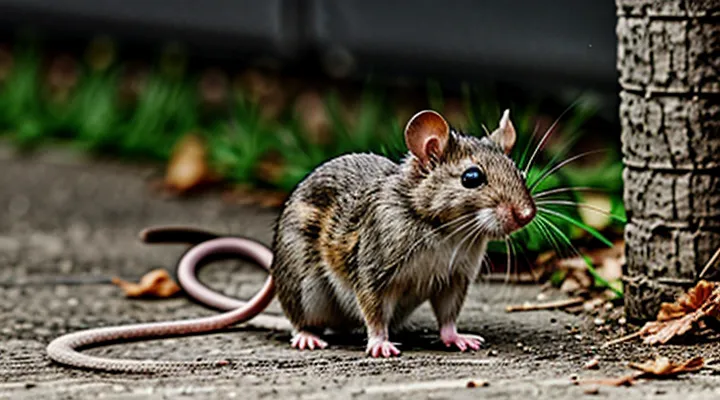
Do Mice Bite? The Basic Truth
When and Why Mice Might Bite
Defensive Biting
Mice bite primarily when they perceive a direct threat to themselves. The act is a short, rapid closure of the jaw that delivers a puncture sufficient to deter predators or hostile handling. This defensive response is hard‑wired; it does not indicate aggression for food or territory.
Stressors that provoke defensive biting include sudden movements, loud noises, unfamiliar scents, and confinement in cramped or poorly ventilated cages. Handling that restrains the animal’s ability to escape or that applies pressure to the head or neck also triggers the reflex.
Typical situations in which a mouse will bite are:
- being lifted by the tail without support of the forepaws
- sudden grasping of the body or tail
- exposure to unfamiliar hands after a period of isolation
- presence of predators, including cats, dogs, or humans displaying aggressive body language
The bite itself is usually shallow, leaving a small puncture that may bleed briefly. In laboratory or pet settings, the main concerns are bacterial contamination, particularly Staphylococcus aureus and Pasteurella species, and the potential transmission of Hantavirus in wild‑caught specimens. Prompt cleaning with antiseptic solution reduces infection risk.
Preventing defensive bites relies on minimizing perceived threats:
- approach the mouse calmly, allowing it to see the hand before contact
- support the forepaws and hind limbs when lifting, avoiding tail‑only grabs
- use a gentle, cupped hand to provide a secure yet non‑restrictive enclosure
- keep the environment quiet, with stable temperature and adequate enrichment
- habituate the animal to regular, brief handling sessions to build tolerance
Adhering to these practices lowers the incidence of defensive biting and promotes safer interactions with rodents.
Biting Due to Fear or Stress
Mice bite primarily when they perceive an immediate threat or experience heightened stress. The response is a defensive reflex rather than an aggressive habit. Bite incidents increase in environments where the animal feels cornered, exposed to sudden movements, or subjected to unfamiliar handling.
Typical triggers include:
- Rapid approach or grasping of the mouse’s body
- Confinement in a small space without escape routes
- Loud noises or vibrations that signal predator presence
- Exposure to unfamiliar scents, especially from potential predators
- Overcrowding or competition for limited resources
Physiological stress elevates cortisol levels, which can lower the bite threshold. A mouse that has been repeatedly startled may exhibit a shortened reaction time, snapping at minimal provocation. Observers often misinterpret such bites as inherent aggression, overlooking the underlying fear response.
Preventive measures focus on minimizing perceived danger:
- Approach the mouse slowly, allowing visual assessment before contact
- Use gentle, cupped hands that give the animal a sense of shelter
- Provide ample hiding structures within the enclosure to reduce anxiety
- Keep handling sessions brief and consistent to build tolerance
- Maintain a quiet environment, avoiding sudden sounds or vibrations
Understanding that biting is a stress‑induced defense mechanism clarifies why most mice rarely bite under calm, controlled conditions. Proper handling techniques and environmental enrichment significantly reduce the likelihood of bite incidents.
Biting for Food or Territory
Mice bite primarily when food scarcity or competition for resources triggers aggressive behavior. In environments where nutrition is limited, individuals may seize any available material, including human skin, to obtain crumbs or to test edibility. This opportunistic biting is short‑lived, ceases once the mouse secures a reliable food source, and does not indicate a predatory instinct.
Territorial aggression also provokes bites. When a mouse perceives an intrusion into its nesting area, it may deliver a defensive nip to deter the perceived threat. Such bites are typically aimed at the point of contact, often the fingers or hand that disturb the nest, and are accompanied by vocalizations or body posturing that signal warning.
Key factors influencing bite incidence:
- Access to abundant, appropriate food reduces the likelihood of foraging bites.
- Minimizing disturbance of nesting sites lowers territorial aggression.
- Maintaining clean, clutter‑free environments limits hiding places that encourage defensive behavior.
The Reality of Mouse Bites Versus Other Rodents
Mice are capable of biting, but incidents are rare compared to larger rodents. Bites usually occur when a mouse feels trapped, threatened, or is handling food. The resulting puncture is small, often painless, and heals quickly without medical intervention unless infection develops.
Key differences between mouse bites and those of other common rodents:
- Size of wound: Mouse teeth produce punctures 1–2 mm in diameter; rat teeth create wounds up to 5 mm, while hamster and gerbil bites fall between these ranges.
- Frequency: Laboratory and field studies record mouse bite rates below 2 % of human‑rodent contacts; rat bite rates exceed 10 % in urban pest populations, and hamster bites appear in 1–3 % of pet‑owner reports.
- Health risk: Mouse saliva carries fewer zoonotic pathogens than rat saliva, which frequently harbors Leptospira and hantavirus. Hamsters and gerbils can transmit Salmonella but at lower prevalence than rats.
- Behavioral trigger: Mice bite primarily when confined or provoked; rats bite when defending territory or food sources; pet rodents bite mainly during handling stress.
Medical response should focus on wound cleaning, tetanus status verification, and observation for signs of infection. Antibiotic therapy is reserved for documented bacterial involvement. Reporting bites to local health authorities aids surveillance of emerging rodent‑borne diseases.
Characteristics of a Mouse Bite
Appearance of a Mouse Bite
A mouse bite typically presents as a pair of tiny puncture marks, each about 1–2 mm in diameter, spaced a few millimeters apart. The entry points may be surrounded by a faint erythema that can expand into a localized swelling within hours. Initial sensation ranges from a brief pinch to almost no pain, because mouse incisors are fine and the venom is absent.
Common visual indicators include:
- Redness: mild to moderate, often concentric around the punctures.
- Swelling: soft edema that may become firm if inflammation intensifies.
- Bruising: purplish discoloration may develop if capillaries are damaged.
- Dermal disruption: occasional slight tearing of the epidermis, producing a shallow crater.
- Exudate: clear or slightly turbid fluid may appear after 24–48 hours, signaling possible infection.
If bacterial contamination occurs, the wound can progress to:
- Increased warmth and tenderness.
- Purulent discharge with a foul odor.
- Expanding erythema forming a streak-like pattern (lymphangitis).
- Systemic signs such as fever or malaise.
Prompt cleaning with antiseptic solution and monitoring for the above changes are essential for preventing complications.
Symptoms and Sensations of a Mouse Bite
A mouse bite typically produces a brief, sharp prick that may be felt as a tingling or burning sensation. The entry point often appears as a small puncture, sometimes accompanied by a faint puncture mark or a tiny abrasion.
Immediate physical responses include:
- Localized pain that peaks within seconds and subsides within a few minutes.
- Redness surrounding the wound, caused by capillary dilation.
- Mild swelling that can develop within an hour, especially if the bite penetrates deeper tissue.
- Itching or a prickly feeling as the body initiates an inflammatory response.
If the bite becomes infected, additional signs emerge:
- Increasing warmth and pronounced redness that spreads outward.
- Persistent throbbing pain that intensifies rather than diminishes.
- Purulent discharge or a yellowish crust forming on the skin.
- Fever, chills, or swollen lymph nodes near the bite site, indicating systemic involvement.
Allergic reactions, though rare, may present as:
- Rapid swelling extending beyond the immediate area.
- Hives or widespread itching.
- Shortness of breath or a feeling of tightness in the chest, requiring immediate medical attention.
The severity of symptoms varies with the bite’s depth, the individual’s skin sensitivity, and the presence of pre‑existing health conditions. Prompt cleaning with soap and water, followed by antiseptic application, reduces the risk of infection and mitigates most mild reactions.
Differentiating Mouse Bites from Other Insect Bites
Mouse bites differ from insect bites in several observable ways.
The wound shape is a pair of closely spaced punctures, typically 1–2 mm apart, reflecting the mouse’s incisor spacing. Insect bites usually present as single punctures or a cluster of tiny dots without a regular pattern.
Bleeding is common with rodent bites; the punctures often release a small amount of blood immediately after the incident. Insect bites may cause a transient sting but rarely produce noticeable bleeding.
Pain onset is immediate and sharp with mouse bites, followed by a throbbing sensation as the wound expands. Insect bites often cause a delayed itching or burning that peaks after a few minutes to an hour.
Swelling around mouse bites tends to be localized and may develop a raised, firm edge within 24 hours. Insect bites typically produce diffuse erythema and a softer, more diffuse swelling.
Salivary enzymes in mouse saliva can cause rapid tissue breakdown, leading to a shallow ulceration if untreated. Insect saliva generally induces an allergic reaction, resulting in a raised welt without tissue loss.
Diagnostic clues can be summarized:
- Puncture pattern: paired, evenly spaced vs. single or irregular cluster.
- Bleeding: present vs. absent or minimal.
- Pain timing: immediate sharp pain vs. delayed itching.
- Swelling characteristics: firm, localized vs. soft, diffuse.
- Evolution: possible ulceration vs. surface rash.
Laboratory confirmation involves culturing the wound for typical rodent pathogens (e.g., Streptococcus spp., Pasteurella spp.) if infection is suspected. Insect bite reactions are usually diagnosed clinically and may show eosinophilia on blood tests.
Accurate identification guides treatment: mouse bites require thorough cleaning, possible prophylactic antibiotics, and tetanus update; insect bites often respond to antihistamines and topical corticosteroids.
Potential Health Risks from Mouse Bites
Risk of Infection
Bacterial Infections
Mice can inflict bites that introduce bacteria into the skin, potentially leading to serious infections. The oral cavity of a mouse harbors a variety of microorganisms, and the wound created by a bite provides a direct pathway for these pathogens to enter the body.
Common bacterial agents linked to rodent bites include:
- Streptobacillus moniliformis – the cause of rat‑bite fever, also reported after mouse bites; symptoms may progress from fever to rash and joint pain.
- Pasteurella multocida – frequently found in the mouths of small mammals; infection can result in rapid tissue inflammation and, if untreated, abscess formation.
- Staphylococcus aureus – a skin colonizer that can cause cellulitis and, in severe cases, systemic infection.
- Bartonella henselae – associated with cat‑scratch disease but occasionally isolated from mouse bite wounds, leading to lymphadenopathy.
Risk factors that increase the likelihood of bacterial complications are delayed wound cleaning, deep puncture injuries, and immunocompromised status of the victim. Immediate care should involve thorough irrigation with sterile saline, removal of any visible debris, and assessment for signs of infection such as redness, swelling, or purulent discharge.
Medical management typically includes empirical antibiotic therapy covering both aerobic and anaerobic organisms, with agents such as amoxicillin‑clavulanate or doxycycline often recommended. Culture and sensitivity testing are advisable when the infection does not respond promptly, ensuring targeted treatment and reducing the chance of resistance development.
Viral Infections
Mice bites raise concerns about viral transmission. Scientific records identify only a few viruses that can be transferred through a bite or the associated wound.
Documented rodent‑related viral agents include:
- Hantavirus, primarily carried by deer mice; infection can follow a bite that introduces saliva or blood into the wound.
- Lymphocytic choriomeningitis virus (LCMV); wild mice may harbor the virus, and a bite can provide a direct entry route.
- Seoul virus, a hantavirus variant found in pet and laboratory rats, occasionally reported in bite incidents.
Transmission requires direct contact between infected oral secretions and broken skin. Risk increases when the animal is wild, visibly ill, or stressed, and when the bite is deep or left untreated.
Effective management consists of immediate wound cleansing with soap and water, application of an antiseptic, and medical evaluation. Healthcare providers may recommend post‑exposure prophylaxis for specific viruses, such as rabies, although rabies is exceedingly rare in mice. Preventive strategies focus on minimizing contact with wild rodents, securing food sources, and using protective equipment when handling laboratory or pet mice.
Awareness of the limited viral spectrum associated with mouse bites dispels exaggerated fears while emphasizing proper wound care and professional assessment.
Specific Diseases Transmitted by Mice
Hantavirus
Hantavirus is a zoonotic pathogen primarily carried by wild rodents, especially deer mice, white‑footed mice, and voles. Human infection occurs when aerosolized virus particles from rodent urine, droppings, or saliva are inhaled; direct bites are a rare transmission route. The virus can cause hantavirus pulmonary syndrome (HPS) in the Americas or hemorrhagic fever with renal syndrome (HFRS) in Europe and Asia. Early symptoms include fever, muscle aches, and gastrointestinal distress, progressing rapidly to respiratory failure in HPS cases. Mortality rates for HPS range from 30 % to 40 % without prompt intensive care.
Key facts about hantavirus and rodent bites:
- Bites account for a small fraction of reported cases; most infections stem from environmental exposure.
- The virus does not survive long outside the host; drying or ultraviolet light inactivates it within hours.
- Personal protective equipment (gloves, masks, eye protection) reduces risk when cleaning areas contaminated by rodent droppings.
- Exclusion of rodents from homes, sealing entry points, and proper storage of food limit infestation and subsequent exposure.
- No vaccine is approved for hantavirus in the United States; treatment focuses on supportive care and early antiviral therapy where available.
Understanding the primary transmission pathway clarifies that the myth of mouse bites as a common source of hantavirus infection is inaccurate. Preventive measures should target aerosol exposure rather than bite protection alone.
Leptospirosis
Leptospirosis is a zoonotic bacterial disease caused by pathogenic Leptospira species. Rodents, especially rats and mice, serve as primary reservoirs, shedding organisms in urine that contaminates water, soil, and food. Direct bite wounds from rodents can introduce the bacteria into subcutaneous tissue, although this route accounts for a minority of cases compared with environmental exposure.
Clinical presentation varies from mild flu‑like symptoms to severe organ dysfunction. Common manifestations include:
- High fever, chills, and muscle aches
- Headache and conjunctival suffusion
- Jaundice, renal impairment, and hemorrhagic tendencies in severe forms
- Pulmonary edema or meningitis in advanced disease
Diagnosis relies on laboratory confirmation:
- Serologic testing (microscopic agglutination test) to detect antibodies
- Polymerase chain reaction or culture from blood, urine, or cerebrospinal fluid for early detection
Treatment requires prompt antimicrobial therapy. Doxycycline or azithromycin is effective for mild cases, while intravenous penicillin or ceftriaxone is recommended for severe infection. Supportive care addresses organ failure, including dialysis for renal involvement and mechanical ventilation for pulmonary complications.
Prevention focuses on minimizing rodent contact and exposure to contaminated environments:
- Use protective gloves when handling rodents or cleaning cages
- Avoid ingestion of untreated water in areas with high rodent activity
- Implement rodent control measures in residential and occupational settings
- Consider prophylactic doxycycline for high‑risk individuals during outbreaks
Understanding leptospirosis clarifies that while rodent bites can transmit the pathogen, the principal risk derives from environmental contamination. Accurate awareness reduces misplaced fear of bites and promotes effective public‑health interventions.
Rat-bite Fever
Rat‑bite fever is a bacterial infection transmitted through the bite or scratch of a rodent, most often a rat. The disease is caused by Streptobacillus moniliformis in North America and Spirillum minus in Asia. Direct inoculation of the organism into the skin, or exposure to contaminated urine or feces, can initiate infection.
Typical clinical presentation appears 3–10 days after exposure. Common findings include:
- Sudden fever and chills
- Headache and muscle pain
- Red, punctate rash on the palms and soles
- Joint swelling or pain, especially in the knees and elbows
Severe cases may develop septicemia, endocarditis, or meningitis. Laboratory confirmation relies on culture of the organism from blood or wound specimens; polymerase chain reaction assays are increasingly used for rapid identification.
First‑line therapy is a 10‑day course of penicillin G or amoxicillin. For patients allergic to β‑lactams, doxycycline or erythromycin are acceptable alternatives. Early treatment shortens illness duration and prevents complications.
Preventive measures focus on minimizing contact with rodents and their excreta:
- Wear thick gloves when handling rats or cleaning cages
- Disinfect surfaces contaminated with urine or feces using bleach solutions
- Seek prompt medical evaluation after any rodent bite or scratch
Understanding rat‑bite fever clarifies that while mouse bites are uncommon, rodent‑related infections remain a genuine health concern. Accurate knowledge of transmission, symptoms, and treatment reduces the risk of serious outcomes.
What to Do After a Mouse Bite
Immediate First Aid
Cleaning the Wound
When a mouse bite occurs, immediate wound care reduces the risk of infection and complications. Begin by washing hands thoroughly with soap and water before handling the injury. Rinse the bite under clean, running water for at least one minute to remove debris and saliva. Apply gentle pressure with a sterile gauze pad to stop bleeding; if bleeding persists after several minutes, seek medical assistance.
After cleaning, disinfect the area using an antiseptic solution such as povidone‑iodine or chlorhexidine. Allow the antiseptic to air‑dry before covering the wound. Place a sterile, non‑adhesive dressing over the bite and secure it with medical tape. Change the dressing daily or whenever it becomes wet or contaminated.
Monitor the wound for signs of infection, including increasing redness, swelling, warmth, pus, or fever. If any of these symptoms appear, or if the bite was deep, contact a healthcare professional promptly. Tetanus vaccination status should be verified; a booster may be required if the last dose was administered more than ten years ago.
Key steps for proper wound care:
- Wash hands thoroughly.
- Rinse bite with clean water for ≥ 60 seconds.
- Apply gentle pressure to control bleeding.
- Disinfect with povidone‑iodine or chlorhexidine.
- Cover with sterile dressing; change daily.
- Observe for infection signs; seek medical help if needed.
- Confirm tetanus immunization; update if overdue.
Disinfection
When a rodent bite occurs, prompt cleaning and disinfection are essential to prevent bacterial infection. Immediate irrigation with running water and mild soap removes surface contaminants before any antiseptic is applied.
- Rinse the wound thoroughly for at least 30 seconds.
- Pat dry with a clean gauze.
- Apply an antiseptic solution.
- Cover with a sterile dressing.
- Seek professional medical assessment within 24 hours.
Effective antiseptics include:
- 70 % isopropyl alcohol – rapid bactericidal action, limited tissue irritation.
- 2 % chlorhexidine gluconate – broad‑spectrum coverage, suitable for deeper wounds.
- 10 % povidone‑iodine – strong antimicrobial effect, may stain skin.
- 3 % hydrogen peroxide – useful for initial debridement, avoid prolonged use to limit tissue damage.
After disinfection, monitor the site for redness, swelling, or pus. Verify tetanus immunization status and consider prophylactic antibiotics if the bite penetrates deeply or involves exposed tissue. Professional evaluation remains the safest course to address potential pathogens such as Streptococcus, Staphylococcus aureus, or Leptospira that rodents can transmit.
When to Seek Medical Attention
Signs of Infection
A mouse bite can introduce bacteria directly into the skin, and early recognition of infection is essential for prompt treatment. The wound may appear normal at first, but several clinical signs indicate that bacterial invasion is already underway.
Typical indicators of infection include:
- Redness spreading outward from the puncture site, often with a well‑defined, raised margin.
- Swelling that increases in size rather than subsiding within a few hours.
- Warmth detected when the area is touched, suggesting increased blood flow.
- Pain that intensifies instead of diminishing, especially if it becomes throbbing.
- Purulent discharge, ranging from clear fluid to thick, yellow‑green pus.
- Presence of a foul odor emanating from the wound.
- Fever, chills, or general malaise accompanying the local symptoms.
- Lymph node enlargement near the bite, indicating regional immune response.
If any of these manifestations develop, medical evaluation should occur without delay. Culturing the wound helps identify the responsible organism, guiding antibiotic selection. In severe cases, systemic signs such as high fever, rapid heart rate, or confusion may signal a spreading infection and require urgent intervention. Early detection and appropriate therapy reduce the risk of complications such as cellulitis, abscess formation, or tetanus.
Rabies Concerns
Mice rarely carry rabies; the virus is most commonly associated with carnivorous mammals such as bats, raccoons, skunks, and foxes. Laboratory testing shows that wild rodents test negative for rabies in the overwhelming majority of cases. Consequently, the probability that a mouse bite transmits rabies is extremely low.
When a bite occurs, the primary concerns are bacterial infection and tissue damage rather than viral transmission. Nevertheless, standard protocol for any animal bite includes:
- Immediate cleansing of the wound with soap and running water for at least five minutes.
- Application of an antiseptic solution.
- Evaluation by a healthcare professional for signs of infection or the need for tetanus prophylaxis.
- Assessment of the animal’s health status; if the mouse is known to be wild, observation for signs of illness may be advised.
Rabies post‑exposure prophylaxis is reserved for bites from animals with a confirmed or highly suspected rabies infection. In the United States, health authorities report fewer than one rabies case per 10 million rodent bites, reflecting the negligible risk.
If a mouse is captive, domesticated, or otherwise known to be free of rabies, no rabies‑specific treatment is required. If the animal’s rabies status cannot be verified, a clinician may recommend a risk assessment based on local epidemiology and, if warranted, initiate the rabies vaccine series.
In summary, while mouse bites can cause local injuries, rabies is not a realistic threat in most situations. Proper wound care and professional medical evaluation remain the essential steps after any rodent bite.
Tetanus Vaccination Status
Mice bites can introduce Clostridium tetani spores, making tetanus prophylaxis a critical factor in wound management. If a person’s tetanus immunization series is up to date—three primary doses followed by a booster within the past ten years—standard wound cleaning and observation are sufficient. When the last booster was administered more than ten years ago, or when the vaccination record is unavailable, a tetanus‑containing toxoid (Td or Tdap) should be given promptly.
Key considerations for assessing tetanus protection after a rodent bite:
- Complete primary series (three doses) received in childhood.
- Most recent booster given within the past 10 years.
- Immunocompromised individuals may require a booster every 5 years.
- In cases of deep, contaminated, or puncture wounds, a booster is recommended even if the last dose was within the 10‑year window.
If the vaccination status cannot be verified, the recommended protocol is to administer a tetanus toxoid dose immediately and schedule a follow‑up booster in four weeks to complete the series. Documentation of the encounter and the administered vaccine is essential for future reference.
Preventing Mouse Bites
Rodent Control in Homes
Sealing Entry Points
Sealing entry points prevents rodents from accessing indoor spaces where they could bite humans or pets. Rodents exploit gaps as small as a quarter‑inch; eliminating these openings removes the primary pathway for infestation.
Identify and repair common access routes:
- Gaps around utility pipes, vents, and cables
- Cracks in foundation walls, basement floors, and crawl‑space walls
- Openings beneath doors and windows, including weather‑stripping gaps
- Holes in exterior siding, soffits, and eaves
- Unsealed attic vents and roof penetrations
Select durable materials for closure. Steel wool, copper mesh, or heavy‑duty foam inserts block chewing. Seal with caulk, expanding spray foam, or concrete mortar for larger cracks. For door and window thresholds, install tight‑fitting sweeps and compressible seal strips.
Perform a systematic inspection before sealing. Walk the perimeter, use a flashlight to expose hidden cracks, and employ a smoke pencil or incense stick to reveal airflow through unseen openings. Document each location, then prioritize repairs based on size and proximity to food sources.
After sealing, maintain integrity by checking for new damage after extreme weather, renovations, or pest activity. Promptly repair any deterioration to sustain a barrier that reduces the likelihood of rodent bites.
Proper Food Storage
Proper food storage directly influences the likelihood of rodent encounters and the potential for bites. Food that is left exposed provides a steady attractant, encouraging mice to infiltrate homes and seek easy meals. When rodents become accustomed to accessible nourishment, they increase their presence, elevate stress on occupants, and raise the probability of aggressive defensive bites.
Key practices for securing food against rodent intrusion:
- Seal all dry goods in airtight, rodent‑proof containers made of metal or thick plastic; avoid cardboard or paper packaging.
- Store pet food, birdseed, and bulk groceries on low shelves or in locked cabinets, away from floor level.
- Clean up spills immediately; wipe countertops, floors, and appliance surfaces after each use.
- Dispose of waste in containers with tight‑fitting lids; empty trash bins regularly, especially in kitchens and dining areas.
- Refrigerate perishable items promptly; keep refrigerator doors closed and check seals for damage.
Implementing these measures reduces food odors and visual cues that attract mice, limiting their opportunity to establish nests. Consequently, the risk of bite incidents declines, supporting a safer indoor environment.
Trapping and Extermination
Effective control of mouse populations relies on two complementary strategies: capture and elimination. Traps and extermination devices address the primary concerns about potential bites by reducing the number of rodents that can come into contact with humans.
Live‑capture traps, such as snap‑back or multi‑catch models, provide immediate removal of individuals. Placement near walls, behind appliances, and along known travel routes maximizes success. Bait selection—peanut butter, dried fruit, or commercial rodent attractants—enhances trap appeal. Once captured, animals should be dispatched promptly to prevent stress‑induced aggression that could increase bite risk.
Snap traps deliver rapid, lethal force, minimizing handling time and exposure. Proper positioning, consistent baiting, and regular inspection prevent malfunction and reduce the chance of escaped specimens. Safety mechanisms, including shielded trigger plates, protect users from accidental injury.
Electronic devices emit high‑frequency currents that incapacitate rodents instantly. These units require power sources and periodic cleaning but eliminate the need for manual disposal, thereby lowering the probability of direct contact.
Chemical control, when applied correctly, complements mechanical methods. Rodenticides formulated as anticoagulants or neurotoxins must be placed in tamper‑resistant stations, away from children and pets. Monitoring bait consumption and rotating active ingredients mitigate resistance development and ensure consistent mortality rates.
Integrated pest management (IPM) combines these tactics with preventive measures:
- Seal entry points (gaps, vents, utility openings) to stop new intruders.
- Maintain sanitation by removing food residues and clutter that attract rodents.
- Conduct regular inspections to detect early signs of activity.
By adhering to these protocols, practitioners can effectively limit mouse encounters and address the underlying fear of bites with evidence‑based actions rather than myth.
Safe Handling of Mice
Using Protective Gear
Protective equipment reduces the risk of injury when handling rodents that may bite. Thick, puncture‑resistant gloves prevent teeth from reaching skin and allow precise manipulation of animals. Disposable nitrile gloves are suitable for short‑term tasks; leather or reinforced leather gloves are preferable for larger species or aggressive individuals.
Eye protection eliminates the possibility of ocular injury from sudden lunges. Safety glasses with side shields or full‑face shields should be worn whenever rodents are restrained or examined. Respiratory masks filter airborne pathogens that can accompany saliva; a N95 or higher rating is recommended in enclosed spaces.
Footwear with closed toes and sturdy soles guards against accidental bites when rodents crawl on the floor or climb onto shoes. Slip‑resistant shoes also reduce the chance of falls during handling.
A concise checklist for safe handling:
- Puncture‑resistant gloves (nitrile, leather, or reinforced)
- Safety glasses or full‑face shield
- N95 or higher respirator
- Closed‑toe, slip‑resistant shoes
- Lab coat or apron to protect clothing
Regular inspection of gear ensures integrity; any tears, punctures, or compromised seals must be replaced before use. Proper donning and removal procedures prevent cross‑contamination between the animal and the handler. Training in the correct application of protective gear reinforces these practices and minimizes bite incidents.
Avoiding Direct Contact
Avoiding direct contact with mice reduces the risk of bite incidents. Mice are territorial and may bite when they feel threatened or confined. Keeping a physical barrier between humans and rodents eliminates the primary trigger for defensive aggression.
Practical steps to maintain separation:
- Seal entry points: Install steel wool, caulk, or mesh in cracks, vents, and gaps to prevent mice from entering living spaces.
- Use traps without handling: Deploy snap or live‑catch traps, checking them from a safe distance and disposing of captured animals with gloves.
- Store food securely: Place all edible items in airtight containers; clean crumbs and spills promptly to avoid attracting rodents.
- Wear protective equipment: When cleaning infested areas, wear thick gloves, long sleeves, and eye protection to prevent accidental skin contact.
- Maintain clean surroundings: Remove clutter, keep basements and attics well‑ventilated, and schedule regular inspections to detect early signs of infestation.
Each measure creates a physical or procedural obstacle that discourages mice from approaching people. Sealing openings stops entry, while secure food storage removes the lure. Traps and protective gear ensure that any required interaction occurs with a barrier, limiting the chance of a bite. Consistent application of these practices sustains a safe environment and dispels the myth that mouse bites are unavoidable.
Common Misconceptions About Mouse Bites
Myth: All Mice Carry Rabies
The belief that every mouse carries rabies persists despite scientific evidence to the contrary. Rabies virus primarily infects carnivorous mammals such as dogs, raccoons, skunks, and foxes; rodents, including mice, are rarely susceptible. Laboratory studies show that mice can contract rabies only under experimental conditions involving direct inoculation, not through natural exposure.
Transmission of rabies from mice to humans is virtually nonexistent. The virus requires sufficient viral load in saliva, and mice produce negligible amounts even when infected. Documented cases of rabies linked to mouse bites are absent from veterinary and public‑health records worldwide.
Key points:
- Mice are not natural reservoirs for rabies.
- Field observations report zero rabies-positive mice in endemic areas.
- Bite incidents involving mice seldom result in serious infection; bacterial pathogens are the primary concern.
When handling mice, focus on preventing bacterial contamination rather than rabies. Clean wounds promptly, apply antiseptic, and seek medical advice if signs of infection develop. Rabies prophylaxis is unnecessary unless exposure involves a confirmed rabid animal known to transmit the virus.
Myth: Mouse Bites Are Always Harmless
Mouse bites are not universally benign. Although rodents have small teeth, their saliva contains bacteria that can cause infection, and some individuals react with allergic or inflammatory responses.
Potential health consequences include:
- Bacterial infection – Streptococcus, Staphylococcus, and Pasteurella species are common contaminants that may lead to cellulitis or abscess formation.
- Tetanus – Clostridium tetani spores can be introduced through puncture wounds, especially if immunization status is outdated.
- Allergic reactions – Localized swelling, itching, or systemic anaphylaxis may occur in sensitized persons.
- Rabies transmission – Rare in most mouse populations, but documented cases exist in regions with endemic rabies among wild rodents.
Prompt wound cleaning, thorough disinfection, and medical evaluation reduce the risk of complications. Vaccination updates and, when indicated, prophylactic antibiotics constitute standard preventive measures.
Myth: Only Wild Mice Bite
Mice can bite regardless of their environment. Both domesticated laboratory strains and pet mice have been documented to deliver bites when threatened, stressed, or mishandled. Wild mice are not the sole source of bites; captive mice exhibit similar defensive behavior.
Key points:
- Bite incidence correlates with perceived danger, not species classification.
- Laboratory mice, though bred for docility, may bite if provoked or if health issues cause irritability.
- Pet owners report bite incidents during routine handling, especially when mice are startled or restrained improperly.
- Bite risk increases during periods of territorial aggression, such as mating season, for both wild and captive populations.
Understanding that bite potential exists across all mouse types dispels the misconception that only free‑living rodents pose a threat. Proper handling techniques, minimal stress, and awareness of mouse behavior reduce the likelihood of bites in any setting.