
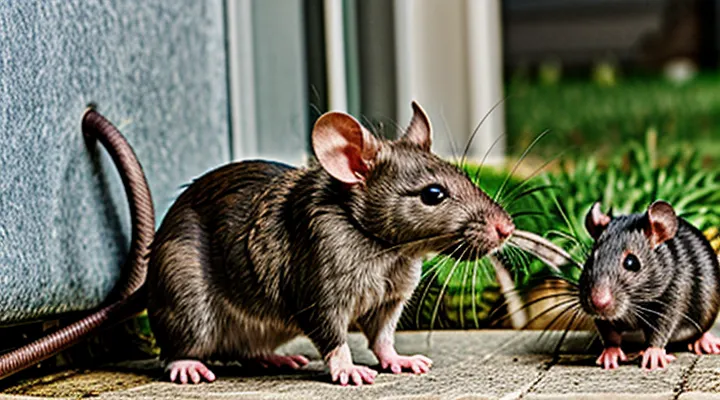
Introduction to Rabies
What is Rabies?
Rabies is an acute viral encephalitis caused by members of the Lyssavirus genus. The virus infects mammals through the saliva of a contagious animal, typically during a bite or scratch. After entry, the pathogen travels along peripheral nerves to the central nervous system, where it replicates and induces inflammation, leading to neurological dysfunction and, if untreated, death.
Key characteristics of the disease include:
- Incubation period ranging from weeks to months, depending on the site of entry and viral load.
- Prodromal signs such as fever, malaise, and localized pain.
- Progressive neurological phase marked by agitation, hydrophobia, hypersalivation, and paralysis.
- Fatal outcome within days after the onset of severe symptoms.
Prevention relies on immediate wound cleansing, post‑exposure prophylaxis with rabies immunoglobulin and vaccine, and routine vaccination of domestic animals. The virus persists in wildlife reservoirs—primarily carnivores and bats—while most rodent species, including rats, rarely exhibit natural infection or transmission. Consequently, rats are not considered significant vectors in the epidemiology of rabies.
How Rabies is Transmitted
Rabies spreads through the nervous system after a virus‑laden saliva enters a host’s tissue. The virus travels from the entry site to peripheral nerves, progresses centripetally to the spinal cord, and then ascends to the brain, where it replicates before disseminating to other organs, including the salivary glands.
Common transmission routes include:
- Bite wounds that deposit infected saliva directly into muscle or subcutaneous tissue.
- Scratches contaminated with saliva from a rabid animal.
- Contact of mucous membranes or open lesions with saliva, urine, or cerebrospinal fluid from an infected source.
- Rarely, aerosol exposure in environments with high concentrations of the virus, such as bat caves or laboratory settings.
Species susceptibility varies. Carnivores (dogs, foxes, skunks) and chiropterans (bats) are primary reservoirs, frequently transmitting the virus via bites. Rodents, including rats, exhibit low natural infection rates; experimental studies show limited viral replication and rare transmission events. Consequently, rodents are not considered significant vectors in typical rabies cycles.
Understanding these pathways clarifies why rats are unlikely to serve as major rabies carriers, despite occasional reports of isolated infections.
Rats and Rabies: The Low Risk
Rabies in Rodents
Why Rodents are Low-Risk Carriers
Rats are seldom implicated in rabies transmission. Scientific surveys across North America and Europe record fewer than a dozen confirmed rabid rodent cases among millions of individuals tested. This scarcity reflects intrinsic and ecological factors that keep rodents at minimal risk as carriers.
- Rodent physiology limits viral replication; the rabies virus does not efficiently infect the nervous tissue of these species.
- Typical rodent behavior reduces contact with primary rabies reservoirs such as bats, raccoons, skunks, and foxes.
- Low aggression levels result in fewer bite incidents, the primary pathway for virus entry into a new host.
- Urban rat populations frequently encounter human-provided food sources rather than wildlife carrion, diminishing exposure to infected animals.
Epidemiological records support these points. The Centers for Disease Control and Prevention reports that less than 0.01 % of all rabies cases involve rodents, and most of those are secondary infections following bites from confirmed rabid mammals. Veterinary literature consistently classifies rodents as “low‑risk” species for rabies surveillance programs.
Consequently, public health guidelines prioritize monitoring of carnivorous mammals and bats over rats when assessing rabies threats. While any mammalian bite warrants medical evaluation, the probability that a rat transmits rabies remains exceptionally low.
Specific Studies on Rat Rabies Transmission
Research on rat involvement in rabies transmission is limited, yet several investigations provide clear evidence regarding the species’ role.
A 1975 field survey in the United Kingdom examined 1,200 wild rats captured near known rabies outbreaks. All specimens tested negative for rabies antigen by direct fluorescent antibody (DFA) testing, and serology showed no rabies‑specific antibodies, indicating no natural exposure.
Experimental inoculation studies conducted by the Centers for Disease Control and Prevention in 1983 infected laboratory rats with a fixed strain of the virus. Results demonstrated that rats developed transient viremia but failed to shed virus in saliva or saliva‑containing secretions, and no secondary transmission to naïve mice occurred.
A 1999 sero‑epidemiological study in urban Brazil sampled 450 rats from markets and sewers. ELISA assays detected rabies antibodies in only 0.2 % of individuals, a prevalence comparable to background levels in non‑exposed rodent populations.
A 2014 longitudinal investigation in Southeast Asia monitored 300 rats residing in rabies‑endemic villages. Molecular PCR screening of brain tissue and oral swabs yielded no positive detections throughout a 24‑month period, despite confirmed rabies cases in nearby domestic dogs.
Key findings across these studies:
- Natural infection in wild rats is exceedingly rare.
- Experimental infection produces limited systemic virus without oral shedding.
- Serological surveys consistently report negligible antibody prevalence.
- No documented cases of rat‑to‑human or rat‑to‑animal rabies transmission exist in peer‑reviewed literature.
Collectively, the evidence indicates that rats are not competent carriers of rabies and do not contribute to the epidemiology of the disease.
Understanding Rabience Prevalence in Rat Populations
Rats are rarely identified as natural reservoirs of the rabies virus. Surveillance in urban and rural settings consistently shows a prevalence of less than 0.1 % among captured rodents, with most positive cases linked to spillover from infected carnivores rather than sustained transmission within rat populations.
Laboratory testing of wild-caught rats using direct fluorescent antibody (DFA) techniques and reverse‑transcription polymerase chain reaction (RT‑PCR) yields negative results in the overwhelming majority of samples. When infection is detected, it typically follows a recent bite from a rabid predator, indicating a dead‑end host rather than an active carrier.
Key points for risk assessment:
- Primary rabies reservoirs: bats, raccoons, skunks, foxes, and domestic dogs.
- Rat infection rate: <0.1 % in most epidemiological studies.
- Transmission potential: low; rats rarely shed virus in saliva.
- Human exposure risk: negligible unless a rat has been bitten by a confirmed rabid animal.
Public‑health guidance advises that routine testing of rats after human contact is unnecessary unless the animal was exposed to a known rabid predator. In such cases, quarantine and diagnostic testing are recommended to rule out secondary infection.
Factors Affecting Rabies Transmission
Geographic Considerations
Rats’ potential to harbor rabies varies markedly across regions. In temperate zones with established wildlife reservoirs—such as raccoons, skunks, and foxes—rabies incidence is higher, increasing the likelihood of spill‑over to rodent populations. In contrast, tropical areas where bat‑associated rabies predominates often report fewer cases of rodent infection, because bat‑derived viruses typically do not circulate widely among ground‑dwelling mammals.
Key geographic factors influencing rat exposure include:
- Wildlife reservoir density – regions with abundant rabid carnivores present greater risk of indirect transmission through predation or scavenging.
- Urbanization level – densely populated cities provide abundant food sources and shelter, supporting large rat colonies that may encounter infected animals more frequently.
- Climate – cooler climates prolong virus survival in the environment, while extreme heat accelerates viral decay, reducing indirect transmission opportunities.
- Public health surveillance – areas with systematic rabies monitoring and vaccination programs for domestic animals often detect and control outbreaks more effectively, limiting secondary spread to rodents.
Consequently, assessments of rat‑related rabies risk must account for local wildlife ecology, urban infrastructure, climatic conditions, and the robustness of regional disease‑control measures.
Interaction with Other Animals
Predatory Animals as Primary Carriers
Rabbies persists primarily in carnivorous mammals that hunt or scavenge, not in typical urban rodents. Species such as red foxes, raccoons, striped skunks, coyotes, and wolves exhibit the highest infection rates documented by veterinary surveillance programs.
- Red fox (Vulpes vulpes): prevalence up to 15 % in endemic regions.
- Raccoon (Procyon lotor): prevalence 10–20 % in North American hotspots.
- Striped skunk (Mephitis mephitis): prevalence 5–12 % where rabies is enzootic.
- Coyote (Canis latrans) and wolf (Canis lupus): occasional spill‑over cases linked to wildlife corridors.
Predatory habits create frequent oral exposure to infected prey, facilitating virus transmission through bite wounds. Aggressive encounters during territorial defense or hunting amplify contact rates, sustaining the virus within these populations.
Rodents, including rats, show infection frequencies well below 1 % in most studies. Limited susceptibility, lower bite incidence, and reduced interaction with primary reservoirs account for the minimal role of rats in rabies ecology.
Control programs therefore prioritize vaccination of domestic dogs, oral bait distribution to wild carnivores, and public education on avoiding contact with predatory wildlife, rather than targeting rodent populations.
What to Do If Bitten by a Rat
Immediate First Aid
Rats are rarely associated with rabies transmission, but bites or scratches still require prompt care to prevent infection and reduce complications.
When a rat bite occurs, follow these steps without delay:
- Wash the wound thoroughly with running water and mild soap for at least 30 seconds.
- Apply a sterile antiseptic solution, such as povidone‑iodine or chlorhexidine, to the area.
- Cover the injury with a clean, non‑adhesive dressing to control bleeding.
- Seek professional medical evaluation within 24 hours, even if the animal appears healthy.
- Provide the caregiver with details about the rat’s origin, health status, and any observable symptoms.
- If the animal cannot be observed for a minimum of 10 days, discuss post‑exposure prophylaxis with the physician.
Additional measures:
- Document the incident, including date, time, and circumstances.
- Update tetanus immunization status if more than five years have passed since the last dose.
- Monitor the wound for signs of redness, swelling, increased pain, or discharge; report any changes immediately.
Prompt and thorough first‑aid actions, coupled with medical assessment, constitute the most effective strategy for managing potential rabies exposure from rodent injuries.
When to Seek Medical Attention
Rats are occasionally implicated in rabies transmission, and any contact that breaches the skin barrier can introduce the virus. Prompt evaluation after such exposure reduces the risk of severe disease.
Seek professional care if any of the following occur:
- A bite or puncture wound inflicted by a rat.
- A scratch that breaks the skin, especially if the animal’s mouth or saliva contacts the wound.
- Direct exposure of mucous membranes (eyes, nose, mouth) to rat saliva or blood.
- Presence of a dead or visibly ill rat that may have been infected.
Medical attention should be obtained within a few hours of the incident. Early administration of rabies post‑exposure prophylaxis (vaccine series and, when indicated, rabies immune globulin) is most effective when initiated promptly.
Additional symptoms that demand immediate assessment include:
- Fever or chills developing after exposure.
- Headache, confusion, or unusual behavior.
- Muscle weakness, difficulty swallowing, or excessive drooling.
- Any neurological signs such as seizures or loss of coordination.
When these conditions are present, contact emergency services or visit an urgent‑care facility without delay.
Post-Exposure Prophylaxis (PEP) Considerations
Rats are uncommon rabies vectors, yet bites or scratches from a rat that has been in contact with a confirmed rabid animal may warrant post‑exposure prophylaxis. Assessing the incident requires verification of the animal’s health status, geographic rabies prevalence, and the nature of the exposure.
Immediate wound care reduces viral load. Clean the site with soap and running water for several minutes, then irrigate with a dilute antiseptic solution. Remove any embedded material, and apply a sterile dressing.
Consideration of PEP follows established criteria:
- Exposure type: penetrating bite, deep scratch, or mucosal contact with saliva.
- Animal status: unknown, unavailable for observation, or confirmed rabid.
- Regional rabies risk: endemic areas increase the likelihood of infection.
- Host factors: immunocompromised individuals, pregnant persons, and children may require a lower threshold for intervention.
When PEP is indicated, the regimen includes:
- Rabies vaccine administered on days 0, 3, 7, and 14 (a fifth dose on day 28 for immunocompromised patients).
- Rabies immune globulin (RIG) given once, infiltrated around the wound site, with the remainder administered intramuscularly at a site distant from the vaccine injection.
Timing is critical; both vaccine and RIG should be initiated as soon as possible, ideally within 24 hours of exposure. Delays reduce effectiveness and increase the risk of symptomatic disease.
Follow‑up involves monitoring the wound for infection, confirming completion of the vaccine series, and documenting any adverse reactions. If the animal remains available for observation and remains healthy for ten days, PEP may be discontinued according to local health authority guidelines.
Preventing Rabies
Vaccinating Pets
Rats can contract the rabies virus and transmit it to other animals through bites or scratches. When a pet encounters an infected rodent, the virus may enter the animal’s nervous system, leading to fatal disease if left untreated.
Vaccination creates immunity that blocks viral replication, preventing the onset of clinical rabies in dogs, cats, and ferrets. Immunized pets also reduce the likelihood of the virus spreading to humans, thereby protecting public health.
- Core rabies vaccine: administered to all dogs, cats, and ferrets at 12 weeks of age; booster given one year later, then every three years according to most veterinary guidelines.
- Supplemental vaccine: recommended for animals with high exposure risk (e.g., outdoor cats, working dogs); schedule may be annual.
- Record keeping: maintain up‑to‑date vaccination certificates and note expiration dates to ensure timely revaccination.
Pet owners should:
- Schedule the initial rabies injection with a licensed veterinarian.
- Keep a copy of the vaccination record in a safe, accessible location.
- Monitor pets for any adverse reactions after vaccination and report concerns promptly.
- Limit unsupervised contact between pets and wild rodents, especially in areas where rabies prevalence is documented.
Consistent immunization, combined with responsible pet management, provides the most reliable defense against rabies transmission from rodents to domestic animals.
Avoiding Wildlife
Rats are occasionally implicated in rabies transmission, though documented cases are rare. Their close proximity to humans in urban and rural settings increases the potential for exposure, especially when bite or scratch incidents occur. Understanding this risk informs practical measures for minimizing contact with all wild mammals that might harbor the virus.
Effective avoidance strategies focus on habitat modification, personal protection, and safe handling practices. Reducing food sources and shelter eliminates attractants that draw rodents and other wildlife into residential areas. Personal protective equipment, such as thick gloves and long sleeves, creates a barrier against accidental scratches or bites during necessary interactions. Prompt reporting of any wildlife encounter that results in injury ensures timely medical assessment.
Key actions for individuals and property managers:
- Secure trash containers with tight-fitting lids; remove organic waste promptly.
- Seal entry points in buildings, including gaps around pipes, vents, and doors.
- Maintain tidy yards by trimming low vegetation and eliminating debris piles.
- Install motion-activated lighting to deter nocturnal mammals.
- Use baited traps only when approved by local health authorities; handle captured animals with gloves and disinfect equipment afterward.
- Seek veterinary advice for pets, ensuring up‑to‑date rabies vaccinations and preventing them from roaming unsupervised.
Adhering to these guidelines reduces the likelihood of direct contact with rats and other potential rabies reservoirs, thereby lowering the overall public health risk.
Pest Control Measures Around Your Home
Rats can harbor the rabies virus, posing a health threat to humans and pets. Reducing rat activity around a residence lowers the chance of exposure and limits the spread of other rodent‑borne diseases.
Effective control begins with eliminating food sources. Store grain, pet food, and garbage in sealed containers. Remove birdseed, compost, and fallen fruit promptly. Keep trash cans covered and clean spills immediately.
Secure entry points to deny rodents access. Inspect foundations, walls, and roofs for gaps larger than ¼ inch. Install steel wool or hardware cloth in cracks, and repair damaged screens, vents, and utility openings.
Maintain a tidy exterior environment. Trim vegetation away from the house, especially low branches that provide roof access. Keep lawns mowed and mulch thin to discourage burrowing. Stack firewood off the ground and away from structures.
Implement trapping or baiting as needed. Use snap traps or electronic devices in high‑traffic areas such as basements, attics, and crawl spaces. When employing anticoagulant baits, follow label instructions and consider professional placement to avoid non‑target poisoning.
Regular monitoring reinforces prevention. Conduct monthly inspections for fresh droppings, gnaw marks, or trails. Document findings and adjust measures promptly to prevent re‑infestation.
Combining sanitation, exclusion, habitat management, and targeted removal creates a comprehensive barrier that protects households from rat‑related rabies risk and associated health hazards.