
Choosing the Right Container
Size and Dimensions
Minimum Space Requirements for Rats
Rats require sufficient floor space to move, explore, and exhibit natural behaviors. Inadequate space leads to stress, reduced activity, and health problems, compromising the overall quality of a rodent housing system.
- Minimum floor area per adult rat: 0.5 sq ft (≈ 46 cm × 46 cm).
- For a pair of rats: at least 1 sq ft (≈ 91 cm × 91 cm).
- Additional 0.25 sq ft per extra rat is recommended when housing more than two individuals.
Vertical space must accommodate climbing and nesting. A cage height of 12 in (30 cm) or greater provides room for multiple levels of enrichment, such as platforms, tunnels, and hammocks. When the cage includes a solid floor, provide a deep layer of bedding (minimum 2 in/5 cm) to allow burrowing.
Cage dimensions should be measured internally, accounting for bars, mesh, or doors that reduce usable area. Ensure that the total volume of the enclosure exceeds 2 cu ft per rat, supporting adequate air circulation and temperature regulation.
Regularly assess the enclosure for signs of overcrowding: excessive grooming, aggressive interactions, or reduced use of enrichment items indicate that space requirements are not being met. Adjust cage size or reduce the number of occupants promptly to maintain a healthy environment.
Minimum Space Requirements for Mice
Mice require a minimum floor area that prevents crowding and supports normal locomotion. Current laboratory and pet‑care guidelines specify at least 200 cm² (approximately 31 in²) per adult mouse when housed singly, and 300–400 cm² (≈46–62 in²) per mouse in group enclosures. For breeding pairs, a floor space of 400 cm² (≈62 in²) per animal is recommended to accommodate nesting and pup development.
Vertical space must allow the animal to stand upright without restriction. A clear height of 30 cm (≈12 in) from the floor to the top of the cage meets this requirement and provides room for climbing structures or tunnels.
Enrichment items such as hide boxes, tunnels, and chewable objects occupy floor area but are essential for welfare. When calculating required space, subtract the footprint of permanent enrichment from the total floor area, ensuring the remaining usable space still meets the minimum per‑mouse values.
A practical example of compliance:
- Single mouse: 200 cm² floor + 30 cm height.
- Pair of mice: 400 cm² floor + 30 cm height.
- Group of four mice: 1,200 cm² floor + 30 cm height, with at least two enrichment items whose combined base does not exceed 10 % of the total floor area.
Bedding depth should be sufficient to permit nesting, typically 2–3 cm (≈0.8–1.2 in). Adequate ventilation must be maintained without compromising the minimum space calculations.
Meeting these dimensional standards ensures that mice have enough room for movement, nesting, and social interaction, thereby supporting health and reducing stress in a container designed for small rodents.
Considerations for Multiple Animals
When housing several rats or mice together, spatial allocation must prevent overcrowding while allowing each individual sufficient movement. Provide a minimum floor area of 0.05 m² per rat and 0.035 m² per mouse; increase proportionally for larger groups. Ensure vertical space includes multiple levels, as rodents naturally explore height, but maintain clear separation between tiers to avoid falls.
Ventilation is critical for a shared enclosure. Install a continuous airflow system delivering at least 30 air changes per hour. Position intake and exhaust vents opposite each other to create a uniform draft, preventing stagnant zones where ammonia can accumulate.
Bedding should be absorbent and replaceable without disturbing the group. Use a layer of 5–7 cm of paper‑based substrate, changing it weekly or when soiled. Avoid clumping materials that can trap waste and promote bacterial growth.
Nutrition and water stations must accommodate simultaneous access. Provide at least two feeding dishes per five animals and multiple water bottles spaced evenly along the cage walls. Secure bottles with metal sippers to prevent gnawing damage.
Social hierarchy influences group dynamics. Observe dominant individuals for signs of aggression; if repeated conflicts occur, consider subdividing the population using transparent dividers that allow visual contact while limiting physical encounters.
Regular cleaning schedule supports health. Implement a 3‑day partial clean (remove waste, refresh water) and a full clean every two weeks (replace bedding, disinfect surfaces with a rodent‑safe sanitizer). Record observations of behavior and health status after each cleaning cycle.
Material and Construction
Wire Cages
Wire cages provide a durable, ventilated environment that meets the spatial and health requirements of rats and mice. The metal framework prevents escape, resists gnawing, and allows unobstructed airflow, which reduces humidity and odor buildup.
- Bar spacing: 0.25–0.5 in (6–12 mm) to prevent escape while allowing easy cleaning.
- Material: stainless steel or powder‑coated steel to avoid rust and corrosion.
- Floor: solid plastic or fine mesh; solid surfaces simplify bedding changes, while mesh supports waste drainage.
- Dimensions: minimum floor area 100 sq in (645 cm²) per adult rat, 75 sq in (484 cm²) per adult mouse; height at least 12 in (30 cm).
Positioning accessories inside the cage must promote natural behaviors and maintain hygiene. Place bedding at the base, secure water bottles on the side to avoid spillage, and locate food hoppers where animals can reach them without contaminating the bedding. Include enrichment items such as tunnels or chew blocks, attaching them to the bars to prevent displacement.
- Bedding depth: 1–2 in (2.5–5 cm) of absorbent material, changed weekly or when soiled.
- Water bottle: mounted at the cage’s mid‑height, inspected daily for leaks.
- Food hopper: positioned opposite the water source to separate moisture from dry feed.
- Enrichment: rotate items every 2–3 weeks to sustain interest.
Routine maintenance preserves cage integrity and animal health. Remove all contents before cleaning; scrub with mild detergent, rinse thoroughly, and disinfect with an approved solution. Inspect bars for sharp edges or corrosion, replacing damaged sections promptly.
- Cleaning cycle: full wash every 2 weeks, spot cleaning as needed.
- Disinfection: 10‑minute soak in a 0.1 % bleach solution, followed by rinsing.
- Inspection: weekly check of bar spacing, welds, and floor condition.
- Replacement: replace cages showing wear or structural compromise within six months of use.
Glass Aquariums
Glass aquariums provide a clear, rigid enclosure suitable for small rodents when arranged with precision. The transparent walls allow constant visual monitoring, reducing the need for frequent disturbance. A secure lid with a latch prevents escape while maintaining ventilation.
The interior must support hygiene and enrichment. Place a thick layer of absorbent, non‑clumping bedding at the bottom; replace it weekly to control odor and moisture. Install a solid platform or climbing structure made of untreated wood or plastic to encourage natural behavior and to separate sleeping zones from feeding areas. Provide a detachable water bottle and a metal or ceramic food dish to avoid contamination.
Key setup steps:
- Measure the aquarium interior; allocate at least 0.5 sq ft per animal for floor space.
- Install a mesh screen or grill on the lid to ensure airflow without compromising safety.
- Add a layer of bedding 2–3 cm deep, then arrange enrichment items.
- Position water and food containers on opposite sides to minimize spillage.
- Seal any gaps with silicone compatible with rodents to prevent escapes.
Cleaning protocol: Empty bedding, rinse surfaces with mild, unscented detergent, rinse thoroughly, and dry before re‑bedding. Perform this routine every 7–10 days, with a full disinfection cycle monthly using a diluted vinegar solution.
Temperature regulation: Place the aquarium away from direct sunlight and drafts; maintain ambient temperature between 18 °C and 24 °C. Use a low‑wattage heat mat beneath the enclosure only if ambient conditions fall below the lower threshold, monitoring with a digital thermometer.
Safety checks: Verify that all glass edges are smooth, that the lid latch functions reliably, and that enrichment items contain no sharp edges or toxic coatings. Regular inspection prevents injuries and ensures a stable environment for rats and mice.
Plastic Totes/Bins
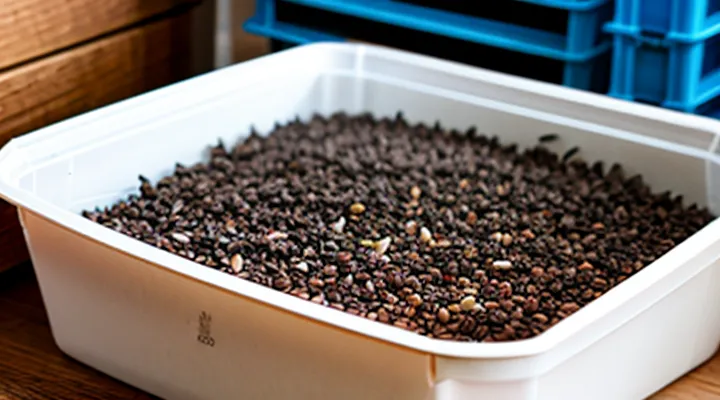
Plastic totes and bins provide a durable, lightweight solution for housing laboratory rodents. Choose containers made from high‑density polyethylene (HDPE) or polypropylene (PP) because these materials resist corrosion, are easy to sanitize, and do not release toxic substances.
Key selection criteria:
- Thickness of at least 0.5 cm to prevent cracking under repeated cleaning cycles.
- Smooth interior surfaces that eliminate crevices where waste can accumulate.
- Secure, latch‑type lids that allow airflow while preventing escape.
- Transparent walls for visual inspection without opening the container.
- Compatibility with standard rack systems for efficient stacking.
Ventilation must be integrated without compromising structural integrity. Most plastic bins include molded vent holes or removable mesh panels; verify that airflow meets the species‑specific requirements for temperature regulation and odor control. If vents are absent, retrofit with stainless‑steel mesh that can be cleaned in an autoclave.
Sanitation procedures rely on the material’s heat resistance. Containers that tolerate temperatures up to 121 °C can be sterilized in an autoclave. For chemical disinfection, use a 10 % bleach solution, rinse thoroughly, and allow the tote to dry completely before reuse. Periodic inspection for scratches or discoloration prevents bacterial colonization.
Labeling supports traceability. Apply waterproof, chemical‑resistant stickers or embossed tags that include cage number, strain identification, and date of last cleaning. Position labels on the exterior to avoid interference with animal handling.
When arranging multiple bins, adopt a staggered stacking pattern that maintains vent access and facilitates cleaning of lower units. Use a calibrated rack that distributes weight evenly, reducing stress on individual containers and extending their service life.
By adhering to these specifications, plastic totes and bins become reliable components of an organized rodent housing system, ensuring animal welfare, experimental consistency, and operational efficiency.
Ventilated Lids and Sides
Ventilated lids and sides are essential components for maintaining a healthy micro‑environment in rodent housing. Proper airflow prevents humidity buildup, reduces ammonia concentration, and minimizes the risk of respiratory infections. Selecting lids with adjustable vents allows fine‑tuning of oxygen exchange while protecting animals from escape and external contaminants.
Key considerations for ventilated closures:
- Vent size and placement – Uniformly spaced openings of 1–2 mm provide sufficient exchange without creating drafts that stress the animals.
- Material durability – Polycarbonate or stainless‑steel frames resist corrosion and cleaning agents, ensuring long‑term integrity.
- Secure fastening – Snap‑fit or screw‑lock mechanisms prevent accidental detachment during handling or cage cleaning.
- Ease of cleaning – Removable panels enable thorough disinfection; smooth interior surfaces reduce biofilm formation.
- Compatibility with enrichment – Vents should not obstruct tunnels, wheels, or nesting material, preserving access to enrichment items.
Installation guidelines:
- Align the lid with the cage’s sealing groove, ensuring all vent openings face outward.
- Engage the locking mechanism until a firm click is felt; verify that no gaps remain.
- Inspect side panels for cracks or warping before placement; replace any damaged components immediately.
- Perform a flow test by holding a light tissue near each vent; a gentle airflow indicates proper ventilation.
Regular maintenance includes weekly visual checks for debris blockage, monthly replacement of worn seals, and quarterly verification of vent dimensions using a calibrated gauge. Consistent attention to these aspects sustains optimal air quality and supports the welfare of rats and mice in laboratory or breeding facilities.
Essential Setup Components
Substrate and Bedding
Types of Safe Bedding Materials
Choosing appropriate bedding directly influences the health, comfort, and waste management of rats and mice kept in a cage. Safe bedding must be low‑dust, non‑toxic, absorbent, and capable of withstanding gnawing without splintering.
- Paper‑based bedding – shredded or compressed paper, virtually dust‑free, highly absorbent, easy to replace.
- Aspen shavings – hardwood product with minimal aromatic oils, low dust, suitable for burrowing.
- Coconut husk (coir) – natural fiber, good moisture retention, biodegradable, low allergen potential.
- Hemp bedding – sturdy fibers, excellent absorbency, low odor, renewable source.
- Corn cob pellets – compact, high absorbency, low dust, requires regular replacement to prevent mold.
When selecting bedding, prioritize materials that maintain a dry substrate, limit respiratory irritation, and resist mold formation. Replace the entire bedding layer weekly or sooner if it becomes soiled. Spot‑clean wet sections daily to reduce ammonia buildup. Store unused bedding in a sealed container to preserve dryness and prevent pest infestation.
Unsafe Bedding Materials to Avoid
When selecting substrate for a rodent enclosure, certain materials pose health risks and should be excluded from use.
- Softwood shavings (e.g., pine, cedar) release aromatic oils that irritate the respiratory tract and can cause chronic pulmonary disease.
- Dust‑heavy cellulose products, such as standard wood pulp or low‑grade paper bedding, increase airborne particles, leading to sneezing, nasal irritation, and heightened susceptibility to infection.
- Corncob bedding contains high levels of silica and may harbor mold if moisture accumulates, presenting both respiratory and gastrointestinal hazards.
- Recycled newspaper or cardboard fragments break down into sharp edges, creating abrasions on the skin and paws and increasing the likelihood of foot injuries.
- Scented or chemically treated litter, including those with added fragrances or antimicrobial agents, can cause allergic reactions and disrupt the natural grooming behavior of rats and mice.
These substrates compromise air quality, cause physical injury, or introduce toxic compounds, undermining the welfare of the occupants. Selecting a low‑dust, non‑aromatic, and easily cleanable material eliminates these risks and supports a stable, healthy environment.
Depth and Frequency of Changes
Proper organization of a rodent enclosure requires careful consideration of both the vertical space allocated to bedding and the schedule for its renewal. Adequate depth supports natural burrowing behavior, promotes thermoregulation, and helps contain waste, while regular turnover prevents odor buildup and disease transmission.
A bedding layer of 3–4 cm (1.2–1.6 in) provides sufficient material for digging without compromising airflow. For species that construct extensive tunnels, increase depth to 5 cm (2 in) and supplement with a compacted substrate such as corn cob or paper pulp to maintain structural integrity. Nesting material should be placed in a shallow cup or corner, typically 1–2 cm (0.4–0.8 in) deep, allowing easy access while avoiding excessive accumulation that can become damp.
Routine maintenance follows a predictable cadence:
- Weekly: Spot‑clean visible droppings, replace soiled nesting material, and inspect for moisture or mold.
- Bi‑weekly: Fully replace the bedding layer, ensuring the substrate depth returns to the recommended measurement.
- Monthly: Disinfect the container, replace all enrichment items, and evaluate structural components for wear.
Adjust intervals according to colony size, humidity levels, and observed odor. Larger groups or high‑humidity environments may require more frequent changes, whereas smaller, well‑ventilated setups can sustain longer periods between full bedding replacements. Consistent adherence to these depth standards and change frequencies sustains a healthy, low‑stress environment for laboratory or pet rodents.
Food and Water Provision
Types of Food Dishes
Selecting appropriate feeding vessels is a critical step in arranging a rodent enclosure. The vessel must accommodate the small size of rats and mice, resist gnawing, and allow easy removal for cleaning.
- Shallow ceramic dishes – smooth surface prevents harboring bacteria, heavy enough to stay in place, suitable for dry pellets and fresh produce.
- Stainless‑steel bowls – durable, dishwasher‑safe, resistant to chewing, ideal for wet foods such as water‑rich vegetables.
- Hard‑plastic containers – lightweight, inexpensive, available in various sizes; choose BPA‑free models to avoid chemical leaching.
- Glass dishes – transparent, easy to inspect for contamination, but fragile and may be displaced by vigorous gnawing.
- Nestable feeders – stackable units with separate compartments for different diet components; reduce spillage and allow precise portioning.
- Gravity feeders – dispense small amounts of dry food continuously, maintain constant supply while minimizing waste.
Place each dish on a stable surface, preferably on a non‑slip mat to prevent movement. Position food vessels away from the water source to avoid cross‑contamination. Clean all dishes after every feeding cycle with warm, mild detergent; rinse thoroughly and sterilize weekly using a dilute bleach solution or a dishwasher on a high‑temperature setting. Consistent maintenance preserves diet quality and supports the health of the occupants.
Water Bottles vs. Bowls
Choosing a hydration system is a critical element of cage management for rats and mice. Two common options are sipper bottles and open water bowls; each presents distinct functional characteristics.
Sipper bottles
- Deliver water through a sealed nozzle, reducing spillage and contamination.
- Preserve water quality by limiting exposure to bedding, urine, and droppings.
- Fit securely onto cage bars, saving floor space.
- Require regular cleaning of the nozzle to prevent blockage.
- May be difficult for young or dental‑compromised rodents to operate.
Open bowls
- Provide unrestricted access, beneficial for neonates and animals with impaired gnawing ability.
- Allow easy visual monitoring of water level.
- Simple to clean; no mechanical parts.
- Increase risk of contamination from bedding, food particles, and waste.
- Occupy floor area, potentially encouraging damp spots and mold growth.
When selecting a system, consider the colony’s age distribution, health status, and cage design. For breeding groups or cages with limited bar spacing, sealed bottles usually maintain hygiene and conserve space. In neonatal or rehabilitative settings, bowls ensure reliable intake despite limited dexterity. Regular inspection and sanitation of either device remain essential to prevent disease transmission.
Placement and Security
Proper placement of the enclosure influences both animal welfare and experimental reliability. Position the container on a stable, level surface away from direct sunlight, drafts, and vibration sources. Ensure that the location allows easy access for routine cleaning, feeding, and observation without requiring excessive handling of the rodents. Maintain a consistent ambient temperature within the recommended range for the species; use a calibrated thermometer to verify conditions daily.
Security measures protect the occupants from escape and external contaminants. Implement the following safeguards:
- Fit the cage with a lockable latch or snap‑fit door that cannot be opened by the animals.
- Inspect all seams, joints, and ventilation openings for gaps; seal any openings with metal mesh of appropriate gauge.
- Use a secondary barrier, such as a solid tray or containment box, beneath the primary enclosure to catch accidental releases.
- Apply a non‑toxic, water‑based sealant around the perimeter of the cage base to prevent water infiltration and mold growth.
Regularly audit the setup: test latch functionality, examine mesh integrity, and verify that the secondary barrier remains correctly positioned. Document any adjustments to maintain a consistent, secure environment for the rodents.
Enrichment and Stimulation
Hiding Spots and Shelters
Providing secure hiding spots and shelters is essential for the welfare of rodents kept in a confined environment. These structures satisfy natural instincts to seek refuge, reduce stress, and promote normal behavior.
- Small wooden tunnels or PVC pipes, 2–3 cm in diameter, mimic burrows.
- Ceramic or plastic houses with a single entrance prevent predator‑like exposure.
- Stacked cardboard boxes with cut‑out doors create layered retreats.
Placement should consider ventilation, temperature stability, and accessibility. Install shelters near the rear wall to avoid direct drafts, yet keep them within sight to allow easy observation. Use non‑toxic, chew‑resistant materials; untreated wood, high‑density plastic, and stainless steel are preferred. Ensure each shelter is large enough for a single animal to turn around comfortably, typically 5–7 cm in height and width.
Maintenance guidelines:
- Clean shelters weekly with mild, unscented soap and rinse thoroughly.
- Inspect for gnaw marks or cracks; replace damaged items immediately.
- Rotate shelters periodically to prevent habituation and maintain novelty.
Integrating varied hiding options and adhering to these practical steps creates a stable, enrichment‑rich enclosure for rats and mice.
Tunnels and Tubes
Tunnels and tubes provide essential vertical and horizontal pathways that mimic natural burrowing behavior, allowing rodents to explore, exercise, and retreat from stressors. Selecting appropriate materials—rigid plastic, untreated wood, or stainless‑steel—ensures durability, resistance to gnawing, and ease of sanitation. Transparent sections aid observation without disturbing the animals, while opaque segments offer privacy.
When integrating tunnels into a container, follow these guidelines:
- Position at least one entry point on each level to prevent bottlenecks.
- Secure connections with snap‑fit joints or non‑toxic adhesives; loose fittings risk escape.
- Maintain a minimum internal diameter of 2 cm for mice and 2.5 cm for rats to accommodate movement.
- Install removable sections for routine cleaning; design should allow disassembly without dismantling the entire enclosure.
- Avoid sharp edges; sand or file surfaces to prevent injuries.
Placement strategy influences airflow and temperature regulation. Align tubes parallel to ventilation openings to promote circulation, and stagger vertical shafts to create a three‑dimensional network that distributes heat evenly. Incorporate nesting chambers adjacent to tunnel junctions, providing immediate access to shelter.
Regular maintenance includes weekly inspection for wear, removal of droppings, and replacement of any compromised components. Sterilize removable parts with a mild bleach solution (1 % concentration) followed by thorough rinsing to eliminate residues.
By adhering to these specifications, tunnels and tubes become functional, hygienic, and enriching elements within a well‑organized rodent habitat.
Chewing Toys
Chewing toys satisfy the natural gnawing instinct of rodents, preventing overgrowth of incisors and reducing stress-related behaviors. Place them within easy reach of each animal, ensuring that the items do not obstruct food or water sources.
Select toys based on durability, safety, and size:
- Untreated hardwood blocks (e.g., apple or birch) that resist splintering.
- Compressed wheat or corn stalks, providing a natural texture without chemicals.
- Mineral or calcium-rich chew sticks, supporting dental health while offering a pleasant flavor.
- Safe PVC or silicone tunnels with textured surfaces, allowing continuous gnawing without damage to the enclosure.
Rotate toys regularly to maintain interest and to prevent bacterial buildup. Clean removable items with warm water and mild soap, then rinse thoroughly before returning them to the container. Avoid plastic objects that can be chewed into sharp fragments or contain toxic additives.
Exercise Wheels (Species-Specific)
Exercise wheels are essential enrichment devices for laboratory and pet rodents, providing opportunities for voluntary aerobic activity and reducing stereotypic behaviors. Selecting a wheel that matches the species’ size and natural locomotion patterns ensures safe and effective use.
Rats require wheels with a minimum diameter of 30 cm (12 in) and a solid running surface to prevent foot injuries. The wheel should accommodate the animal’s stride length and allow a comfortable grip without excessive curvature. Mice, being smaller, benefit from wheels of 15–20 cm (6–8 in) in diameter, with a fine mesh or solid surface that supports their delicate paws.
Key specifications for species‑specific wheels:
- Diameter: ≥30 cm for rats, 15–20 cm for mice.
- Surface: solid plastic, metal, or fine mesh; no wire gaps larger than 0.5 cm to avoid entrapment.
- Bearing quality: silent, low‑friction bearings minimize stress and allow continuous operation.
- Mounting: secure attachment to the cage side or top, preventing wobble and accidental detachment.
- Cleaning: detachable components and smooth materials facilitate routine disinfection without damage.
Placement considerations include positioning the wheel away from food and water dispensers to avoid contamination, and ensuring a clear space of at least 5 cm (2 in) around the wheel for unobstructed entry and exit. When multiple wheels are used in a single enclosure, maintain a minimum separation of 10 cm (4 in) to prevent overcrowding.
Routine maintenance involves weekly inspection of the wheel’s rim for cracks, checking bearing noise levels, and cleaning the interior with a mild, non‑toxic disinfectant. Replace any wheel showing signs of wear or excessive noise, as compromised equipment can lead to injury or reduced activity.
By adhering to these guidelines, the exercise wheel becomes a reliable component of a well‑organized rodent habitat, supporting physical health and behavioral welfare.
Temperature and Lighting
Ideal Temperature Range
Maintain the interior of a rodent housing unit between 20 °C and 26 °C (68 °F‑79 °F). This span supports normal metabolic activity, immune function, and reproductive performance for both rats and mice.
- Below 18 °C (64 °F): metabolism slows, body temperature drops, and animals become prone to hypothermia and respiratory illness.
- Above 28 °C (82 °F): heat stress increases, leading to dehydration, reduced feed intake, and heightened mortality risk.
Temperature stability is as critical as the target range. Fluctuations exceeding ±2 °C (±3.5 °F) within a 24‑hour period can trigger stress responses, alter hormone levels, and impair experimental consistency.
Implement continuous monitoring with calibrated digital thermometers or data‑loggers. Connect alarms to alert staff when readings approach the limits. Use thermostatically controlled heating pads, ceramic heat emitters, or chilled air circulation to correct deviations promptly.
Seasonal adjustments may be necessary. In winter, supplement ambient heat while ensuring adequate ventilation to prevent humidity buildup. In summer, increase airflow and consider supplemental evaporative cooling to offset external temperature spikes.
Regularly inspect insulation, seal gaps, and verify that bedding does not obstruct airflow. Consistent adherence to the specified temperature window promotes animal welfare, experimental reliability, and compliance with institutional guidelines.
Avoiding Direct Sunlight
Direct sunlight can raise the temperature inside a rodent enclosure to unsafe levels within minutes. Elevated heat stresses rats and mice, leading to dehydration, reduced activity, and impaired immune function. Ultraviolet radiation also damages fur and skin, increasing the risk of lesions and eye irritation.
Place the container in an area that receives only indirect, diffused light. Choose a location away from windows, skylights, or outdoor doors that admit midday sun. If natural light is unavoidable, install blinds, curtains, or UV‑filtering film to block direct rays while preserving ambient illumination.
Implement shading solutions that do not compromise ventilation. Options include:
- A solid, non‑reflective cover positioned over the cage, leaving airflow openings.
- A mesh or fabric drape that diffuses light and allows air exchange.
- Adjustable blinds on nearby windows to regulate light intensity throughout the day.
Monitor temperature regularly with a calibrated thermometer. Maintain a stable ambient range of 68–75 °F (20–24 °C); any rise above this threshold indicates insufficient shading. Adjust the enclosure’s position or add additional barriers promptly.
Ensure that the lighting schedule mimics natural day‑night cycles without exposing the animals to bright peaks. Consistent, moderate illumination supports normal circadian rhythms and prevents stress associated with sudden light fluctuations.
Importance of a Consistent Light Cycle
A stable light‑dark schedule regulates the circadian system of rats and mice. Regular photoperiod synchronizes melatonin secretion, controls feeding patterns, and stabilizes activity cycles. Disruption of this rhythm leads to hormonal imbalance, altered metabolism, and increased stress‑related behaviors, which can compromise experimental outcomes and animal welfare.
Consistent illumination also influences reproductive cycles. Females exposed to predictable light periods exhibit regular estrous cycles, while erratic lighting can suppress ovulation and reduce litter size. Male fertility benefits from stable light conditions that maintain normal testosterone peaks.
Practical measures for maintaining a reliable light cycle:
- Install programmable timers that switch lights on and off at the same times daily.
- Use dimmers or filtered bulbs to simulate gradual dawn and dusk, avoiding abrupt transitions.
- Keep light intensity within 300–500 lux for the active phase; ensure darkness reaches <5 lux during the rest phase.
- Verify timer accuracy weekly and adjust for daylight‑saving changes.
- Record light‑on and light‑off times in the cage‑maintenance log to detect deviations promptly.
By enforcing these protocols, the container environment supports physiological stability, reduces variability in research data, and promotes overall health of the rodents.
Maintenance and Hygiene
Daily Spot Cleaning
Removing Droppings and Uneaten Food
Regular removal of feces and uneaten food is essential for maintaining a hygienic environment in a rodent enclosure. Accumulated waste contaminates bedding, spreads pathogens, and creates strong odors that can stress the animals.
- Prepare clean gloves, a small scoop or spoon, and a sealable container for waste.
- Gently sift through bedding, separating droppings and leftover pieces of food.
- Deposit waste into the sealed container; dispose of it in a trash bag that will be removed promptly.
- Use a mild, animal‑safe disinfectant to wipe the interior surfaces of the cage, focusing on corners and feeding stations.
- Rinse with warm water, allow the enclosure to dry completely, then replace fresh bedding and fresh food.
Perform this cleaning routine at least once daily, with a more thorough inspection weekly to detect hidden residues. Consistent removal prevents bacterial growth, reduces the risk of respiratory issues, and sustains a stable microclimate for the rodents.
Wiping Down Surfaces
Keeping the interior of a rodent enclosure free of residue prevents disease, reduces odor, and maintains a stable environment for the animals. Regular surface cleaning is a core element of effective habitat management.
Before wiping, remove all accessories, bedding, and food dishes. Place them in a separate container to avoid cross‑contamination. Inspect the enclosure for loose debris; sweep or vacuum if necessary.
- Choose a disinfectant approved for small mammals (e.g., diluted bleach 1:32, veterinary‑grade quaternary ammonium solution, or enzyme‑based cleaner).
- Dampen a clean, lint‑free cloth or sponge with the solution; excess liquid should be avoided to protect wiring and insulation.
- Wipe each surface—walls, floor, and any plastic or metal components—using firm, overlapping strokes.
- Pay special attention to corners, seams, and latch mechanisms where grime accumulates.
- Rinse with a cloth dampened in plain water if the disinfectant requires removal, then dry with a separate absorbent towel.
Apply the cleaning routine at least once weekly, increasing frequency after spills, illness, or heavy use. Rotate cleaning days for different sections of a multi‑compartment setup to minimize disruption to the rodents.
After the enclosure is dry, replace cleaned accessories, add fresh bedding, and verify that all doors and locks function smoothly. Conduct a brief visual inspection to confirm no residual moisture or chemical traces remain before re‑introducing the animals.
Weekly Deep Cleaning
Full Substrate Change
A complete substrate replacement restores hygiene, reduces odor, and prevents disease transmission in rodent housing. Perform the procedure at regular intervals—typically every four to six weeks, or sooner if waste accumulation is evident.
- Remove all animals, food dishes, water bottles, and enrichment items. Place them in a clean, temporary enclosure with fresh bedding.
- Dispose of the used substrate in a sealed bag; avoid scattering waste on surfaces.
- Scrub the cage interior with a mild, non‑toxic detergent. Rinse thoroughly with warm water to eliminate residue.
- Apply a disinfectant approved for small‑animal use. Allow the solution to sit for the manufacturer‑specified contact time, then rinse and dry the cage completely.
- Spread a uniform layer of fresh, absorbent substrate. Depth of two to three inches provides adequate coverage for burrowing and nesting.
- Reinstall food containers, water systems, and enrichment objects. Return the rodents, monitoring them for signs of stress during the transition.
A thorough substrate change minimizes health risks and maintains a stable environment, supporting the welfare of both rats and mice. Regular execution of this protocol ensures consistent cleanliness without disrupting routine husbandry.
Disinfecting the Container and Accessories
Disinfection safeguards the health of laboratory or pet rodents and prevents the spread of pathogens within a housing unit.
Begin by removing all animals and separating bedding, food, and water bottles. Scrape visible debris from walls, floors, and accessories, then rinse with warm water to eliminate organic matter that can neutralize chemical agents.
- Apply a laboratory‑grade disinfectant (e.g., 10 % bleach solution, 0.5 % quaternary ammonium compound, or veterinary‑approved hydrogen peroxide) to all surfaces.
- Ensure complete coverage; soak detachable items for the manufacturer‑specified minimum contact time (typically 10–15 minutes).
- Rinse thoroughly with clean water to remove residual chemicals.
- Air‑dry or use a low‑heat dryer until surfaces are completely dry.
- Reassemble the enclosure only after confirming dryness.
Select disinfectants compatible with plastic, metal, and glass components; verify concentration and exposure period on the product label. Wear gloves, goggles, and a lab coat; work in a well‑ventilated area to minimize inhalation hazards.
Before returning rodents, inspect for remaining stains, corrosion, or lingering odor. Record the date, disinfectant used, and contact time in a maintenance log to ensure traceability and compliance with animal‑care protocols.
Safe Cleaning Products
Choosing cleaning agents that do not harm rodents is essential when setting up a small‑animal enclosure. Products must be non‑toxic, residue‑free, and compatible with the materials used for cages, bedding, and accessories.
- Diluted white vinegar – neutral pH, evaporates quickly, effective against mineral deposits and mild odors. Rinse thoroughly to remove any lingering acidity.
- Enzymatic cleaners – break down organic matter such as urine and feces without harsh chemicals. Verify that the formulation is free of bleach or ammonia.
- Mild dish soap (unscented, phosphate‑free) – suitable for washing water bottles, feeding trays, and plastic components. Rinse repeatedly until no suds remain.
- Isopropyl alcohol (70 % or less) – safe for disinfecting metal bars and tools when applied sparingly. Allow complete evaporation before returning animals to the cage.
- Commercial rodent‑safe disinfectants – products labeled specifically for hamsters, mice, or rats. Follow manufacturer’s dilution instructions precisely.
Avoid cleaning solutions containing chlorine bleach, phenols, strong acids, or scented fragrances. These substances can cause respiratory irritation, skin burns, or gastrointestinal distress in sensitive rodents.
When cleaning, remove all bedding, food, and water supplies first. Submerge removable parts in the chosen solution, scrub with a soft brush, and rinse with dechlorinated water. Allow all items to air‑dry completely before reassembly. Regular use of the listed safe agents maintains hygiene while protecting the health of the animals housed in the container.
Health Monitoring and Observation
Recognizing Signs of Illness
Monitoring the health of rats and mice is a fundamental component of effective cage management. Early detection of disease prevents spread, reduces stress, and safeguards breeding outcomes.
Typical indicators of illness include:
- Reduced activity or reluctance to explore
- Hunched posture or abnormal gait
- Noticeable weight loss or failure to gain weight
- Discolored, flaky, or wet fur
- Nasal or ocular discharge
- Labored breathing or audible wheezing
- Unusual vocalizations or excessive squeaking
- Decreased food and water consumption
- Presence of blood or abnormal stool
When any of these signs appear, isolate the affected animal promptly, then assess temperature, respiration rate, and hydration status. Conduct a visual inspection of the enclosure for contaminants, excessive humidity, or temperature fluctuations that could exacerbate the condition. Contact a veterinarian experienced with rodents for diagnostic testing and treatment recommendations.
Maintain a daily log that records observations, dates, and actions taken. Consistent documentation enables pattern recognition, supports timely interventions, and provides valuable information for future cage optimization strategies.
Regular Health Checks
Regular health monitoring detects illness early, prevents outbreaks, and maintains stable conditions for the animals housed in a rodent enclosure.
- Daily visual scan for abnormal behavior, discharge, or lethargy.
- Weekly physical assessment: check fur condition, eyes, ears, and paws for signs of injury or infection.
- Weekly body‑weight measurement; record deviations greater than 5 % of baseline.
- Monthly inspection of bedding, food, and water for contamination.
- Quarterly veterinary examination: complete physical exam, parasitology screening, and vaccination updates if applicable.
Accurate records of observations, measurements, and interventions enable trend analysis and rapid response to health issues. Prompt isolation of affected individuals, adjustment of environmental parameters, and consultation with a veterinarian limit the spread of disease and preserve the overall welfare of the colony.
Advanced Considerations
Multi-Level Setups
Ramps and Ladders
Ramps and ladders provide vertical access between levels of a rodent enclosure, enabling movement without excessive climbing stress. Properly designed structures prevent injuries and support natural exploratory behavior.
Key design parameters include:
- Material: stainless steel or powder‑coated metal to resist corrosion and chewing.
- Surface texture: fine mesh or textured metal to maintain grip.
- Width: minimum 2 cm for adult rats, 1.5 cm for mice, allowing comfortable passage.
- Incline angle: 30°–45° for ramps; steeper angles increase slip risk.
- Height: not exceeding 10 cm per rung on ladders to match animal stride length.
- Clearance: at least 1 cm between steps to avoid entrapment.
Installation should secure each component to the cage frame with lock‑type fasteners, eliminating gaps that could trap limbs. Verify that all joints are smooth; any sharp edges must be filed or covered. Periodically inspect for wear, replacing sections that show fraying or corrosion.
When arranging multiple levels, position ramps opposite ladders to distribute traffic evenly, reducing congestion at a single access point. Align entrances with feeding and nesting zones to encourage use and maintain hygiene.
Platforms and Shelves
Platforms and shelves provide essential vertical space, increasing usable area without expanding the container’s footprint. Proper selection and installation directly affect animal welfare, hygiene, and experimental consistency.
Materials must be sturdy, non‑reactive, and easy to disinfect. Preferred options include stainless steel, powder‑coated wire, or high‑density polyethylene. Surfaces should be smooth to prevent injuries and resistant to corrosion from cleaning agents.
Positioning follows these principles:
- Height: lower platforms should be no higher than 10 cm from the base; upper shelves must allow at least 5 cm of clearance for animal movement and ventilation.
- Spacing: maintain a minimum of 2 cm between adjacent levels to avoid overcrowding and to facilitate cleaning.
- Accessibility: incorporate removable brackets or sliding rails so each platform can be lifted for inspection and thorough washing.
- Stability: secure each shelf with at least two anchoring points to prevent wobble under the weight of nesting material or multiple occupants.
When designing the layout, consider the species’ size and behavior. Mice typically use platforms for nesting and exploration, while rats benefit from larger, reinforced shelves that support climbing and social interaction. Provide textured surfaces (e.g., sandpaper patches or woven rope) on at least one platform to encourage natural gnawing and foraging.
Cleaning protocols rely on the removable nature of the shelves. After each use, detach the platforms, soak in a dilute disinfectant solution for 10 minutes, rinse with warm water, and dry before reassembly. Regular inspection for rust, cracks, or loose fittings should occur weekly.
Integrating platforms and shelves according to these guidelines maximizes usable space, enhances enrichment, and maintains a hygienic environment conducive to reliable research outcomes.
Environmental Enrichment for Specific Behaviors
Foraging Opportunities
Foraging enrichment replicates natural search behavior, reduces boredom, and supports dental health in laboratory and pet rodents.
Effective foraging devices include:
- Small cardboard tubes filled with seed mix, closed at both ends.
- Wooden blocks drilled with cavities that hold nut pieces.
- Plastic bottle caps inverted to create shallow dish for scattering pellets.
- Natural substrate layers (e.g., shredded paper) in which treats are concealed.
Placement should alternate across the enclosure to prevent predictable routes. Each device must be sized to allow entry without excessive force; oversized items risk injury, undersized items fail to engage. Rotate items weekly to maintain novelty.
All foraging materials require sterilization before introduction and inspection after each use. Remove uneaten food within 24 hours to prevent mold and bacterial growth. Ensure that any wooden or cardboard components are free of splinters and chemicals.
Observe consumption patterns daily. Increase complexity if rodents solve puzzles quickly; simplify if they avoid devices. Adjust quantity of hidden food to match caloric requirements, preventing weight gain.
Integrating structured foraging opportunities into a well‑organized rodent container enhances welfare while preserving a controlled environment.
Digging Boxes
Digging boxes provide a natural outlet for the burrowing instincts of rats and mice, reducing stress and encouraging healthy activity. A suitable box should be made of sturdy, non‑toxic material such as untreated wood, acrylic, or reinforced plastic. The interior must be lined with a deep layer—at least 5 cm—of absorbent, dust‑free substrate (e.g., shredded paper, aspen shavings, or coconut fiber). The substrate should remain moist enough to hold shape but not soggy, allowing the animals to create tunnels without excessive waste buildup.
Placement of the box within the enclosure influences both accessibility and cleanliness. Position the box on the floor, away from food and water stations, to prevent contamination. Secure the box to the cage walls or base with clips or brackets to avoid tipping during vigorous digging. Ensure the opening is large enough for the smallest resident to enter comfortably, typically 5 cm in diameter, while providing a snug fit to limit substrate spillage.
Maintenance requires regular inspection and partial replacement of the substrate. Remove heavily soiled sections weekly, replace with fresh material, and gently stir remaining substrate to preserve aeration. Clean the container’s interior with a mild, unscented disinfectant no more than once a month, rinsing thoroughly to eliminate residue before adding new substrate.
When selecting a digging box, consider the following criteria:
- Size: at least 20 × 20 cm floor space per animal to allow multiple tunnels.
- Material durability: resistant to gnawing and moisture damage.
- Easy access: removable lid or hinged door for cleaning.
- Compatibility: fits within the dimensions of the primary habitat without obstructing other enrichments.
Integrating a well‑designed digging box into a rodent enclosure supports natural behavior, promotes physical health, and contributes to overall environmental stability.
Climbing Structures
Climbing structures enhance physical activity and natural behavior in a rodent enclosure. Select elements that support secure ascent and descent, such as wooden ladders, rope nets, and plastic platforms. Materials must be chew‑resistant, free of toxic coatings, and easy to sanitize.
Placement of vertical features should follow these principles:
- Anchor each structure to the cage wall or frame to prevent wobbling.
- Space platforms 2–3 inches (5–7 cm) apart to accommodate the animal’s reach.
- Position the highest platform near a shelter to encourage exploration while providing a safe retreat.
- Ensure that all connections are smooth; eliminate sharp edges that could cause injury.
Maintenance considerations include:
- Disassemble removable parts weekly for thorough cleaning with mild detergent and hot water.
- Inspect joints for wear; replace any frayed rope or cracked plastic promptly.
- Rotate the orientation of ladders and nets monthly to maintain novelty and reduce territorial marking.
When combining climbing structures with other enrichment items, keep the floor clear of excessive debris to preserve traction. Use a solid base material, such as untreated wood shavings, that will not shift under the weight of the structures. Properly organized vertical enrichment contributes to a balanced environment, supporting health and natural instincts without compromising safety.
Managing Odor
Proper Ventilation
Proper ventilation is essential for maintaining the health of rodents housed in a confined environment. Fresh air exchange prevents the buildup of ammonia, carbon dioxide, and humidity, which can cause respiratory irritation and accelerate the growth of pathogens.
- Install a mesh or perforated lid that allows continuous airflow while protecting animals from escape.
- Position the container away from direct drafts that could cause temperature fluctuations.
- Use a small, low‑noise fan to create gentle circulation when ambient ventilation is insufficient.
- Monitor air quality with a simple ammonia test strip; replace or clean the ventilation components if readings exceed safe levels.
Ventilation openings should be sized to provide at least 10 air changes per hour, measured by the volume of the enclosure. Seal any gaps around the container to prevent drafts from entering uncontrolled areas, and ensure that the ventilation system does not create excessive dust or noise.
Regular cleaning of the ventilation mesh removes debris that could obstruct airflow. Replace the mesh annually or when signs of corrosion appear. Consistent airflow, combined with routine maintenance, supports optimal respiratory health and reduces the risk of disease outbreaks in the rodent population.
Regular Cleaning Schedule
A consistent cleaning routine prevents odor buildup, disease transmission, and material degradation inside a rodent enclosure. Schedule tasks according to frequency and scope to maintain a hygienic environment for both animals and caretakers.
- Daily: Remove uneaten food, discard soiled bedding fragments, and wipe visible spills with a mild, non‑toxic disinfectant. Inspect water bottles and replace contaminated water.
- Weekly: Replace all bedding, clean cage walls and accessories with a diluted bleach solution (1 % concentration) or an approved veterinary sanitizer. Scrub feeding stations and enrichment items, then rinse thoroughly.
- Monthly: Disassemble the container, soak metal components in a rust‑preventive cleaner, and inspect for wear or damage. Reassemble using fresh bedding and verify that ventilation openings are unobstructed.
- Quarterly: Perform a deep decontamination of the entire setup, including the exterior housing. Apply an EPA‑registered rodent‑safe disinfectant, allow proper contact time, and dry completely before reintroducing animals.
Document each cleaning session in a logbook, noting date, personnel, products used, and any observations of abnormal droppings or odors. Review the log regularly to adjust intervals if health indicators suggest increased risk. Adhering to this structured timetable sustains a stable microenvironment, supports animal welfare, and reduces the likelihood of pathogen outbreaks.
Air Purifiers (Pet-Safe)
Air quality directly influences the health of rats and mice housed in a confined enclosure. Contaminants such as dust, dander, and volatile organic compounds accumulate quickly in small, sealed environments, increasing the risk of respiratory irritation and infection.
When choosing an air purifier suitable for a rodent habitat, prioritize the following attributes:
- True HEPA filtration capable of capturing particles down to 0.3 µm.
- Absence of ozone-generating technology; ozone can be harmful to small mammals.
- Low noise output (≤ 35 dB) to prevent stress.
- Compact design that fits within or beside the enclosure without obstructing ventilation openings.
- Energy-efficient operation for continuous use.
Placement of the purifier should ensure uniform airflow throughout the cage. Position the unit near the primary ventilation slot, allowing filtered air to circulate across all sections. Avoid direct drafts on the animals; a gentle, indirect flow promotes comfort while maintaining contaminant removal.
Regular maintenance sustains performance. Replace HEPA filters according to the manufacturer’s schedule—typically every 3–6 months—or sooner if visual inspection reveals saturation. Clean the exterior housing with a damp cloth; never use chemical cleaners that could leave residues. Reset the device after each filter change to verify proper operation.
Integrating a pet-safe air purifier into the enclosure’s organization enhances overall hygiene, reduces disease risk, and supports the welfare of resident rodents.