
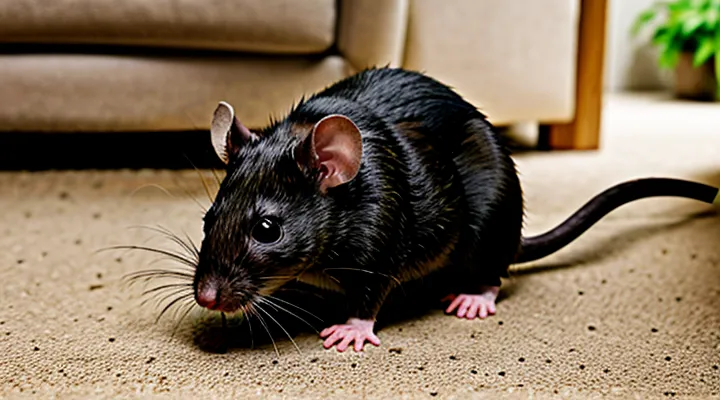
Understanding the Rat Problem
Identifying Rat Infestation Signs
Droppings and Urine Trails
Droppings and urine trails reveal the presence, movement patterns, and population size of rodents within a residence. Fresh feces appear as small, dark pellets ½‑inch long, while older droppings darken and may crumble. Urine stains are invisible to the naked eye but become apparent under ultraviolet light, leaving a faint, oily sheen on surfaces.
Identifying these signs enables targeted eradication. Locate droppings near food storage, waste bins, and concealed areas such as attics, crawl spaces, and behind appliances. Follow urine trails to pinpoint active pathways, nesting sites, and entry points. Mapping these locations guides the placement of traps, bait stations, and exclusion measures.
Cleaning protocols must eliminate health hazards and remove attractants:
- Wear disposable gloves and a particulate respirator before handling any material.
- Seal collected droppings in a plastic bag; disinfect the bag with a bleach solution (1 part bleach to 10 parts water) before disposal.
- Apply an EPA‑approved disinfectant to surfaces contaminated by urine; allow the recommended contact time, then rinse with clean water.
- Ventilate the area for at least 30 minutes after decontamination.
Persistently removing droppings and neutralizing urine eliminates food sources, reduces disease transmission, and disrupts the rodents’ scent trails, decreasing the likelihood of re‑infestation. Continuous monitoring of these indicators ensures that control measures remain effective over the long term.
Gnaw Marks and Damage
Gnaw marks appear as clean, crescent‑shaped bites on wood, plastic, insulation, and wiring. The size of the incisor imprint indicates the age and species of the rodent; larger, deeper grooves suggest mature rats, while shallower scratches point to juveniles. These signs concentrate near entry points, food storage areas, and concealed pathways, providing the first reliable evidence of infestation.
Damage extends beyond visible chew marks. Rats compromise structural integrity by weakening beams, joists, and wall studs, creating potential collapse hazards. Exposure of electrical conductors creates fire risk and can cause intermittent power failures. Contaminated insulation loses its thermal efficiency, increasing heating costs. All such effects reduce property value and threaten occupant safety.
Effective assessment requires systematic inspection. Begin at the exterior, tracing all possible ingress routes—eaves, vents, and utility openings. Move inward, examining attic spaces, crawl zones, and beneath appliances for fresh gnaw marks, urine stains, and droppings. Use a flashlight and magnifying lens to detect subtle bite patterns on concealed surfaces.
Remediation follows a three‑step protocol:
- Repair: Replace or reinforce compromised structural members; remove damaged wiring and install protected conduit.
- Seal: Apply steel‑wool, metal flashing, or cement to all identified entry points; ensure gaps smaller than ¼ inch are eliminated.
- Eliminate: Deploy integrated control measures—traps, bait stations, and habitat reduction—to prevent recurrence and allow permanent removal of the rodent population.
Document each finding, prioritize repairs based on safety impact, and schedule follow‑up inspections to confirm that gnaw marks no longer appear. Consistent execution of these actions removes the physical evidence of rats and restores the home’s integrity.
Unusual Noises and Odors
Unusual sounds and smells often provide the first evidence of a rodent problem inside a residence.
A persistent scratching or scurrying noise in walls, ceilings, or attic spaces typically indicates activity in concealed passages. Rapid, high‑pitched squeaks may occur when rats are startled, while intermittent thumping suggests movement through insulation or stored items.
Odors arise from urine, feces, and secretions. A sharp, ammonia‑like scent signals fresh urine deposits, while a musky, rancid smell often results from accumulated droppings and nesting material. A sweet, grain‑like odor can reveal stored food being consumed.
These indicators guide the elimination process:
- Locate the source by tracing noises to structural openings; inspect adjacent insulation, ductwork, and storage areas.
- Identify odor hotspots using a scented cloth or by following the strongest smell; record positions for targeted treatment.
- Seal entry points discovered during inspection with steel wool, cement, or metal flashing to prevent re‑entry.
- Deploy bait stations or snap traps directly where activity is confirmed; position devices along runways and near nests.
- Conduct a thorough cleanup of contaminated materials, wearing protective equipment, and disinfect surfaces with a rodent‑specific sanitizer.
Monitoring after intervention should focus on the absence of the described sounds and odors. Persistent detection warrants additional inspection and possible professional pest‑control assistance.
Rat Sightings
Observing rats inside a residence provides the first reliable indication that an infestation is developing. Each sighting confirms that rodents have penetrated the building envelope, making immediate action necessary to prevent population growth.
Typical evidence of rat activity includes:
- Live or dead rats spotted in kitchens, basements, or attics.
- Fresh droppings, approximately ½ inch long, found near food storage, garbage bins, or along walls.
- Gnaw marks on wooden structures, wiring, or plastic containers.
- Grease‑filled pathways, known as runways, traced by smudged footprints or urine stains.
- Scratching noises within walls or ceilings, especially at night when rats are most active.
Documenting these signs helps target control measures precisely. Identify the exact locations where rats are seen, then trace possible entry points such as gaps around pipes, vents, or foundation cracks. Seal each opening with steel wool, cement, or metal flashing before implementing trapping or baiting strategies. Continuous monitoring of sightings after sealing confirms whether the breach has been eliminated or if additional access points remain.
By treating each rat observation as a data point, homeowners can focus eradication efforts on verified problem areas, thereby increasing the likelihood of achieving a lasting, rodent‑free environment.
Why Rats Are a Threat to Your Home
Health Risks and Diseases
Rats inhabiting a private residence pose significant health hazards through direct contact, contamination of food and surfaces, and aerosolized particles from droppings, urine, and saliva. The primary concerns include bacterial, viral, and parasitic agents that can cause acute or chronic illness in occupants.
- Leptospirosis – bacterial infection transmitted via water or soil contaminated with rat urine; symptoms range from fever and headache to kidney failure if untreated.
- Hantavirus pulmonary syndrome – inhalation of aerosolized droppings or urine releases the virus; rapid onset of fever, muscle aches, and severe respiratory distress can be fatal.
- Salmonellosis – ingestion of food contaminated by rat feces introduces Salmonella bacteria, leading to gastroenteritis, dehydration, and possible bloodstream infection.
- Rat-bite fever – caused by Streptobacillus moniliformis or Spirillum minus after a bite or scratch; presents with fever, rash, and arthritic pain, requiring antibiotic therapy.
- Lymphocytic choriomeningitis virus (LCMV) – spread through contact with infected rodent secretions; may cause meningitis, encephalitis, or congenital defects in pregnant women.
- Tapeworms (e.g., Hymenolepis spp.) – eggs shed in rat feces can be ingested, resulting in intestinal infection, abdominal pain, and nutrient malabsorption.
- Allergic reactions – inhalation of rodent dander and urine proteins can trigger asthma exacerbations and hypersensitivity pneumonitis.
Secondary risks arise from structural damage that facilitates mold growth and insect infestations, further compromising indoor air quality and increasing susceptibility to respiratory conditions. Effective control measures—sealed entry points, sanitation, trapping, and professional extermination—directly reduce exposure to these pathogens and protect household health.
Property Damage and Fire Hazards
Rats compromise the structural integrity of a home by gnawing on wood, insulation, wiring, and plumbing. Their incisors can sever support beams, create holes in drywall, and expose concealed conduits, leading to costly repairs and weakened load‑bearing elements.
Chewed electrical cables create short circuits, sparks, and overheating. These faults increase the likelihood of accidental fires, especially when wiring runs through dry, combustible materials such as insulation or wooden framing. A single spark can ignite surrounding debris, turning a minor fault into a severe blaze.
Effective, lasting rodent control reduces both damage and fire risk. The following measures secure the property:
- Seal all entry points larger than ¼ inch with steel wool, cement, or metal flashing.
- Install tamper‑resistant, sealed food storage containers to eliminate attractants.
- Deploy snap traps or electronic kill devices in known travel corridors, checking and resetting them daily.
- Apply professional-grade rodenticide bait stations in concealed locations, following label instructions.
- Conduct quarterly inspections of wiring, insulation, and structural components, repairing any gnaw marks immediately.
By eliminating the infestation and maintaining vigilant inspection, homeowners prevent expensive structural repairs and avert potential fire incidents.
Contamination of Food and Water
Rats introduce pathogens into food and water supplies through droppings, urine, and saliva. Their gnawing behavior damages packaging, creates entry points, and deposits contaminant material directly onto consumables. Consumption of tainted food or water can transmit diseases such as leptospirosis, salmonellosis, and hantavirus infection.
- Droppings on pantry shelves or countertops
- Urine stains on containers, countertops, or floor surfaces
- Chewed packaging exposing food to external contaminants
- Contaminated water sources from breached pipes or storage tanks
Visible signs of contamination include fresh droppings, gnaw marks, and unusual odors near food storage areas. Moisture buildup or standing water attracts rodents and increases the likelihood of waterborne contamination.
Effective control measures focus on eliminating access and removing existing contamination:
- Seal all cracks, gaps, and holes larger than ¼ inch with steel wool, caulk, or metal flashing.
- Store dry goods in airtight, rodent‑proof containers made of glass or heavy‑wall plastic.
- Keep countertops and floors clean; immediately dispose of any droppings using disposable gloves and a disinfectant solution containing bleach (1 part bleach to 9 parts water).
- Install splash‑proof covers on outdoor water sources and repair any leaking pipes or fixtures.
- Deploy snap traps or electronic traps in identified activity zones, checking and resetting them daily until no further evidence of rodents appears.
Maintaining rigorous sanitation and structural barriers prevents rats from contaminating food and water, supporting long‑term eradication of the pest in a private residence.
Prevention: Sealing Your Home Against Rats
Inspecting Your Home's Exterior
Sealing Entry Points: Cracks and Holes
Sealing cracks and holes is the most reliable barrier against rodent intrusion. Begin with a systematic inspection of the building envelope: examine the foundation, exterior walls, roof eaves, vents, and utility penetrations. Use a flashlight and mirror to locate openings as small as a quarter‑inch, because rats can squeeze through gaps of that size.
- Prioritize entry points – focus first on gaps near the ground, drainage pipes, and areas where utilities enter the home.
- Select appropriate sealants – apply polyurethane spray foam for irregular cavities, cement‑based mortar for masonry cracks, and steel‑wool backed by expanding foam for holes around pipes.
- Apply in layers – fill the void completely, allow the material to cure, then trim excess to create a flush surface that does not attract debris.
- Reinforce vulnerable spots – install metal flashing or hardware cloth (¼‑inch mesh) over larger openings before sealing, ensuring a permanent physical barrier.
- Inspect and maintain – schedule quarterly checks, especially after severe weather, to repair any new fissures promptly.
Effective sealing eliminates the pathways rats use to access food, shelter, and nesting sites, thereby reducing the likelihood of re‑infestation. Consistent application of these measures creates a hostile environment for rodents while preserving the structural integrity of the house.
Repairing Gaps Around Pipes and Wires
Rats commonly enter homes through openings that surround plumbing, electrical conduit, and other utility penetrations. Sealing these gaps removes a primary pathway, forcing rodents to seek alternative, less accessible routes.
Begin by locating every gap around pipes and wires. Conduct a systematic visual sweep in basements, crawl spaces, and exterior walls. Use a flashlight to reveal dark crevices, and feel for drafts with a hand or a piece of tissue. Record dimensions and note any gnaw marks, which indicate active use.
Select durable, rodent‑resistant materials. Effective options include:
- Steel wool or copper mesh, packed tightly into small holes;
- Silicone or polyurethane caulk for cracks less than ¼ inch;
- Expanding polyurethane foam for larger voids, applied over a steel‑wool core;
- Metal flashing or sheet metal for gaps around larger pipes.
Apply the sealants in the following order:
- Insert steel wool or mesh into the gap, ensuring it fills the space completely.
- Cover the filler with a thin bead of caulk, smoothing it to adhere to the surrounding surface.
- For openings wider than ¼ inch, spray expanding foam over the packed filler, allowing it to cure fully.
- Trim excess foam and reinforce the area with metal flashing where structural movement is expected.
After completion, re‑inspect each repaired site. Verify that no air movement or light passes through, and monitor for signs of rodent activity over the next several weeks. Repeat the process whenever new utility work creates additional openings.
Installing Mesh on Vents and Chimneys
Installing metal mesh on ventilation openings and chimneys creates a physical barrier that prevents rodents from entering a dwelling. The barrier must be sized to fit each opening precisely; gaps larger than ¼ inch allow rats to squeeze through. Choose stainless steel or galvanized wire with a mesh size of ½ inch or smaller to withstand gnawing and corrosion.
The installation process includes:
- Measuring the width and height of each vent or chimney flue.
- Cutting the mesh to exceed the opening dimensions by at least 2 inches on all sides.
- Securing the mesh with heavy‑duty stainless steel staples or self‑tapping screws, ensuring no loose edges.
- Overlapping seams by 1 inch and fastening them together with wire ties or metal clips to eliminate any passage.
- Applying a weather‑resistant sealant around the perimeter to block moisture and deter future damage.
Regular inspection is essential. Check for rust, torn sections, or loose fasteners quarterly, and replace compromised sections immediately. By maintaining an intact mesh barrier, homeowners eliminate one of the most common entry routes for rats, supporting long‑term pest exclusion without reliance on traps or chemicals.
Securing Your Home's Interior
Storing Food Properly
Proper food storage removes a primary attractant for rodents and reduces the likelihood of an infestation. Seal all edible items in containers made of metal, glass, or heavy‑wall plastic; the lids must lock tightly. Store dry goods—cereals, grains, pet food—away from walls and elevated off the floor to prevent easy access. Keep pantry shelves clean, wipe spills immediately, and discard expired products.
- Use airtight containers with a minimum seal pressure of 20 psi.
- Place containers on shelves at least 12 inches from the floor and 6 inches from the wall.
- Inspect packaging weekly for tears, holes, or damage.
- Rotate stock so older items are used first; remove items past their best‑by date.
- Clean pantry surfaces with a mild detergent after each restocking session.
Maintain a routine of checking storage areas and reinforcing seals whenever wear is observed. This systematic approach eliminates food sources that encourage rats to enter a residence.
Managing Waste and Clutter
Effective rat control begins with eliminating food sources and hiding places created by waste and clutter. Unsealed garbage, leftover pet food, and disorganized storage areas provide the sustenance and shelter rats need to thrive.
First, secure all refuse. Use containers with tight-fitting lids; empty them daily. Place bins away from the house’s foundation and keep the surrounding ground level. Compost piles should be contained, and any organic waste must be buried or burned according to local regulations.
Second, declutter interior spaces. Remove cardboard boxes, piles of newspapers, and unused items that can serve as nesting material. Store belongings on shelves rather than on the floor, and keep closets organized with clear, labeled containers. Regularly inspect attics, basements, and crawl spaces for accumulated debris and discard it promptly.
Third, maintain a clean perimeter. Sweep away fallen leaves, grass clippings, and mulch that can conceal food scraps. Trim vegetation that contacts the building, creating a gap of at least 18 inches between shrubs and the exterior walls. Seal cracks, gaps, and utility openings with steel wool or caulk to prevent entry.
Key actions:
- Install waste bins with locking lids; empty them every 24 hours.
- Store recyclables in sealed containers; avoid leaving paper or cardboard exposed.
- Conduct a quarterly audit of storage areas; discard or donate items no longer needed.
- Keep floors, countertops, and pet feeding stations free of crumbs; clean spills immediately.
- Create a barrier zone by removing debris within a 3‑meter radius of the house.
By rigorously managing waste and eliminating clutter, the environment becomes inhospitable to rats, reducing the likelihood of infestation and supporting long‑term pest‑free living.
Maintaining Cleanliness in Kitchens and Pantries
Maintaining spotless kitchens and pantries deprives rats of food sources and nesting sites, directly reducing the likelihood of infestation. Every crumb, spill, or open package creates an opportunity for rodents; eliminating these opportunities removes the attraction.
Store dry goods in airtight containers made of metal or heavy‑wall plastic. Inspect containers regularly for damage and replace compromised seals immediately. Keep countertops clear of food residues; wipe them down after each meal preparation with a disinfectant solution.
Dispose of waste promptly. Use trash cans with tight‑fitting lids, empty them daily, and clean the interior with a degreasing agent. Remove pet food bowls after feeding and store pet supplies in sealed containers.
Maintain floor cleanliness. Sweep or vacuum daily to collect crumbs, then mop with a detergent that cuts grease. Pay special attention to corners, under appliances, and behind the refrigerator, where debris can accumulate unnoticed.
Implement a routine schedule:
- Morning: Clear countertops, wipe surfaces, sweep floors.
- Midday: Check pantry shelves for open packages, reseal as needed.
- Evening: Clean dishes, empty trash, mop floors, inspect for spills.
Regular inspections reinforce the habit. Examine pantry shelves for signs of gnawing, droppings, or disturbed packaging; address any breach immediately. By enforcing these practices consistently, the kitchen and pantry become inhospitable environments, significantly lowering the chance of rat presence in the home.
Landscaping and Yard Maintenance
Trimming Trees and Shrubs Away from the House
Trees and shrubs that touch or overhang a residence create bridges for rats to reach roofs, eaves, and entry points. Branches close to the structure also conceal nests and provide easy access to food sources such as bird feeders and garbage bins.
Maintain a clear zone around the building by cutting back vegetation at least three feet from the foundation and two feet from the roofline. Remove low-hanging limbs, prune dense foliage, and eliminate any plants that grow directly against the exterior walls.
- Identify all trees and shrubs within a three‑foot radius of the house.
- Trim branches to a minimum distance of three feet from the siding and two feet from the roof.
- Cut back dense shrubbery to a height of no more than six inches above ground level.
- Dispose of trimmed material away from the property; do not pile it near the house.
- Inspect the cleared area regularly for regrowth and repeat trimming as needed.
Schedule a quarterly review of the perimeter vegetation. During each inspection, verify that the clearance distances remain intact and adjust pruning to prevent new growth from encroaching on the house. Consistent upkeep of this buffer eliminates a primary pathway for rats, reducing the likelihood of infestation.
Removing Debris and Unused Items
Removing clutter eliminates shelter and food sources that attract rodents. Piles of cardboard, old appliances, or unused furniture create hidden pathways and nesting sites, making control efforts ineffective.
- Inspect every room, attic, basement, and garage for accumulated debris.
- Discard or donate items that have not been used for more than six months.
- Shred paper products, break down cardboard, and place them in sealed containers before disposal.
- Store necessary items in metal or sealed plastic bins with tight-fitting lids.
- Sweep floors, vacuum corners, and clean behind appliances regularly.
Eliminating unused objects reduces the number of entry points and reduces the likelihood of rat populations establishing permanent habitats. Maintaining a tidy environment supports long‑term pest‑free conditions.
Securing Outdoor Garbage Bins
Securing outdoor garbage containers is a critical component of long‑term rodent management for residential properties. Open lids, torn seams, and loose fittings provide easy entry points for rats, allowing them to feed on food waste and establish a foothold near the home. Eliminating these access routes reduces the attraction factor and interrupts the population cycle.
- Choose bins with tight‑locking lids that require two‑hand operation.
- Inspect containers weekly for cracks, holes, or damaged hinges; repair or replace damaged parts immediately.
- Position bins on a solid, non‑absorbent platform at least 12 inches off the ground to prevent rats from climbing directly onto the container.
- Keep a minimum of 3 feet of clearance between bins and the house, fences, or vegetation that could serve as a bridge.
- Store all food waste in sealed, rat‑proof bags before placing it in the bin; avoid overfilling to prevent lid deformation.
- Use metal or heavy‑duty plastic bins rather than thin plastic that can be gnawed through.
Consistent maintenance of these measures denies rats a reliable food source, thereby supporting the overall strategy to eradicate them from a private dwelling.
Eradication: Effective Rat Removal Strategies
Trapping Methods
Snap Traps: Placement and Baiting
Snap traps work best when positioned along established rodent pathways. Place devices perpendicular to walls, with the trigger end facing the wall, because rats prefer to run close to surfaces. Target areas include:
- Behind kitchen appliances, under sinks, and near garbage containers.
- Inside crawl spaces, attic joists, and basement corners where droppings are visible.
- Near entry points such as gaps around pipes, vents, and door frames.
Secure traps to prevent displacement by the animal’s strength; use heavy objects or adhesive tape on the base if the surface is smooth. Ensure the trigger mechanism is fully exposed and not obstructed by debris.
Effective bait maximizes capture rates. Use high‑protein or high‑fat foods that rats readily pursue, such as:
Apply a pea‑sized amount directly to the trigger plate, avoiding excess that could allow the rat to feed without activating the spring. Rotate bait types weekly to prevent habituation. Replace any trap that fails to capture within 48 hours to maintain pressure on the rodent population.
Live Traps: Humane Removal and Release Considerations
Live traps provide a method to capture rats without lethal force, allowing owners to remove pests while adhering to humane standards. The device consists of a cage or box that closes automatically when the animal enters, preventing injury. Proper placement—along walls, near droppings, or close to food sources—increases capture rates.
When a rat is secured, release decisions must address ecological impact and legal requirements. Follow these steps:
- Identify a release site at least two miles from the residence to prevent re‑entry.
- Choose an area with abundant cover, such as a wooded field or abandoned lot, where rats can find shelter.
- Verify local regulations; many municipalities prohibit releasing captured wildlife on public land without a permit.
- Wear gloves and use a container with ventilation to transport the animal, minimizing stress and disease transmission.
- Release the rat near dusk, when predators are less active, and ensure the ground is dry to reduce injury risk.
Regular monitoring of trap locations and prompt removal of captured animals prevent prolonged confinement, which can cause dehydration or death. Combining live‑trap deployment with exclusion techniques—sealing entry points, removing food sources, and maintaining sanitation—creates a comprehensive, permanent solution for rat infestations in a private dwelling.
Electronic Traps: Advantages and Usage
Electronic traps provide a rapid, humane solution for residential rodent control. They emit a high‑voltage shock that kills the target instantly, eliminating the need for poison or repeated manual removal. The device contains a sealed chamber, preventing exposure to children or pets, and the dead rodent remains inside for easy disposal. Battery‑powered models operate independently of the home’s electrical system, allowing placement in basements, attics, or garages where wiring may be unavailable.
Advantages include:
- Immediate lethality, reducing the chance of disease transmission.
- Reusability; a single unit can eliminate dozens of rats before battery replacement.
- Minimal maintenance; only the dead animal and occasional battery check are required.
- No chemical residues, preserving indoor air quality.
- Discreet design that blends with household décor.
Effective deployment follows a short protocol:
- Identify active pathways—near walls, behind appliances, or along garbage areas.
- Position the trap with the entry side facing the expected travel direction; ensure a clear line of sight to the sensor.
- Activate the device, verify battery charge, and lock the safety latch.
- Monitor the trap daily; remove captured rodents using gloves and dispose of them according to local regulations.
- Reset the latch and replace batteries when indicator signals low power.
When integrated with sealing of entry points and sanitation measures, electronic traps become a cornerstone of a lasting rat‑free environment in a private dwelling.
Baits and Rodenticides: Safe and Effective Application
Understanding Different Types of Baits
Understanding Different Types of Baits
Effective rodent control relies on selecting baits that match the behavior and resistance profile of the target population. Anticoagulant baits interfere with blood clotting, leading to fatal hemorrhage after a single or multiple feedings. First‑generation anticoagulants (e.g., warfarin, chlorophacinone) require repeated consumption, whereas second‑generation compounds (e.g., brodifacoum, difenacoum) achieve mortality after one dose and are effective against resistant rats.
Bromethalin baits act as a neurotoxin, disrupting cellular energy production. A single ingestion produces paralysis and death within 24–48 hours, making it suitable where anticoagulant resistance is documented.
Zinc phosphide releases phosphine gas in the stomach, causing rapid systemic failure. It is highly lethal after a single bite and remains effective against populations tolerant to anticoagulants, but it demands strict containment to prevent accidental exposure.
Cholecalciferol (vitamin D3) baits induce hypercalcemia, leading to kidney failure and cardiac arrest. Mortality occurs after one or two feedings, and the toxin’s mode of action differs from anticoagulants, providing an alternative when resistance is present.
Bait stations must be constructed of durable material, sealed to exclude non‑target species, and placed along walls, near suspected runways, and close to food sources. Stations should be positioned at least 2 feet above ground in areas where children or pets could access them. Regular inspection ensures bait freshness, detects consumption patterns, and identifies the need for bait rotation to prevent habituation.
When choosing a bait, consider:
- Target species susceptibility and known resistance patterns.
- Environmental conditions affecting bait stability (temperature, humidity).
- Safety requirements for occupants and domestic animals.
- Legal restrictions governing the use of specific rodenticides in residential settings.
Combining appropriately selected baits with comprehensive sanitation and exclusion measures creates a robust, long‑term solution for eliminating rat infestations from private dwellings.
Strategic Placement for Maximum Impact
Effective rat control depends on positioning devices where rodents are most active. Identify high‑traffic zones by observing droppings, gnaw marks, and food sources. Place traps and bait stations along these paths to intercept movement.
- Near wall corners and concealed routes; rats travel close to surfaces.
- Behind appliances, within cabinetry, and under sinks; these areas provide shelter and easy access to water.
- Adjacent to entry points such as gaps around pipes, vents, and foundation cracks; block access after placement.
- Along established runways marked by fresh droppings; replace devices every 48 hours to maintain pressure.
Combine physical barriers with chemical deterrents. Seal openings with steel wool, copper mesh, or concrete before deploying traps. Install tamper‑proof bait stations at least 12 inches above the floor to prevent non‑target contact. Monitor each location daily, recording captures to refine placement strategy.
Rotate devices between identified hotspots every week. This prevents rats from learning trap locations and sustains high capture rates. Continuous assessment and adjustment of placement ensure lasting suppression of infestations.
Safety Precautions for Pets and Children
When implementing a rat‑control program in a residence, protect pets and children by limiting exposure to hazardous substances and traps.
First, isolate all active bait stations. Place them out of reach of animals and youngsters—preferably on elevated surfaces or within lockable containers. Use tamper‑resistant bait boxes that release contents only when a rodent triggers the mechanism.
Second, select rodenticides that meet EPA safety standards for residential use. Opt for low‑toxicity formulations such as anticoagulant blocks with child‑proof packaging. Store all chemicals in a locked cabinet, separate from food, toys, and pet supplies.
Third, avoid snap traps or glue boards in areas frequented by family members. If mechanical traps are necessary, choose enclosed snap traps that prevent accidental contact. Position them along walls where rodents travel, away from play zones and pet pathways.
Fourth, maintain a clean environment to reduce attractants. Remove food waste promptly, store pet food in sealed containers, and keep trash bins with tight lids. Regularly inspect and seal entry points—gaps around pipes, vents, and doors—to prevent new infestations without resorting to additional poisons.
Fifth, educate all household members about the hazards. Clearly label bait stations, and instruct children never to touch or move them. Supervise pets when they are outdoors, and keep them away from treated areas until the bait is removed or the area is declared safe.
Key precautions
- Store rodenticides in locked, child‑proof containers.
- Use tamper‑resistant bait stations positioned out of reach.
- Choose low‑toxicity, EPA‑approved products.
- Prefer enclosed mechanical traps; avoid open snap or glue devices.
- Seal entry points to eliminate the need for extra chemicals.
- Remove food sources and keep waste secured.
- Provide clear instructions to all occupants and supervise pets.
By adhering to these measures, a homeowner can eradicate rats effectively while safeguarding the health of children and animals.
Proper Disposal of Carcasses
Proper disposal of rat carcasses is a critical component of any permanent rodent eradication program in a residence. Dead rodents left exposed attract scavengers, spread disease, and can re‑infest the property. Effective removal eliminates these risks and supports long‑term control.
- Wear disposable gloves and a mask to prevent direct contact with pathogens.
- Place each carcass in a sealed, puncture‑resistant bag; double‑bag for added protection.
- Dispose of sealed bags through one of the following approved methods:
- Municipal hazardous waste collection – schedule pickup according to local regulations.
- Professional pest‑control service – many companies include carcass removal in their contracts.
- Incineration – use a certified incinerator or fire pit that reaches temperatures above 600 °C; ensure ashes are scattered far from the home.
- Deep burial – dig a pit at least 3 feet deep, far from water sources and foundations; cover with soil and compact.
After disposal, clean the work area with a disinfectant solution (e.g., 10 % bleach) and wash hands thoroughly. Regularly inspect storage areas for accidental exposure and maintain a log of disposal dates to verify compliance with local health ordinances.
Professional Pest Control Services
When to Call an Expert
Rats can cause structural damage, contaminate food, and spread disease. Homeowners often attempt DIY measures, but certain signs indicate that professional intervention is essential.
- Infestations persist despite traps, bait stations, or sealing attempts.
- Evidence of gnaw marks on structural beams, wiring, or plumbing appears within weeks.
- Droppings are found in multiple rooms, especially hidden areas such as attics or crawl spaces.
- Noise from nocturnal activity is audible throughout the house, suggesting a large colony.
- Health concerns arise, such as allergic reactions or illnesses linked to rodent exposure.
- Legal or insurance requirements demand documented pest control actions.
When any of these conditions are present, contacting a licensed pest‑control specialist ensures thorough assessment, proper identification of entry points, and application of approved eradication techniques. Professionals also provide guarantees, follow‑up inspections, and compliance with local regulations, reducing the risk of recurrence. Ignoring these warning signs often leads to escalating damage and higher remediation costs.
What to Expect from a Professional Service
Professional pest control firms begin with a thorough on‑site inspection. Technicians identify entry points, assess infestation size, and document damage. This initial assessment determines the scope of work and informs a customized eradication plan.
The service plan includes:
- Targeted bait placement and trap deployment designed for rats.
- Structural sealing of gaps, vents, and utility openings to prevent re‑entry.
- Safe application of rodenticides, adhering to local regulations and household safety standards.
- Disposal of captured rodents and contaminated materials following health guidelines.
Execution follows a strict timeline. Technicians install devices, monitor activity, and adjust tactics as needed. All actions are recorded in a service report provided to the homeowner.
After the primary treatment, the contractor conducts a follow‑up visit, typically within two weeks, to verify success and address any residual activity. Ongoing maintenance options, such as quarterly inspections or seasonal treatments, are offered to sustain a rat‑free environment.
Clients receive a written guarantee outlining remediation outcomes, warranty periods, and conditions for repeat service. Transparent pricing, detailed invoices, and clear communication about next steps ensure accountability throughout the process.
Long-Term Prevention Plans from Professionals
Professional pest consultants recommend a systematic approach that extends beyond immediate removal to ensure rats do not return to a residence. The strategy combines structural reinforcement, environmental management, and ongoing monitoring.
- Seal all openings larger than ¼ inch with steel wool, cement, or metal flashing; rats exploit even tiny gaps around pipes, vents, and foundation cracks.
- Install door sweeps and weatherstripping on exterior doors to eliminate entry points.
- Remove food sources by storing grain, pet feed, and waste in airtight containers; maintain a clean kitchen and eliminate standing water.
- Trim vegetation away from the building, especially overhanging branches, to reduce climbing routes.
- Deploy bait stations or traps in concealed locations, following local regulations and safety guidelines; replace them on a regular schedule.
Long‑term effectiveness relies on a maintenance plan devised by licensed exterminators. The plan includes quarterly inspections, prompt repair of new breaches, and documentation of rodent activity using tracking boards or digital sensors. Professionals also advise integrating biological controls, such as encouraging natural predators in surrounding landscaping, to supplement mechanical barriers.
Continuous documentation and periodic reassessment allow adjustments before infestations become visible. By adhering to a professionally designed prevention program, homeowners achieve lasting protection without recurring emergency interventions.
Post-Extermination: Ensuring Lasting Results
Cleaning and Sanitizing Infested Areas
Disinfecting Surfaces and Removing Contaminants
Disinfecting surfaces after a rodent intrusion removes health hazards and deters future activity. Begin by eliminating all visible droppings, urine stains, and nesting material. Use disposable gloves and a mask to prevent exposure to pathogens such as hantavirus, leptospirosis, and salmonella.
- Sweep or vacuum dry debris; discard the collection in sealed bags.
- Wet‑clean contaminated areas with hot, soapy water; scrub until residue disappears.
- Apply an EPA‑approved disinfectant (e.g., a bleach solution of 1 part bleach to 10 parts water or a quaternary ammonium product) to all treated zones. Keep the solution wet for the contact time specified on the label.
- Rinse surfaces with clean water when required, then dry thoroughly to inhibit microbial growth.
- Increase ventilation for at least 30 minutes to disperse fumes and moisture.
After disinfection, seal cracks, gaps, and entry points that allowed rodent access. Replace damaged insulation or flooring that cannot be restored, and store food in airtight containers. Maintaining a clean, contaminant‑free environment eliminates attractants and supports long‑term rodent exclusion.
Eliminating Rat Odors
Rats leave a strong, lingering odor that signals infestation and can attract additional pests. The smell originates from urine, feces, and secretions, and it penetrates walls, insulation, and furniture. Removing this odor is essential for a complete eradication effort and for restoring a healthy indoor environment.
Immediate actions focus on containment and removal of contaminated material.
- Collect all visible droppings with disposable gloves and place them in sealed bags.
- Dispose of any soaked bedding, shredded paper, or food packaging that shows staining.
- Ventilate rooms by opening windows and using exhaust fans for at least 30 minutes.
After the initial cleanup, deep sanitation eliminates residual odor compounds.
- Wash surfaces with a detergent solution, then rinse thoroughly.
- Apply an enzymatic cleaner designed for organic waste; follow the manufacturer’s contact time to break down odor molecules.
- For porous items (carpet, upholstery), steam‑clean or use a professional ozone treatment to neutralize trapped smells.
- Treat walls and ceilings with a mild bleach solution (1 part bleach to 10 parts water) or a commercial odor‑removing spray, ensuring proper ventilation during application.
Long‑term prevention relies on eliminating sources that sustain odor.
- Seal entry points with steel wool and caulk to block future access.
- Store food in airtight containers and maintain strict waste management.
- Install regular inspection schedules to detect and address any new signs of rodent activity before odors reappear.
By following these steps, the distinctive rat scent is removed, reducing the likelihood of re‑infestation and restoring a clean, odor‑free residence.
Repairing Damage Caused by Rats
Rats leave gnawed wood, chewed wiring, contaminated insulation, and droppings that attract disease. Immediate repair prevents secondary damage and discourages re‑infestation.
- Inspect all rooms, attic, and crawl spaces. Mark holes larger than a quarter inch, broken panels, and exposed conduit.
- Remove droppings and urine with a detergent‑based cleaner, then apply an EPA‑approved disinfectant. Allow the surface to dry completely before further work.
- Replace gnawed structural components. Use pressure‑treated lumber or metal flashing where rodents have compromised load‑bearing elements.
- Repair electrical hazards. Cut away damaged insulation, trim frayed wires, and install new, rodent‑resistant conduit or armored cable to protect against future chewing.
- Exchange contaminated insulation. Choose mineral wool or steel‑mesh batts that resist gnawing; seal seams with foil tape.
- Seal entry points. Apply steel wool or copper mesh to small gaps, then cover with cement, hardware cloth, or expanding polyurethane foam for larger openings.
- Reinforce exterior foundations. Install a continuous concrete or metal barrier at the base of the house, extending at least six inches above ground level.
- Conduct a final walkthrough. Verify that all repairs are secure, no new openings exist, and all surfaces are clean.
After repairs, schedule periodic inspections to confirm the integrity of the work and maintain a rat‑free environment.
Ongoing Monitoring and Maintenance
Regular Inspections for New Activity
Regular inspections are the most reliable method for detecting fresh rodent activity before an infestation becomes visible. Early identification allows immediate intervention, preventing population growth and structural damage.
Key indicators of new rat presence include:
- Fresh droppings, typically 0.5‑1 inch long, found near food sources or in concealed corners.
- Gnaw marks on wiring, wood, or plastic, especially where surfaces appear freshly chewed.
- Small footprints or tail‑drag marks in dusty areas.
- Distinctive gnawing noises occurring at night.
- Presence of urine stains, which emit a strong ammonia scent.
A systematic inspection routine should follow these steps:
- Define a schedule – Conduct a thorough walkthrough weekly for the first month after any control action, then reduce to bi‑weekly for six months, and maintain monthly checks thereafter.
- Map vulnerable zones – Identify entry points such as gaps around pipes, vents, and foundation cracks; mark them on a floor plan for reference.
- Use appropriate tools – Flashlight, magnifying glass, moisture meter, and infrared camera enhance detection of hidden activity.
- Document findings – Record date, location, and type of evidence in a logbook or digital spreadsheet; include photographs when possible.
- Implement corrective measures – Seal identified openings with steel wool, caulk, or hardware cloth; replace damaged wiring or insulation promptly.
- Verify effectiveness – After remediation, re‑inspect the same areas within 48 hours to confirm that no new signs appear.
Integrating inspections with other control strategies—such as exclusion, baiting, and habitat modification—creates a comprehensive defense. Consistent monitoring ensures that any resurgence is caught early, allowing swift, targeted action that maintains a rat‑free residence over the long term.
Sustaining Preventive Measures
Maintaining a rat‑free residence requires continuous attention to structural integrity, sanitation, and monitoring. Once the initial eradication is complete, the following practices must become routine.
- Inspect walls, foundations, and roof for gaps larger than ¼ inch; seal with steel wool, copper mesh, or cement‑based caulk.
- Install door sweeps and weather‑stripping on all exterior doors and windows.
- Store food in airtight containers; remove crumbs and spills immediately.
- Keep garbage in sealed bins; empty bins regularly and clean lids.
- Eliminate standing water by fixing leaks, draining puddles, and using drip‑free fixtures.
- Trim vegetation away from the house, maintaining at least a one‑meter clearance to prevent rodents from climbing.
- Position compost piles at a distance from the building and cover them with a tight lid.
- Conduct quarterly inspections of attic, crawl spaces, and basements; document any new openings or signs of activity.
- Deploy passive traps or electronic monitoring devices in known travel corridors; check and reset them weekly.
- Schedule professional pest‑management reviews annually to verify that preventive measures remain effective.
Consistency in these actions creates an environment where rats cannot locate food, water, or shelter, thereby sustaining the results of the initial removal effort. Regular documentation and prompt repair of any breach ensure that the property remains inhospitable to rodent reinfestation.
Addressing Potential Re-infestation Risks
After a successful eradication effort, the most common cause of a new rat problem is the persistence of conditions that allow rodents to re‑enter the dwelling. Ignoring these conditions undermines permanent control.
Typical sources of re‑infestation include:
- Small gaps around doors, windows, utility penetrations, and foundation cracks.
- Improperly stored food, pet feed, or compost that provides a reliable nutrition supply.
- Standing water or leaks that create a drinking source.
- Overgrown vegetation, debris piles, or clutter that offers shelter.
- Adjacent structures or neighbor properties with active infestations.
Effective countermeasures consist of:
- Install steel‑wool or copper mesh on all openings; apply expanding foam or cement to seal larger voids.
- Store food in sealed containers; keep garbage in closed, rat‑proof bins and remove it regularly.
- Repair leaks promptly; eliminate standing water in basements, crawl spaces, and exterior drainage.
- Trim trees, shrubs, and vines away from the house; clear debris and maintain a clean perimeter.
- Conduct quarterly inspections of the building envelope and interior for signs of gnawing or droppings.
Monitoring should continue after the initial clearance:
- Position snap traps or electronic devices along known travel routes; check them weekly.
- Use tamper‑resistant bait stations only in concealed locations; replace bait according to manufacturer recommendations.
- Schedule an annual visit from a licensed pest‑management professional to verify that all preventive actions remain effective.
- Keep a log of inspections, trap activity, and maintenance tasks to identify trends quickly.
Sustained vigilance, combined with rigorous exclusion and sanitation practices, prevents rats from re‑establishing a population in a private residence.