
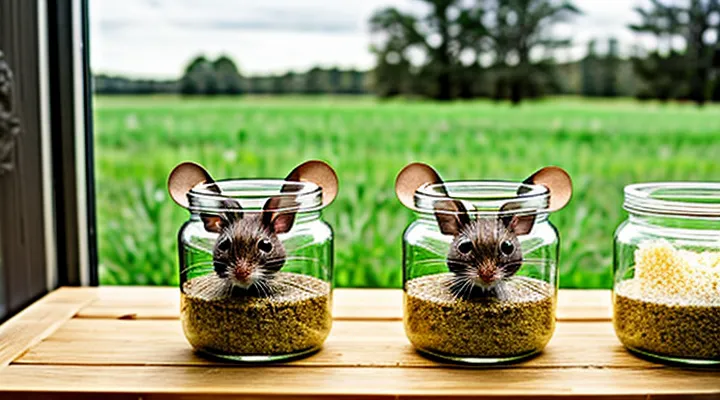
«Understanding Mouse Behavior»
«Why Mice Are Attracted to Certain Foods»
Mice gravitate toward foods that satisfy their physiological demands and exploit their acute sensory abilities.
Grains, seeds, and nuts provide carbohydrates and proteins that support rapid growth and reproduction. Sweet items such as honey, syrup, or fruit juices trigger strong olfactory responses because mice possess taste receptors tuned to detect sugars. High‑fat substances—peanut butter, cheese, or animal fat—offer dense energy, which is advantageous for small mammals with high metabolic rates.
The olfactory system detects volatile compounds at concentrations far below human thresholds. Aromas released by fermenting carbohydrates or decaying matter signal a reliable food source, prompting exploratory behavior. Taste buds on the mouse tongue are especially responsive to sweet and umami stimuli, reinforcing consumption of calorie‑rich items.
Mice require readily digestible calories to maintain body temperature and sustain activity. Foods with high glycemic indices deliver immediate energy, making them especially attractive during periods of cold or scarcity.
Seasonal shifts alter food availability. In autumn, abundant seeds and harvested grains become dominant attractants, while spring sees increased interest in fresh fruits and insects.
Key attractants for bait formulation:
- Whole grain cereals (e.g., oats, wheat)
- Peanut butter or other nut spreads
- Honey or sugar syrup
- Dried fruit pieces
- Cheese or animal fat fragments
Understanding these preferences enables the creation of effective, homemade mouse bait that leverages natural dietary drives.
«Common Bait Preferences»
Understanding mouse bait preferences improves the success of DIY mouse lure preparations.
- Sweet foods: peanut butter, honey, maple syrup, or fruit preserves attract rodents seeking carbohydrate-rich sources.
- Grain-based options: rolled oats, wheat flour, cornmeal, or rice provide familiar staple flavors.
- Protein sources: canned tuna, cooked egg, or powdered milk supply essential amino acids that mice seek during growth periods.
- Fatty components: bacon grease, cheese, or sunflower seed oil deliver high‑energy calories favored in colder months.
- Aromatic additives: vanilla extract, cinnamon, or menthol intensify scent trails, prompting exploratory behavior.
Select ingredients that align with the target mouse’s seasonal diet and local environment. Combine a primary attractant (e.g., peanut butter) with a secondary component (e.g., oats) to create a balanced bait matrix. Adjust texture by adding binding agents such as flour or gelatin to ensure the mixture adheres to placement devices.
Consistent application of these preference guidelines yields reliable capture rates while minimizing waste and exposure to non‑target species.
«Safety First: Important Considerations»
«Handling Ingredients Safely»
«Protective Gear»
When preparing homemade mouse bait, direct skin and eye contact with toxic ingredients must be avoided. Protective gear creates a barrier that prevents accidental exposure and reduces the risk of contamination in the kitchen.
- Nitrile or latex gloves: resist punctures and chemical permeation; replace after each batch.
- Safety goggles or face shield: shield eyes from splashes of powdered attractants or liquid binders.
- Disposable apron or lab coat: protect clothing and limit spread of residues.
- Respiratory mask (N95 or higher): filter airborne particles when mixing powdered substances or grinding dry ingredients.
- Well‑ventilated workspace: open windows or use a fan to disperse fumes from strong-smelling components.
Apply each item before handling bait components. Secure gloves and apron tightly, adjust goggles for a snug fit, and verify mask seal. After mixing, remove gear without touching the outer surfaces, place disposable items in a sealed bag, and wash reusable equipment with soap and hot water. Store the finished bait in a labeled, airtight container away from food preparation areas.
«Preventing Contamination»
When preparing homemade rodent bait, contamination can reduce effectiveness and pose health risks. Use clean utensils, containers, and work surfaces throughout the process. Discard any equipment that shows signs of rust, mold, or residue from previous food preparations.
- Wash hands with soap before handling ingredients and after touching raw bait components.
- Sanitize knives, bowls, and measuring tools with a diluted bleach solution (1 tablespoon bleach per quart of water) and rinse thoroughly.
- Store prepared bait in airtight, food‑grade containers to prevent exposure to dust, insects, or moisture.
- Label containers with preparation date and intended use; discard bait after 48 hours or if any spoilage is observed.
Separate bait ingredients from other kitchen items. Keep peanuts, cheese, or grain mixtures away from areas where human food is prepared to avoid cross‑contamination. If using dairy or meat products, keep them refrigerated until the moment of mixing, then return the bait to a cool environment immediately after preparation.
Maintain a dedicated workspace for bait production. Reserve a specific countertop or table, and clean it after each batch. Avoid using the same sponges or cloths that clean household dishes, as they may transfer bacteria or chemicals onto the bait.
By adhering to these practices, the bait remains attractive to rodents while minimizing the risk of contaminating the home environment or compromising the bait’s potency.
«Placement of Bait for Safety»
«Keeping Bait Away from Pets and Children»
When preparing homemade mouse attractants, the primary safety concern is preventing accidental exposure to non‑target animals and children. Store any mixture in a tightly sealed, clearly labeled container made of glass or heavy‑wall plastic. Keep the container on a high shelf or in a locked cabinet that is inaccessible to pets and youngsters.
Place bait only inside purpose‑built stations that feature a lockable lid and a small entry slot sized for rodents. Position stations along walls, behind appliances, or in crawl spaces where pets cannot crawl and children cannot reach. Verify that the station’s opening does not allow a paw or hand to retrieve the bait.
Select ingredients with low toxicity to mammals. Common recipes that rely on peanut butter, oats, or dried fruit pose minimal risk if ingested in small amounts, unlike those containing strong chemicals or concentrated essential oils. Avoid using substances such as warfarin, zinc phosphide, or powdered metals, which are lethal to pets and children even in trace quantities.
Maintain a strict inventory:
- Record the date of preparation on each container.
- Discard any bait that shows signs of spoilage, mold, or leakage.
- Replace bait stations after a maximum of two weeks, or sooner if pets or children have been observed near them.
Educate household members about the location of bait stations and the importance of not handling them. Supervise children in areas where bait is deployed and restrict unsupervised access to kitchens, basements, and storage rooms. By combining secure containment, low‑risk formulations, and clear household protocols, homemade mouse attractants remain effective while safeguarding the health of pets and children.
«Identifying Safe Baiting Locations»
When placing homemade mouse bait, choose areas that limit exposure to non‑target animals and humans while maximizing the likelihood of rodent contact. Ideal spots are hidden, dry, and close to known mouse pathways such as wall voids, behind appliances, or within cabinets.
Key characteristics of safe bait locations:
- Low traffic zones where children or pets rarely enter.
- Areas with structural gaps (e.g., behind baseboards, under sinks) that mice use for movement.
- Surfaces that do not absorb moisture, preventing bait from becoming soggy and less effective.
- Places where bait can be secured with a trap or container to prevent accidental ingestion.
Before deployment, verify that the selected site complies with local regulations on pest control and that the bait will remain inaccessible to wildlife. Regularly inspect each location to confirm bait integrity and adjust placement if signs of non‑target interference appear.
«Basic Homemade Mouse Bait Recipes»
«Peanut Butter and Oats Mixture»
«Ingredients Needed»
Effective homemade mouse bait relies on a few simple, readily available components. Selecting the right ingredients maximizes attraction while keeping costs low.
- Peanut butter – 2 tablespoons (provides strong scent and a sticky base).
- Rolled oats – ¼ cup (adds texture and a grain aroma).
- Powdered sugar – 1 teaspoon (enhances sweetness).
- Cheese shavings – 2 tablespoons (produces a potent dairy scent).
- Cornmeal – 2 tablespoons (offers additional grain fragrance).
- Water or milk – enough to achieve a spreadable consistency (typically 1–2 tablespoons).
Optional additives include dried fruit pieces, vanilla extract, or a pinch of cinnamon for increased appeal. Adjust quantities proportionally when scaling the mixture for larger bait stations.
«Step-by-Step Instructions»
Creating effective homemade mouse bait requires precise preparation. Follow the sequence below to ensure consistency and potency.
- Assemble ingredients: peanut butter, oats, dried fruit, and a small amount of powdered sugar. Adjust quantities to produce a batch of approximately 30 grams per bait ball.
- Measure each component: 15 g peanut butter, 10 g rolled oats, 4 g chopped dried fruit, and 1 g powdered sugar. Use a kitchen scale for accuracy.
- Combine dry ingredients (oats, fruit, sugar) in a mixing bowl. Stir until evenly distributed.
- Incorporate peanut butter gradually, mixing with a spatula until the mixture forms a cohesive, pliable mass.
- Portion the mixture into 1‑cm diameter spheres. Roll each sphere between fingertips to achieve a smooth shape.
- Place bait balls on a parchment‑lined tray. Refrigerate for 15 minutes to harden, preventing crumbling during deployment.
- Store prepared bait in an airtight container within the refrigerator. Use within one week to maintain freshness.
Execute each step in the presented order. Deviations may reduce bait attractiveness or durability.
«Chocolate and Flour Paste»
«Ingredients Needed»
Effective homemade mouse bait relies on a limited set of ingredients that attract rodents through scent and taste. Selecting the right components ensures consistent results and simplifies preparation.
- Peanut butter (creamy or chunky) – strong odor, high fat content.
- Rolled oats – mild flavor, adds bulk and texture.
- Cheese (hard varieties such as cheddar) – potent aroma, high protein.
- Dried fruit (e.g., raisins or dried apricots) – sweet scent, natural sugars.
- Granulated sugar or honey – enhances palatability.
- Cornmeal or whole‑grain cereal – provides additional texture and carbohydrate source.
- Powdered milk or whey protein – boosts nutritional appeal.
- Optional flavor enhancers: vanilla extract, cinnamon, or a pinch of salt for increased scent intensity.
Typical ratios for a batch of bait range from 1 part peanut butter to 2–3 parts dry ingredients (oats, cornmeal, or cereal). Adjust quantities based on the desired consistency; a thicker mixture adheres better to traps, while a looser blend spreads more easily.
All ingredients should be fresh, stored in airtight containers, and combined thoroughly before shaping into bait portions. This composition delivers the scent profile rodents seek while remaining inexpensive and easy to assemble.
«Step-by-Step Instructions»
Creating effective rodent bait at home requires precise preparation and safe handling. The procedure below outlines each phase, from ingredient selection to bait placement, ensuring consistent results.
-
Assemble materials:
-
Prepare work area:
- Clean surface with disinfectant.
- Wear gloves to prevent contamination and protect skin from allergens.
-
Mix base:
- Place 2 tablespoons of peanut butter in a bowl.
- Add 1 tablespoon of crushed cereal or oats.
- Stir until uniform; texture should be pliable but not overly sticky.
-
Incorporate optional lure:
-
Form bait units:
- Using the spoon, scoop approximately ½ teaspoon of the blend.
- Roll between fingers to create a ball ½ inch in diameter.
- Place each ball on a parchment sheet; repeat until mixture is exhausted.
-
Store and label:
- Transfer completed balls into the airtight container.
- Attach a label with preparation date and intended use.
-
Deploy bait:
-
Monitor and maintain:
- Inspect traps daily; replace any consumed or weather‑exposed bait.
- Discard unused bait after 7 days to prevent spoilage.
Following these steps yields a reliable, low‑cost bait that attracts mice while minimizing risks to non‑target animals and household occupants.
«Sugary Cereal and Oil Lumps»
«Ingredients Needed»
When preparing a DIY mouse bait, gather the following components before mixing.
- Peanut butter (smooth or crunchy) – ½ cup; acts as a strong attractant and binder.
- Rolled oats – ¼ cup; provides texture and additional scent.
- Powdered cheese or dried cheese flakes – 2 tablespoons; adds a potent odor that mice seek.
- Ground wheat germ or cornmeal – 2 tablespoons; enhances nutritional appeal.
- Optional sweetener (honey or maple syrup) – 1 tablespoon; increases palatability for reluctant rodents.
- Water or a few drops of low‑sodium broth – enough to achieve a pliable consistency, typically 1–2 teaspoons.
All ingredients should be fresh and free from mold or spoilage. Measure precisely to ensure the bait holds together yet remains easy for a mouse to consume. Mixing should be performed in a clean container, combining the wet elements first, then folding in the dry powders until a uniform, moldable paste forms. This mixture can be portioned into small, bite‑sized pieces for placement in targeted locations.
«Step-by-Step Instructions»
Creating effective mouse bait at home requires precise preparation and consistent application. Follow the instructions below to mix, deploy, and maintain each formula safely.
-
Peanut‑Butter and Oatmeal Bait
- Measure 2 tablespoons peanut butter and 1 cup rolled oats.
- Combine in a shallow bowl; stir until a uniform paste forms.
- Shape the mixture into small ½‑inch balls.
- Place 3–4 balls near suspected entry points, ensuring they are out of reach of children and pets.
- Replace balls every 48 hours or when they become dry.
-
Flour‑Based Grain Bait
-
Cheese‑Infused Cornmeal Bait
- Combine ½ cup cornmeal, ¼ cup grated cheese, and 2 tablespoons water.
- Stir until the mixture holds together; form small patties.
- Allow patties to air‑dry for 15 minutes to reduce excess moisture.
- Distribute 2–3 patties in concealed corners where rodent activity is observed.
- Remove and replace patties after 72 hours to prevent mold growth.
General Deployment Guidelines
- Wear disposable gloves when handling all bait mixtures.
- Store any unused bait in airtight containers at room temperature; label with preparation date.
- Position bait away from food preparation surfaces and child‑accessible areas.
- Monitor traps daily; record capture dates to assess bait effectiveness and adjust placement as needed.
By adhering to these precise steps, homemade mouse attractants remain potent, safe, and economical.
«Enhancing Bait Effectiveness»
«Adding Attractants»
«Using Scents»
Scent selection determines the effectiveness of a homemade mouse lure. Aromas that mimic natural food sources trigger the rodent’s foraging instinct, prompting investigation and consumption of the bait.
- Peanut butter – strong, fatty odor that attracts most house mice.
- Cinnamon – sweet, spicy scent that repels some predators, making the bait more appealing.
- Vanilla extract – mild, sweet fragrance that enhances palatability.
- Catnip – feline‑derived oil that many rodents find irresistible.
- Anise seed – licorice‑like aroma that stimulates curiosity in small mammals.
Combine the chosen scent with a base such as oatmeal, cheese crumbs, or dried fruit. Mix one part liquid or powdered scent with four parts dry carrier; stir until evenly distributed. For liquid extracts, add no more than 2 ml per 100 g of dry material to avoid oversaturation, which can deter the target.
Store the prepared bait in airtight containers at room temperature for up to two weeks. Label each batch with scent type and preparation date to maintain consistency in field trials. Keep away from children and pets; some essential oils may cause irritation if mishandled.
«Sweeteners and Fats»
Sweeteners provide the primary attraction for rodents, delivering a rapid source of carbohydrate that stimulates feeding behavior. Common options include granulated sugar, brown sugar, honey, maple syrup, and fruit preserves. When incorporated into bait, use 1–2 tablespoons of sweetener per cup of dry base; adjust upward for highly active infestations. Ensure the sweetener is fully dissolved or evenly distributed to prevent clumping, which can reduce palatability.
Fats serve two functions: they enhance scent intensity and create a malleable matrix that holds the bait together. Suitable fats are unsalted butter, vegetable oil, peanut butter, and rendered animal fat (lard). Apply ½–1 tablespoon of fat per cup of dry ingredients; melt solid fats before mixing to achieve a uniform consistency. Fat selection should consider local mouse preferences; peanut butter often yields higher acceptance rates.
Combining sweeteners and fats yields a bait that is both enticing and structurally stable. Mix the chosen sweetener with the dry components, then incorporate the melted fat, stirring until a homogeneous paste forms. Shape the mixture into small pellets or spread thinly on a backing material. Allow the bait to cool and solidify before placement.
Store prepared bait in an airtight container at room temperature for up to two weeks, or refrigerate for longer preservation. Periodically inspect for spoilage; discard any bait that develops off‑odors or mold, as degradation diminishes effectiveness and may introduce health hazards.
«Consistency of Bait»
«Optimizing for Traps»
Effective mouse bait must complement the mechanics of each trap type. Matching bait attributes to trap design maximizes capture rates and reduces bait waste.
- Snap traps: use firm, compact bait that adheres to the trigger plate without slipping. Peanut butter mixed with powdered oats forms a dense paste that stays in place under sudden impact. Add a few drops of vanilla extract to increase olfactory appeal without creating excess moisture.
- Glue boards: apply a thin layer of soft bait that spreads evenly across the adhesive surface. A blend of softened cheese and cornmeal creates a spreadable consistency that contacts the glue fully, ensuring rapid immobilization.
- Live‑catch traps: provide a bulky, chew‑resistant block that encourages entry but resists gnawing through the cage. Combine dried catfish flakes with crushed wheat germ and a small amount of vegetable oil; the mixture hardens into a sturdy plug that mice can grasp but cannot break.
Consistency, scent retention, and placement determine bait performance. Aim for a texture that remains stable for at least 24 hours; excess moisture accelerates spoilage and reduces attractiveness. Store prepared bait in airtight containers at refrigeration temperature until deployment. Position bait at the rear of the trap to force the mouse to contact the trigger or adhesive while seeking the food source.
Testing protocol:
- Deploy identical traps with a single bait formulation for 48 hours.
- Record capture count and bait condition at the end of the period.
- Replace the bait with an alternative recipe and repeat steps 1‑2.
- Analyze results; select the formulation with the highest capture rate and minimal degradation.
Iterative refinement based on these data ensures that homemade mouse bait operates at optimal efficiency for each trap style.
«Preventing Spoilage»
When preparing DIY mouse bait, spoilage reduces effectiveness and can attract unwanted pests. Control moisture by selecting dry ingredients such as powdered peanut butter, dried cheese, or powdered meat extracts. Combine ingredients in a low‑humidity environment and avoid adding fresh liquids unless the bait will be used immediately.
Store the finished bait in airtight containers made of glass or thick plastic. Place containers in a cool, dark area; refrigeration extends shelf life for mixtures containing perishable components. If refrigeration is unavailable, use a desiccant packet inside the container to absorb residual moisture.
Preservative options include:
- A small amount of food‑grade vinegar or citric acid (1‑2 % of total weight) to lower pH.
- A pinch of salt or sugar, which inhibit microbial growth.
- Commercial natural preservatives such as rosemary extract or grapefruit seed extract, added at recommended concentrations.
Before each use, inspect bait for discoloration, off‑odors, or mold. Discard any batch that shows signs of degradation. Rotate stock regularly, labeling containers with the preparation date to ensure the oldest bait is used first.
«Advanced Baiting Strategies»
«Rotation of Bait Types»
Rotating bait types prevents mice from developing a preference for a single formulation, which can reduce capture rates over time. By alternating flavors, textures, and scents, you maintain the lure’s effectiveness and discourage habituation.
Implement a rotation schedule that changes bait every 3‑5 days. Record the start date for each bait, note the number of captures, and switch to a different recipe when catches decline or the set period ends. Consistent tracking allows quick identification of the most successful combinations.
Typical homemade bait variations include:
- Peanut butter mixed with oats – strong scent, smooth texture.
- Sunflower seed paste blended with grated cheese – nutty flavor, crumbly consistency.
- Cornmeal combined with dried apple pieces – sweet aroma, granular feel.
- Ground wheat mixed with a few drops of vanilla extract – mild scent, fine powder.
When planning the rotation, avoid using the same base ingredient in consecutive cycles. For example, follow a peanut‑butter bait with a cornmeal formulation, then a sunflower‑seed blend, and so on. This pattern reduces the chance that mice will recognize and ignore the bait.
Adjust the rotation frequency based on environmental factors such as temperature and food availability. Warmer conditions may accelerate bait degradation, requiring more frequent changes. In colder periods, extend intervals slightly, but still maintain regular alternation to preserve effectiveness.
«Pre-Baiting Techniques»
Pre‑baiting prepares a rodent‑infested area for the final bait placement, increasing acceptance and reducing hesitation. The process involves presenting a low‑risk food source that conditions mice to investigate the target zone without exposing them to the primary lure’s potency.
Effective pre‑baiting steps:
- Choose a bland, readily available food (e.g., plain oats, unsalted peanuts, or dried fruit). The item should lack strong odors that could mask the forthcoming bait.
- Distribute the selected food evenly across the perimeter of the suspected activity zone. Small piles placed near walls, behind appliances, and within crevices encourage exploratory behavior.
- Allow a 24‑ to 48‑hour interval for mice to discover and consume the pre‑bait. Monitor for signs of activity such as gnaw marks or droppings to confirm visitation.
- Replace any depleted pre‑bait to maintain a constant presence, ensuring that the area remains attractive throughout the conditioning period.
After the conditioning phase, remove the pre‑bait and immediately introduce the homemade mouse lure. The prior exposure creates a positive association with the location, prompting quicker uptake of the final bait. Consistent timing and thorough coverage are essential for optimal results.
«Monitoring and Replenishment»
Effective control of rodent activity hinges on systematic observation of bait performance and timely renewal of bait supplies. After deploying homemade mouse bait, record the following data at each station: number of bites, presence of fresh bait, signs of mouse activity, and environmental conditions such as humidity and temperature. Document observations in a simple log, noting the date and time of each check.
Regular inspection intervals prevent bait degradation and maintain attraction. Recommended schedule:
- Daily checks during the first 48 hours to confirm immediate uptake.
- Every 24 hours thereafter for the next five days.
- Every 48 hours until bait consumption stabilizes.
When logs indicate reduced bait consumption, diminished bite marks, or visible spoilage, replenish the station immediately. Replace the used mixture with a fresh batch prepared using the same recipe to preserve scent consistency. Ensure each new portion matches the original quantity and placement depth to avoid confusing the target rodents.
Maintain a spare supply of bait in airtight containers to protect against moisture and mold. Rotate stock to use the oldest mixture first, reducing the risk of stale bait. Consistent monitoring coupled with prompt replenishment sustains the efficacy of DIY rodent control efforts and minimizes the likelihood of reinfestation.
«Disposal of Mice and Bait»
«Safe Handling of Deceased Mice»
When working with dead mice, protect yourself and prevent cross‑contamination. Wear disposable nitrile gloves and change them after each specimen. Wash hands thoroughly with soap and water before leaving the workspace. Disinfect surfaces with a 10 % bleach solution or an EPA‑approved sanitizer; allow contact time of at least five minutes before wiping clean.
Store collected carcasses in sealed, leak‑proof containers. Label containers with the date of collection and keep them in a refrigerated environment (4 °C or lower) if processing will be delayed beyond two hours. When ready to incorporate the material into bait, place the container on a clean tray, open it inside a disposable plastic bag, and transfer only the required amount.
Dispose of unused or excess remains promptly. Seal the waste in a double‑layered bag, add a small amount of disinfectant, and place it in an outdoor trash bin away from food preparation areas. Alternatively, contact a local pest‑control service for hazardous‑waste pickup.
Key safety steps
- Put on fresh nitrile gloves; discard after each use.
- Clean work surfaces with bleach (10 %) or approved sanitizer.
- Keep carcasses in sealed, refrigerated containers.
- Transfer material inside a disposable bag to limit exposure.
- Seal and disinfect waste before final disposal.
Following these procedures minimizes health risks and maintains the integrity of homemade mouse attractant preparations.
«Cleaning Up Bait Residue»
After applying homemade mouse bait, remove any leftover material promptly to avoid attracting non‑target animals and to maintain a sanitary environment. Residue can also cause unpleasant odors and create slip hazards on smooth surfaces.
To clear bait residue safely:
- Sweep or dust‑pan up solid crumbs, then discard them in a sealed plastic bag.
- Use a vacuum equipped with a HEPA filter to capture fine particles; empty the canister into a disposable bag before sealing.
- Wipe surfaces with a damp cloth soaked in mild detergent; rinse the cloth in hot water and repeat if the area remains sticky.
- Dispose of all waste in a tightly closed trash container, preferably lined with a secondary bag to prevent leaks.
For ongoing control of residue:
- Place bait on a shallow, non‑absorbent tray to contain spills.
- Apply only the quantity required for the target area; excess bait increases cleanup workload.
- Store unused bait in airtight containers away from food preparation zones.
Regularly inspecting bait stations and performing the steps above will keep the premises clean, reduce secondary pest risks, and preserve the effectiveness of the homemade attractant.