
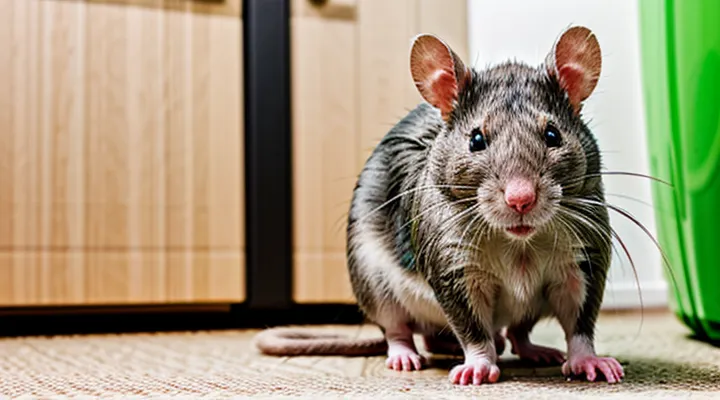
Understanding the Problem: Why Is Your Rat Scratching?
Common Causes of Excessive Scratching
Parasites
Excessive scratching that leads to skin lesions in a pet rat frequently signals a parasitic problem. Parasites irritate the skin directly or trigger allergic responses, prompting the animal to scratch until sores develop.
Common external parasites include:
- « Myobia » (ear mites) that burrow into the ear canal and surrounding fur.
- « Ctenocephalides » (fleas) capable of biting the skin and transmitting pathogens.
- « Polyplax » (lice) that cling to hair shafts and cause persistent irritation.
Internal parasites such as tapeworms and nematodes may also provoke pruritus through systemic allergic reactions.
Accurate diagnosis requires:
- Visual inspection of the coat and ears.
- Skin scrapings examined under a microscope to identify mites or lice.
- Fecal flotation tests to detect eggs of intestinal worms.
Effective treatment protocols involve:
- Topical acaricides applied to affected areas to eradicate mites and lice.
- Oral anthelmintics prescribed for internal worm infestations.
- Thorough cleaning of cages, bedding, and feeding equipment to remove residual parasites.
Preventive measures consist of:
- Regular grooming and inspection of the rat’s skin.
- Isolation and health screening of new arrivals before integration.
- Scheduled veterinary examinations to monitor parasite status and adjust preventative regimens.
Allergies
Allergic dermatitis frequently triggers relentless scratching in pet rats, often progressing to ulcerated skin. Identifying the underlying hypersensitivity is essential for effective intervention.
Common sources of hypersensitivity include:
- Dust‑borne particles from wood shavings or straw
- Protein‑rich foods such as nuts, seeds, or processed treats
- Environmental molds and pollen
- Contact irritants from cage accessories or cleaning agents
Diagnostic protocol consists of:
- Systematic observation of scratching patterns and lesion distribution
- Veterinary assessment with skin cytology or biopsy to exclude parasites
- Elimination trial of suspected foods, typically lasting two to four weeks
- Serum or intradermal testing for specific allergens when available
Therapeutic measures focus on symptom relief and allergen avoidance:
- Replace bedding with «hypoallergenic» alternatives such as paper‑based products
- Introduce a limited‑ingredient diet free of common protein triggers
- Administer veterinarian‑prescribed antihistamines or corticosteroids for acute inflammation
- Apply topical ointments containing soothing agents like aloe or zinc oxide to promote healing
Preventive strategy emphasizes environmental control and nutritional consistency:
- Maintain a clean cage, removing debris and dust daily
- Store food in sealed containers to prevent mold growth
- Rotate new bedding gradually to monitor for adverse reactions
- Conduct regular health checks to detect early signs of irritation
Effective management of allergic skin reactions reduces scratching intensity, prevents secondary infections, and supports overall well‑being in domestic rats.
Skin Conditions
Rats prone to excessive scratching often suffer from dermatological problems that can progress to ulceration. Common skin conditions include mange caused by Notoedres mites, fungal infections such as Trichophyton, bacterial dermatitis, and allergic reactions to bedding or food. Each condition presents distinct clinical signs: localized hair loss, crusty lesions, redness, and, when untreated, open sores.
Effective management begins with accurate diagnosis. Veterinary examination, skin scrapings, and culture tests identify the underlying pathogen. Treatment protocols vary:
- Antiparasitic medication for mite infestations (e.g., ivermectin dosage adjusted for rodents).
- Antifungal agents applied topically or administered systemically for fungal infections.
- Antibiotics targeting identified bacterial species for bacterial dermatitis.
- Elimination of allergens by switching to dust‑free bedding and hypoallergenic diet.
Environmental hygiene reduces recurrence. Clean cages daily, replace soiled bedding, and maintain ambient temperature between 20 °C and 24 °C to prevent skin drying. Regular health checks detect early lesions before they develop into painful sores.
Nutritional support reinforces skin integrity. Diet enriched with omega‑3 fatty acids, vitamin E, and high‑quality protein promotes tissue repair. Hydration remains essential; fresh water should be available at all times.
Monitoring after treatment confirms resolution. Observe for reduced scratching, closure of lesions, and restoration of normal fur patterns. If symptoms persist beyond two weeks, re‑evaluation by a veterinarian is warranted to adjust therapeutic approach.
Environmental Factors
Excessive scratching in pet rats often originates from conditions within the animal’s surroundings. Identifying and adjusting these conditions reduces skin damage and promotes recovery.
Key environmental elements include:
- Temperature maintained between 18 °C and 24 °C; extremes provoke stress and itching.
- Relative humidity kept at 40‑60 %; low humidity dries skin, high humidity encourages fungal growth.
- Bedding composed of dust‑free, absorbent material; scented or abrasive substrates irritate paws and fur.
- Cage size providing at least 0.5 m² floor space; cramped environments limit movement, increasing agitation.
- Lighting cycles of 12 hours light/12 hours dark; sudden illumination changes trigger nervous responses.
- Noise levels below 50 dB; persistent loud sounds elevate cortisol, leading to compulsive grooming.
- Regular enrichment items such as tunnels, chew toys, and climbing structures; deprivation fosters stereotypic scratching.
Additional factors to monitor:
- Presence of ectoparasites; mites and lice cause intense pruritus.
- Diet lacking essential fatty acids; deficiency weakens skin barrier.
- Air quality free of strong odors and chemicals; scented cleaners or aerosols exacerbate irritation.
Addressing each factor systematically creates a stable habitat, diminishing the urge to scratch and allowing skin lesions to heal.
Stress and Behavioral Issues
Excessive scratching that results in sores often signals underlying stress and related behavioral problems in a pet rat. Identifying and mitigating these factors reduces self‑inflicted injury and improves overall welfare.
Typical stressors include sudden changes in cage layout, isolation from conspecifics, irregular handling schedules, insufficient environmental enrichment, and nutritional deficiencies. Each element can trigger heightened arousal, leading to compulsive grooming or self‑directed scratching.
Behavioral signs of distress manifest as persistent scratching, over‑grooming of specific body regions, self‑biting, and increased aggression toward cage mates or handlers. These actions frequently precede skin lesions and may exacerbate existing wounds.
Practical measures:
- Maintain a stable environment; avoid frequent rearrangement of bedding, toys, or feeding stations.
- House rats in compatible pairs or groups to satisfy social needs.
- Provide enrichment items such as tunnels, chew sticks, and climbing structures to promote natural foraging behavior.
- Establish a consistent handling routine; limit abrupt interactions and ensure gentle restraint.
- Verify diet meets protein, fiber, and vitamin requirements; supplement with fresh vegetables when appropriate.
- Conduct regular health checks; consult a veterinarian if lesions persist or worsen, as secondary infections may develop.
Addressing stressors and modifying the environment directly curtails the compulsive scratching response, fostering healthier skin and reducing the risk of severe sores.
Nutritional Deficiencies
Excessive scratching that results in sores often indicates an underlying nutritional imbalance. When a rat’s diet lacks essential nutrients, skin integrity deteriorates, prompting compulsive grooming and tissue damage.
Key deficiencies linked to dermatological problems include:
- Vitamin A – insufficient levels cause dry, flaky skin and impaired epithelial renewal.
- B‑vitamins (particularly B2, B3, B5) – deficits lead to crusty lesions and reduced keratin production.
- Vitamin E – low antioxidant protection contributes to inflammation and delayed wound healing.
- Essential fatty acids (omega‑3, omega‑6) – inadequate supply results in brittle fur, pruritus, and compromised barrier function.
- Zinc – deficiency manifests as hair loss, erythema, and ulceration.
- Calcium and phosphorus – imbalances affect skin cell turnover and structural stability.
- Protein – insufficient quality or quantity reduces collagen synthesis, weakening tissue repair.
Each deficiency presents specific clinical signs. Dryness and scaling suggest vitamin A shortage; crusted patches and mucous membrane changes point to B‑vitamin gaps; persistent inflammation often reflects low vitamin E or essential fatty acids; hair loss and ulceration are typical of zinc deficiency; and poor wound closure correlates with protein inadequacy.
Optimal nutrition combines high‑quality commercial rat pellets with fresh produce. Recommended additions:
- Dark leafy greens (kale, spinach) for vitamins A and K.
- Carrots and bell peppers for beta‑carotene and antioxidants.
- Small portions of fruit (apple, berries) for additional vitamins and fiber.
- Omega‑3 source such as a few drops of fish oil or a teaspoon of ground flaxseed weekly.
- Hard‑boiled egg or cooked lean meat for supplemental protein and zinc.
Regular assessment supports early detection of deficits. Monitor body weight, coat condition, and lesion progression. Periodic veterinary blood panels confirm micronutrient status and guide targeted supplementation.
«Nutritional imbalances are a frequent cause of dermatological problems in rodents», emphasizing the need for a balanced diet to prevent self‑inflicted skin trauma.
Immediate Steps to Alleviate Your Rat’s Discomfort
First Aid for Sores and Irritation
Cleaning and Disinfecting Wounds
A pet rat that scratches itself to the point of open lesions requires immediate wound care to prevent infection and promote healing.
Gather sterile saline solution, clean gauze, disposable gloves, and a mild antiseptic such as chlorhexidine diluted to a veterinary‑approved concentration. Wear gloves, then rinse the wound with saline to remove debris. Pat the area dry with sterile gauze, avoiding rubbing that could cause further tissue damage.
Apply an antiseptic spray or wipe that is safe for small mammals. Do not use hydrogen peroxide or alcohol, as they damage delicate skin. After disinfecting, cover the wound with a non‑adhesive dressing secured with a light, breathable wrap. Change the dressing daily or whenever it becomes wet or soiled.
Monitor the wound for signs of worsening inflammation, swelling, or discharge. If any of these appear, or if the rat shows decreased activity or loss of appetite, seek veterinary evaluation promptly. Regular cleaning and proper disinfection remain essential components of effective wound management.
Applying Topical Treatments
Topical therapy offers a direct method for reducing inflammation and preventing infection in rats that have developed skin lesions from excessive scratching. Selecting an appropriate preparation requires consideration of the animal’s size, species‑specific skin sensitivity, and the presence of any secondary bacterial contamination.
Effective products include:
- Veterinary‑grade antiseptic gels containing chlorhexidine or povidone‑iodine, applied with a sterile cotton swab to the affected area twice daily.
- Hydrocortisone‑based creams (≤1 %) for short‑term inflammation control, limited to a maximum of three consecutive days.
- Aloe‑vera or lanolin ointments for moisture retention and barrier protection, used after cleansing and before dressing.
Application protocol:
- Clean the wound with a mild saline solution; pat dry with a lint‑free pad.
- Apply a thin layer of the chosen topical agent, avoiding excess that could be ingested.
- Cover with a breathable, non‑adhesive dressing if the rat is prone to further grooming.
- Re‑evaluate the site after 24 hours; adjust treatment based on signs of improvement or worsening.
Monitoring for adverse reactions, such as increased redness, swelling, or behavioral changes, is essential. Prompt veterinary consultation is advised if the lesion fails to improve within five days or if systemic illness signs appear.
Preventing Further Self-Trauma
Preventing further self‑inflicted injuries in a pet rat requires immediate environmental modification, behavioral intervention, and medical support.
Eliminate objects that encourage excessive scratching by removing rough bedding, sharp cage accessories, and loose substrate. Replace with soft, low‑dust materials such as paper‑based bedding or fleece liners. Ensure the cage provides smooth surfaces for climbing, reducing friction on vulnerable skin.
Implement regular grooming to remove debris and reduce itch triggers. A gentle brush, used once or twice daily, distributes natural oils and identifies early signs of irritation.
Apply topical treatments only under veterinary guidance. Antiseptic creams or barrier ointments create a protective layer, limiting direct contact with claws.
Introduce environmental enrichment that redirects attention away from scratching. Provide chewable toys, tunnels, and foraging opportunities to occupy the rat’s natural investigative behavior.
Monitor health indicators closely. Record frequency of scratching, appearance of lesions, and changes in activity. Prompt veterinary assessment is essential when sores develop, to address infection, parasites, or underlying dermatological conditions.
Adopt a structured routine that includes:
- Daily inspection of paws and fur for redness or hair loss.
- Weekly cleaning of the cage to remove allergens and waste.
- Periodic veterinary check‑ups for skin health evaluation.
Consistent application of these measures reduces the likelihood of recurrent trauma, promotes faster healing, and supports overall well‑being.
Environmental Adjustments for Relief
Cage Cleaning and Hygiene
Maintaining a clean enclosure is critical for preventing skin lesions caused by excessive grooming in pet rats. Accumulated waste, urine, and bedding particles create a moist environment that encourages bacterial growth and irritates sensitive skin. Regular removal of soiled material eliminates the primary source of infection and reduces the urge to scratch.
A disciplined cleaning schedule includes:
- Daily spot‑cleaning: discard wet bedding, uneaten food, and droppings; replace with fresh, absorbent substrate.
- Weekly deep cleaning: empty the cage, wash all surfaces with a mild, non‑chlorine disinfectant, rinse thoroughly, and dry before adding new bedding.
- Monthly inspection: examine cage corners, water bottles, and enrichment items for hidden debris; sanitize any items that cannot be removed.
Ventilation plays a role in humidity control. Position the cage away from direct drafts yet ensure adequate airflow to keep moisture levels low. Monitoring temperature and humidity with a simple hygrometer helps maintain conditions that discourage fungal and bacterial proliferation.
Consistent hygiene eliminates irritants that trigger compulsive scratching, supporting healthier skin and preventing sores from developing.
Dust Control and Allergen Reduction
Rats that scratch intensely often develop skin lesions, and airborne particles can aggravate the condition. Reducing dust and allergens creates a cleaner environment, lessening irritation and supporting faster healing.
Regular cleaning eliminates residual feed, shed fur, and bedding fragments that become airborne. Vacuum with a HEPA‑rated filter, wipe cage surfaces with a damp cloth, and replace substrate weekly. Choose low‑dust materials such as paper‑based bedding or aspen shavings; avoid pine, cedar, or scented litters that release volatile compounds.
Allergen control complements dust reduction. Select hypoallergenic bedding, wash hands after handling, and bathe the animal only when necessary to avoid stripping natural oils. Install an air purifier equipped with a HEPA filter to capture fine particles. Maintain proper ventilation by providing fresh‑air exchange without creating drafts.
Practical steps:
- Clean cage and accessories twice weekly with HEPA‑compatible equipment.
- Switch to low‑dust, unscented substrate; replace it every 5–7 days.
- Introduce a HEPA air purifier sized for the room housing the rat.
- Monitor humidity; keep it between 40 % and 60 % to prevent dry skin.
- Limit exposure to household allergens (e.g., dust‑mite‑prone fabrics) near the cage.
Implementing these measures reduces particulate load, minimizes allergen exposure, and helps prevent further skin damage in a pet rat prone to excessive scratching.
Temperature and Humidity Management
Maintaining optimal environmental conditions reduces skin irritation and curtails compulsive scratching in pet rats.
A stable ambient temperature between 18 °C and 24 °C supports normal metabolic activity and prevents vasoconstriction that can exacerbate lesions. Temperatures below 18 °C increase shivering, leading to heightened stress and grooming, while temperatures above 24 °C promote dehydration of the epidermis and encourage excessive scratching.
Relative humidity should be kept within 45 % to 55 %. Lower humidity accelerates skin dryness, facilitating fissures that become entry points for pathogens. Higher humidity creates a moist environment conducive to fungal growth and aggravates dermatitis.
Monitoring and adjustment require reliable equipment and routine checks:
- Digital thermometer with ±0.5 °C accuracy, placed at cage level.
- Hygrometer calibrated to ±2 % RH, positioned away from direct airflow.
- Adjustable heating pad or ceramic heat emitter for fine‑tuning temperature.
- Humidifier with automatic control or a water dish with absorbent material to raise humidity gradually.
Observe the rat for signs of discomfort: rapid breathing, hunched posture, or increased grooming. Immediate correction of temperature or humidity deviations prevents escalation of skin damage and promotes faster healing.
Regular cleaning of bedding and ventilation checks sustain the targeted climate, ensuring the environment remains supportive of dermal recovery.
Seeking Professional Veterinary Care
When to Consult a Veterinarian
Persistent or Worsening Symptoms
Persistent or worsening symptoms in a rat that scratches until skin breaks demand immediate attention. Continuous hair loss, red or inflamed patches, and open wounds indicate that the underlying cause is not resolving. Signs to monitor include:
- Increasing size or depth of lesions
- Presence of pus, foul odor, or crusting
- Behavioral changes such as lethargy, reduced appetite, or abnormal vocalization
- Rapid weight loss or dehydration
When any of these indicators appear, veterinary evaluation is essential. A professional can differentiate between allergic dermatitis, parasitic infestation, bacterial infection, or underlying systemic disease. Diagnostic steps typically involve skin scrapings, bacterial cultures, and blood work. Treatment may require topical antiseptics, systemic antibiotics, antiparasitic medication, or dietary adjustments to address nutritional deficiencies.
Early intervention prevents secondary infections, scarring, and chronic pain. Continuous observation and prompt response to symptom escalation protect the rat’s health and improve recovery prospects.
Signs of Infection
Rats that engage in persistent scratching can develop secondary infections at the site of the wound. Early detection prevents complications and supports recovery.
Typical indicators of infection include:
- Red, inflamed skin surrounding the lesion
- Swelling that progresses beyond the original abrasion
- Purulent or serous discharge, often with an unpleasant odor
- Elevated temperature of the affected area, detectable by touch
- Generalized lethargy or reduced activity levels
- Decreased food and water intake
- Fever, confirmed by rectal temperature measurement
- Unusual grooming behavior or avoidance of the injured region
Observation of any combination of these signs warrants immediate veterinary assessment. Prompt antimicrobial therapy and wound care reduce the risk of systemic spread and promote healing.
Unknown Causes
Domestic rats may develop self‑inflicted skin lesions when scratching reaches the point of open sores. When the trigger cannot be identified, the condition falls under «unknown causes» and requires systematic assessment.
Potential hidden factors include:
- Unrecognized environmental irritants such as rough bedding or scented cleaning agents.
- Subclinical parasitic infestations that evade routine observation.
- Nutritional deficiencies, particularly in essential fatty acids and vitamin E.
- Latent dermatological infections not evident without laboratory analysis.
- Neurological or pain‑related disorders that manifest as compulsive grooming.
A structured diagnostic protocol should comprise:
- Comprehensive physical examination by a qualified veterinarian.
- Laboratory screening for parasites, bacterial cultures, and fungal spores.
- Blood work to evaluate nutritional status and inflammatory markers.
- Environmental audit covering cage size, substrate type, temperature, humidity, and handling frequency.
While investigations proceed, management measures aim to minimize tissue damage:
- Replace abrasive bedding with soft, dust‑free material.
- Maintain consistent cage temperature (20‑24 °C) and humidity (45‑55 %).
- Provide enrichment objects to reduce stress‑induced grooming.
- Apply veterinary‑approved topical protectants to lesions after cleaning with sterile saline.
- Monitor scratching frequency and lesion progression, reporting any changes to the veterinarian promptly.
Addressing «unknown causes» demands diligent observation, thorough testing, and proactive environmental control to prevent further injury and promote recovery.
Preparing for Your Vet Visit
Gathering Information About Your Rat’s Health
Gathering reliable data on a pet rat’s condition forms the foundation for any intervention aimed at preventing self‑inflicted skin damage.
Key health indicators to record include:
- Activity level: frequency of movement, signs of lethargy, or abnormal pacing.
- Grooming behavior: intensity of scratching, presence of hair loss, or visible lesions.
- Appetite and water intake: changes in consumption patterns, refusal of food, or selective eating.
- Weight: regular measurement to detect rapid loss or gain.
- Environmental factors: cage cleanliness, bedding type, temperature, and humidity levels.
Assessment methods should be systematic. Conduct a visual inspection of the coat and skin, noting any redness, wounds, or scabs. Use a digital scale to obtain precise weight readings at consistent intervals. Collect a small stool sample for parasitic screening, and compare results with veterinary guidelines. Document any previous illnesses, vaccinations, or treatments, especially those related to dermatological issues.
When data reveal irregularities—such as sudden weight decline, persistent lesions, or altered behavior—prompt consultation with a qualified veterinarian is essential. Provide the practitioner with the compiled records to facilitate accurate diagnosis and targeted therapy.
Documenting Symptoms and Changes
Accurate documentation of a pet rat’s skin condition provides the foundation for effective intervention. Record each observation promptly, noting the exact location, size, and depth of lesions. Include the date and time of every entry to establish a clear timeline of progression.
- Visual description: measure wound dimensions in millimeters, describe coloration, presence of exudate, and any signs of inflammation.
- Behavioral notes: log frequency of scratching episodes, duration of each bout, and any changes in activity or appetite.
- Environmental factors: record cage temperature, humidity, bedding type, and recent cleaning products.
- Treatment actions: specify medications applied, dosage, method of administration, and time elapsed since application.
- Photographic evidence: capture high‑resolution images from consistent angles, label files with date and identifier, and store them in a secure folder.
Regular review of the compiled data highlights trends, such as worsening irritation after a bedding change or improvement following topical therapy. Adjust care protocols based on evidence rather than assumption, ensuring that each modification is followed by a new set of observations. Continuous, systematic documentation enables timely veterinary consultation and enhances the likelihood of full recovery.
Long-Term Management and Prevention
Dietary Considerations
High-Quality Nutrition
Proper nutrition directly influences skin integrity and immune function in pet rats, reducing the likelihood of self‑induced lesions.
Balanced protein sources—such as cooked chicken, boiled egg, or commercial rat pellets with ≥18 % protein—provide amino acids essential for keratin synthesis and tissue repair.
Essential fatty acids, particularly omega‑3 and omega‑6, support anti‑inflammatory pathways and maintain a healthy coat. Include small quantities of flaxseed oil, fish oil, or omega‑rich seeds in daily rations, ensuring total fat does not exceed 10 % of caloric intake.
Vitamins A, E, and C act as antioxidants and promote epithelial regeneration. Fortified pellets often meet these requirements; supplemental sources (e.g., carrot puree for vitamin A, small pieces of bell pepper for vitamin C) can be offered sparingly.
Mineral balance, especially zinc and selenium, is critical for wound healing. Verify that commercial diets provide adequate levels; avoid excess copper, which can impair skin health.
Hydration supports cellular processes and prevents dry, itchy skin. Fresh water should be available at all times, and occasional moisture‑rich foods—cucumber slices or unsweetened applesauce—can augment fluid intake.
A sample daily menu illustrating these principles:
- One measured portion of high‑protein pellet (approximately 15 g).
- 2 g of cooked lean meat or boiled egg.
- ½ tsp of flaxseed oil mixed into the pellet.
- A small piece of carrot or bell pepper for vitamins.
- Fresh water and a half‑cup of cucumber slices for hydration.
Consistent feeding of nutrient‑dense diets reduces dermal irritation, accelerates healing of existing sores, and diminishes the compulsive scratching behavior common in domestic rats.
Regular monitoring of weight, coat condition, and lesion progression guides adjustments in nutrient ratios, ensuring optimal recovery and long‑term health.
Supplements and Fatty Acids
Supplements and fatty acids can mitigate excessive scratching in pet rodents by supporting skin integrity, reducing inflammation, and promoting tissue repair.
Essential fatty acids, particularly omega‑3 and omega‑6, are incorporated into cellular membranes, enhancing barrier function and decreasing pruritus. Sources include fish‑oil capsules (eicosapentaenoic acid, docosahexaenoic acid) and plant‑derived oils such as flaxseed or hemp, which provide alpha‑linolenic acid. A daily dose of 50–100 mg of combined EPA/DHA per kilogram of body weight is commonly effective; however, gradual introduction prevents gastrointestinal upset.
Vitamins and minerals that complement fatty acids:
- Vitamin E (mixed tocopherols), 5–10 IU per kilogram, antioxidant protection for lipid‑rich skin layers.
- Zinc, 1–2 mg per kilogram, essential for keratinocyte proliferation and wound closure.
- B‑complex vitamins, especially B‑12 and B‑6, 0.5 mg per kilogram, support nerve health and reduce neuropathic itch.
Probiotic supplements containing Lactobacillus spp. may stabilize gut flora, indirectly reducing systemic inflammation that can exacerbate dermatologic symptoms. Recommended dosage aligns with manufacturer guidelines for small mammals, typically 1 × 10⁸ CFU per day.
When incorporating supplements, monitor weight, coat condition, and lesion progression weekly. Adjust dosages if signs of hypervitaminosis or fatty‑acid imbalance appear, such as lethargy or oily fur.
Consultation with a veterinarian experienced in exotic pets ensures appropriate formulation and prevents adverse interactions with concurrent medications.
Maintaining a Healthy Environment
Regular Cage Maintenance
Regular cage maintenance is essential for preventing self‑inflicted injuries in pet rats. Clean bedding removes irritants that can provoke excessive scratching. Replace soiled substrate at least once a week; dispose of debris that may harbor parasites or mold.
Key maintenance actions:
- Daily inspection – Scan the enclosure for loose wires, sharp edges, or protruding bars that could damage sensitive skin.
- Weekly deep cleaning – Remove all accessories, scrub surfaces with a mild, rat‑safe disinfectant, rinse thoroughly, and dry before reassembly.
- Frequent water and food bowl sanitation – Wash containers with hot water and a non‑toxic cleanser to prevent bacterial growth that may cause itching.
- Regular enrichment rotation – Clean and rotate toys, tunnels, and chew items to eliminate accumulated waste and reduce the risk of skin irritation.
Consistent removal of waste, monitoring of enclosure integrity, and rotation of enrichment items together create an environment that minimizes the likelihood of rats developing sores from persistent scratching.
Enrichment and Stress Reduction
Enrichment and stress reduction are essential components in preventing severe self‑inflicted injuries in pet rats. Providing a varied environment satisfies natural foraging instincts, reduces boredom, and diminishes the urge to over‑groom.
- Offer chewable items such as untreated wood blocks, cardboard tubes, and safe plastic toys.
- Rotate hiding places, tunnels, and climbing structures weekly to maintain novelty.
- Introduce foraging opportunities by scattering small food pieces in shredded paper or puzzle feeders.
- Schedule short, daily interaction sessions that include gentle handling and scent‑based games.
Stress mitigation relies on consistent routine and environmental stability. Maintaining a predictable lighting schedule, minimizing loud noises, and keeping the cage in a low‑traffic area contribute to a calmer demeanor. Regular health checks identify underlying skin conditions or parasites that may exacerbate scratching.
- Keep cage temperature between 18 °C and 24 °C, with low humidity to prevent skin irritation.
- Use a soft, absorbent bedding such as paper pulp, changed regularly to avoid moisture buildup.
- Limit exposure to other household pets that may cause intimidation or competition for resources.
- Provide a quiet retreat zone, such as a covered hideaway, where the rat can retreat when stressed.
Combining these enrichment strategies with a stable, low‑stress environment reduces compulsive scratching, promotes healthier skin, and supports overall well‑being. Continuous observation and adjustment ensure the habitat remains engaging and soothing as the rat’s needs evolve.
Ongoing Monitoring and Care
Regular Health Checks
Regular health examinations are essential for early detection of conditions that provoke excessive scratching in pet rats. Veterinary assessment should occur at least quarterly, focusing on skin integrity, parasite load, and underlying medical issues.
Key components of each check include:
- Visual inspection of fur and skin for lesions, redness, or hair loss.
- Palpation of the abdomen and limbs to identify masses or swelling.
- Laboratory analysis of blood and fecal samples to screen for infections, nutritional deficiencies, and metabolic disorders.
- Evaluation of ear canals and nasal passages for mites, fleas, or bacterial overgrowth.
- Review of diet, housing hygiene, and enrichment to eliminate environmental irritants.
Prompt treatment of identified problems—such as antiparasitic medication, dietary supplementation, or wound care—reduces the likelihood of self‑inflicted injuries and supports overall welfare.
Recognizing Early Signs of Relapse
A pet rat that has experienced severe skin damage from persistent scratching may improve with proper care, yet the condition can reappear if early warning signs are missed. Recognizing the onset of relapse enables timely intervention, preventing further tissue loss and infection.
Key indicators of a returning problem include:
- Increased frequency of pawing at the fur or skin, especially during periods of rest.
- Emergence of fresh reddened patches or small abrasions that were previously healed.
- Noticeable reduction in grooming activity, leading to a dull coat and uneven fur distribution.
- Altered posture or reluctance to move, suggesting discomfort or pain.
- Elevated respiratory rate or subtle signs of stress, such as rapid whisker twitching.
Observation of these symptoms should prompt immediate assessment of environmental factors, such as cage cleanliness, humidity levels, and potential allergens. Adjustments may involve:
- Enhancing cage sanitation to eliminate residual irritants.
- Introducing safe, low‑stress enrichment items to reduce compulsive scratching.
- Consulting a veterinarian for possible medication reassessment or topical treatment revision.
Continual monitoring, combined with swift response to the listed signs, sustains recovery and minimizes the risk of the condition worsening. The use of precise, objective observation remains the most reliable method for detecting «relapse» before it escalates.