
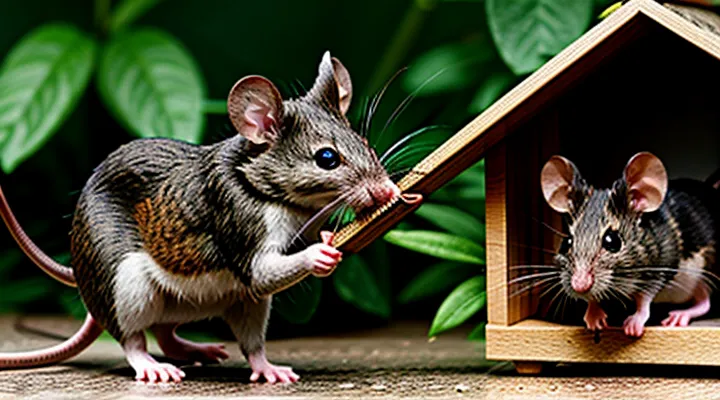
Understanding Mouse Behavior
Common Mouse Habits
Diet and Food Sources
Mice are attracted to foods that match their natural diet, making bait selection the most reliable factor for safe, hand‑held capture. Their preferences include high‑energy grains, protein‑rich insects, and sweet or fatty substances found in household waste.
- Whole grains such as wheat, oats, and corn kernels
- Seeds and nuts, especially sunflower seeds and peanuts
- Dried fruits like raisins or small pieces of apple
- Protein sources: cooked egg, small pieces of cooked chicken, or canned fish
- Sweet items: honey, caramel, or a thin layer of peanut butter
Choosing a single food type that aligns with the mouse’s seasonal cravings improves the likelihood of a quick, humane grasp. Freshness matters; stale or moldy bait reduces interest and may encourage avoidance. Present the bait on a clean surface, limiting residue that could slip from the hand during the capture attempt.
When preparing bait, avoid strong odors unrelated to the mouse’s diet, as they can distract or repel. Small, manageable portions allow the handler to maintain control, minimizing the risk of bite or escape. Consistent placement of the chosen food source near the anticipated path directs the mouse into the capture zone without forcing aggressive behavior.
Nesting Locations
Identifying where a mouse builds its nest is a prerequisite for successful manual capture. Mice select sites that provide shelter, warmth, and easy access to food sources. Recognizing these locations allows you to approach the animal with minimal stress and reduces the risk of injury.
Typical nesting sites include:
- Wall voids and gaps behind baseboards
- Insulated spaces under appliances such as refrigerators or stoves
- Cluttered storage areas, especially cardboard boxes and fabric piles
- Ceiling joist cavities and attic corners
- Burrows in dense vegetation or garden mulch
Inspection should involve a systematic visual survey and the use of a flashlight to detect shredded material, droppings, or gnaw marks. When evidence appears, place a thin piece of cardboard or a disposable glove near the suspected entrance to confirm activity without direct contact.
Approach each nest with gloves, long sleeves, and eye protection. Keep movements slow and maintain a clear line of sight. If the mouse is startled, allow it to retreat before attempting capture; sudden aggression increases the chance of bite or escape.
The practical sequence for hand removal is:
- Secure the area by sealing entry points identified during inspection.
- Position a sturdy container within arm’s reach of the nest.
- Gently coax the mouse into the container using a soft instrument or by guiding it with a gloved hand.
- Close the container immediately and release the animal at a safe distance from the building.
By focusing on nesting locations, you limit the need for traps, preserve the animal’s welfare, and maintain a controlled environment for safe hand capture.
Recognizing Signs of Mouse Presence
Droppings and Urine
Droppings and urine left by rodents contain pathogens that can cause disease if inhaled, ingested, or contacted through skin. Direct handling of a mouse without addressing these contaminants increases the risk of leptospirosis, hantavirus, and salmonella infection.
Before attempting to capture a mouse, wear disposable nitrile gloves and a mask rated N95 or higher. Use a disposable plastic bag or a sealed container to transport the animal, minimizing contact with surfaces that may be contaminated.
Identify areas where droppings accumulate:
- Dark, pellet‑shaped feces, 5‑10 mm long, found near food sources, along walls, or in hidden corners.
- Wet or shiny streaks indicating urine trails, often visible under ultraviolet light.
Clean identified zones promptly. Follow these steps:
- Ventilate the room for at least 15 minutes; open windows and use an exhaust fan.
- Wet the affected surfaces with a solution of one part bleach to nine parts water; allow the liquid to remain for 10 minutes to neutralize pathogens.
- Remove the material with a disposable paper towel, place it in a sealed bag, and discard it according to local hazardous‑waste guidelines.
- Wash hands thoroughly with soap and water after glove removal.
After cleaning, inspect the capture area for residual odors that may attract the mouse. Replace any food or water sources with sealed containers to prevent re‑contamination.
Maintain a schedule of weekly inspections and cleaning to keep droppings and urine levels low, thereby reducing health hazards while you work toward a safe hand capture.
Gnaw Marks and Tracks
Identify gnaw marks by their distinctive V‑shaped bite edges and the clean removal of material. Fresh gnawing leaves smooth, glossy surfaces, while older marks show rougher edges and discoloration. Examine wooden furniture, baseboards, and plastic containers for these signs; they indicate the mouse’s preferred travel routes and feeding stations.
Track detection relies on three observable cues:
- Dark, irregular footprints in dust, flour, or soft soil, typically 1‑1.5 cm long with five toe pads.
- Small, dark droppings 3‑5 mm in length, often found near gnaw sites or along walls.
- Smudge trails of urine, visible as faint, wet streaks on surfaces, especially near entry points.
Combine gnaw‑mark locations with track patterns to map the mouse’s activity corridor. Prioritize areas where marks intersect, as these points increase the likelihood of encountering the animal during a hand capture attempt.
When planning a safe capture, clear the identified corridor of obstacles, wear thick gloves, and position a humane trap or a sturdy container at the intersection. Approach quietly, keep hands steady, and use a swift, controlled motion to seize the mouse, minimizing stress for both handler and rodent.
Preparing for the Catch
Safety Precautions
Protecting Yourself from Bites
When attempting to capture a mouse manually, the primary risk is a bite that can transmit disease or cause injury. Proper preparation and technique minimize this danger.
Wear thick, puncture‑resistant gloves that cover the wrist and forearm. Choose gloves made of leather or reinforced nitrile, as they provide a barrier against sharp teeth. Verify the fit before beginning; loose gloves reduce tactile control, while tight gloves limit dexterity.
Maintain a stable posture. Kneel or squat close to the floor, keeping the spine neutral and the weight evenly distributed. This stance reduces the chance of sudden movements that could trigger a defensive bite.
When the mouse is within reach, use a swift, controlled motion:
- Position the gloved hand slightly above the rodent’s head.
- Close the fingers around the neck and upper torso, applying gentle pressure to immobilize.
- Avoid squeezing the abdomen; excessive force can cause the mouse to bite reflexively.
If the mouse attempts to bite, the gloves absorb the impact, but keep the fingers curled inward to protect the fingertips. Release the animal only after the bite threat is neutralized and the mouse is securely held.
After each capture, disinfect gloves and any surfaces the mouse contacted. Use an alcohol‑based solution or a diluted bleach mixture (1 part bleach to 9 parts water) for at least one minute. Proper sanitation prevents cross‑contamination and reduces the likelihood of secondary infections.
By adhering to these precautions, you protect yourself from bites while maintaining effective, humane control of the rodent.
Hygiene After Handling
After releasing or transferring a captured mouse, immediate sanitation prevents infection and cross‑contamination. Wash hands thoroughly with soap and warm water for at least 20 seconds, scrubbing under nails and between fingers. Rinse and dry completely before touching food, surfaces, or other animals.
Sanitize any equipment used during capture. Immerse gloves, traps, or tools in a solution of diluted bleach (1 part bleach to 9 parts water) for five minutes, then rinse with clean water and allow to air‑dry. Alternatively, apply an alcohol‑based disinfectant that remains wet for the manufacturer‑specified contact time.
Post‑handling hygiene checklist
- Remove gloves and discard if single‑use; otherwise, launder reusable gloves at high temperature.
- Clean and disinfect work surfaces with an EPA‑approved sanitizer.
- Place any bedding, droppings, or carcasses in sealed bags and dispose of them according to local regulations.
- Store cleaned tools in a dry, uncontaminated area.
- Monitor hands and skin for irritation; seek medical advice if signs of infection appear.
Consistent application of these measures maintains a safe environment for both the handler and surrounding occupants.
Essential Tools and Materials
Gloves and Protective Gear
When manually removing a mouse, protective equipment limits exposure to bites, scratches, and potential pathogens. Gloves create a barrier that prevents direct contact, while additional gear shields vulnerable skin and eyes from accidental injury.
-
Glove materials:
• Thick leather – high puncture resistance, durable grip.
• Nitrile or latex – chemical resistance, good dexterity for delicate handling.
• Heavy‑duty cotton with reinforced stitching – comfortable for extended use, moderate protection. -
Fit and coverage:
• Tight enough to maintain tactile feedback, loose enough to allow finger movement.
• Extend to the wrist or forearm to protect against accidental claw penetration. -
Supplementary gear:
• Long‑sleeved shirt or disposable gown to shield arms.
• Safety glasses or face shield to guard against splatter.
• Dust mask or respirator when dealing with droppings or strong odors. -
Maintenance:
• Inspect gloves for tears before each use.
• Clean reusable gloves with mild detergent and disinfectant after handling.
• Dispose of single‑use gloves in a sealed bag to avoid contamination.
Containment Options «Bucket, Box, etc.»
When a mouse is captured by hand, immediate containment prevents escape and reduces stress for both animal and handler. Choose a container that can be sealed quickly, is sturdy enough to resist gnawing, and allows safe transport to a release site or humane euthanasia facility.
A bucket works well if it has a wide opening and a secure lid with a latch. Place the bucket on the floor, position a towel or cardboard at the bottom to cushion the mouse, and after capture, lower the animal into the bucket before sealing. The vertical walls discourage climbing, and the lid prevents accidental opening.
A box offers visibility and ease of handling. Opt for a rigid plastic or wooden box with a snap‑fit lid. Cut a small ventilation slot covered by mesh to maintain airflow while keeping the mouse inside. After the mouse is placed inside, close the lid and lock it with a rubber band or clip.
Other viable options include:
- A sturdy trash can with a foot‑pedal lid; the pedal allows hands‑free closure.
- A metal or heavy‑gauge glass jar with a screw‑on lid; ensure the jar is large enough for the mouse to turn without injury.
- A fabric tote with a drawstring; use only if the mouse will be transferred immediately, as the material can tear.
Regardless of the container selected, follow these safety steps:
- Verify the container is free of sharp edges or loose parts.
- Keep the container within arm’s reach to avoid dropping.
- Seal the container immediately after placement; do not delay.
- Label the container if transport to an external facility is required.
Selecting the appropriate containment device and applying these procedures ensures a controlled, humane outcome while protecting the handler from bites or disease exposure.
Safe Hand-Catching Techniques
Approaching the Mouse
Gentle and Calm Movements
Gentle and calm movements are essential when attempting to secure a mouse by hand, reducing stress for the animal and minimizing the risk of bites or escapes.
- Approach the mouse slowly, keeping the hand steady and avoiding sudden gestures.
- Extend the fingers in a relaxed, slightly cupped shape, allowing the mouse to feel a safe opening.
- Position the hand at the mouse’s head level, guiding it backward without applying pressure.
- Maintain a light, continuous pressure on the mouse’s torso while keeping the grip loose enough for the animal to breathe freely.
- If the mouse resists, pause, lower the hand, and wait for the animal to settle before resuming the motion.
Consistent use of slow, deliberate actions creates a predictable environment, enabling successful capture without harm to either party.
Avoiding Sudden Noises
When attempting a hand capture, sudden sounds can startle the rodent, causing it to flee or bite. A quiet environment reduces the animal’s stress response and improves the likelihood of a successful grip.
- Eliminate sources of noise: turn off televisions, radios, and fans before beginning.
- Choose a time when household activity is minimal, such as late night or early morning.
- Use soft‑footed footwear and move slowly to avoid floor creaks.
- Place a thin cloth over the capture area; the fabric dampens any incidental sounds from the mouse’s movements.
Maintain consistent silence throughout the operation. Any unexpected clatter disrupts the mouse’s focus, increasing risk of injury to both parties. By controlling auditory cues, the handler creates a predictable setting that facilitates safe, hand‑based removal.
The Cupping Method
Positioning Your Hands
Proper hand placement determines whether a mouse is captured without injury to the animal or the handler. Keep fingers relaxed, thumb extended, and palm slightly cupped. The cupped shape creates a gentle barrier that guides the mouse toward the center while allowing a quick, controlled closure.
- Align the palm at a 45‑degree angle to the floor; this angle maximizes reach and minimizes the chance of the mouse slipping beneath the hand.
- Position the thumb opposite the fingers, forming a “U” that can close evenly around the rodent’s body.
- Maintain a small gap (about 1 cm) between thumb and fingers while approaching; the gap widens the capture zone and prevents premature clamping.
During the approach, move the hands in a slow, steady motion. Avoid sudden jerks that could startle the mouse and cause it to dart away. When the animal is within the cupped area, close the thumb and fingers simultaneously, applying just enough pressure to restrain the torso without compressing the ribcage.
If the mouse attempts to turn, shift the hand so that the forearm supports the animal’s hindquarters. This secondary support stabilizes the capture and reduces strain on the fingers. After securing the mouse, keep the hands close to the body to protect against accidental bites.
Practice the described hand positioning repeatedly in a controlled environment. Consistent execution builds muscle memory, resulting in swift, humane captures whenever the situation arises.
Securing the Mouse Gently
Securing a mouse gently requires preparation, proper tools, and controlled movements.
Wear snug, puncture‑resistant gloves to protect hands and prevent the animal from feeling immediate threat. Have a small, ventilated container—such as a plastic box with a lid and a breathable opening—ready before approaching the rodent.
- Position the container a few inches from the mouse, keeping the lid slightly ajar.
- Approach slowly, keeping the palm flat and fingers relaxed.
- Slide the palm under the mouse’s torso, supporting the chest and hindquarters without applying pressure to the spine.
- Lift the animal in a single, smooth motion, guiding it toward the container.
- Place the mouse inside, allowing it to settle before closing the lid securely.
Once the mouse is contained, transport it to a safe release site or follow humane euthanasia protocols if required. Maintain calm posture throughout to minimize stress and reduce the risk of bites or injuries.
The «Container-Assisted» Method
Using a Cup or Box
Using a cup or a small cardboard box provides a simple, humane method for manual mouse capture. Approach the rodent slowly, keeping the container within reach. Position the cup or box directly over the mouse, then slide a piece of stiff paper or thin cardboard underneath to create a temporary floor.
Secure the animal by holding the container firmly against the floor. Ensure the opening is small enough to prevent escape but large enough to allow quick removal. Transfer the mouse to a release site at least 100 meters from the building, opening the container away from any obstacles.
Key steps for effective use of a cup or box:
- Observe the mouse’s movement pattern before attempting capture.
- Choose a container with a diameter of 10–15 cm; larger sizes increase handling difficulty.
- Use a thin, rigid sheet to slide under the mouse without causing injury.
- Hold the container with both hands to maintain stability.
- Release the mouse in a sheltered outdoor area, releasing it upright to minimize stress.
Guiding the Mouse Inside
When a mouse is already restrained, the next priority is moving it into a secure container without causing stress or injury. The following procedure achieves that goal reliably.
- Prepare a clean, ventilated box with a snug lid. Ensure the opening is wide enough for the mouse to pass but small enough to prevent escape once the lid is secured.
- Place a familiar food item (seed, crumb of cheese, or a small piece of fruit) at the far end of the box. The scent will attract the mouse and create a clear path.
- Hold the mouse gently behind the forepaws, supporting its body with the thumb and forefinger of each hand. Keep the grip firm enough to prevent slipping, but avoid pressure on the spine or abdomen.
- Align the mouse’s head with the box entrance, then slowly slide it forward. Maintain a steady motion; abrupt movements can trigger a panic response.
- As the mouse reaches the food, allow it to step inside voluntarily. Keep your hands positioned to guide the tail through the opening if the animal hesitates.
- Once the mouse is fully inside, close the lid immediately, checking that the seal is tight but not crushing the animal.
If the mouse resists entry, repeat the bait placement and give a brief pause before attempting again. Consistent, calm handling reduces the likelihood of defensive bites and ensures the animal can be released unharmed later.
Releasing the Mouse
Choosing a Suitable Release Location
Distance from Your Home
When planning to capture a mouse manually, the distance from your home determines how quickly you can intervene and how safely you can return the animal to its original habitat.
A short radius—typically no more than 30 meters—allows rapid access, reduces the time the mouse spends in a confined space, and minimizes exposure to potential allergens or disease agents. Beyond this range, response time increases, and the likelihood of accidental injury to both handler and rodent rises.
Key distance considerations:
- Proximity to entry points: Measure the distance between known mouse ingress locations and the capture zone; shorter paths reduce handling time.
- Mobility of the handler: Assess personal mobility limits; a distance that can be covered comfortably within a minute ensures prompt action.
- Escape routes: Ensure the capture area is within a distance that permits immediate retreat to a safe zone if the mouse reacts aggressively.
- Transport logistics: Plan a route back to the release site that does not exceed the distance you can cover without compromising hand protection.
Maintain a consistent maximum distance that aligns with your physical capabilities and the safety protocols for manual mouse removal.
Natural Habitat Considerations
Understanding a mouse’s natural environment is essential for a safe, hand‑based capture. Habitat determines where the animal hides, how it moves, and what triggers defensive behavior.
Key habitat elements to evaluate:
- Access points – gaps under doors, vents, or baseboards that serve as entry routes. Seal or monitor these openings to predict movement paths.
- Concealment sites – piles of insulation, stored boxes, or clutter where a mouse may retreat. Clear or isolate such areas to limit escape routes.
- Food and water sources – exposed crumbs, pet food, or leaking pipes attract activity. Remove or secure these attractants to concentrate the mouse in a known zone.
- Temperature and humidity – warm, damp locations encourage nesting. Identify and, if possible, adjust conditions to discourage prolonged stays.
Before attempting capture, conduct a brief survey of the suspected area. Observe tracks, droppings, or gnaw marks to confirm recent presence. Position yourself near the identified route, keeping movements calm and deliberate to avoid startling the animal.
A well‑assessed habitat reduces the likelihood of sudden lunges or bites, lowers stress for the mouse, and increases the probability of a controlled hand capture.
Safe Release Practices
Minimizing Stress for the Mouse
Minimizing stress for the mouse is essential when attempting a safe hand‑capture. A calm environment reduces the animal’s fear response. Keep lights dim, eliminate sudden noises, and clear the area of unnecessary movement.
Approach the mouse slowly, maintaining a low, steady posture. Avoid direct eye contact, which can be perceived as a threat. Position your hand at a shallow angle, allowing the mouse to see the palm without feeling trapped.
When the mouse is within reach, use the following technique:
- Place the palm flat on the floor, fingers slightly spread.
- Gently slide the hand forward, guiding the mouse onto the palm with a smooth motion.
- Once the mouse is centered, curl the fingers slowly to form a secure, but not tight, cup.
- Maintain consistent pressure to prevent slipping, but avoid crushing the torso.
Gloves made of thin, breathable material protect both handler and mouse while preserving tactile feedback. Ensure the gloves are free of strong scents that could alarm the rodent.
After capture, keep the mouse in a quiet, temperature‑controlled container with soft bedding. Limit handling duration to the minimum required for the task, then release the animal promptly in a safe location.
These practices collectively lower cortisol levels, reduce the likelihood of injury, and increase the probability of a successful, humane hand capture.
Preventing Re-Entry
After a mouse is removed by hand, preventing its return is essential for health and hygiene.
Identify all possible access routes. Examine walls, floors, cabinets, and utility openings for gaps larger than ¼ inch.
Implement the following measures:
- Install steel wool or copper mesh in small holes; use expanding foam for larger openings.
- Apply weatherstripping around doors and windows; check for warped frames.
- Store food in sealed containers; clean crumbs and spills promptly.
- Keep garbage in tightly sealed bins; empty them regularly.
- Place deterrent devices, such as ultrasonic emitters or natural repellents, near vulnerable areas.
Schedule monthly inspections of sealed points and sanitation practices. Replace damaged barriers immediately.
Consistent application of these actions eliminates re‑entry opportunities and maintains a mouse‑free environment.
Post-Catch Steps
Sanitizing Your Area
Cleaning Contaminated Surfaces
When a mouse is captured by hand, the surrounding area often contains urine, droppings, and saliva that can harbor pathogens. Immediate decontamination prevents cross‑contamination and protects both the handler and other occupants.
Begin by removing visible debris. Use a disposable cloth or paper towels to wipe up droppings and any spilled bait. Discard waste in a sealed bag.
Next, apply an approved disinfectant. Choose a product effective against bacteria, viruses, and parasites (e.g., a 1 % bleach solution, hydrogen peroxide, or a commercial rodent‑specific sanitizer). Follow the manufacturer’s contact time to ensure microbial kill.
After the disinfectant dries, clean the surface with a mild detergent to remove residue. Rinse with clean water if the material tolerates moisture, then dry thoroughly.
Finally, dispose of all cleaning materials. Seal used gloves, cloths, and disposable tools in a plastic bag before discarding. Wash hands with soap for at least 20 seconds, even if gloves were worn.
Key steps
- Remove solid waste with disposable absorbent material.
- Apply a broad‑spectrum disinfectant; observe required dwell time.
- Rinse or wipe with detergent solution; dry surface.
- Seal and discard all contaminated consumables.
- Perform hand hygiene after glove removal.
Consistent application of these procedures eliminates disease risk and maintains a safe environment for subsequent handling attempts.
Disposing of Trapped Items
When a mouse is secured by hand, the next step is to eliminate the captured creature without risking injury or contamination. Follow a controlled sequence to ensure safety and hygiene.
First, prepare a sturdy container with a secure lid—plastic or metal, airtight, and easy to transport. Place a disposable glove inside, then gently transfer the mouse using the glove to avoid direct contact. Seal the lid promptly, wipe any external surfaces with a disinfectant wipe, and label the container for proper disposal.
If the mouse is intended for humane release, choose a location at least 100 meters from residential buildings, water sources, and food storage areas. Open the container slowly, allow the animal to exit, and retreat to prevent sudden movements.
For lethal outcomes, adhere to local regulations regarding animal waste. Common disposal methods include:
- Placing the sealed container in a sealed trash bag, then depositing it in an outdoor waste bin collected on the scheduled pickup day.
- Delivering the container to a licensed wildlife control service or municipal animal disposal facility.
- Using a high‑temperature incinerator if available, ensuring the container is fully sealed before loading.
After disposal, remove gloves, wash hands thoroughly with soap and water, and clean any tools or surfaces that contacted the mouse. Apply a disinfectant to the work area, let it air‑dry, and store cleaning supplies in a sealed location. This systematic approach minimizes health risks and complies with hygiene standards.
Preventing Future Infestations
Sealing Entry Points
Sealing entry points prevents new mice from entering the home while you attempt a hand capture. Identify all potential gaps, then close them with durable materials.
- Inspect the building envelope: corners, baseboards, window frames, door thresholds, and utility penetrations.
- Measure each opening; gaps larger than ¼ inch allow mouse ingress.
- Apply steel wool or copper mesh to fill irregular cracks; these materials resist gnawing.
- Cover larger holes with sheet metal, plywood, or hardware cloth secured by screws and construction adhesive.
- Install door sweeps and weather stripping to eliminate gaps beneath doors.
- Seal vents and exhaust openings with fine mesh screens that maintain airflow but block rodents.
- Use expanding polyurethane foam sparingly on non‑structural gaps; avoid foam in areas mice can chew through.
After sealing, monitor the sealed areas for signs of tampering. Reinforce any compromised sections promptly. This systematic approach reduces reinfestation risk and creates a controlled environment for safe, manual mouse removal.
Food Storage Best Practices
Proper food storage reduces the likelihood that a mouse will approach a handling area, making manual capture safer. When food is sealed, odors that attract rodents are minimized, and the risk of contaminating captured animals with food residues is eliminated.
- Use containers with lock‑tight lids made of glass, metal, or heavy‑wall plastic.
- Store dry goods at least six inches above the floor and away from walls.
- Keep storage areas clean; sweep crumbs and dispose of waste daily.
- Label containers with purchase dates and practice first‑in‑first‑out rotation to prevent spoilage that can draw pests.
- Maintain temperature settings according to product specifications; refrigeration slows bacterial growth and deters rodents.
- Inspect seals regularly for cracks or worn gaskets and replace damaged containers promptly.
Separate food storage from the area where mouse handling occurs. Designate a clean zone for the capture process, free of open food items, and use disposable gloves to prevent cross‑contamination. By controlling food access and maintaining strict hygiene, the chance of accidental bites or disease transmission during hand capture is markedly reduced.