
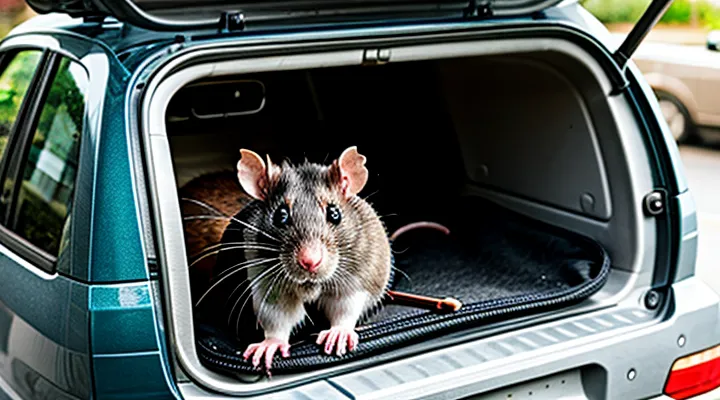
Planning Your Rat's Journey
Understanding Your Rat's Needs
Stress Factors for Rats During Travel
Rats experience heightened stress during travel due to several predictable environmental and physiological triggers. Recognizing these triggers enables owners to implement preventative measures that maintain the animal’s wellbeing throughout the journey.
- Sudden temperature fluctuations inside the carrier; exposure to drafts or direct sunlight can cause rapid body‑temperature changes.
- Excessive noise from vehicle engines, traffic, or handling; auditory overload stimulates the adrenal response.
- Vibration and abrupt movements; irregular motion disrupts balance and induces anxiety.
- Limited ventilation; insufficient airflow reduces oxygen availability and raises carbon‑dioxide levels.
- Confinement in an unfamiliar enclosure; lack of familiar scent cues and reduced space provoke fear.
- Dehydration and hunger; prolonged periods without water or food exacerbate physiological stress.
- Exposure to strong odors, such as cleaning agents or perfume; olfactory irritation triggers a stress response.
Mitigating these factors involves stabilizing carrier temperature, using sound‑absorbing materials, securing the carrier to minimize jolts, ensuring proper airflow, preserving familiar bedding or scent objects, providing water and a small snack before departure, and avoiding harsh chemicals near the carrier. Applying these practices aligns with best‑practice recommendations for safe rat transportation.
Acclimatizing Your Rat to Carriers
Acclimating a rat to a carrier reduces stress during travel and improves safety. Begin with a carrier that offers ventilation, secure closure, and enough space for the animal to turn around. Place the carrier in a familiar area of the home and leave the door open for several days, allowing the rat to explore at its own pace.
- Add a small amount of the rat’s bedding or a favorite chew toy inside the carrier.
- Offer treats on the carrier floor to create a positive association.
- Conduct brief, 5‑minute sessions where the rat is gently guided into the carrier, then promptly released.
- Gradually extend each session by a few minutes, monitoring the rat’s behavior for signs of agitation such as rapid breathing, excessive grooming, or attempts to escape.
- Once the rat remains calm for 15‑20 minutes, close the door for short intervals (1‑2 minutes) while the carrier stays on a stable surface.
- Increase closed‑door time incrementally until the rat tolerates the carrier for at least 30 minutes without distress.
During acclimation, keep the carrier away from loud noises and strong odors. Maintain a consistent temperature and avoid direct sunlight. After successful habituation, the rat will enter the carrier voluntarily, facilitating a smoother transition to travel conditions. Regular reinforcement of the carrier routine helps preserve calm behavior for future trips.
Choosing the Right Carrier
Size and Ventilation Requirements
When moving a rat, the carrier must accommodate the animal’s full length without forcing it to curl tightly. Minimum interior dimensions are 10 cm × 15 cm × 20 cm (width × height × length) for a single adult; larger breeds or multiple rats require proportional increases. Provide at least 2 cm of clearance on each side to prevent contact with walls, and ensure a flat, non‑slipping base. Secure the enclosure with a latch that cannot be opened by the rat but allows quick access for emergency handling.
Adequate airflow prevents overheating and respiratory distress. Choose a container with mesh panels covering at least 30 % of the surface area, using stainless‑steel or fine‑woven nylon that resists gnawing. Position ventilation openings opposite each other to create cross‑draft; avoid single‑sided vents that may trap heat. Verify that airflow remains uninterrupted when the carrier is placed upright or on its side, and inspect mesh for blockages before each trip.
Material and Security Features
When moving a pet rat, the carrier’s construction determines both animal welfare and owner confidence. Durable, non‑porous plastics such as high‑density polyethylene provide a rigid shell that resists cracking under the pressure of handling and vehicle motion. These materials are lightweight, allowing easy placement in a car’s footwell or under a seat without adding significant weight. For owners who prefer reusable options, stainless‑steel cages offer superior sanitation; the metal surface tolerates high‑temperature disinfectants and eliminates odor retention. Soft, breathable fabrics—cotton or fleece liners—should be confined within a rigid frame, preventing the rat from escaping while supplying warmth and moisture‑wicking comfort.
Key security elements include:
- A lockable latch that engages with a single, audible click, preventing accidental opening during transit.
- Ventilation slots positioned opposite each other to create cross‑flow, maintaining oxygen levels without exposing the animal to drafts.
- A removable interior divider that creates a small “nest” area, reducing movement and stress.
- Rounded edges on all corners to eliminate injury risk if the rat contacts the carrier’s interior.
- A transparent side panel made of shatter‑resistant polycarbonate, allowing visual monitoring without disturbing the animal.
Integrating these material choices and safety mechanisms yields a transport solution that safeguards the rat from injury, escapes, and environmental stressors while meeting hygiene standards required by veterinary guidelines.
Essential Carrier Contents
When moving a pet rat, the carrier must contain items that maintain health, reduce stress, and comply with transport regulations. Include the following components:
- Absorbent bedding: Use a thin layer of paper-based or aspen shavings to cushion the animal and absorb waste without releasing dust. Replace any soiled material before departure.
- Secure food supply: Provide a small portion of the rat’s regular diet in a sealed container to prevent spillage. Include a few fresh vegetables or a treat for enrichment during the journey.
- Hydration source: Attach a leak‑proof water bottle or place a shallow dish with a sponge‑soaked water pad to ensure continuous access to moisture without risk of leakage.
- Hide or tunnel: Insert a lightweight cardboard tube or fabric hide to give the rat a familiar refuge, helping to lower anxiety.
- Cleaning wipes: Keep disinfectant‑free wipes handy for quick removal of accidental spills or droppings inside the carrier.
- Identification tag: Affix a label with the rat’s name, owner contact information, and any medical notes. Ensure the tag is securely fastened to the carrier exterior.
Arrange each item so that the rat can move freely while remaining protected. Verify that the carrier is well‑ventilated, lockable, and fits within the dimensions required by the transport service. Proper preparation of these essentials minimizes risk and promotes a calm passage for the animal.
Bedding Options
When moving a pet rat, the bedding inside the transport carrier influences comfort, temperature regulation, and hygiene. Choose a material that remains dry, absorbs moisture, and does not shed particles that could clog ventilation slots.
- Paper-based bedding (e.g., shredded paper, cellulose pads): low dust, high absorbency, easy to replace; suitable for short‑term trips.
- Aspen shavings: low aromatic oils, moderate absorbency, minimal splintering; works well for medium‑duration journeys.
- Hemp bedding: excellent moisture control, biodegradable; requires a thin layer to avoid excess bulk.
- Corncob bedding: high absorbency but can generate dust; acceptable only if the carrier is well‑ventilated and the rat shows no respiratory sensitivity.
- Avoid pine or cedar shavings: contain volatile compounds that may irritate the respiratory tract during confinement.
Prepare the carrier by placing a 1‑2 cm layer of the selected bedding on the bottom, then add a small amount of a clean, dry nest material (e.g., tissue paper) for the rat to curl into. Ensure the bedding does not shift during transport; secure it with a thin, breathable liner if necessary. Replace the bedding promptly after each trip to prevent bacterial growth and odor buildup.
Food and Water Solutions
Provide a small, nutritionally balanced snack that will not spoil or create mess during the journey. Choose dry, low‑moisture foods such as a few pieces of plain rodent pellet, a slice of fresh apple, or a small portion of unsalted boiled egg. Place the snack in a sealed, lightweight container that fits securely inside the transport carrier, preventing the rat from accessing the food until the journey is complete.
Supply water in a leak‑proof, bite‑resistant dispenser. Recommended options include:
- A sterile, pre‑filled syringe with a blunt tip, delivering measured drops directly to the rat’s mouth.
- A small, puncture‑resistant bottle with a cap that can be opened briefly for a quick sip.
- A gel water block formulated for rodents, cut to a size that fits the carrier and remains solid until the rat chews it.
Maintain hydration by offering water at least 30 minutes before departure and checking the dispenser for leaks before sealing the carrier. If the trip exceeds two hours, repeat a brief water offer at the halfway point, ensuring the rat remains hydrated without excess spillage.
Comfort Items
When moving a pet rat, include items that reduce stress and maintain normal behavior. Choose materials that are safe, lightweight, and easy to clean.
- Soft bedding such as shredded paper or tissue strips provides a familiar surface and absorbs minor spills. Secure the bedding to prevent shifting during travel.
- A small, enclosed hideaway mimics the cage nest. Use a ventilated plastic container or a fabric pouch that fits inside the transport carrier.
- Chewable objects, like untreated wooden blocks or natural fiber toys, allow the rat to gnaw and keep teeth healthy during the journey.
- A piece of the home cage liner or a cloth scented with the rat’s own odor offers a recognizable scent, helping to calm the animal.
- Non‑slippery floor material, such as a thin layer of silicone mat, prevents slipping and supports stable footing.
Place each item securely so that it does not obstruct airflow. Arrange the bedding first, then the hideaway, followed by chew toys and scented cloth. This configuration creates a stable micro‑environment, minimizes movement, and supports the rat’s natural habits while in transit.
During the Journey: Ensuring Safety and Comfort
Temperature Control
Avoiding Extreme Heat
When moving a rat, exposure to high temperatures can cause heat stress, dehydration, and fatal hyperthermia. Preventing extreme heat begins with planning the travel window. Choose early‑morning or late‑evening hours when ambient temperature is at its lowest. Verify indoor climate control before placing the animal in a carrier.
Maintain a stable microclimate inside the carrier. Use a breathable, insulated container that allows airflow without drafts. Place a small, non‑wet cooling pad or a frozen gel pack wrapped in a cloth to lower temperature by a few degrees, ensuring the rat cannot chew the material. Replace the pad if it warms beyond safe limits.
Hydration supports thermoregulation. Offer water in a leak‑proof bottle or a shallow dish secured to the carrier wall. Check the water level before departure and during any stops; refill with cool, fresh water as needed.
Limit direct sunlight. Shield the carrier with a light‑colored blanket or a portable travel hood. Position the carrier away from windows, vents, or radiators that may radiate heat.
Monitor the rat continuously. Look for signs such as rapid breathing, excessive salivation, or lethargy. If any symptom appears, pause the journey, provide shade, and offer water immediately. Relocate the animal to a climate‑controlled environment if temperature remains above the safe threshold (generally under 78 °F/25 °C).
By adhering to these measures, owners can minimize the risk of heat‑related complications and ensure a safe transport experience for their pet rat.
Preventing Cold Exposure
Transporting a rat without exposing it to cold requires a controlled environment, proper equipment, and vigilant monitoring. An insulated carrier prevents temperature loss, while a pre‑warmed interior eliminates the risk of a sudden chill. Maintaining a stable ambient temperature reduces stress and protects the animal’s health during travel.
- Choose a carrier with double‑wall construction or add a layer of thermal padding.
- Warm the carrier for at least 15 minutes before placing the rat inside; use a low‑heat heating pad covered with a breathable fabric.
- Seal all openings to block drafts, but include a small ventilation slot that does not compromise insulation.
- Attach a portable thermometer to the carrier wall; check the reading every 30 minutes and adjust heating as needed.
- Limit transport duration in cold weather; if travel exceeds one hour, provide a brief rest period in a heated room.
- Avoid direct contact with ice packs; if supplemental heat is required, use reusable gel packs set to a safe temperature (≈ 35 °C) and place them against the carrier wall, not inside the animal’s space.
By following these steps, owners ensure that a rat remains comfortably warm throughout the journey, minimizing the likelihood of hypothermia and related complications.
Handling Stress During Transport
Minimizing Noise and Vibration
When moving a rat, the auditory and kinetic environment directly influences the animal’s stress level and physiological stability. Excessive sound can trigger heightened heart rate, while vibration may cause disorientation and injury. Controlling these factors is essential for a safe journey.
- Select a carrier made of solid, insulated material; foam-lined walls dampen external vibrations.
- Place the carrier on a flat, stable surface during transport; avoid sudden accelerations or sharp turns.
- Use a quiet vehicle cabin; turn off music, close windows, and silence engine noise with a sound‑absorbing blanket over the carrier.
- Secure the carrier with a non‑slipping mat or straps to prevent movement within the vehicle.
- Schedule travel during periods of low traffic to reduce external noise exposure.
Implementing these measures minimizes auditory and mechanical disturbances, preserving the rat’s equilibrium and reducing the risk of trauma throughout the trip.
Offering Reassurance
Transporting a pet rat can feel daunting, yet the process is predictable when proper measures are applied. Secure containment, temperature control, and minimal stressors combine to protect the animal throughout the journey.
- A well‑ventilated carrier with a snug but non‑restrictive fit prevents escape while allowing natural airflow.
- A temperature range of 65‑75 °F (18‑24 °C) eliminates overheating or chilling; portable heat packs or insulated blankets adjust conditions as needed.
- Familiar bedding and a small, familiar chewable object reduce anxiety by providing sensory continuity.
- Short, steady travel intervals with gentle handling maintain calm; abrupt movements or loud noises are avoided.
Veterinary guidelines confirm that these practices sustain physiological stability, evidenced by unchanged heart rate and normal respiration during transport. Owners who follow the outlined protocol can expect the rat to remain alert, responsive, and unharmed.
Routine pre‑travel checks—verifying carrier integrity, confirming adequate hydration, and inspecting the animal for injuries—further guarantee safety. By adhering to these steps, owners eliminate uncertainty and ensure a smooth transition from home to destination.
Breaks and Hydration
Scheduled Stops for Longer Journeys
When traveling long distances with a rat, regular stops protect the animal’s health and reduce stress. Each pause allows for temperature checks, hydration, and a brief inspection of the carrier for any signs of damage or overheating.
- Stop every 2–3 hours on road trips; more frequently in extreme heat or cold.
- Choose shaded, quiet locations away from traffic and predators.
- Open the carrier briefly, only to offer fresh water and a small amount of food; avoid letting the rat out of the enclosure.
- Inspect the bedding for moisture; replace damp material with dry, absorbent pads.
- Verify that the carrier remains securely sealed and that ventilation openings are unobstructed.
- Observe the rat’s behavior; signs of agitation, excessive panting, or lethargy indicate the need for a longer break or veterinary consultation.
Document each stop’s time, temperature, and observations. Consistent records help identify patterns that may require adjustments to the travel schedule or carrier setup, ensuring the rat arrives at its destination in optimal condition.
Safe Water Access
Hydration must be maintained throughout the journey to prevent stress‑induced dehydration. Provide a secure water source that will not spill or leak when the carrier is moved.
- Choose a small, leak‑proof bottle with a bite‑resistant nozzle.
- Ensure the bottle fits snugly inside the carrier without restricting the rat’s movement.
- Verify that the water is fresh and at room temperature before each trip.
Before departure, fill the bottle no more than 30 minutes ahead to keep the water cool. Secure the bottle with a clip or elastic band to the carrier wall, preventing displacement during handling. Inspect the nozzle for cracks; replace the bottle if any damage is detected.
During transport, keep the carrier upright and avoid excessive shaking. Periodically check that the bottle remains sealed and that the rat can access the water without obstruction. If the journey exceeds two hours, consider a second bottle positioned opposite the first to ensure continuous availability.
Securing the Carrier
In a Vehicle
Transporting a rat in a vehicle requires a secure carrier, stable environment, and continuous monitoring.
- Choose a hard‑sided cage with a lockable lid; the interior must allow the animal to stand, turn, and lie down comfortably.
- Line the bottom with absorbent bedding that will not shift during motion.
- Provide a small water bottle with a leak‑proof seal; avoid food that can crumble and create debris.
Place the carrier on the floor of the back seat or in a crate that can be fastened with seat belts. Position it away from direct sunlight and drafts. Maintain cabin temperature between 65‑75 °F (18‑24 °C). Secure the carrier to prevent sliding or rolling; a seat‑belt loop or non‑slip mat is sufficient. Keep music volume low and avoid sudden accelerations.
During travel, observe the rat at regular intervals—every 30 minutes for short trips, more frequently on longer journeys. Check for signs of stress such as rapid breathing, excessive grooming, or refusal to drink. If a stop is needed, keep the carrier closed and stable; do not remove the rat from the carrier unless absolutely necessary.
In case of an emergency, have a portable carrier and a basic first‑aid kit ready. If the rat shows injury or severe distress, stop the vehicle safely, handle the animal with gloves, and seek veterinary assistance immediately.
Adhering to these steps minimizes risk, ensures the rat’s welfare, and simplifies the owner’s responsibility while traveling by car.
On Public Transport
Transporting a pet rat on buses, trains, or subways requires a secure carrier, proper identification, and adherence to transit policies. Choose a well‑ventilated, escape‑proof container that fits under the seat or in a designated luggage area. Line the interior with absorbent bedding and a small water dish to prevent dehydration during the journey.
Before boarding, verify that the transit authority permits small animals. Carry a veterinary health certificate and a label with the rat’s name, owner contact, and emergency instructions. Place the carrier on a stable surface; avoid placing it on moving footrests or near doors that open frequently.
During travel, monitor temperature and noise levels. If the environment becomes excessively hot, cold, or loud, pause the trip at the next stop to check the rat’s condition. Keep the carrier closed, but do not restrain the animal inside; a calm environment reduces stress.
After arrival, inspect the carrier for signs of damage or escape routes. Offer fresh water and a brief period of quiet rest before re‑integrating the rat into its regular enclosure. Following these steps minimizes risk and ensures a humane experience on public transportation.
After the Journey: Settling Your Rat
Gradual Introduction to New Environment
When moving a rat to a new carrier or transport vehicle, a gradual acclimation process reduces stress and prevents injury. Begin by placing the rat’s familiar bedding and hide within the empty carrier for several hours each day. Allow the animal to explore the space voluntarily; do not force entry. Observe for signs of comfort, such as normal grooming or calm posture, before extending exposure time.
After initial familiarity, introduce brief, supervised sessions inside the carrier while it remains stationary. Increase the duration by 10‑15 minutes per session, ensuring the rat can retreat to its hide at any moment. Maintain a consistent ambient temperature (18‑22 °C) and low ambient noise to avoid additional stressors.
Proceed to short transport simulations:
- Secure the carrier in a quiet room.
- Walk a short distance (2‑3 m) while monitoring the rat’s behavior.
- Return the carrier to the original location and allow a rest period equal to the travel time.
- Gradually extend the walking distance, adding 5‑10 m per trial until the intended travel length is reached.
Completing this staged introduction equips the rat with familiarity, minimizes panic during actual relocation, and supports safe handling throughout the journey.
Post-Travel Health Check
After a journey, examine the rat for signs of stress, injury, or illness. Conduct the assessment within an hour of arrival to detect acute problems before they worsen.
- Observe behavior: alertness, grooming, and movement. Lethargy, tremors, or excessive hiding indicate possible distress.
- Check physical condition: skin, fur, eyes, and ears for abrasions, swelling, or discharge. Look for bite marks or bruises on limbs and tail.
- Measure temperature: normal rat body temperature ranges from 37.5 °C to 39 °C. Fever may suggest infection.
- Assess respiration: rate should be 70–150 breaths per minute. Rapid, shallow, or labored breathing warrants veterinary attention.
- Monitor intake: ensure the rat drinks water and eats within a few hours. Anorexia lasting more than 12 hours requires intervention.
If any abnormality appears, contact a veterinarian experienced with rodents promptly. Provide details of the trip, including transport container, duration, temperature fluctuations, and any handling incidents. Follow the veterinarian’s treatment plan and keep records of observations, medication, and follow‑up visits.
Maintain a clean, quiet recovery area with soft bedding, fresh water, and familiar food. Limit handling for the first 24 hours to reduce stress. Re‑evaluate the rat’s condition after 24 hours; if stable, gradually resume normal routine. Regular post‑travel checks during the first week help ensure long‑term health after transport.
Providing a Calm Space
A calm space reduces stress and prevents injury during travel. Place the rat in a well‑ventilated carrier that fits snugly enough to limit movement but allows the animal to turn around. Line the bottom with soft, absorbent material such as shredded paper or a small towel; replace if it becomes damp. Maintain a temperature between 65 °F and 75 °F; use a lightweight blanket to shield against drafts and direct sunlight.
- Choose a quiet area of the vehicle, away from engine noise and sudden stops.
- Secure the carrier with a seat belt or strap to avoid shifting.
- Dim interior lighting; bright flashes can startle the rat.
- Offer a familiar chew toy or tunnel to provide a sense of enclosure.
- Monitor humidity; excess moisture encourages respiratory issues.
Prior to departure, allow the rat to explore the carrier for a few minutes. This brief acclimation reinforces the perception of safety and encourages calm behavior throughout the journey.
Special Considerations for Specific Travel Types
Car Travel Tips
Transporting a pet rat by car requires careful preparation to prevent stress and injury. Use a well‑ventilated, escape‑proof carrier that fits securely on the seat. Place familiar bedding and a small water bottle inside to maintain hydration.
- Choose a carrier with smooth interior surfaces; line it with a thin layer of tissue to reduce slipping.
- Position the carrier on the rear seat or floor, secured with a seat belt or non‑slip mat to prevent movement during sudden stops.
- Keep the cabin temperature between 65 °F and 75 °F; avoid direct sunlight and drafts from open windows.
- Limit travel time to no more than two hours without a break; during longer trips, stop every 60–90 minutes to check the rat’s condition.
- Carry a small emergency kit containing a spare water bottle, a few pellets, a soft cloth for cleaning, and a basic first‑aid item such as sterile gauze.
- Silence the radio and reduce loud noises; a calm environment minimizes anxiety.
- Ensure the vehicle’s ventilation system does not blow directly onto the carrier; adjust vents to provide gentle airflow.
After reaching the destination, allow the rat to adjust gradually. Open the carrier in a quiet room, let the animal emerge at its own pace, and monitor for signs of stress before returning it to its regular enclosure. Following these measures maximizes safety and comfort throughout the journey.
Public Transport Etiquette
Transporting a pet rat on buses, trains, or subways requires strict adherence to public‑transport etiquette to protect the animal, fellow passengers, and transit staff. Owners must treat the journey as a shared environment, respecting rules that prevent stress, contamination, and disruption.
- Use a well‑ventilated, escape‑proof carrier that fits comfortably on your lap or under the seat.
- Keep the carrier closed at all times; do not open it for feeding or handling while the vehicle is moving.
- Place the carrier in a location that does not obstruct aisles, doors, or emergency exits.
- Silence any electronic devices and refrain from loud conversation that could startle the rat.
- Dispose of waste (e.g., bedding, droppings) in designated receptacles before boarding or immediately after disembarking.
- Carry a copy of any required permits or health certificates, presenting them to staff upon request.
Additional measures enhance compliance and safety. Clean the carrier before the trip to eliminate odors that may attract attention. Label the carrier with the owner’s contact information and a brief note indicating a live animal inside. If the transit authority imposes specific restrictions—such as mandatory carrier size or designated animal‑friendly carriages—observe them without exception. Following these protocols ensures a smooth, respectful journey for the rat and all passengers.
Air Travel Guidelines (if applicable)
When flying with a rat, verify that the airline accepts small mammals and review its specific regulations. Obtain a health certificate from a veterinarian within the required time frame, typically 48–72 hours before departure. Use a carrier that meets airline dimensions for cabin placement; the carrier must be well‑ventilated, secure, and allow the animal to stand, turn, and lie down comfortably. Place absorbent bedding inside, but keep it dry to prevent excess moisture. Label the carrier with the rat’s name, owner contact information, and a brief statement of the animal’s health status.
Key steps for a successful flight:
- Documentation – health certificate, vaccination records, and, if required, an import permit.
- Carrier preparation – sturdy construction, ventilation slots, secure latch, and a removable top for inspection.
- Pre‑flight feeding – offer a small meal 2–3 hours before travel; provide water but remove excess to avoid spills.
- Temperature control – avoid flights scheduled during extreme heat or cold; select a climate‑controlled cabin or cargo hold.
- Security screening – inform TSA agents that a live animal is present; request a manual inspection to prevent carrier damage.
- In‑flight monitoring – keep the carrier under the seat in front of you; check for signs of stress without opening the carrier.
- Post‑flight care – allow the rat to acclimate in a quiet area, offer water, and observe for any abnormal behavior before returning to its regular environment.
Arrange travel to minimize layovers and choose direct routes when possible. Confirm that the destination airport has facilities for handling small animals, and plan for a quiet, temperature‑stable holding area upon arrival. Following these guidelines reduces risk and promotes the rat’s well‑being throughout air travel.