
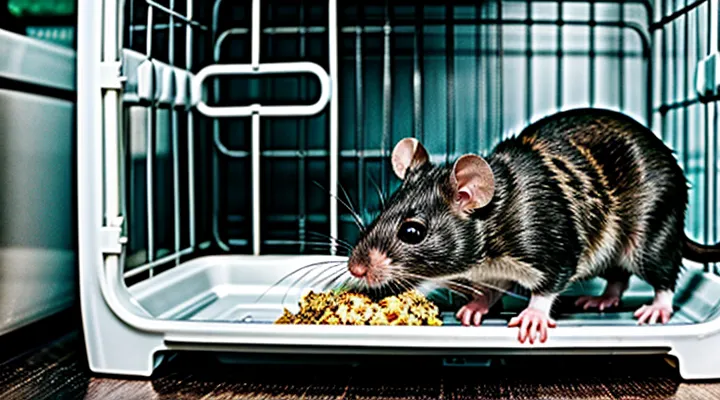
The Foundation of a Healthy Rat Diet
Commercial Rat Food «Pellets and Blocks»
Choosing the Right Brand
Choosing a reliable rat food brand directly influences health outcomes. Quality ingredients, balanced nutrition, and consistent formulation are non‑negotiable factors.
- Protein content between 15 % and 20 % supports growth and muscle maintenance.
- Fiber level of 5 %–8 % promotes proper digestion and prevents gastrointestinal issues.
- Absence of filler grains such as corn and wheat reduces the risk of obesity and allergies.
- Minimal artificial colors, flavors, and preservatives protect against metabolic stress.
- Transparent labeling provides exact percentages of each component, enabling precise diet planning.
- Shelf‑stable packaging prevents nutrient degradation and maintains freshness.
- Price per kilogram reflects cost‑effectiveness without compromising ingredient quality.
When comparing brands, examine the ingredient list first; prioritize whole‑food sources like soy, lentils, and oats over by‑products. Verify that the manufacturer conducts regular nutrient analysis and adheres to pet‑food safety standards. Check third‑party certifications or laboratory test results for verification of claimed nutrient levels.
Select a brand that offers a stable formula across production batches. Consistency eliminates the need for frequent dietary adjustments and reduces stress for the animal.
Implement the chosen brand according to cage‑feeding guidelines, providing measured portions twice daily and supplementing with fresh vegetables and occasional treats. Consistent monitoring of weight and coat condition confirms the suitability of the selected brand.
Importance of Nutritional Completeness
A nutritionally complete diet prevents deficiencies that can impair growth, reproduction, and immune function in captive rats. Balanced protein, fat, fiber, vitamins, and minerals supply the energy and building blocks required for tissue repair, hormone production, and disease resistance. Inadequate nutrition leads to weight loss, skeletal abnormalities, and increased susceptibility to infections, undermining any feeding plan.
Key components of a complete rat diet include:
- High‑quality animal or plant protein (15‑20 % of calories) to support muscle development and enzymatic activity.
- Essential fatty acids (omega‑3 and omega‑6) for cell membrane integrity and neural health.
- Complex carbohydrates and fiber (10‑15 % of diet) to promote gastrointestinal motility and microbiome balance.
- Vitamin A, D, E, K, B‑complex, and C to regulate vision, bone metabolism, antioxidant defenses, and metabolic pathways.
- Minerals such as calcium, phosphorus, magnesium, potassium, and trace elements (zinc, selenium, copper) to maintain skeletal strength, nerve transmission, and enzymatic functions.
Providing a diet that meets these requirements ensures that rats remain active, reproductive, and resilient, aligning daily feeding practices with the highest standards of animal care.
Fresh Foods for Pet Rats «Variety is Key»
Vegetables «Safe and Nutritious Options»
Pet rats thrive on a diet that includes fresh vegetables, which provide essential vitamins, minerals, and fiber. Introducing a variety of safe greens supports digestive health and encourages natural foraging behavior.
Safe and nutritious vegetable options include:
- Carrots (raw, sliced or grated)
- Bell peppers (any color, seeded)
- Broccoli florets
- Zucchini (peeled if thick-skinned)
- Spinach (offered in moderation)
- Kale (young leaves, limited quantity)
- Cucumber (seedless or sliced)
- Sweet potato (cooked, unseasoned, cooled)
- Peas (fresh or frozen, thawed)
- Green beans (raw or lightly steamed)
Vegetables to avoid because of toxicity or digestive upset:
- Onions, garlic, leeks
- Potatoes (raw)
- Tomato leaves and stems
- Rhubarb
- Avocado (skin and pit)
Preparation guidelines: wash all produce thoroughly, remove any pesticide residues, and cut into bite‑size pieces. Serve raw unless the vegetable is tough or fibrous; in such cases, a brief steam (no longer than five minutes) improves digestibility without destroying nutrients. Limit daily vegetable portions to no more than 10 % of the rat’s total food intake to maintain a balanced diet.
Regularly rotate selections to prevent boredom and monitor for signs of intolerance, such as loose stools or reduced appetite. Adjust offerings based on individual preferences and health observations.
Fruits «In Moderation»
Fruits provide vitamins and hydration for cage‑kept rats, but their natural sugar content requires strict limitation.
- Recommended fruits: apple (core removed), pear, berries (blueberry, raspberry, strawberry), kiwi, banana (small slice), melon (cantaloupe, honeydew).
- Portion size: no more than one teaspoon per rat per serving.
- Frequency: 2–3 times per week, not daily.
Offer fruit in small, bite‑size pieces to prevent choking. Remove seeds, pits, and skins that may contain toxins or sharp edges. Wash thoroughly to eliminate pesticide residues.
Excess fruit introduces high glucose levels, leading to obesity, dental decay, and gastrointestinal upset. Monitor weight and stool consistency after introducing any new fruit. If adverse signs appear, discontinue the item immediately.
Integrate fruit as a supplemental treat alongside a balanced base diet of high‑quality pellets, fresh vegetables, and occasional protein sources. Consistency in portion control maintains health while allowing rats to enjoy occasional fruit flavors.
Proteins «Essential for Growth and Repair»
Protein is the primary building block for tissue development and cellular repair in domesticated rats. Adequate intake supports rapid growth in juveniles and maintains muscle mass in adults.
A daily protein contribution of 15‑20 % of the total caloric intake meets physiological demands. For a standard adult rat consuming 20 g of food per day, this translates to roughly 3‑4 g of protein.
- Cooked chicken breast, shredded or finely diced
- Hard‑boiled egg, chopped
- Low‑fat cottage cheese, crumbled
- Plain Greek yogurt, spooned in small portions
- Commercial rat pellets labeled “high protein” (minimum 18 % protein)
- Soybeans or tempeh, cooked and mashed
Protein sources should be fresh, free of seasoning, and introduced gradually to avoid digestive upset. Combine animal‑derived proteins with plant‑based options to provide a balanced amino‑acid profile. Monitor body condition; excessive protein can lead to obesity, while deficiency results in stunted growth and poor wound healing.
Grains and Seeds «Supplements, Not Staples»
Grains and seeds belong in a rat’s cage diet only as occasional additions, not as primary nutrition sources. They supply modest amounts of carbohydrates, fiber, and essential fatty acids, but lack the protein, vitamins, and minerals required for optimal health.
When selecting supplements, choose small‑seed varieties such as millet, canary seed, and hemp seed, and whole grains like rolled oats, quinoa, and brown rice. Avoid processed cereals, flavored mixes, and large‑seed kernels that can cause digestive upset.
Guidelines for safe inclusion:
- Offer no more than 5 % of the total daily ration by weight.
- Provide a fresh portion each day; discard leftovers after 24 hours to prevent mold growth.
- Ensure seeds are unsalted, unflavored, and free of pesticides.
- Rotate between different grain and seed types to prevent nutrient imbalances.
Monitor each rat’s weight and stool consistency. If weight gain or loose feces occur, reduce or eliminate the supplemental portion immediately. Consistent observation ensures that grains and seeds remain a beneficial, controlled element of the overall feeding plan.
Foods to Avoid and Feeding Guidelines
Harmful Foods for Pet Rats «A Comprehensive List»
Toxic Plants and Substances
Pet rats require a diet free of hazardous botanicals and chemicals to maintain health and prevent acute or chronic poisoning.
Common toxic plants that should never be placed in a rat’s enclosure include:
- Oleander (Nerium oleander) – contains cardiac glycosides causing arrhythmia and death.
- Foxglove (Digitalis purpurea) – also rich in cardiac glycosides, leading to heart failure.
- Lily species (Lilium spp., Hemerocallis spp.) – cause severe renal damage.
- Nightshade family (Atropa belladonna, Solanum spp.) – contain solanine and atropine, resulting in neurological disturbances.
- Poinsettia (Euphorbia pulcherrima) – milky sap irritates mucous membranes and may induce vomiting.
- Azaleas and rhododendrons – high levels of grayanotoxins produce cardiovascular collapse.
Substances that pose a risk when inadvertently introduced to the cage environment:
- Household cleaners containing phenols, bleach, or ammonia – inhalation or ingestion leads to respiratory irritation and organ toxicity.
- Pesticide residues on fresh produce – neurotoxic effects manifest as tremors, seizures, or paralysis.
- Heavy metals such as lead or zinc from painted surfaces or galvanized hardware – accumulate in tissues, impairing growth and immune function.
- Essential oils (e.g., eucalyptus, tea tree) used for scent control – can cause respiratory distress and liver toxicity.
Symptoms indicating exposure to a poisonous agent may include sudden loss of appetite, diarrhea, tremors, seizures, excessive salivation, or discoloration of the gums. Immediate removal of the offending material and veterinary consultation are essential.
Maintain a strictly controlled feeding area, verify the safety of all plant material before introduction, and store cleaning agents and chemicals out of reach. Regular inspection of cage accessories for wear or corrosion reduces the likelihood of accidental ingestion of harmful substances.
Human Foods That Are Dangerous
Pet rats require a diet that mimics their natural omnivorous habits while avoiding foods that can cause acute toxicity or chronic health problems. Human foods often contain ingredients, additives, or nutrient imbalances that are unsafe for rats and should be excluded from cage feeding plans.
- Chocolate and cocoa products – contain theobromine, which rats cannot metabolize; ingestion leads to rapid heart rate, tremors, and possible death.
- Citrus fruits (oranges, lemons, grapefruits) – high acid content can cause gastrointestinal irritation and ulceration.
- Raw potatoes and green tomatoes – contain solanine, a neurotoxin that produces vomiting, diarrhea, and neurological signs.
- Onions, garlic, and chives – rich in thiosulfates that damage red blood cells, resulting in anemia.
- Dairy products (milk, cheese, yogurt) – rats lack sufficient lactase; consumption leads to severe diarrhea and dehydration.
- Processed meats (bacon, sausage, deli slices) – high salt and nitrate levels strain kidneys and increase cardiovascular risk.
- Artificial sweeteners, especially xylitol – trigger rapid insulin release, causing hypoglycemia and liver failure.
- Alcohol and caffeinated beverages – depress central nervous system function; even small amounts can be fatal.
Eliminating these items from the rat’s cage diet protects digestive health, prevents toxic reactions, and supports long‑term vitality.
Feeding Frequency and Portion Control
Daily Feeding Routine
A daily feeding routine for pet rats should provide balanced nutrition, consistent timing, and clean water to support health and activity.
Offer a fresh supply of high‑quality rat pellets each morning. Measure approximately 1 – 1.5 grams per rat, adjusting for age and activity level. Complement pellets with a measured portion of fresh vegetables such as carrots, broccoli, or leafy greens; limit to ¼ cup per rat to avoid excess moisture. Include a small amount of protein‑rich food—cooked egg, plain yogurt, or a few pieces of lean meat—no more than ½ teaspoon per rat, three times per week.
Provide a constant source of clean water in a bottle with a stainless‑steel nozzle. Replace the water daily and inspect the bottle for clogs.
Schedule treat distribution once daily, preferably in the late afternoon. Use low‑calorie options like a single piece of dried fruit or a small cube of cheese, limiting to 1–2 grams per rat.
Remove uneaten fresh food after 12 hours to prevent spoilage. Clean the food dishes and water bottle weekly with mild, unscented soap, then rinse thoroughly.
Monitor each rat’s weight and coat condition weekly. Adjust portion sizes if weight fluctuates more than 5 % over two weeks.
- Morning: pellets + measured vegetables
- Midday: water check, no additional food
- Late afternoon: small treat
- End of day: discard leftovers, clean dishes
- Weekly: deep clean water bottle and feeding area, weigh rats
Consistent adherence to this schedule promotes optimal growth, digestion, and overall well‑being.
Treats and Snacks «When and How Much»
Treats and snacks can enrich a rat’s diet but must be limited to prevent obesity and nutritional imbalance. Offer them only after the staple diet of high‑quality pellets or formulated blocks has been provided in full.
- Suitable options: small pieces of fresh fruit (apple, banana, berries), vegetables (carrot, cucumber, bell pepper), plain cooked lean meat, unsalted nuts, and commercially formulated rat treats.
- Portion size: no more than 5‑10 % of the total daily caloric intake; for an average adult rat this equals roughly ¼ gram of high‑calorie items such as nuts or dried fruit, and 1–2 grams of fresh produce.
- Frequency: 2–3 times per week; daily treats increase the risk of weight gain and digestive upset.
Introduce new items gradually, monitoring for signs of intolerance such as diarrhea or reduced appetite. Adjust quantities if the rat shows rapid weight gain or if the primary diet is already rich in the same nutrient. Replace treats with fresh water and a balanced pellet mix whenever the rat’s body condition score declines.
Hydration «Water is Crucial»
Water Bottle vs. Water Bowl
Pet rats require constant access to clean water, and the choice between a bottle and a bowl influences hydration, cage hygiene, and overall health.
A water bottle, typically a sipper attached to the cage wall, offers several advantages. The sealed system prevents spillage, reducing moisture buildup that can foster mold and respiratory issues. The metal or plastic nozzle limits bacterial growth if cleaned regularly. Bottles also conserve water, as rats draw only the amount they need. However, bottles can malfunction; a cracked tube or loose cap creates leaks, and some rats may struggle to activate the sipper, especially younger or dental‑compromised individuals.
A water bowl provides unrestricted drinking and allows rats to lap water as they would in the wild. Bowls are easy to fill and inspect for contaminants, and they accommodate multiple rats drinking simultaneously. The open design simplifies cleaning of the interior surface. Conversely, bowls increase the risk of frequent spills, raising humidity levels and encouraging bacterial proliferation on cage bedding. Bowls also require daily replacement of the water to prevent stagnation.
When deciding, consider the following factors:
- Rat age and dental health: Younger or dentally impaired rats may prefer a bowl.
- Cage size and ventilation: Smaller, less ventilated cages benefit from a bottle to limit moisture.
- Owner’s maintenance routine: Regular cleaning mitigates bowl‑related hygiene concerns; diligent bottle inspection prevents leaks.
- Multiple‑rat households: Bowls support concurrent drinking, but ensure enough space to avoid competition.
Best practice combines both methods: install a reliable bottle for daily hydration while providing a shallow, stainless‑steel bowl for occasional use, especially during breeding periods or when a rat shows difficulty using the sipper. Rotate the bowl every 24 hours and inspect the bottle weekly to maintain optimal water quality and cage conditions.
Maintaining Cleanliness
Maintaining a clean environment is essential for the health of caged rats and the effectiveness of any dietary program. Food residue, droppings, and moisture create conditions that encourage bacterial growth, mold, and parasites, which can quickly compromise nutrition and wellbeing.
Key practices for cleanliness:
- Remove uneaten food daily. Scrape the feeding area, discard leftovers, and replace with fresh portions.
- Clean the food dish after each feeding. Use warm water and a mild, unscented detergent; rinse thoroughly before refilling.
- Spot‑clean the cage twice daily. Wipe spills, replace soiled bedding, and check corners for hidden debris.
- Perform a full cage overhaul weekly. Disassemble all accessories, wash with hot water, sanitize with a diluted vinegar solution (1:4), and dry completely before reassembly.
- Monitor water bottle integrity. Empty, rinse, and refill daily to prevent bacterial colonization.
Consistent implementation of these steps reduces the risk of contamination, ensures that rats receive the intended nutrients without interference, and supports overall cage hygiene.